

The step stool is still below the pantry shelf, right where you left it before dinner. Above it sits the big roasting pan that comes out when family visits. You know exactly where everything is.
That’s part of why changing the kitchen feels unnecessary. Then reaching for that pan becomes harder than making the meal.
No one can promise what your kitchen will ask of you ten years from now. You can make tonight’s work easier to repeat. Notice the jobs that ask you to climb, carry, twist, or work in your own shadow.
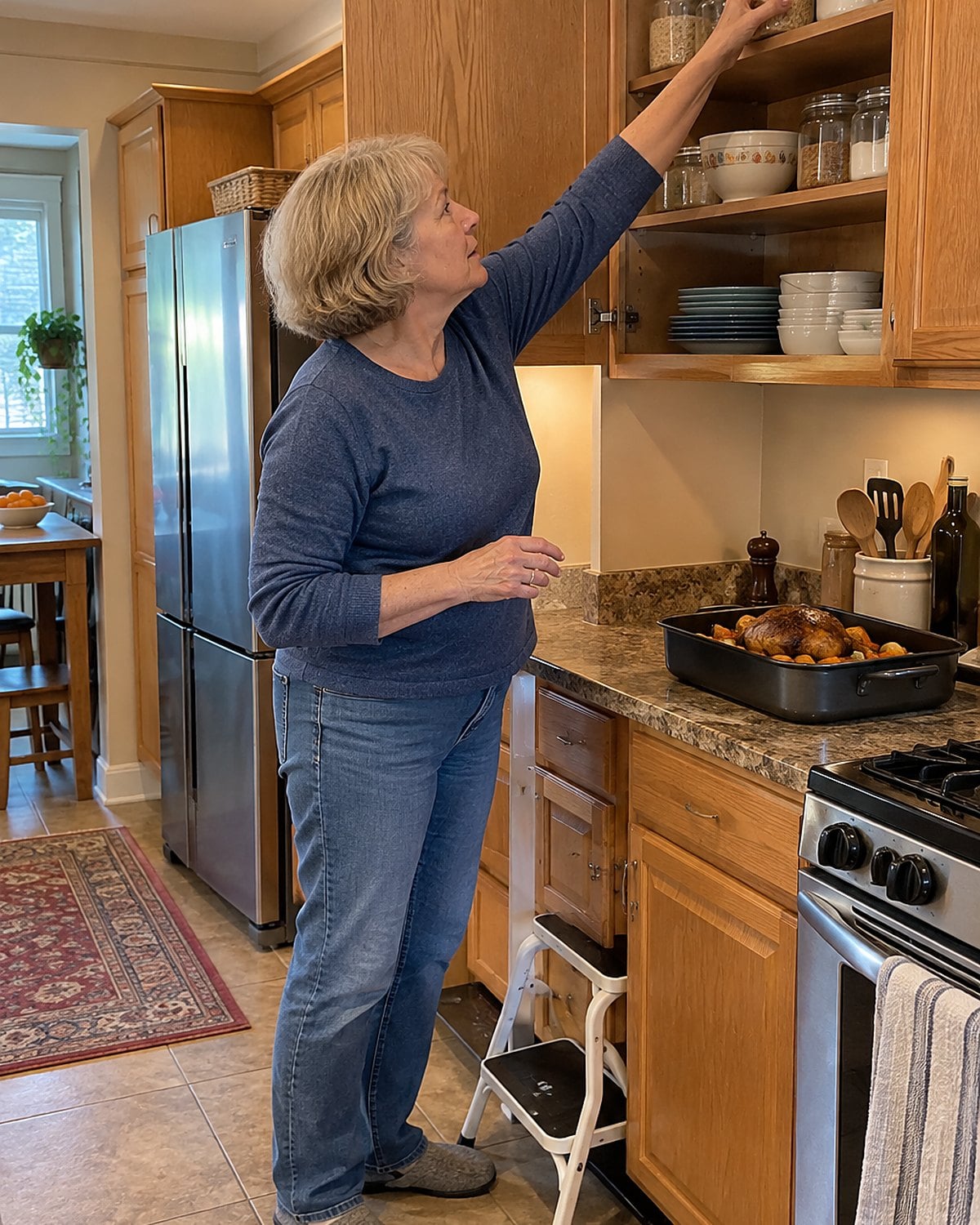
#24 The roasting pan above the pantry
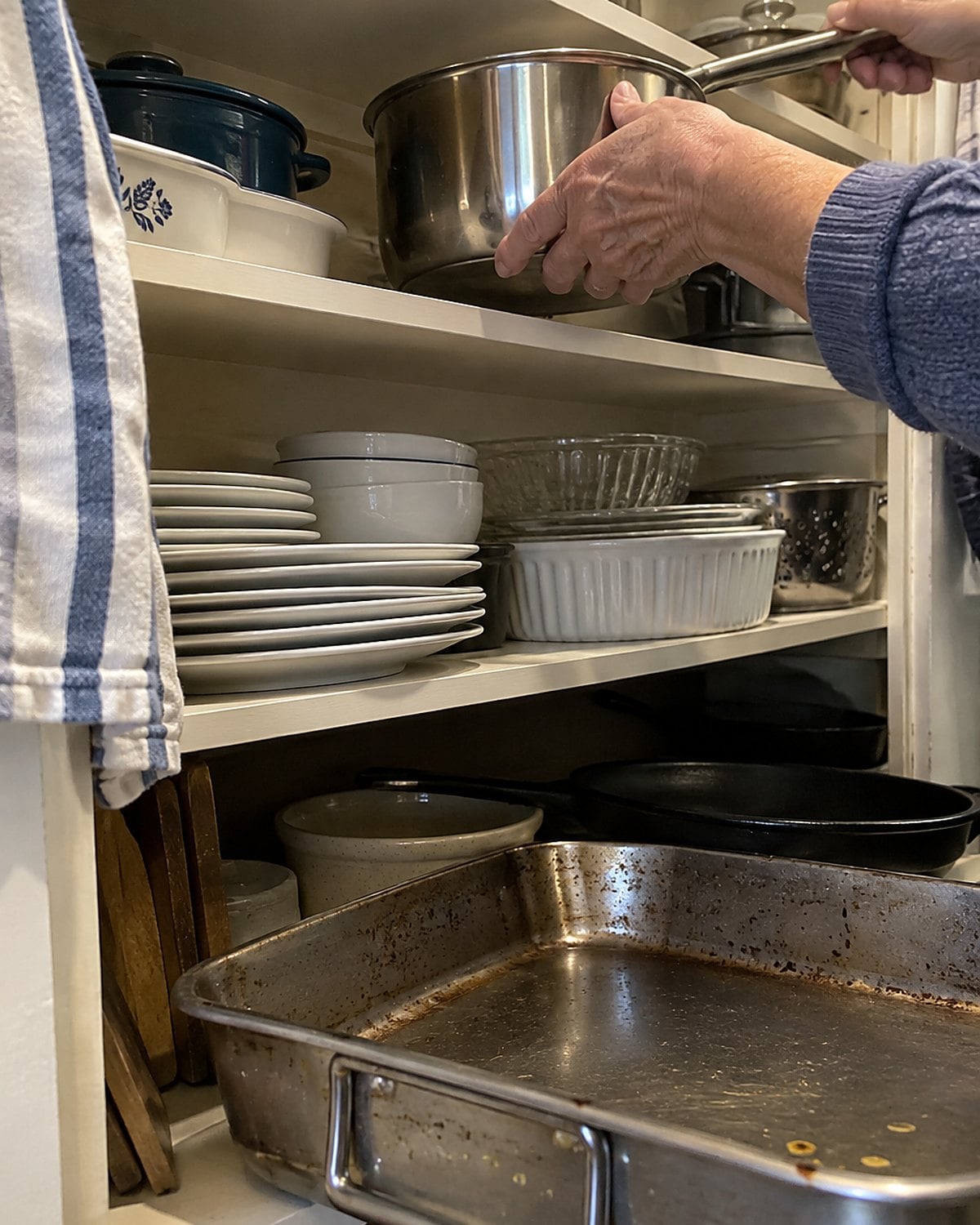
A roasting pan used twice a year has no business making you climb tonight. Yet there it sits, above the shelf of cans, because that’s where it went years ago.
Look at everything above shoulder height without stepping onto the stool. Ask someone to bring down the heavy pieces. Put the roasting pan in a low cabinet or another room. Bring the everyday saucepan and mixing bowl onto shelves you reach with both feet on the floor.
Don’t reorganize the whole pantry in one afternoon. Move what you use for supper first. Cook a few meals, then notice what still sends you up for the stool.
Keep the top shelf for light things you seldom need. The stool still has a place when a job calls for it. It shouldn’t be part of making Tuesday’s dinner.
#23 The curled edge of the sink mat
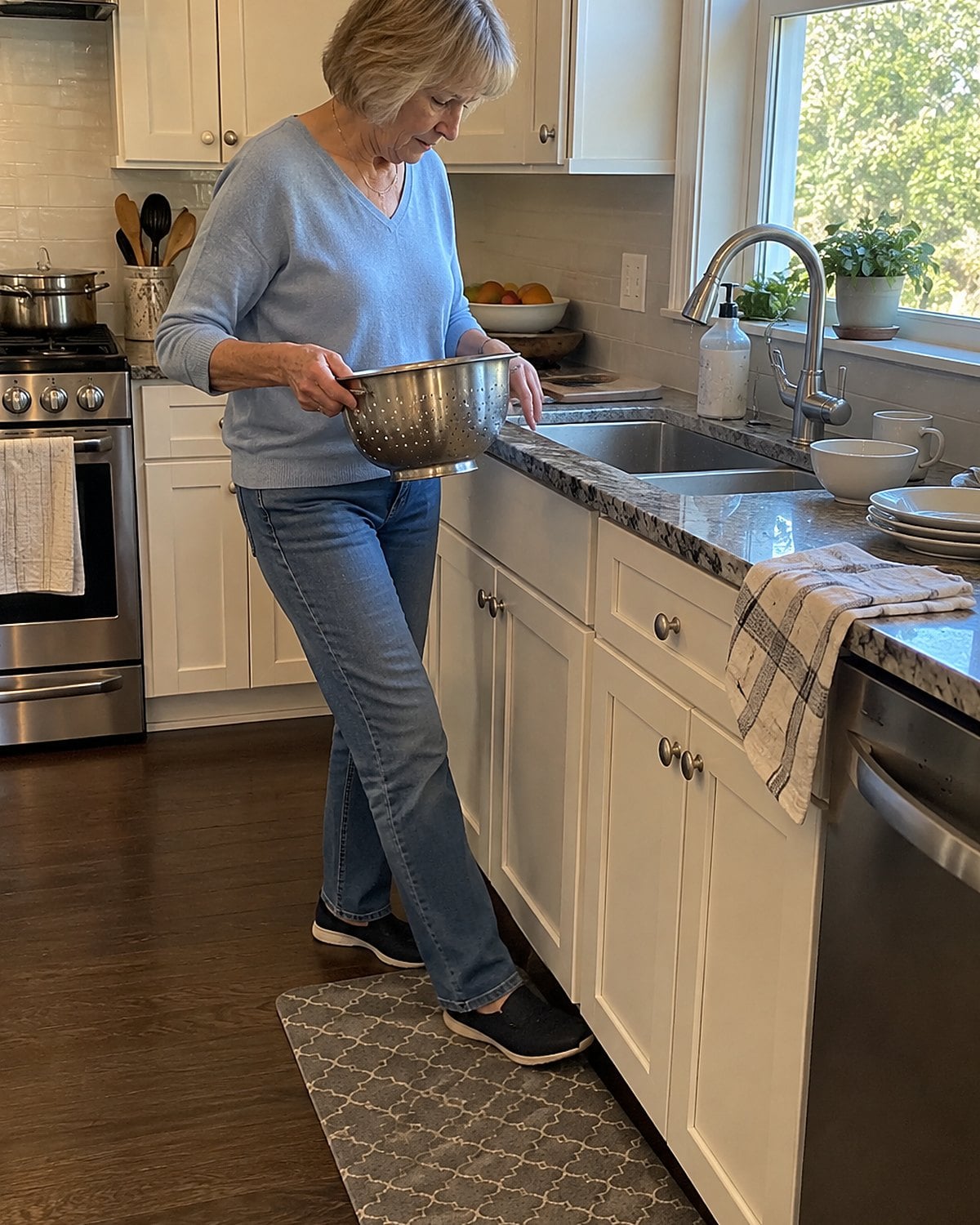
Run a shoe across the edge of the mat by the sink. Does it lift? Does the mat slide when you turn from the counter? You’ve made that turn thousands of times, which makes a small catch easy to overlook.
The National Institute on Aging’s falls guidance calls out loose rugs as a home hazard. A mat that bunches underfoot belongs in the same conversation. Remove it, then walk from sink to stove in the shoes you wear while cooking.
If you want something underfoot, choose a low-profile mat that stays put without a raised edge. Check it again after washing it. A mat that worked last month still needs to pass the shoe test today.
#22 The cast-iron skillet you always lift
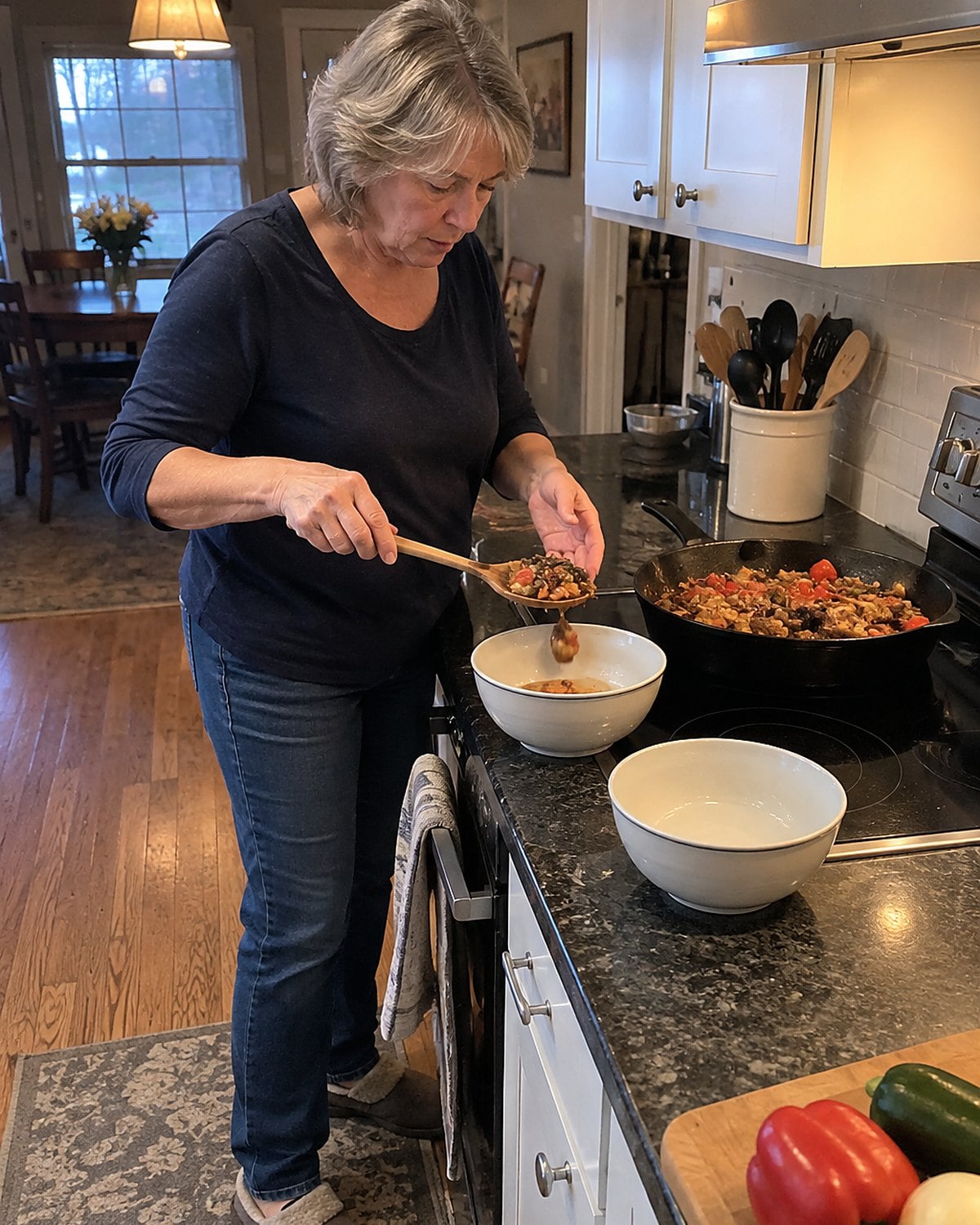
You know the skillet’s weight before you touch it. When the handle points toward the far burner, getting it onto the counter takes a longer reach. Add a full pan of supper, and an old habit asks more from your hands.
Try leaving the skillet on the burner while you serve. Set plates beside the stove and move the food with a spoon or spatula. If the pan has to travel, clear its destination first. Use both hands and a dry, secure grip.
A 12-inch skillet gives you room for a family supper. It also takes both hands to manage once it’s full. On a night when you’re cooking for one, put the lighter pan within reach before you start.
You don’t have to retire the cast iron. Let it earn its place when you want its steady heat. Just don’t make its weight the price of scrambled eggs.
#21 The cabinet door beside the fridge
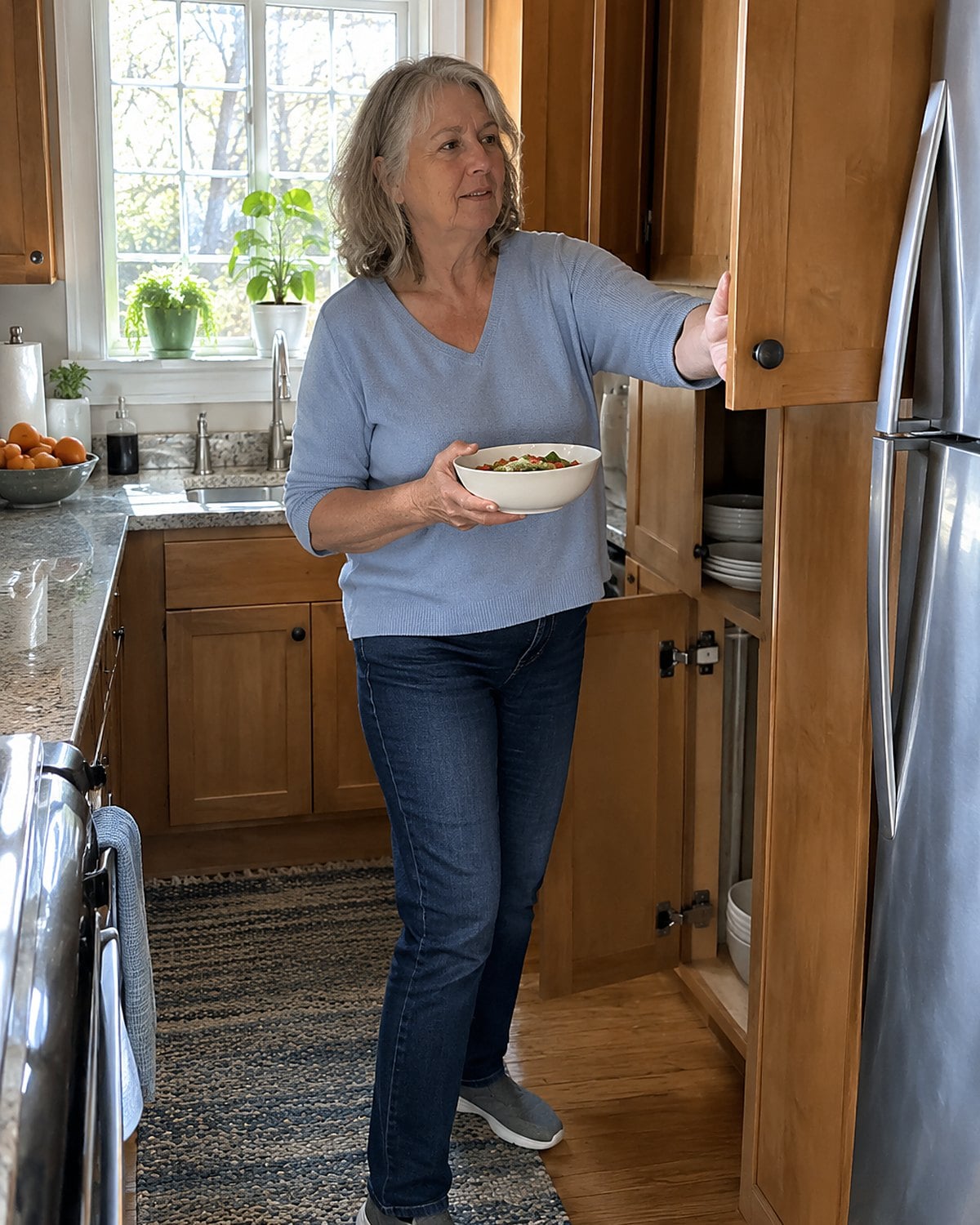
Open the cabinet beside the fridge and leave it there. Now walk your usual route to the sink. Does the door stick into it?
A bruise from a cabinet corner is easy to dismiss. You’ve learned to step around it, even with groceries in your hands. Start with the hinge. A loose screw or a door that swings open again after you shut it needs attention.
Put frequently used dishes where you can take one out and close the door before carrying it away. If the door still gets in your way, ask a carpenter about changing its swing or hardware.
Notice it tonight when the counters are busy. The door should open for the work, then get out of your way.
#20 The cookie sheet under the oven
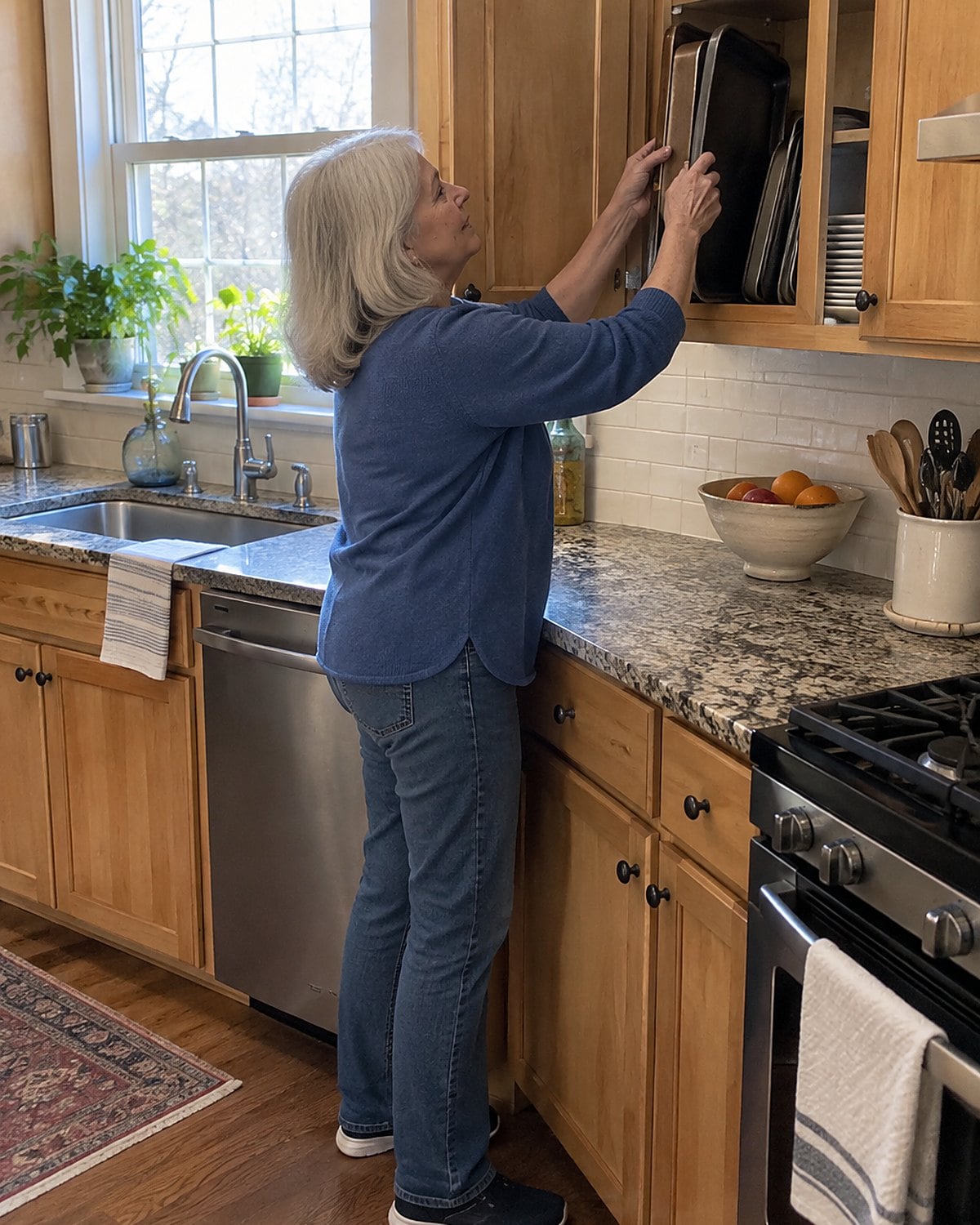
Getting down to retrieve a cookie sheet is one task. Standing back up with it in your hands is another. The drawer under the oven was convenient when bending and rising took no thought. It doesn’t have to keep the job.
Move sheet pans and muffin tins to a vertical rack in a reachable cabinet. Try the change for a week before buying an organizer. A sturdy divider or an existing shelf gives you a fair test.
Say to the person helping, “Put the things I use every week where I can take them out standing up.” That’s clearer than asking someone to redo the kitchen. It also protects the arrangement that already works.
Keep the seldom-used pans elsewhere. Give the good baking sheet the easy spot, then see where it lands when you put it away.
#19 The mixing bowl behind the flour
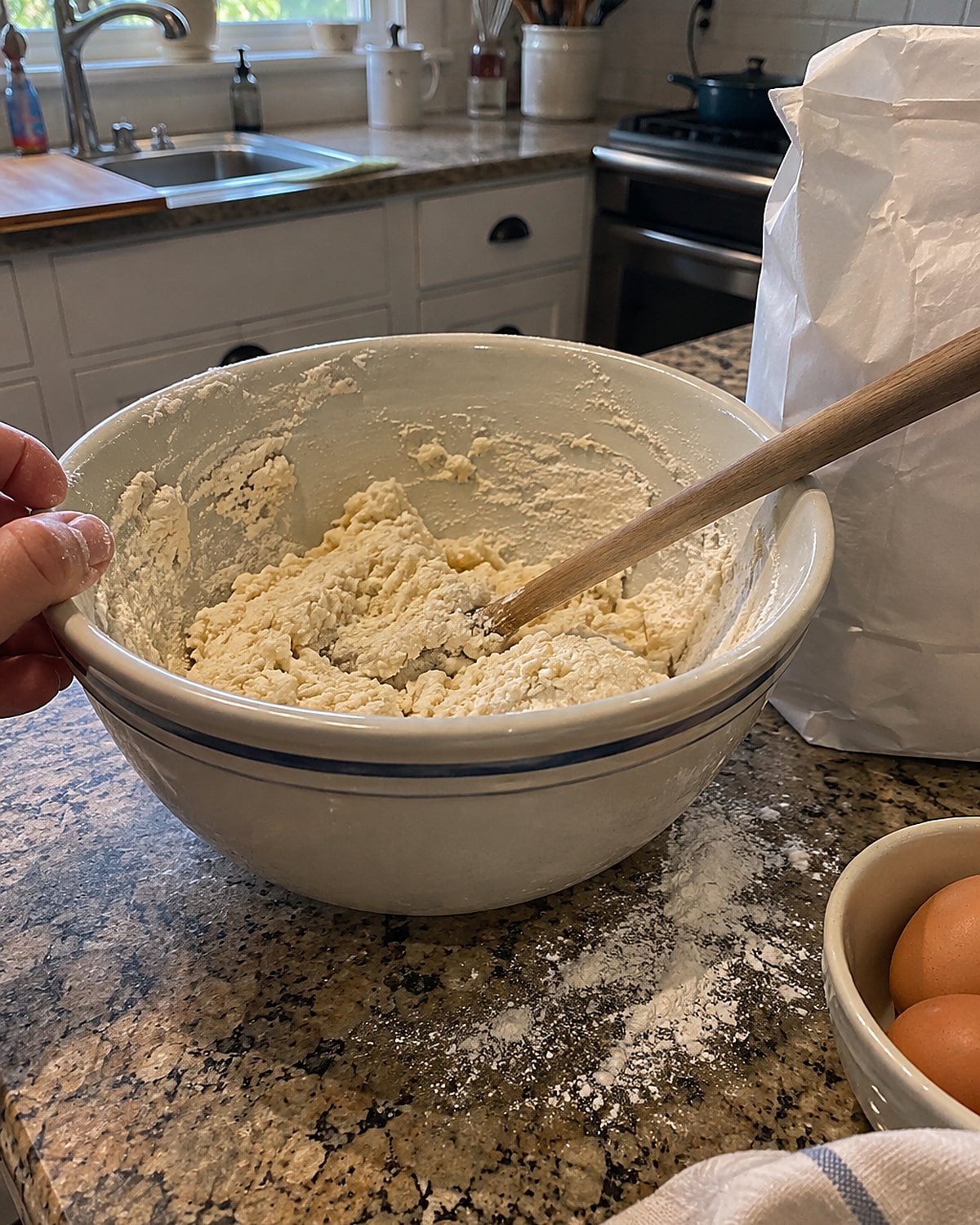
Picture the start of biscuits: flour on the counter, oven warming, and your mixing bowl trapped behind a row of bags. You pull things forward to reach it. Then they stay out because dinner has already begun.
Give each common job a small home. Keep the bowl near the flour, measuring cups near the baking supplies, and the colander near the sink. Place heavy items where you can lift them without reaching above your shoulders.
Don’t sort by how attractive the cabinet looks with its doors open. Sort by what your hands do next. Make biscuits, or another familiar dish, after you move things.
If the new arrangement sends you across the room more, change it back. The test is supper, not the shelf.
#18 The stool by the chopping board
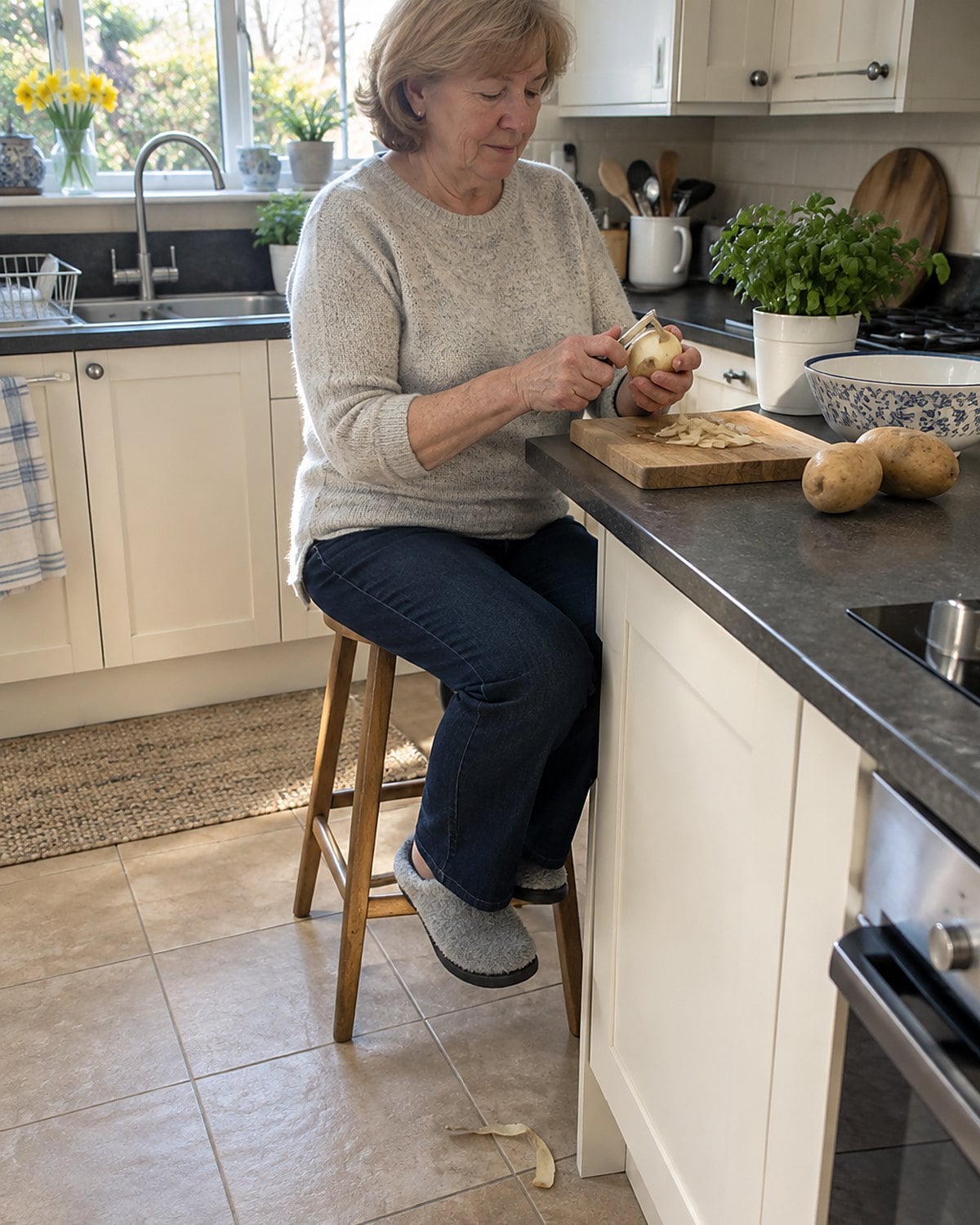
A stool at the counter gives you somewhere to sit while you peel potatoes or trim beans. You stand when you want to move to the stove. The chopping still gets done.
Test the stool before making space for it. Put your feet on firm support and sit at the height where you work. Can you stand without pulling on the counter? Push the stool back and check whether it blocks the sink.
Use it for your longest prep job this week. If you keep standing because the board sits too far away, move the board. If the stool crowds the room, find it another home between meals.
A good seat earns its place beside a good knife. You get to decide which jobs deserve a chair.
#17 The drawer that eats the good knife
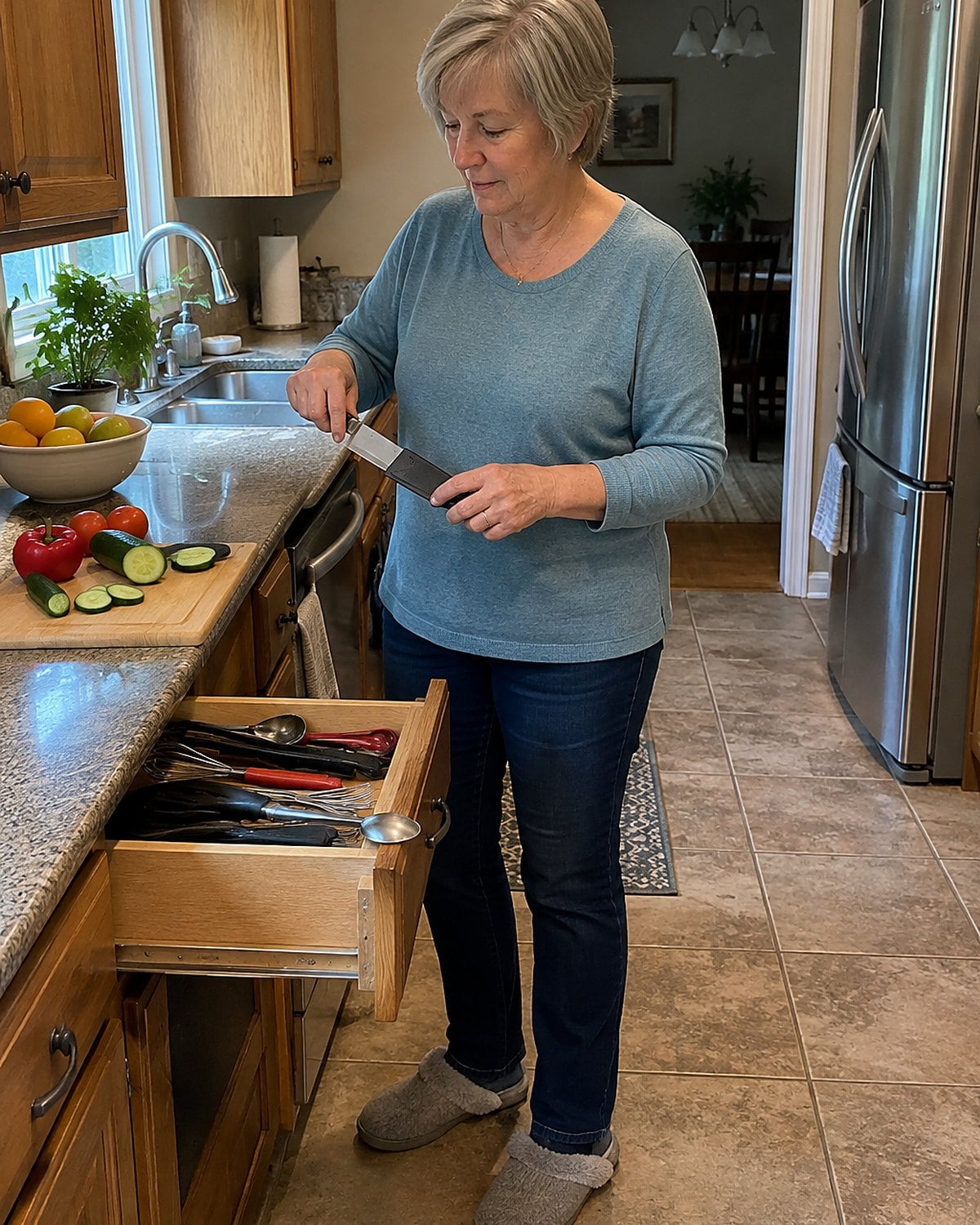
The good knife is at the back of the drawer, under the peeler and a handful of takeout forks. You find its handle by feel. That drawer has worked for years, but it asks you to put your hand among loose blades.
Empty it onto a towel and give the knife a protected spot. A blade guard lets it stay in the drawer without exposing its edge. A secure knife block works too, if it fits where you prepare food.
Check the handle while the drawer is empty. It should feel firm in your hand, without shifting against the blade. If it moves, set the knife aside for repair or replacement.
Put only the tools you reach for back near the board. You shouldn’t have to excavate the drawer each time you cut an onion. The church cookbook can stay right where it is; the knife deserves a better landing place.
#16 The grocery bags at the front step
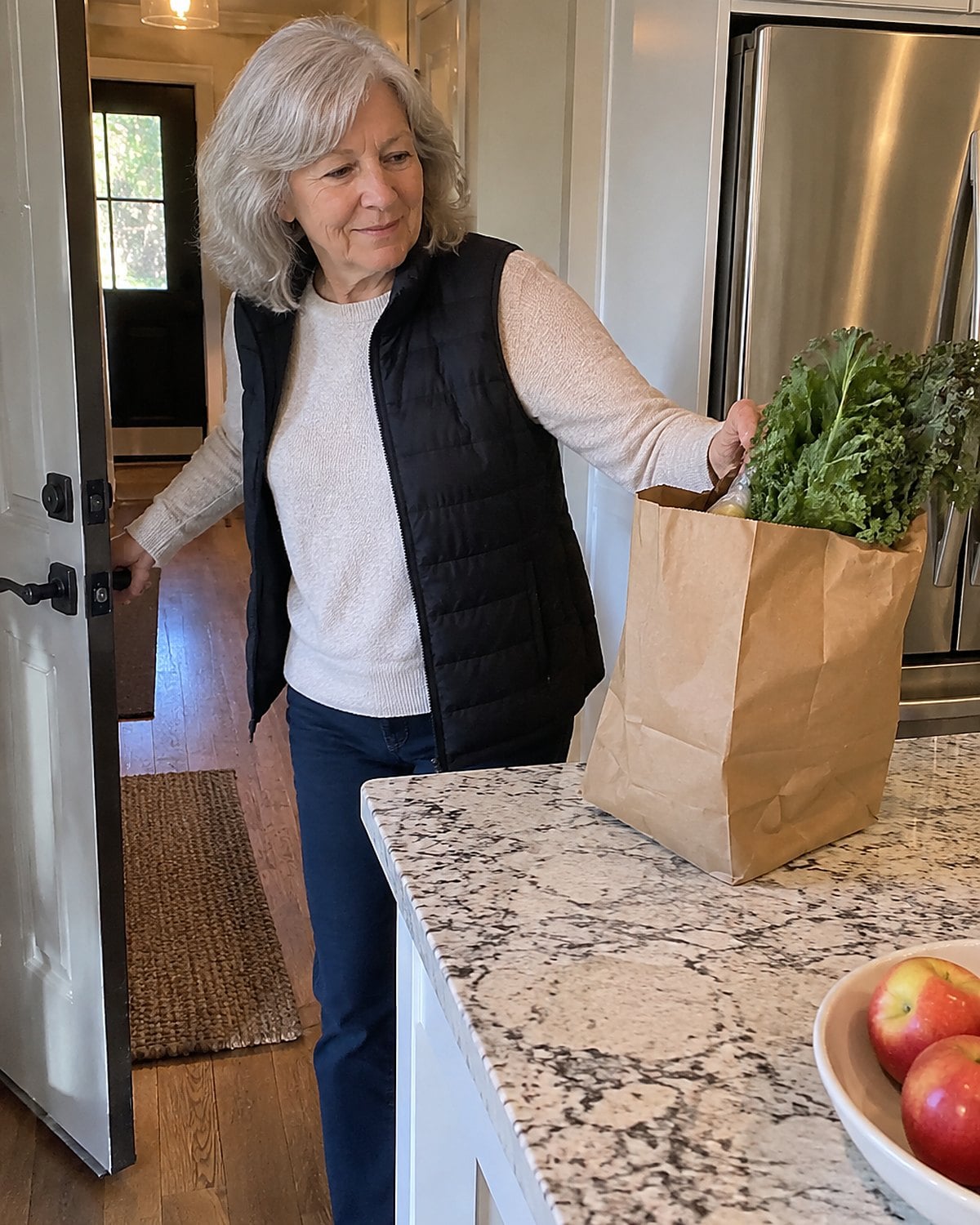
What happens when the grocery bag reaches the front step? That’s a better question than whether you can lift it off the market counter.
Ask the cashier to split canned goods between 2 bags. At home, make a clear place to set groceries just inside the door. Take them into the kitchen in smaller trips, rather than carrying everything while hunting for your keys.
A rolling cart helps where the route is smooth and clear. Test it along the actual path, including the doorway, before trusting it with groceries. Watch for a wheel that catches on a threshold.
If there’s a step, decide where the cart stops. Carry a bag from there rather than dragging the cart over the edge. The trip from market to pantry is part of making dinner.
#15 The jar lid that stops supper
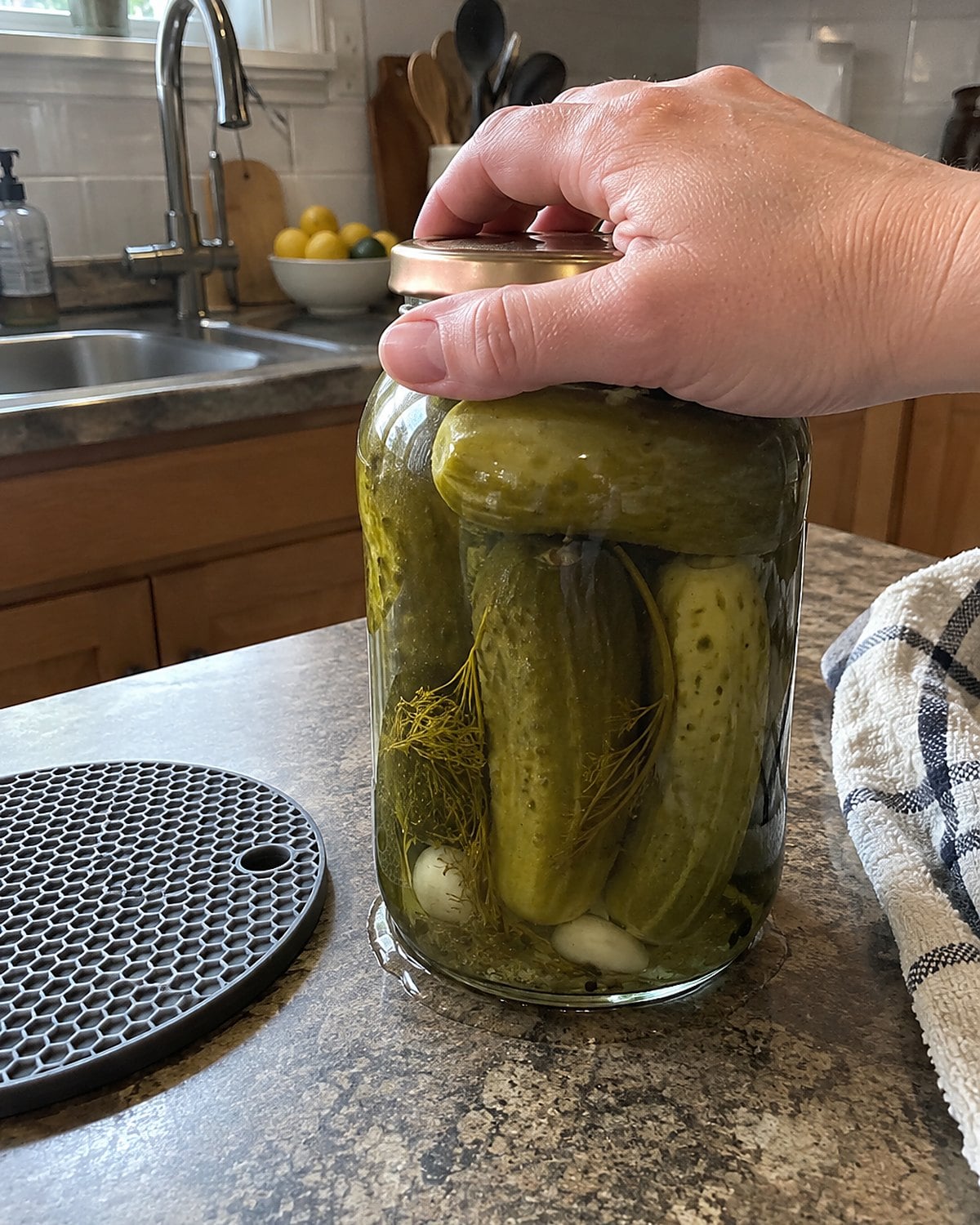
You’ve made the sauce before. The jar lid is the part that holds up dinner.
Dry the lid and your hands, then try a grippy pad. Set the jar on a clear counter so you’re turning the lid, not wrestling the whole jar in midair. A jar opener with a stable grip is worth testing on the brands you buy.
If you still have to strain hard, ask someone to loosen an unopened jar when the groceries come in. Keep the opened jar in the fridge as its label directs. Don’t let the tool become another thing you have to dig out of a crowded drawer.
There is no prize for winning a fight with a pickle jar. You meant to make supper, and the lid is just one step.
#14 The slow cooker cord across the counter
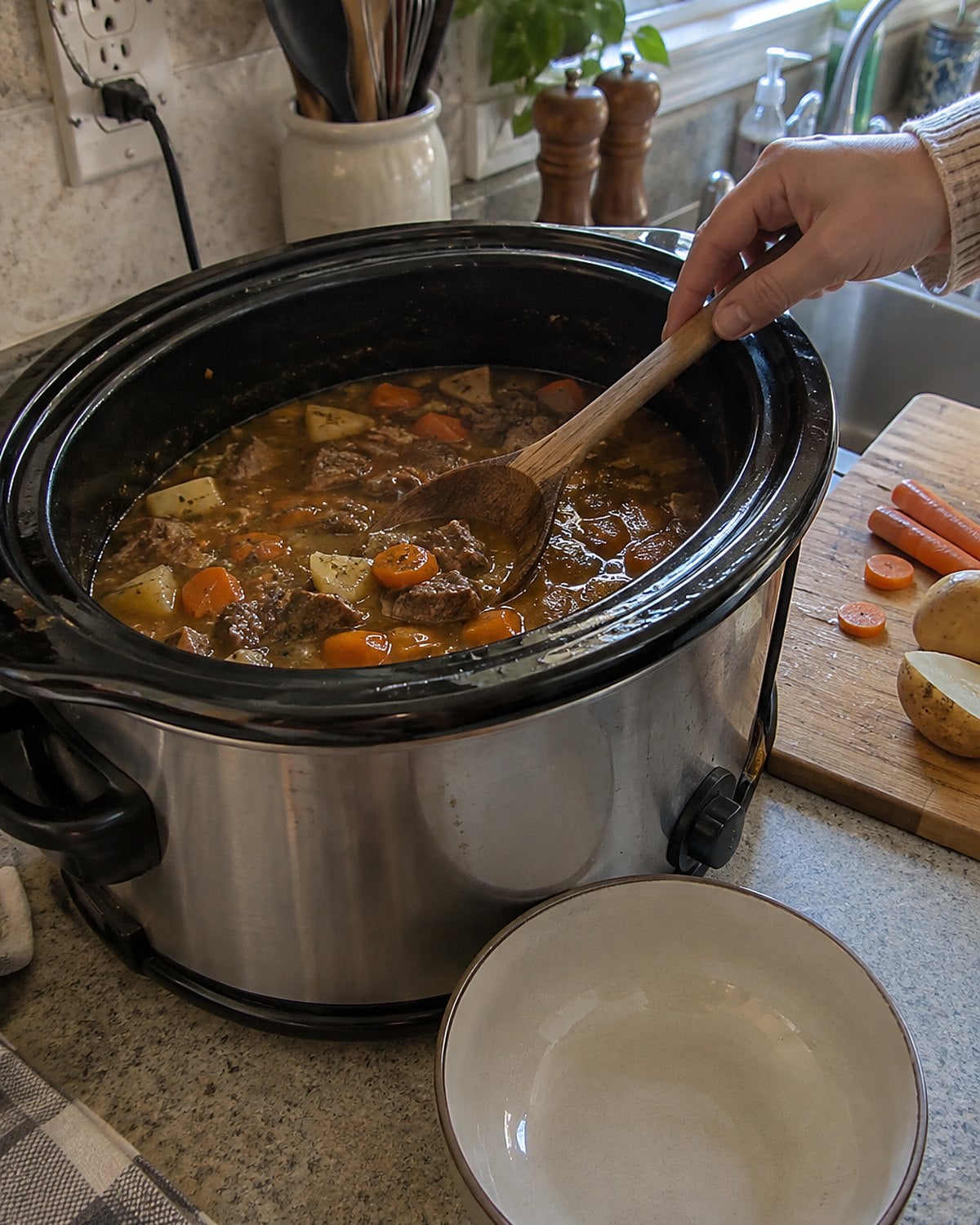
The slow cooker comes out for soup when family visits. You set it near an outlet. Then the cord crosses the counter where you’ll chop vegetables. Change that arrangement before the pot is hot.
Find a firm spot close enough to an outlet for the cord to stay out of your work area. Keep the appliance away from the sink and follow its manual for placement and clearance.
The U.S. Consumer Product Safety Commission has guidance on extension cords and home electrical hazards. If this appliance needs an extension cord every time, ask a licensed electrician about a better outlet location.
For tonight, move the chopping board. For the longer run, give the cooker a spot that lets you use the rest of the counter.
#13 The refrigerator handle after dark
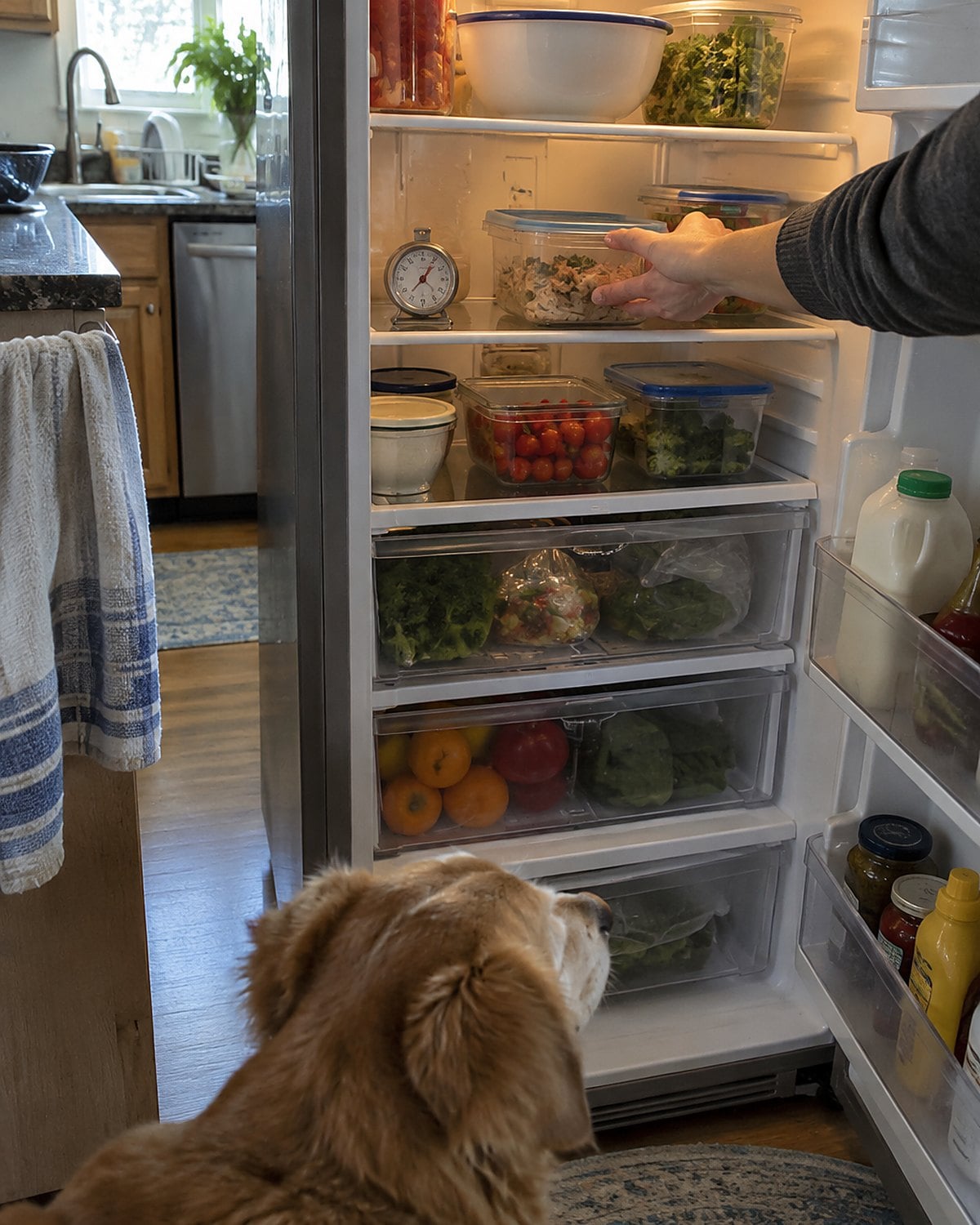
Open the fridge tonight and look past the door shelves. Can you see the leftovers at the back without bending into shadow? A failed bulb turns a simple choice into a hunt.
Replace it with the type specified in your appliance manual. While the shelves are open, move the foods you reach for most into easy view. Put raw meat on a lower shelf in a container that catches drips.
Check the temperature too. The FDA says to keep the refrigerator at 40°F or below. An appliance thermometer gives you a reading from inside the fridge, where the food sits.
You know your leftovers by the container. Good light helps you find them; the thermometer tells you something the light can’t.
#12 The dinner plates on the bottom shelf
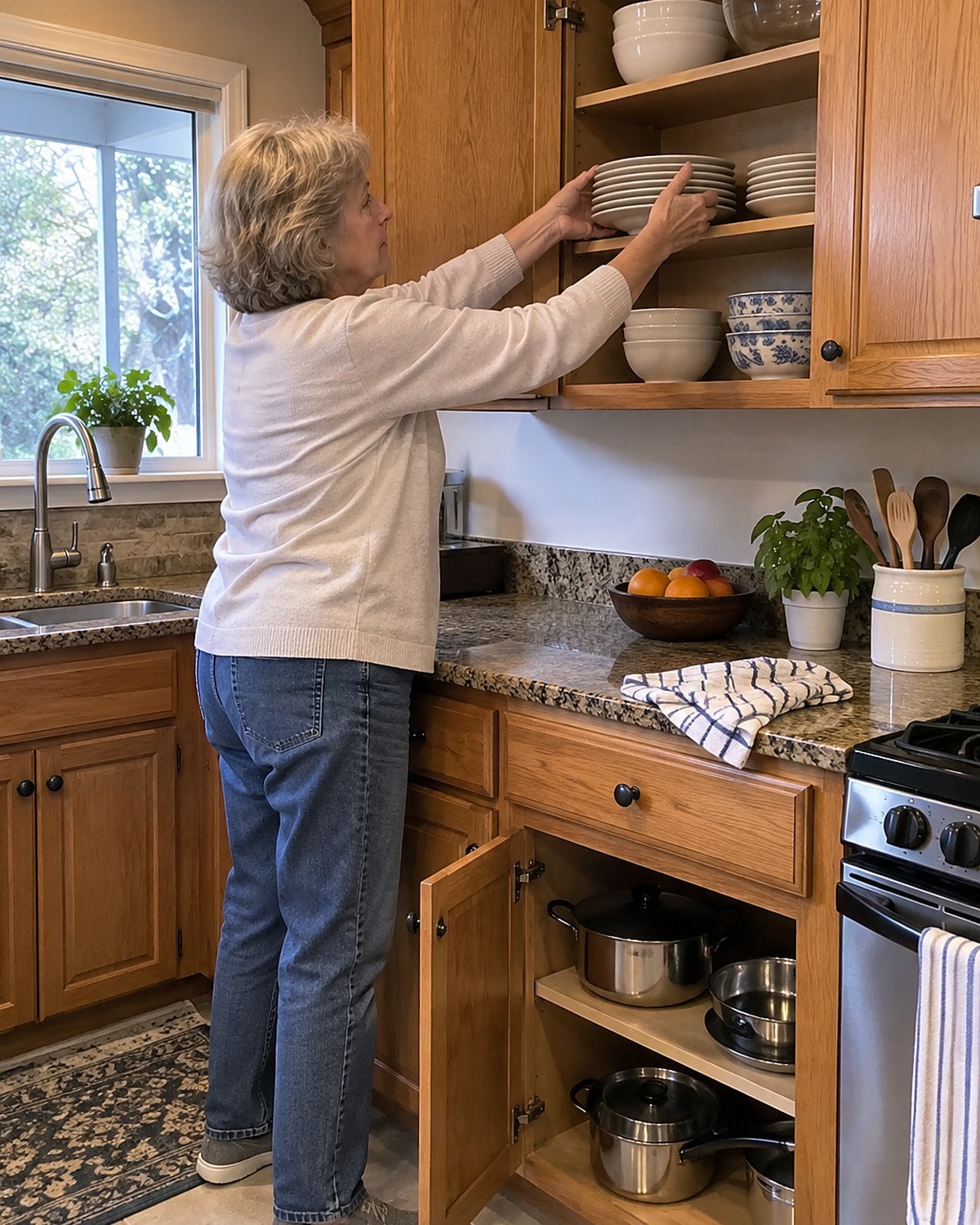
Reaching down for a stack of plates before every meal is a small chore you’ve stopped noticing. Watch what happens when you take out only the plates you need tonight.
Move everyday dishes to a shelf between waist and shoulder height. Leave the big holiday platter lower, where it can wait for the next family dinner. If cupboard space is tight, put extras elsewhere instead of stacking them behind the daily set.
Try unloading the dishwasher after the change. That’s the moment that tells you whether the new shelf works. A plate should go from hand to cupboard without a squat, a stretch, or a rearrangement of everything in front of it.
#11 The wet dishes beside the sink
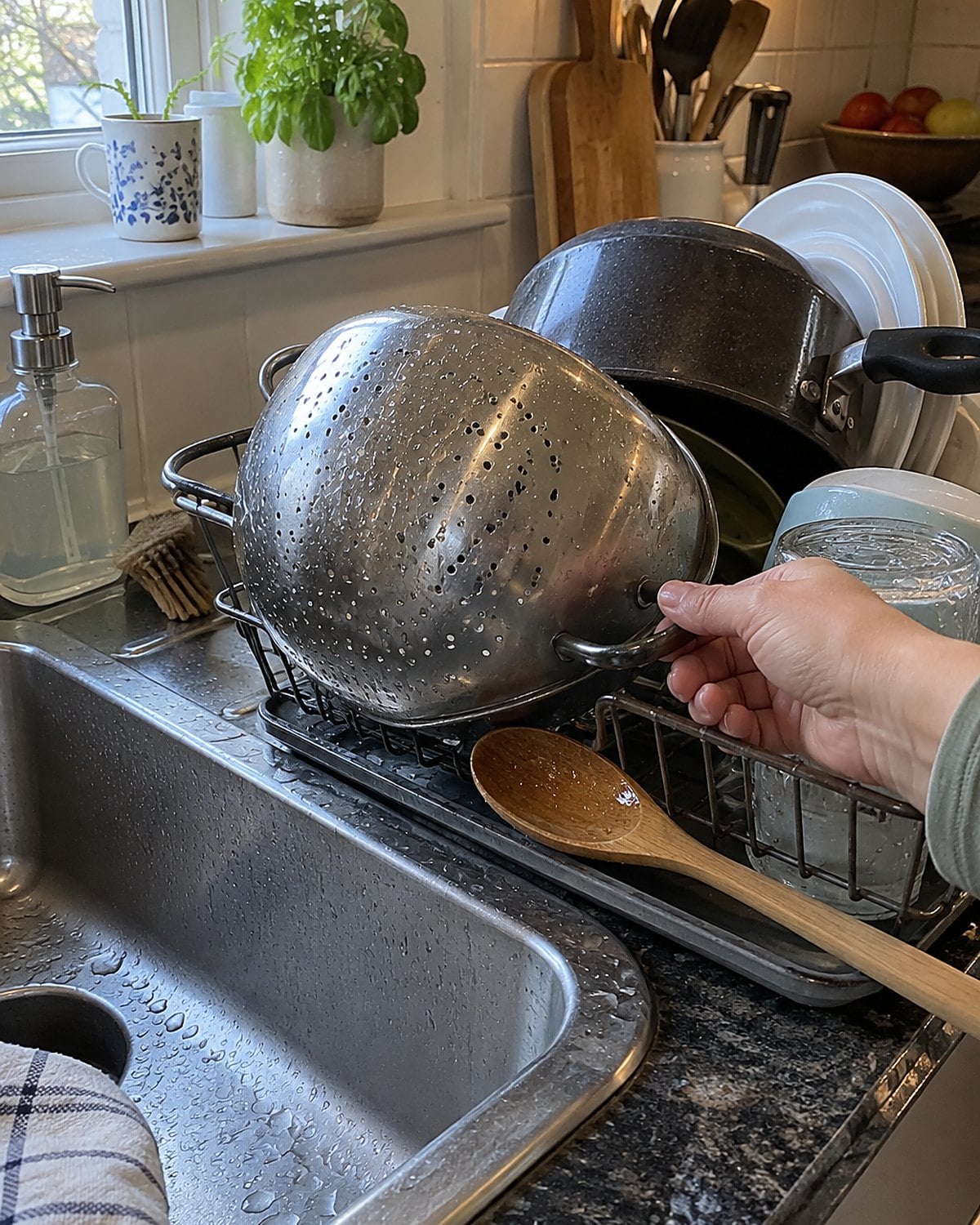
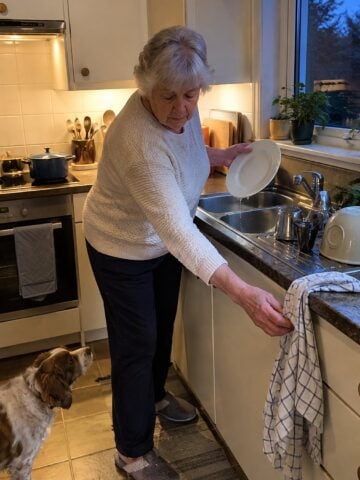
You’ve washed the big pot and set it on a towel. The colander follows, then the cutting board. Soon the towel has crept across the counter, and the next washed dish has nowhere to go.
Give drying dishes a stable place. A rack that drains toward the sink keeps water off the work area. Set it where you can put down a washed pan without reaching over the basin.
Stand there while the rack is empty and rehearse the job. Where does the pot land? Where do your hands go when you turn for a towel? Move the rack if you have to twist while holding something heavy.
Look at the floor below, too. Wipe up drips before they spread beyond the sink. The CDC’s fall-prevention advice includes keeping floors clear of hazards; your dishwashing spot is worth that same attention.
#10 The saucepan handle over the front burner
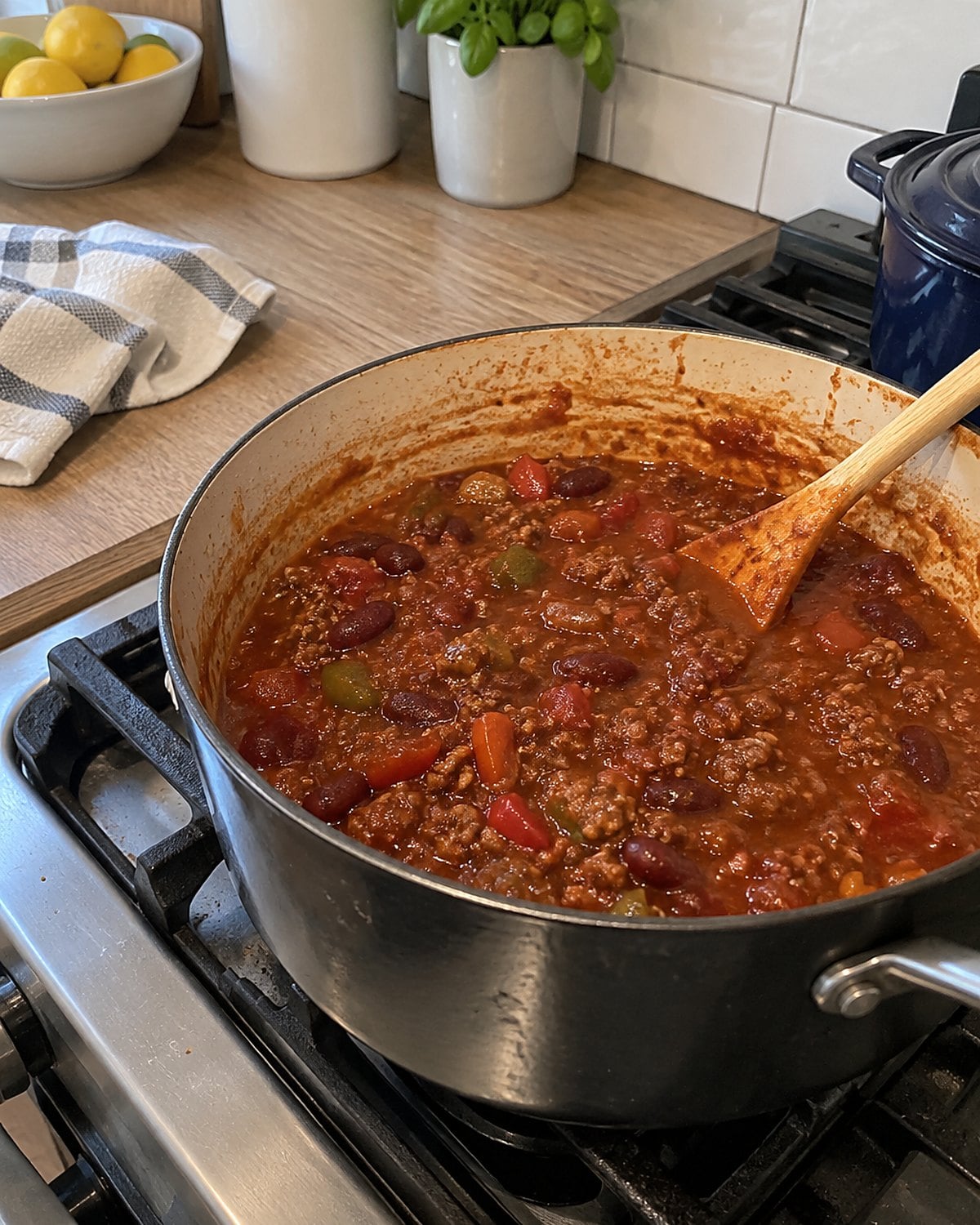
The front burner is where the soup pot goes. It’s easy to reach, and you’ve used it that way for years. Once the pot is hot, though, its handle sticks toward the edge.
Turn the handle inward without placing it over another hot burner. If a back burner puts the pot within a comfortable stirring reach, try that spot while the pan is cold. Keep the towel off the handle.
The National Fire Protection Association’s cooking advice says to keep things that burn away from the stovetop. Move wrappers and towels before you light the burner.
Do the handle check as part of setting the pan down. Once the soup simmers, your attention belongs on the pot.
#9 The kettle that needs both hands
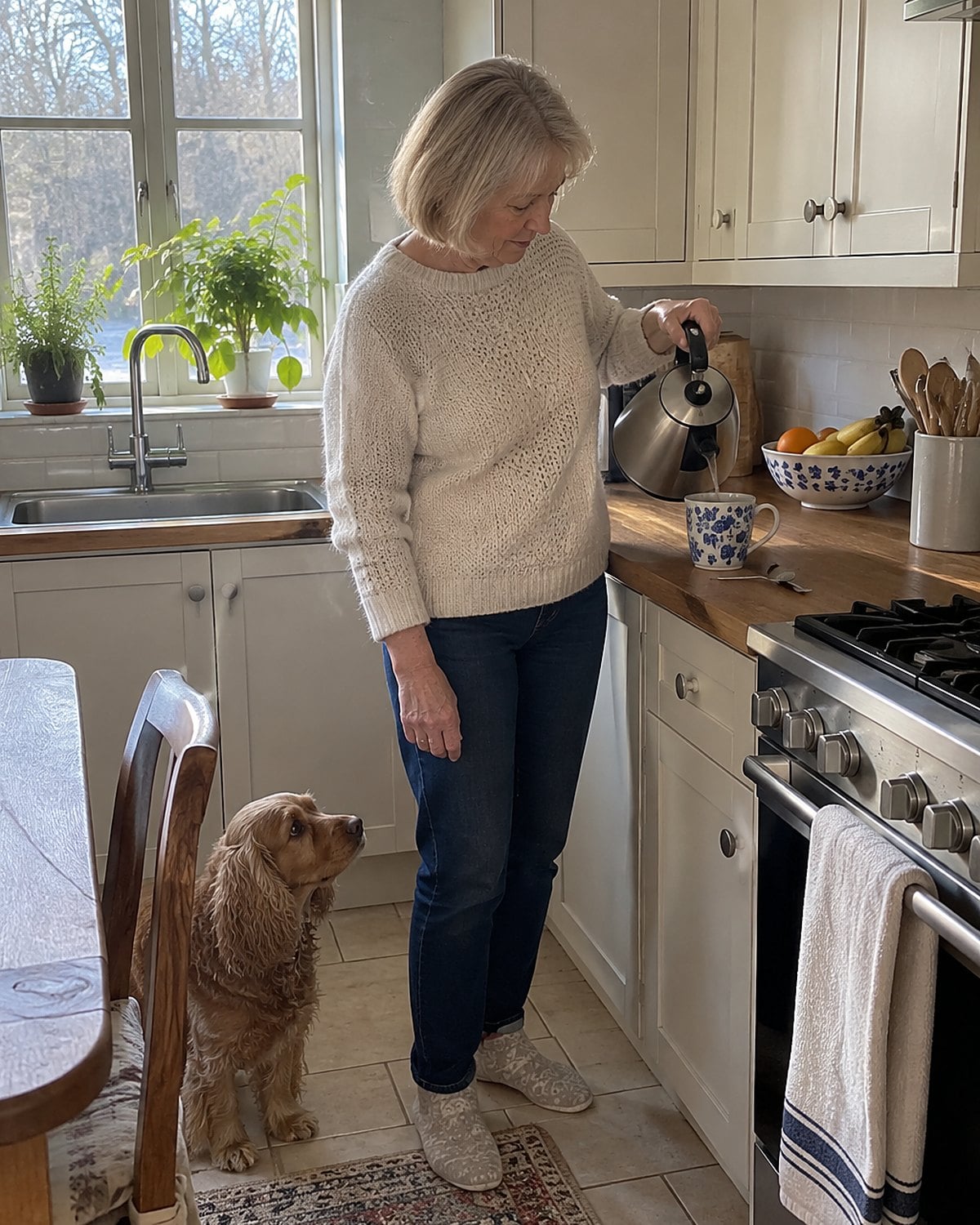
Does the kettle feel steady when you lift it from the stove? Fill it with 2 cups of cold water and try the route to your mug before heating it. Watch for a handle that shifts or a lid that slips when the kettle tilts.
If a full kettle asks too much of one wrist, heat less water. Move the mug close to the stove, clear of the burner, so you aren’t carrying hot water across the room. Set it on a firm surface before pouring.
An electric kettle still needs a clear, dry counter and a cord out of the way. Choose the one you can fill, lift, and pour without a wrestling match.
Tea should be the pause in your afternoon, not the part that takes the most concentration.
#8 The frozen vegetables at the bottom
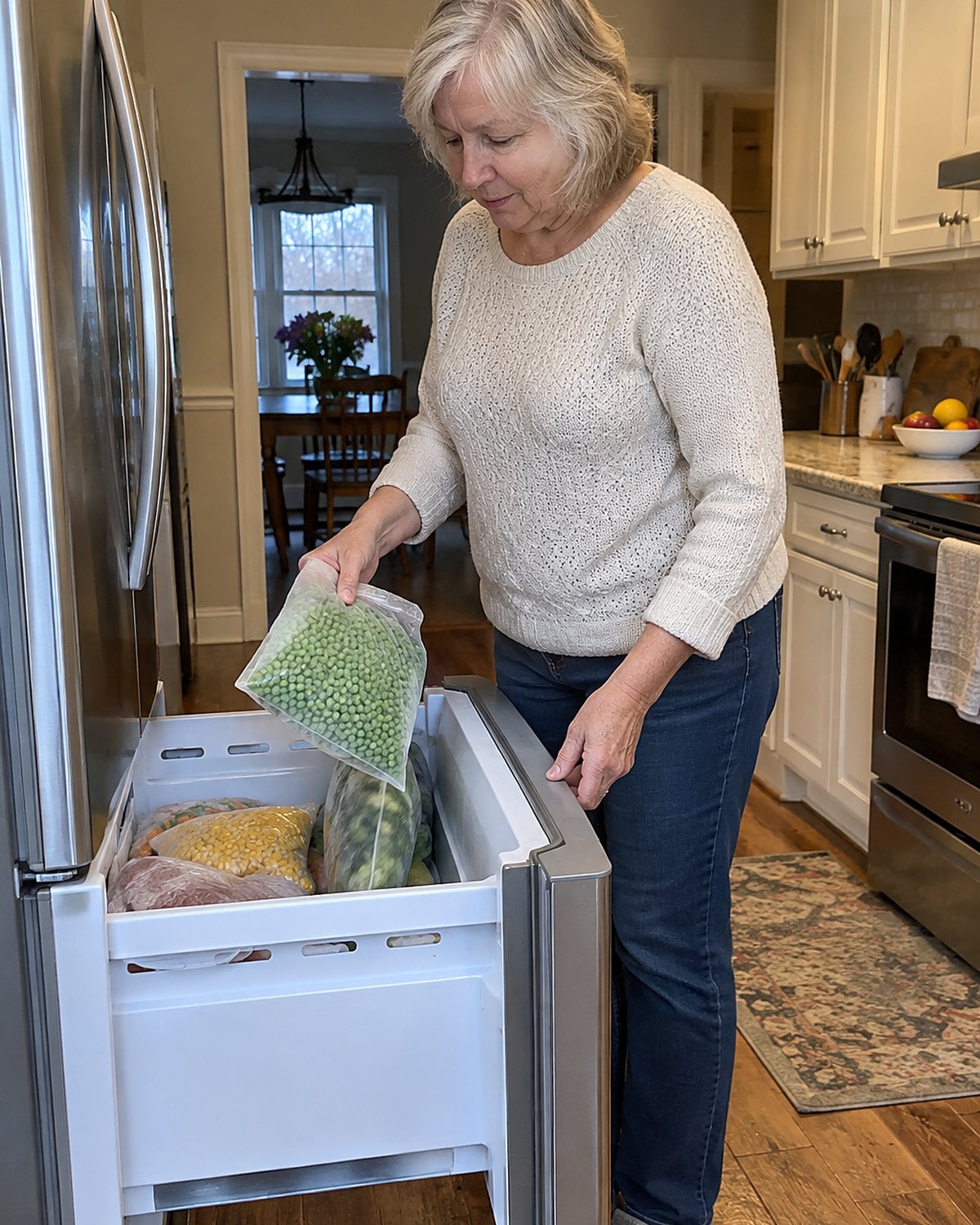
A freezer drawer holds more than you think until you need the peas under the chicken. You lean in, shift packages around, and leave the drawer open while you search.
Put the foods you use for quick dinners toward the front or top. Keep raw meat wrapped and positioned so leaks cannot reach other food. A small bin gives loose bags a place to stand; test that it slides without catching.
Try this tonight: open the drawer and count the packages you move before reaching the food you need. If you’re lifting several bags every time, give that food a different spot.
Turn package labels toward you as you put groceries away. Leave enough room to pull out a bag without levering up a frozen stack. Tonight’s vegetables should be something you can see and lift.
#7 The cabinet that needs a hard pull

A lower cabinet door takes a firm tug, then swings wide and makes you step back. Before you plan a kitchen remodel, find out why it fights you.
Empty the cabinet enough to see the hinges and catch. Tighten loose hardware or ask a repair person to do it. For a stiff drawer, check whether an overfilled utensil tray rubs against the frame. Fix the simple cause before buying new hardware.
If the cabinet still demands a crouch and a hard pull, ask about a pull-out shelf rated for what you store there. The installer or product instructions should give its load rating. Try the handle and full travel before committing.
The AARP HomeFit Guide has ideas for changing a home as your needs change. Keep the decision local to this cabinet: what belongs here, and how do you want to reach it?
#6 The cutting board that slides
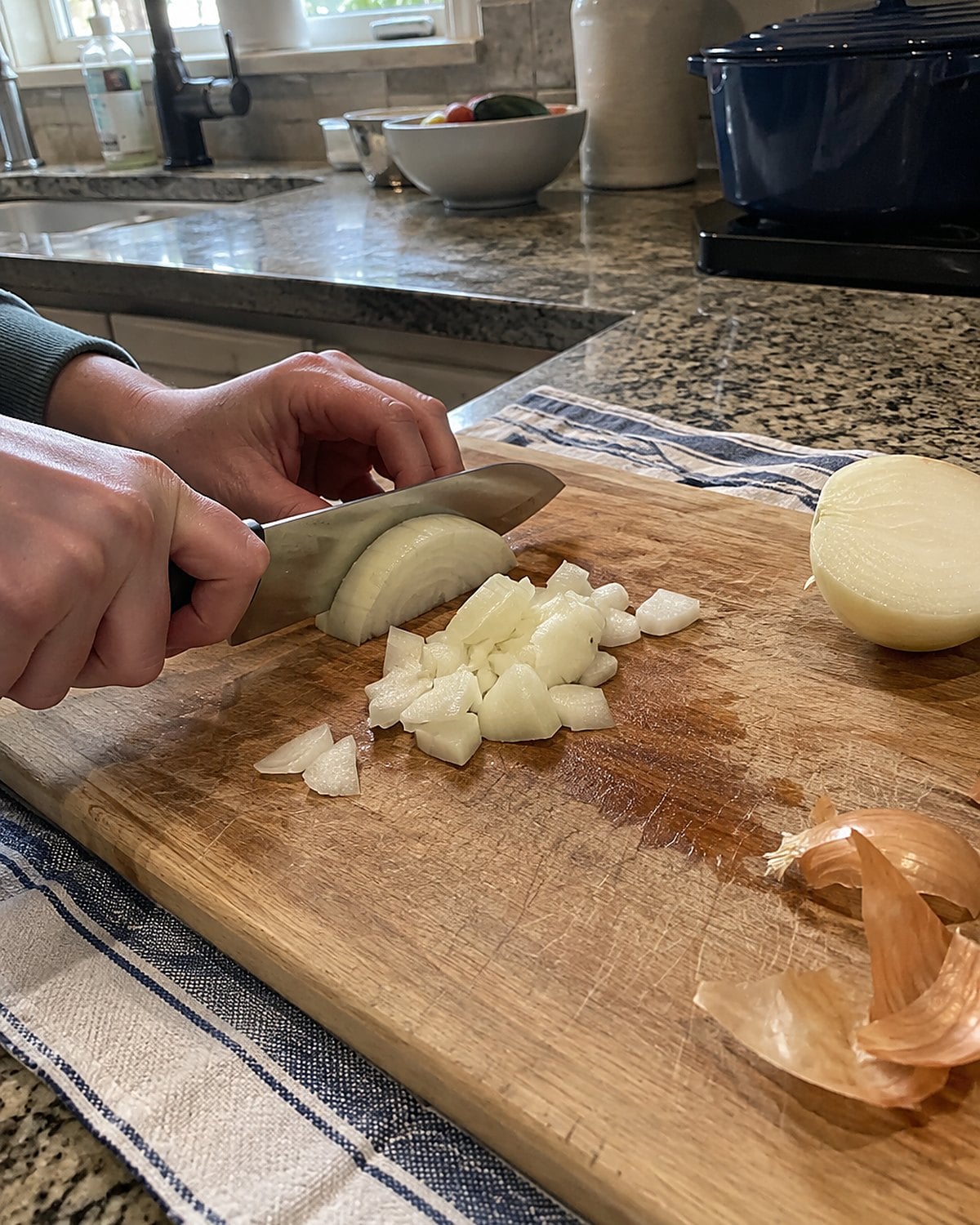
Set your cutting board on the counter and push its corner with your fingertips. If it moves under that light pressure, it will move while you chop.
A damp, clean kitchen towel beneath the board adds grip. Keep its edges tucked away from the stove. Check the board itself as well: a badly warped board rocks no matter what sits under it.
Test the setup with an onion before starting a larger meal. The board should stay still while your knife moves. If you find yourself using one hand to hold it in place, stop and fix the surface first.
You’ve done enough chopping to know the rhythm. Give your hands a board that keeps up.
#5 The grandchild’s high chair at dinner
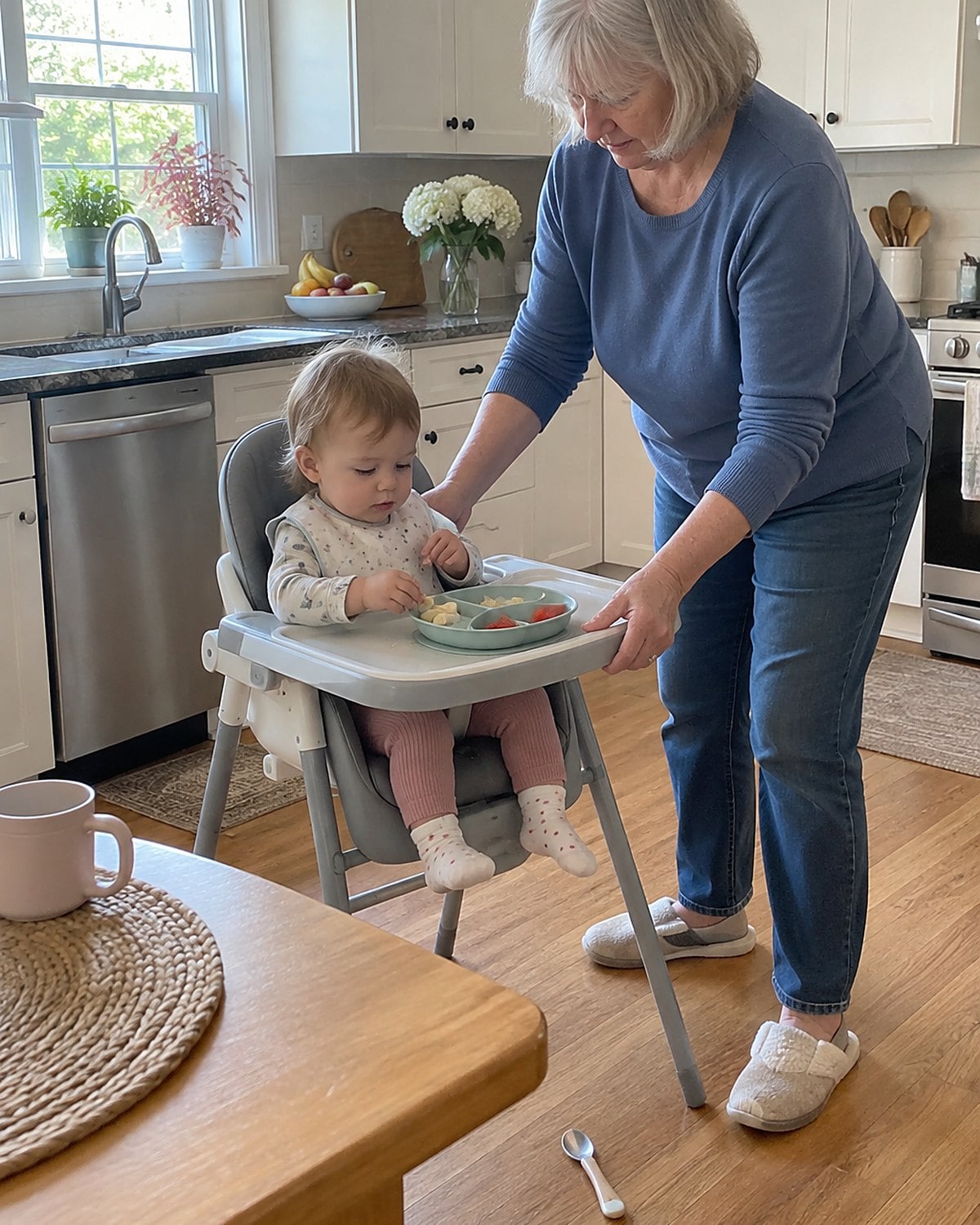
Your grandchild arrives, and the high chair goes where it has always gone: between the table and the counter. Then everyone tries to carry dinner around it.
Before the next visit, put the chair where an adult can reach the child without standing at the stove. Check that its legs don’t catch people moving between the counter and table. Keep the chair away from hot appliances and cords.
Ask the visiting parent to settle the child while you finish cooking. “Let’s put the chair here, away from the stove,” is a sensible kitchen instruction, not a fuss.
After the meal, fold or move the chair out of the work area. Family weekends change the shape of the room. You still get to decide where dinner is served.
#4 The clean counter beside the stove
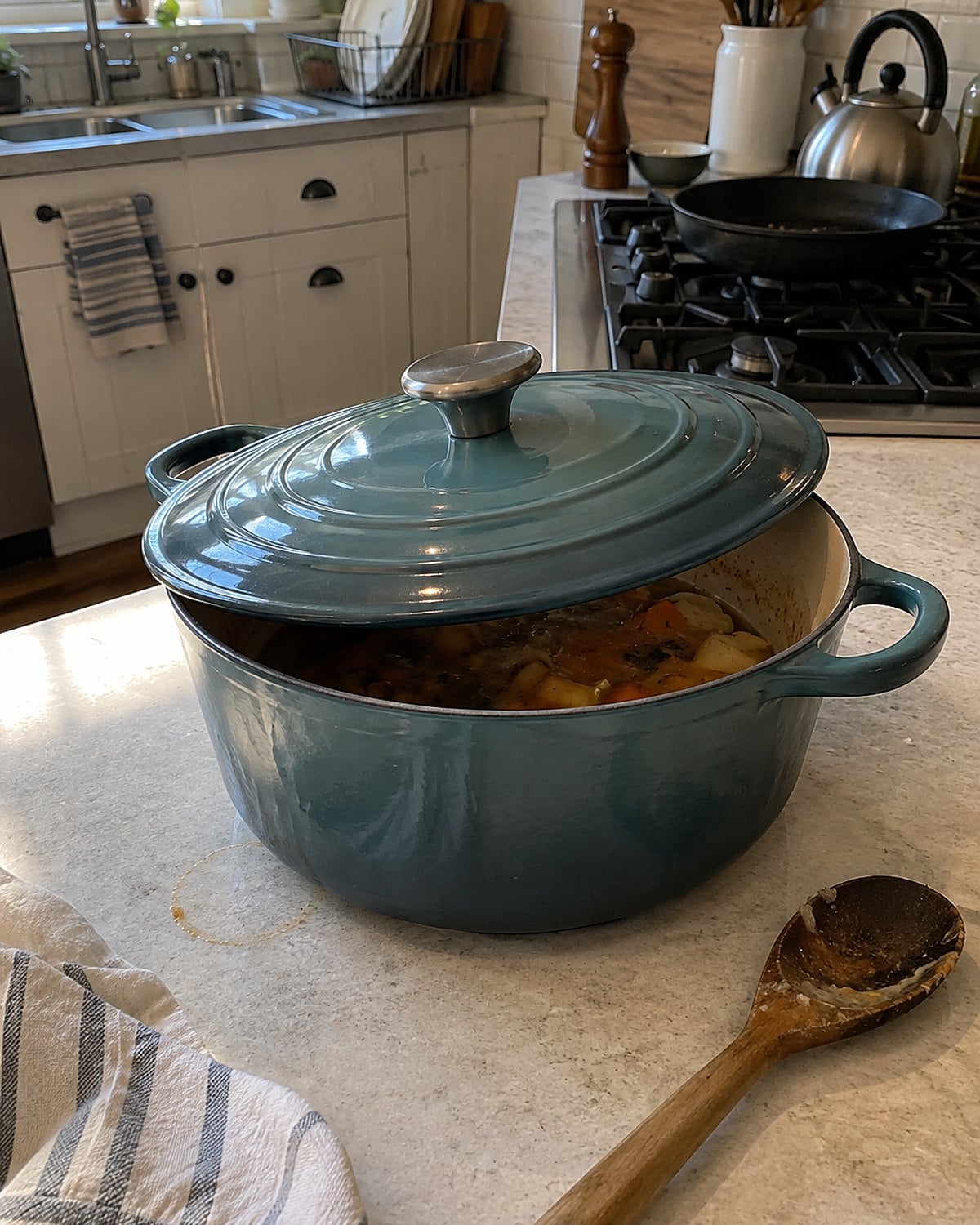
Before you heat a pan, make an empty place beside the stove. Clear the mail, the grocery bag, and the spoon rest you never use. You want room to set down a lid or serving plate without shifting things while your hand is busy.
Try the space with a cold, empty pot. Lift it from the burner and set it down. If you have to turn sharply or reach across another burner, clear a closer spot. Set down the lid too, and notice where your hand goes next.
If someone else piles things there, say, “Leave this spot clear for me.” The request is small enough to remember when groceries arrive and the counter fills again.
This habit takes a minute before dinner. It saves you from finding a place for a hot lid after you’ve lifted it.
#3 The electrician’s visit before trouble
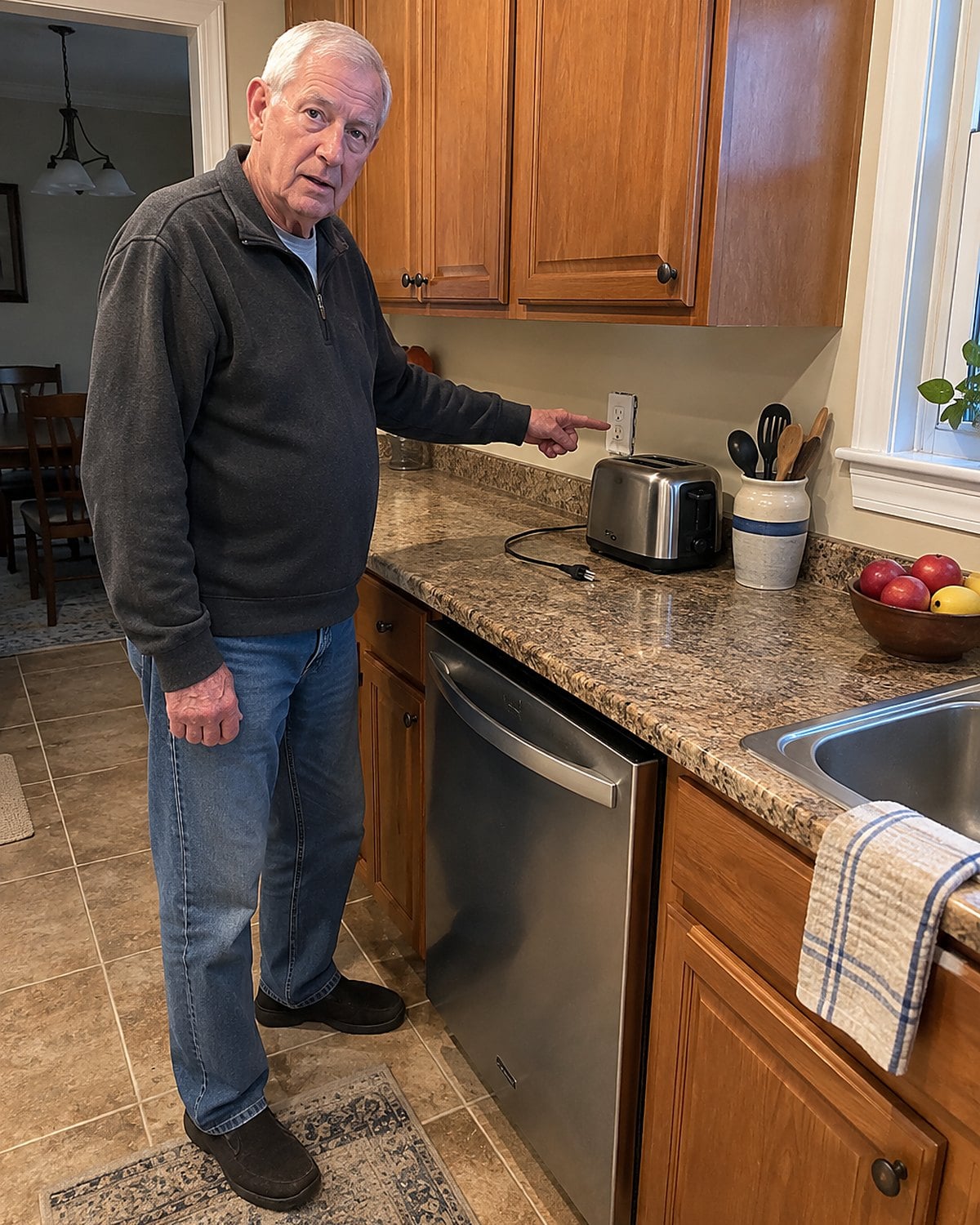
An outlet that feels loose when you unplug the toaster deserves a phone call. So does a switch that works only after you wiggle it. You don’t need to name the fault. Describe what happens.
Tell a licensed electrician where the outlet sits, what appliance you use there, and what you’ve noticed. Ask them to check it rather than testing it with another plug. The Electrical Safety Foundation International has home electrical safety guidance if you want to read up before the visit.
While the electrician is there, show them where you cook, charge a phone, and keep small appliances. Ask which changes suit your kitchen and which require more work. Get the proposed work in writing before it starts.
A repair call made on an ordinary afternoon beats discovering the problem when the grandchildren are due for supper.
#2 The light switch at the kitchen door
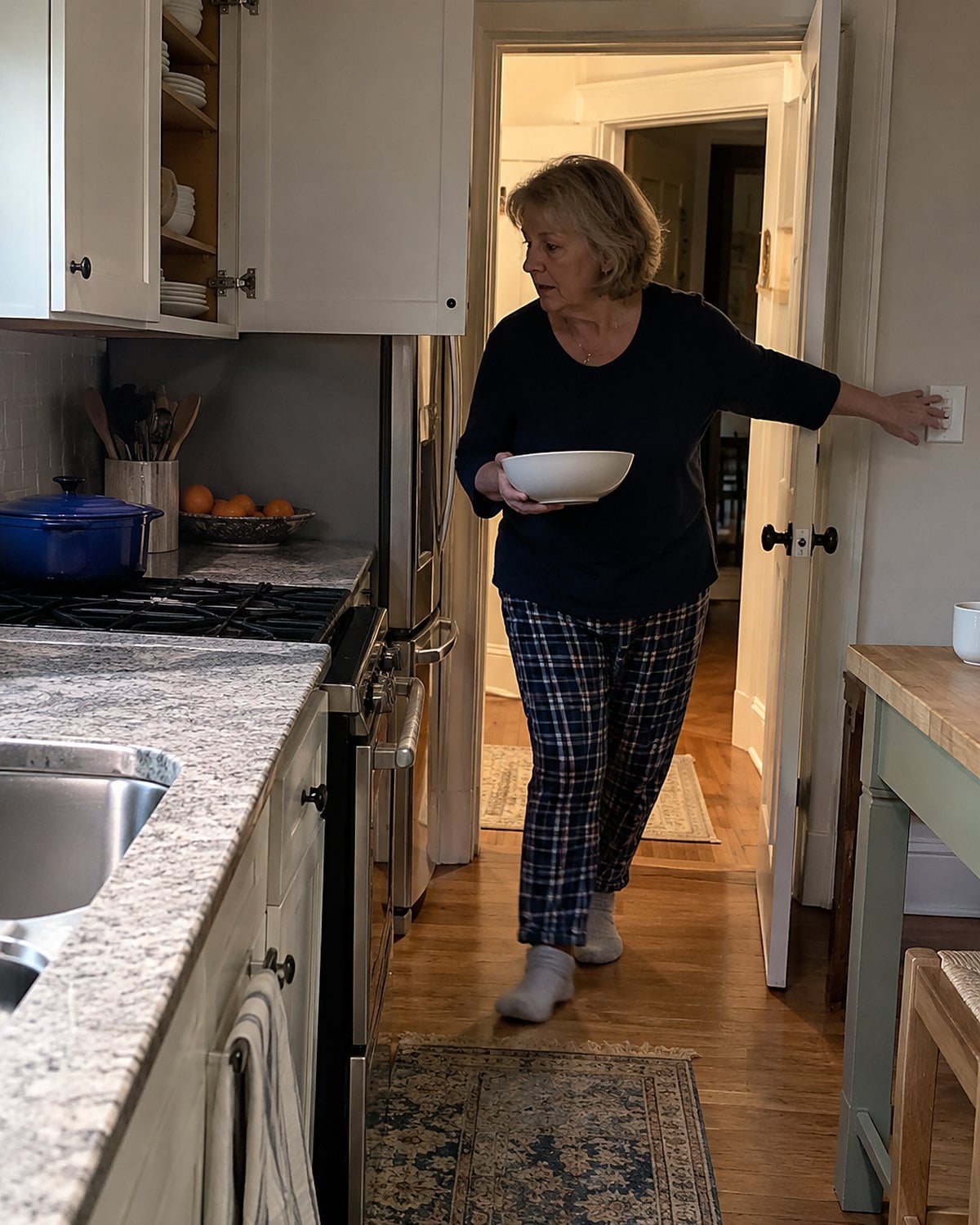
Come into the kitchen after sunset, before you turn on the light. Can you find the switch without reaching into a dark doorway? Once it’s on, look at the counter where you read a package or check a pot.
Replace a failed bulb with the type your fixture calls for. If the room light leaves your main work surface in shadow, ask an electrician about task lighting. Choose a switch location you can reach as you enter, rather than one hidden behind an open door.
The American Foundation for the Blind has advice on lighting and contrast at home. Your own test starts tonight: look for the shadow your hand casts where you chop.
#1 The first reach for tonight’s supper
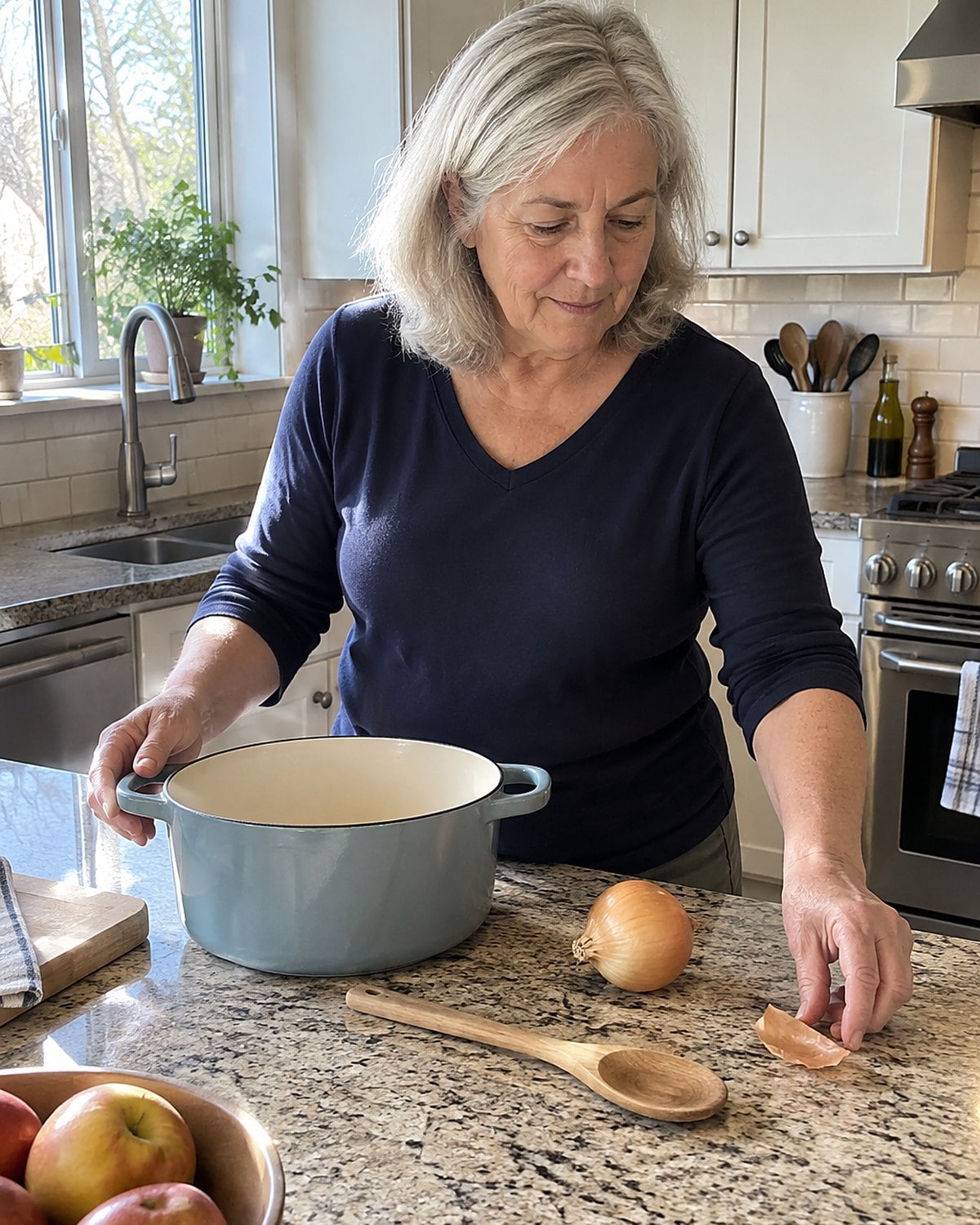
Stand at the spot where you begin dinner. Before opening a cabinet or turning on a burner, ask what you’re making. Then gather what that meal needs and put it within an easy reach.
This is a test of the kitchen you actually use. If making soup sends you to the highest shelf for the pot, move the pot. If peeling potatoes sends you hunting for a chair, bring the chair over before you start. Let the meal show you where the work has become awkward.
Do it again on a family weekend. The soup pot, serving bowl, and extra place settings change what you need close by. You don’t have to settle every shelf tonight.
Start with supper. Write down the one thing you had to fetch from a hard spot, then give it a better home before the next meal.
The bottom line
The best changes take work out of the motions you repeat: reaching, lifting, turning, and making dinner.
A well-prepared kitchen still has your old pans and familiar shelves. The things you use tonight are easier to find, and the repairs you’ve noticed have a place on the list.
What will your first reach for supper tell you about where something belongs?


Leave a Reply