

The saucepan lid clicks against the rim while somebody asks what's for dinner. Somebody else wants to know why there's an onion in it. You remember standing in that kitchen, certain your mother made things harder than they needed to be.
Then you have to decide what to cook with the onion, the food already in the fridge, and the people coming through the door. The lid clicks again. She wasn't always right, and neither are you. But some of her choices look different from this side of the stove.
#23 The saucepan she watched while talking
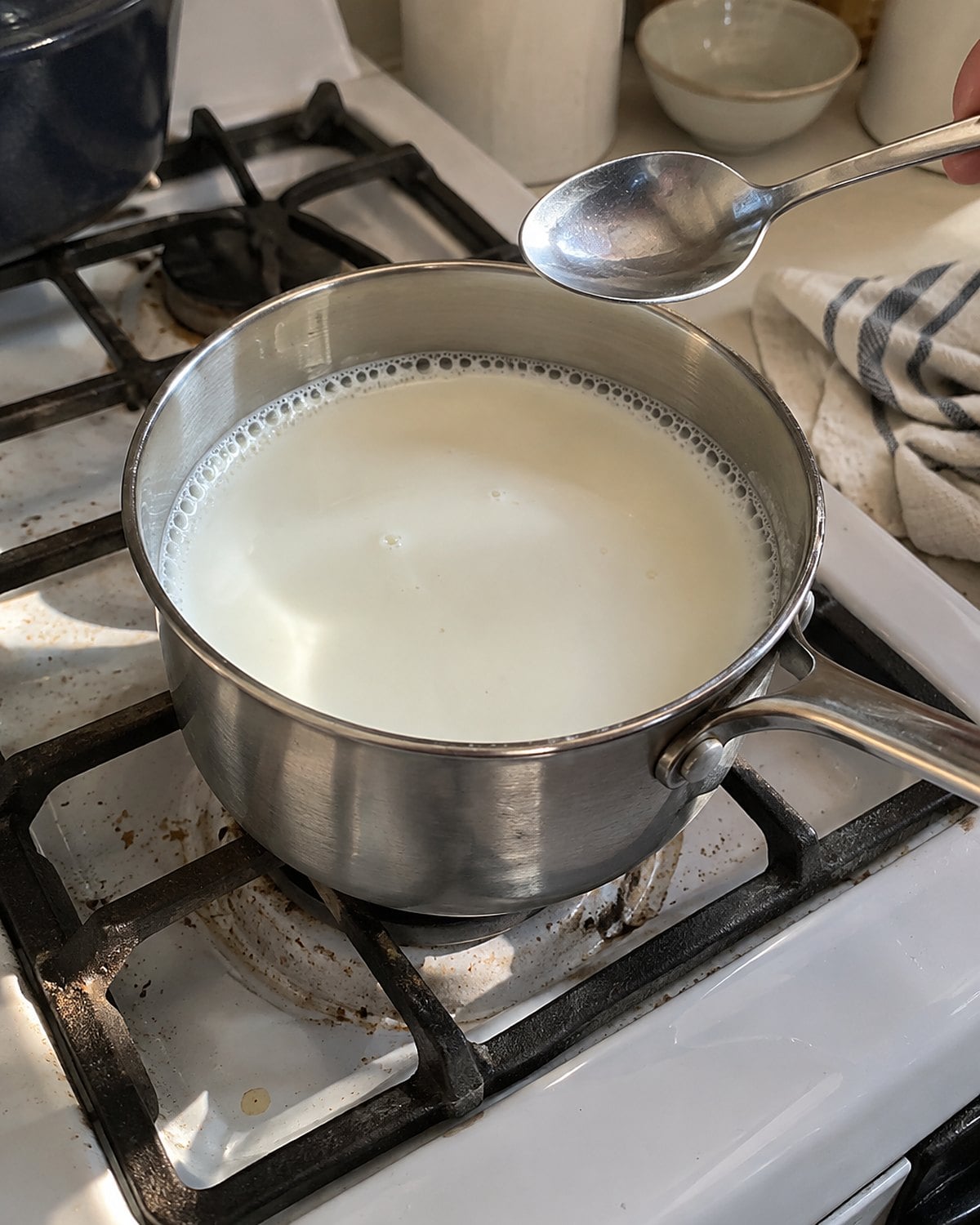
She could answer a question from the next room and still catch the milk before it climbed over the edge. That looked like a trick when you were young. Now you know how much of dinner she watched while everyone else saw her doing something else.
Milk gives little warning between a few bubbles at the edge and a foamy rise. A heavy pan slows the heat, but it doesn't give you permission to leave. When you heat it, keep a spoon nearby and watch the surface, not the clock.
Perhaps you remember being told to stir while she went to get the laundry. You thought you'd been handed the dull job. You'd been given the part that kept breakfast from burning. The pan needed somebody there, and she trusted you with it.
#22 The towel beside the oven door
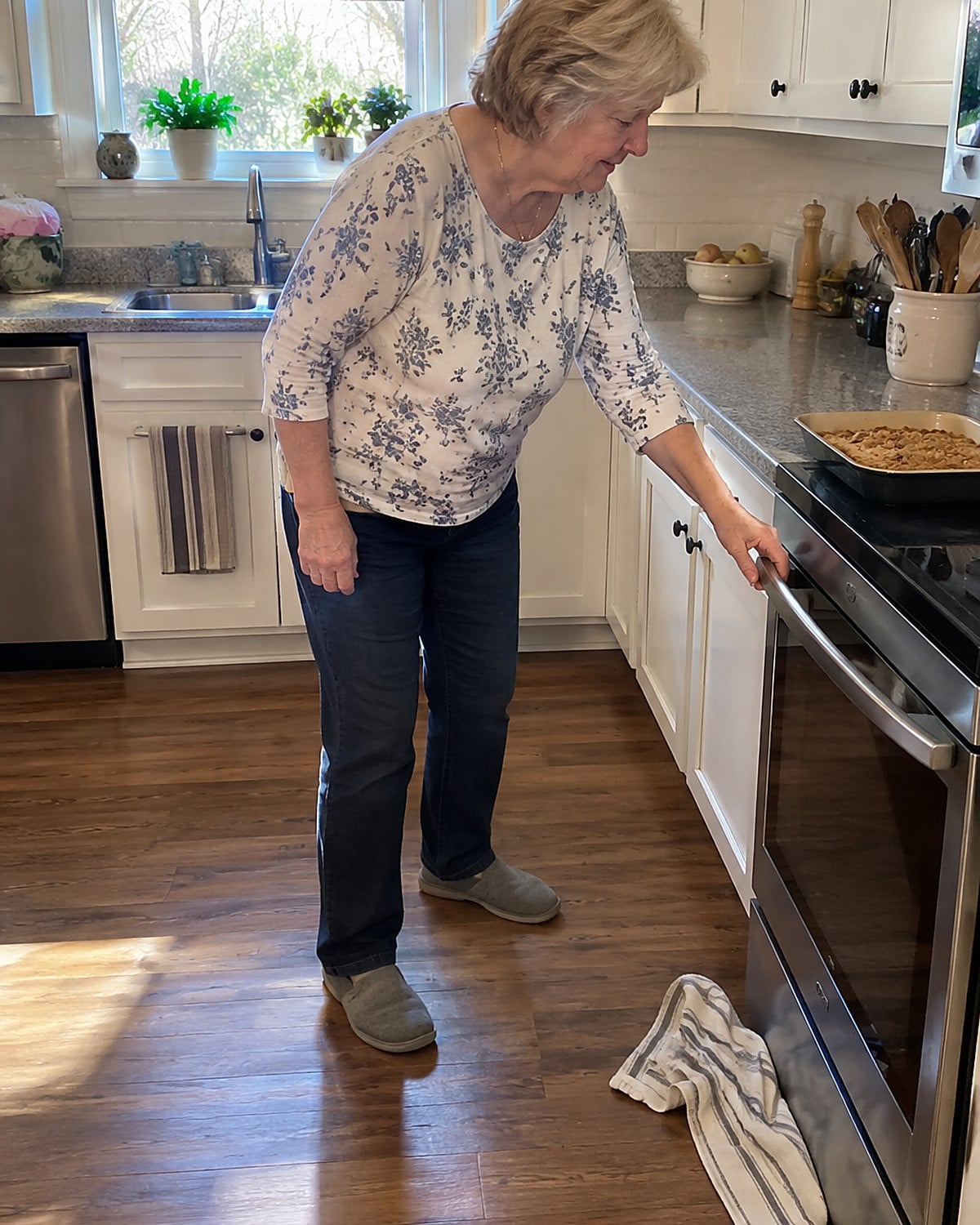
There was always a dry towel within reach, even when the drawer held perfectly good pot holders. You noticed the towel only when she snapped at someone for picking it up.
A damp towel sends heat straight to your hand when it grips a hot handle. Keep the oven towel dry and separate from the one used on dishes. If it gets wet, swap it before opening the oven again.
That small rule explains the towel's place on the counter. She'd worked out which things had to stay put because dinner didn't pause while she looked for them.
You have your own version now: the good tongs, the clean spoon, the spot where you put a hot lid. What would someone move in your kitchen and leave you reaching?
#21 The grocery list with a blank line
The list said milk, apples, chicken. Under that, she left room. You thought she couldn't decide what to make until she got to the store.
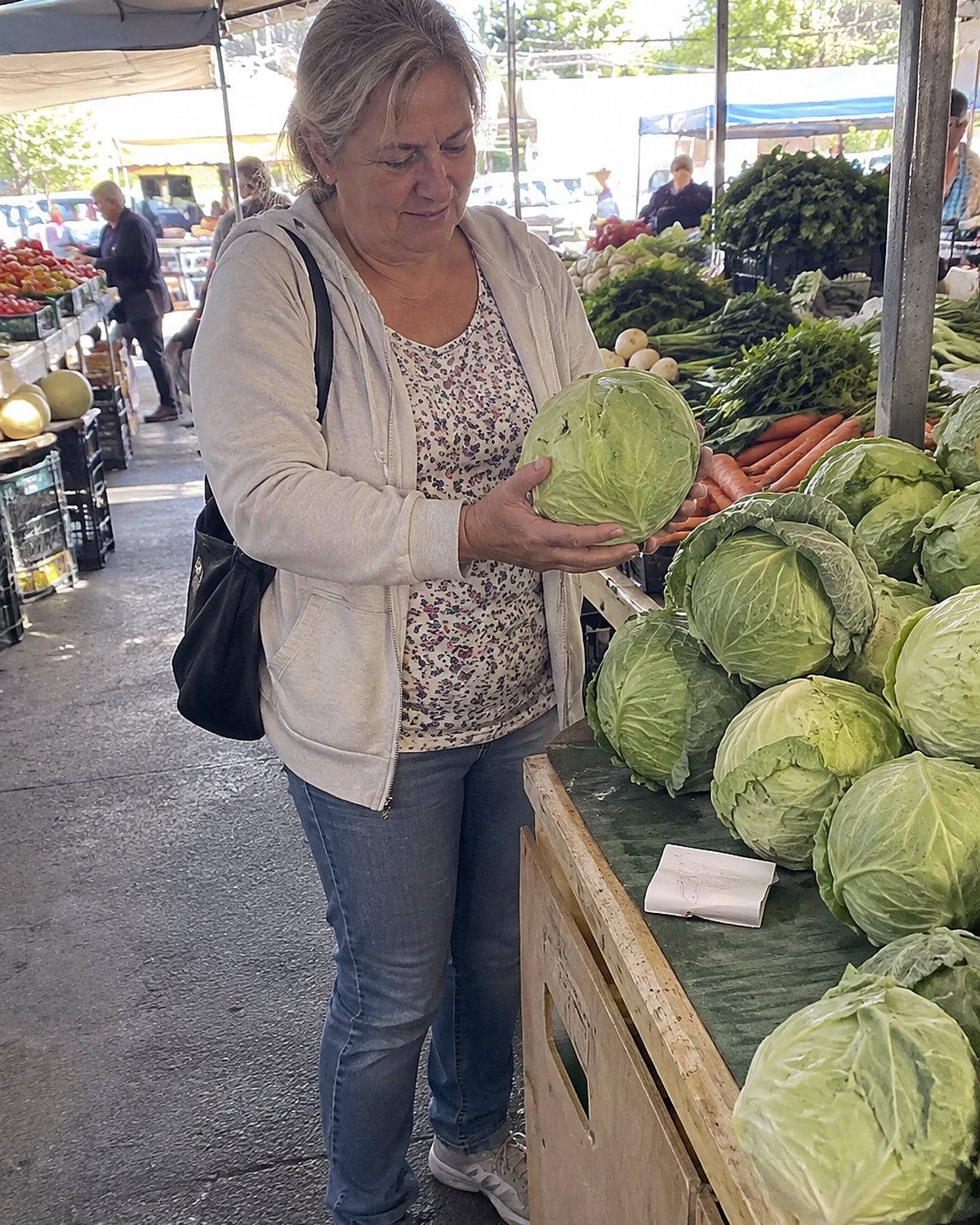
Now you stand in front of a produce bin and see why. The asparagus she planned to serve has tired tips. The cabbage beside it feels heavy for its size and has crisp outer leaves. A list tells you what the household needs; it doesn't tell you what looks good today.
Leave one side dish undecided before you shop. At the bin, lift what you're buying and look at the cut end or stem. Choose the firm, sound vegetable, then decide how to cook it. Green beans that bend without snapping need different treatment from beans that break cleanly.
Your mother was making that call while keeping the rest of dinner in her head. When she came home with cabbage instead of asparagus, it wasn't proof she'd forgotten the plan. She'd seen something you hadn't.
Try it: Instant Pot Asparagus With Garlic, Lemon & Pepper
#20 The casserole with a dark edge
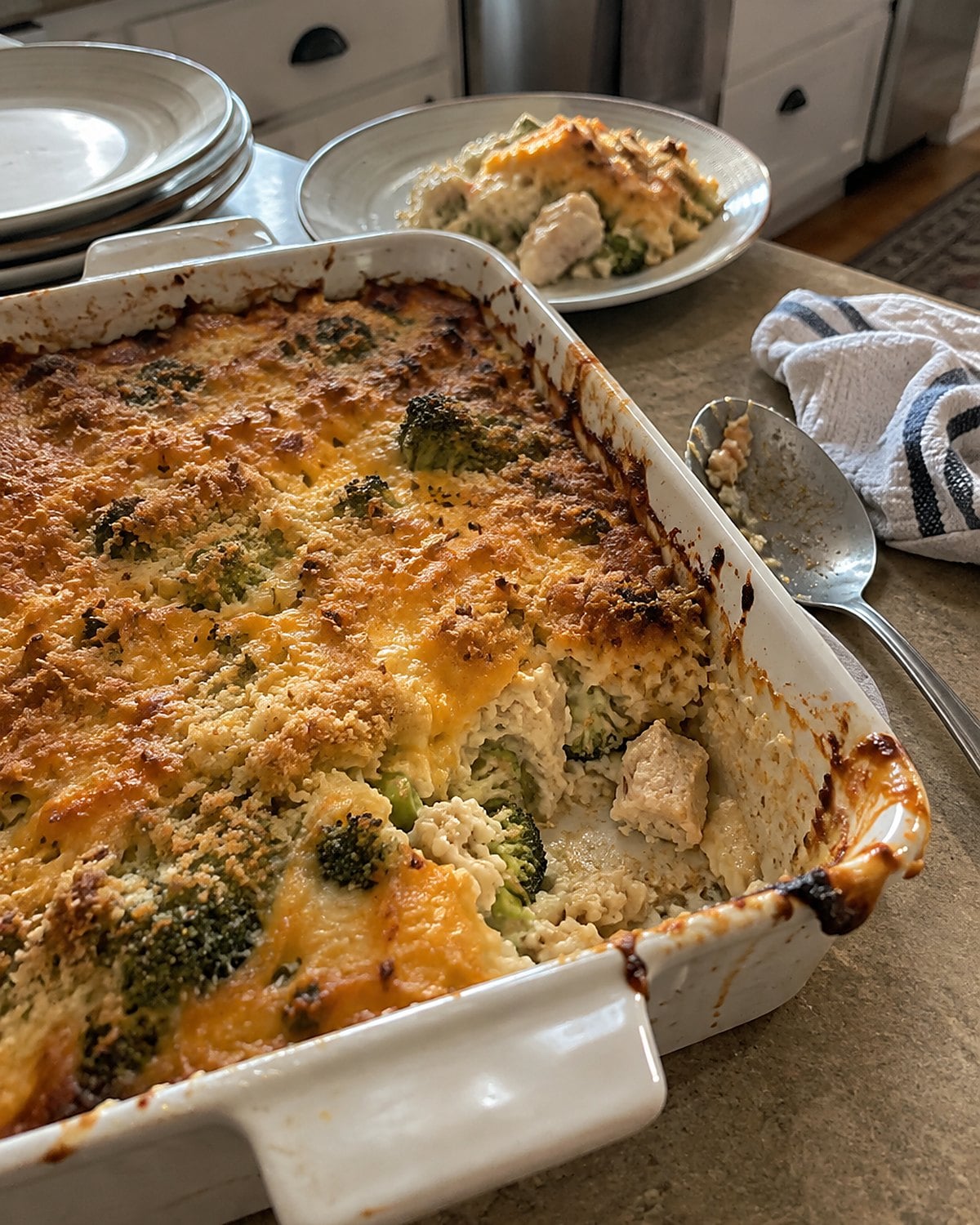
You used to ask for the middle piece. Your mother took the dark edge and said she liked it. After making a casserole yourself, you understand the appeal, though you still suspect she wanted everyone served first.
At the edge, sauce reduces against the hot dish. Cheese browns there, and the pasta nearest the side gets crisp. If the center is pale and wet while the rim is dark, give the dish more time. If the rim is getting too dark, cover it loosely with foil and check the middle.
Before serving, let the casserole stand for about 10 minutes. The bubbling settles, and each spoonful holds together better. Taste a bite from near the center; it tells you more about the seasoning than the salty, browned edge.
She got dinner onto plates before she got a piece. That part you understand now, too.
Try it: Chicken Broccoli Cauliflower Casserole In Oven
#19 The good knife nobody touched
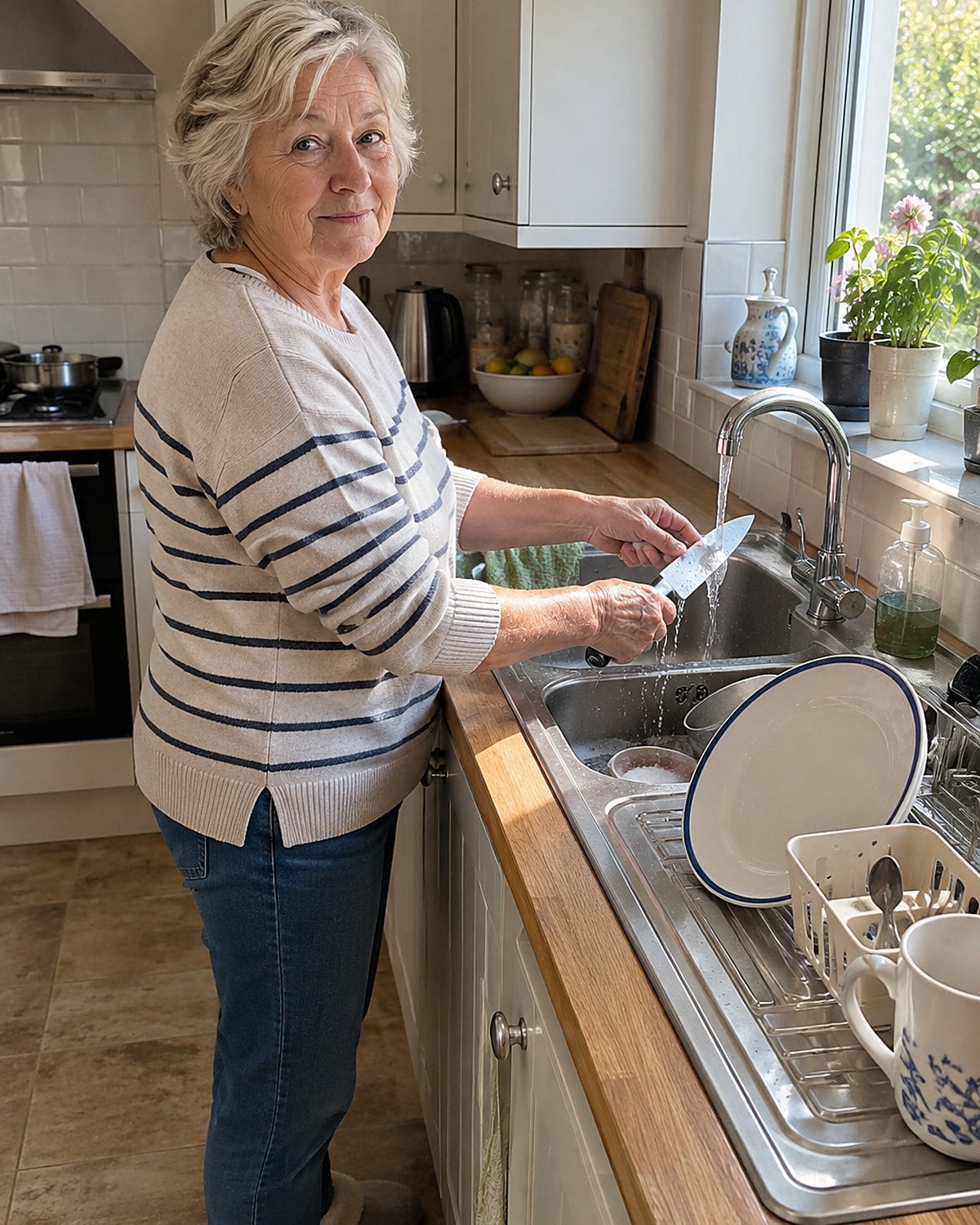
Why did she get cross when someone put her knife in the sink? You see it when your hand disappears into cloudy wash water after a long dinner.
A knife hidden under dishes is a cut waiting to happen. Wash it separately, dry it, and put it away where it belongs. A sharp blade also does the work without the extra force a dull one demands. If yours slides on a tomato skin, sharpen it before the next round of chopping.
The rule sounded fussy when you were the person clearing plates. She was protecting the hand that still had to make tomorrow's lunch. You don't need to keep her exact kitchen rules. You do get to insist that anyone helping learns yours.
#18 The onions she started before anything
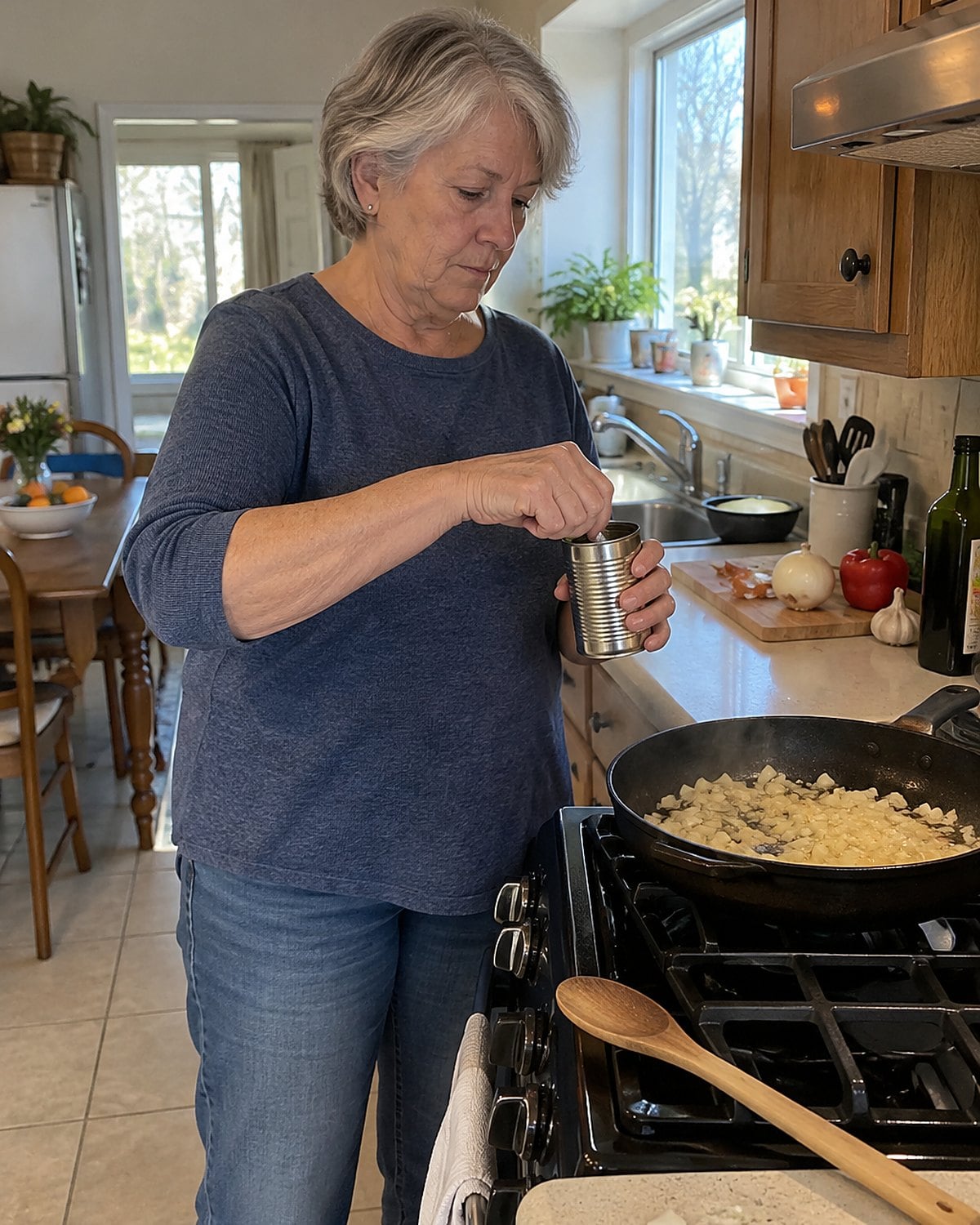
The onions went into the pan while she was still figuring out what else belonged in dinner. From the doorway, it looked as though she was buying time.
She was. Chopped onion needs time over moderate heat to lose its raw bite and turn sweet. If garlic goes in at the same moment, the small pieces brown before the onion softens.
Start the onion first, stir when the edges color, then add garlic near the end. You get a better base and enough time to open the cans or cut the peppers.
There was another reason to begin there. The sound and smell told everybody dinner was underway. People stopped asking if there was a plan.
When your pan is hot and the house is restless, give yourself that start. Put the onion on, lower the heat enough that it doesn't scorch, and take the next task while it cooks. Your mother still had to decide what went in. She just knew which part could begin before she'd decided.
#17 The leftovers on the fridge shelf
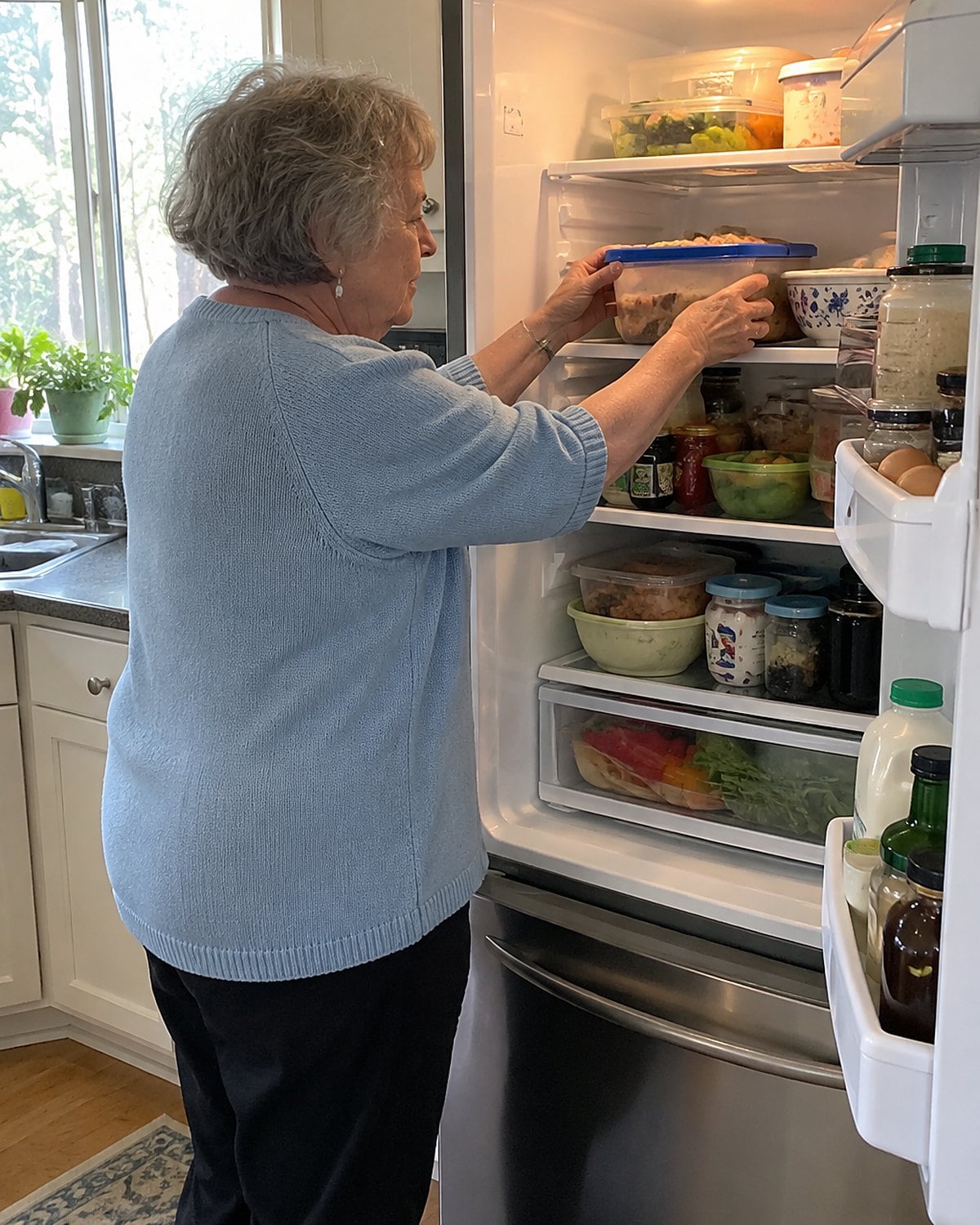
She asked, “When did we make this?” while holding a container you were sure had appeared yesterday. Now you have a fridge full of containers that look much the same.
A date on the lid saves the argument. The USDA's cold storage chart gives cooked leftovers 3 to 4 days in the refrigerator. Keep the fridge at 40°F or colder. If you don't know when dinner was cooked, smell won't settle the question.
Put the date on the container before it goes onto the shelf. Move food into shallow containers so it cools promptly, rather than leaving a deep pot out while everyone clears the table.
Check a thermometer on a fridge shelf; the number on the dial doesn't tell you the air temperature. She kept asking because tomorrow's lunch depended on knowing. The answer was harder to find once the dishes were done.
#16 The high chair and untouched peas
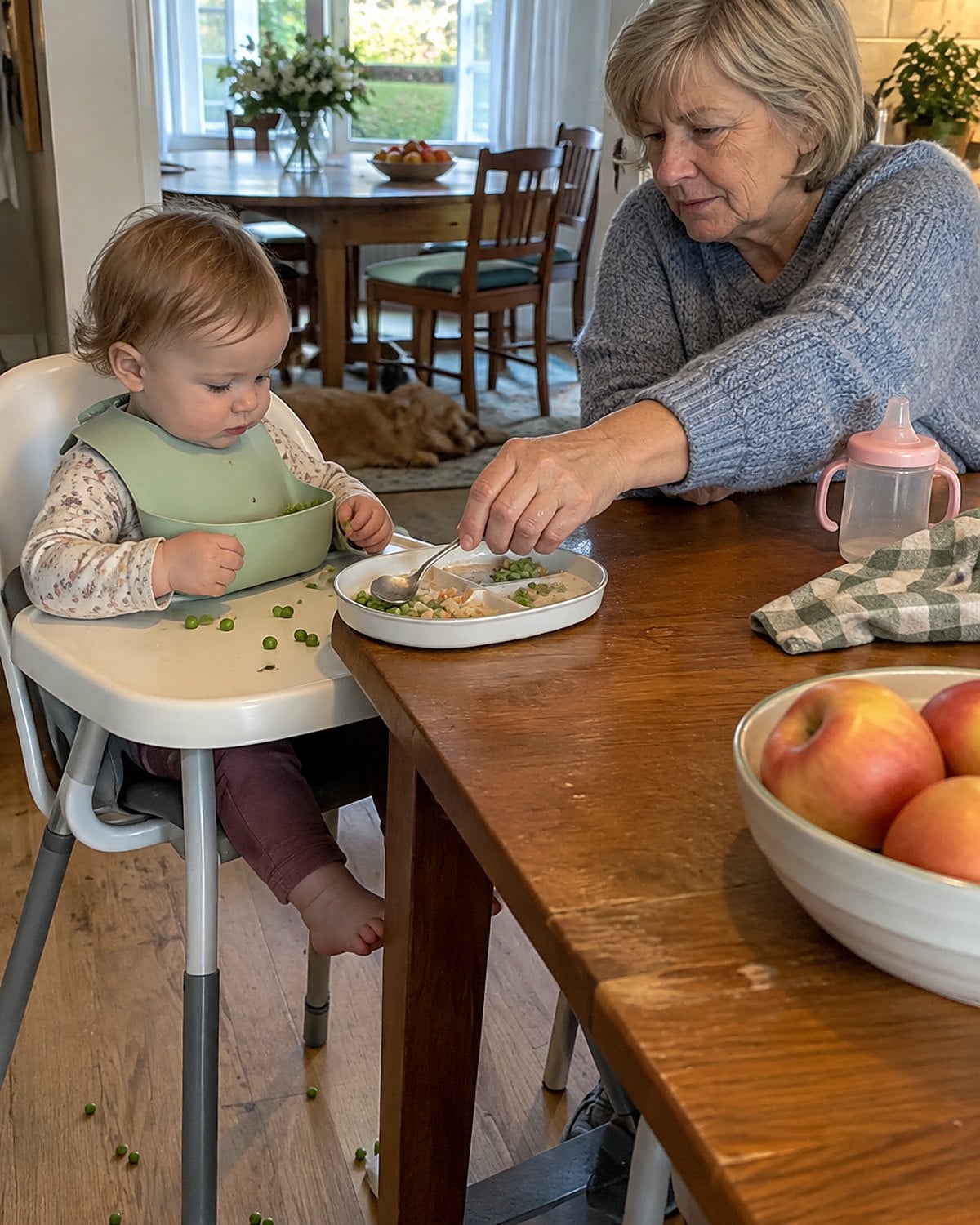
A grandchild pushes every pea into the bib pocket. You remember your mother counting bites, and you hear yourself about to do the same.
Pause long enough to look at the plate. The peas are there. The child has seen them, touched them, and declined them. You don't have to turn that into a trial while the rest of dinner gets cold. Try saying, “You don't have to eat the peas. They stay on the plate.”
Then eat your own dinner. The sentence leaves room for another try without asking you to cook a replacement meal on command.
Your mother was feeding people with different appetites at the same table. You understand the strain of that now, even if you choose different words. A plate of peas needn't decide how the evening goes.
Try it: How To Cook Frozen Peas In An Instant Pot
#15 The oven timer that went unanswered
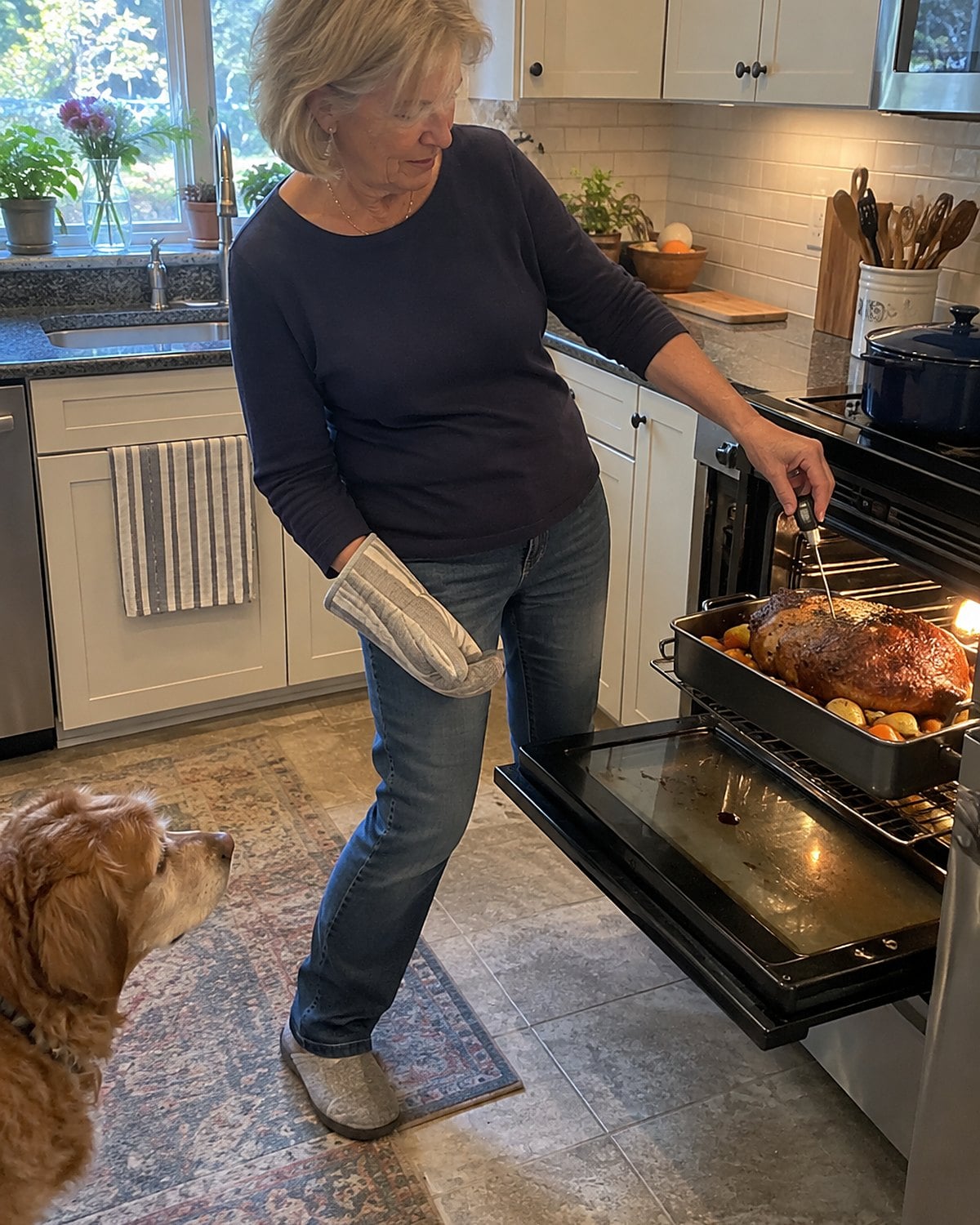
The timer rang while she was on the phone. By the time she got to the oven, the roast had passed the time in the cookbook. You thought she'd ruined it. She went for the thermometer.
Cooking time tells you when to check; the center tells you what's happened. For poultry, the USDA's safe minimum is 165°F. Push the thermometer into the thickest part, away from bone. Check another spot if the shape is uneven.
When the outside is browning faster than the center cooks, cover it loosely with foil. If the meat is already cooked and dinner is running late, stop baking it. Let it rest while you finish the sides, then serve.
Your mother had to make those calls with people talking over the timer. The lesson wasn't that she had perfect timing. She knew to look at the food after the bell rang, and she kept a way to check it.
#14 The cast-iron pan on the stove
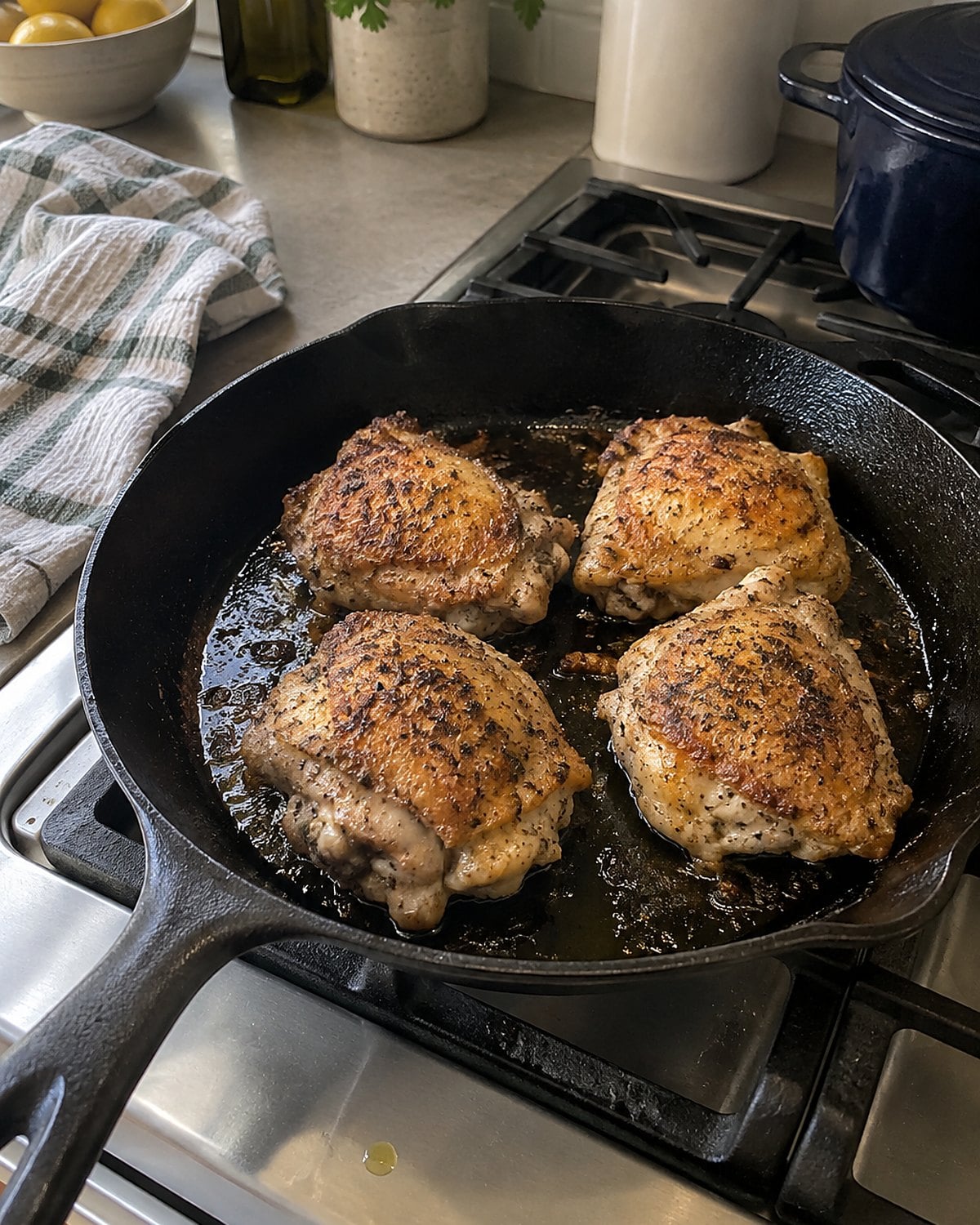
The pan lived on a burner even when nobody was cooking. You thought it belonged in a cupboard. Then you found yourself making eggs, browning a pork chop, and warming a tortilla before the pan had cooled.
Cast iron holds heat. Turning down the burner won't cool it at once, which matters when the next thing you're cooking is an egg. Give the pan time to warm before food goes in.
Watch the butter when it hits the surface. If it browns before you can swirl it around, pull the pan off the heat and let it cool. You can't fix that by stirring faster.
After washing, dry the pan thoroughly and wipe it with a thin coat of oil. She kept hers close because she reached for it. You needn't love cast iron to understand why a working tool stays where a working hand finds it.
#13 The second dinner after the guests left
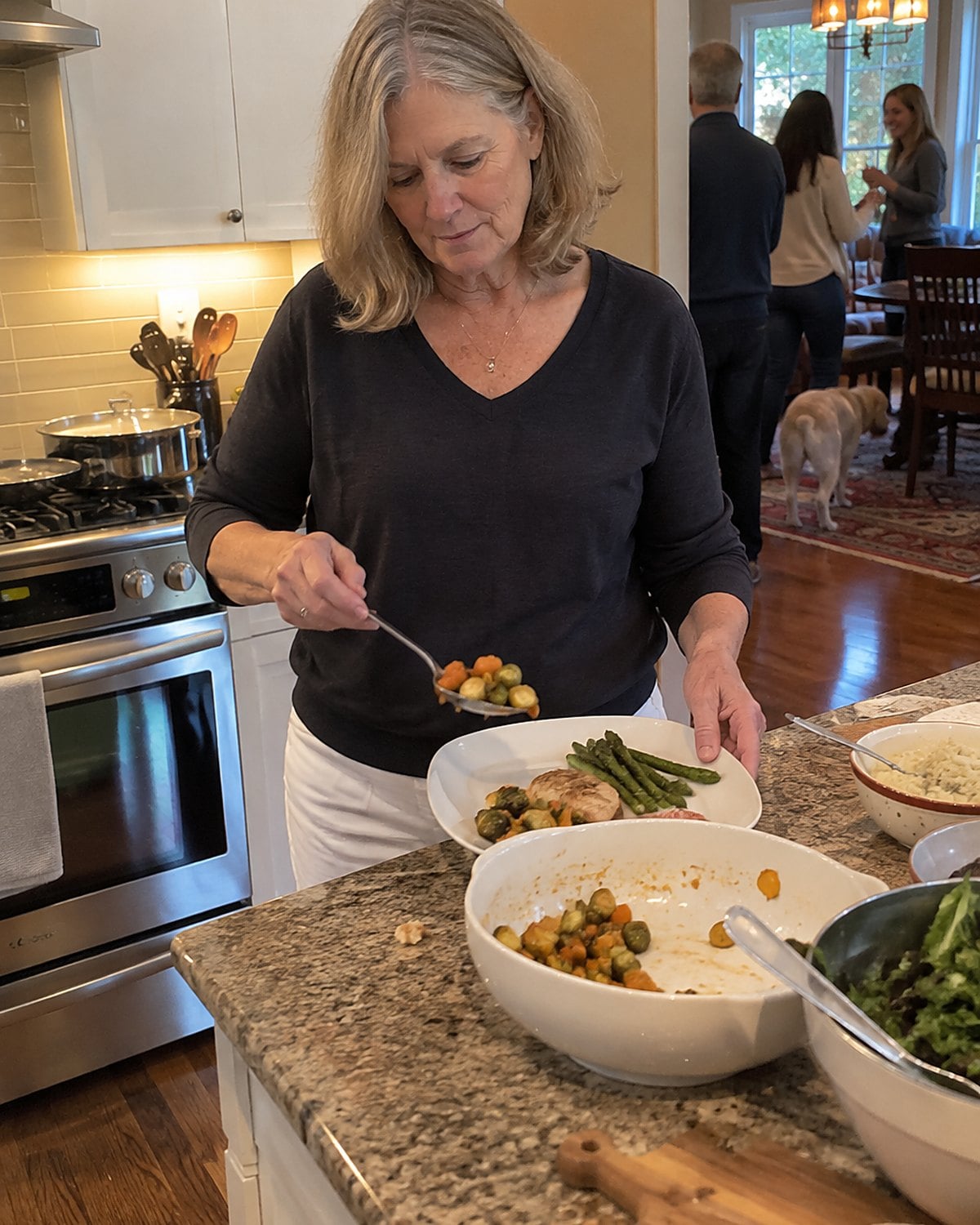
The guests had gone, and she stood at the counter with a plate no one had used. You'd seen her serve dinner. You hadn't noticed how little she'd eaten.
When a meal stretches across arrivals, spilled drinks, and requests for another spoon, the person cooking loses track of her own plate. At a family reunion, she also knows which aunt avoids onions and which child needs a smaller serving. The food keeps moving. Her chair stays empty.
You recognise that chair now. You sit down, someone needs a napkin, and you get up because you know where the napkins are. By the time you return, your food has cooled.
Next time people arrive, put the serving spoons out and tell someone else where the napkins live. Make your plate while you make the others. Sit down before the last pan is scraped clean. If someone asks for more, they know where the stove is.
Your mother deserved a hot dinner. So do you. Knowing that doesn't erase the years you watched her work from your seat, but it changes what you do when it's your turn to host.
#12 The water running over supper plates
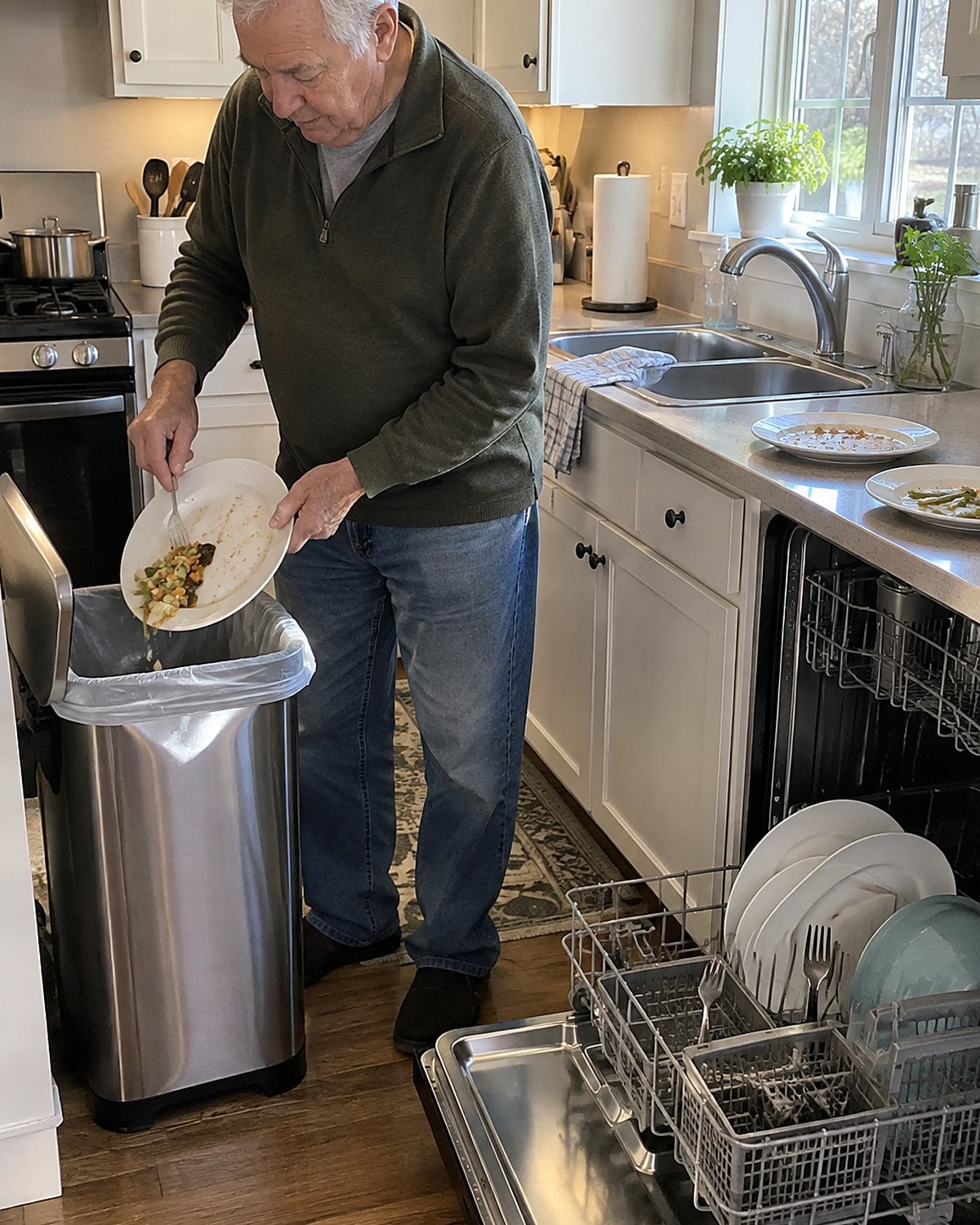
The tap ran while she cleared dinner. You asked why she washed dishes before putting them in the dishwasher. Looking back, she was trying to deal with a sink full of plates before bedtime.
A quick scrape gets loose food into the trash. Then the dishwasher gets a chance to wash what remains. Check the machine's manual before making rinsing a rule; machines and detergents differ, and a full hand wash first takes time you don't get back.
There is another choice that matters more: load the sharp knife by hand, clear the drain, and start the machine before you sit down. The sink looks different in the morning.
She did what worked with the machine she owned. You're allowed to change the routine without treating her effort as a mistake.
#11 The freezer bag under the peas
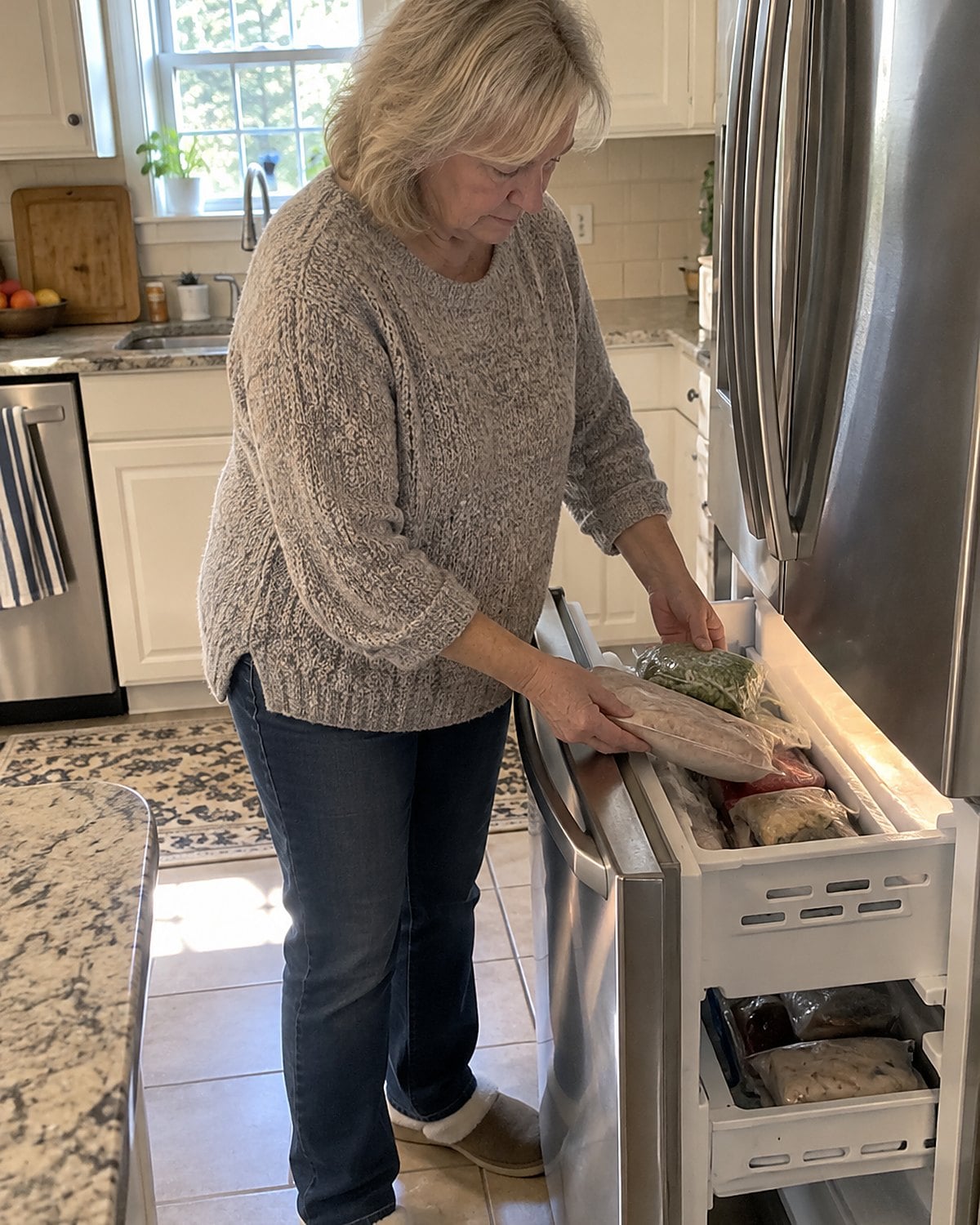
At the back of the freezer sits a bag with no date. You think it's cooked chicken. Your mother would have known what she put there, or at least she always said she did.
Freezing keeps food safe while it stays frozen, but it doesn't stop quality from slipping. The freezer drawer also rearranges itself every time someone digs out peas. Label a bag with the food and the date before you freeze it. Press out excess air, seal it, and lay it flat until firm. Flat bags stack where you can see them.
When you find an unmarked bag, don't build dinner around a guess. Use what you can identify, and let that mystery bag teach the next one a lesson.
She saved small portions because a small portion fed someone later. The habit made sense. So did her insistence on writing something on the wrapping, even when you thought she'd remember. Put the marker near the freezer bags; a system works best when your hands can reach it.
#10 The last roll in the basket
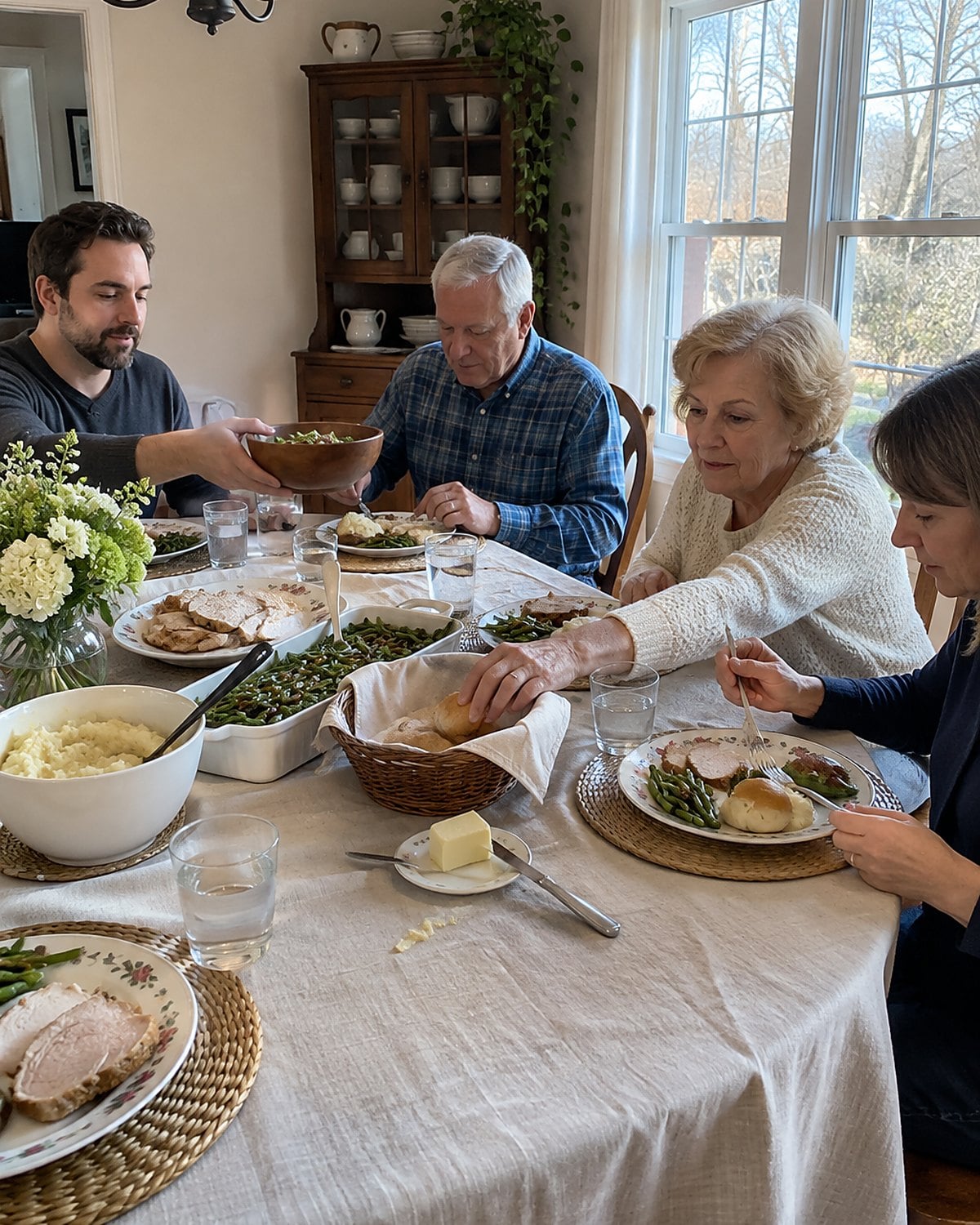
She said she didn't want a roll, then took the last one after everyone finished. You took her at her word because you were hungry.
At your own table, you count what is left before deciding what you want. That's a familiar calculation, but the person who made dinner shouldn't have to disappear from it. Put a roll on your plate when you pass the basket. If another is left later, anyone can have it.
You needn't turn supper into a lesson for the family. Give yourself a share while the food is hot. It took you long enough to notice what she was doing; the next roll belongs to whoever asks for it.
#9 The soup that tasted better tomorrow
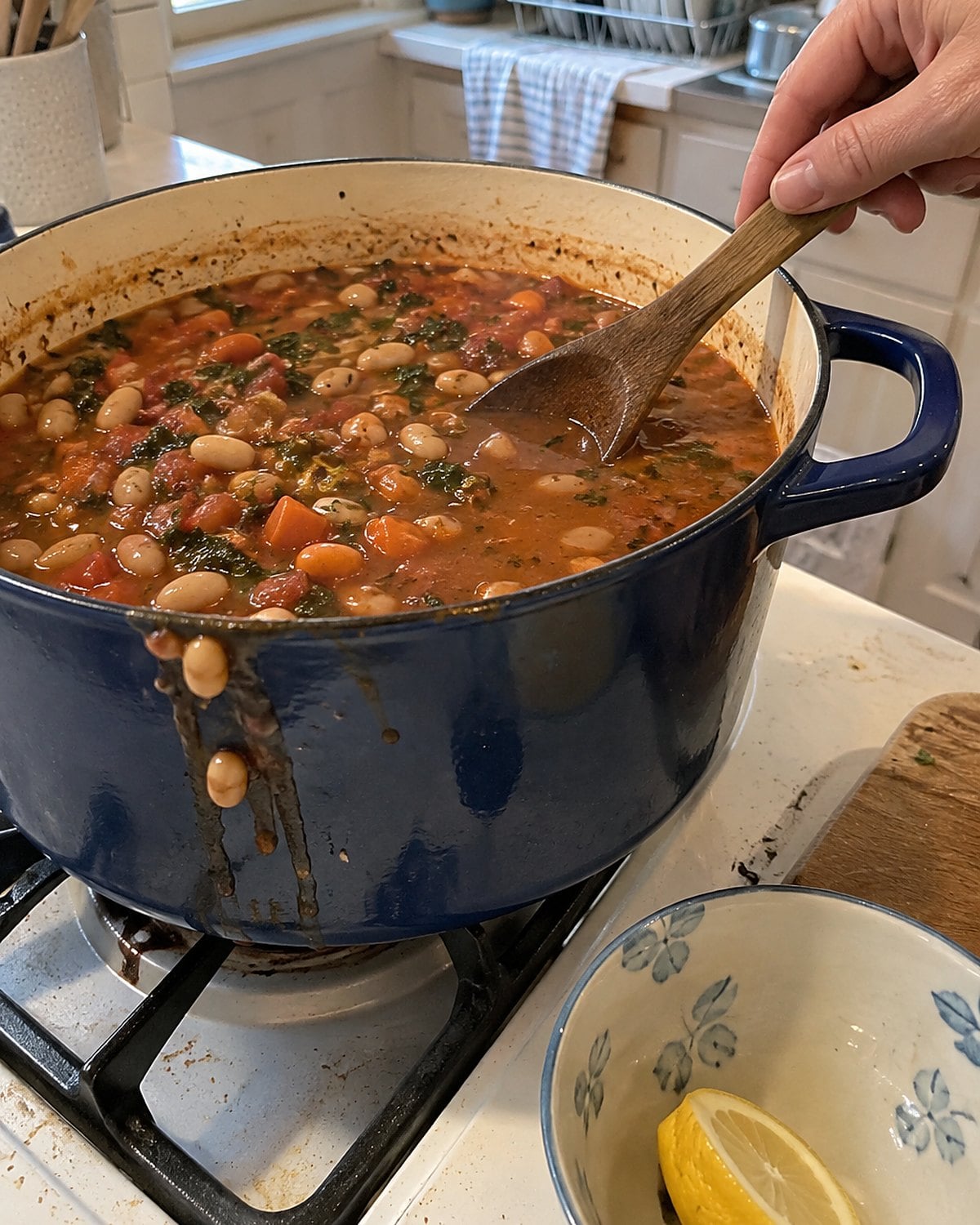
You remember the pot on the stove and her saying there was soup for tomorrow. You remember thinking she'd made too much.
Bean soup tells a different story the next day. As it sits in the fridge, the beans absorb some broth. A thick bowl needs a splash of water when you reheat it. Add the water first, warm the soup, then taste. Salt and lemon have different jobs: salt brings the ingredients forward; lemon gives a rich, flat pot some brightness.
If you start with dried beans, cook them fully before adding acidic tomatoes. Acid slows softening, and no amount of wishing fixes a firm center at dinnertime. Bite a bean to check it. It should be tender all the way through.
Cool soup promptly in shallow containers and refrigerate it. On a busy night, tomorrow's dinner is then closer than it looked when she was washing the pot. She'd planned a meal you didn't see yet, using work she'd already done.
Try it: Instant Pot Bean Soup (Only 5 Ingredients)
#8 The chicken thighs in the market case
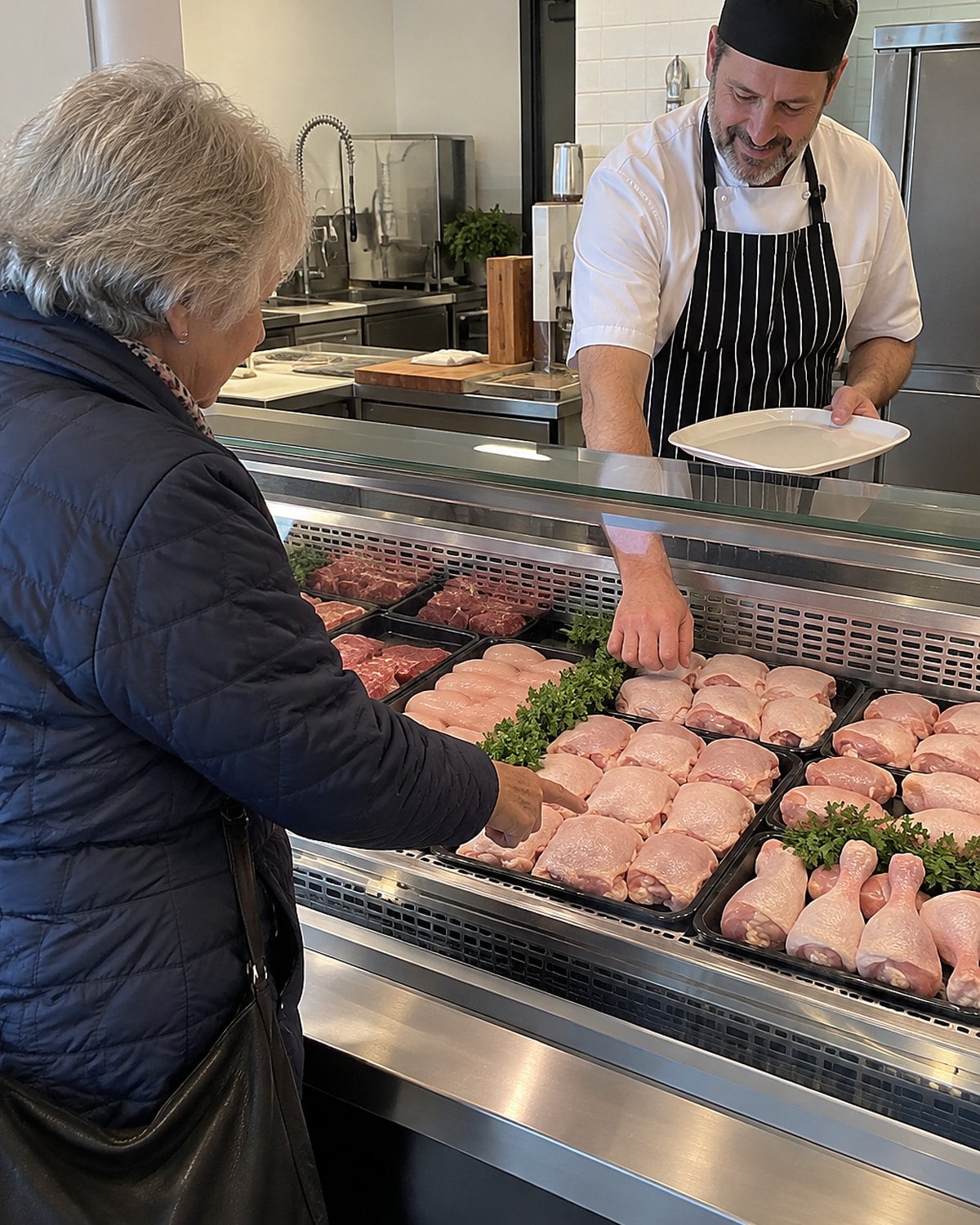
You asked why she bought thighs when breasts looked neater on a platter. Then you cooked both while somebody ran late.
Thighs have more connective tissue and fat, so they stay pleasant through a longer cook. Breast meat gets dry when it goes far past done. Neither cut tells you it's safe by color alone. For either one, check the thickest part with a thermometer; poultry reaches 165°F.
At the counter, ask for the cut that fits the dinner you have time to make. If you're braising, thighs give you room to finish the rice and answer the door. Your mother wasn't making a lesser choice. She knew what else would happen while the chicken cooked.
Try it: 23+ Instant Pot Chicken Thigh Recipes
#7 The church hall tray with her name
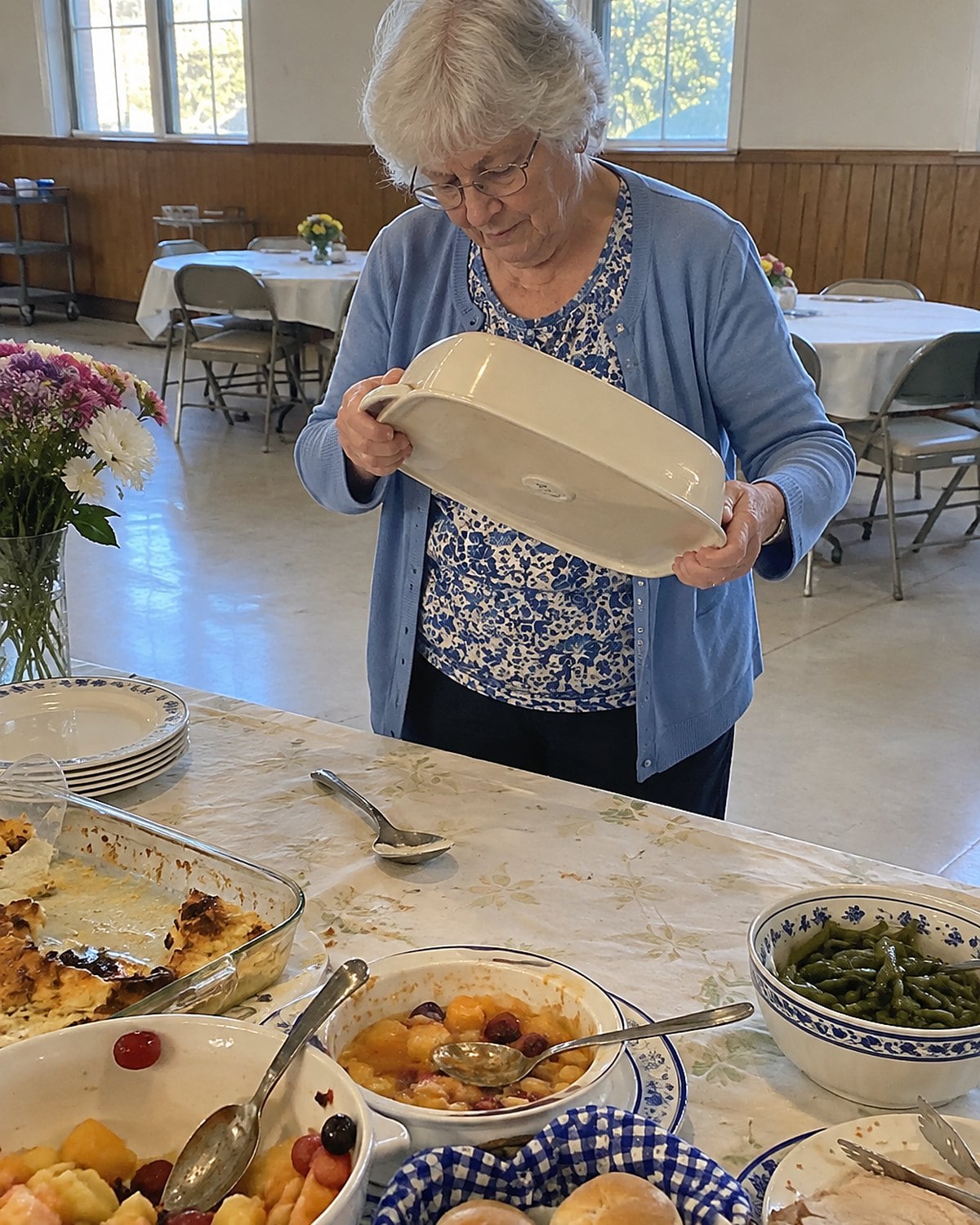
Her name was taped beneath a baking dish. You wondered why she'd bothered when everybody knew the dish was hers. At the end of the church supper, several people brought home a dish that looked much like it.
Write your name on the underside of a tray or on tape stuck to the container before it leaves your kitchen. If it has a lid, mark that too. Take a serving spoon you won't miss until it comes back. When you pack leftovers, put the right lid with the right dish.
There was another piece of work you didn't see. A covered dish had to travel without spilling, arrive ready to serve, and leave with someone remembering it. She had thought about all of that while she made breakfast.
You see her at that long table differently now. She contributed the food, carried it in, and later went looking for her pan. If you bring a dish this week, check the underside before you walk out the door. You'll be glad to find your own name there.
#6 The pie cooling on the windowsill
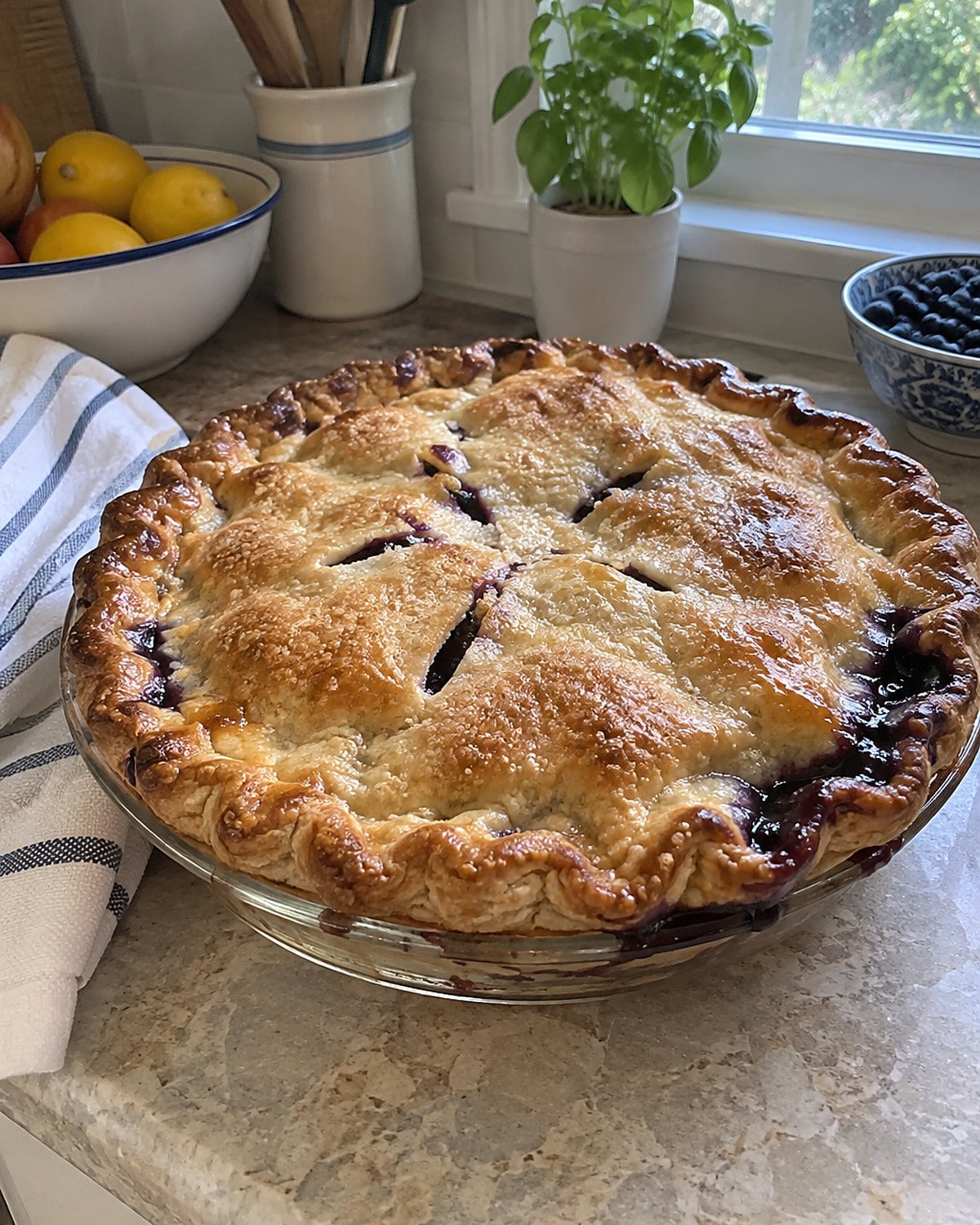
You wanted a slice when the pie came out. She made you wait. She was waiting too, though she had more say over the knife.
Fruit filling thickens as it cools. Cut while it is still bubbling, and the juices run onto the plate. Let the pie sit until the center no longer steams. Slide a thin knife into a slice and watch how the filling holds when you lift it.
If you prefer warm pie, heat a cut slice after the whole pie has set. You get the warmth without losing the filling.
She knew what would happen when the knife went in early. For once, making you wait also meant she got to put her feet up.
#5 The serving spoon in the dishwasher
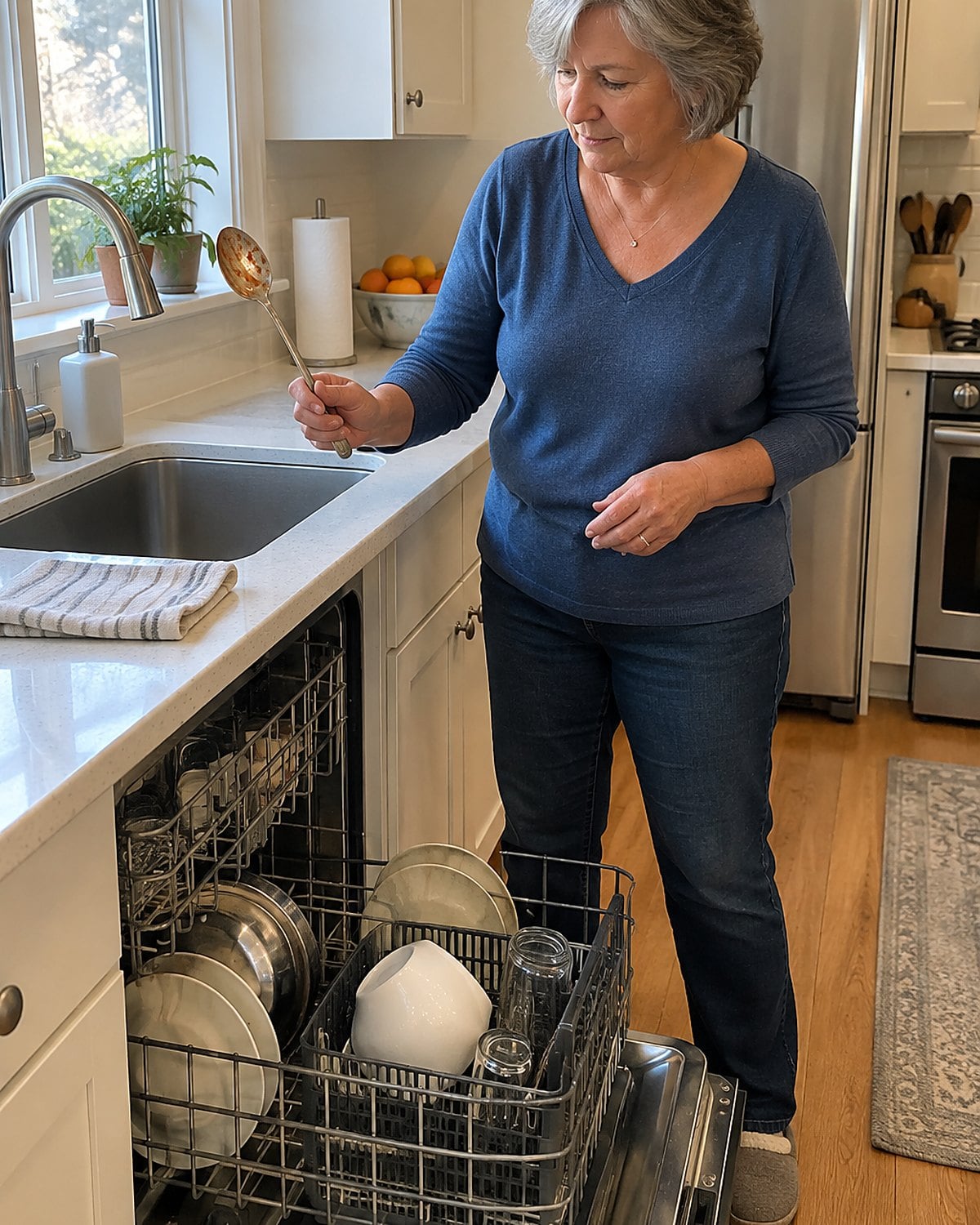
The spoon came out with dried sauce in its bowl, and she put it back in the sink. You thought she was hard to please. Now you've unloaded a dishwasher and found the same spoon.
Look at how it sat in the rack. A deep spoon facing upward catches wash water; one pressed against another utensil shields the dirty surface. Give utensils space, and set bowls and cups so water drains from them. Scrape off stuck food before loading.
The dishwasher doesn't settle who will put everything away. She knew which drawer held the serving spoon, which container had a missing lid, and which cup a visitor wanted. If you're the person who remembers all that, say what needs doing. “Please empty the bottom rack and put the pans away” gives someone a job they can finish.
Leave a drawer imperfect while another person learns it. She didn't always have that luxury, or didn't believe she did. The spoon still needs washing; it doesn't have to be her hand that washes it.
#4 The twist ties in the drawer
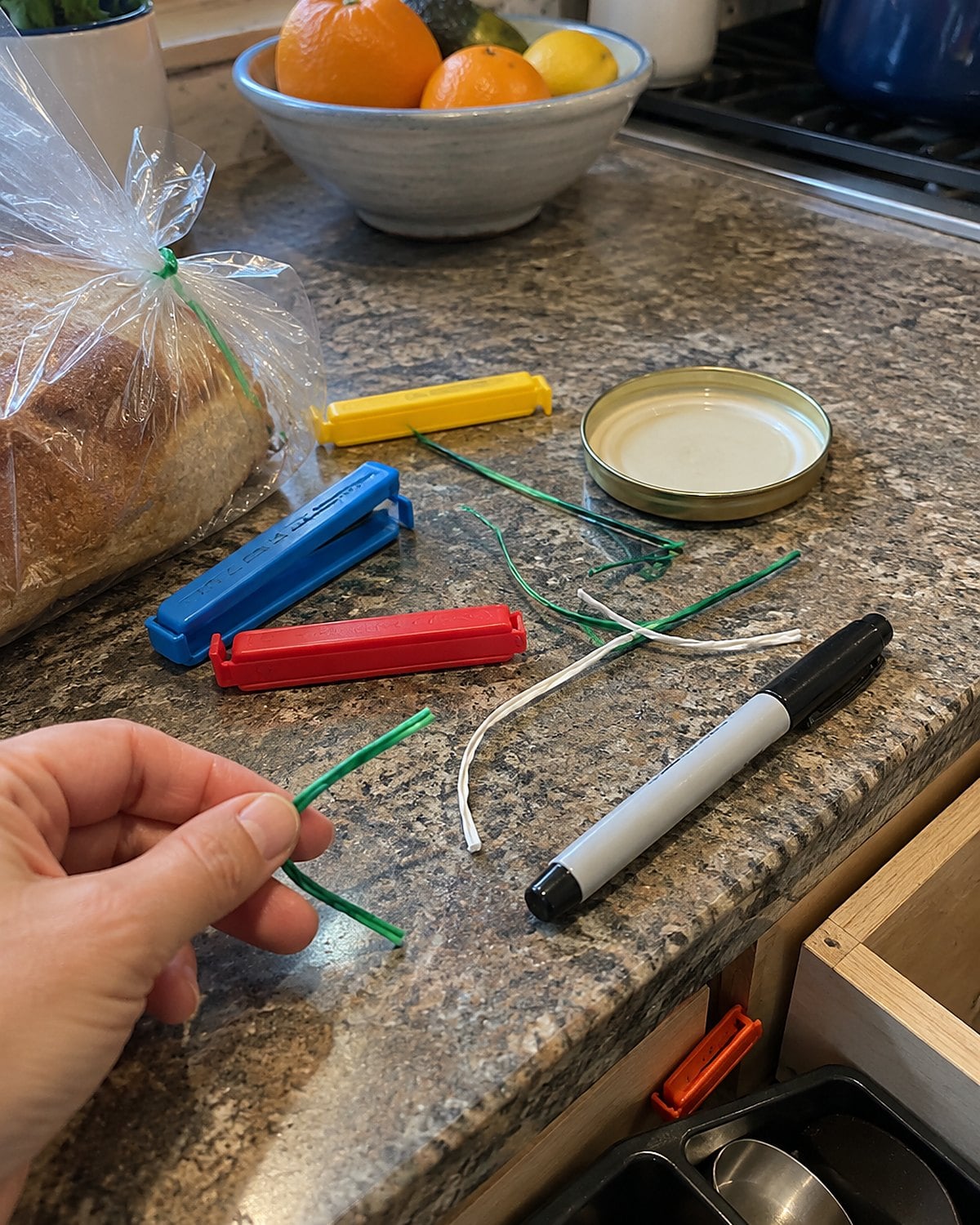
She kept a drawer of twist ties, rubber bands, and bags folded inside bags. You rolled your eyes until you needed to close half a bag of rice.
Some of it was worth keeping because it had a job. Some had outlived any job she could name. Empty the drawer onto the counter and sort it by what you reach for: bag clips, labels, a marker, and the ties you'll use. Put those back where your hand lands first.
Then close the rice bag and check the shelf for spilled grains. A sturdy container helps once a bag has torn.
You don't have to defend every twist tie to understand the drawer. She saved them because buying and putting away food gave her chances to need one.
#3 The thermometer in the utensil crock
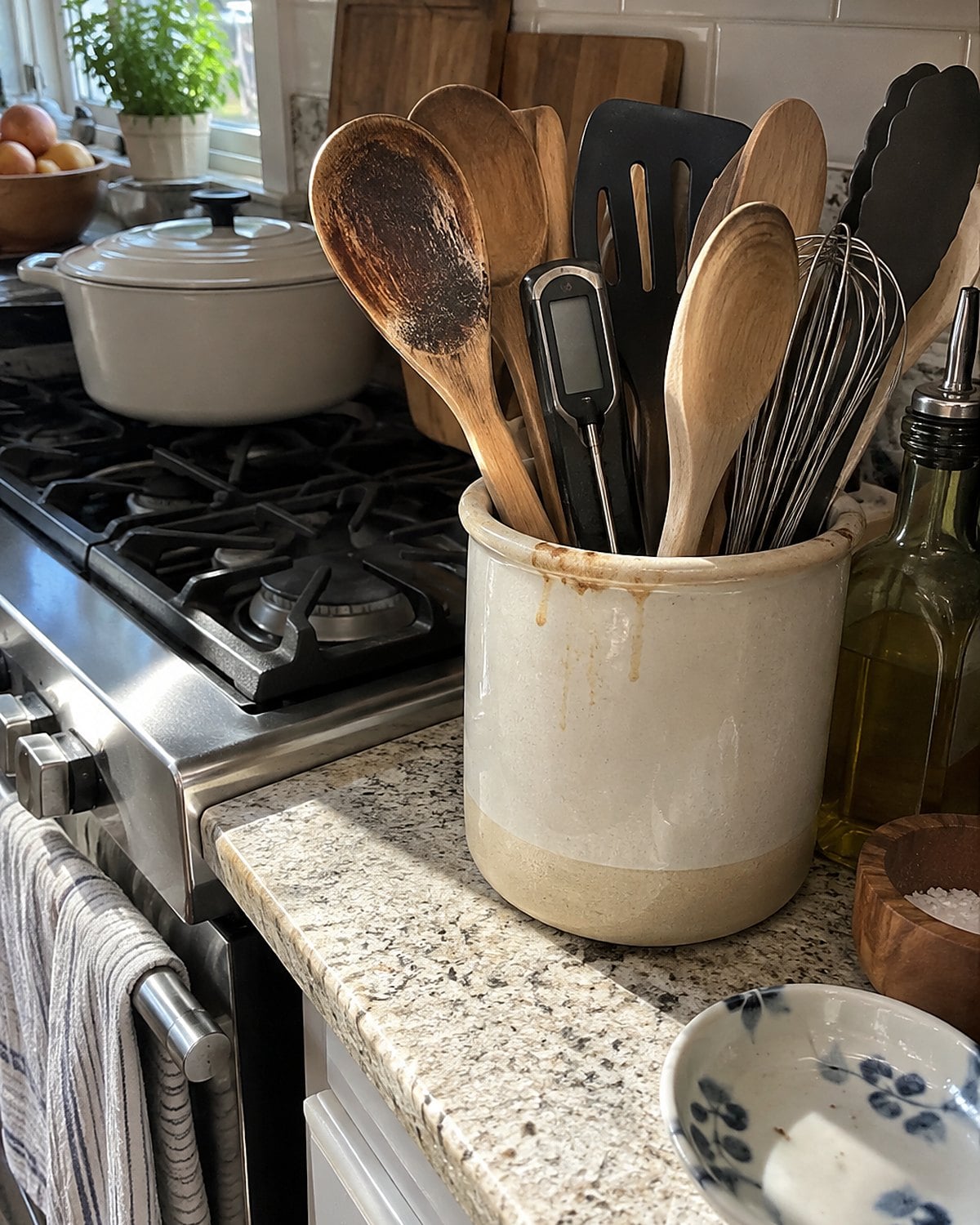
She had a way of judging meat by touch. You learned it too. Then a thick piece fooled you, and dinner had to go back in the oven.
A thermometer answers a question touch can't settle: the temperature at the center. For ground meat, check for 160°F. For whole cuts of beef and pork, check for 145°F and give the meat a 3-minute rest. For poultry, the number is 165°F. Those are the USDA's safe minimum internal temperatures.
Insert the tip into the thickest part without touching bone or the pan. With a thin piece, slide it in from the side to get the tip near the center. Wash the probe after it touches raw meat.
Keep the thermometer with the utensils you grab while cooking, not in a drawer you open after dinner goes wrong. Your mother learned to judge a roast with the tools she had. You can respect that skill and still use a number when the center is hidden.
#2 The empty chair before dinner
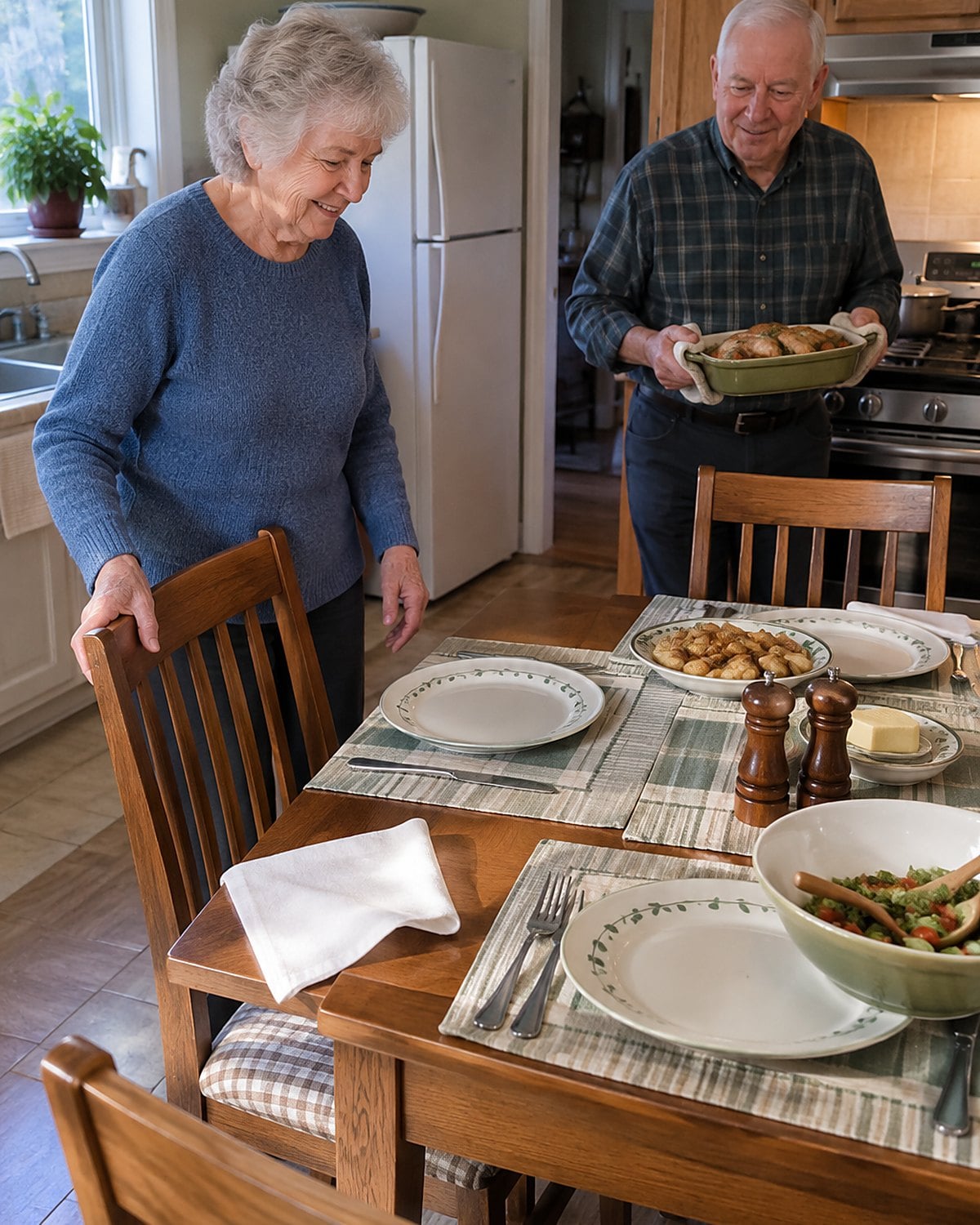
She stood while everybody sat, making one more trip to the stove. You thought she preferred to keep busy. Now you know how easily a cook stays standing after the meal is ready.
Before calling people in, set out water, napkins, and whatever will be passed around. Put a chair where you can reach it. Then call dinner. If someone asks for something you forgot, let them get it.
You spent years watching your mother from a seat she had yet to take. The people at your table have a chance to notice sooner. They can start by pulling out the chair and leaving it there for you.
The scrape of chair legs against the floor is your cue to sit, too. If someone calls you back to the stove, try, “Sit down, I'll get it after I've had a bite.”
#1 The question she asked before supper
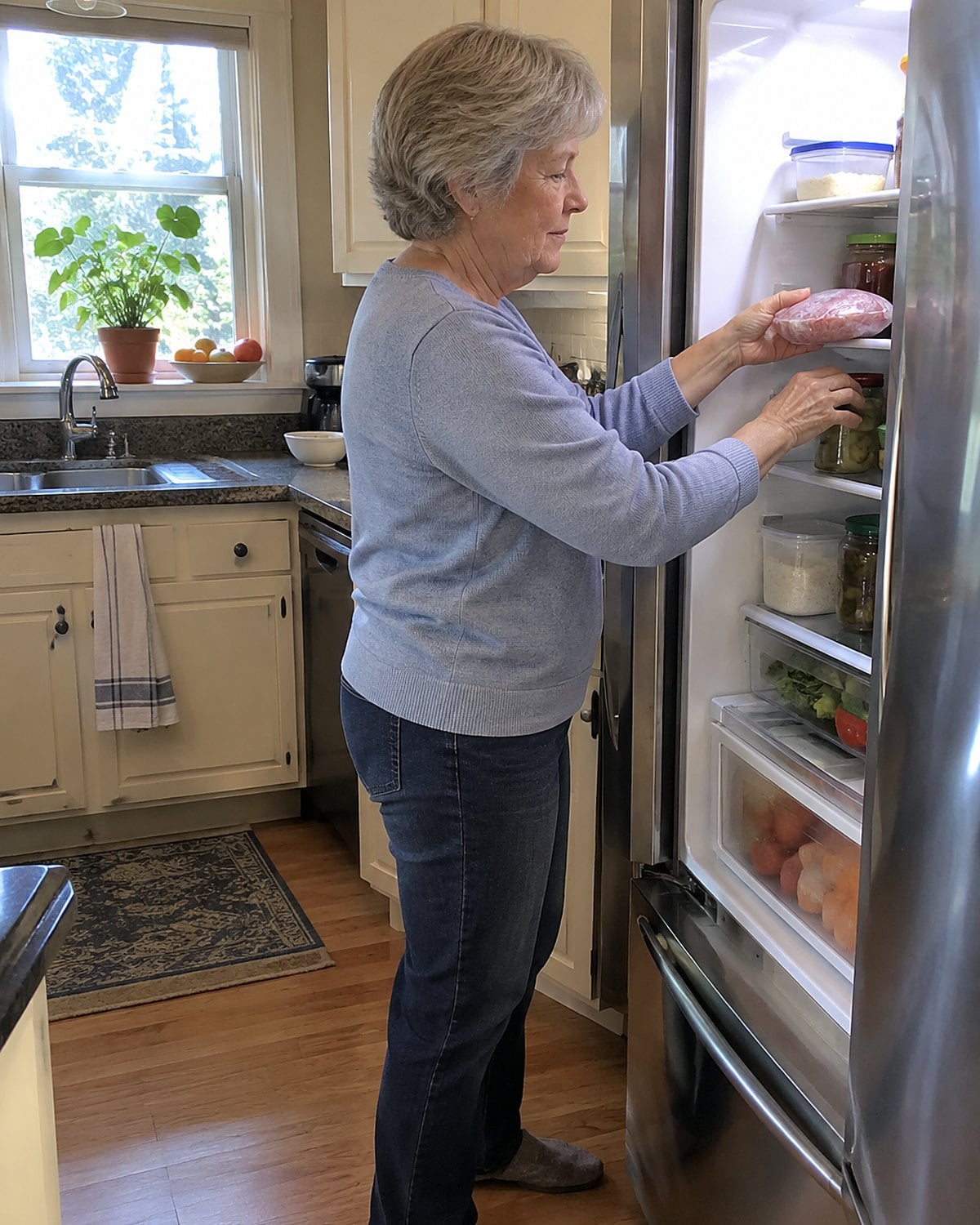
“What have we got for tomorrow?” She asked it while dinner was still on the stove. You heard a mother who couldn't stop planning. After you've cooked for a household, you hear someone looking for a break in the next day's work.
Ask the question while you're already in the kitchen. Look at what dinner has left: cooked rice, a cut onion, a pan of roasted vegetables. Decide what one of those will become tomorrow, then put it away with that use in mind. A container marked “rice for lunch” is easier to reach for than an anonymous bowl behind the milk.
Do the same for the work that hasn't happened yet. If tomorrow's dinner needs frozen meat, move it to the refrigerator to thaw. If the morning will be crowded, put the oats or the empty lunch container where you'll see it. You're giving tomorrow's cook a clear first move.
The question also changes what you make tonight. Cook enough rice for another meal when you know where it will go. Skip extra potatoes when the fridge is full. Her question wasn't an order to plan every meal ahead. It kept one unfinished dinner from turning into another at bedtime.
Ask it before you wash the pan.
The bottom line
Your mother made dinner with the food, time, and help she had. Some of her habits still work. Others are yours to change.
The well-prepared version of you has put a thermometer within reach and chosen one first move for tomorrow. Which habit from her kitchen still earns its place in yours?
Leave a Reply