

Editorial note: Food-safety checks in this article follow the USDA, FDA, CDC, and National Center for Home Food Preservation guidance named below.
The screen door closes, and somebody reaches for the skillet before the burner is even lit. She turns its handle toward the back of the stove. You still do that.
There are other motions in your hands, too: folding a towel around a hot lid, saving the last spoonful of broth, checking a cake before the timer speaks. They came from kitchens where food had to feed whoever turned up.
Some of those habits still earn their place. Others met new appliances, smaller households, and better food-safety advice. The trick is knowing which is which.
#27 The Dish Towel Beside the Stove
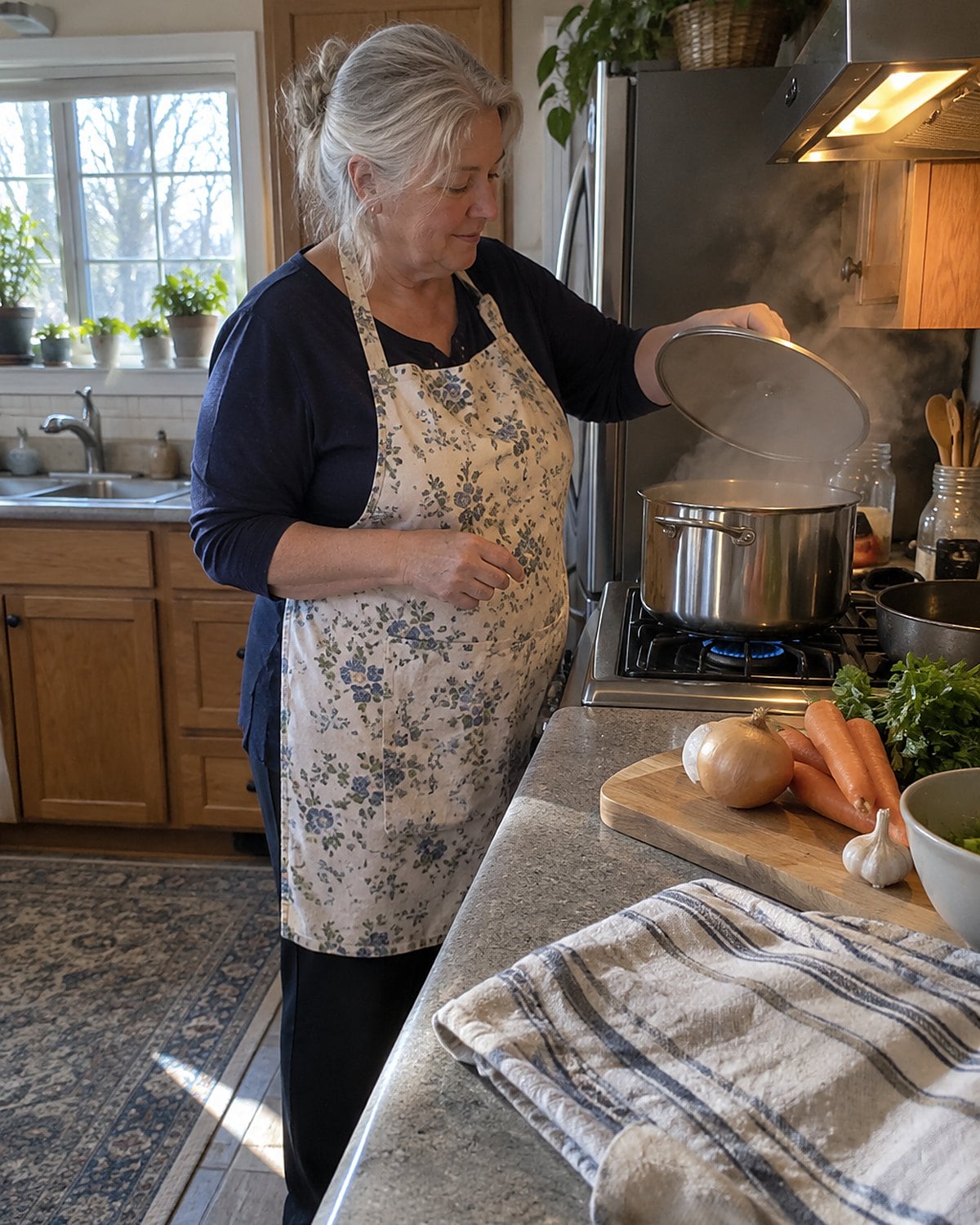
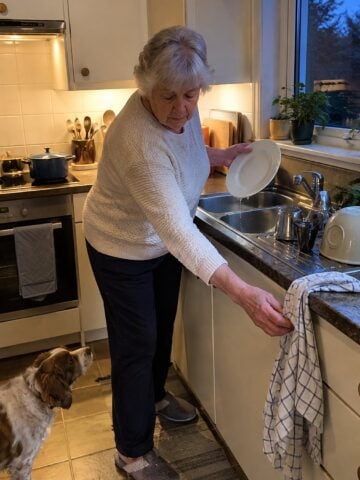
A dish towel was always within reach of the stove. You used it to lift lids, carry warm plates, and wipe the counter between jobs. It still earns its hook, as long as you watch where it lands.
Loose cloth near a gas flame can catch fire. A damp towel conducts heat straight to your hand when you grab a hot handle.
Fold a dry towel before you lift a lid, and turn the lid so steam escapes away from your face. Then put the towel back out of the burner’s reach.
There’s another old kitchen instinct tied to that towel: catching a falling knife. Let it fall. A chip in the floor beats a cut hand. The towel can stay, but it doesn’t have to do every job your hands were taught to give it.
#26 The Green-Bean Snap at the Sink
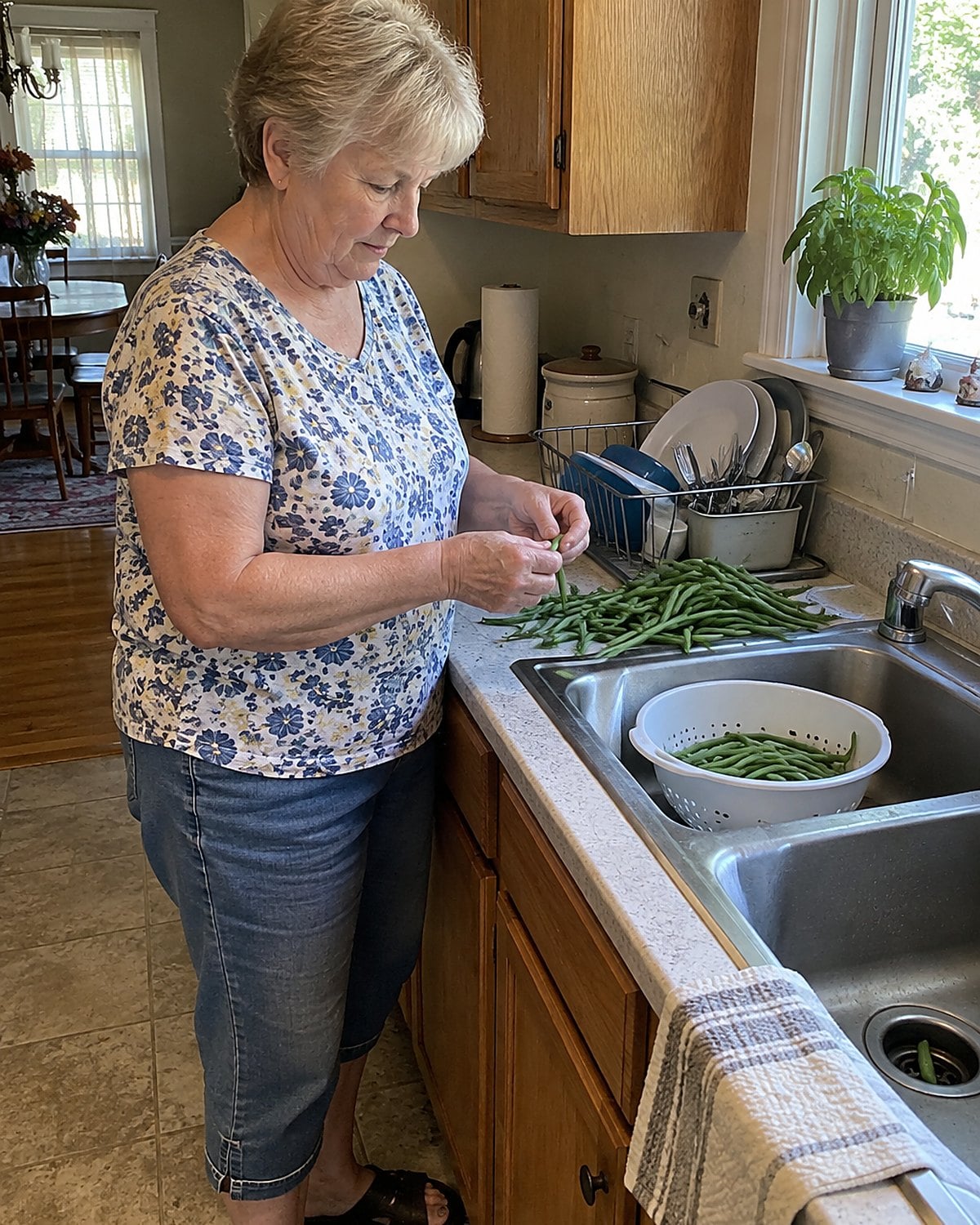
Fresh beans used to announce themselves at the sink. You took one from the bag, bent it, and listened for the snap before committing the whole pile to dinner.
Keep doing that test, with one change. Look at the broken end, too. A firm bean breaks cleanly and shows moisture inside. A limp bean bends before it breaks. Wrinkled ends tell you it has spent time drying out, though the rest still belongs in a pot if it’s sound.
The snap tells you about texture, not whether the beans are clean. Rinse them under running water, then trim the stem ends. The FDA’s produce guidance calls for washing produce even when you plan to peel or cook it.
For tonight’s beans, stop cooking when a piece bends without breaking. Taste one before you drain the pot. The old sink-side test starts the job; your teeth finish it.
Try it: Instant Pot Green Beans With Butter & Pepper
#25 The Smaller Sunday Roast
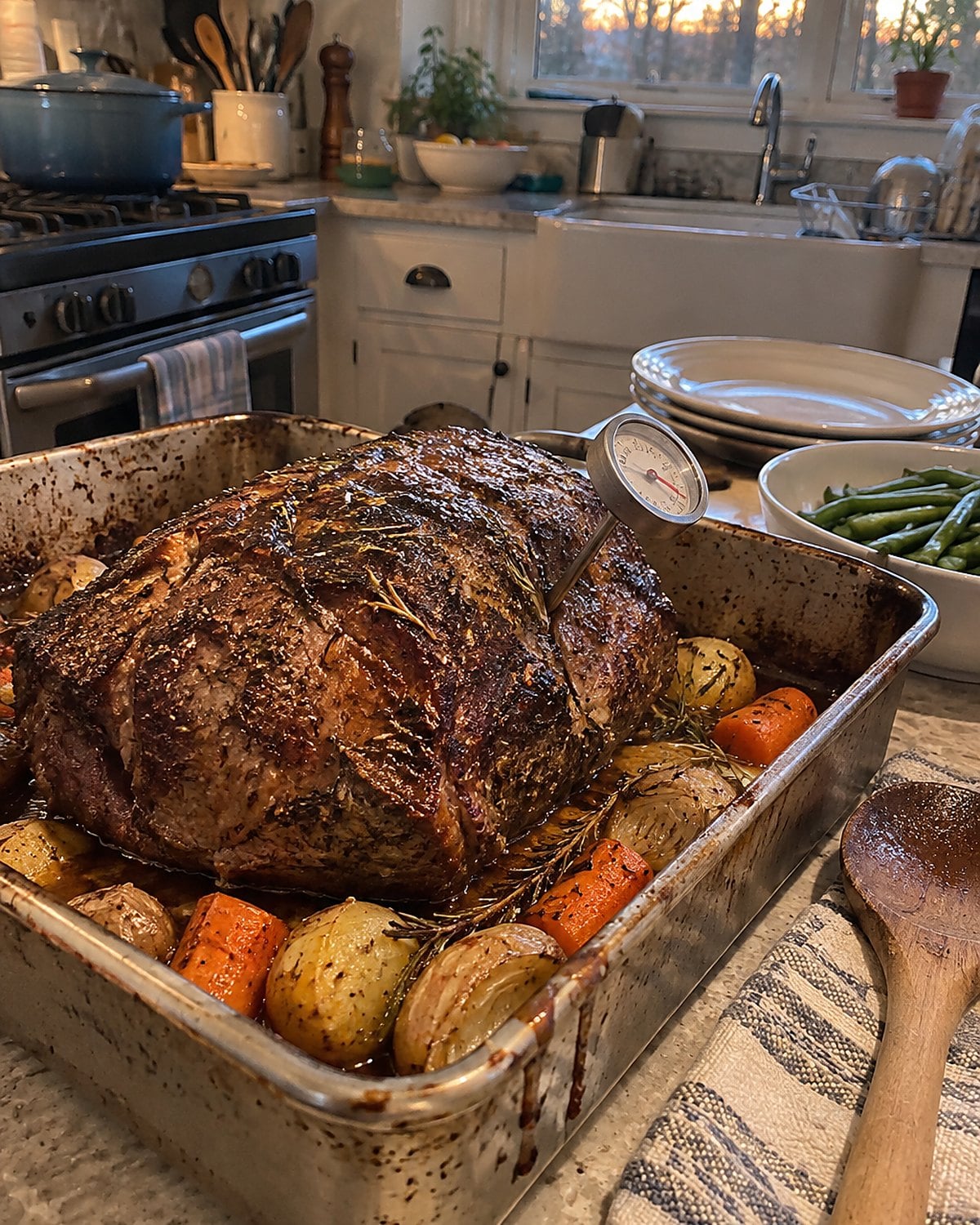
The Sunday roast once filled a pan because the table filled itself. Now you look at the same roasting pan and see Tuesday’s sandwiches before you’ve cooked Sunday’s dinner.
That’s useful arithmetic, but a smaller roast needs a different check. Time written beside a large roast in an old cookbook won’t tell you when a smaller piece is ready.
Put a thermometer into the thickest part, clear of bone and fat. For whole cuts of beef and pork, the USDA’s temperature chart gives 145°F followed by a 3-minute rest.
Resting also gives the juices time to settle before you carve. Set out the plate you’ll use for leftovers before dinner starts. You can keep the Sunday habit without cooking for the table that used to be there.
Try it: Instant Pot Roast Beef & Gravy
#24 The Flour Dusted Into Gravy
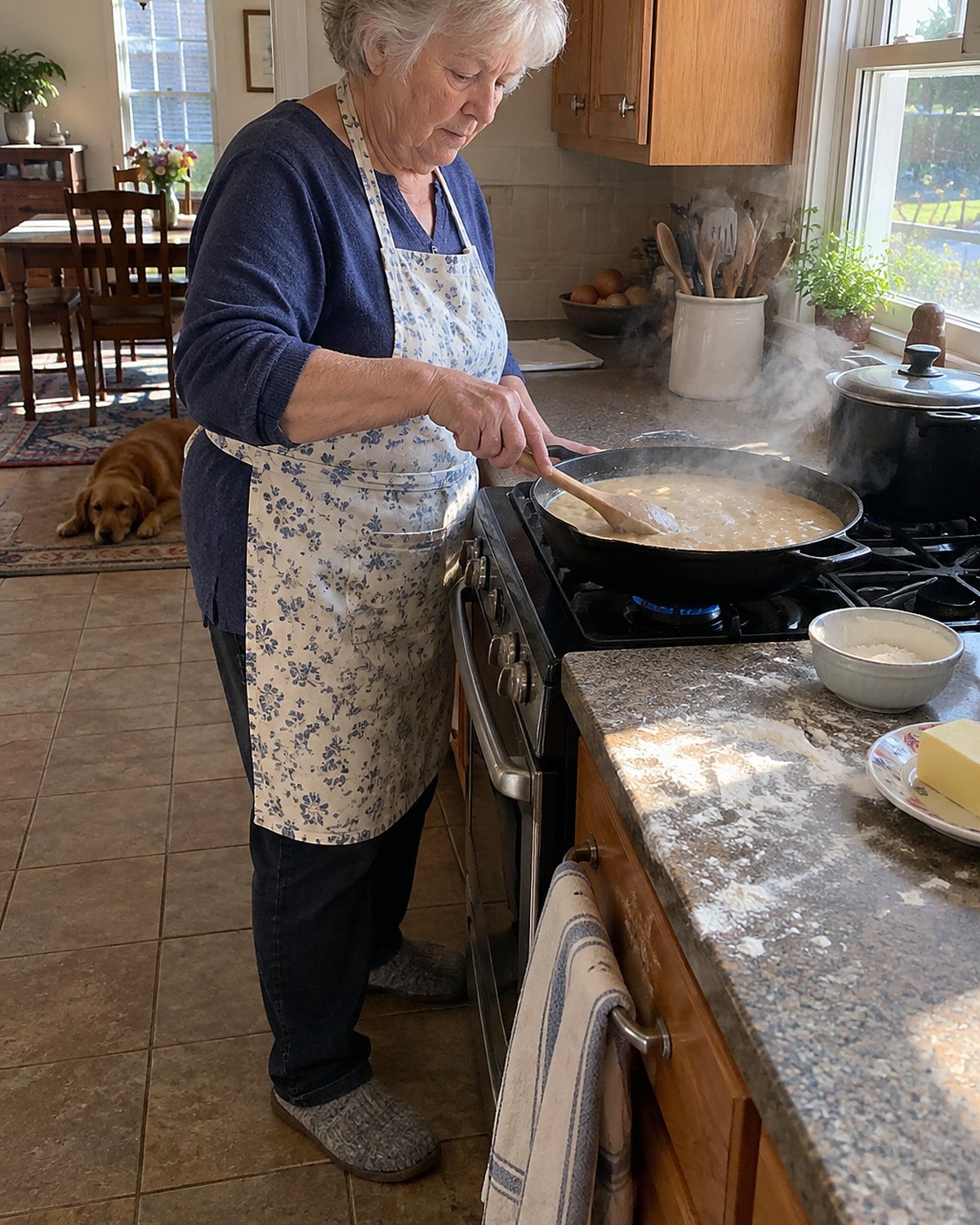
You learned to watch the drippings before making gravy. Dark brown bits in the pan promised flavor; black ones promised a bitter spoonful. Somebody tipped off most of the fat, reached for flour, and kept stirring.
That order still works. Fat coats the flour so it cooks into a smooth paste. Liquid added all at once to dry flour makes lumps that demand a sieve.
Sprinkle flour over the fat, stir until no dry patches remain, then pour in warm broth a little at a time. Scrape up the brown bits as you stir.
Give the flour a minute in the pan before adding liquid. That brief cooking takes away its raw taste. Once the gravy thickens, taste before you salt. Pan drippings and packaged broth have already had their say.
You don’t need a roast to use this lesson. The same order rescues gravy from a skillet of browned mushrooms. Keep the heat moderate and the spoon moving, just as you did when the pan held Sunday dinner.
Try it: Best Instant Pot Gravy (Quick & Easy, No Drippings!)
#23 The Cutting Board After the Chicken
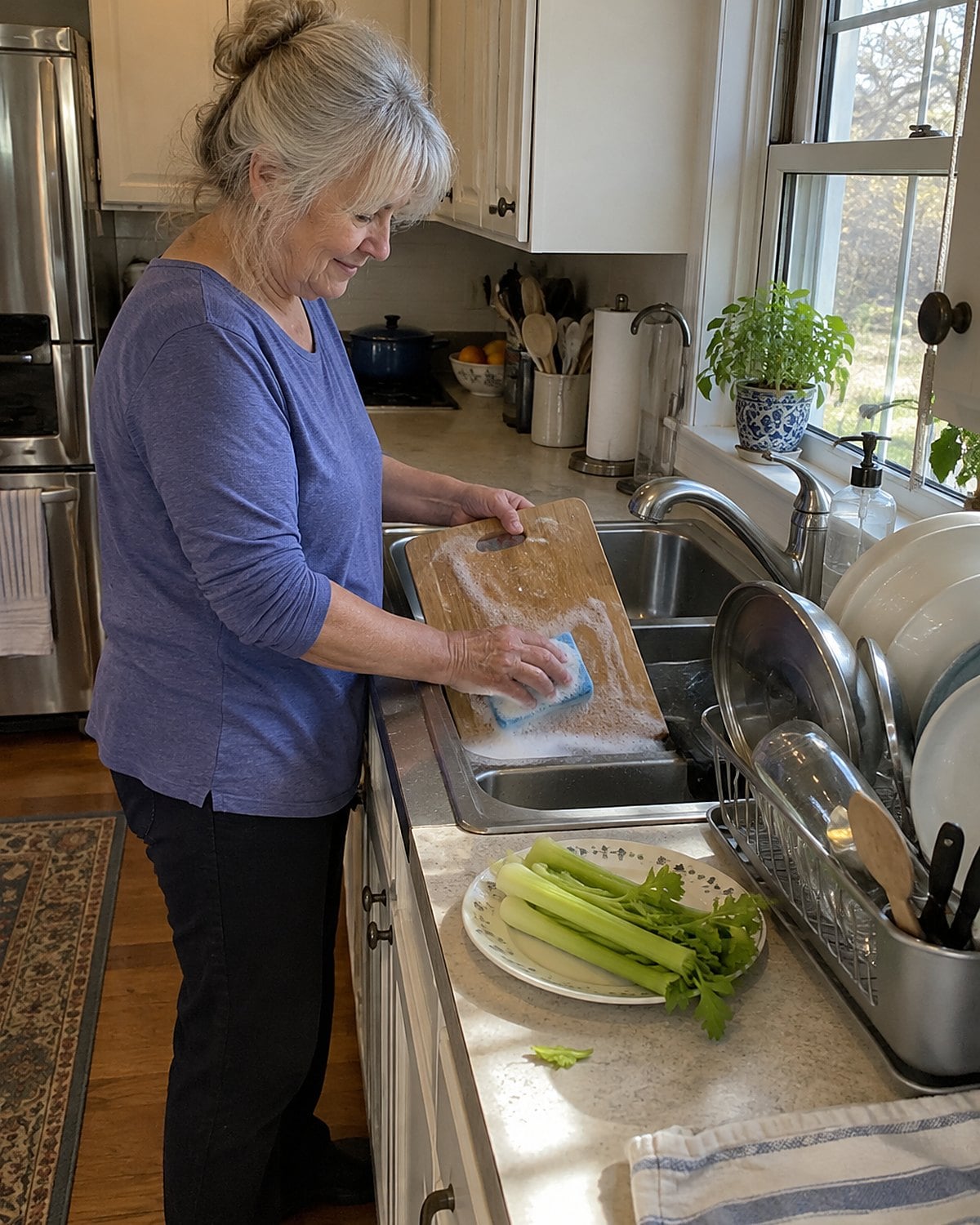
The cutting board went to the sink after raw chicken. That reflex was right, though the quick swipe with a wet dishcloth wasn’t enough.
Wash the board, knife, and counter with hot, soapy water after they touch raw poultry. Use a clean board for the celery you’ll eat raw. The CDC’s food-safety guidance calls for keeping raw meat apart from ready-to-eat food. Juices travel by hands and tools.
Skip rinsing the chicken. Water splashes from the sink onto the faucet and nearby counter; it doesn’t make the bird safer. Pat it dry with paper towels if the surface needs drying for browning, then discard the towels and wash your hands.
You already knew to clear the board. The update is to follow the path from board to knife handle to faucet, and clean that path before the salad comes out.
#22 The Casserole Crossing the Church Hall
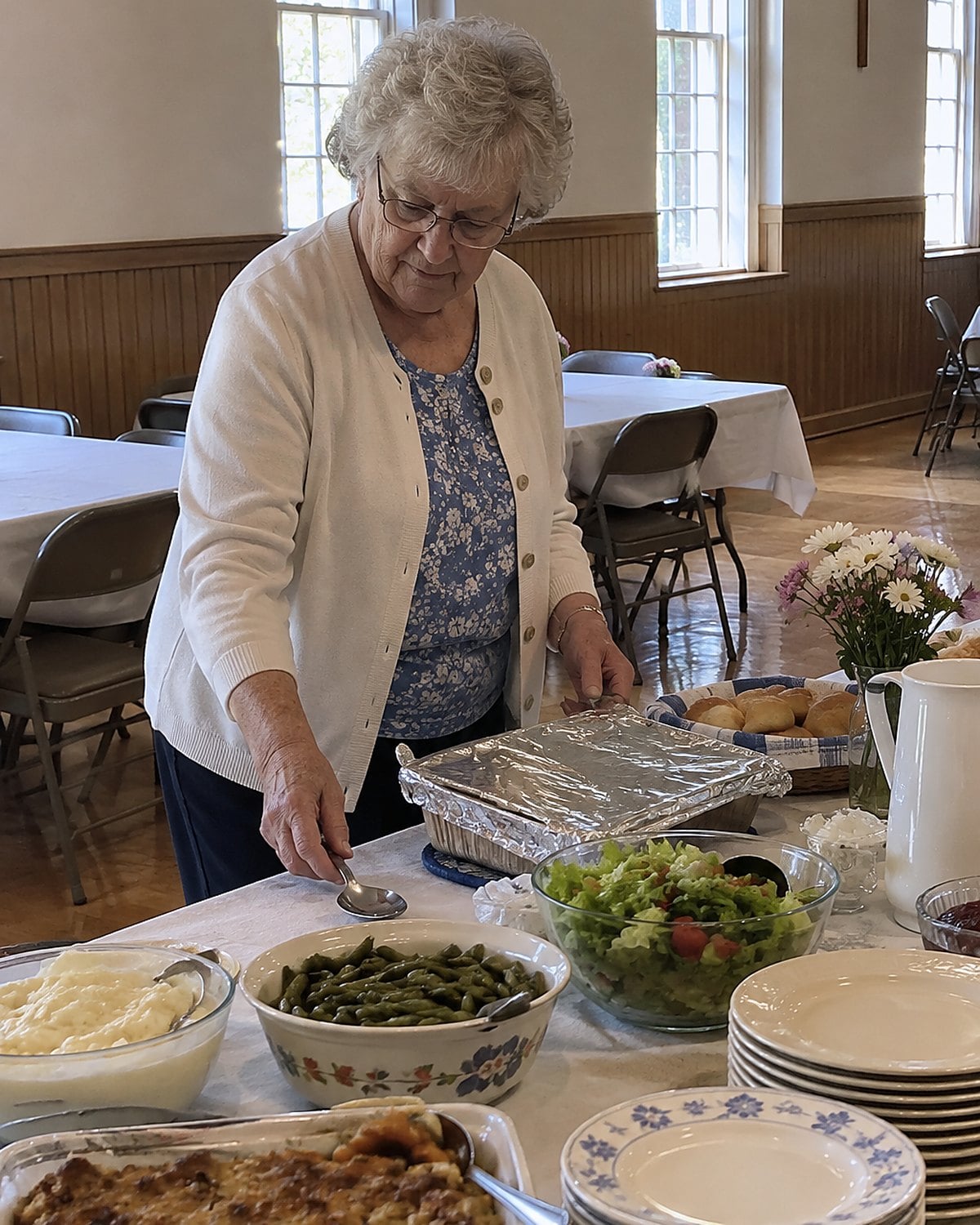
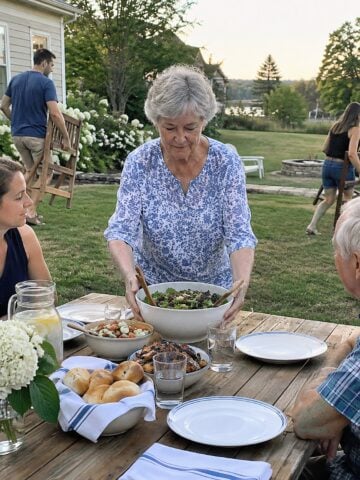
At a church hall dinner, a casserole crossed the room under a layer of foil. Somebody set it among the others, and conversation started before the serving spoon did.
That scene taught you to bring enough for a second helping. It also taught a risky habit if the dish sat out through setup, dinner, and cleanup.
The USDA’s two-hour rule applies to perishable food at room temperature. On a day above 90°F, that window shrinks to 1 hour.
If you’re carrying a hot casserole, take it close to serving time and keep it hot until people eat. Otherwise, chill it promptly and transport it cold. When the meal ends, don’t wait for the last folding chair to disappear before packing leftovers.
Bring your familiar dish. Just give it a plan for the trip home. The best casserole in the room still has to make it back to the refrigerator.
Try it: Instant Pot Chicken Broccoli & Rice Casserole
#21 The Coffee Tin Full of Flour
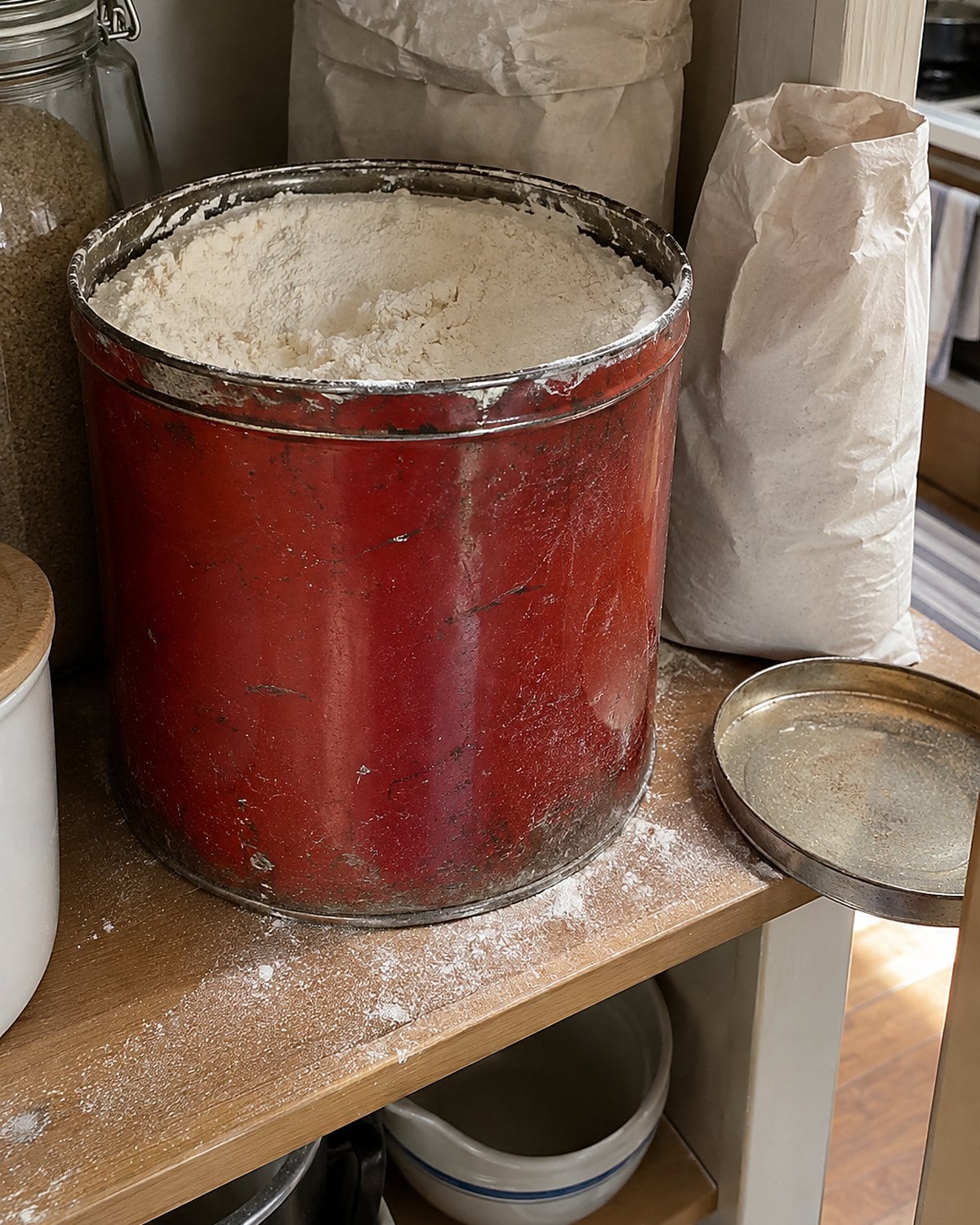
The old coffee tin kept flour close to the counter and shut out pantry dust. Its metal lid made a satisfying click. It also hid what was inside.
If you still decant flour, write the type on the container. All-purpose and self-rising flour look alike until a batch of biscuits rises differently than you expected. Add the date from the bag if you toss the original packaging. That gives you something to check when a tin moves to the back of the shelf.
Give the tin a wash and let it dry fully before refilling it. Flour stuck in a damp seam is no favor to the fresh bag. You knew the container was worth saving; a label makes it useful to the next person reaching into the pantry, too.
#20 The Oven Door Cracked for Cake
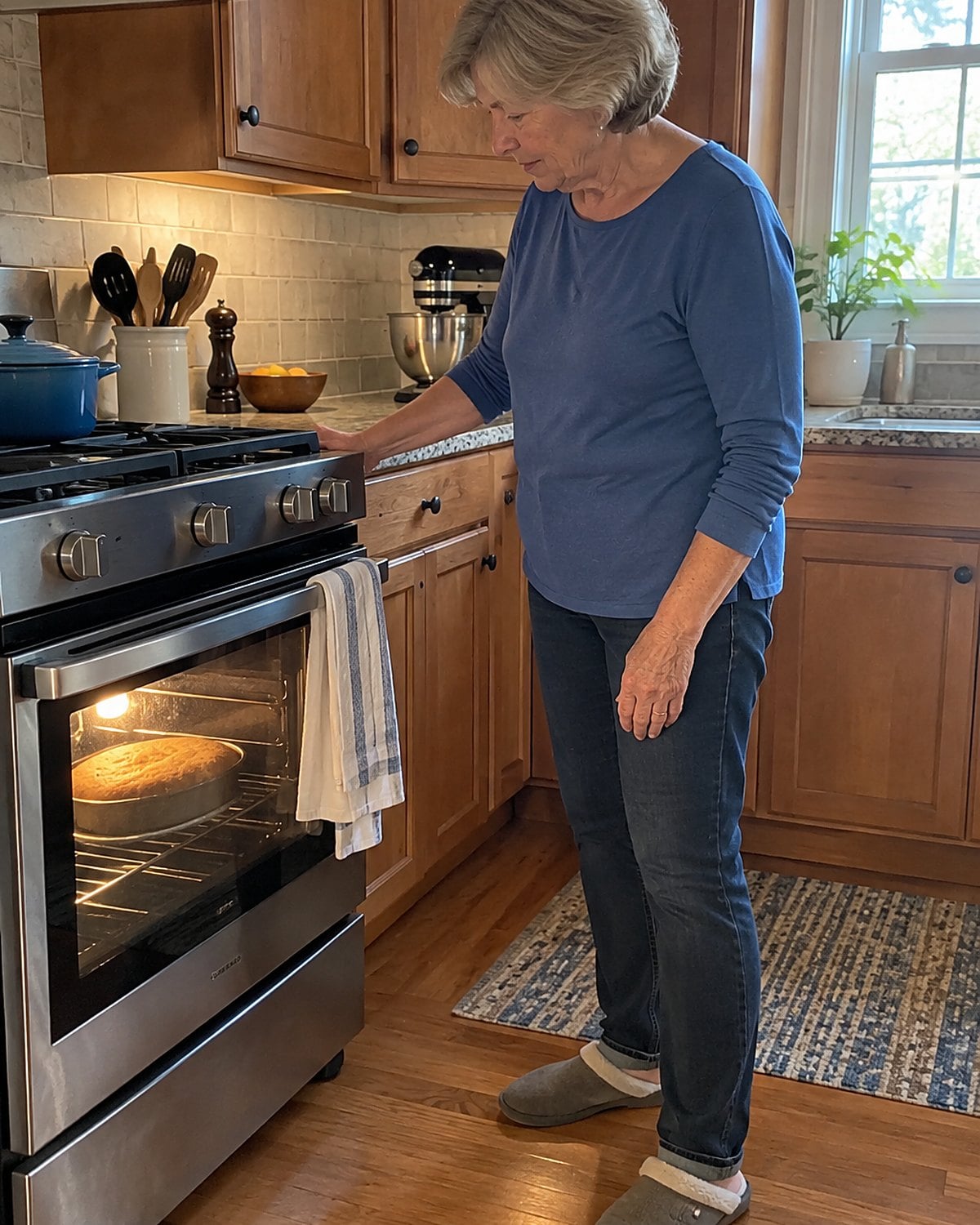
You remember being told not to open the oven door while a cake rose. The warning had a sound attached to it: the click of the latch, followed by somebody saying, “Leave it be.”
Early in baking, the batter’s structure is still setting. A rush of cooler air and a hard door slam disturb a delicate cake. Look through the glass first if your oven has a window.
Once the top looks set and the center has risen, test it with a toothpick. Wet batter means more time. A few moist crumbs mean you’re close. Test again before turning off the oven.
A dark pan and a pale pan won’t bake the same batter at the same pace. The handwritten card gives you a time; the cake gives you the answer.
#19 The Butcher Paper on the Counter
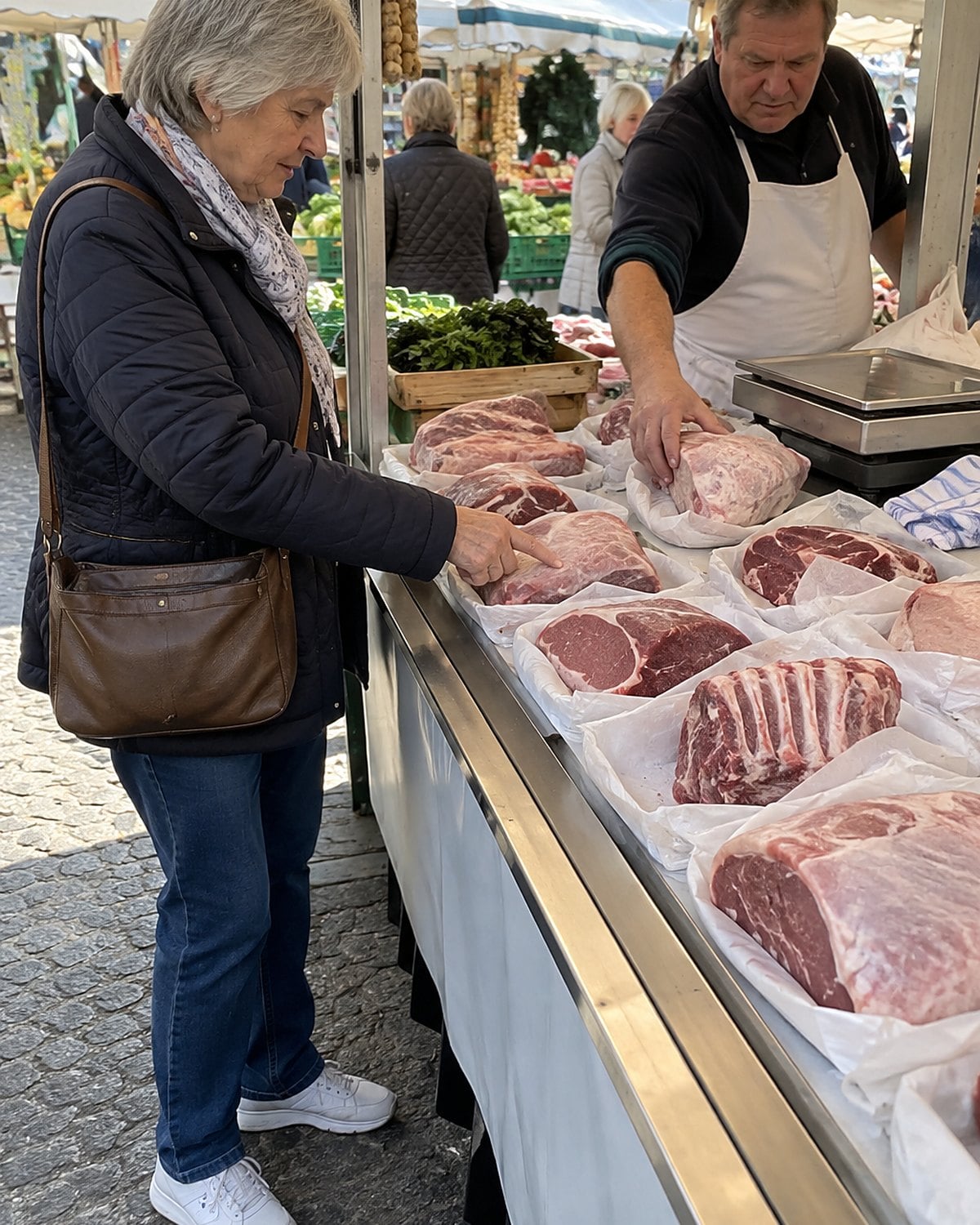
Butcher paper arrived folded tight, with a cut name written across the top. Before you put it in the refrigerator, you looked at the meat and decided what dinner it belonged to.
Do that at the market now. Ask, “Is this cut for a quick sear or a covered pot?” The answer changes what happens when you get home. A chuck roast has connective tissue that turns tender through slow, moist cooking. A tender steak loses what you paid for if it simmers until supper.
Keep raw meat wrapped and set it on a tray on the lowest refrigerator shelf. The tray catches drips before they reach other food. You already knew the butcher’s paper held more than a parcel. The useful part is asking about the cut before the pan is hot.
#18 The Lid on the Simmering Soup
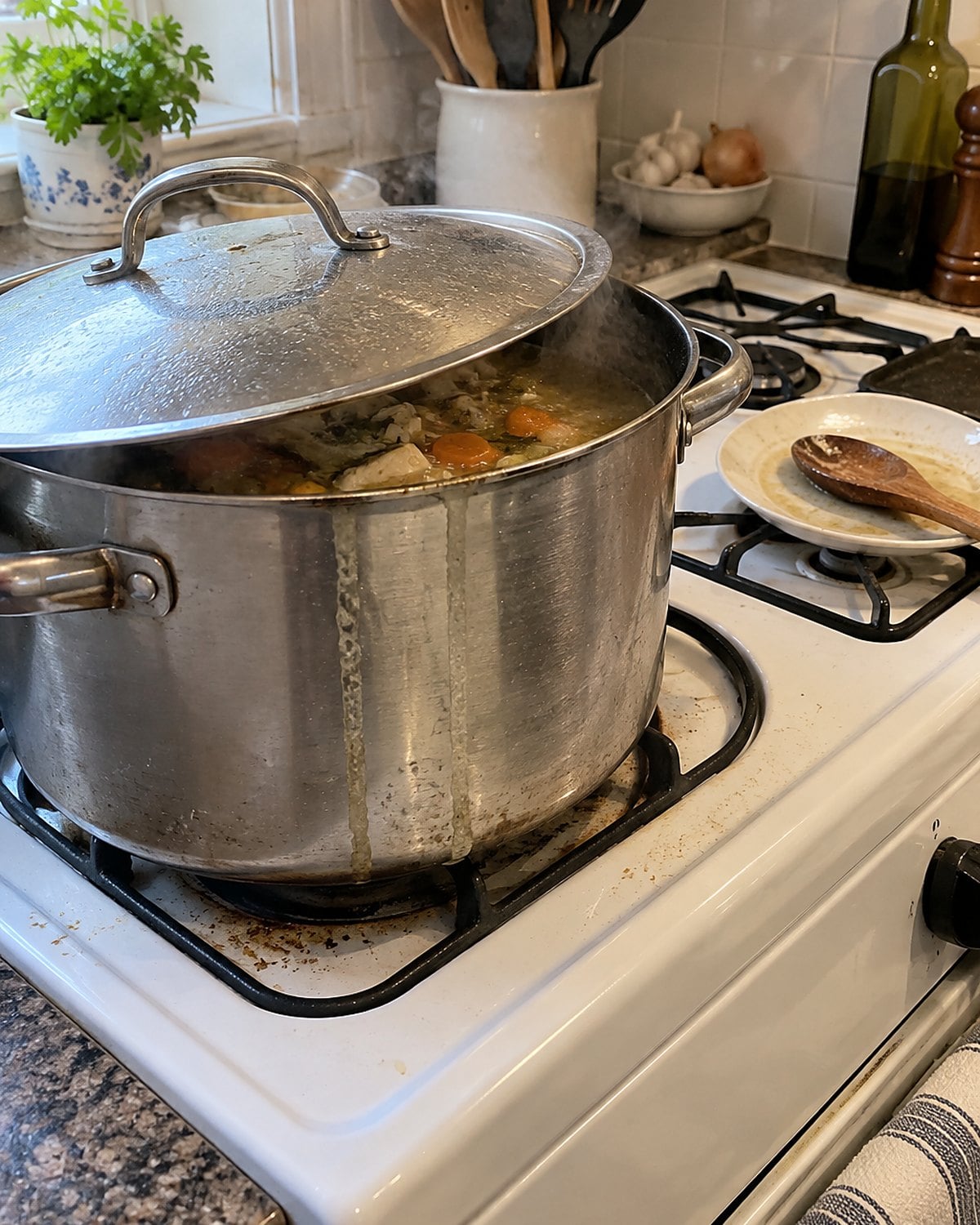
A soup pot with its lid slightly askew tells you dinner is underway. Steam slips out, the surface moves, and the smell reaches the hall.
Watch that movement. A full rolling boil breaks tender vegetables apart and reduces broth faster than you expect. A bare simmer sends small bubbles to the surface without tossing everything in the pot. Shift the lid to control evaporation: mostly on for a brothy soup, farther off when you want it thicker.
Salt deserves a later turn. If the soup reduces, the salt stays while water leaves. Taste near the end, especially if broth or smoked meat went in early. Then taste the carrot or bean, not only the liquid. The pieces need seasoning, too.
Your mother’s instruction to “let it cook awhile” had a visible cue built into it. Use the surface of the soup to decide whether to lower the heat. A lid that rattles hard is asking for your attention, not announcing that dinner is done.
#17 The Pie Plate Given a Shake
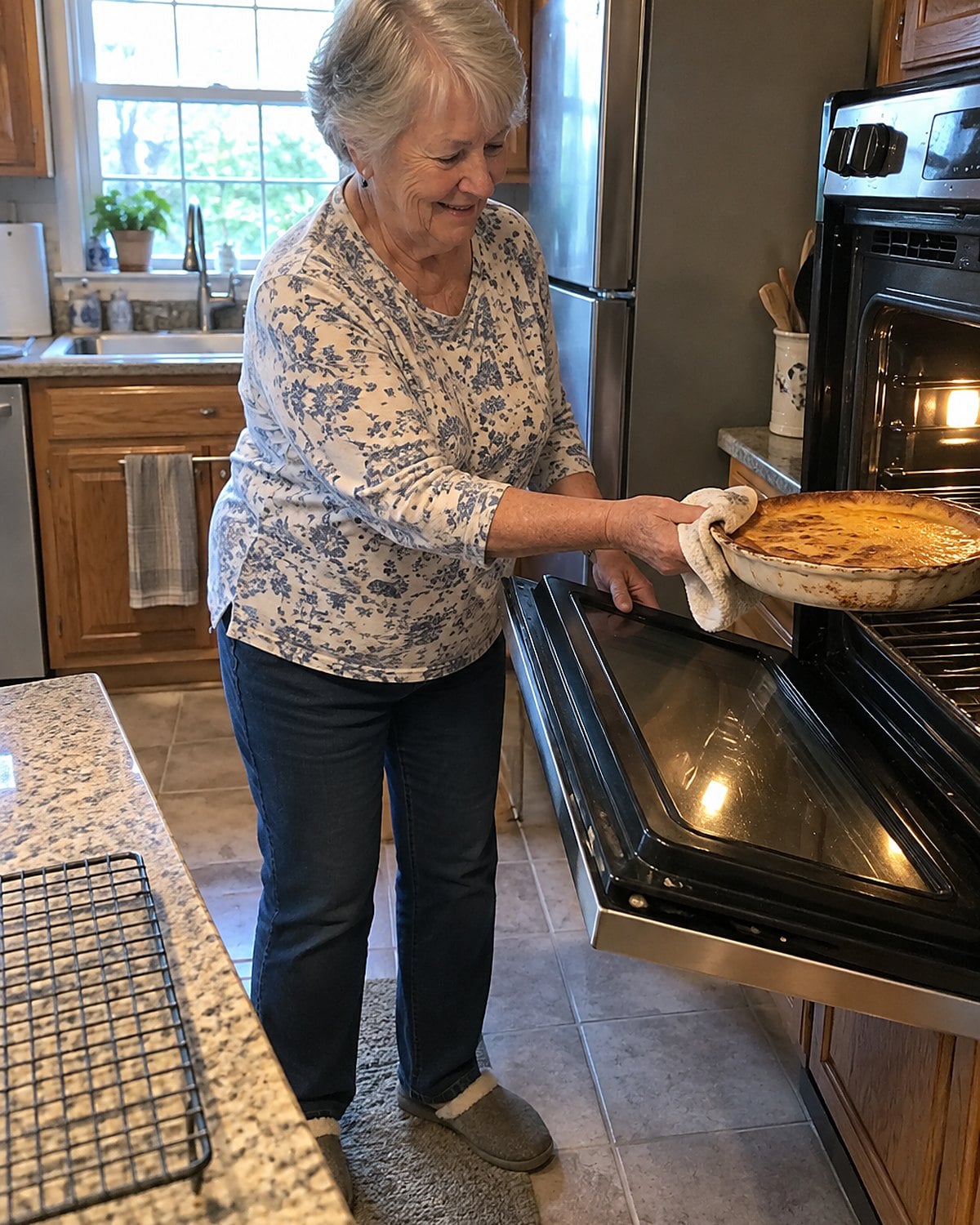
You learned to judge a pie with the oven door open and a towel over your wrist. For a custard pie, the shake told you more than a clock did.
Move the plate slightly. The center should wobble as one piece rather than ripple like liquid. It keeps setting as the pie cools. A knife pushed into the center leaves a mark and encourages you to bake until the filling is too firm.
Set the pie on a rack and give it time to cool before cutting. The filling needs that pause to hold a slice.
If an old recipe calls for raw eggs in a filling that never cooks, use a modern tested recipe instead. The oven-door wobble is a good skill; it works best with a filling that reaches the heat it needs.
#16 The Leftover Bowl Behind the Milk
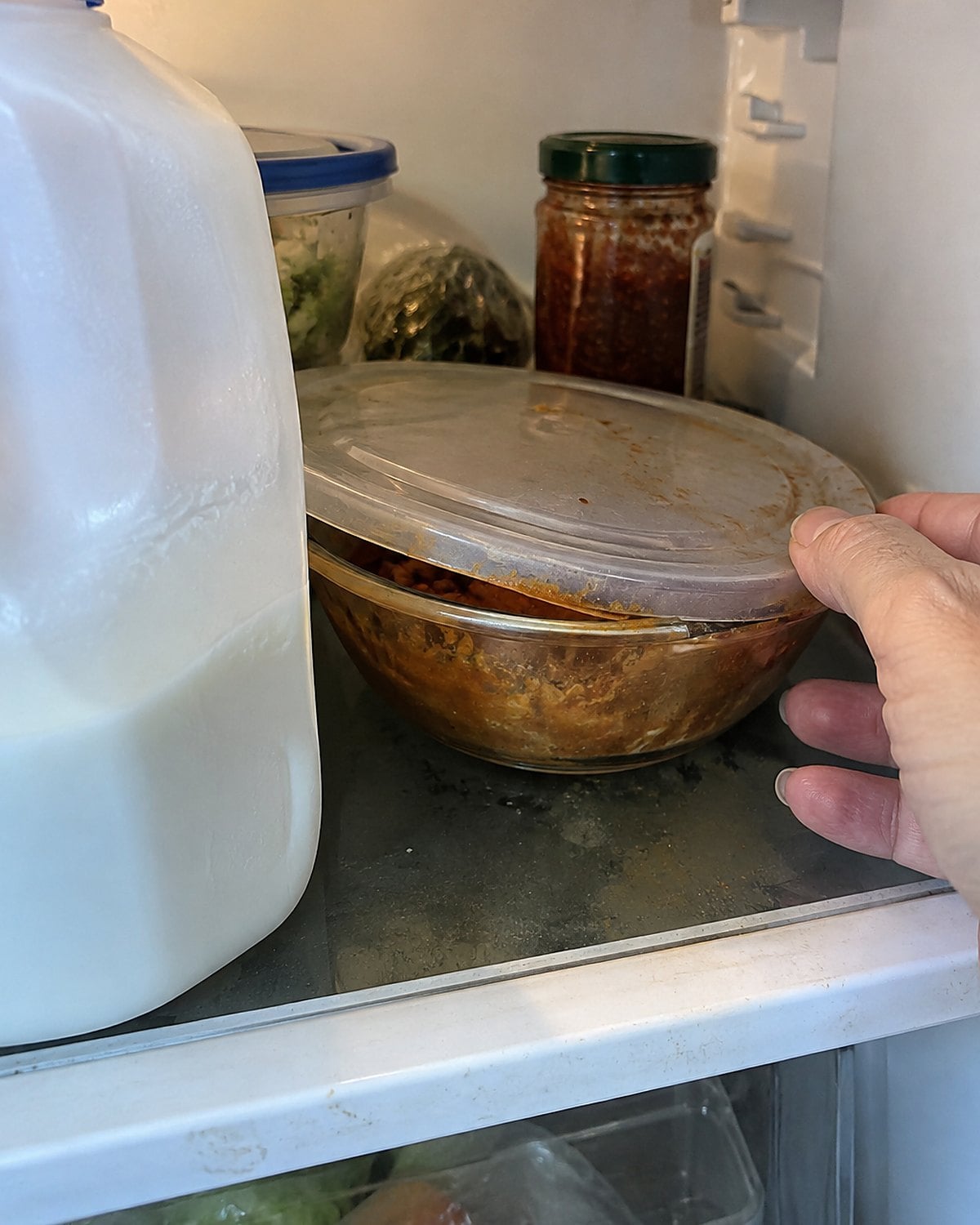
A bowl went into the refrigerator under a saucer because the matching lid had vanished years ago. You knew what was in it on Monday. By Thursday, that memory had to work harder.
Use a shallow, covered container and give it a date. Shallow food cools faster than a deep pot of the same food. The USDA’s cold-storage chart gives cooked leftovers 3 to 4 days in a refrigerator at 40°F or below.
Smell won’t tell you whether harmful germs grew, so don’t ask your nose to keep the calendar. Pack the leftovers soon after the meal. USDA guidance says to refrigerate perishable food within 2 hours, or within 1 hour when the air is above 90°F.
There’s no need to leave a whole pot out until bedtime. The old bowl-saving instinct still feeds tomorrow. A lid, a date, and space for cold air turn it into a plan rather than a refrigerator mystery.
#15 The Cooling Rack Under the Bread
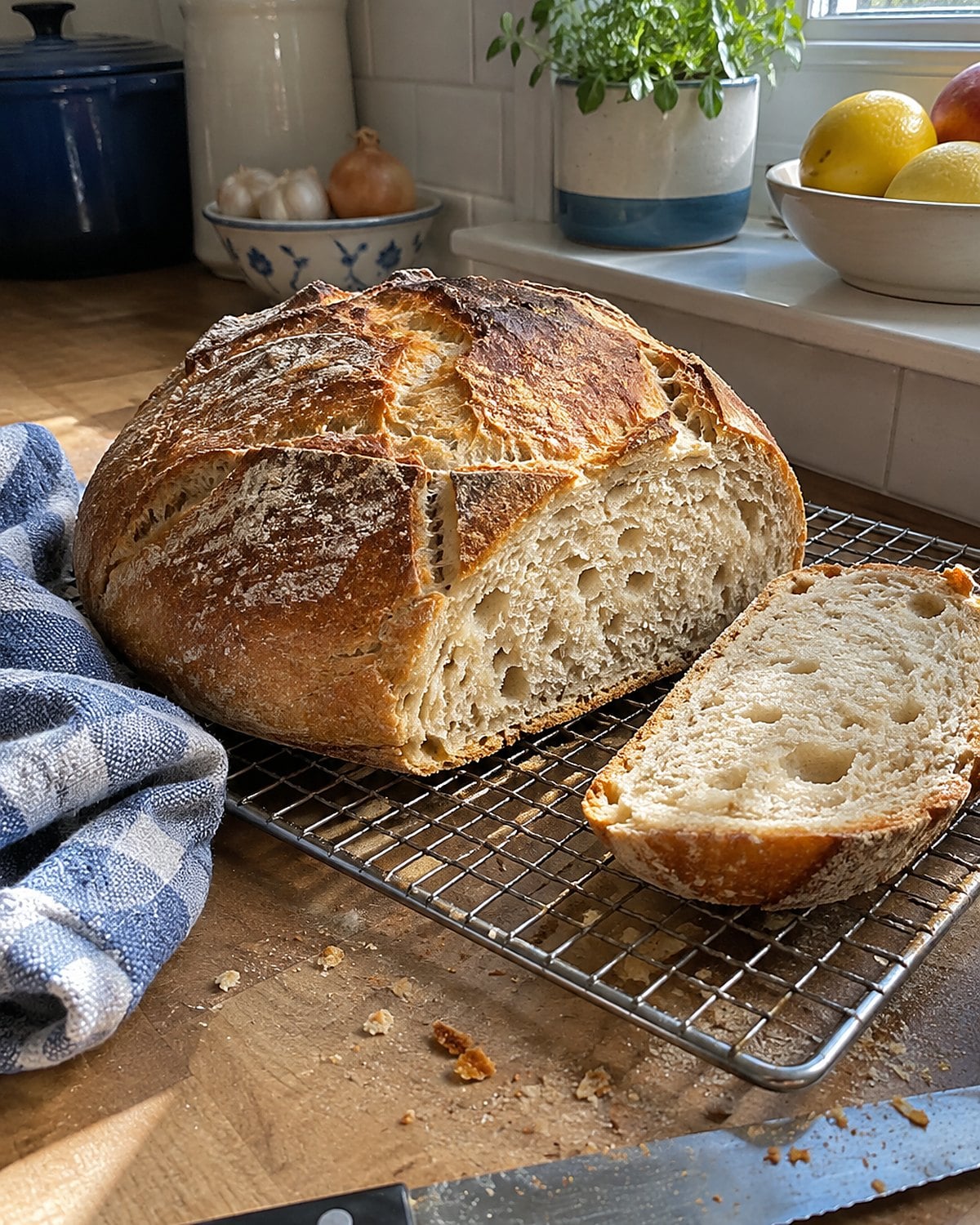
Bread came out of the oven and landed on a wire rack, though everybody wanted a slice at once. The rack looked like a fussy extra step until you saw the bottom of a loaf cooled on a flat plate.
Steam needs somewhere to go. Against a solid surface, it collects underneath and softens the crust. A rack lets air reach the bottom while the loaf finishes cooling. The same trick helps muffins whose paper liners grow damp when they sit in a hot pan.
Wait until bread is comfortable to hold before sealing it in a bag. Trapped steam leaves the crust rubbery and moisture on the inside of the bag. You can still take a warm slice; nobody has to surrender that pleasure. Put the rest back on the rack before wrapping it for later.
#14 The Skillet Handle Turned Inward
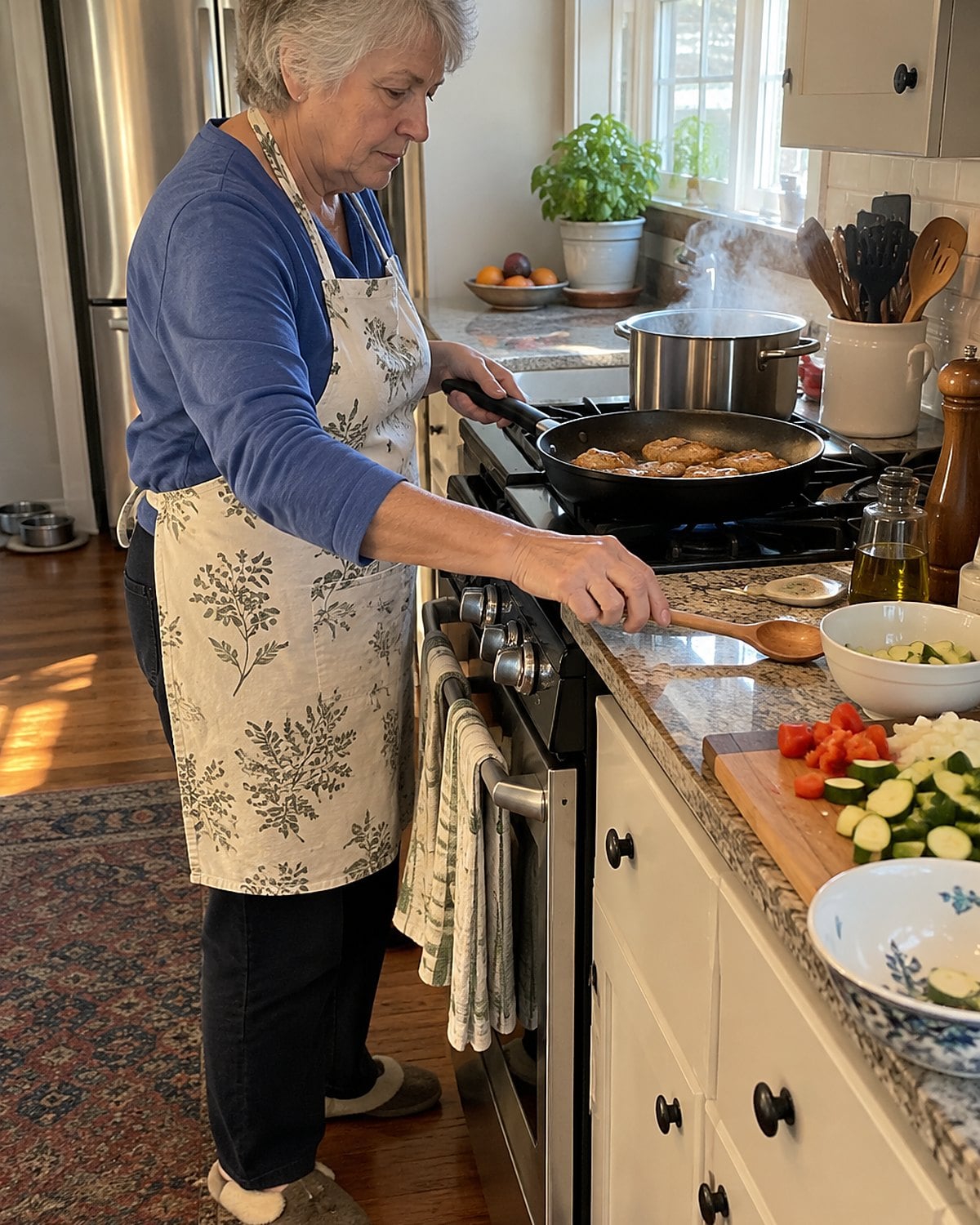
Your hand reaches for the skillet handle before you think about it. You turn it away from the front of the stove, just as somebody did when you were small enough to walk beneath it.
That reflex deserves its place. A handle sticking into the walkway invites a sleeve, a hip, or a reaching child to catch it. Turn it inward without placing it over a lit burner, where it heats up.
Before you lift the pan, look again: a handle you moved earlier isn’t automatically safe to grab. On a busy stove, leave room to set down the hot pan before you start lifting. Tonight, notice whose kitchen taught your hand to move.
#13 The Egg Cracked Into a Cup
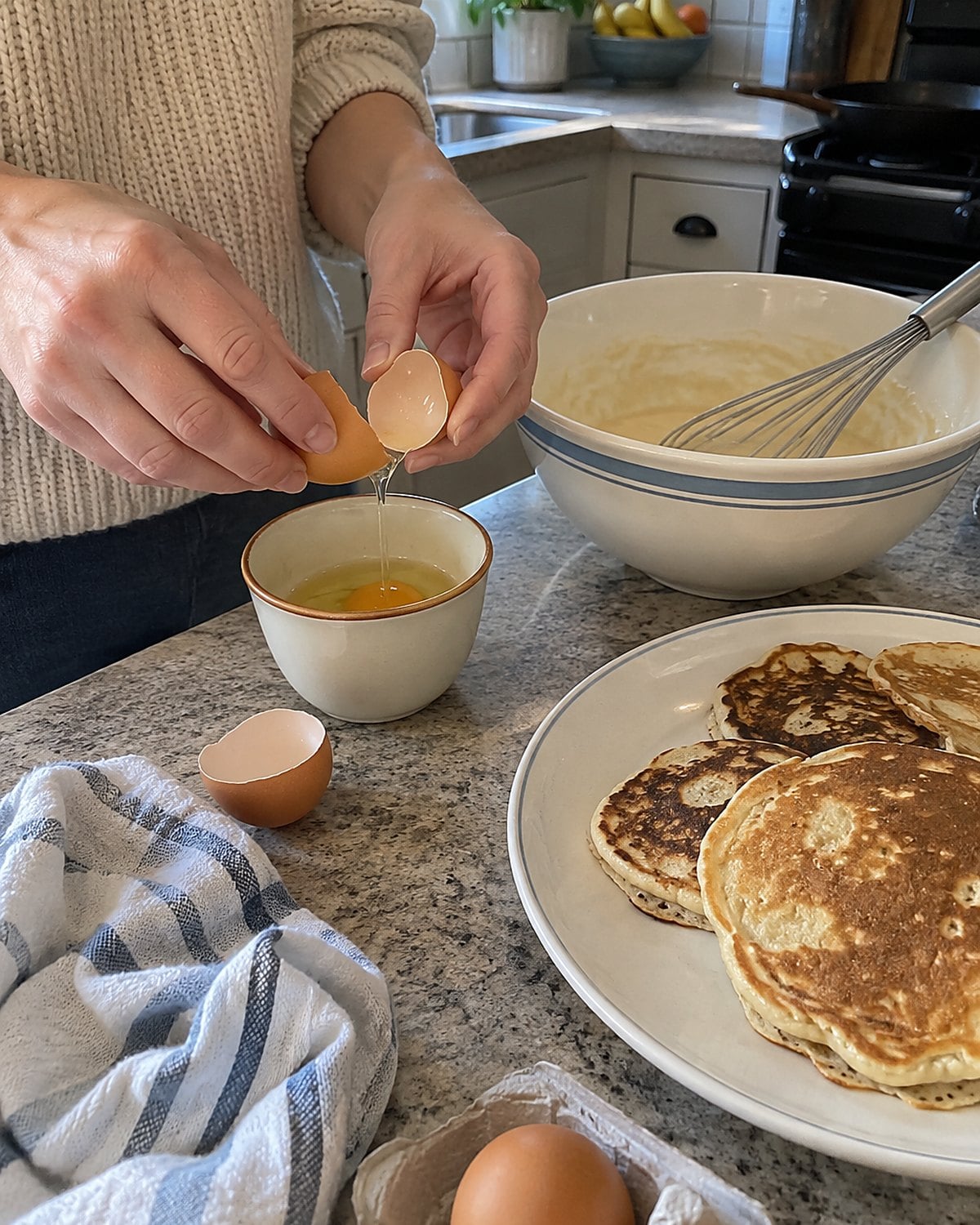
You cracked an egg into a cup before it reached the batter. Perhaps you were hunting for shell. Perhaps you’d once spoiled a mixing bowl with a bad egg and never wanted to repeat it.
The cup still earns its place. You can lift a shell chip with a larger piece of shell, check the egg, and pour it into the bowl without stopping the mixer. For poached eggs, cracking into a cup also gives you a cleaner slide into simmering water.
Keep the cup for raw eggs separate from the cup you’ll drink from at breakfast, and wash it afterward. That part of the habit needs no ceremony. It’s a small pause that saves a batch of batter and keeps bits of shell off the grandchild’s pancake plate.
#12 The Freezer Bag Folded Flat
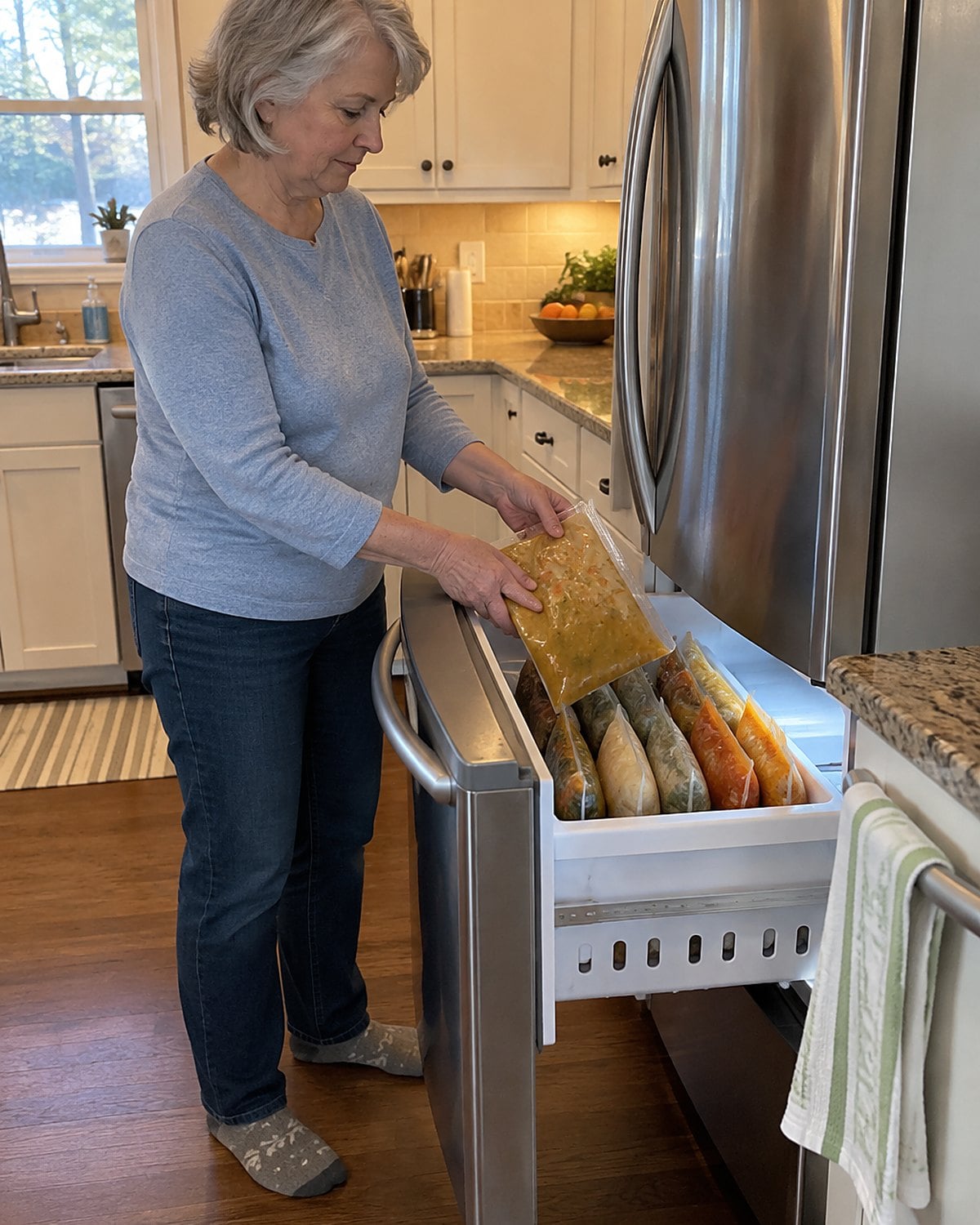
The freezer drawer used to hold bread ends, soup, and whatever meat was on sale. You learned to tuck food into every gap.
Flat bags make better use of that space than round tubs. Cool soup in the refrigerator first, then fill a freezer-safe bag without crowding the seal.
Press out excess air, close it, and lay it flat on a tray in the freezer. Once firm, it stands upright like a file, and you can see what’s behind it.
Write the food and the date on the bag before filling it. Ink skips over condensation and lumpy frozen soup. For small dinners, freeze portions you’ll actually thaw: a cup for one lunch, or a larger bag for two bowls. The bag is easy to set in a dish in the refrigerator while it thaws.
The freezer is still the place you keep tomorrow from going to waste. What changed is the shape of the household. Your packages can change shape with it.
#11 The Baking-Soda Box Near the Flour
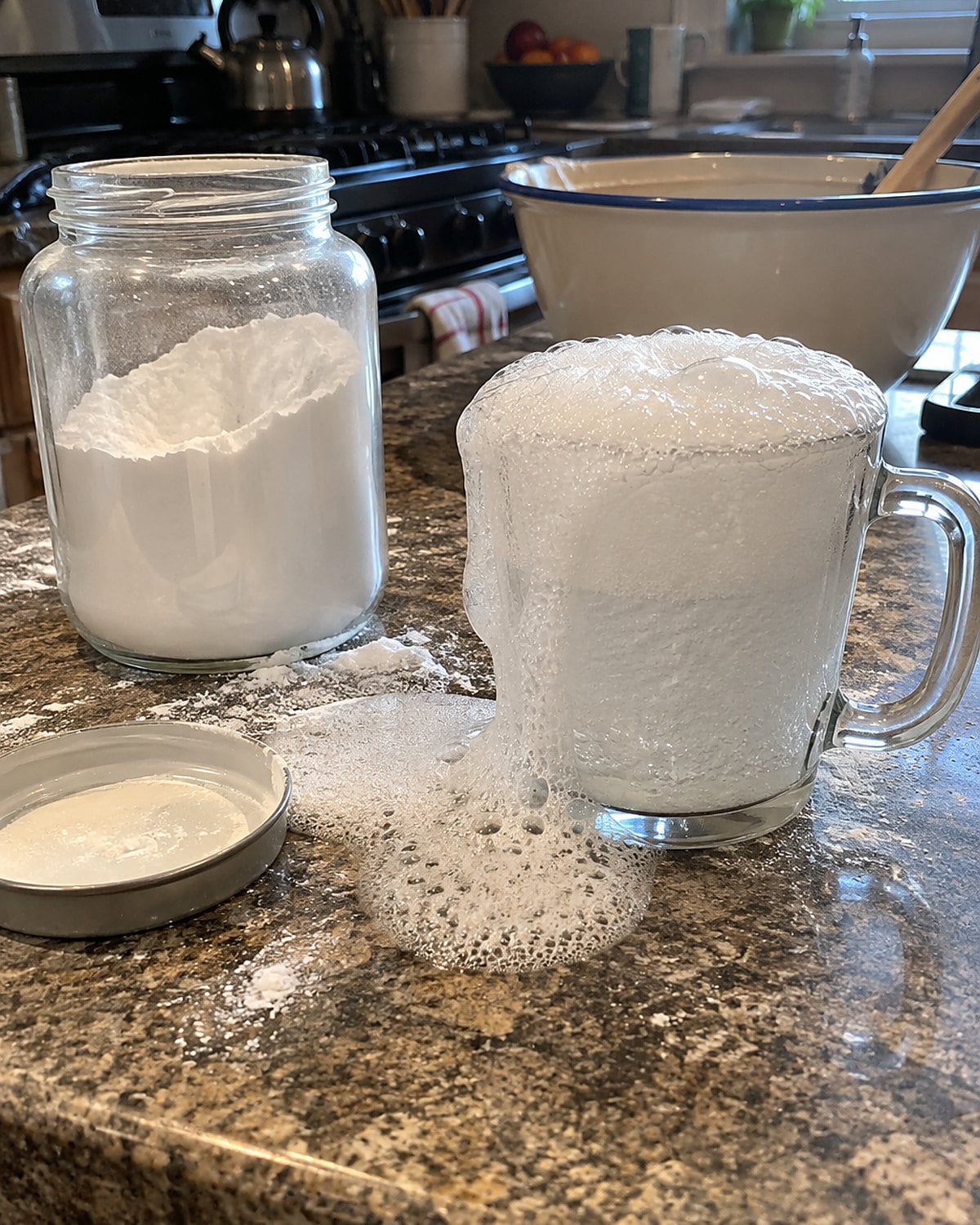
A box of baking soda sat near the flour, ready for biscuits or a cake. You reached for it by feel. Then the tin or box stayed there long enough to make you wonder why the last batch barely rose.
Test the soda before another bowl of batter depends on it. Put a small spoonful in a cup and add a splash of vinegar. Fresh baking soda fizzes at once. If it sits flat, replace it for baking.
Baking powder gets a different test: stir a little into hot water and look for bubbles. The two tins aren’t interchangeable by the same spoonful. Soda needs an acidic ingredient in the batter, while baking powder carries what it needs to react.
The habit worth keeping is checking the tin before company arrives, not after a tray of biscuits tells you.
#10 The Knife Blade Across the Board
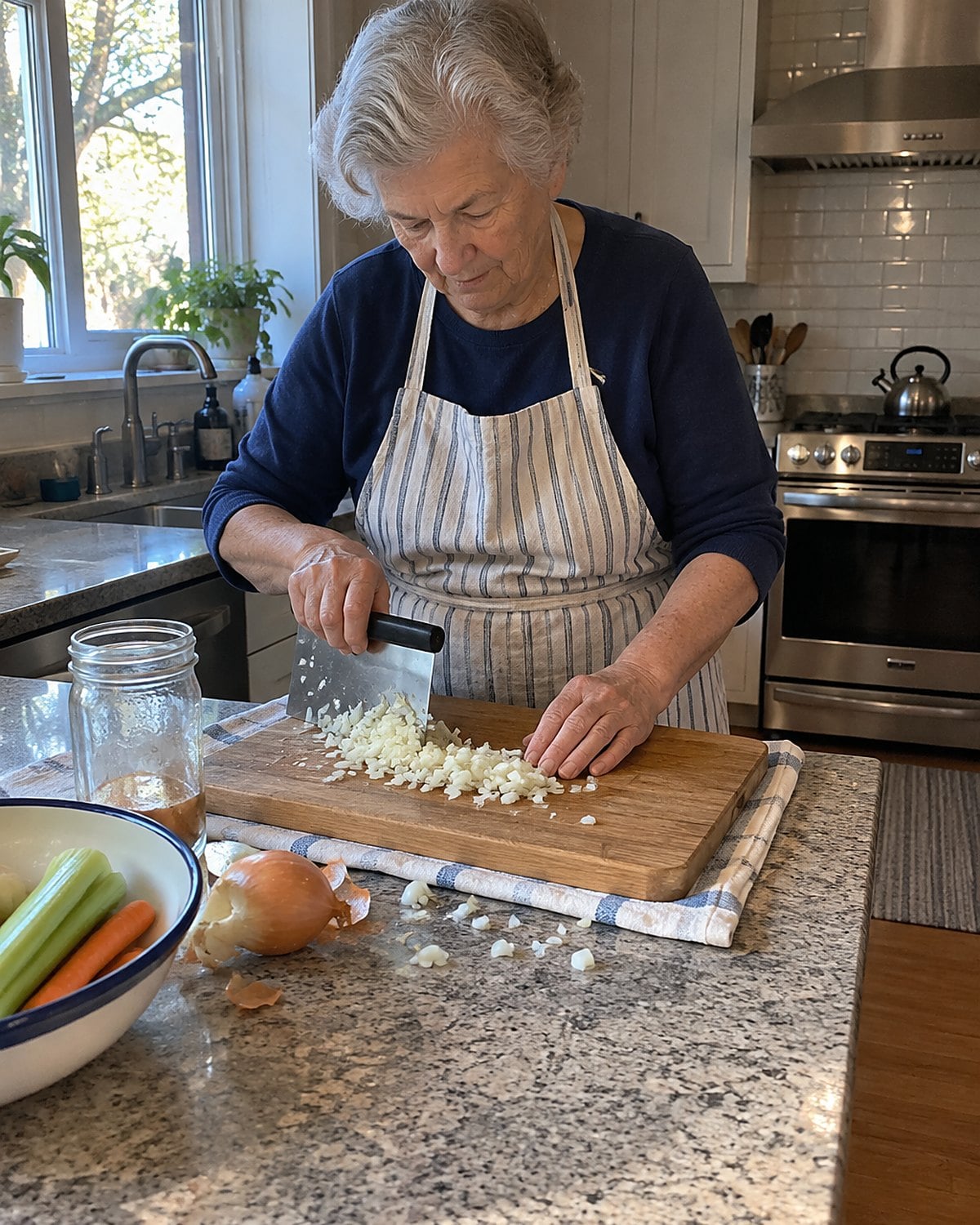
You’ve seen somebody scrape chopped onions from a board with the sharp edge of a good knife. It gets the onions into the pan, but it drags the cutting edge against the board sideways.
Turn the knife over and use its spine, or pick up a bench scraper. The edge stays sharp longer when you reserve it for cutting. A sharp knife needs less force through an onion; that gives your hand more control when the last narrow pieces are under the blade.
Before you chop, set a damp towel under a board that slides. The towel grips the counter. Curl the fingers of your holding hand back so the knuckles guide the knife and fingertips stay out of its path.
None of that asks you to chop like a television cook. You already know how fast you want dinner to move. The small correction comes after the chopping, when the onions need a ride to the skillet.
#9 The Foil Pan Saved for Guests
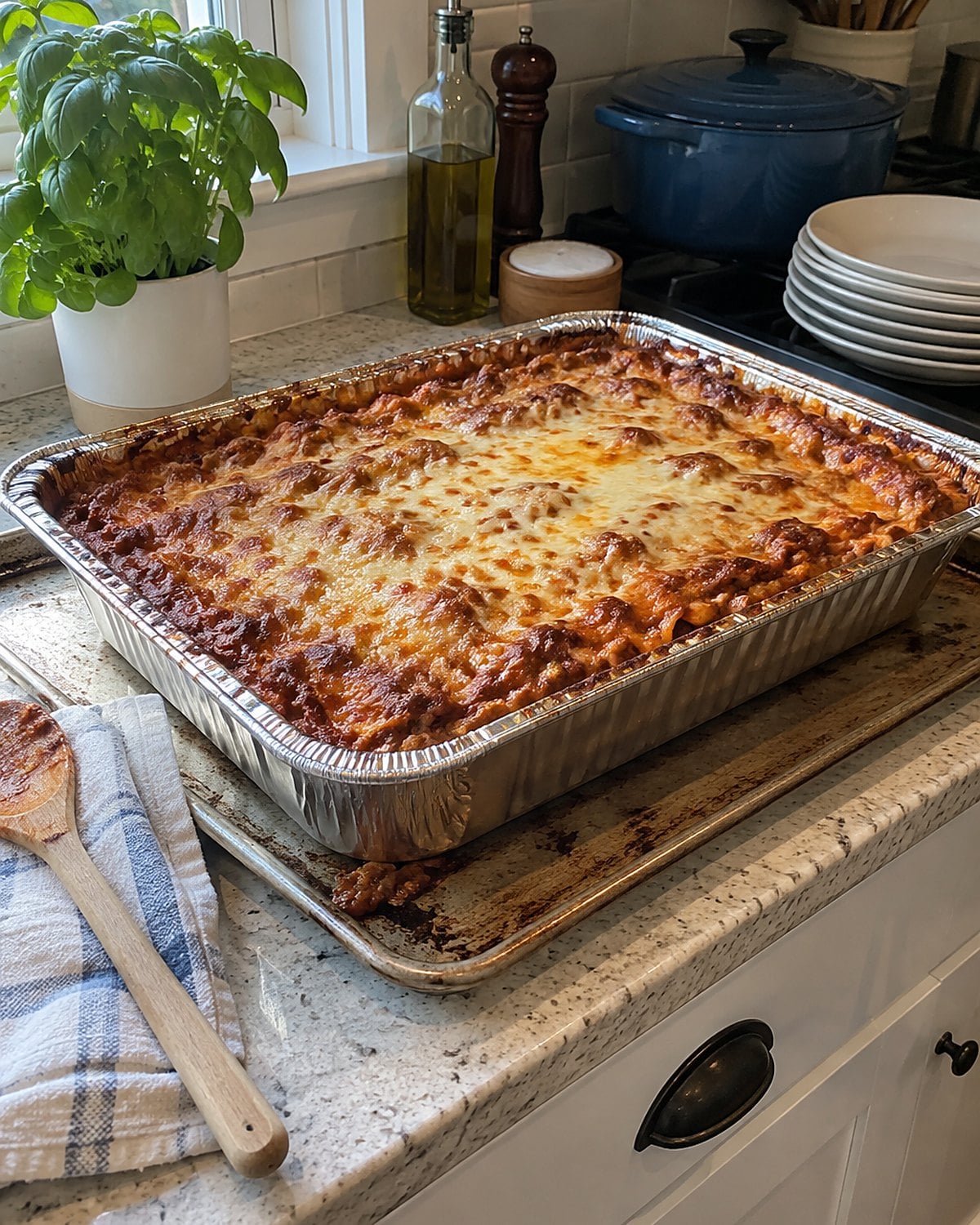
A clean foil pan went onto the pantry shelf because somebody would need a casserole carried across town. That prediction was sound. The trouble comes when the pan is too flimsy for the weight inside.
Set it on a sturdy baking sheet before you fill it. The sheet supports the bottom when you move it into the oven and gives your hands a solid place to grip. Folded foil around the rim helps cover the dish, but it doesn’t make a thin pan rigid.
If you’re taking dinner to someone, ask when they plan to eat. A hot pan needs a short trip and prompt serving; a chilled pan needs to stay cold. The old habit was being ready when a neighbor needed food. Keeping the trip in mind makes the gift easier to serve.
#8 The Jars Cooling Under a Towel
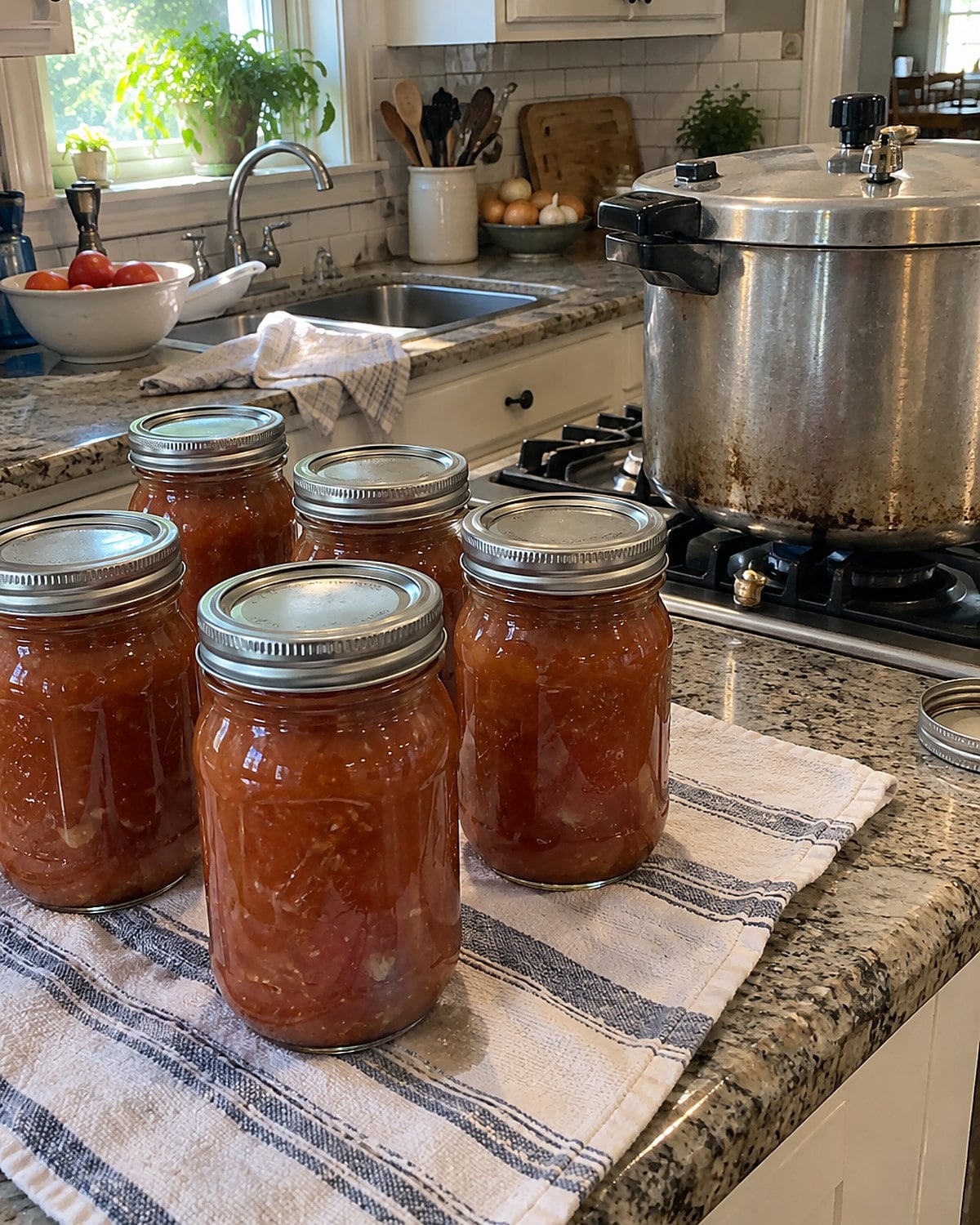
Canning day had its own sounds: lids pinging as jars cooled, the towel spread across the counter, somebody counting what would fit on the shelf.
Keep the counting. Change the source of the instructions. A sealed lid tells you a vacuum formed; it doesn’t prove the food was processed by a safe method. Low-acid foods such as green beans require pressure canning under a tested recipe. A boiling-water bath is not the method for them.
Use a current, tested recipe from the National Center for Home Food Preservation or your county extension office. Match the jar size, processing method, and altitude directions. Don’t use an Instant Pot as a pressure canner.
Its pressure-cooking setting isn’t a substitute for the tested pressure-canning equipment and process those directions specify. That distinction matters when an old card says only “process the jars” and leaves the equipment out.
Keep the card for the handwriting. Before you fill a jar, find the tested directions for that particular food and jar size. Then put the needed equipment on the counter. The ping is satisfying; the recipe and process do the safety work.
#7 The Spice Tin Given a Sniff
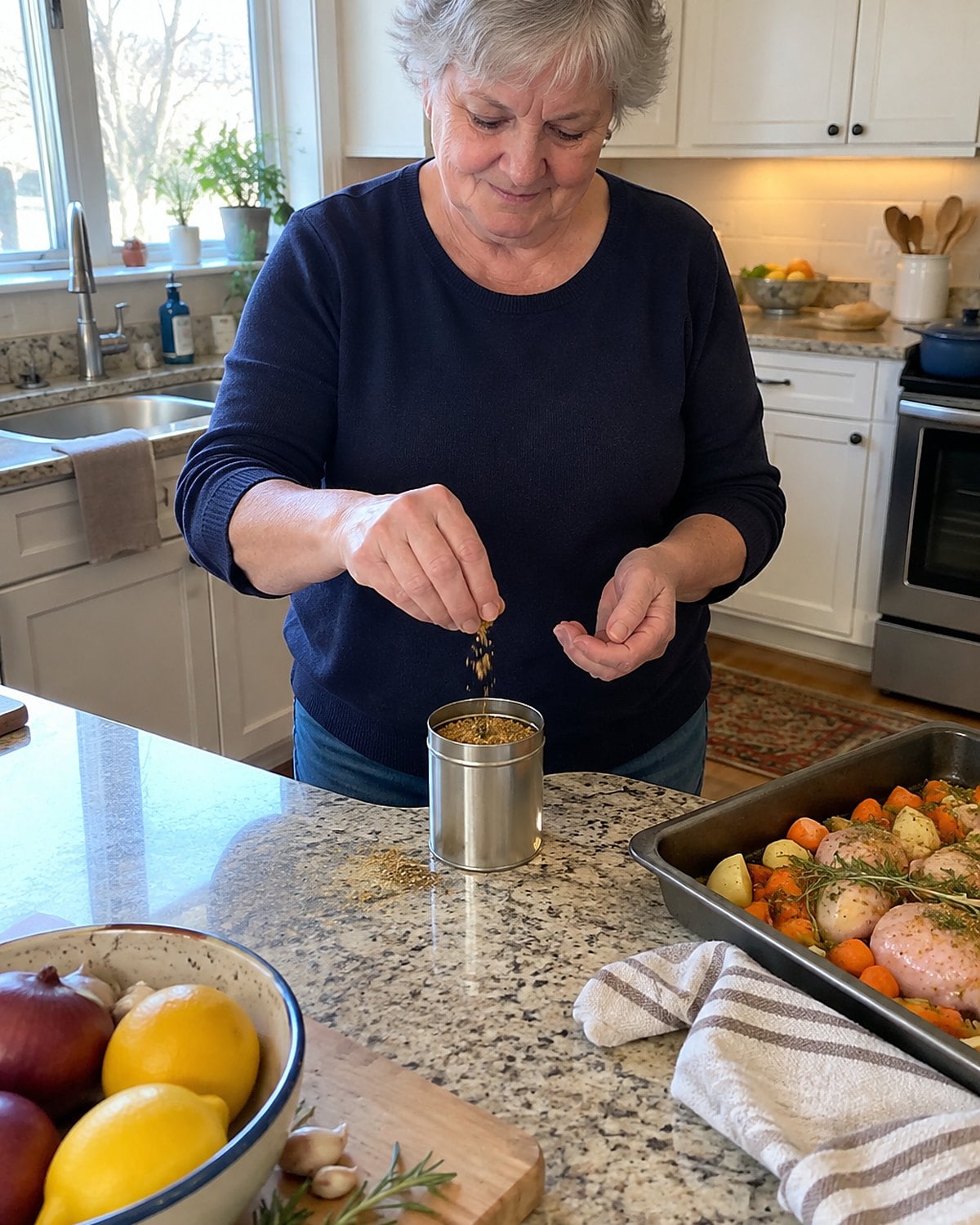
You open a spice tin, bring it close, and know whether dinner will get much from it. That test beat reading the faded lid then, and it still does.
Rub a pinch between your fingers before you smell it. If the scent appears only after rubbing, add the spice while onions or oil are warming so heat draws it out. If it smells like cupboard dust, fresh spice will do more than another generous shake of the old one.
Keep tins away from stove heat and steam. A spoon held over a bubbling pot carries moisture back into the container. Tip some into your palm or a dry spoon instead. Your nose has been checking the pantry all along; give it a better sample.
#6 The Potato Masher in the Drawer
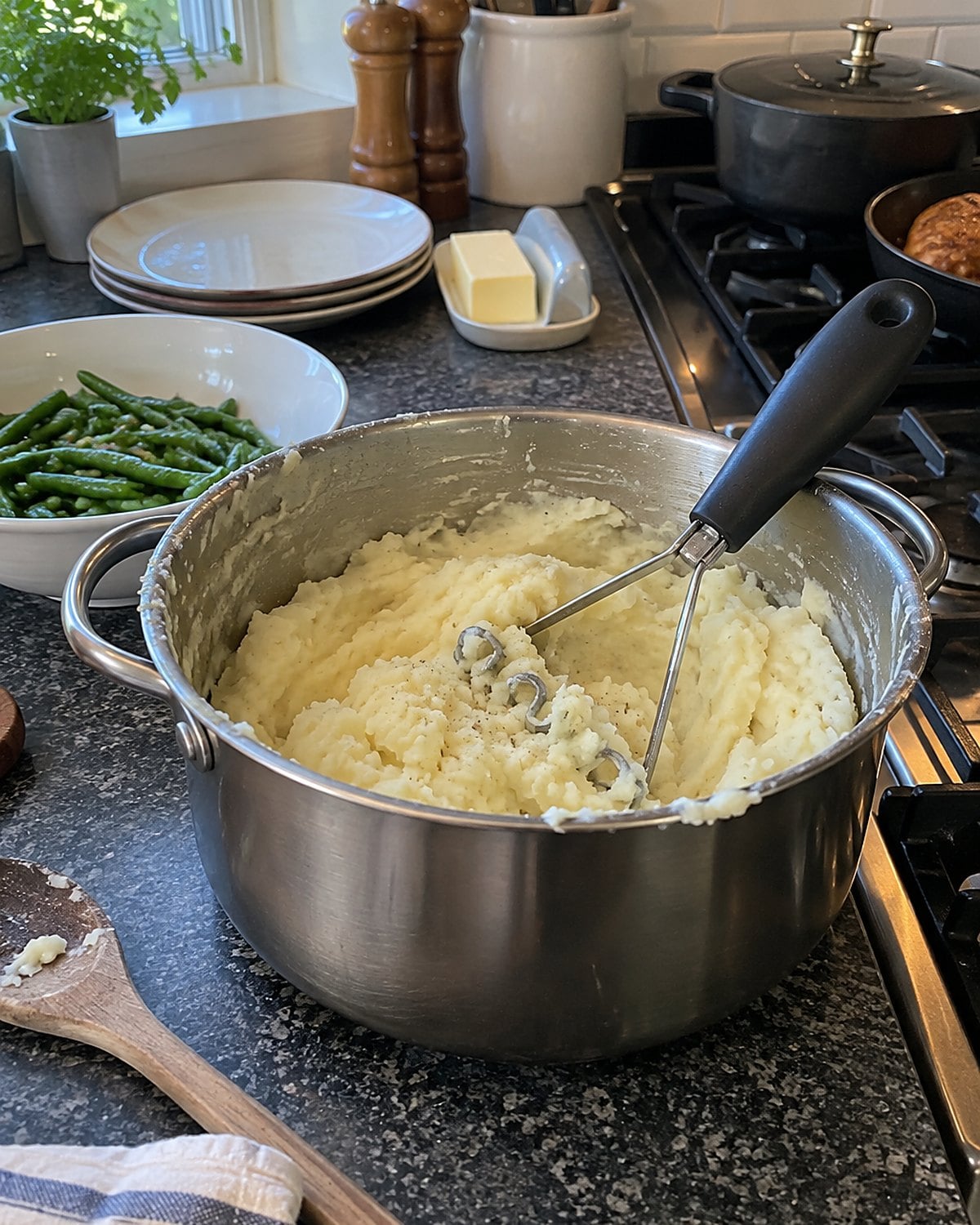
A potato masher stays in the drawer long after other gadgets leave because it has a clear job. You know when the potatoes are ready: a knife enters one without resistance.
Drain them, then return the pot to low heat for a moment. Stir the potatoes so surface moisture escapes before you mash. That small pause keeps watery potatoes from asking for more and more butter.
Warm milk before adding it; cold milk cools the pot while you’re trying to finish dinner. Work by hand and stop when the texture suits you. A food processor tears through the potatoes’ starch and turns them gluey. A few small lumps from a masher are better than paste.
Taste after the milk and butter go in. Salt changes when you add dairy, and the first spoonful from the pot tells you more than a measurement on a card. The masher earned its drawer space. The extra minute over the burner earns its place beside it.
Try it: Sour Cream Mashed Potatoes (Instant Pot Step-By-Step Recipe)
#5 The Bacon-Grease Jar by the Range
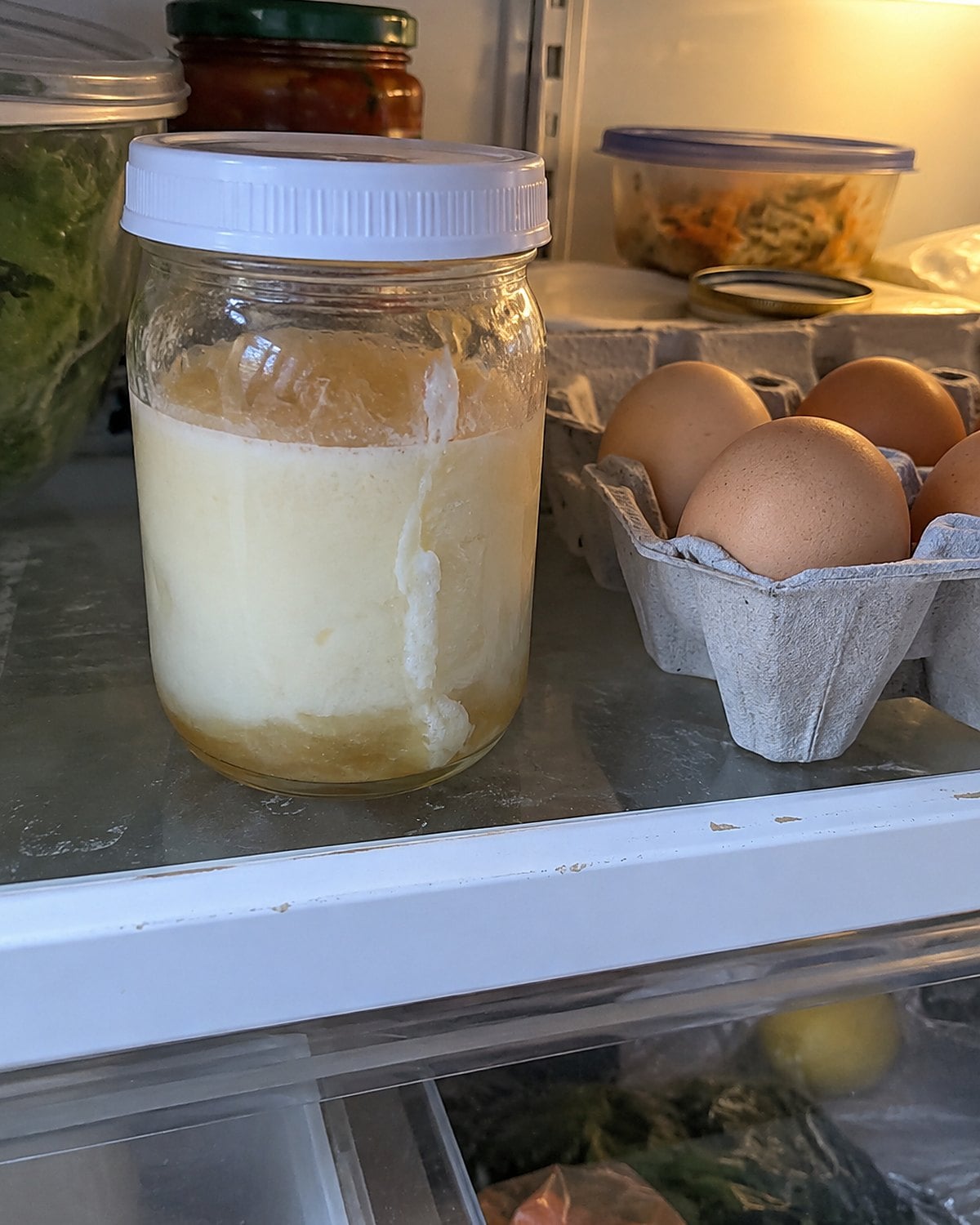
A jar near the range caught bacon drippings for cornbread or green beans. It was a clever way to carry flavor into another meal.
Save the idea, but change the location. Strain the cooled drippings into a clean, covered container and refrigerate them. A warm open jar beside the stove collects crumbs, moisture, and whatever the spoon brings back from the skillet. Write what’s inside on the lid so nobody mistakes it for another fat.
Use a small amount where bacon belongs in the flavor. Cornbread gains that smoky edge; a delicate cake does not. Before you save drippings from a pan of burned bacon, smell them. Burnt fat won’t improve with another trip through the oven.
That old jar was a reminder to use what you had. You can keep the thrift and give it a clean lid.
#4 The Grandchild’s High-Chair Plate
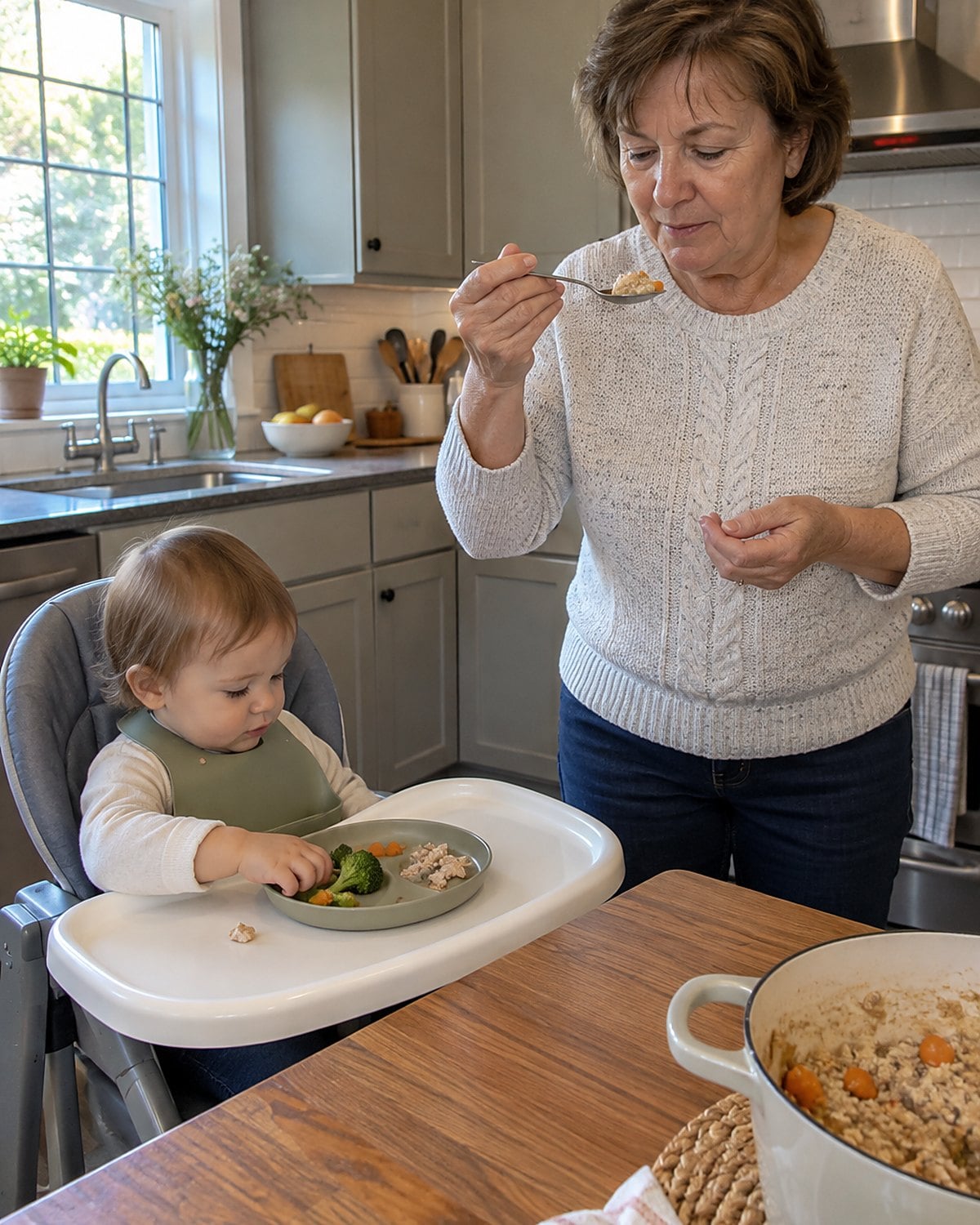
You once set a small plate near your own while the adults ate. Now the high chair returns on weekends, and the first spoonful offered to a grandchild is almost automatic.
Let the food cool before that spoonful. Stir a hot bowl and test food from the middle, where heat hides. Check what the child’s parent wants served, then prepare it for the child’s stage of eating.
Whole grapes, nuts, and other firm round foods pose choking risks for young children. The CDC’s choking-prevention advice is worth a fresh look before a visit.
The question “How are you serving this at home?” does useful work. It respects the parent and keeps the routine steady for the child. You still get to bring out the dish everybody comes back for. Just put the grown-up portion on its own plate before little hands reach across the table.
#3 The Thermometer on the Fridge Shelf
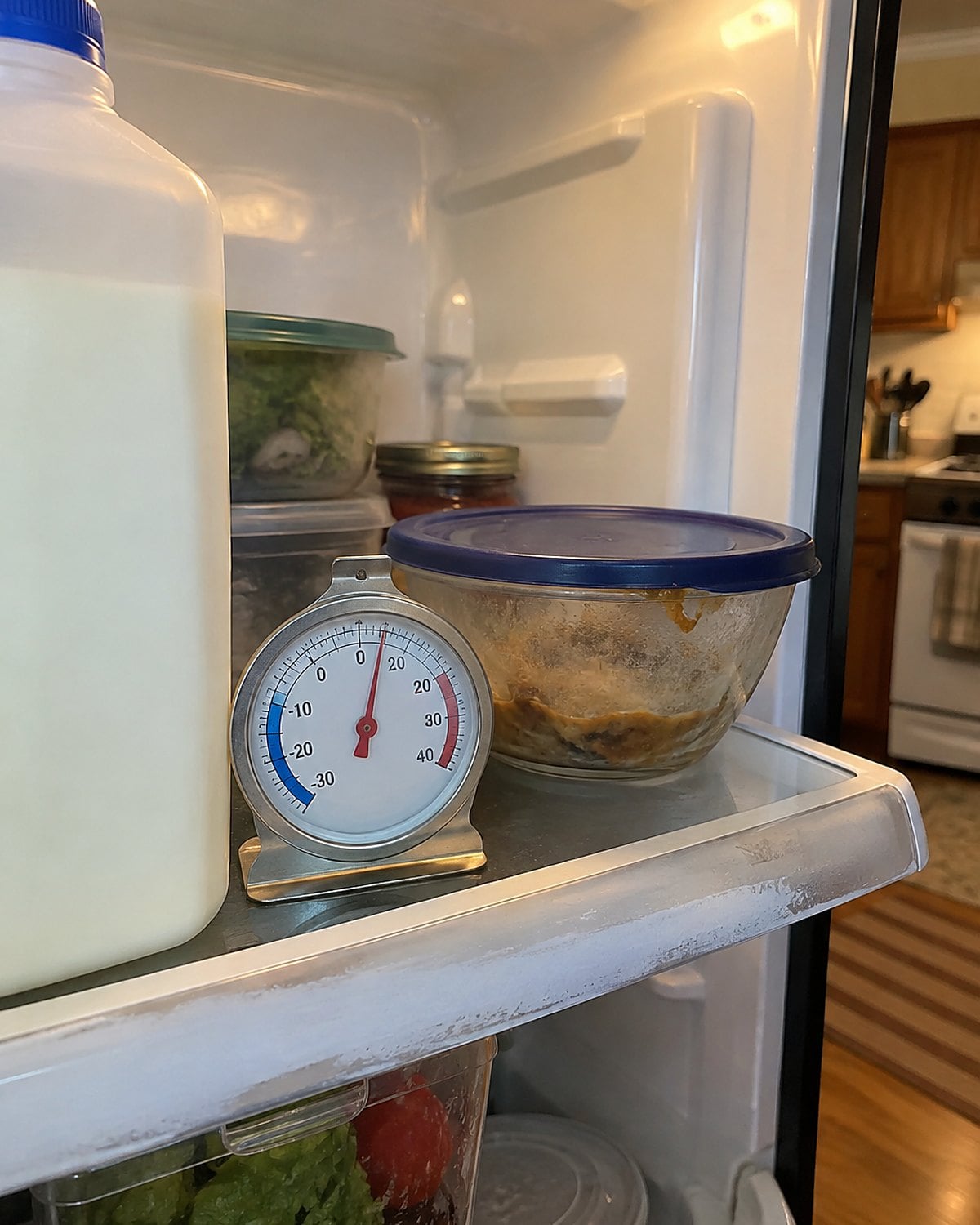
You know the refrigerator is running because you hear it at night. That hum doesn’t tell you what the food on the shelves is experiencing.
Put an appliance thermometer inside and read it after the door has stayed closed awhile. The FDA’s refrigerator guidance says to keep the refrigerator at 40°F or below.
If it reads warmer, adjust the control and check it again. Don’t judge by the cold air that hits your hand when you open the door.
Leave space around food for air to move, and return the milk to a shelf rather than the door if the door stays open through breakfast. You learned to shut that door promptly. The thermometer tells you whether the cold behind it is doing its job.
#2 The Roast Chicken’s Clear Juices
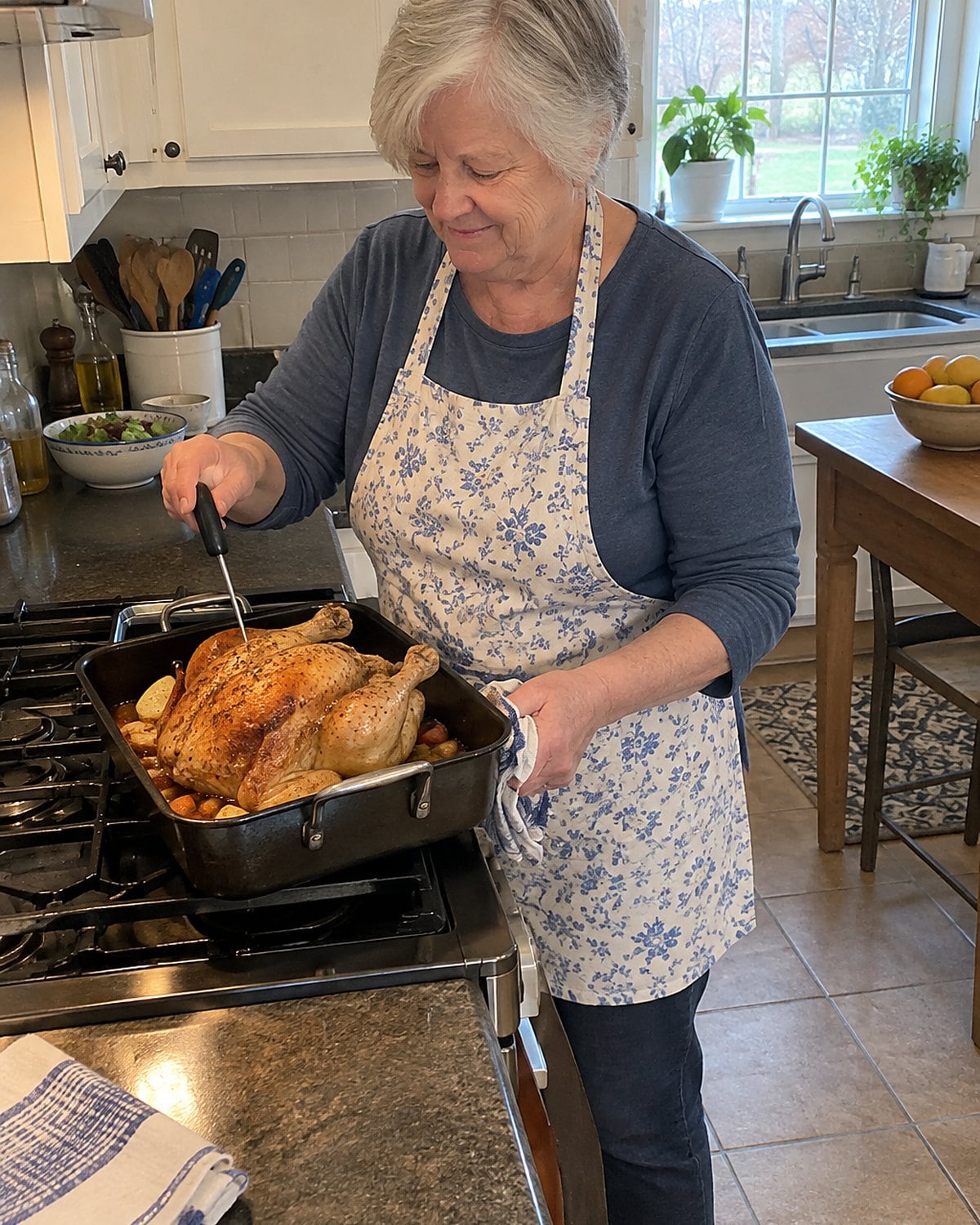
You learned to poke a chicken thigh and look for clear juices. It was the available test, and you got good at noticing changes in a roasting bird. The color still tells you something about browning. It doesn’t give you the temperature inside.
Use a food thermometer for that answer. Insert it into the thickest part of the thigh, away from bone, and check the thickest part of the breast too. Poultry needs to reach 165°F, as the USDA’s safe-temperature chart states.
Wash the thermometer probe after it touches undercooked meat, before using it again. A thermometer also ends the argument between a pale-looking piece and an overdone one.
Oven heat, bird size, and a crowded roasting pan change cooking time. Keep watching the skin and listening to the pan. Those senses tell you how dinner is going. Then let the number tell you when it’s ready to leave the oven.
Try it: Instant Pot Roast Chicken & Potatoes (Duo Crisp Or Oven Finish)
#1 The Dry Red Kidney Beans in the Pot
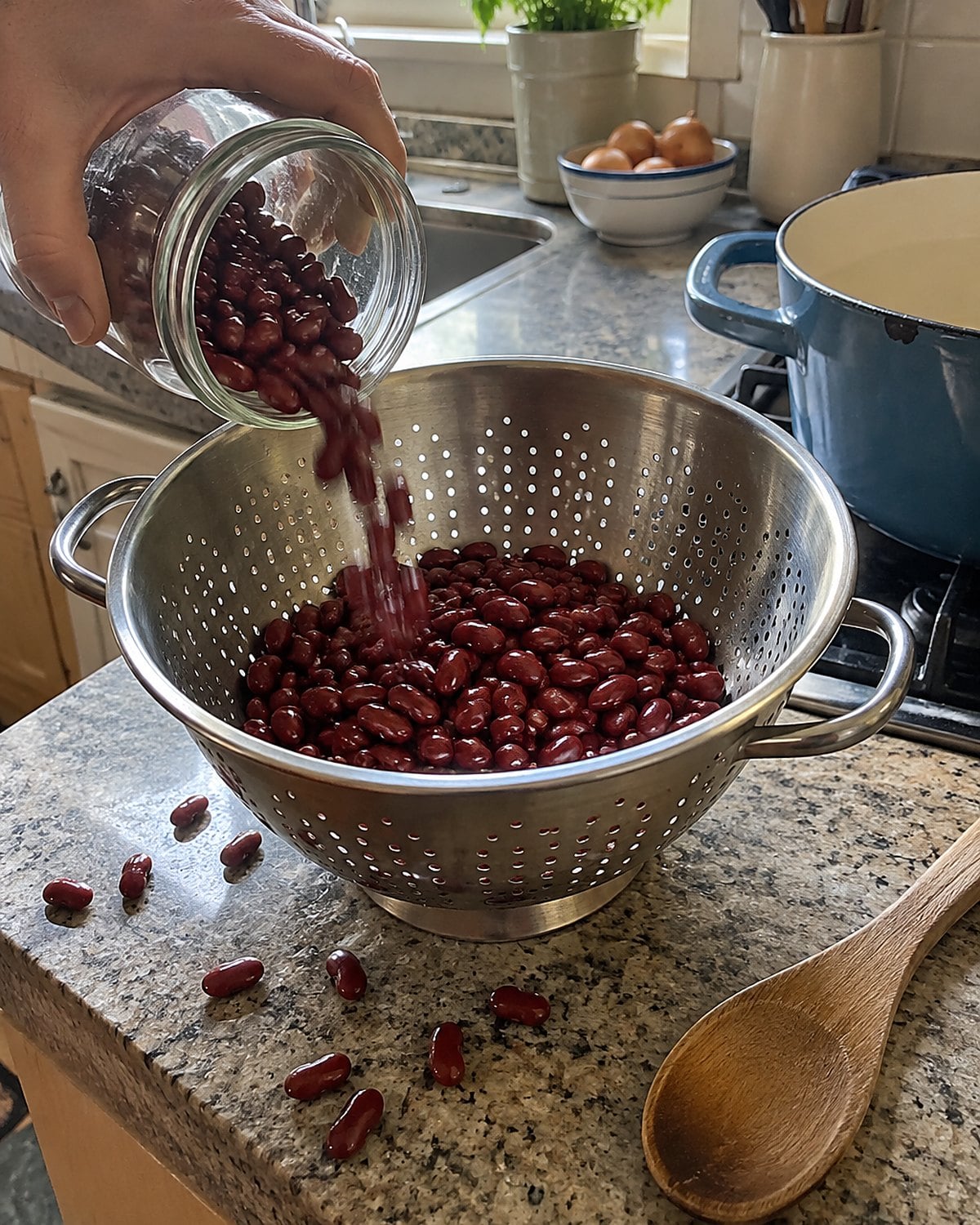
A pot of dry beans gave you time to finish other chores. You sorted them for stones, rinsed them, and checked beneath the lid when the smell reached the hall. That pot-side patience still helps with texture. Red kidney beans need a step that taste cannot check.
The FDA warns that raw or undercooked red kidney beans contain phytohaemagglutinin, a natural toxin that can make you ill. Soaking alone doesn’t remove it. The heat of a slow cooker doesn’t replace the hard boil called for in the FDA’s preparation guidance.
For dry red kidney beans, soak them, discard the soaking water, then boil them in fresh water for at least 30 minutes. After that boil, continue cooking until the beans are tender. Don’t put dry or merely soaked red kidney beans straight into a slow cooker.
A hard, chalky center tells you a bean needs more cooking, but a soft bean is no substitute for that earlier boil. If a handwritten bean recipe says only “simmer until done,” check the bag before following it.
You already have the habit of looking into the pot. The new move happens before the lid goes on: identify the bean, then choose the heat it needs.
The bottom line
Those kitchens taught you to watch, listen, smell, and make enough. They also taught you to use what was there. Good habits survive when you keep testing them against the food and tools in front of you.
The well-prepared version of you has a thermometer where she can find it, a date on the leftovers, and room to set down a hot pan. She still trusts her hands, with a few better checks beside them.
Which small move in your kitchen tells you exactly who taught it to you?

Leave a Reply