

The roasting pan comes out of the lower cabinet with the same scrape it always made. But now the oven is heating for two, and the pan looks enormous on the counter. Nobody announced the last Sunday when every chair was taken. People moved, shifts changed, children grew up, and the big meal kept losing pieces until the pan was the piece you noticed.
You don't have to put the whole dinner back together. Some parts are worth keeping. Others belong with the chipped lid you finally stopped trying to match.
#26 The Roast That Filled the Pan
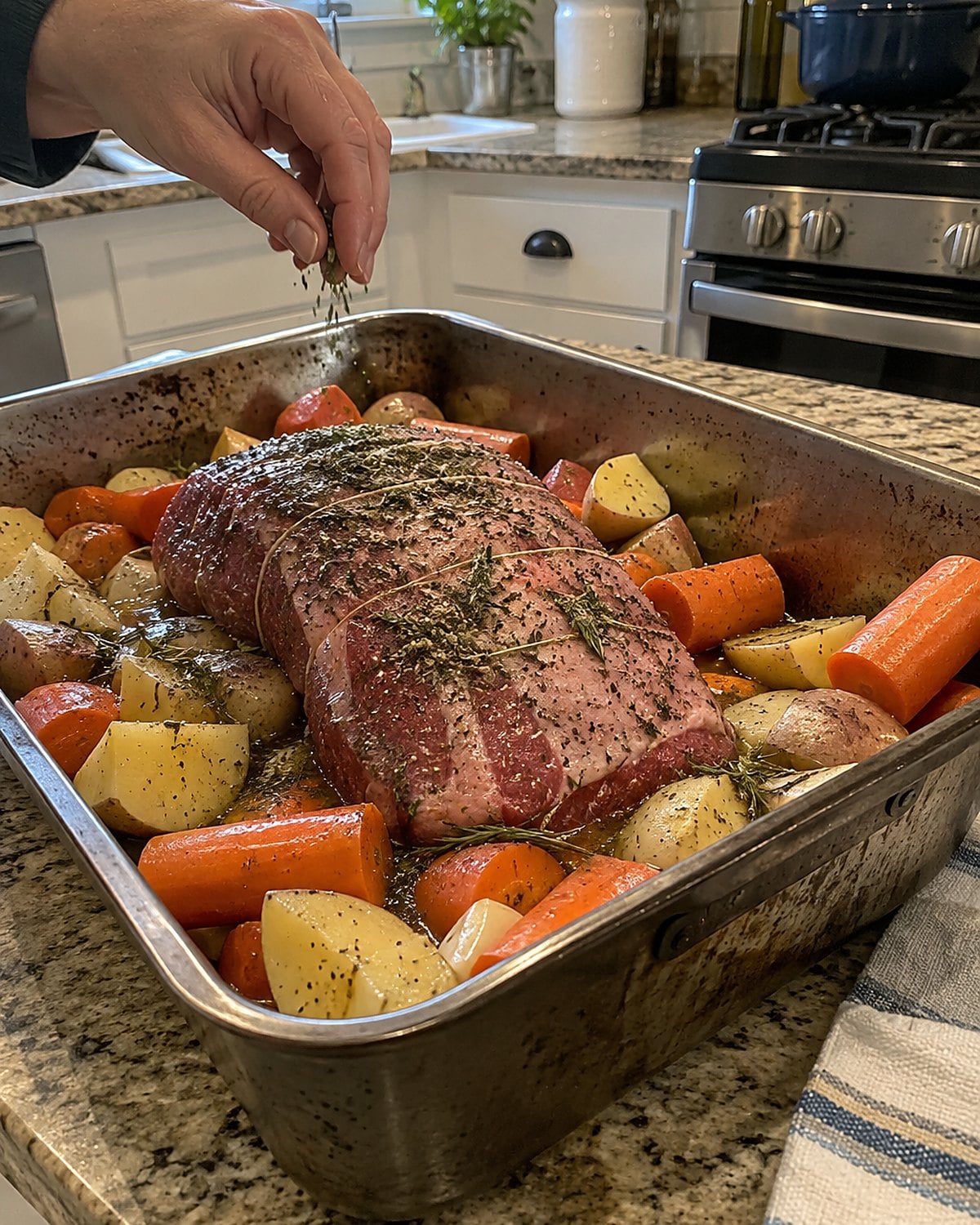
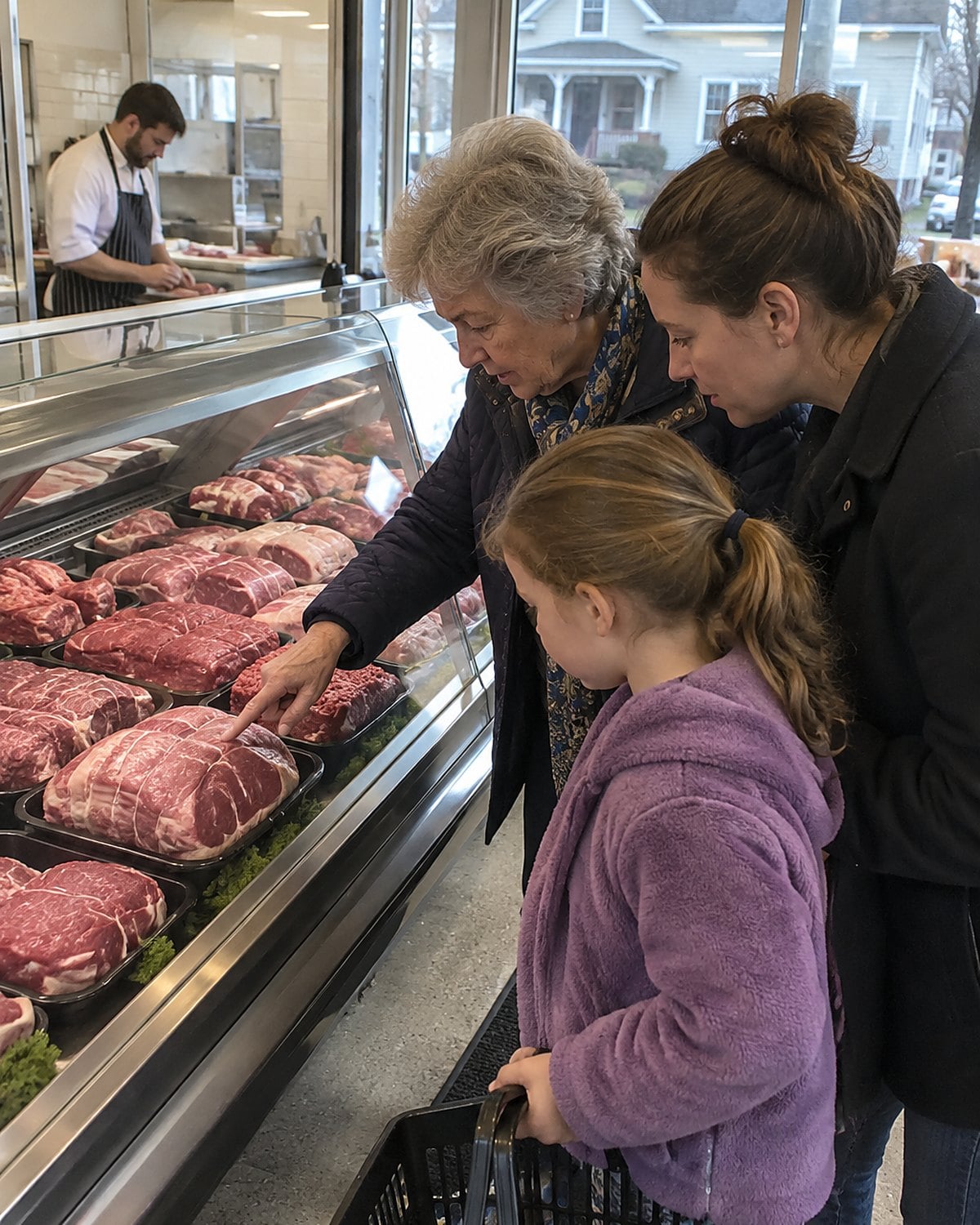
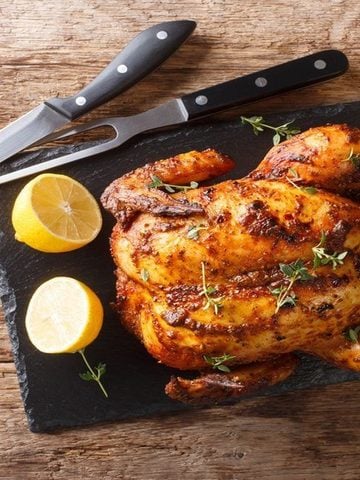
A large roast once answered the Sunday question before anyone asked it. It fed the people at the table and left slices for Monday. When fewer people arrive, that same cut takes up the oven and leaves you with more meat than you want to eat twice.
Before you buy it, decide what happens to the remaining slices. If Monday means sandwiches, set aside what you'll use. If nobody wants them, ask the butcher to cut a smaller piece from a larger roast. A cut that weighs 2 pounds instead of 4 changes the amount left over, though the cut and bone still matter.
Keep the roasting pan if you love using it. Put vegetables around the smaller cut so the pan still earns its space. Browned juices collect beneath them, and the smell in the kitchen stays.
For a whole cut of beef or pork, put a thermometer into the thickest part, away from bone. The USDA Food Safety and Inspection Service says 145°F, followed by a 3-minute rest. The pile of meat doesn't have to stay.
Try it: Instant Pot Roast Beef & Gravy
#25 The Extra Place Setting
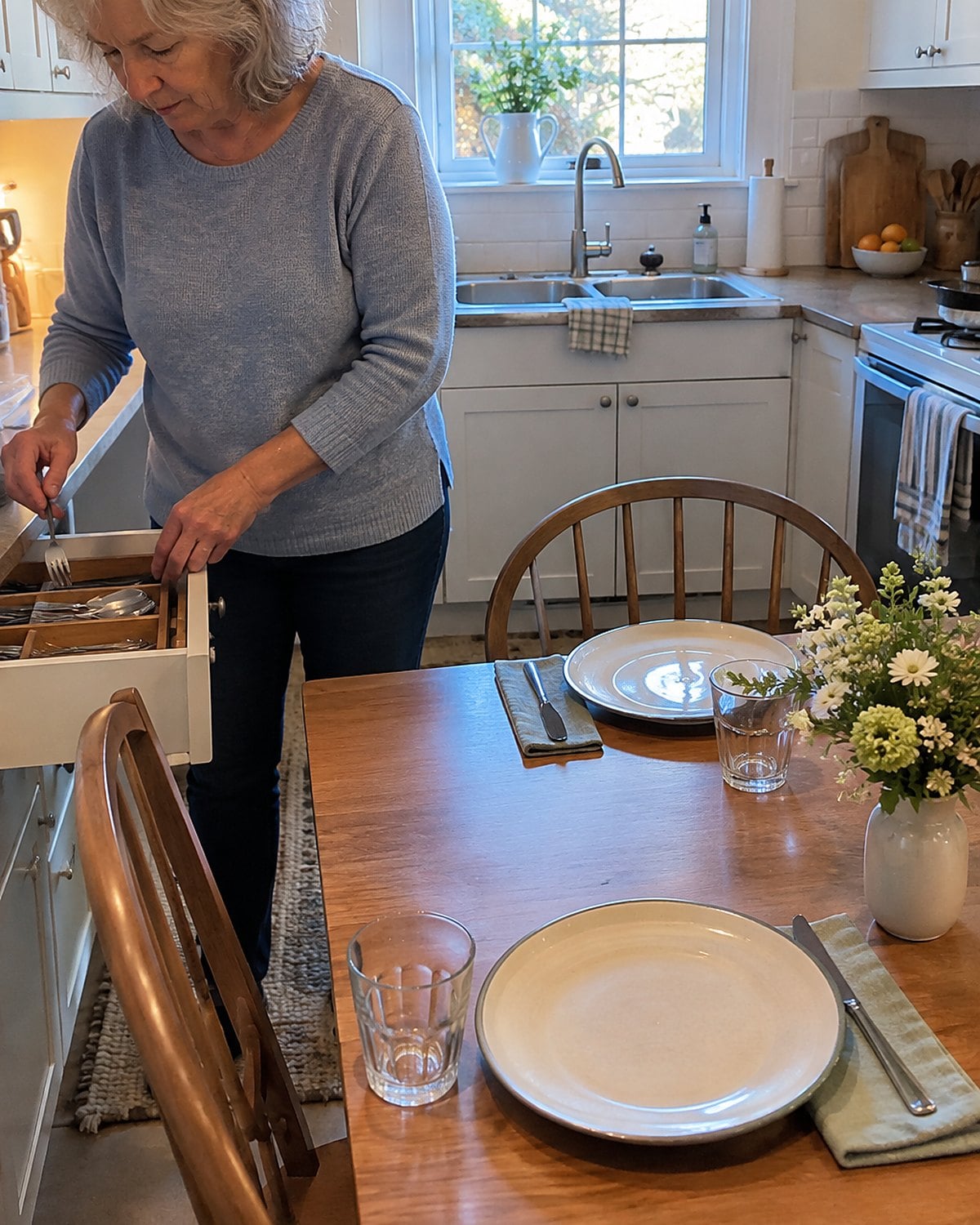
You set out another fork because someone might stop by. Then it sits beside an empty chair through the whole meal, and you clear it away untouched. That small habit deserves a look before it becomes the saddest part of Sunday.
Put out plates for the people who said yes. Keep the extra forks and a stack of plates where you can reach them if the doorbell rings. The table feels different when every place belongs to someone who's there, rather than to a hope.
An unexpected guest doesn't need a planned setting to feel welcome. She needs a place to sit, a clean plate, and a little of whatever is in the pot.
Say it plainly if someone shows up: “Pull up a chair. I'll get you a plate.”
The fork takes seconds to fetch. Leaving it in the drawer also saves you from counting an absence each time you reach across the table.
#24 Green Beans Cooked All Afternoon
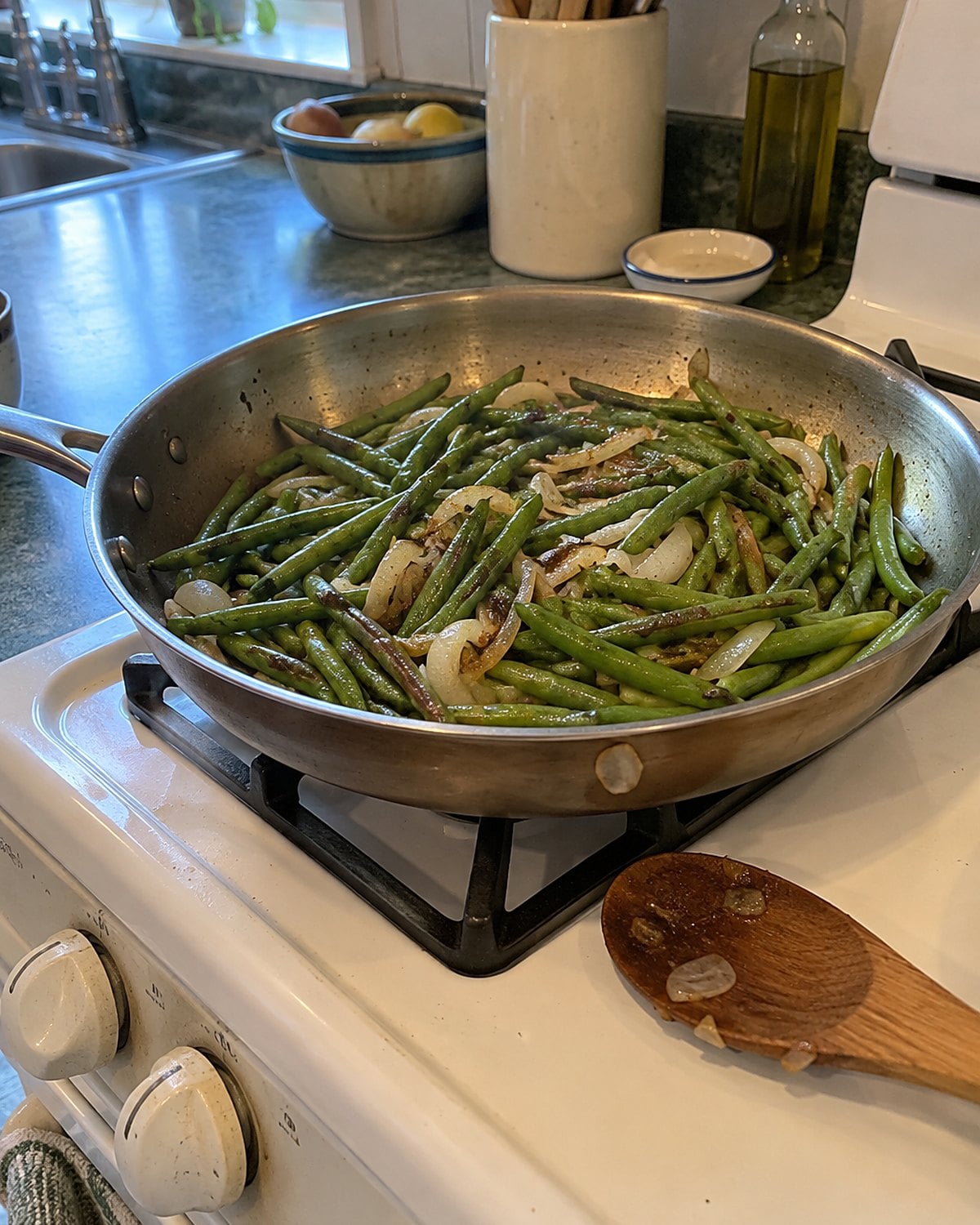
The green beans went on before church clothes were changed, and the lid stayed on until dinner. That long cook gave them a taste and texture all their own, especially with onion and a piece of ham.
If you still love them that way, cook them that way. But when you're making a smaller Sunday dinner, a wide skillet gives you another choice. Cook the beans uncovered after they turn bright green. Let the water leave the pan, then taste one. It should bend when you bite, with enough firmness left to feel like a bean.
The step to skip is the long wait under a lid after they're done. Trapped steam keeps cooking them while the rest of dinner catches up.
Move the skillet off the heat instead. You can put it back on briefly when the roast is ready, and the beans will reach the table with some life left in them.
Try it: Instant Pot Braised Green Beans (Turkish-Style)
#23 The Rattle of the Pressure Cooker
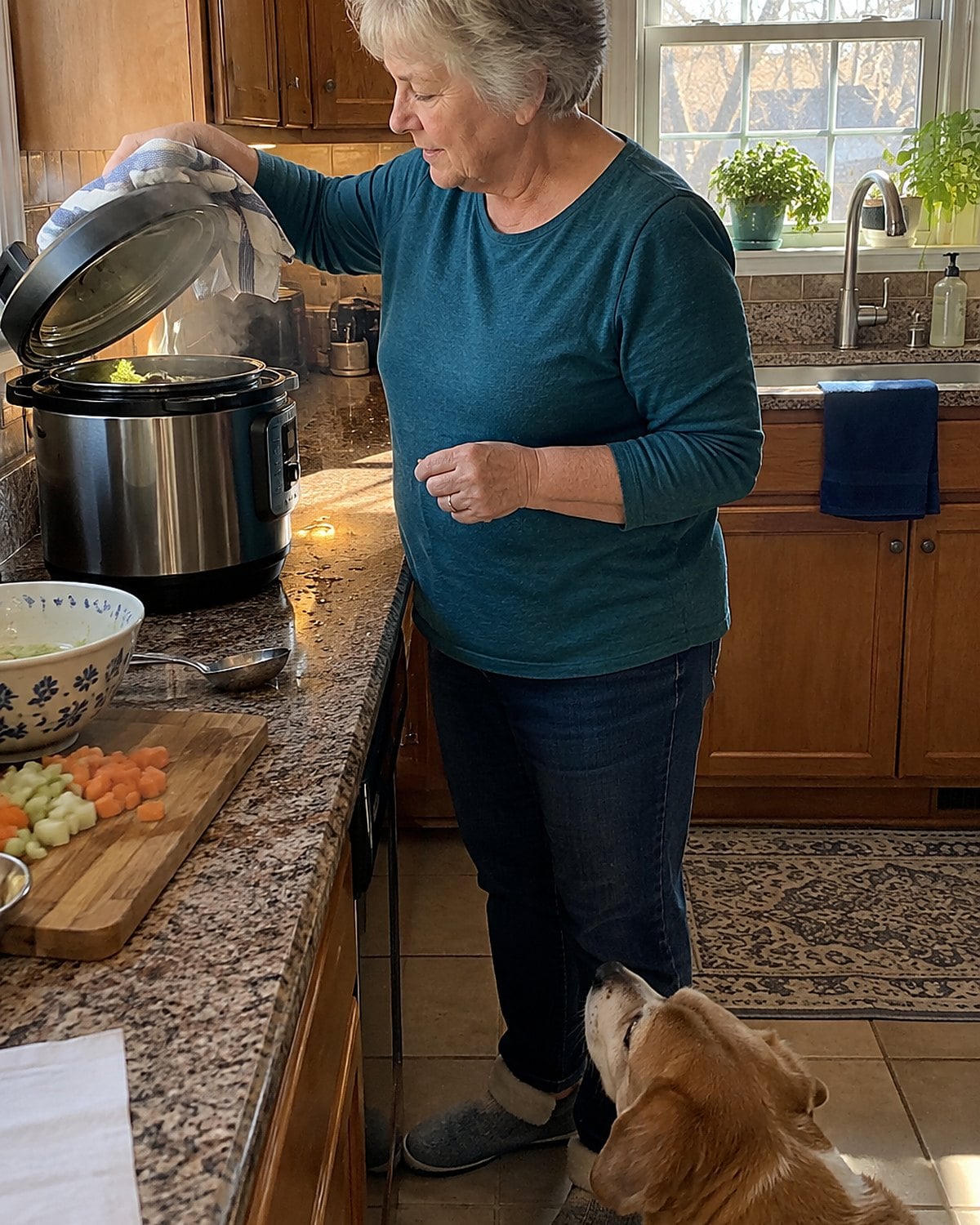
That familiar rattle used to tell the whole house dinner was underway. You knew it meant beans, pot roast, or broth without looking at the stove. Then the cooker went to the back of the cabinet, and the sound disappeared with the bigger meal.
An electric pressure cooker is a different tool. Its lid seals, and its controls manage pressure. Give it a job that still fits your table: a pot of beans for several meals or a small cut of meat for Sunday and Monday.
Read the instructions for your own cooker before filling it. Dried beans foam, and pressure cookers have fill limits. The USDA Complete Guide to Home Canning is about preserving food, not dinner in a pressure cooker; keep those jobs separate.
You don't have to bring back the rattle. What you miss is the stretch when dinner was underway and your hands were free for everything else.
#22 Potatoes for Every Seat
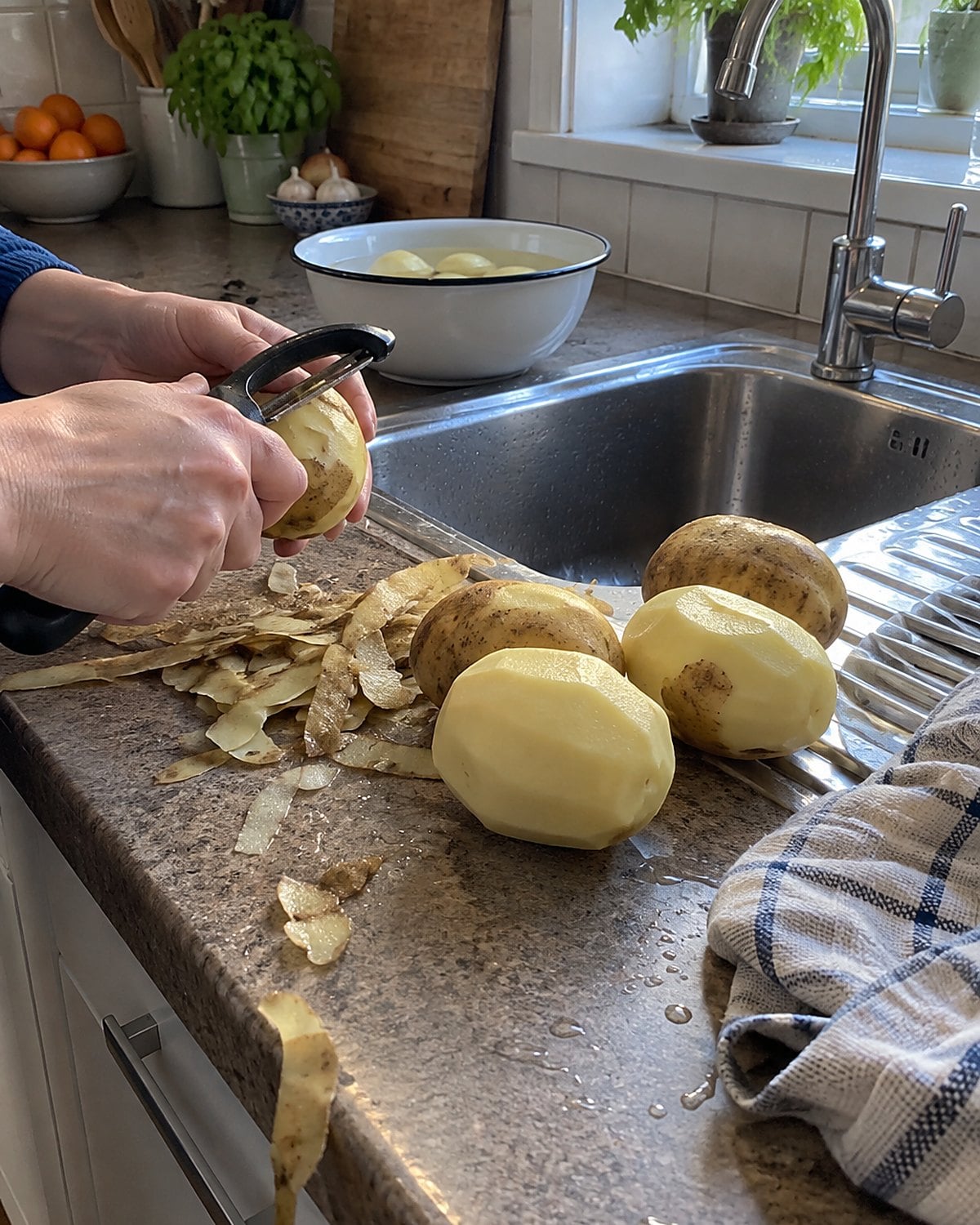
Peeling potatoes by the sink gave everyone a job. Someone rinsed, someone cut, and someone asked if there would be enough. Now you're standing there alone with the same big bag.
Keep the shared work when people are present. When they're not, choose the potato dinner calls for. A small batch of mashed potatoes needs less liquid than the old potful, so add warm milk in stages. Once they're tender, drain them well and let their steam rise before mashing. That dry surface takes butter and milk without turning watery.
For a smaller roast dinner, put potatoes in a separate pan if the meat is giving off a lot of liquid. They'll brown where they touch hot metal. Crowded underneath a roast, they'll drink the juices and stay soft.
Both are good. You get to choose which one you want tonight.
#21 The Gravy Boat Without Enough Gravy
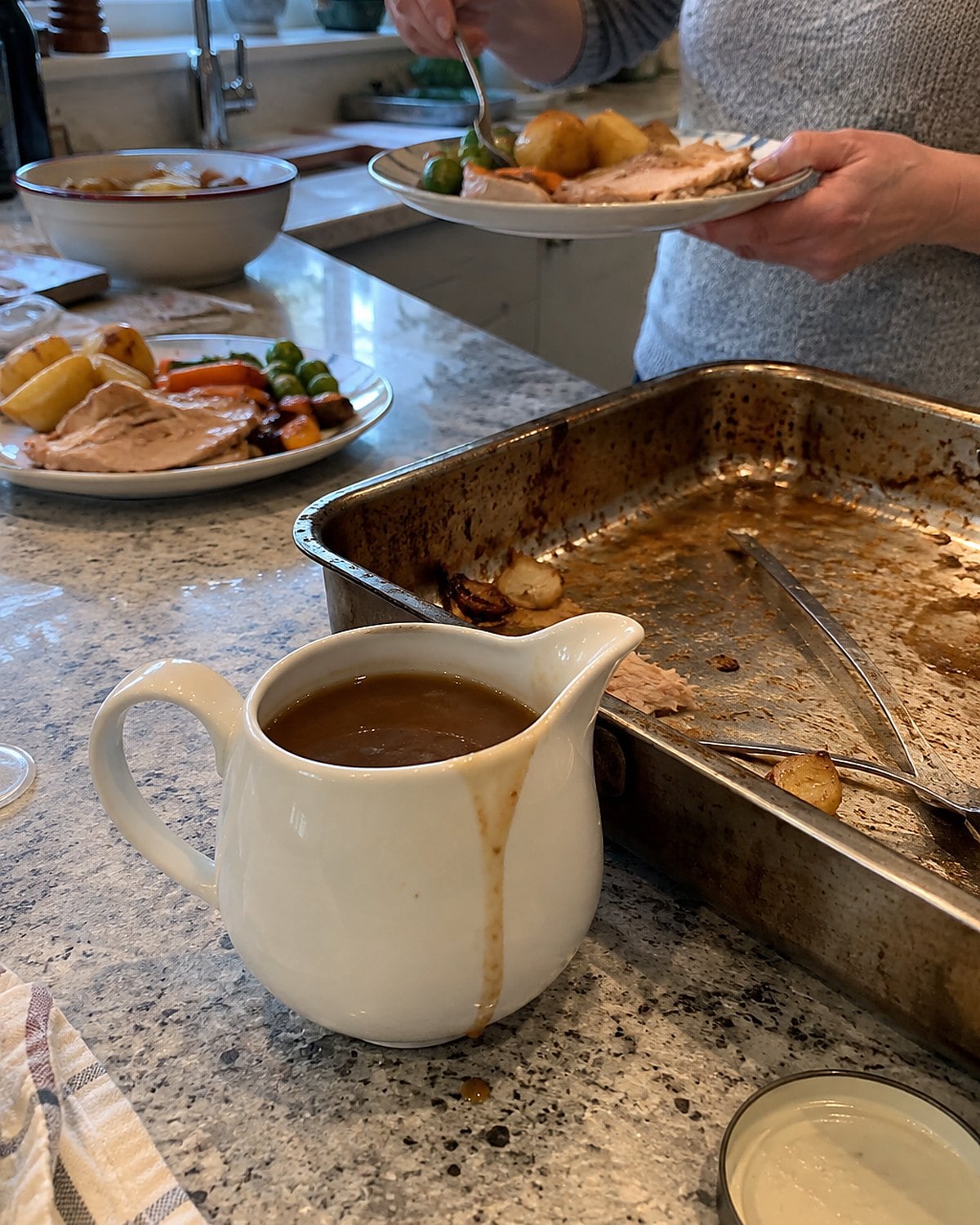
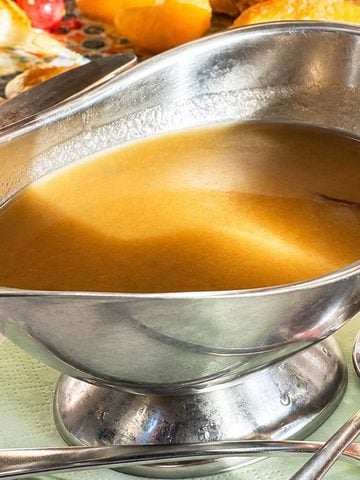
There was a time when the gravy boat had to go around the table twice. A smaller roast leaves fewer drippings, so the boat looks oddly grand beside a shallow spoonful.
Don't wait for the meat to supply all the flavor. Pour off the fat you don't need, then loosen the browned bits from the roasting pan with a splash of stock. Those bits are the part worth saving.
For thicker gravy, cook a little flour in the fat before adding the liquid. Stir until the flour loses its raw smell. Add stock slowly, scraping the pan as you go, so you catch the flavor stuck to the bottom.
Taste before reaching for salt. Stock and pan juices have already brought some to the party. You can serve gravy from a small pitcher, a mug, or the pan itself. Nobody needs a full boat to get a good spoonful.
Try it: Best Instant Pot Gravy (Quick & Easy, No Drippings!)
#20 Rolls Warmed Under a Towel
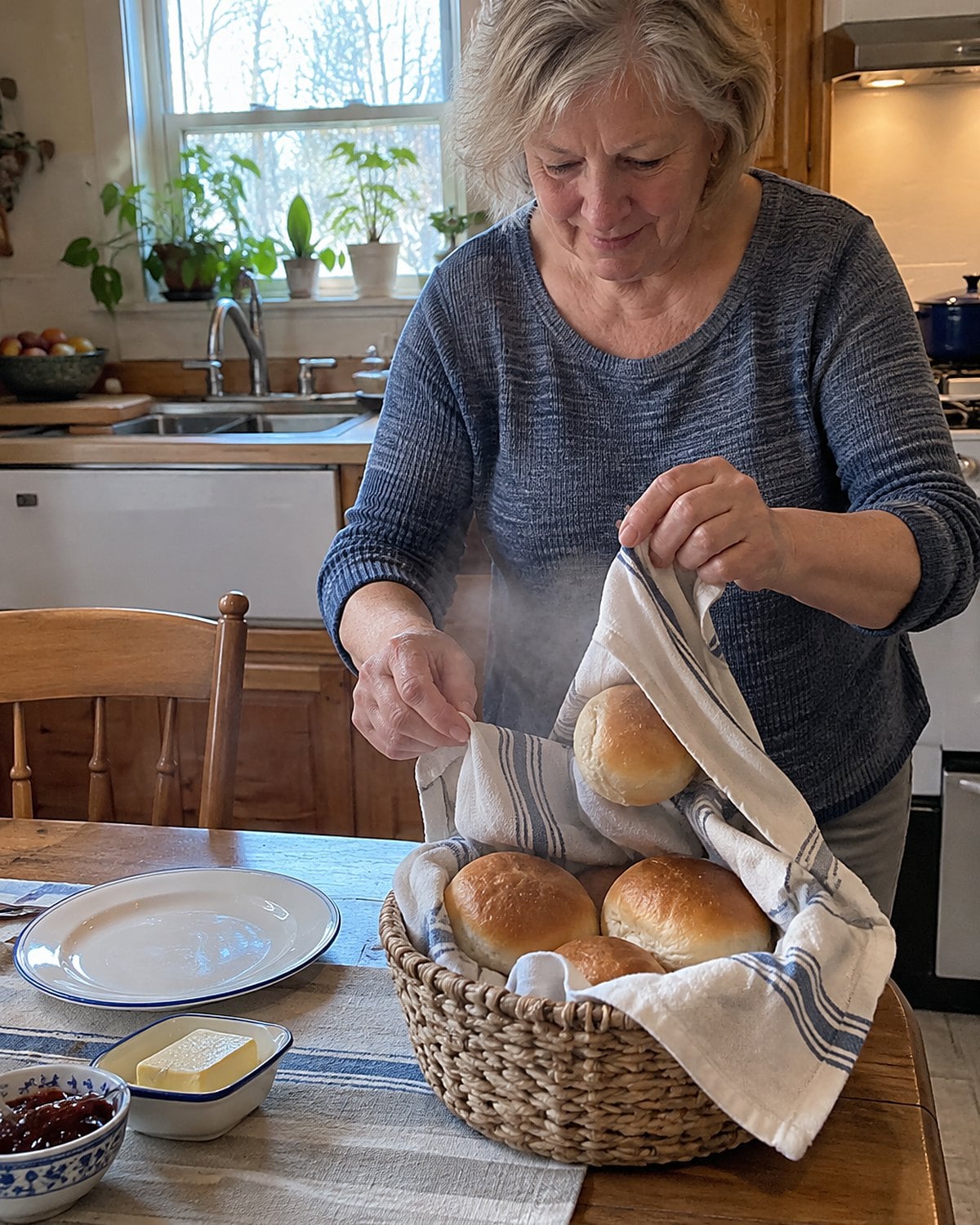
The cloth lifted, and the rolls went around while they were still warm. You knew who would take an extra before the basket reached them. Making a full tray for two people changes that pleasant first pass into a week of bread on the counter.
Bake what you're ready to eat. Freeze extra dough only if your recipe gives freezer directions. For baked rolls, let them cool, wrap them well, and freeze them in portions that match the table you have now. Write the contents and date on the bag.
That label matters when the freezer drawer fills with parcels. You won't have to unwrap dinner's bread to find it beneath last Sunday's leftovers.
When dinner is nearly ready, warm only the rolls you need and put the towel back over the basket. That little lift of cloth still says Sunday. The count underneath can change.
#19 Corn Pudding in the Deep Dish
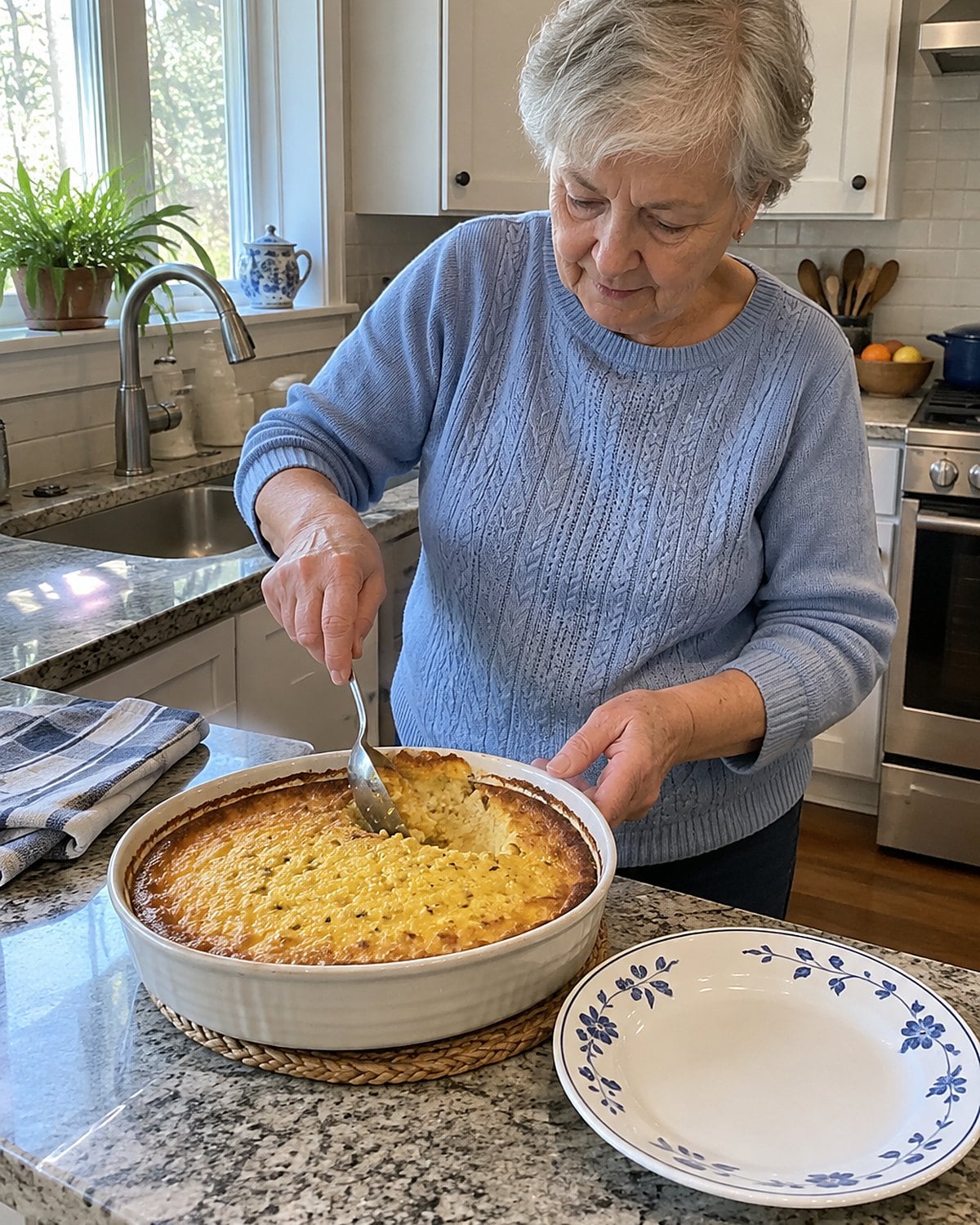
A deep casserole dish made sense when corn pudding had to travel down a long table. With fewer people, its center stays hot while the edges sit waiting, and a full dish leaves a long string of leftover servings.
Use a shallower dish for a smaller batch. A greater share of the pudding touches the sides, where it sets first and picks up color. Check the center with a gentle shake: it should wobble as one piece, without a loose wave running through it.
Let it stand before serving so a spoonful holds together. That pause is hard when everyone has already reached for the serving spoon, but it saves the first portion from falling apart.
Taste for corn before you add more sugar. Sweetness belongs there if that's how your family likes it, but the corn should still have something to say.
#18 The Question About Who's Coming
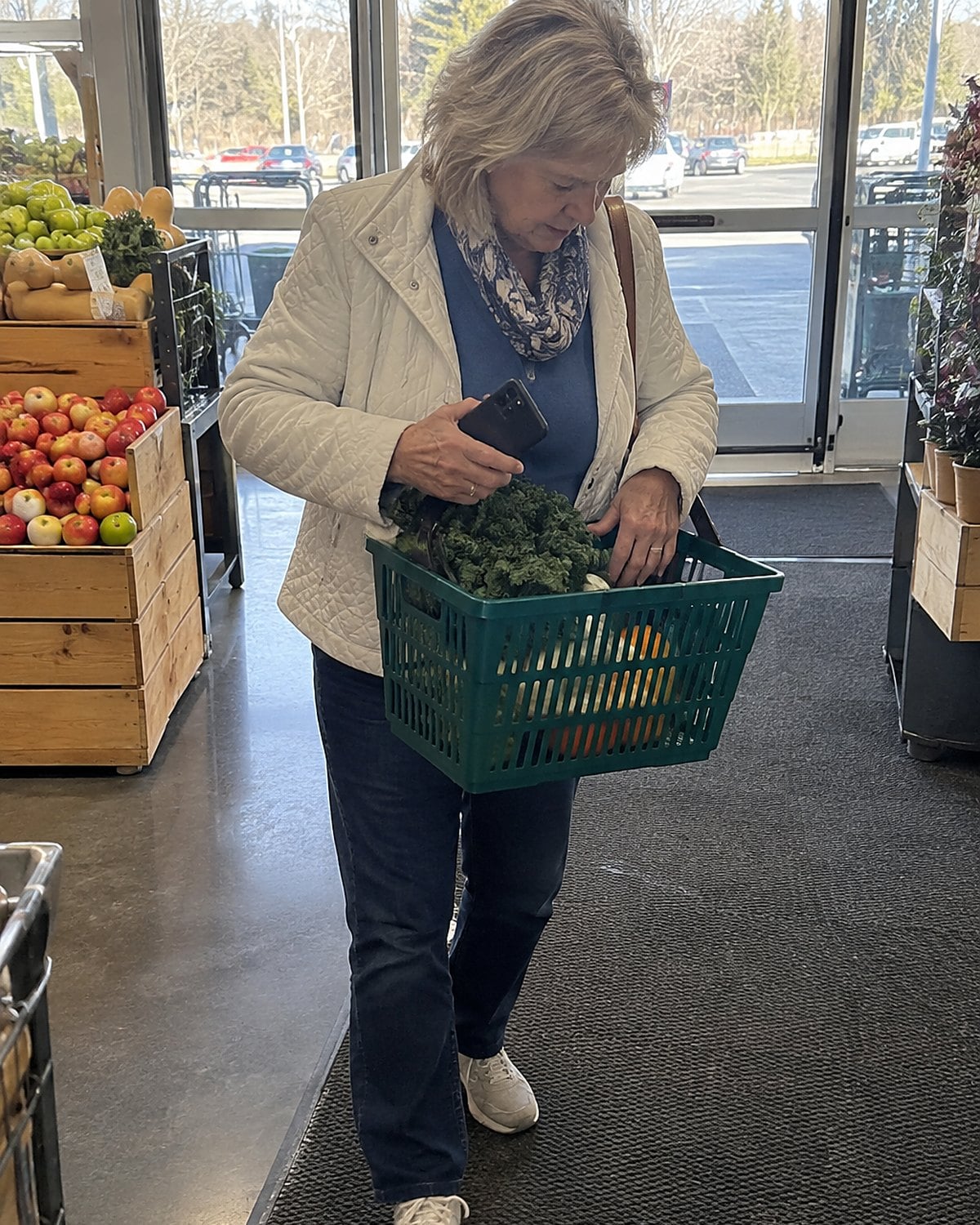
“Is everyone coming Sunday?” used to settle how much food you bought. Now it can turn dinner into a weeklong attendance count, and each changed plan sends you back to the grocery list.
Ask a smaller question: “I'm cooking Sunday. Would you like to eat here?” Give people a time and ask for an answer before you shop. A reply lets you count chairs without chasing anyone through the weekend.
For a grandchild's visit, ask the parent about food restrictions before shopping. You don't have to remember which preferences changed since the last holiday. A clear question beats a casserole made for an old version of the family.
Then choose the guest dishes by Friday and buy what you need. You aren't conducting a roll call. You're making it easier for someone to say yes and arrive hungry.
#17 The Electric Knife in Its Box
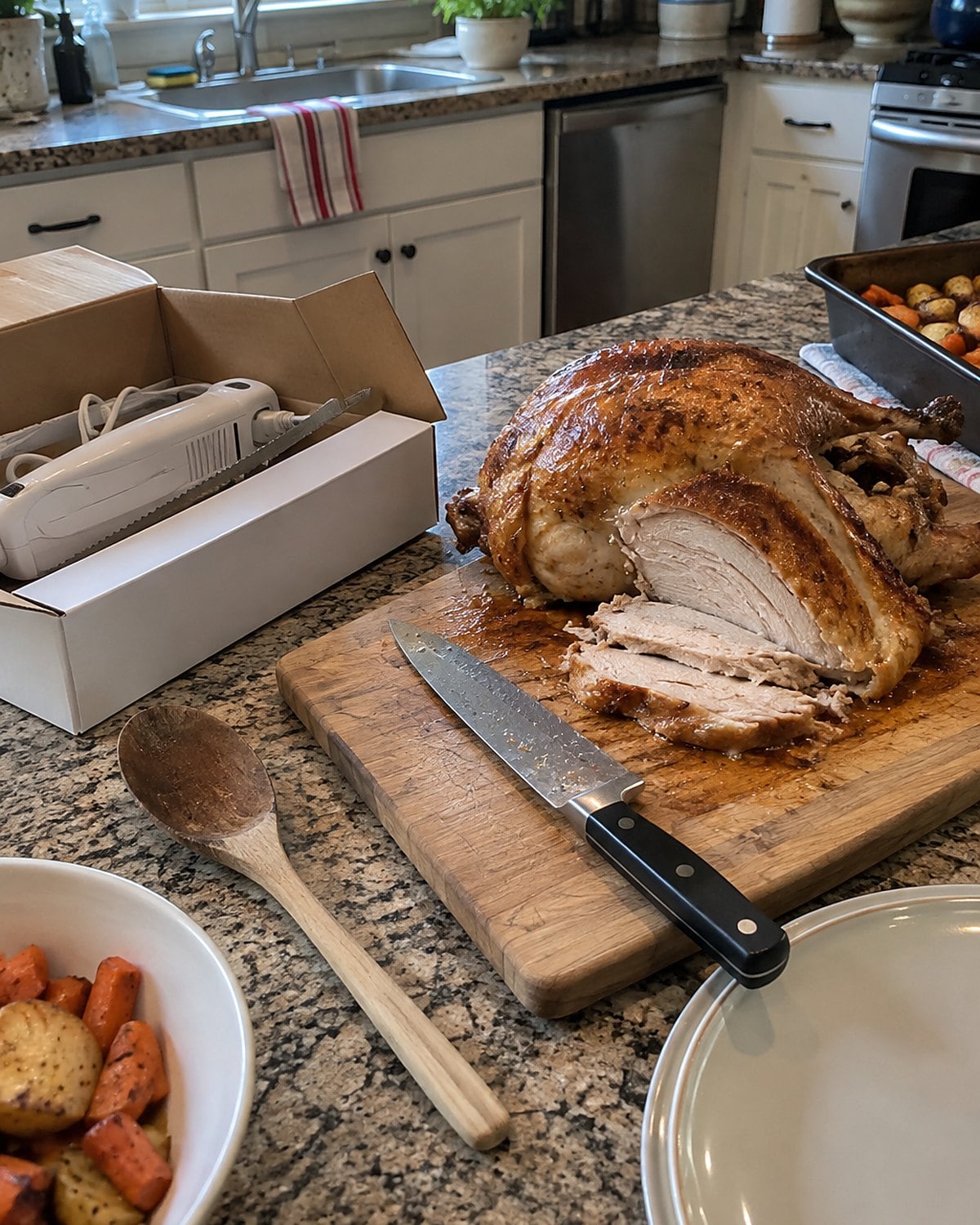
The electric knife came out for the turkey, the ham, and every roast large enough to draw a crowd. It cut slices while someone held a platter ready. If that box hasn't opened in years, you have permission to stop storing it within reach.
A sharp carving knife and a steady board handle a smaller cut. Let cooked meat rest before slicing, then find the direction of the muscle fibers and cut across them. Shorter fibers make each bite easier to chew.
Look at the cut end of the meat before you start. The lines running through it show you which way the fibers travel. Turn the board until your knife crosses those lines. If the roast rolls, place a damp towel beneath the board to keep it from sliding.
Wash and store the knife you actually use. Let the other one go if no one wants it. The drawer isn't a museum, and Sunday dinner doesn't require a motor.
#16 The Stuffing Baked Beside the Bird
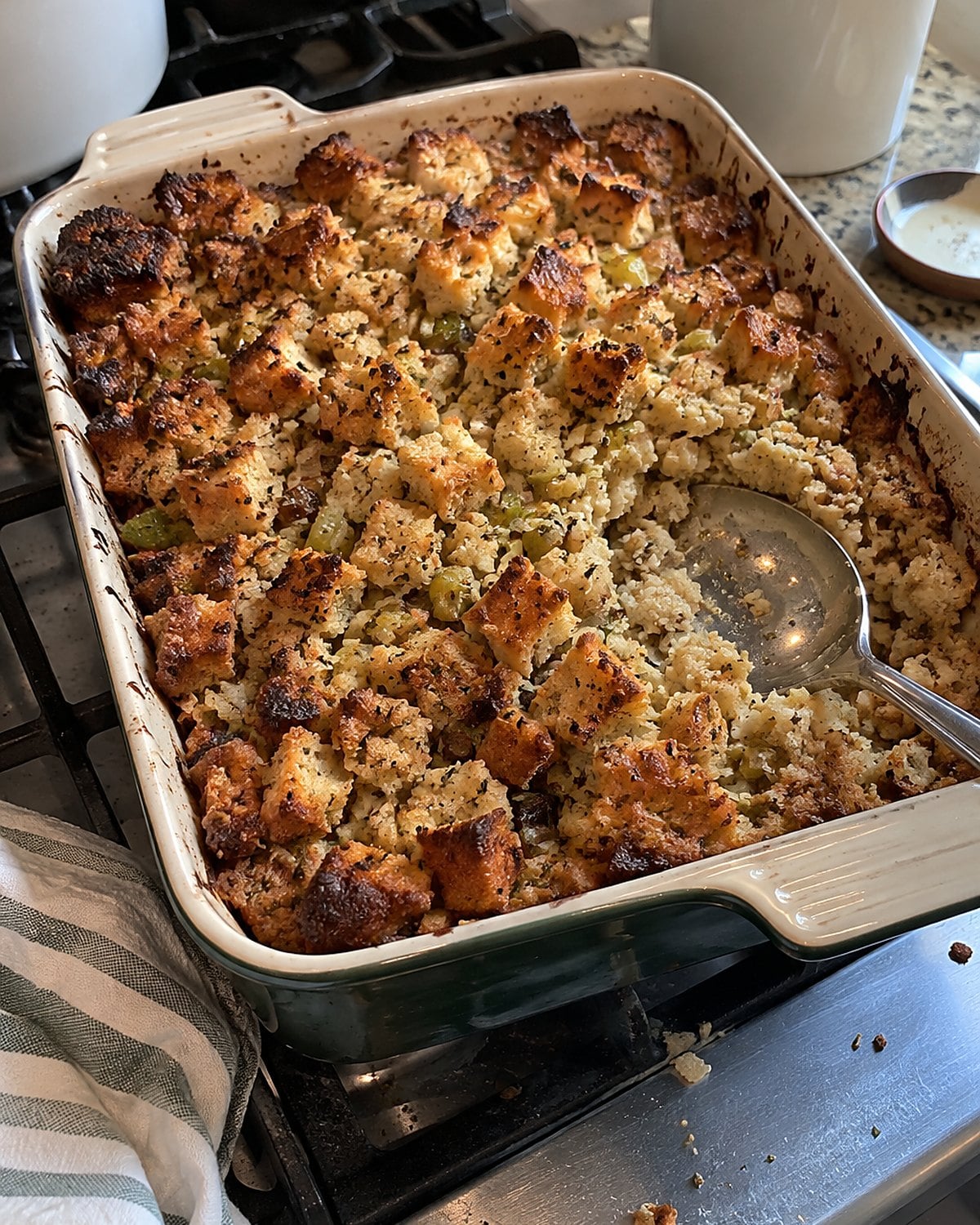
Stuffing has a way of pulling everyone toward the oven. Someone wants the browned corner; someone else wants the soft middle. A separate baking dish gives you both, without asking a whole bird to carry dinner for a table that's no longer full.
Start with dry bread. Fresh, soft cubes soak up liquid and collapse before their edges brown. Cook onion and celery before mixing them through, so the vegetables give the bread their flavor rather than releasing raw moisture into it.
Add stock until the mixture holds together when pressed, without liquid pooling at the bottom. That squeeze tells you more than another hurried pour from the carton.
If your family calls it dressing, call it dressing. Bake it separately from the poultry. For meat, check the thickest part with a thermometer, away from bone: the USDA Food Safety and Inspection Service says poultry must reach 165°F.
The serving spoon still gets a crusty edge and a tender center. You don't need a whole bird to offer both.
#15 The Apron Passed Down the Hook
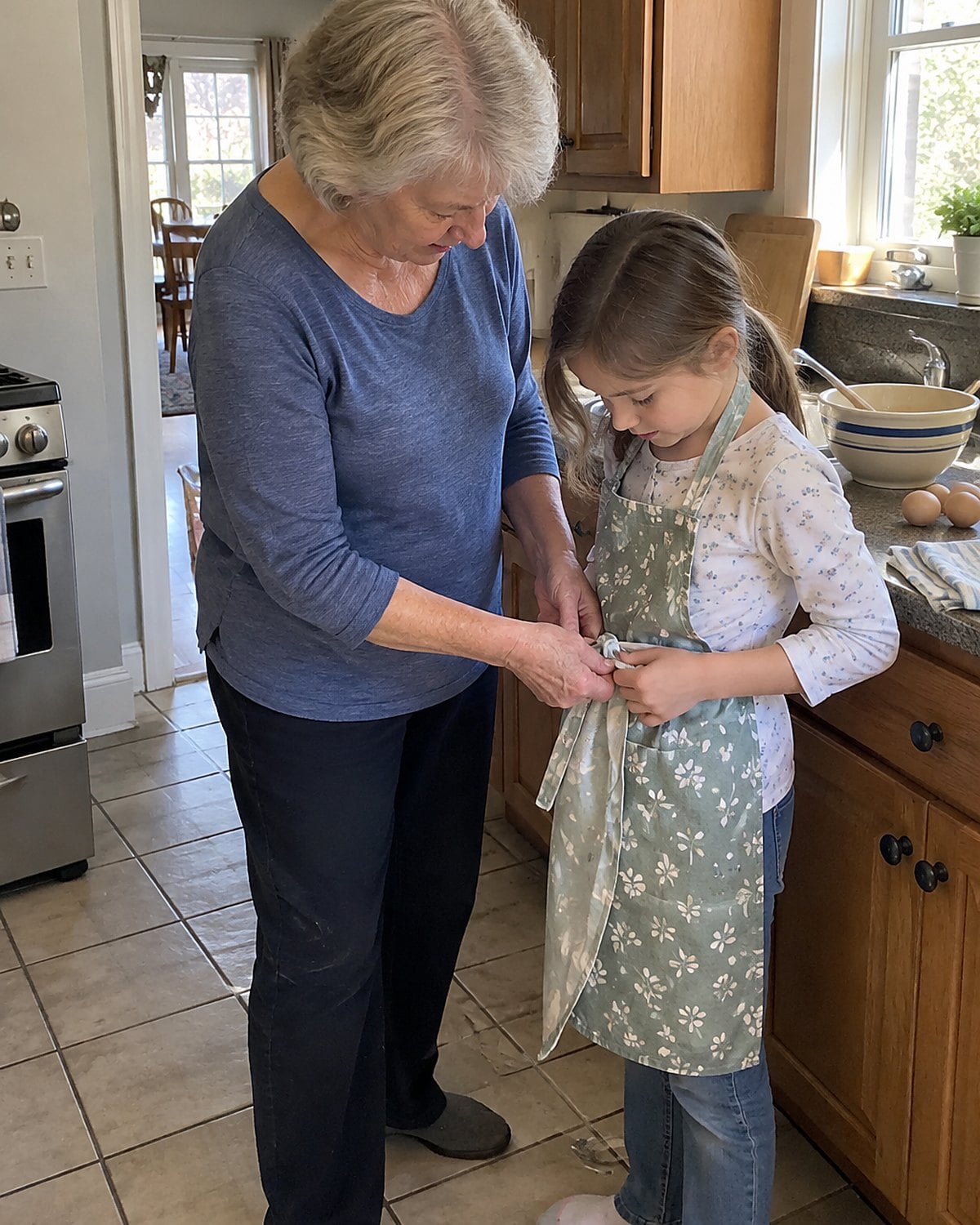
There was always an apron by the kitchen door, ready for the person who arrived early and started chopping. Now it hangs untouched until you need both hands to wrestle a dish from the oven.
Hand it to someone again. Give a visitor a real task: wash the greens, set out glasses, or slice the pie after dinner. “Could you wash these while I finish the gravy?” is easier to answer than a vague offer to help.
If a grandchild wants in, clear a safe stretch of counter and choose a job that fits the hands in front of you. Passing over the salad spinner gives them something to finish without standing by the hot stove.
Help doesn't have to mean turning your kitchen over. It means another person learns where you keep the colander. Next time, they won't need to ask.
#14 Macaroni and Cheese for a Crowd
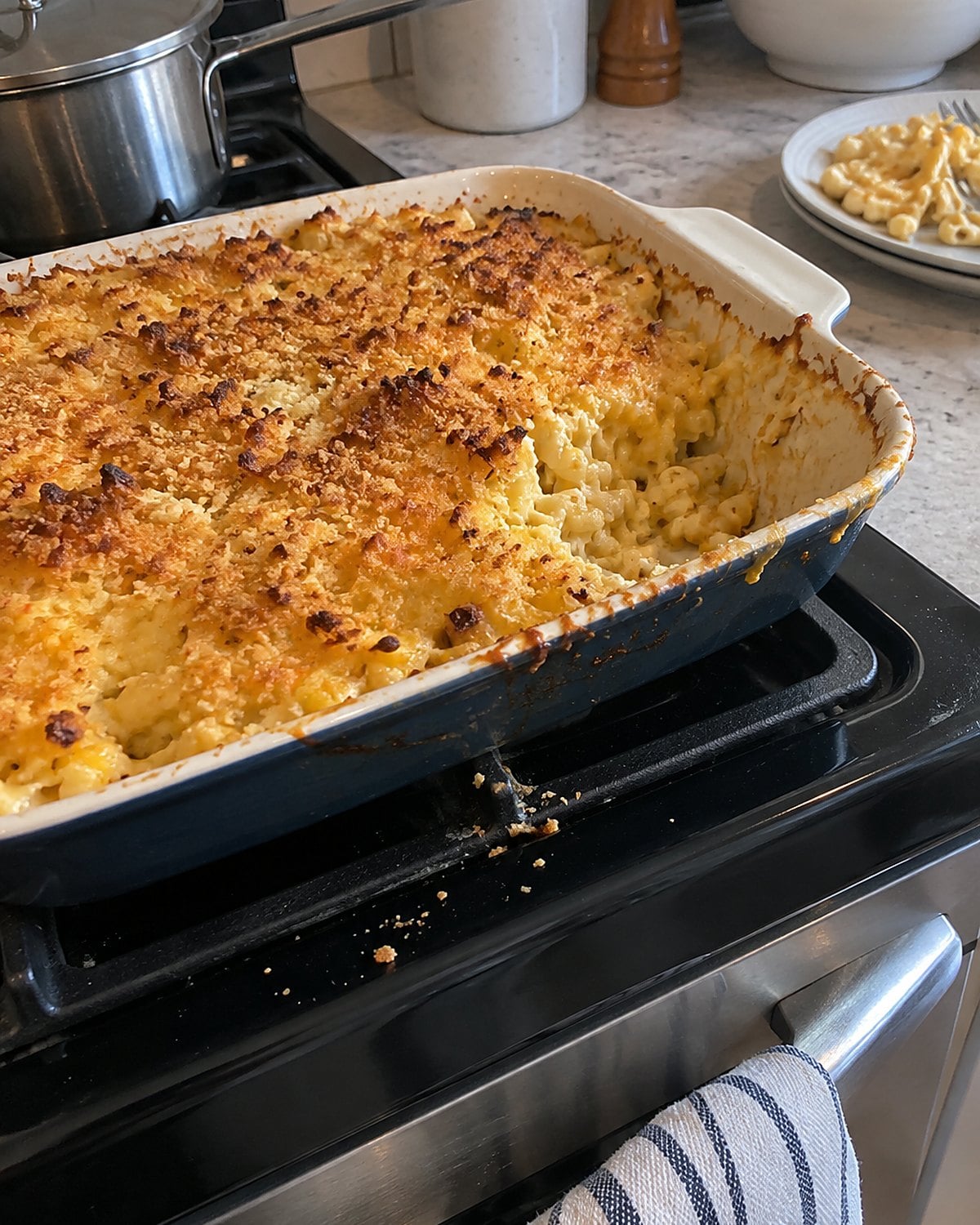
The big baking dish of macaroni and cheese vanished from many Sundays before anyone noticed. It was easy to keep making the same amount and harder to face the leftovers afterward.
A smaller dish calls for attention at the sauce stage. Cook the flour in butter first, then add milk gradually and stir until it thickens. Take the pan off the heat before stirring in cheese. Hard boiling after the cheese goes in can leave a grainy sauce.
The pasta will take up liquid in the oven, so stop while the mixture still looks looser than you want on the plate. For a tested recipe that serves 8, look for a tested version serving 2 or 3 instead of guessing at the pan size.
Save the crunchy topping for the end of assembly. If crumbs sit in the sauce, they sink and soften. Bake until the edges bubble and the top colors, then let the dish stand. That pause gives you cleaner spoonfuls, even when nobody cares how neat they look.
Try it: Easy Instant Pot Macaroni & Cheese (Step-By-Step Recipe)
#13 The Bowl of Pickles and Olives
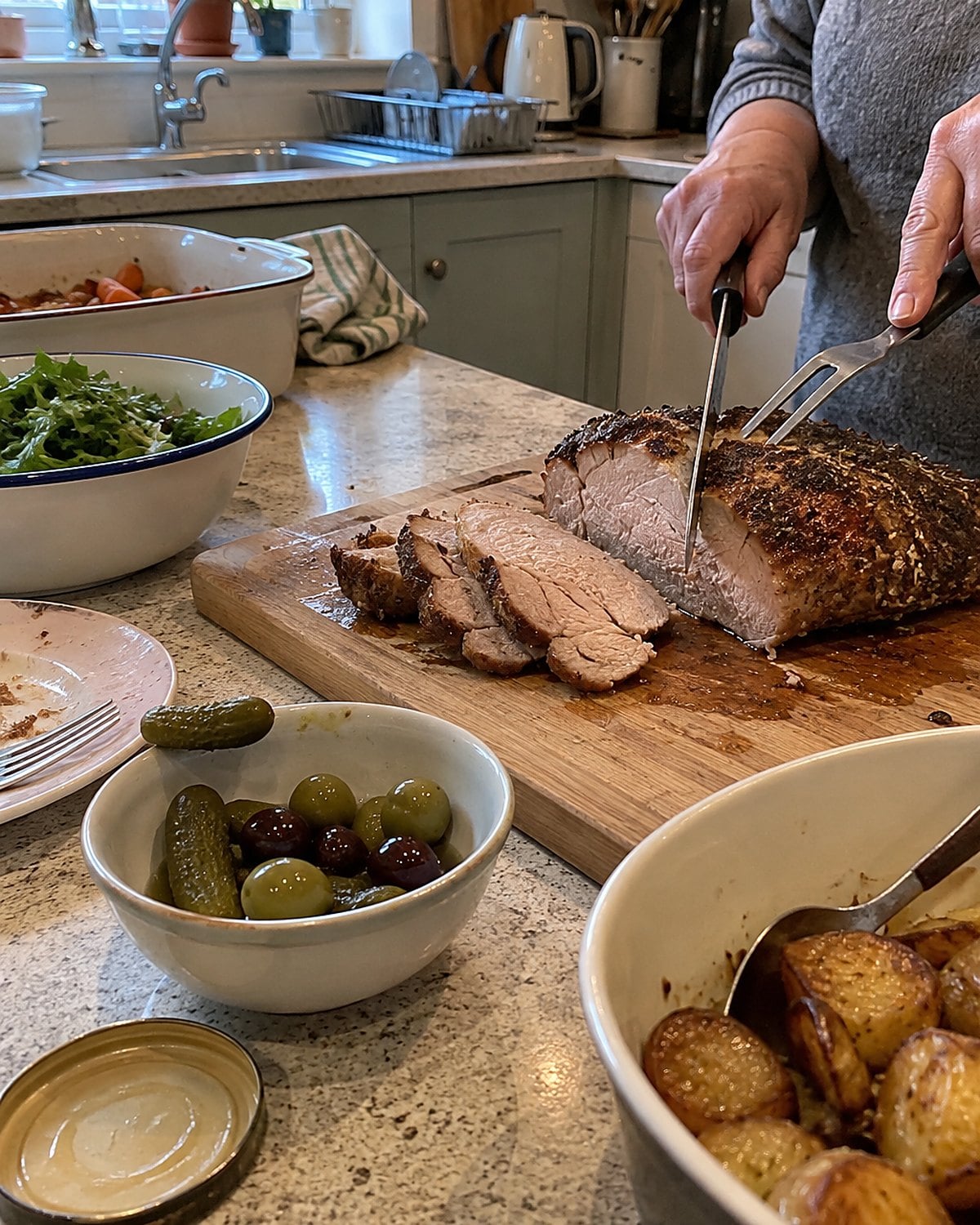
A little bowl sat at the end of the table every Sunday. Pickles, olives, or both went in before the roast came out. The children took the olives. Someone else ate every pickle. You probably still know who.
That bowl did a useful job. Sharp, salty bites woke up a meal built around meat, potatoes, and rich gravy. Bring it back without buying a spread of appetizers. Put out the jar you already have and a small fork.
Empty the bowl after dinner rather than pouring the brine back into the jar. A small bowl is enough when the table has fewer hands reaching across it.
Notice which bite you reach for between mouthfuls of roast. It tells you something about the meal. If you keep wanting a pickle, a squeeze of lemon or a sharper salad dressing belongs on next Sunday's table.
#12 The Pie Crust on the Counter
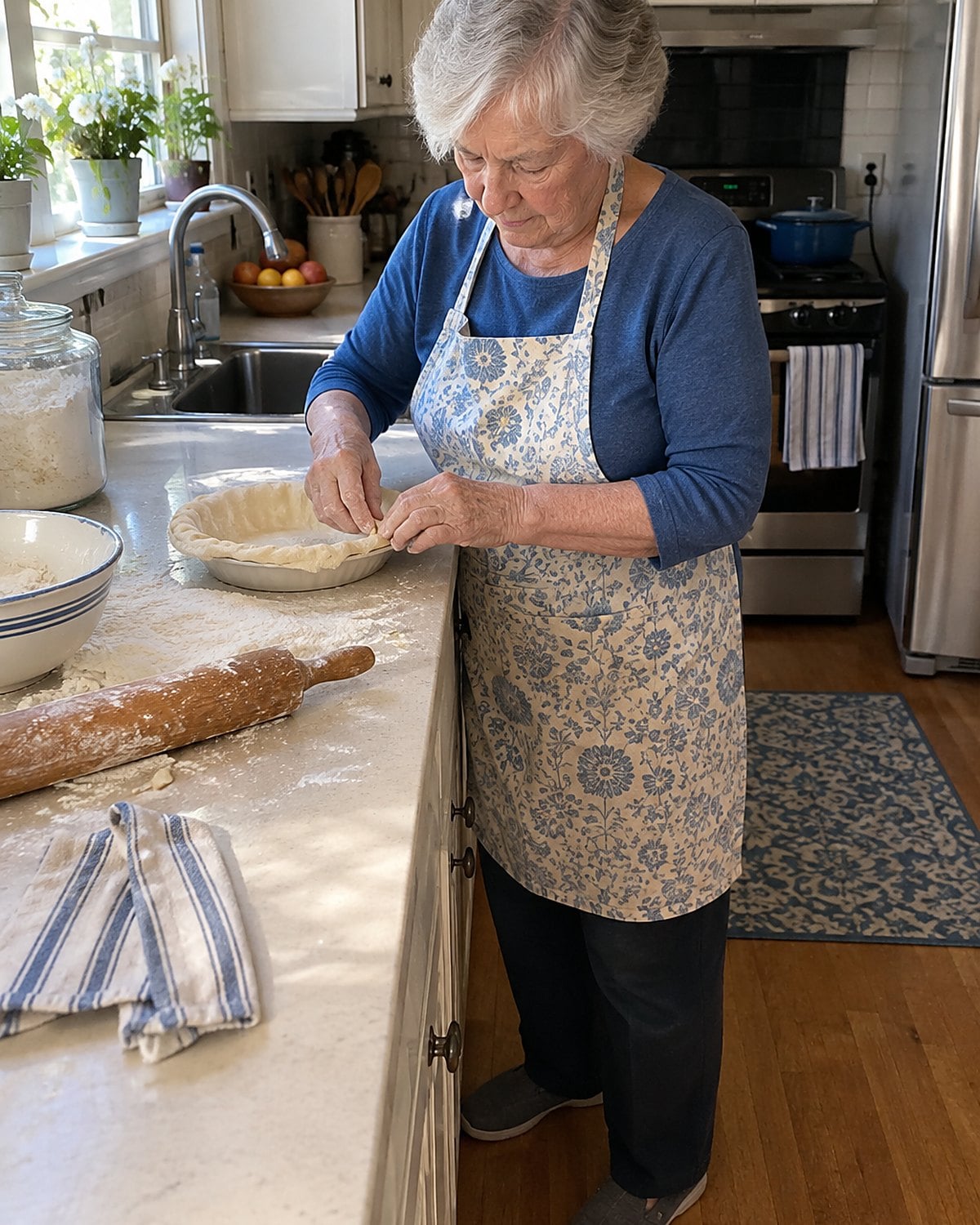
Sunday pie began with flour on the counter and the warning not to work the dough too long. You knew the feel: pieces of cold fat still visible, dough that came together without turning smooth as bread.
A full pie isn't the only reason to get out the rolling pin. Make the dough you trust, divide it before rolling, and freeze the portion you won't use if your recipe provides freezer directions.
For today's pie, keep the fat cold and stop mixing as soon as the dough holds when pressed. Warm hands and extra kneading work the flour more, which makes a tougher crust. If the dough clings to your fingers, step away from the counter before working it again.
If you buy a crust now, you haven't lost the right to make pie. Put the effort where you'll taste it: cook fruit until it smells like fruit, and let a baked pie cool before cutting.
The first slice still has its own little ceremony, even when there are plenty left.
#11 The Dessert Nobody Had Room For
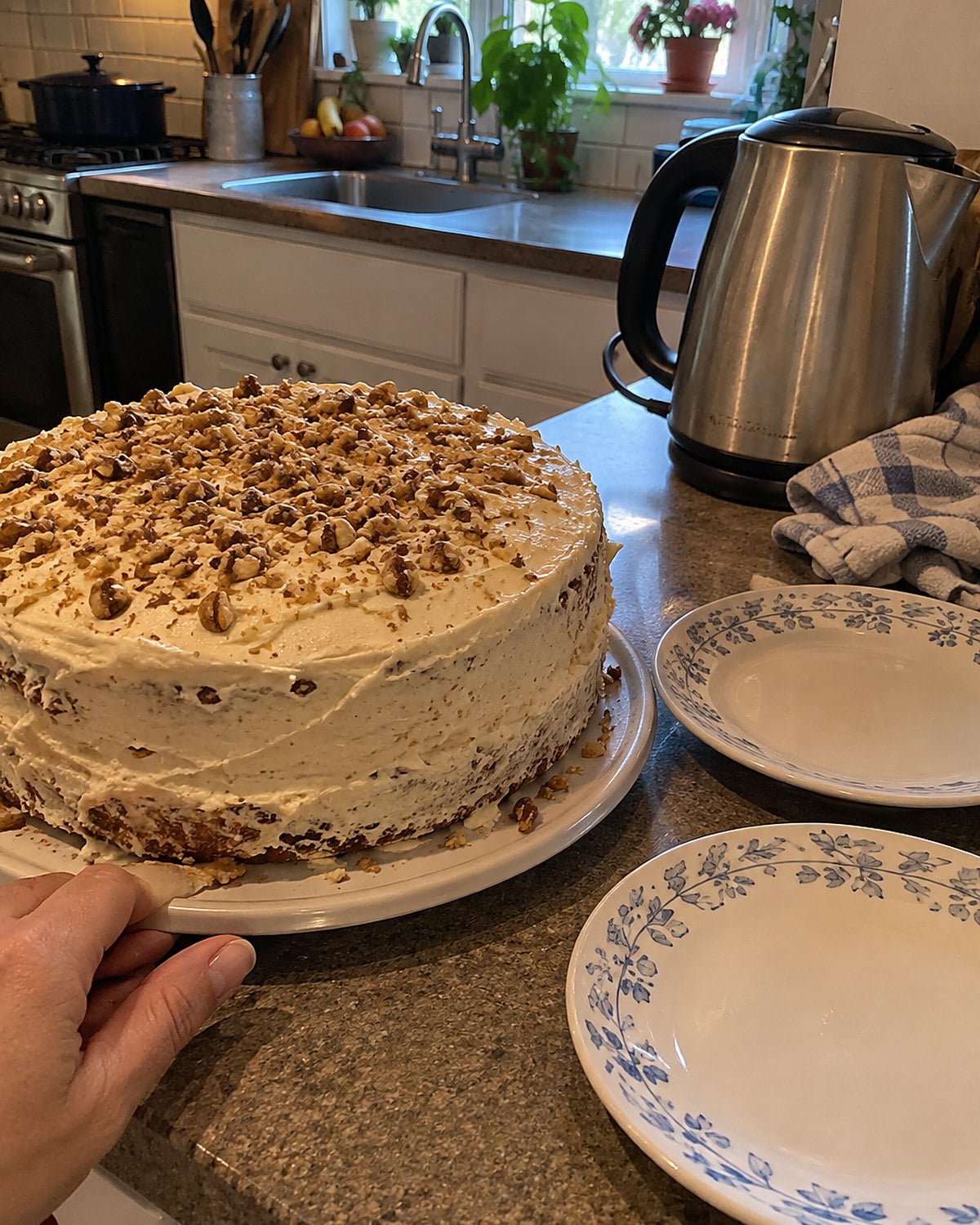
You cleared the dinner plates and brought out dessert anyway. People said they were full, then asked for a small slice. When the table shrinks, a whole cake or pie can feel like a promise you have to keep eating.
Try serving dessert later, after the dishes are done and someone has put the kettle on. Ask who wants a piece before cutting it. An uncut cake stays neater than a plate of hopeful slices.
If you want the Sunday sweet without the long aftermath, bake in a smaller pan using a recipe written for that size. Baking times change with pan depth, so watch the center rather than borrowing the time from your old large-pan recipe.
There is no rule that dessert has to arrive while the dinner plates are still warm. Bring it out when somebody asks for coffee. Dessert gets to be wanted again.
#10 The Church Hall Casserole Table
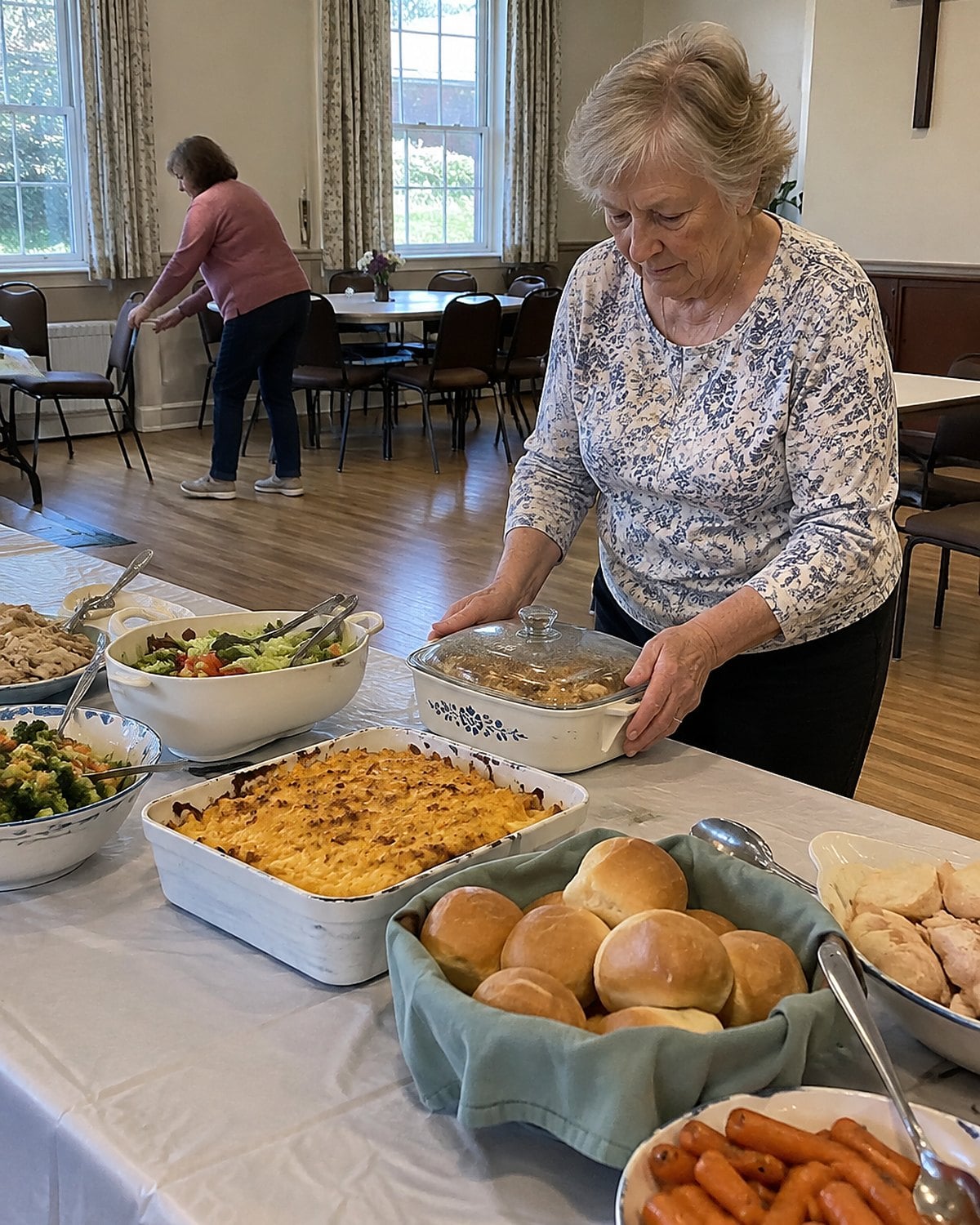
Where does the big casserole go when your own table no longer needs it?
In the church hall, you didn't need to explain your dish. You set it among the others, found a serving spoon, and saw what came home. The nearly empty pan told you more than a compliment.
That kind of meal gave a household a place to send its extra food. Look for a real occasion to cook the old large recipe: a church supper, a neighbor recovering from illness, or a family visit. Ask first about food needs and timing. Then pack it in containers the recipient can lift and store.
A trip across town changes what you need to think about. The FDA's food safety guidance covers transporting food and serving it at a buffet. Check it before you load the car, especially if the dishes will sit out when you arrive.
Bring the serving spoon, too. You remember what happens when the casserole gets there without one.
#9 The Recipe Card With Eight Servings
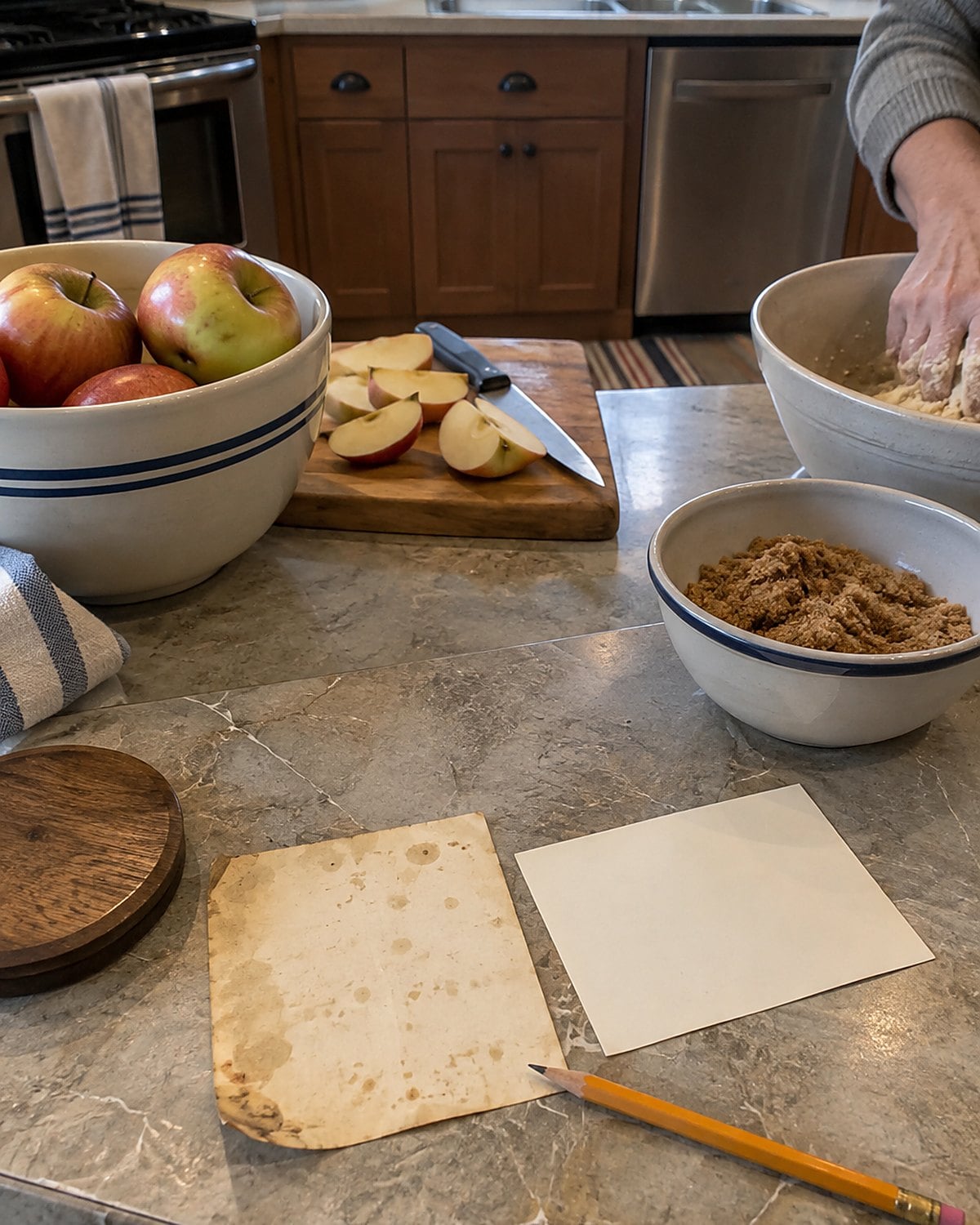
The card says eight servings in a relative's handwriting, with an oil stain across the bottom corner. You trust the flavor. The serving count belongs to a different table.
Write a smaller batch on a separate card rather than squeezing new numbers into the old directions. Halving a recipe marked for 8 gives you 4 servings, but the arithmetic doesn't settle the baking. A smaller dish changes how deeply the food sits and how quickly its edges cook.
An egg is another place to pause. For a custard or baked casserole, use the original recipe when people are coming. On an ordinary Sunday, find a tested smaller recipe that names the pan size. A county extension office can help when you need to check a conversion.
Keep the stained card. It records the meal you grew up making. The new card records the meal you're making now. Both belong in the box.
#8 The Ham Bone Saved for Soup
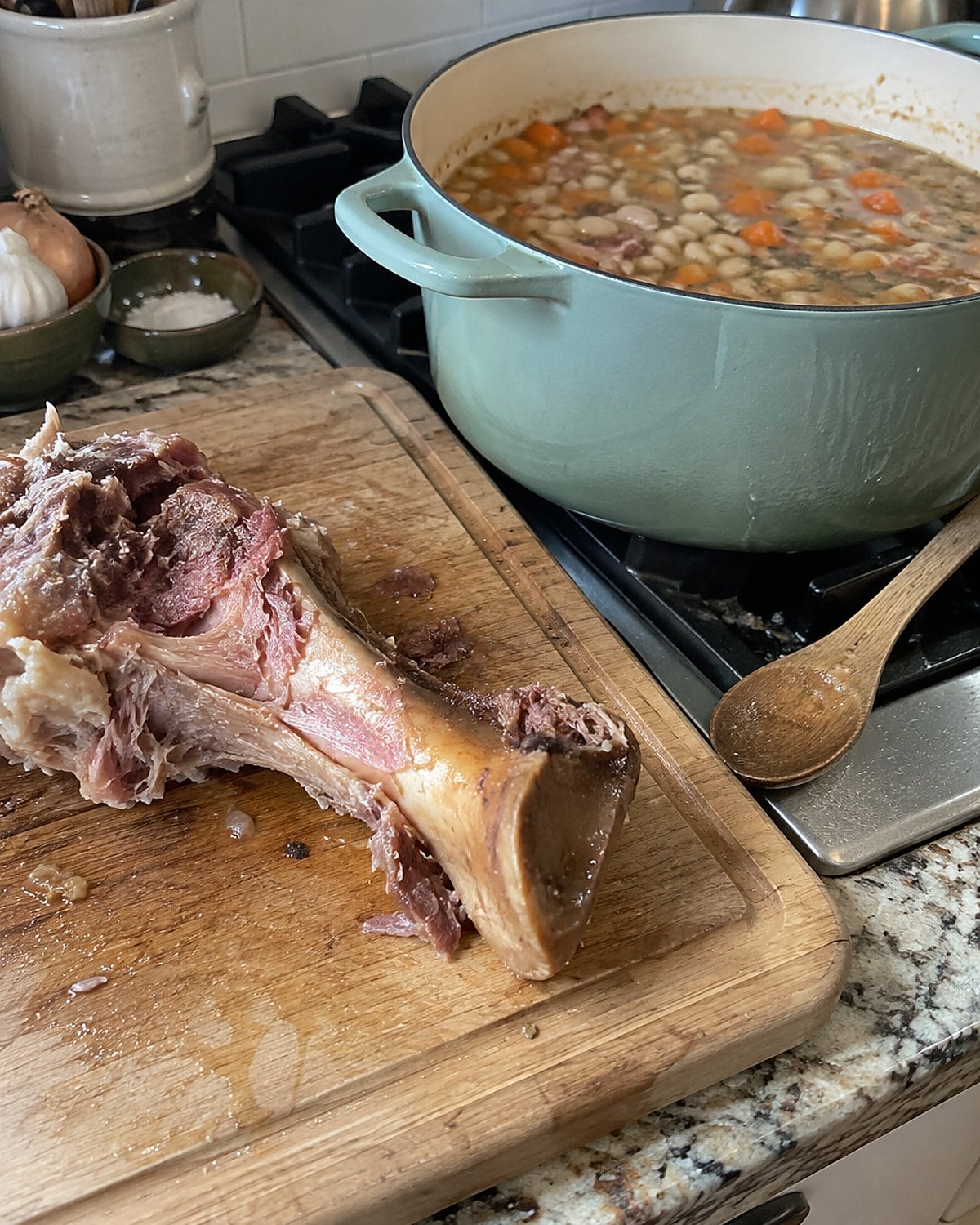
The ham was carved, the bone wrapped, and everybody knew soup was coming. If the bone is still in your freezer, give it a plan instead of letting it disappear beneath frozen peas.
Use it to flavor a pot of beans or split peas, then pull the bone out and strip off the meat. Taste the broth before salting; ham brings plenty on its own. If the soup seems thin, mash some beans against the side of the pot and stir them back in.
Freeze leftovers in meal-sized containers, leaving space at the top for the liquid to expand. Label each one before it goes in. When you find an older container, compare its date with the USDA's cold storage chart instead of guessing from its lid.
Soup is a fine Sunday dinner for two, especially when the bone has already done its work.
Try it: Instant Pot Ham And Beans
#7 The First Slice Given Away
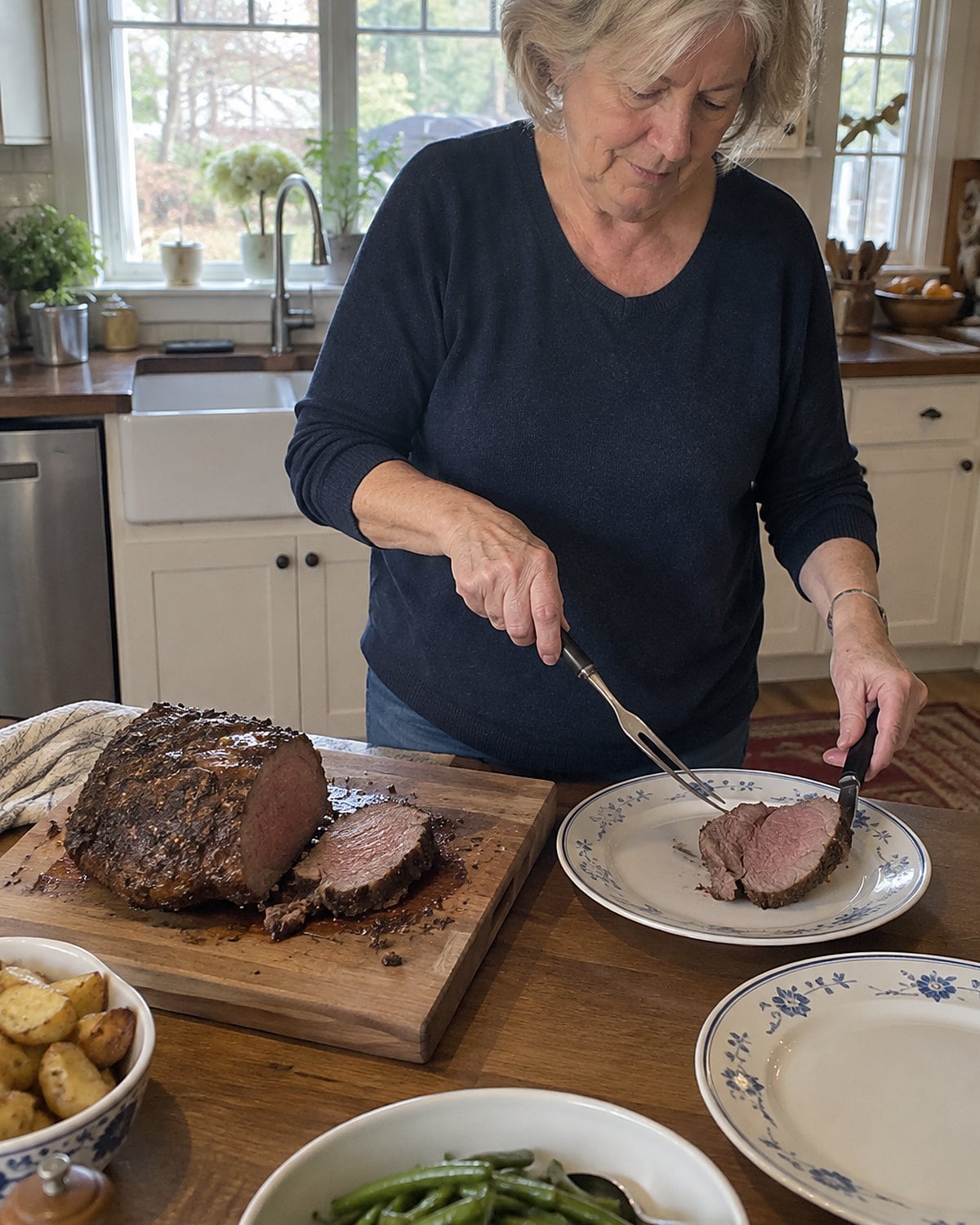
The first slice of roast used to go to someone else. You carved, passed the platter, and waited. Sometimes your own plate got the ragged end.
Try a small change while the meat rests: put your plate beside the carving board. When the first slice comes free, decide if it's the one you want. If someone joins you, put the platter down and let each person choose.
If a guest needs help cutting, help them. You don't have to surrender your meal to prove you're the host. The person at the stove has been there for the whole cooking time, including the part when everyone else was talking.
A good Sunday dinner should reach the cook while it's hot. Say it out loud if you need to: “I'm taking this piece.” Then sit down before you start fixing anyone else's plate.
#6 The Freezer Bag Without a Date
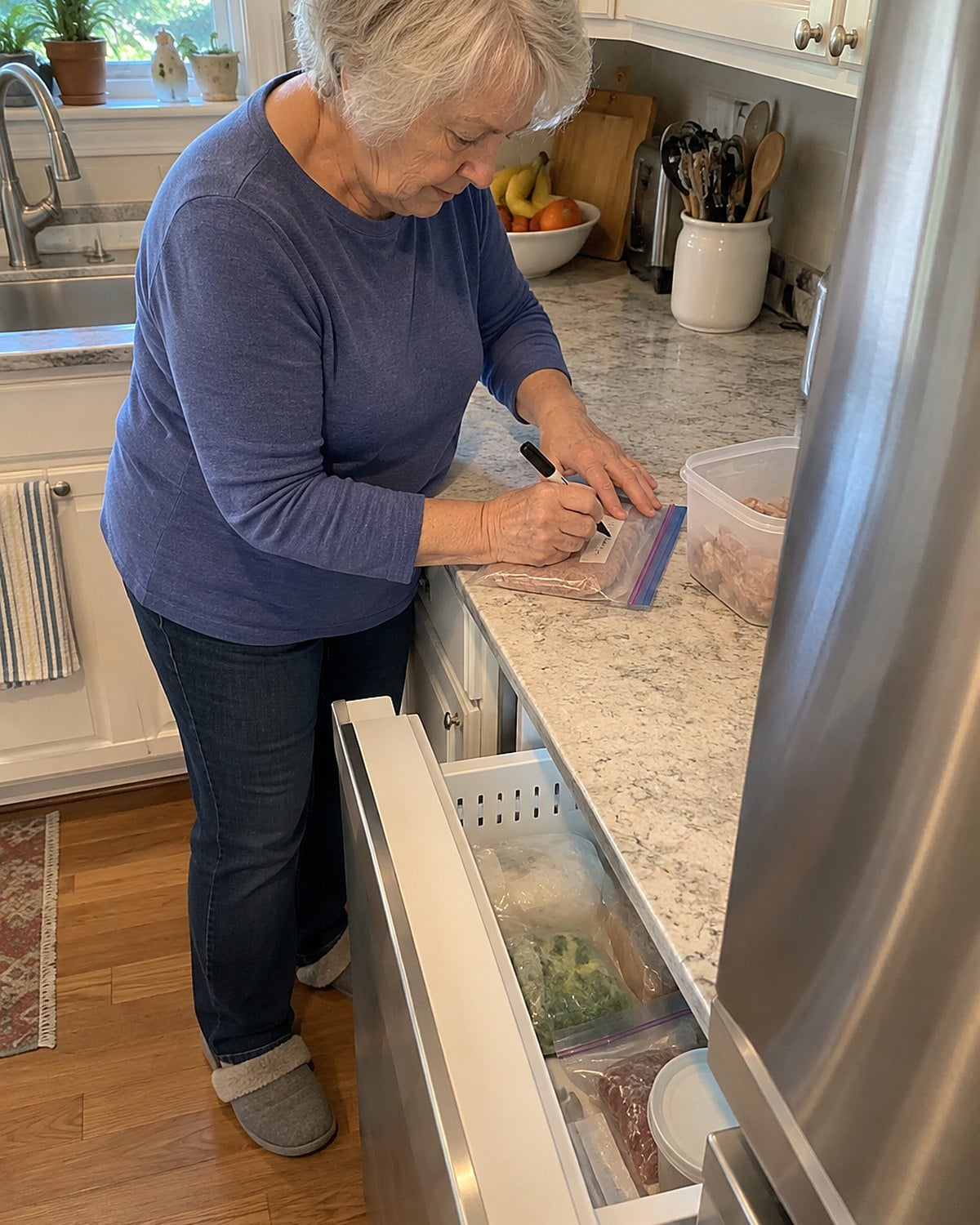
You know the bag contains something from Sunday. The trouble is knowing which Sunday, and whether it's cooked chicken, broth, or a sauce you meant to finish.
Keep a marker beside the freezer bags. Write the contents and date before you fill one, while the surface is flat and dry. Portion food for the meals you'll eat, then get it into the fridge promptly.
Don't leave the roast on the counter while you hunt for matching lids. The USDA's leftovers guidance says to refrigerate leftovers within 2 hours and use refrigerated leftovers within 3 to 4 days. If those days won't fit your plans, label a portion for the freezer.
The freezer doesn't need to be perfectly organized. A front corner for the meals you want next week keeps good food from getting buried. On a busy evening, a dated bag is a dinner decision already made.
#5 The Serving Bowl Too Heavy to Lift
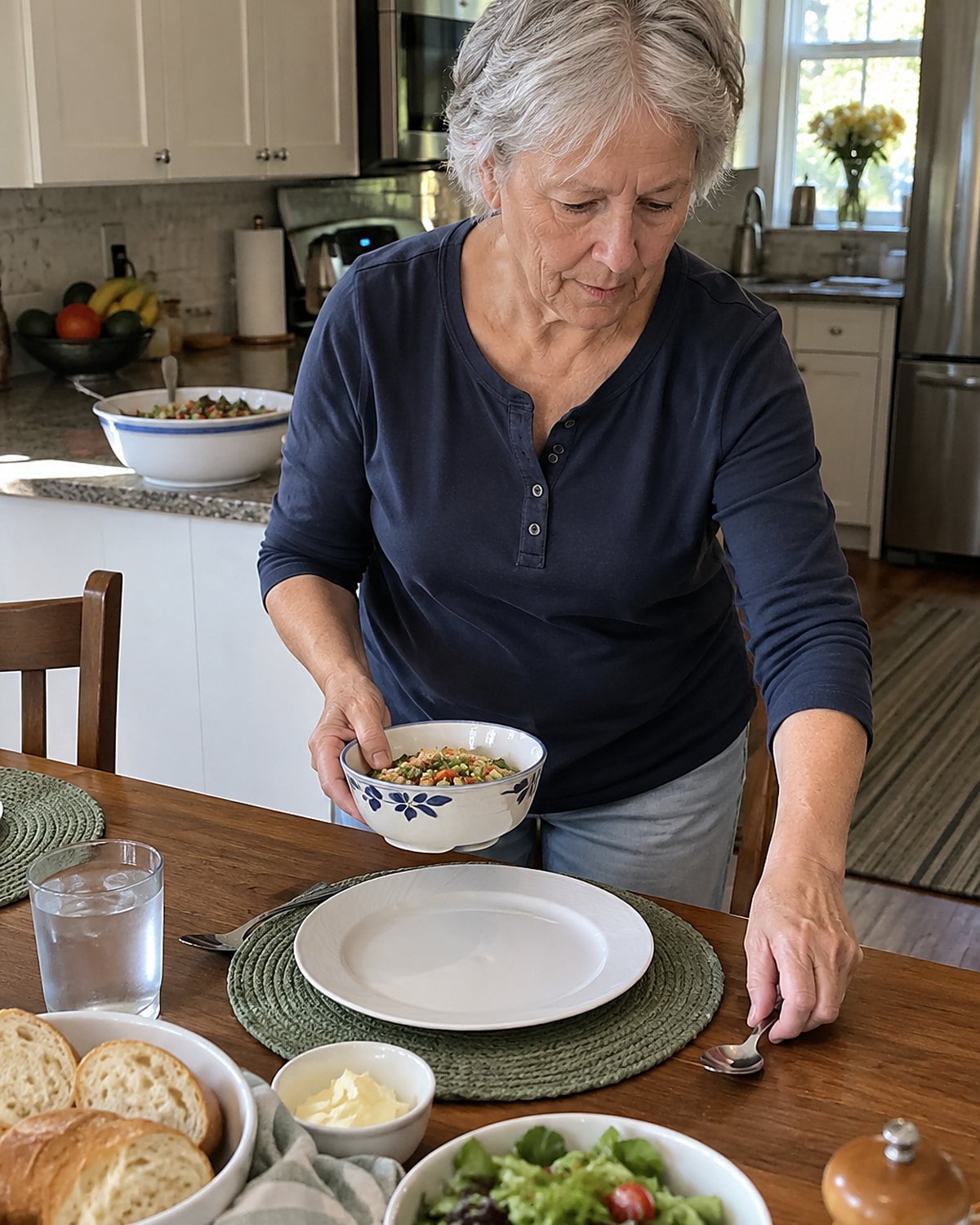
The big bowl looked right in the center of a crowded table. Now it's awkward to carry from the sink, and you need both hands to pass it across two places.
Use a smaller bowl and leave the rest of the food in the kitchen. A 2-quart bowl takes less room than a 4-quart tureen. People can ask for seconds. That gives you a table with space for elbows, water glasses, and the salt somebody always wants.
If the old bowl matters to you, use it when family comes. Store it where you can reach it without standing on a step stool. Sunday doesn't need an impressive centerpiece at the cost of your grip on a heavy dish.
#4 The High Chair Pulled to the Table
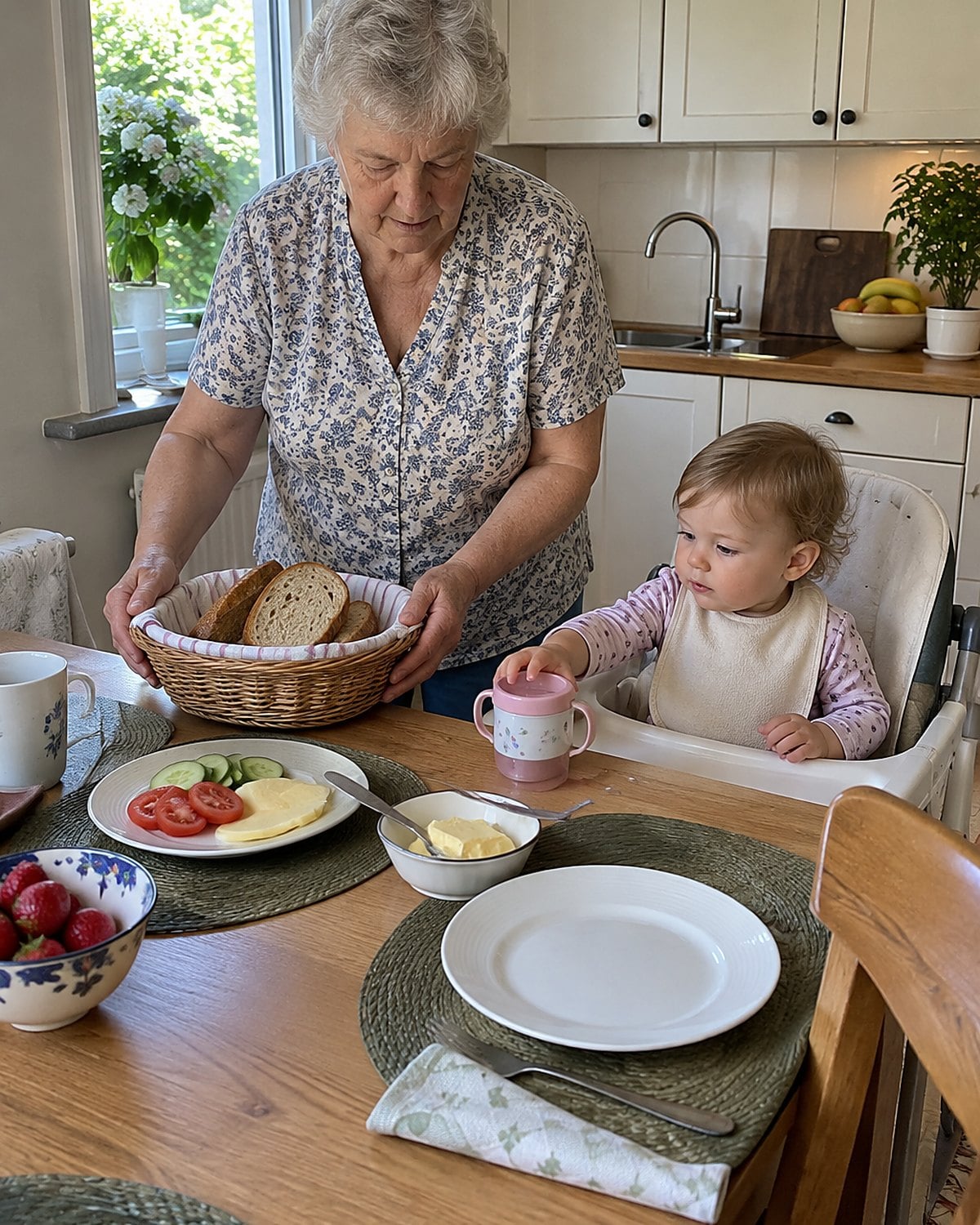
A grandchild's visit brings back the old bustle, but it doesn't bring back the old meal schedule. Someone needs a nap. Someone refuses the potatoes they ate happily last time. Meanwhile, your roast is ready.
Make room for the child without putting dinner on trial. Ask the parent what the child eats now, and keep a familiar food available. Let the child see what's on the table. Nobody needs a speech about trying a bite.
If the high chair is coming out of storage, check its straps and stability before Sunday. Look up an older chair on the Consumer Product Safety Commission recall site before you use it.
Then serve dinner when the food is ready. A visit is already worth the cooking, even if a small guest eats bread and heads off to play. The grown-ups still get to enjoy the potatoes.
#3 The Sink Full of Leftover Containers
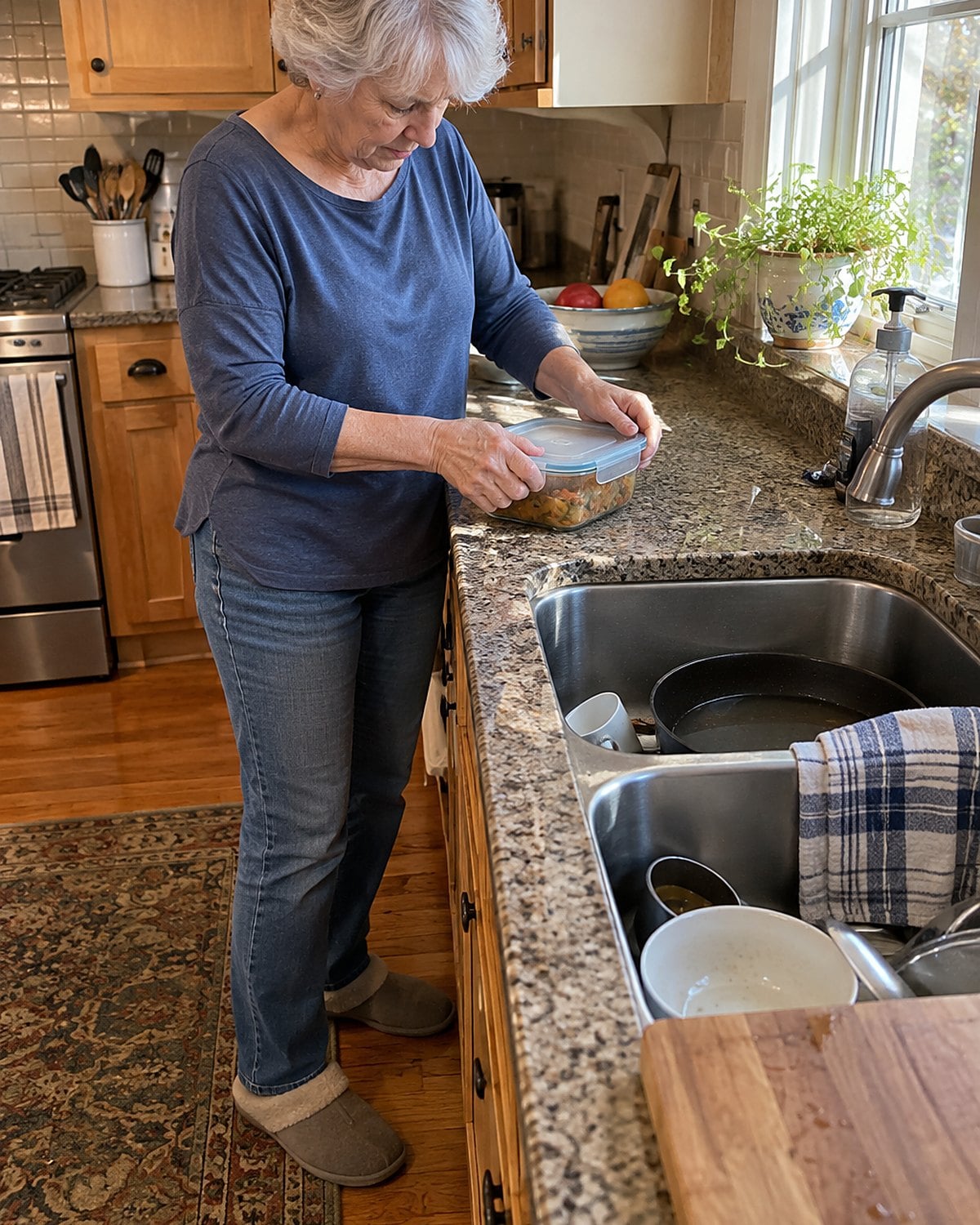
The meal is over, but the sink says otherwise. Every serving bowl has something left, and you've run out of lids that fit.
Put the food away before you sit down for a long visit. Use shallow containers so a large amount of hot food cools faster, and get perishables into a fridge at 40°F or below.
The fridge dial can't tell you what the shelf reads. Put a thermometer inside and check it. The FDA's refrigerator guidance explains where to check when your dial and thermometer disagree.
After that, leave the serving dishes for later. You know the difference between a kitchen that needs washing and food that needs attention now. Handle the food first, then go back to the conversation.
#2 The Plates Left on the Table
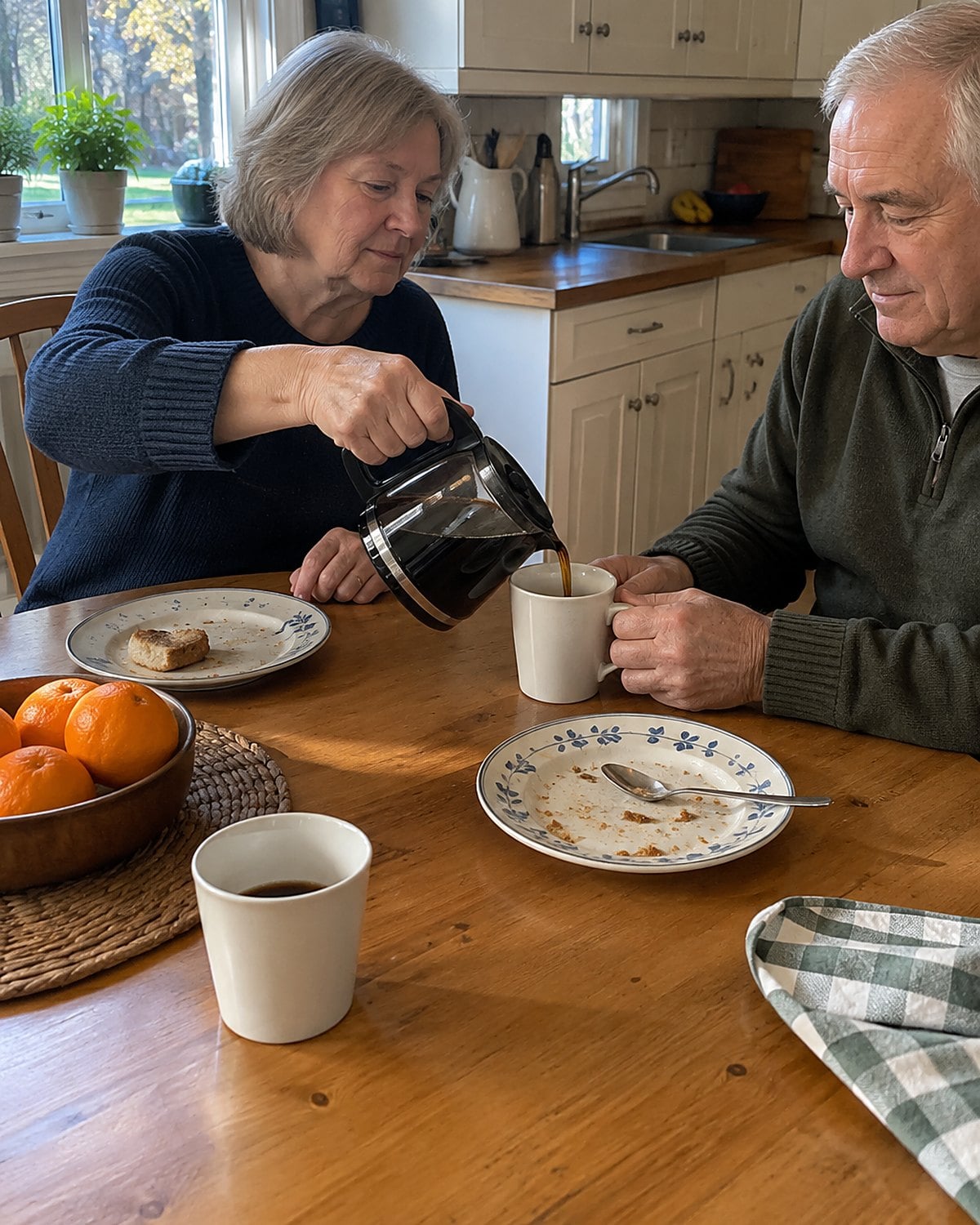
Remember when plates stayed out while everyone talked? The meal moved from roast to pie without anyone calling an end to it. At a smaller table, it's tempting to clear each plate the moment the fork goes down.
Leave the plates a little longer if the conversation is still going. Pour another cup of coffee. Ask a question you haven't heard answered a dozen times. A Sunday dinner can be shorter than it once was and still have an unhurried middle.
If you're eating alone, give yourself that pause, too. Set the plate down and look out the window before carrying it to the sink.
The dishes will wait. What did you used to hear around that table that you miss hearing now?
#1 The Invitation Left on the Counter
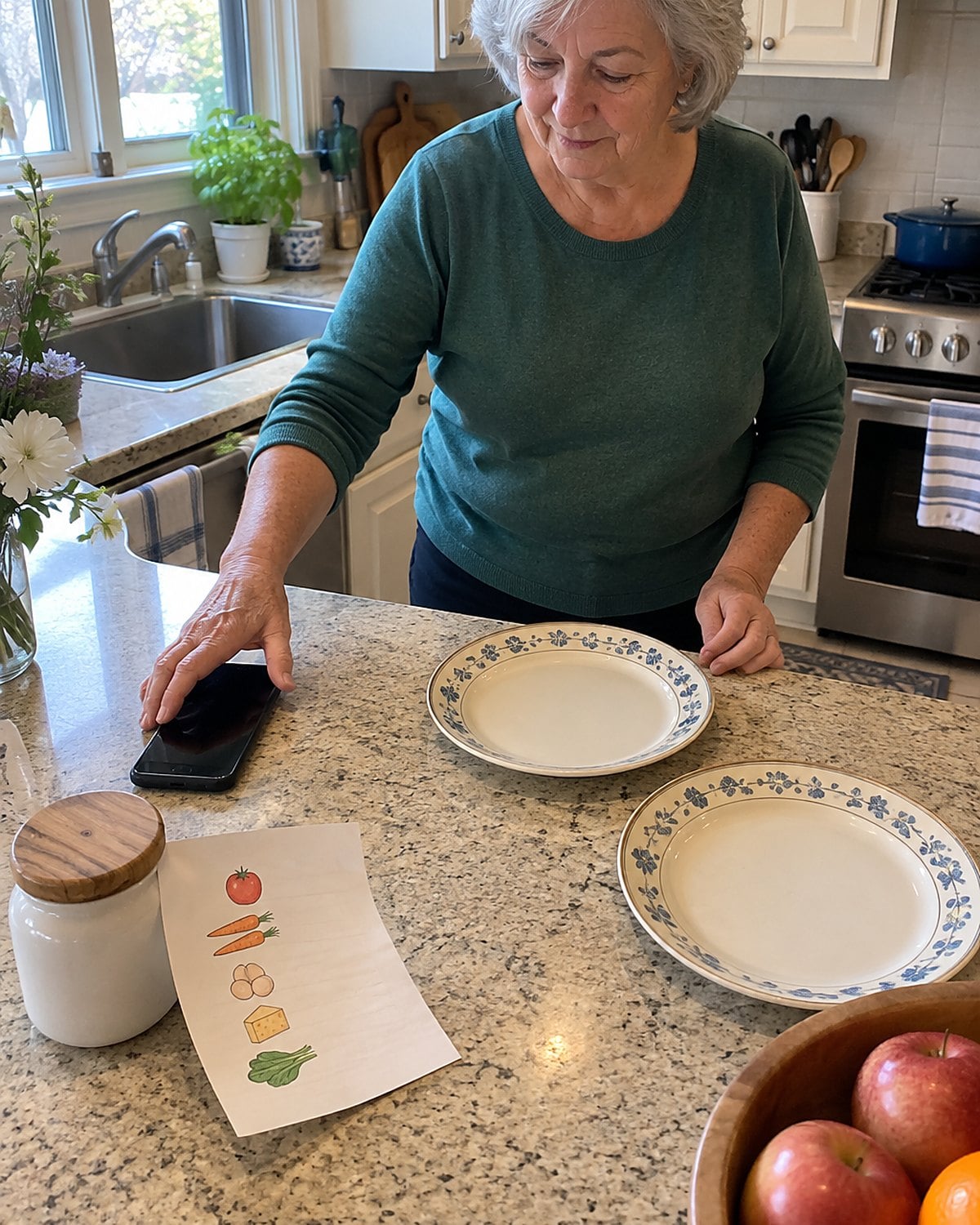
The old Sunday invitation needed no words. People knew when to arrive, which door to use, and where the extra chair lived. Once that arrangement ended, the open door remained, but nobody knew whether they were expected.
Put an actual invitation on the counter beside your grocery list. Choose the person you want to see, then send a short message: “I'm having Sunday dinner at five. Would you like to come?” Ask for a reply before you shop. That gives them a clear choice and gives you a chair to set.
If they can't come, offer another Sunday only if you want to. There is no need to explain the empty chair or promise a larger gathering next time. You have asked someone to share a meal. That's enough for one message.
When they say yes, tell them what to bring only if help would be welcome. “Bring yourself” works. So does “Could you bring the salad?” The useful part is the plain request. Nobody has to guess how to join you.
Write the time where you'll see it while cooking. Then set out the right number of plates. The doorbell, if it rings, won't catch you waiting for an answer.
The bottom line
Sunday dinner lost its old shape piece by piece. The pan, the recipe card, and the extra fork stayed long enough to make the change easy to miss.
You've already done the hard work of learning to cook for everyone else. Now the well-prepared version of you has checked the fridge, chosen what to keep, and asked someone to join her.
Which Sunday habit still earns a place in your kitchen, and which one can stay in the cabinet?

Leave a Reply