

Ever wonder why supermarket rotisserie chicken is so juicy while your homemade version sometimes needs a generous helping of gravy to make it seem less dry? The secret isn't always a fancy seasoning blend. Many grocery store chickens are injected with a salty solution before roasting.
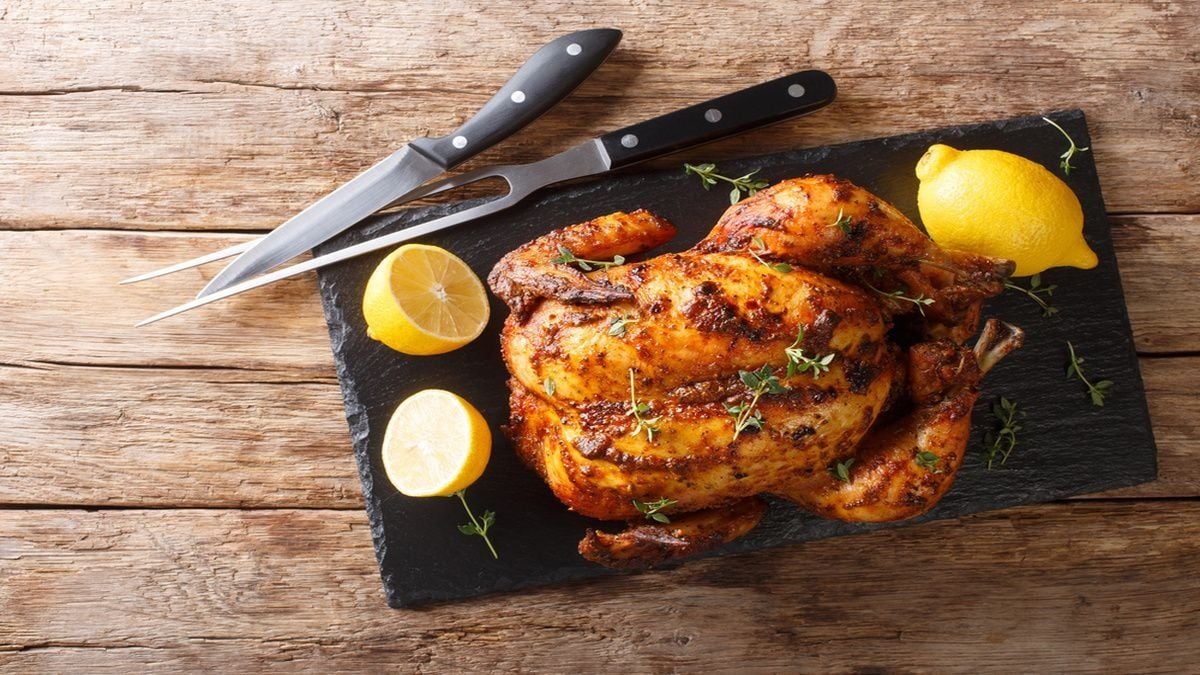
“Essentially, all rotisserie chickens are enhanced with a solution [injected into the bird] to keep the birds moist and tasty,” explains Tom Super of the National Chicken Council.
Thankfully, you don't need commercial equipment to improve your homemade chicken. A little salt and an overnight sleepover in the fridge can work wonders.
The Recipe: Overnight Dry-Brined Roast Chicken
Servings: 4–6
Prep time: 10 minutes
Refrigeration: 12–24 hours
Cooking time: Approximately 60–90 minutes
Ingredients
- 1 whole, unenhanced chicken (approximately 4 pounds), fully thawed
- 4 teaspoons Diamond Crystal kosher salt (approximately 12 grams)
- 1 tablespoon olive oil (optional)
- Black pepper, to taste (optional)
Before you start: Use approximately 1 teaspoon Diamond Crystal kosher salt per pound of chicken. Morton kosher salt is denser, so use less. Check the packaging first. If your chicken already contains an added salt solution, don't use the full dry-brine amount.
Instructions
- Prepare the chicken. Pat it dry with paper towels and place it on a wire rack over a rimmed baking sheet.
- Season generously. Sprinkle the salt evenly over the chicken, including beneath the skin where possible.
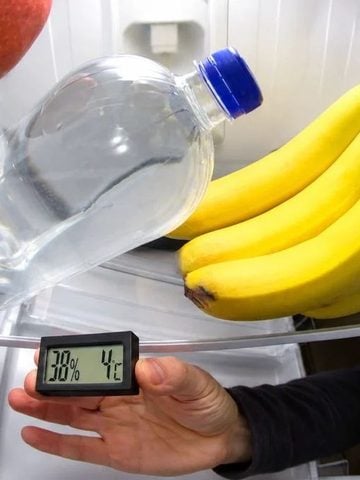
- Refrigerate overnight. Leave the chicken uncovered in the refrigerator for 12–24 hours. Keep your refrigerator at 40°F or below.
- Preheat the oven. Set it to 425°F. Keep the chicken refrigerated until you're ready to roast. Rub with olive oil and black pepper if desired.
- Roast the chicken. Place it in the oven and roast for approximately 60–90 minutes. Start checking the internal temperature after 50 minutes, since cooking times vary depending on the chicken's size and your oven. Don't rely on the clock to determine doneness.
- Check for doneness. Insert a food thermometer into the innermost part of the thigh and wing and the thickest part of the breast, avoiding bone. All three locations must reach at least 165°F.
- Rest before carving. Let the chicken rest for 10–15 minutes. This also gives you enough time to stop everyone from picking at the crispy skin.
Food safety: Raw chicken must remain refrigerated during dry brining. The USDA identifies 40–140°F as the temperature Danger Zone, where bacteria grow rapidly. Don't leave the chicken sitting on the counter overnight.
Why Grocery Store Rotisserie Chicken Tastes Different
Many supermarkets inject chickens with a salty solution before roasting.
Poultry producers have used this technique since the 1970s, a practice sometimes called “plumping”. Some solutions contain ingredients that help retain added moisture during storage and cooking.
In other words, supermarket chickens sometimes get a head start before they even reach the oven. No wonder your plain chicken feels a little outmatched.
What's Actually in That Injection?
Published ingredient lists for Costco's Kirkland rotisserie chicken have included water, sodium phosphate, modified food starch, potato dextrin, carrageenan, sugar, dextrose, spice extractives, and salt. Ingredients can change, so check current packaging.
Sodium levels also vary considerably.
Consumer Reports found sodium can range widely by retailer. Its reported figures per 3-ounce serving included:
- Sam's Club: 550 mg
- Costco: 460 mg
- Kroger Simple Truth: 40 mg
These figures reflect the products reviewed, not necessarily today's recipes.
Why Overnight Dry Brining Works
Dry brining is simply salting chicken ahead of cooking.
Salt initially draws moisture to the surface. Over time, the salty liquid is reabsorbed, seasoning the meat more deeply and helping proteins retain moisture during roasting.
Leaving the chicken uncovered also helps dry the skin, making browning even better and more crispy.
As Jess explained to Tasting Table, dry brining lets you “actually taste every flavor instead of it being watered down by excess moisture.”
Aim for 12–24 hours. Milk Street recommends not exceeding 24 hours. Your fridge handles the hard work while you do something considerably more enjoyable.
Check the Label Before Buying
USDA FSIS requires raw poultry containing added solutions to identify the ingredients and percentage beside the product name.
If you aren’t sure what to look for, here's an example: Injected with up to 12 percent of a solution of water, salt, and phosphates.
The FSIS added-solution labeling rule had a uniform compliance date of January 1, 2016.
Checking the label helps you avoid accidentally oversalting an already salty chicken.
The Bottom Line
The rotisserie chicken secret often starts with an injected solution, but you can improve homemade chicken with something already sitting in your kitchen.
Salt an unenhanced chicken with approximately 1 teaspoon Diamond Crystal kosher salt per pound, refrigerate uncovered for 12–24 hours, and roast until the thigh, wing, and thickest breast all reach 165°F.
No special equipment, no mystery ingredients, and hopefully no emergency gravy!


Leave a Reply