

Buying prime rib for Christmas dinner can feel like making a small investment. A reported Costco price for a full case of bone-in beef rib in May 2026 was approximately $12.99 per pound, while another 2026 estimate put warehouse prime rib at around $16 per pound.
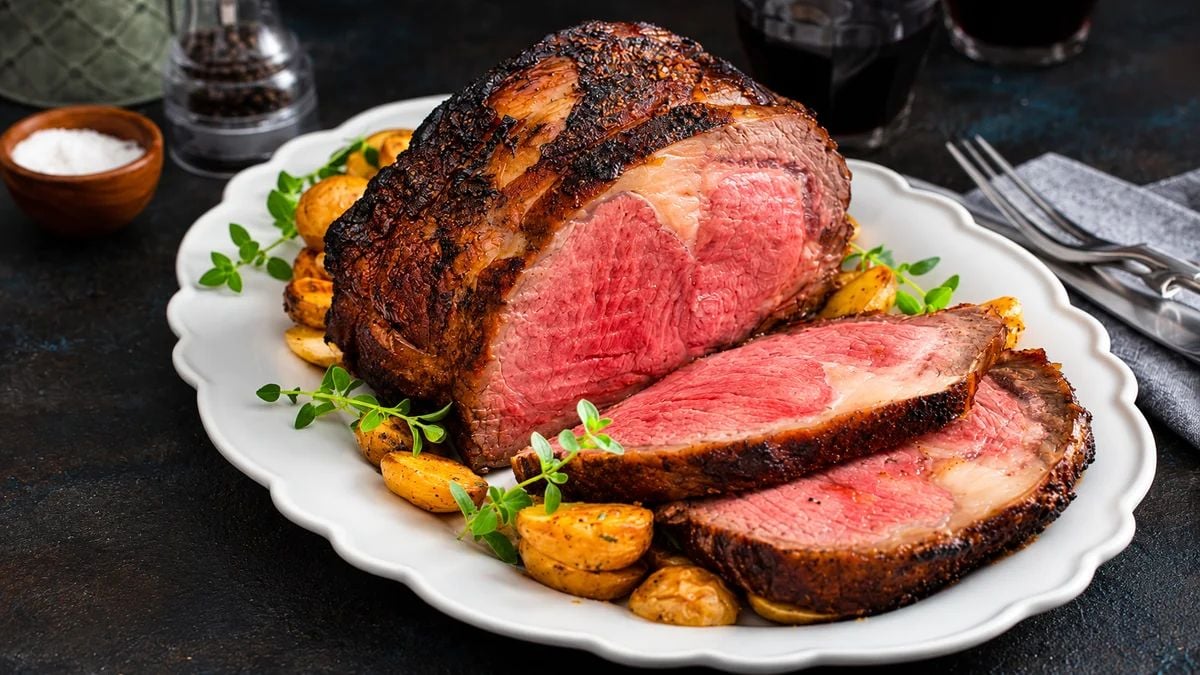
At those prices, nobody wants to serve a roast that requires more chewing than conversation.
Three common mistakes can ruin this expensive centerpiece: searing too early, skipping the day-ahead salting, and cooking without a meat thermometer. Fix those, allow enough resting time, and you'll give your holiday roast a much better chance of living up to its price tag.
1. Searing the Prime Rib at the Start
For years, home cooks have been told that searing meat first locks in its juices. Unfortunately, browning meat doesn't create a seal that traps moisture inside.
Chef-sourced cooking guidance published by Tasting Table warns against searing prime rib at the beginning, which can contribute to an overcooked gray band beneath the crust.
The alternative is called reverse searing. Instead of blasting the meat with high heat immediately, you save the browning for the end.
Traditional reverse searing involves two stages:
- Slow roasting: Cook at around 200–250°F until the roast approaches the intended internal temperature.
- Final searing: Increase the oven temperature to approximately 500–550°F to develop a browned, crisp exterior.
However, traditional low-temperature reverse searing differs from USDA guidance, which recommends an oven temperature of at least 325°F for roasting beef. For a USDA-aligned approach, roast at 325°F and finish with high-temperature browning, monitoring doneness carefully.
The USDA's guide to Roasting Those "Other" Holiday Meats provides additional safety guidance for preparing holiday roasts.
2. Skipping the Day-Ahead Dry Brine
Chef Jean-Pierre identifies skipping the 24-hour dry brine as a common prime rib mistake.
Salting shortly before cooking doesn't give the seasoning much time to penetrate. Dry brining helps season the meat more deeply, retain moisture, and dry the surface for better browning.
Chef Maricel Gentile recommends allowing 24–48 hours for this preparation.
Here's how to do it:
- Pat the roast dry with paper towels.
- Season it generously and evenly with kosher salt.
- Place it on a wire rack over a rimmed tray.
- Refrigerate uncovered for 24–48 hours at 40°F or below.
Keep the roast on the bottom shelf to prevent raw meat juices from contaminating other groceries.
Forgot to salt it yesterday? Chef Jean-Pierre recommends salting at least a few hours before cooking if you cannot manage the full 24 hours.
It's one Christmas preparation your refrigerator can handle without asking you a dozen questions.
3. Cooking Without a Meat Thermometer
When you've spent close to $100 on dinner, guessing is not a particularly good cooking strategy.
Cooking times vary depending on the roast's size, thickness, starting temperature, and oven accuracy. Even two similarly sized roasts can finish at different times.
An instant-read digital thermometer works well. A leave-in or Bluetooth thermometer makes monitoring even easier without repeatedly opening the oven.
Insert the probe into the thickest part of the meat, avoiding bones and large pockets of fat.
According to the USDA's Safe Minimum Internal Temperature Chart, raw beef roasts must reach at least 145°F before being removed from the heat source.
Check the temperature before the estimated finishing time, and monitor it closely during the final sear.
Why Prime Rib Needs Time to Rest
The USDA's guide to How Temperatures Affect Food recommends resting beef roasts for at least three minutes after reaching the minimum safe internal temperature.
However, three minutes is the safety minimum.
Many cooking guides recommend resting prime rib for 15–20 minutes before carving, while chef Thomas Keller reportedly recommends approximately half an hour.
Carryover cooking can raise the internal temperature by roughly 7–10°F, particularly with conventional roasting. Lower-temperature reverse searing generally produces a smaller increase.
Never rely on carryover cooking to reach the USDA's minimum safe temperature.
Resting also helps reduce moisture loss when carving. Tell everyone dinner needs another few minutes. They'll survive.
What Does Costco Prime Rib Actually Cost?
Reported 2026 Costco prices include approximately $12.99 per pound for a bone-in beef rib full case in May and around $16 per pound in another warehouse price estimate.
There is no standardized nationwide holiday price. Location, cut, beef grade, and package size all influence what you'll pay.
Check your local warehouse before finalizing your Christmas dinner budget.
The Bottom Line
Dry brine uncovered for 24–48 hours whenever possible. Traditional reverse searing uses 200–250°F followed by a 500–550°F finish, although USDA recommends roasting at 325°F or higher.
Confirm an internal temperature of 145°F, then rest for at least three minutes, preferably 15–30 minutes. Remember that carryover cooking can add 7–10°F, depending on the cooking method.
You've already splurged on the roast. A little salt, a thermometer, and some patience are considerably cheaper than replacing it.
Leave a Reply