

According to the USDA, refrigerators should be set to maintain 40°F or below throughout the entire appliance. Perishable foods held above 40°F for more than two hours should not be consumed.
However, not every shelf stays equally cold. The refrigerator door is generally the warmest spot, making it a poor choice for several everyday groceries.
Those convenient egg holders and butter compartments might suggest otherwise. Apparently, refrigerator designers and food storage experts don't always agree.
Why the Refrigerator Door Is the Warmest Spot
Ohio State University Extension explains that the warmest area is the shelf space in the door, while the back is typically the coldest. Its guidance recommends temperatures below 41°F, although the USDA's 40°F limit is stricter.
The University of New Hampshire Extension explains why the door is the warmest part of the fridge, identifying the back wall and bottom shelf as generally the coldest areas.
As food storage experts explain, “When the fridge door opens, all the foods and beverages stored there encounter the warmer air of the kitchen.”
Repeated temperature fluctuations can shorten the freshness of sensitive groceries.
Six Foods You Should Never Store in the Fridge Door
Registered dietitian Kathleen Benson's food storage advice, shared by Reader's Digest, identifies several everyday perishables that benefit from more consistent refrigeration.
1. Milk
Milk cartons fit beautifully into refrigerator door bins, but convenience can come at a cost.
Homes & Gardens explains that milk and other dairy products are particularly sensitive to temperature fluctuations. Repeated exposure to warmer air can accelerate spoilage and compromise freshness.
Store it instead: On an interior shelf toward the back, where temperatures are generally more consistent.
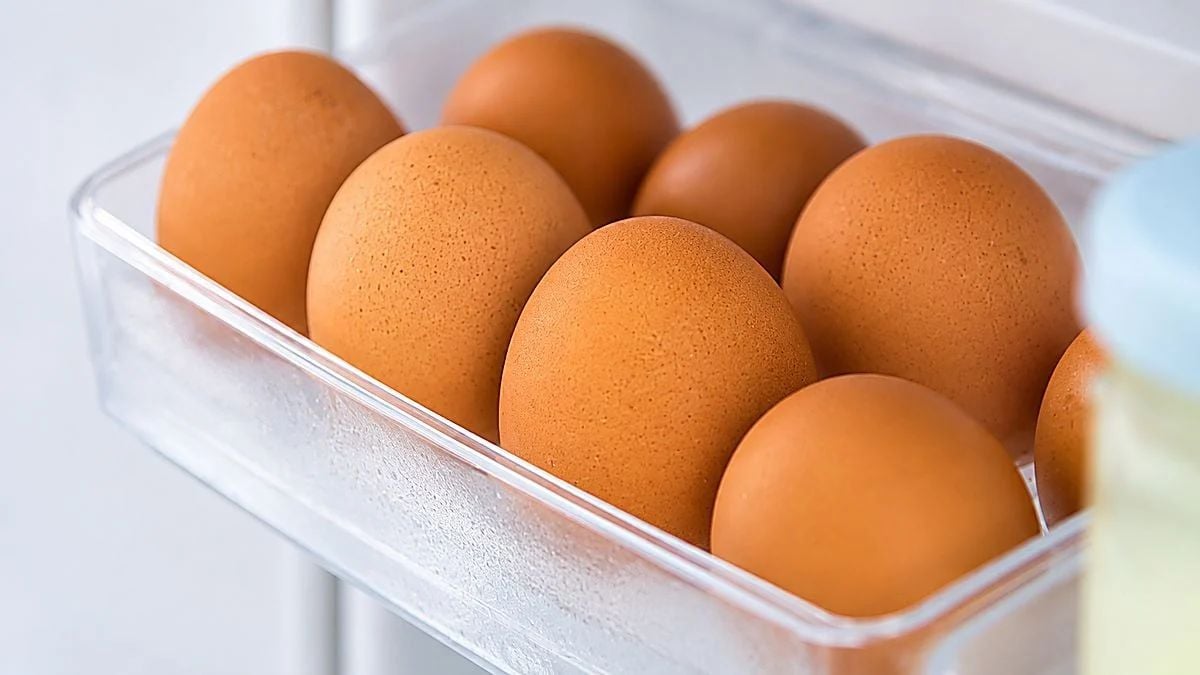
2. Eggs
That built-in egg holder might look useful, but your eggs are better off elsewhere.
Ohio State University Extension recommends keeping eggs in their original carton in the coldest part of the refrigerator.
“Eggs should be stored in their carton on a shelf.”
Store them instead: In their original carton on an interior shelf toward the back.
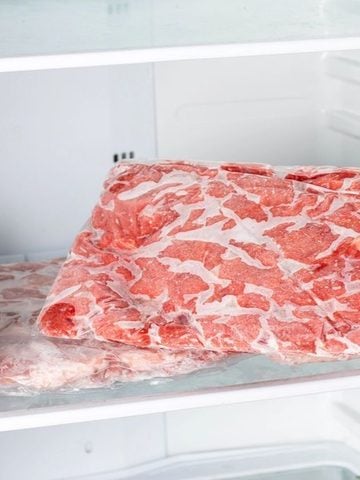
3. Raw Meat
Raw meat needs consistently cold storage. Leaking packaging can also contaminate other groceries.
Store it instead: On the bottom interior shelf in a sealed container or leakproof tray.
4. Seafood
Fresh fish and shellfish are highly perishable, making fluctuating temperatures particularly undesirable.
Store it instead: On the bottom interior shelf in a securely sealed container, separated from ready-to-eat foods.
5. Leftovers
Last night's dinner deserves better than being squeezed between the ketchup and mustard.
Keep leftovers at 40°F or below. Discard them if they've been above 40°F for more than two hours.
Store them instead: In covered containers on an interior shelf above raw meat and seafood.
6. Butter
Butter is easily overlooked because many refrigerators have a compartment specifically designed for it.
Reader's Digest explains that temperature fluctuations can affect butter's texture and freshness.
Store it instead: Wrapped or covered on an interior shelf, particularly for longer storage.
Why That Built-In Butter Compartment Is Misleading
Unlike milk and raw meat, butter is less sensitive to short-term temperature fluctuations.
According to Benson, keeping butter in the refrigerator door is acceptable if you expect to use it within about a week. For longer storage, the main compartment is preferable.
Repeated warming and cooling can affect its consistency and accelerate quality deterioration.
If you buy butter in bulk, give those extra sticks a more permanent home inside the refrigerator.
What Should You Keep in the Refrigerator Door?
The University of New Hampshire Extension recommends reserving door shelves for condiments such as ketchup, mustard, and mayonnaise.
“The door is best for foods that are less temperature-sensitive, such as condiments, pickles, jams and bottled drinks.”
Always follow individual product storage instructions.
At least your collection of half-empty mustard bottles finally has a proper home.
Give Your Refrigerator a Five-Minute Reset
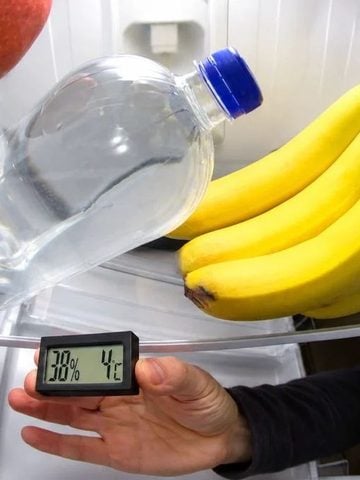
- Check the temperature. Use a refrigerator thermometer to confirm temperatures remain at 40°F or below.
- Move milk and eggs. Place them on interior shelves toward the back.
- Keep eggs in their original carton. USDA guidance recommends using refrigerated raw shell eggs within three to five weeks of purchase.
- Reorganize the door. Reserve those convenient shelves for condiments, pickles, jams, and bottled drinks.
The Bottom Line
Keep your refrigerator at 40°F or below, and discard perishable foods held above 40°F for more than two hours.
The door is generally the warmest spot, so move milk and eggs inside and save those door shelves for condiments. A little rearranging could help your groceries stay fresh longer and save you money.

Leave a Reply