

At eleven on Sunday, the kitchen window was fogged above the sink. Somewhere behind you, a pan hissed, and nobody had to announce what was for dinner. You knew from the hallway.
That smell was never one thing. It came from onions hitting fat, potatoes browning at the edges, and a cake cooling where somebody had put it out of reach. You can bring back pieces of it without cooking for the whole family that once filled the table. Start with the smell you miss most. Then give it room on the stove.
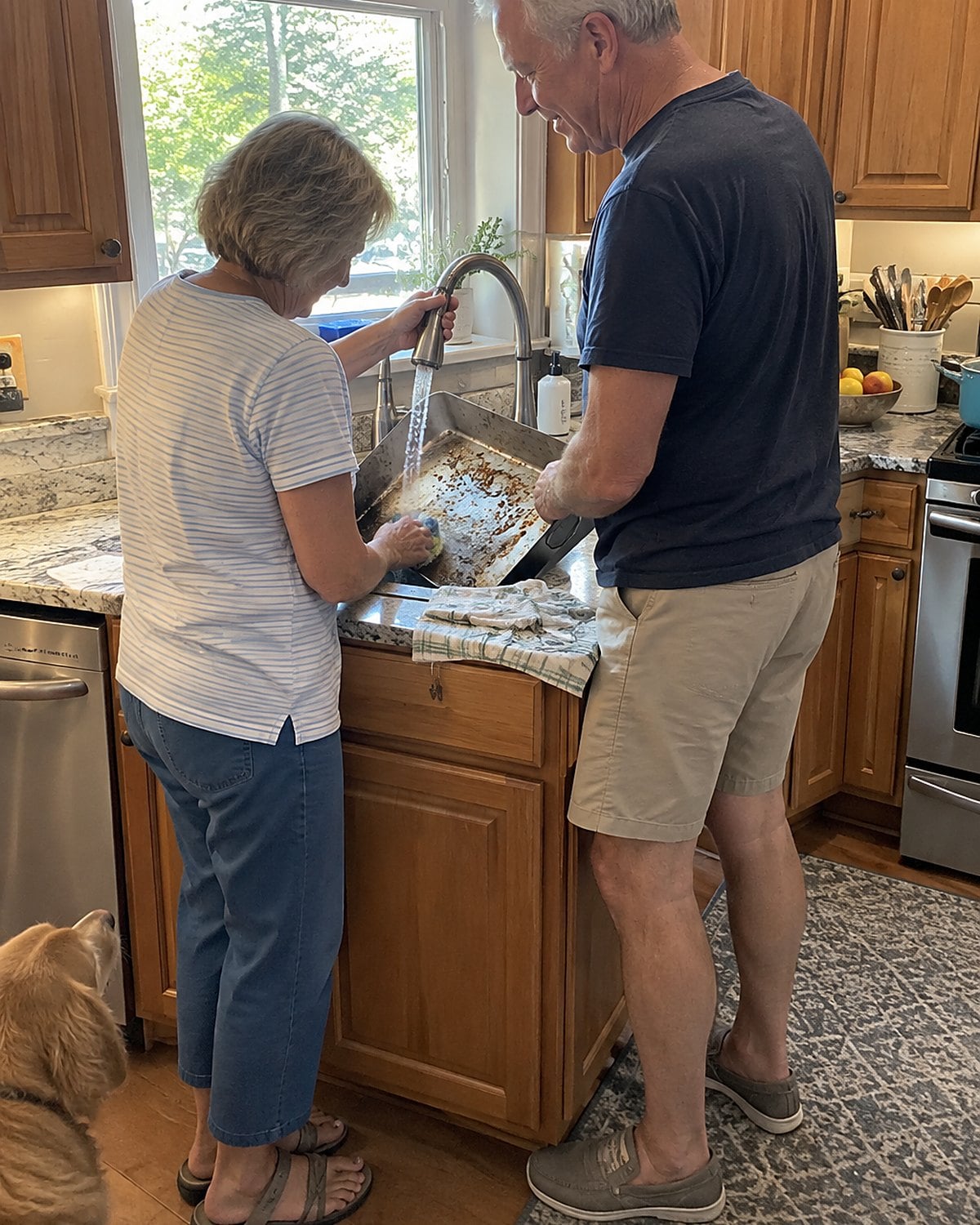
#27 The Onion That Started Supper
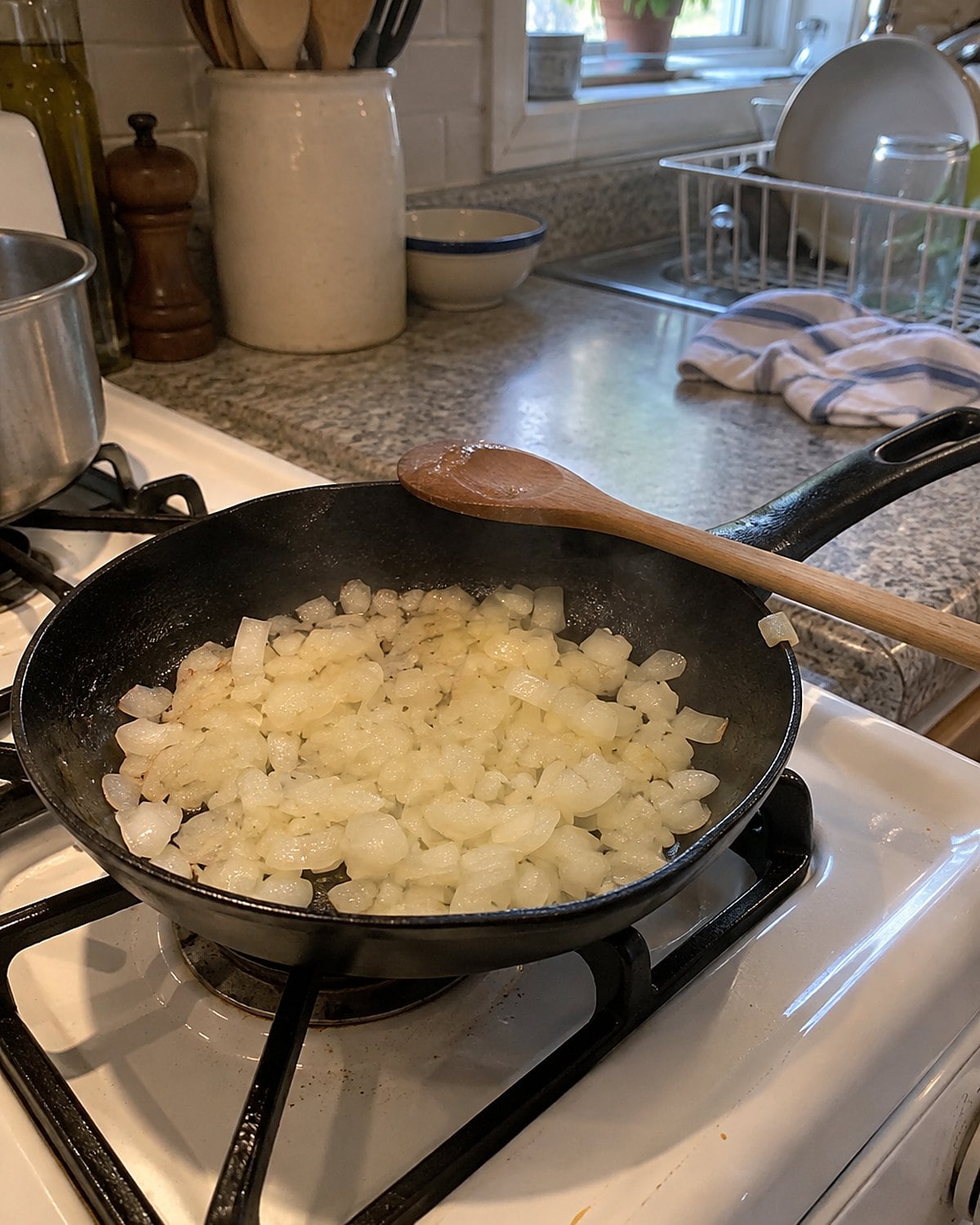
Before a pot of soup had a name, there was an onion in the pan. It hit warm fat, turned clear at the edges, and sent a smell down the hall. Anyone coming through the door knew supper had begun.
That smell changes as you cook. Over medium heat, onion first smells sharp and raw. As its water cooks off, it smells sweeter. Let the edges take on a little color and you get a deeper, roastier note. Stir before the browned bits turn black.
For a small supper tonight, chop half an onion and put it in a heavy pan with a little butter or oil. Give it several minutes before adding broth, beans, or anything wet. Pouring liquid in at once stops the browning.
If the pan smells good before the rest goes in, you’ve already done the part you remember.
#26 The Pepper Mill Beside the Stove
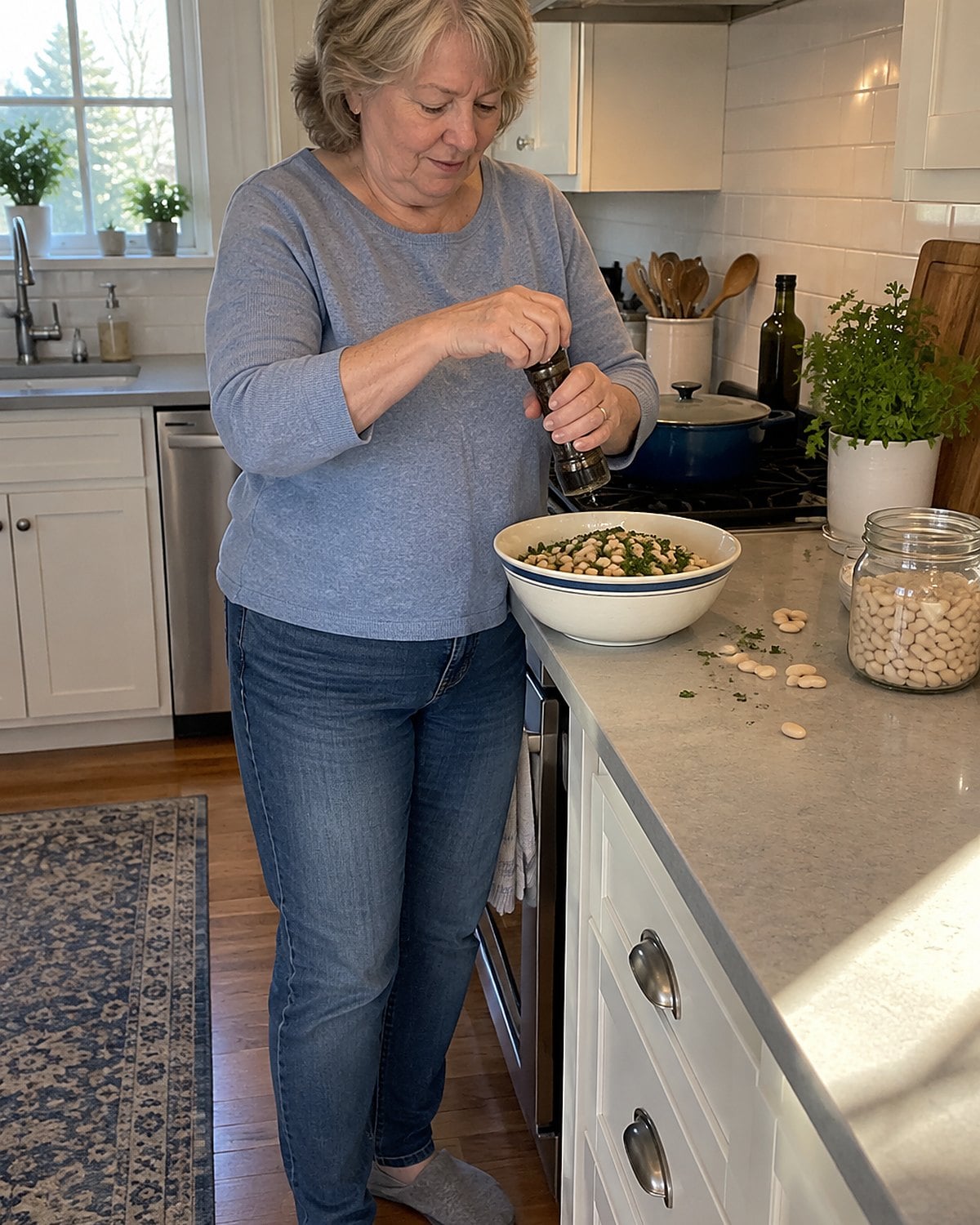
A twist of black pepper over a hot pan smelled different from the dusty shake of pepper already mixed into a dish. The pepper mill lived by the stove, sometimes with a loose knob nobody bothered to fix.
Pepper’s aroma fades after it’s ground. That’s why grinding it over a finished bowl gives you a smell you won’t get from pepper that simmered for an hour. Try both with the next pot of beans: grind some in while they cook, then add a little more over your own bowl. The first blends in. The second reaches you before the spoon does.
No mill? Crush a few peppercorns under the bottom of a heavy skillet, keeping a towel over them so they stay put. Use what you crush that day. A tiny task, but it brings the stove back to life.
#25 The Coffee Tin Opened at Dawn
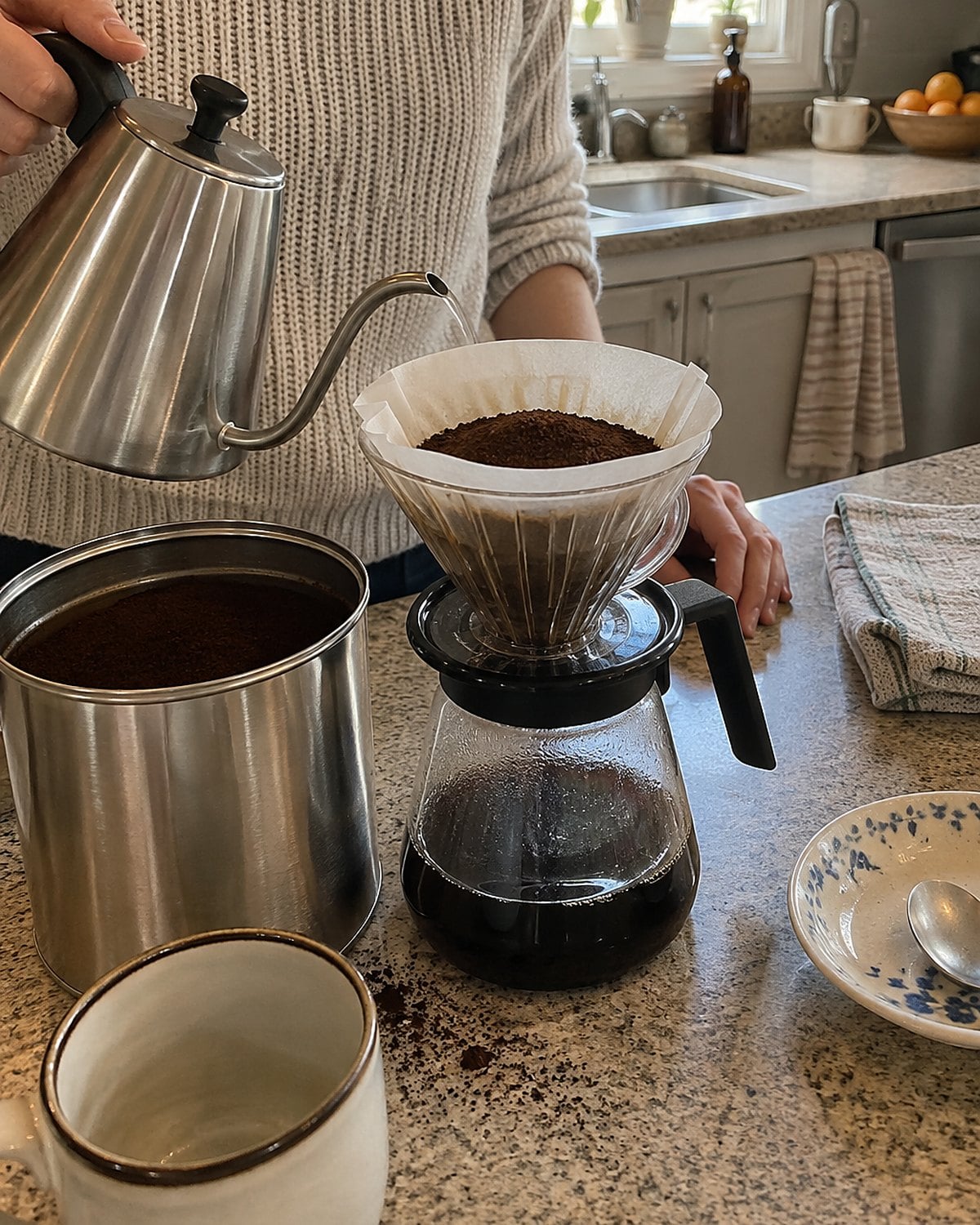
Did the kitchen smell like coffee before anybody spoke? The metal tin made a small scrape when its lid came off. Grounds hit the filter, and the first hot water drew out a smell strong enough to reach the bedrooms.
Old coffee left on heat turns bitter. Fresh grounds give you the smell you’re chasing, so open the container just before brewing. If you brew less now, make the smaller pot instead of holding a full one on a hot plate all morning.
Keep the grounds in a closed container, away from the oven’s heat and the sink’s steam. Then pause when you lift the lid tomorrow. Some memories last only as long as that first breath, before the toast pops and the day starts asking things of you.
#24 Sunday Potatoes Browning Around the Roast
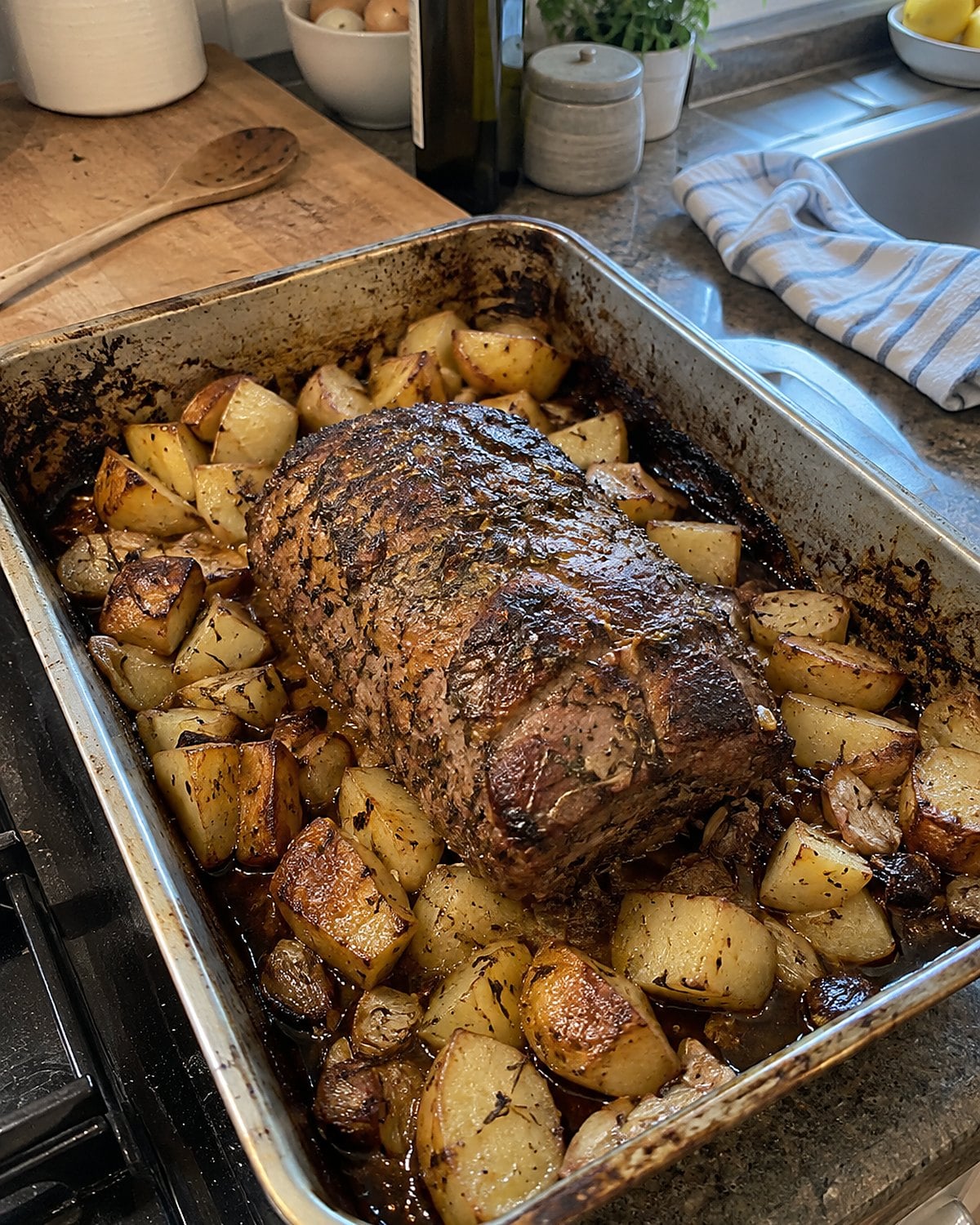
Those potatoes had corners worth arguing over. Somebody took the crisp ones straight from the pan while the roast rested, then acted innocent at the table.
Their smell came from contact with hot fat and a pan that wasn’t crowded. Wet potatoes steam first. Dry the cut surfaces with a towel before they go into the pan, and leave space between the pieces. Turn them after the bottoms have colored, rather than stirring every time you pass the oven.
A cut potato also tells you when it’s done. Push a knife tip through its thickest part. It should slide in without meeting a firm center. If the outside is dark and the middle still resists, lower the heat and give the center time to catch up.
For a household of two, use a smaller pan and fewer potatoes. The good smell doesn’t require a Sunday crowd. It needs hot fat, dry surfaces, and enough patience to leave those corners alone.
#23 The Cast-Iron Pan After Bacon
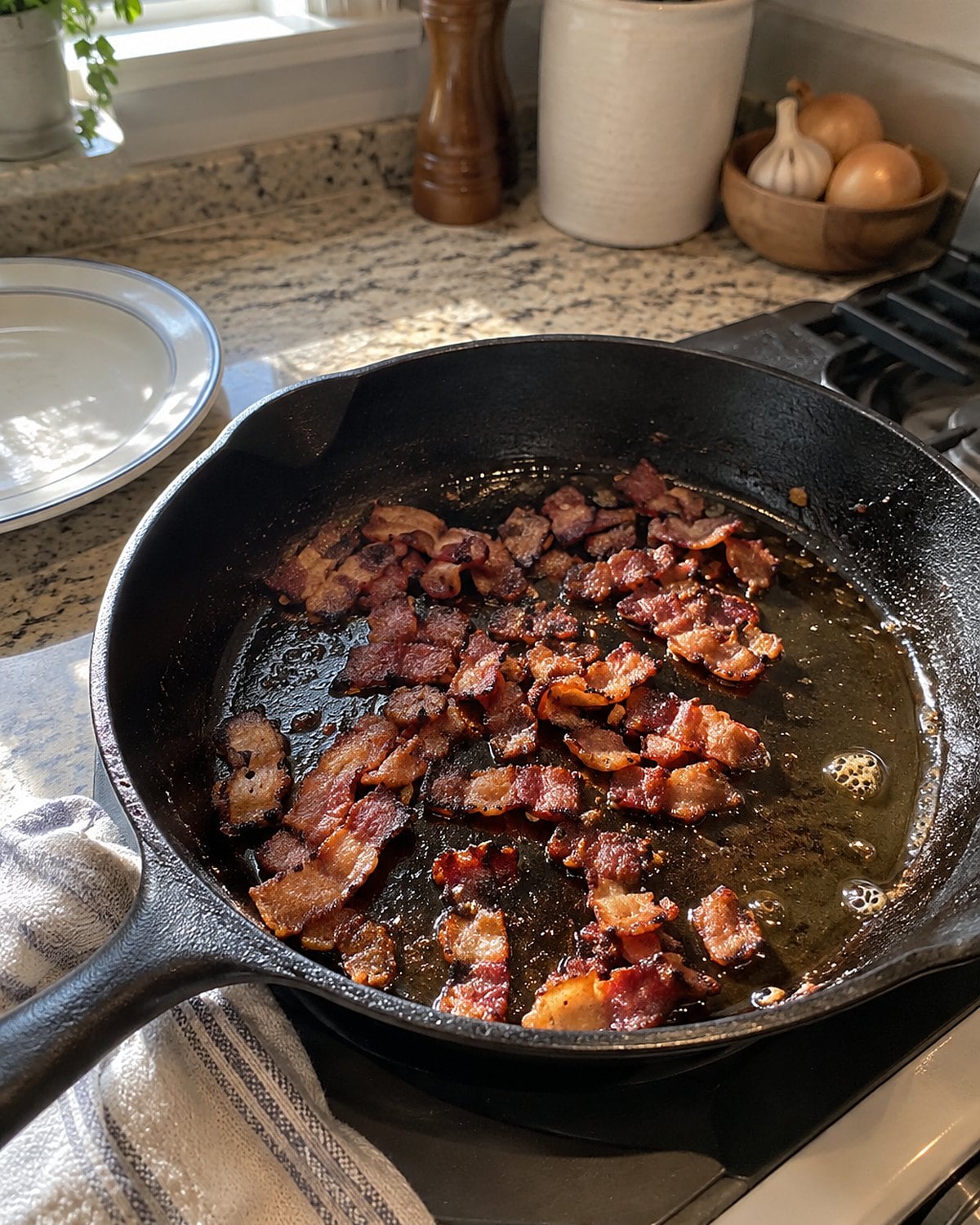
The bacon was gone, but the kitchen kept talking about it. A cast-iron pan sat on the stove with browned bits on the bottom, waiting for eggs or a spoonful of potatoes.
Those bits have flavor as long as they’re brown, not black. Pour off excess fat, then cook your next ingredient in what remains. If the pan starts smoking hard, take it off the heat and let it cool before going on. Burnt bits give supper a bitter smell that no seasoning fixes.
After cooking, wash the pan, dry it on the stove over low heat, and rub on a thin film of oil. You should be able to touch the cooled surface without coming away greasy. That familiar pan smell is worth keeping; rancid old fat isn’t. The difference starts with a clean pan after supper.
#22 Bread Cooling on the Porch
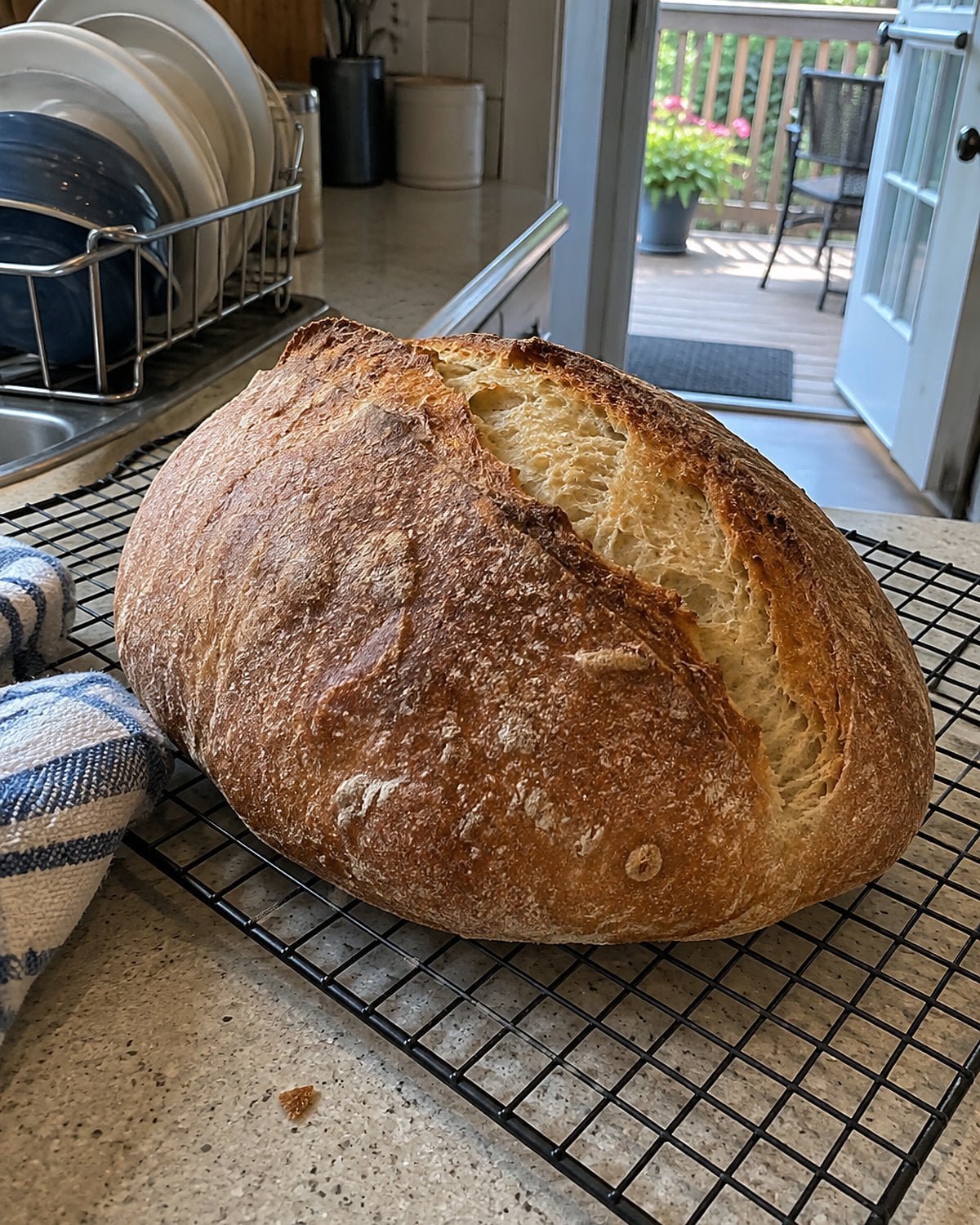
A loaf cooling by an open door filled the porch before anyone sliced it. The crust crackled as it settled. Somebody kept asking whether it was ready yet.
Cut warm bread too early and the crumb sticks to the knife. Let the loaf cool on a rack so air reaches underneath. Then listen when the knife breaks the crust. That sound belongs with the smell.
You don’t need to bake a loaf to meet it again tonight. Warm a thick slice of good bread in a dry skillet and butter it while the surface is hot. The toasted edge gives off a bread-shop smell in minutes. Carry it toward the sink window and see who comes looking. No announcement needed.
#21 Yeast Dough Rising Under a Towel
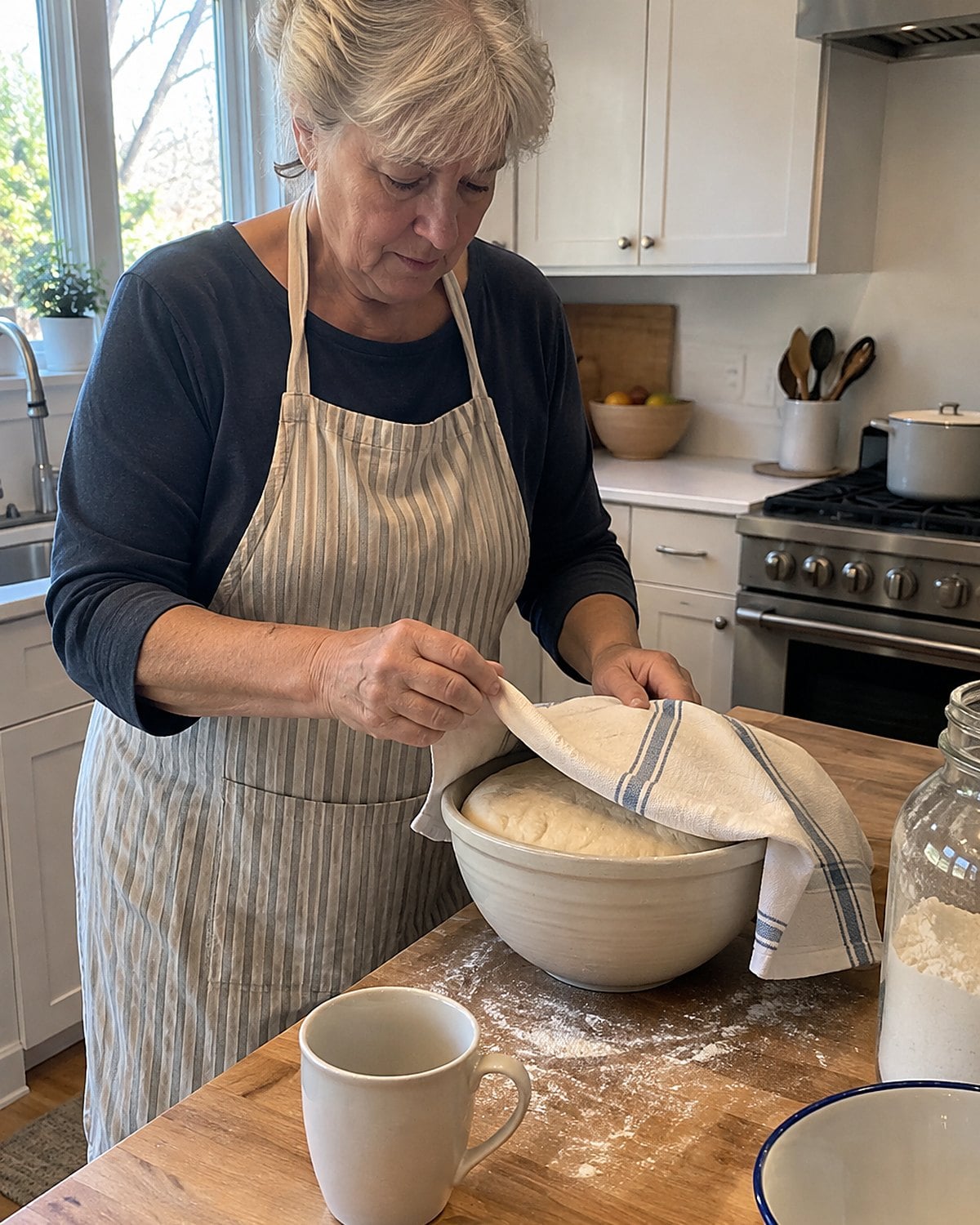
There was a bowl nobody was allowed to bump. It sat under a towel near the stove, and lifting one corner brought up that warm, yeasty smell. The dough looked as though it had done all the work while the kitchen was busy elsewhere.
Give dough a bowl with room to rise, then watch the dough rather than the clock. Press a floured finger into its surface. If the dent fills quickly, it needs more time. If the dent stays and the dough looks full of air, move to the next step. A drafty kitchen and a warm kitchen won’t keep the same schedule.
The smell changes in the oven. Raw dough smells faintly like yeast; baking bread smells toasty because the surface dries and browns. Don’t cover a hot loaf as it cools unless you want the crust to soften.
Even if you no longer make the family batch, one small pan of rolls gives you the best part of the afternoon: someone asking what’s under the towel.
#20 The Jar of Dill Pickles
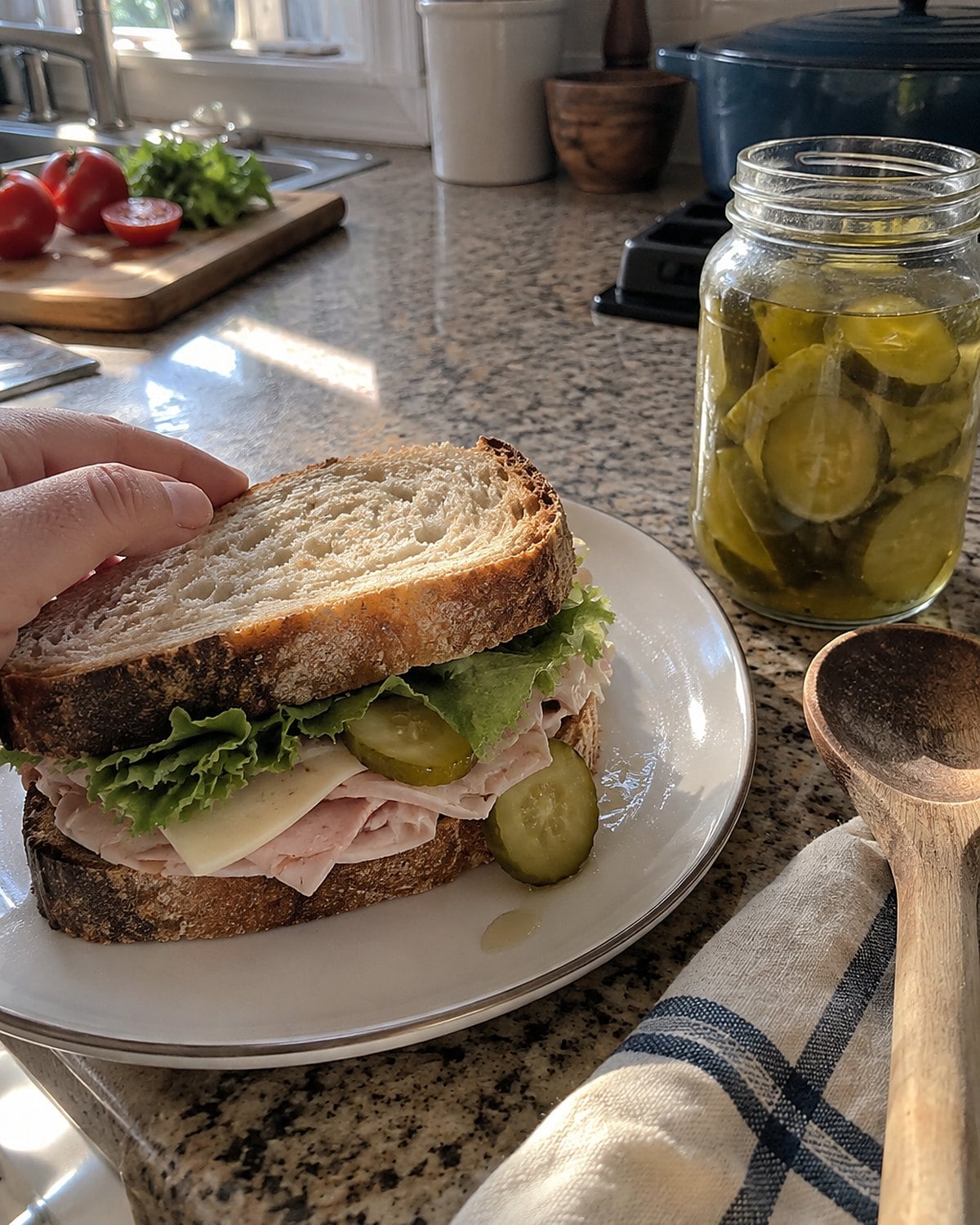
Opening the pickle jar meant a little vinegar in the air and a fork clinking against glass. It was the smell beside a sandwich, cold meat, or a plate of leftover roast.
The sharpness did a job. A bite of pickle cuts through fat and makes the next bite taste lively again. Set a few on the plate when supper feels rich or flat, and taste the main dish once more before adding extra salt.
If you want that fresh dill smell, add a sprig to a bowl of store-bought pickles shortly before serving. Leave home canning out of the shortcut. For preserving pickles, follow a tested recipe from the National Center for Home Food Preservation, where the vinegar and processing steps have been worked out. Tonight, the jar in the fridge will do.
#19 Chicken Soup Steaming Up the Window
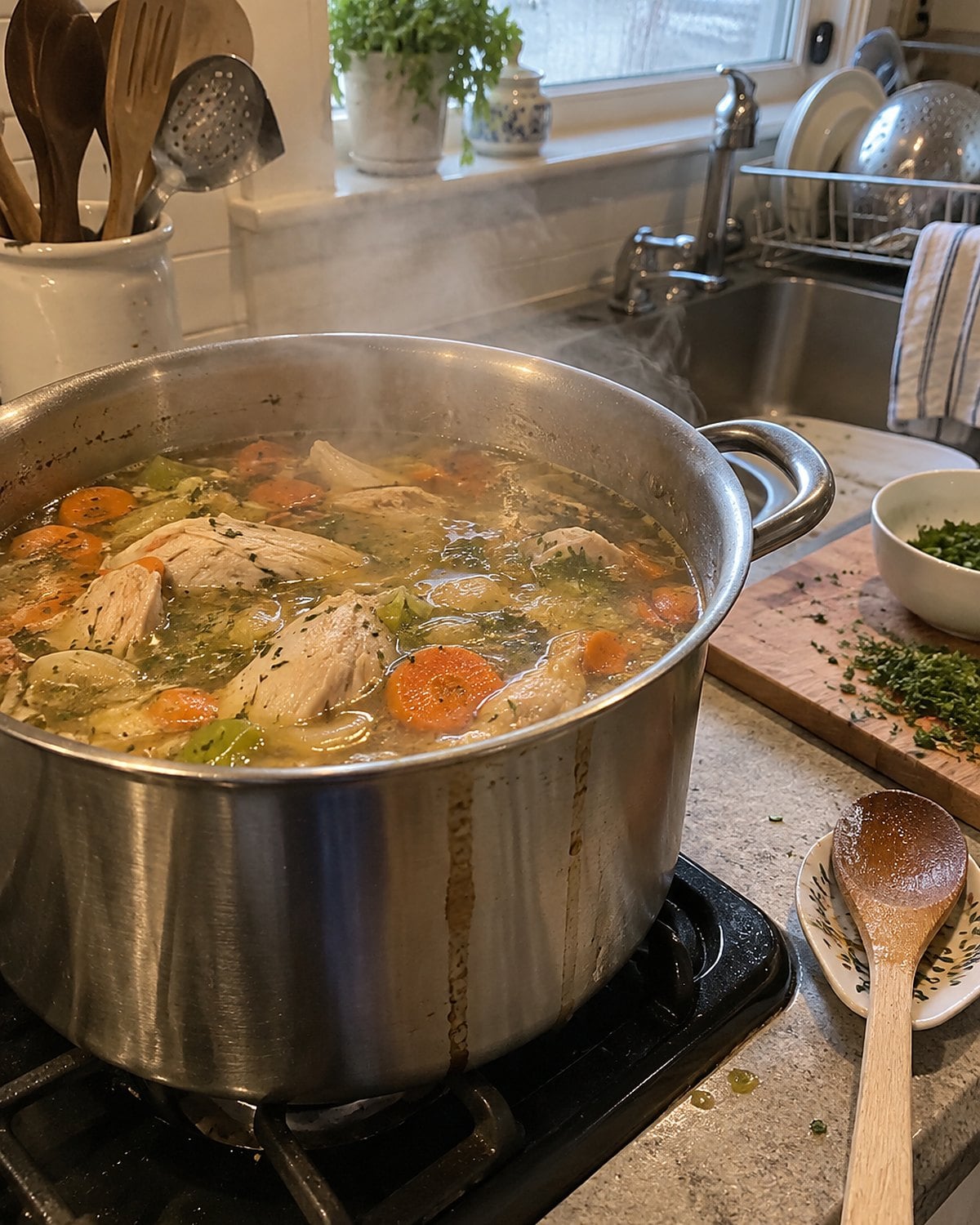
You knew soup was close when the kitchen window clouded and someone set out bowls. Steam carried the smell of celery and chicken long before the pot reached the table.
For a clear, full-tasting broth, keep the pot at a simmer rather than a hard boil. Big, rolling bubbles break up the ingredients and cloud the liquid. Add tender herbs near the end, where their smell stays bright. Taste the broth before serving; a little salt brings the chicken forward, while a squeeze of lemon wakes up a pot that tastes tired.
Don’t use smell to judge whether leftover soup is safe. Cool it promptly, put it in the fridge at 40°F or below, and follow the USDA’s cold storage chart for leftovers. Its FoodKeeper tool gives storage guidance when you’re staring at a container without a date.
Write the date on the lid before it goes into the fridge. Tomorrow’s lunch will still smell like supper, without a guessing game.
Try it: Instant Pot Chicken Noodle Soup In 30 Minutes (with VIDEO)
#18 Cinnamon Toast Before School
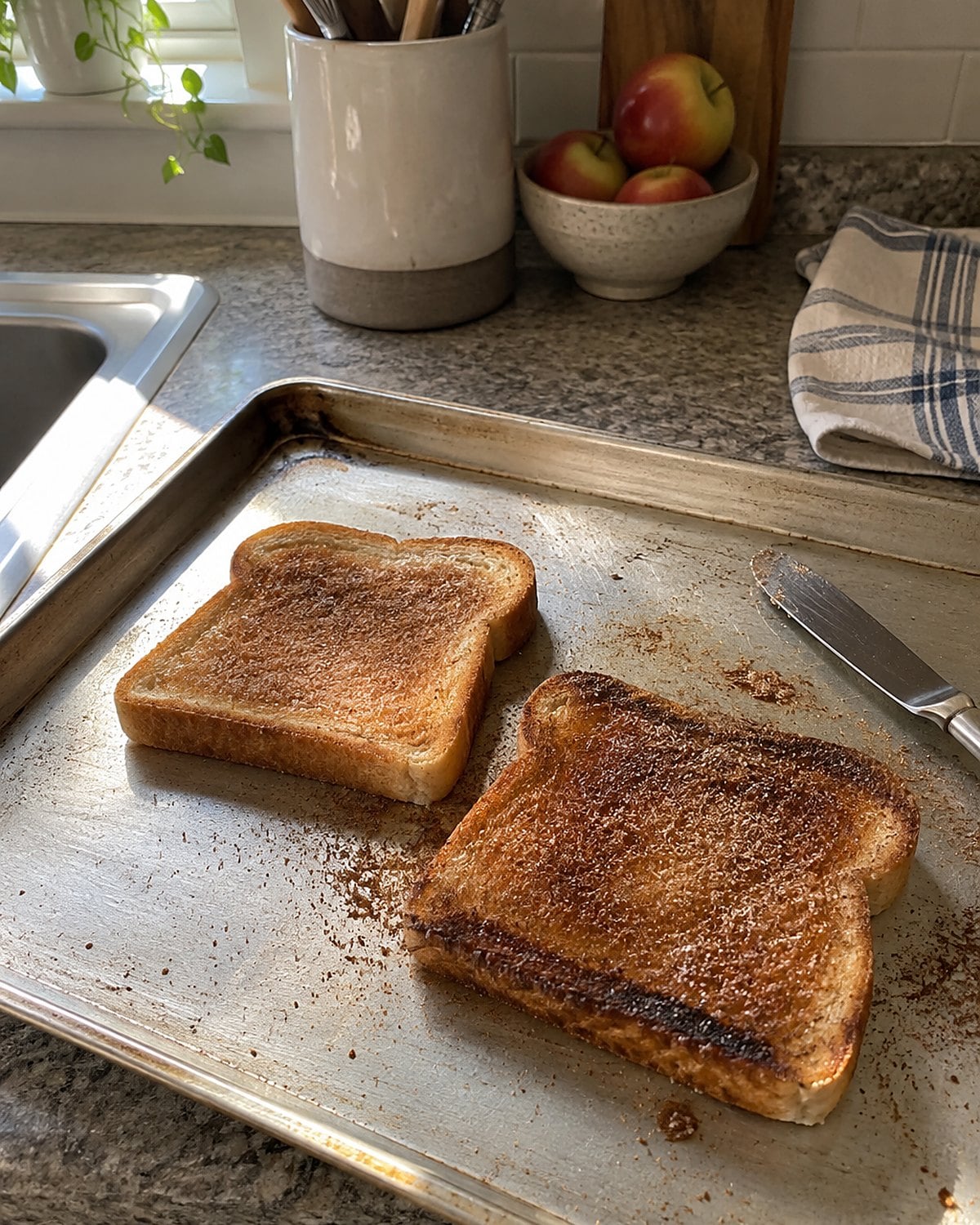
Why did cinnamon toast smell so much bigger than its ingredients? Heat carried the cinnamon into the room, and melted butter held the sugar against the bread. It reached the hallway before anyone called you in.
Toast the bread first. If you butter soft bread and put it straight under the broiler, the sugar browns before the middle grows crisp. Spread butter to the edges, add cinnamon and sugar, then warm it just long enough for the top to shine.
Watch the broiler the whole time. Sugar goes from fragrant to scorched while your back is turned. For the first bite, wait until the topping stops bubbling. That pause feels longer when a child is standing beside the counter. Hand over the less-hot corner, and the old morning sound returns too: someone crunching before the plate is set down.
#17 The Church Hall Pan of Baked Beans
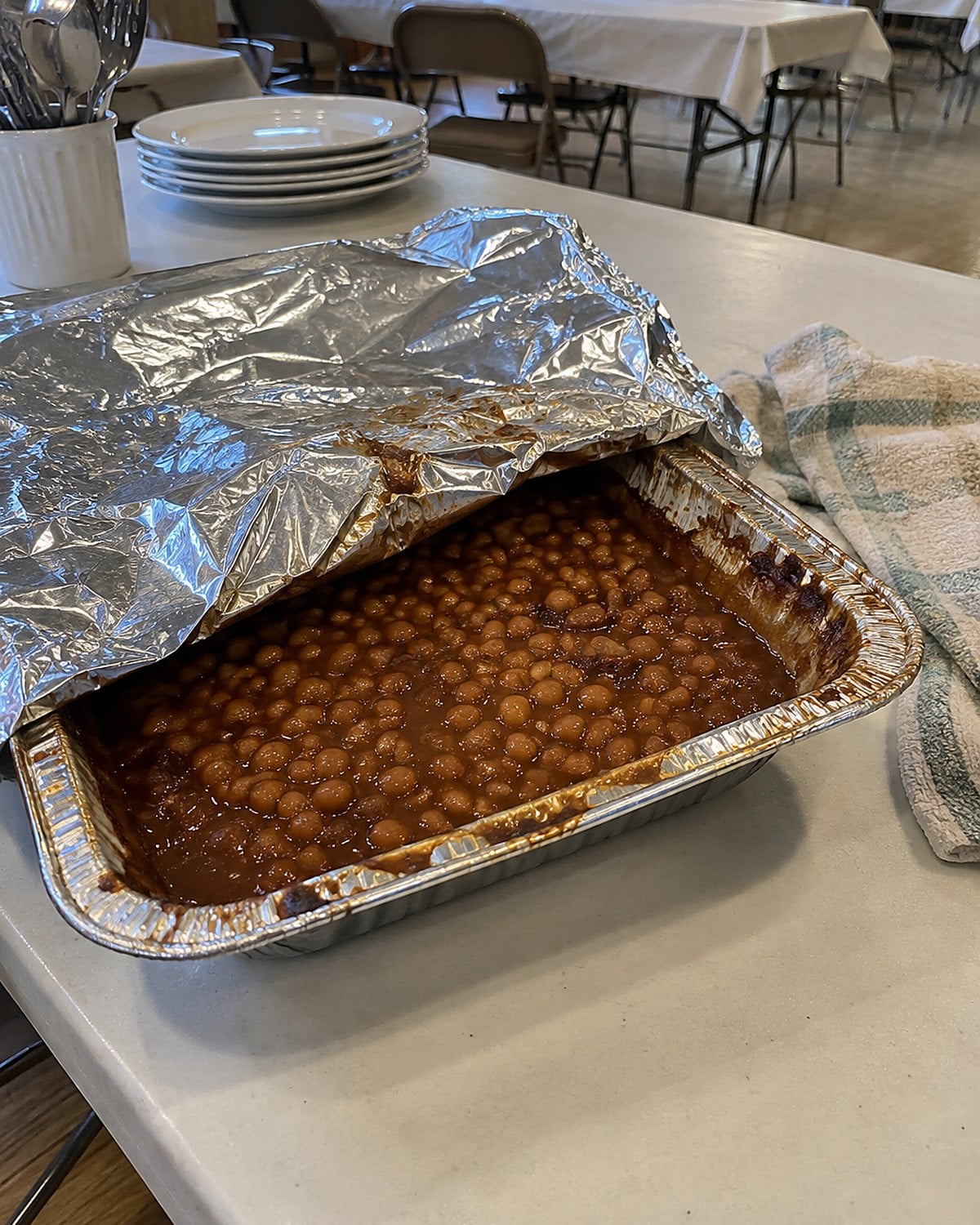
The foil lifted, and there it was: sweet, smoky steam from a pan set on the church hall table. Every family had a version. Some had bacon across the top. Some had enough onion to make you go back for more.
For baked beans that taste deep rather than sugary, brown the onion before adding the beans and sauce. Let the pan bake until the liquid clings to the spoon instead of running off it. Taste a bean from the center, not only sauce from the edge. If the flavor feels heavy, a small splash of vinegar sharpens it.
The pan itself did part of the work. A wide baking dish gave the sauce more surface to darken. A deep, narrow dish kept the beans wetter. Choose the dish for the beans you remember, not for the number of people coming.
When you make a smaller pan, the smell still reaches beyond the kitchen. Put a spoon on the counter and taste while it’s hot. You’ll know which version belonged to your family.
Try it: Instant Pot Baked Beans (Vegan & Gluten-Free)
#16 Fresh Green Beans in the Colander
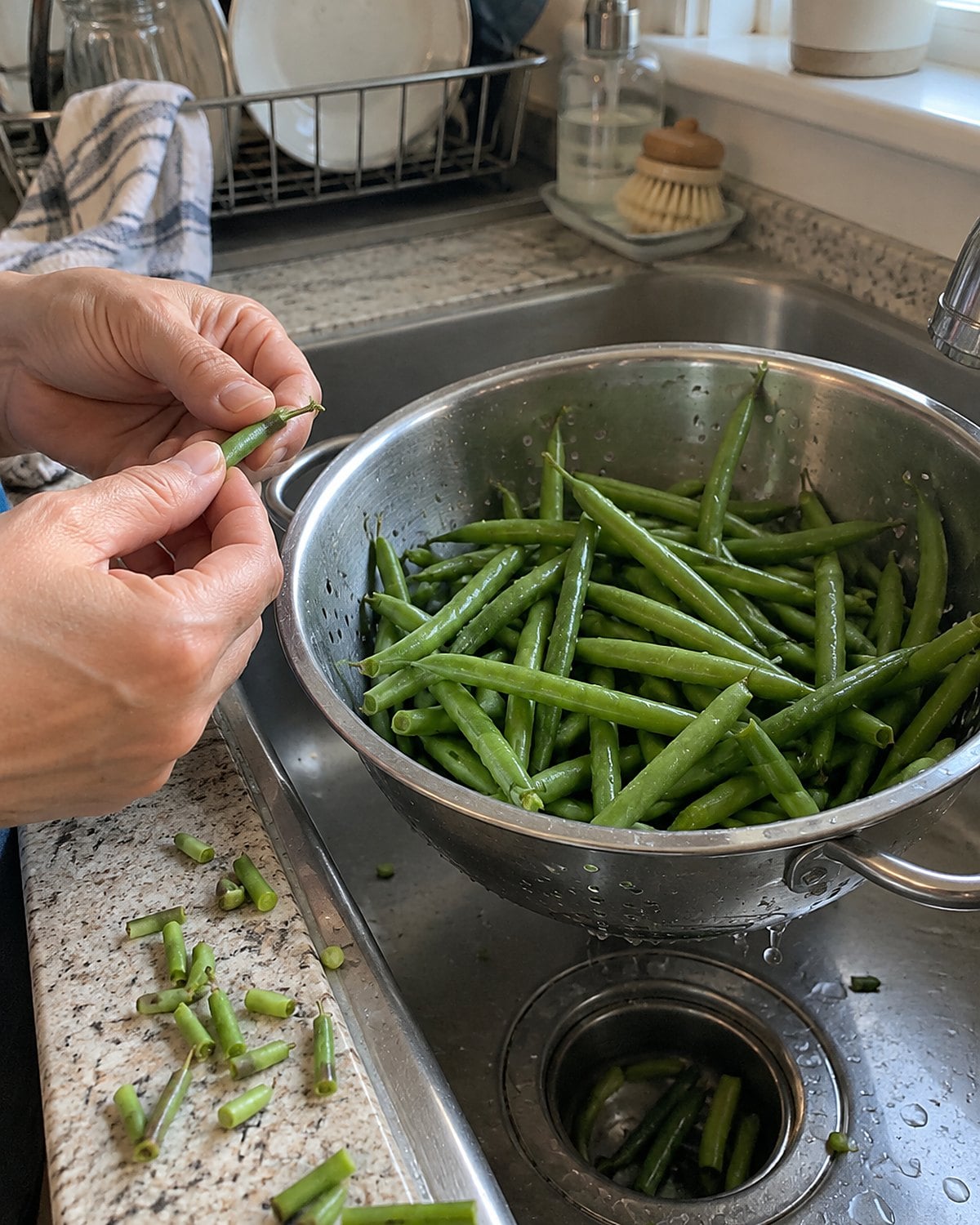
The beans arrived in a colander, dripping onto the counter. Someone snapped the ends while the radio played. Then came their grassy smell, briefly stronger than anything on the stove.
Fresh beans lose that bright note when they cook until dull and limp. Drop them into boiling water and start checking after a few minutes. Lift one out, let it cool, and bend it. It should give without turning floppy if you want that clean bean taste.
If your childhood pot held beans cooked long with pork, that’s a different dish and a different smell. The beans take on the broth and turn tender. Choose which memory you want before you start. For the bright version, finish with butter and salt. For the slow pot, taste the broth first. The bean will tell you what it has absorbed.
Try it: Instant Pot Green Beans With Butter & Pepper
#15 Applesauce Bubbling After School
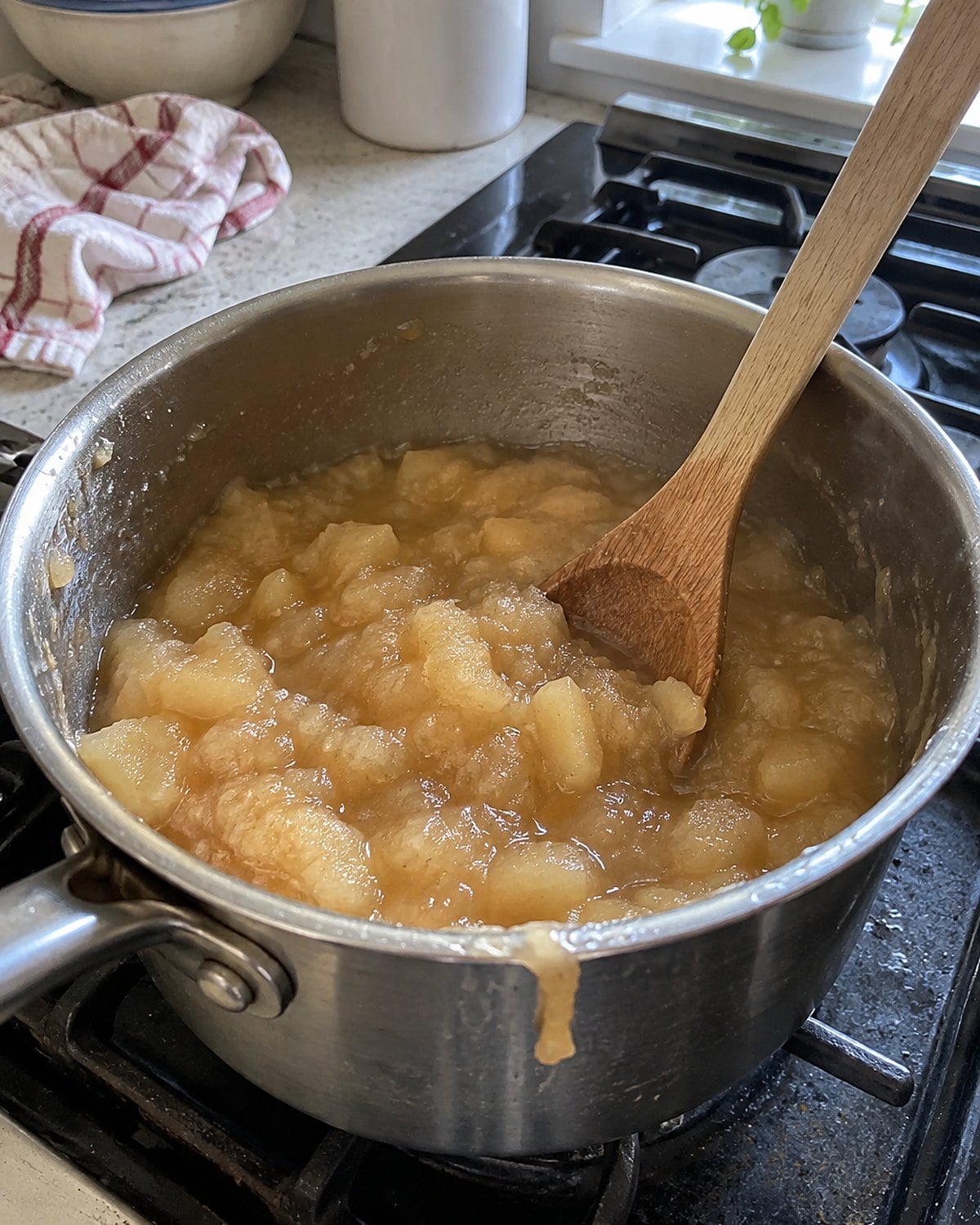
The first sign was a sweet, tart smell near the back door. Apples had slumped in a saucepan while somebody did other work, and a wooden spoon left a trail through them.
You don’t need to peel every apple for a small batch. Peel for a smooth sauce; leave some skin on for color and a rougher texture. Add a splash of water to keep the first pieces from catching, then cook over low heat until a spoon presses them apart. Stir more as the pan thickens.
Taste before adding sugar. Apples differ, and cooking brings their sweetness forward. If the sauce tastes flat, try a little lemon juice first. Cinnamon belongs in the pan only if that’s the smell you remember. Leave it out and the apples get to speak for themselves.
A warm spoonful beside supper tastes different from the chilled cup in the fridge. Try it before you put the pan away.
#14 Onions and Celery for Holiday Dressing
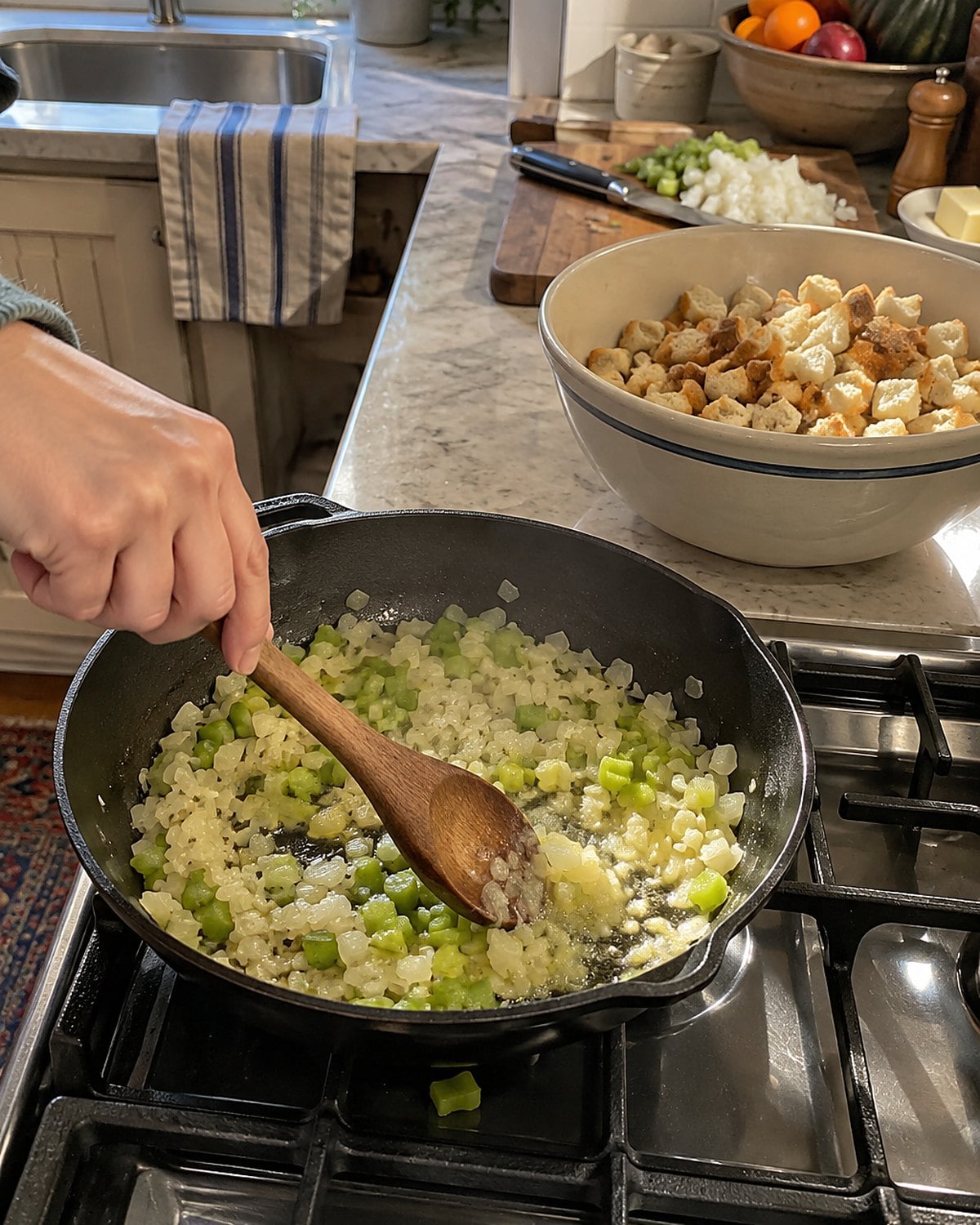
The chopping started before anyone needed the oven. Onion and celery landed in a skillet, and the smell said a holiday meal was under way. Even the person who claimed not to like dressing drifted through the kitchen.
Cook those vegetables before mixing them with the bread. Raw onion stays sharp inside a baked dish, while onion softened in butter spreads its flavor through the crumbs. Keep the heat moderate and stir until the celery smells less raw. Then let the mixture cool a little before adding it to the bread.
Dry bread matters here. Fresh, soft bread turns pasty when it meets broth. Spread cubes out ahead of time, or dry them in a low oven, then add broth gradually. Stop when the bread is damp throughout but no liquid pools at the bottom of the bowl.
Taste the cooked vegetables before they go in. That skillet holds the smell you’ve been waiting for. If it tastes bland there, the oven won’t fix it.
#13 Peanut Butter Cookies by the High Chair
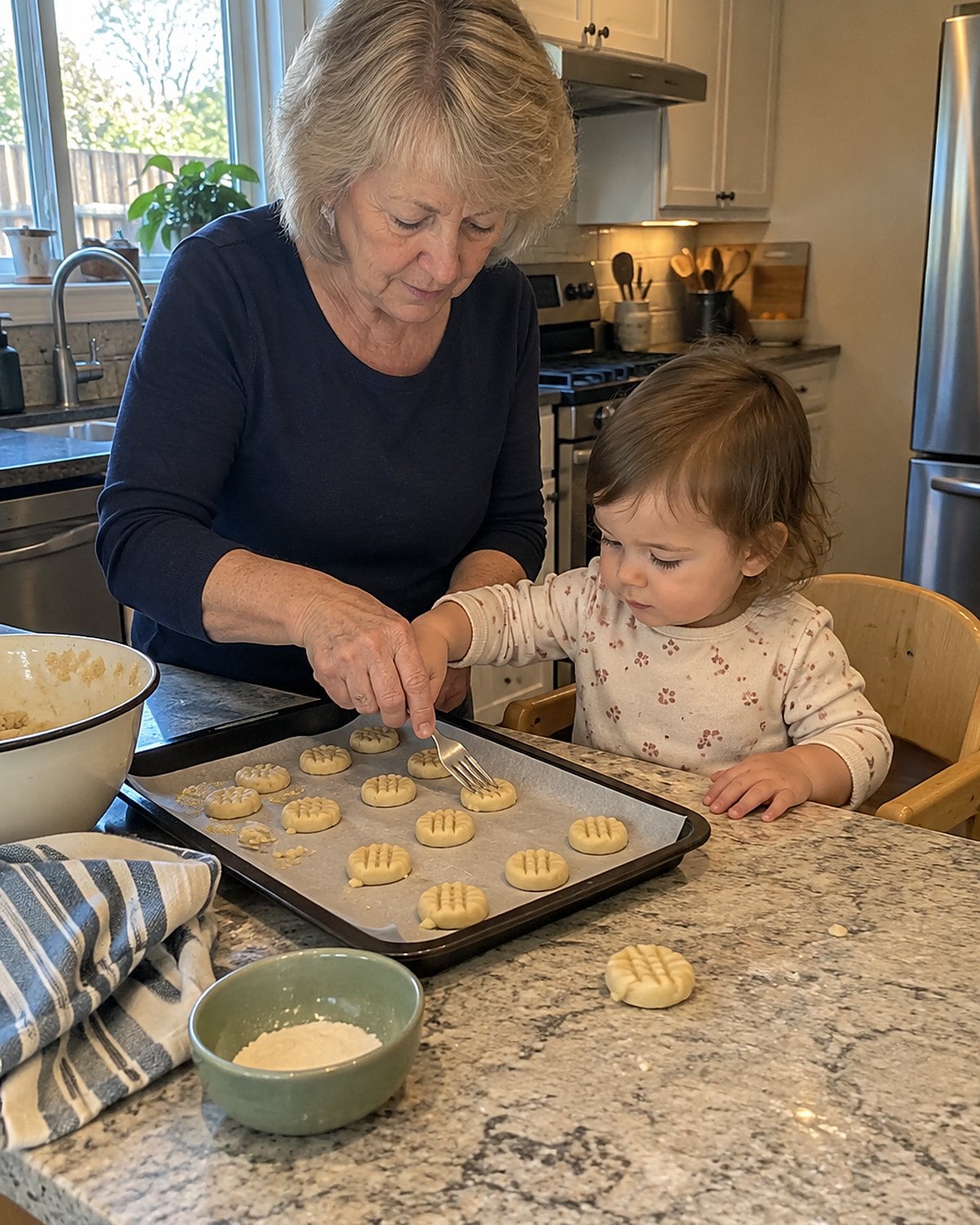
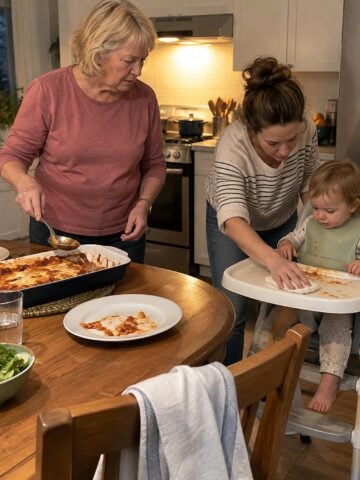
A grandchild follows the smell into the kitchen, and suddenly there’s a small hand reaching for a cookie that isn’t cool yet. Peanut butter cookies have a warm, roasted scent that announces itself before the timer rings.
The fork marks do more than make them familiar. Pressing the dough helps thick balls spread and bake through. Put the cookies on the sheet with room between them, and take them out when the edges look set. They firm as they cool.
Before offering one, check for peanut allergies with the child’s parent. Then let the child press the next batch with a fork, with your hand steadying the handle. The crossed lines won’t be even. That’s fine. Years from now, someone else gets to remember standing right there.
#12 The Sunday Ham Studded With Cloves
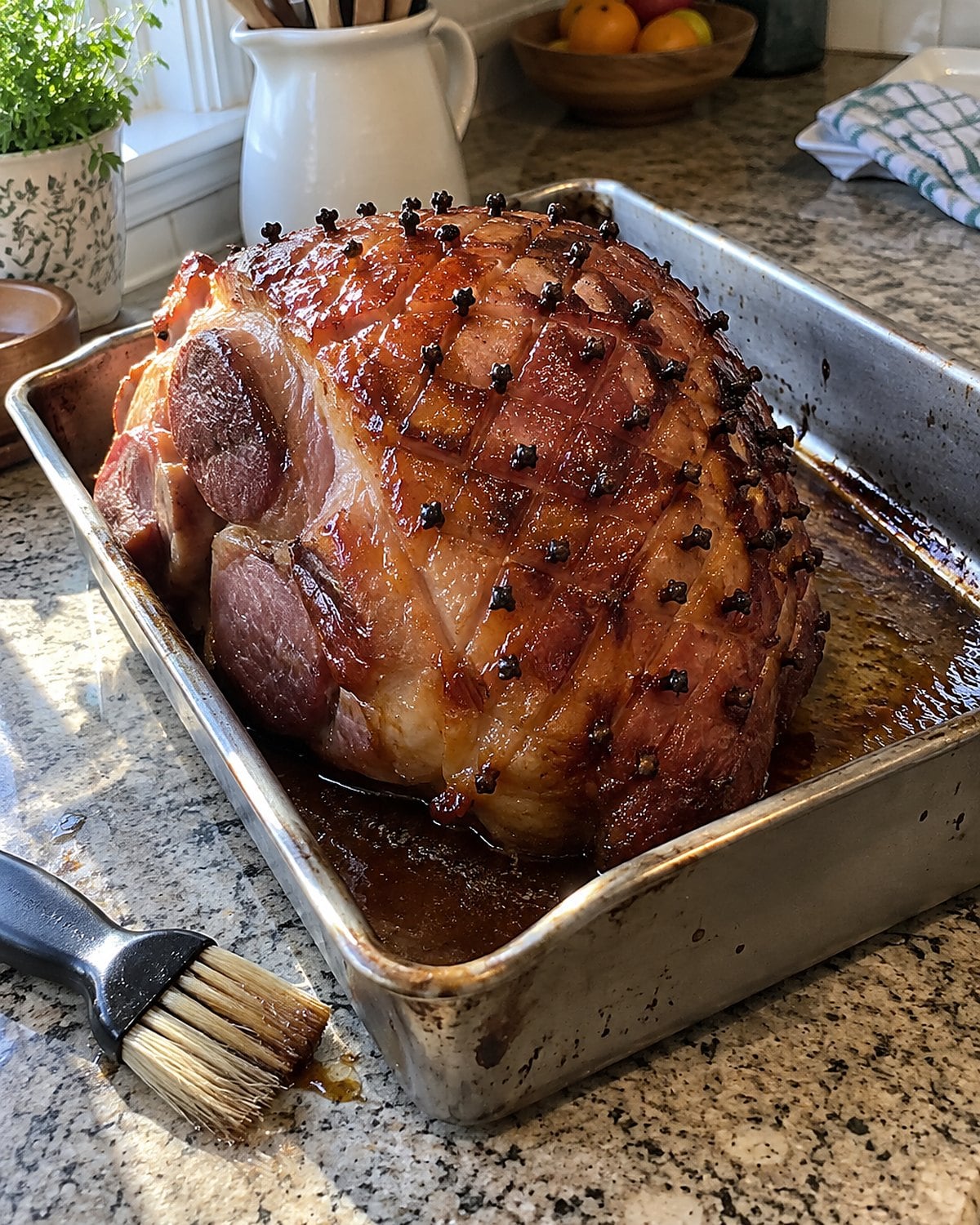
A few cloves pushed into the ham gave the oven a smell you could pick out from the front door. Someone always wanted to pull one free before the platter went around.
Cloves are strong. Space them apart rather than covering every inch, and remove them before serving so nobody bites down on one. If you’re glazing the ham, brush on the sweet glaze toward the end of heating. Sugar on the surface burns when it spends too long in a hot oven.
Don’t trust the oven smell to tell you the ham is ready. Read the package first: a fully cooked ham and a raw ham need different treatment. The USDA’s ham and food safety guidance explains the labels and heating directions.
The smell is the memory. The package and thermometer settle dinner. Once the ham is carved, put a few slices aside for tomorrow’s sandwich before the platter starts its trip around the table.
#11 Tomato Sauce Under a Rattling Lid
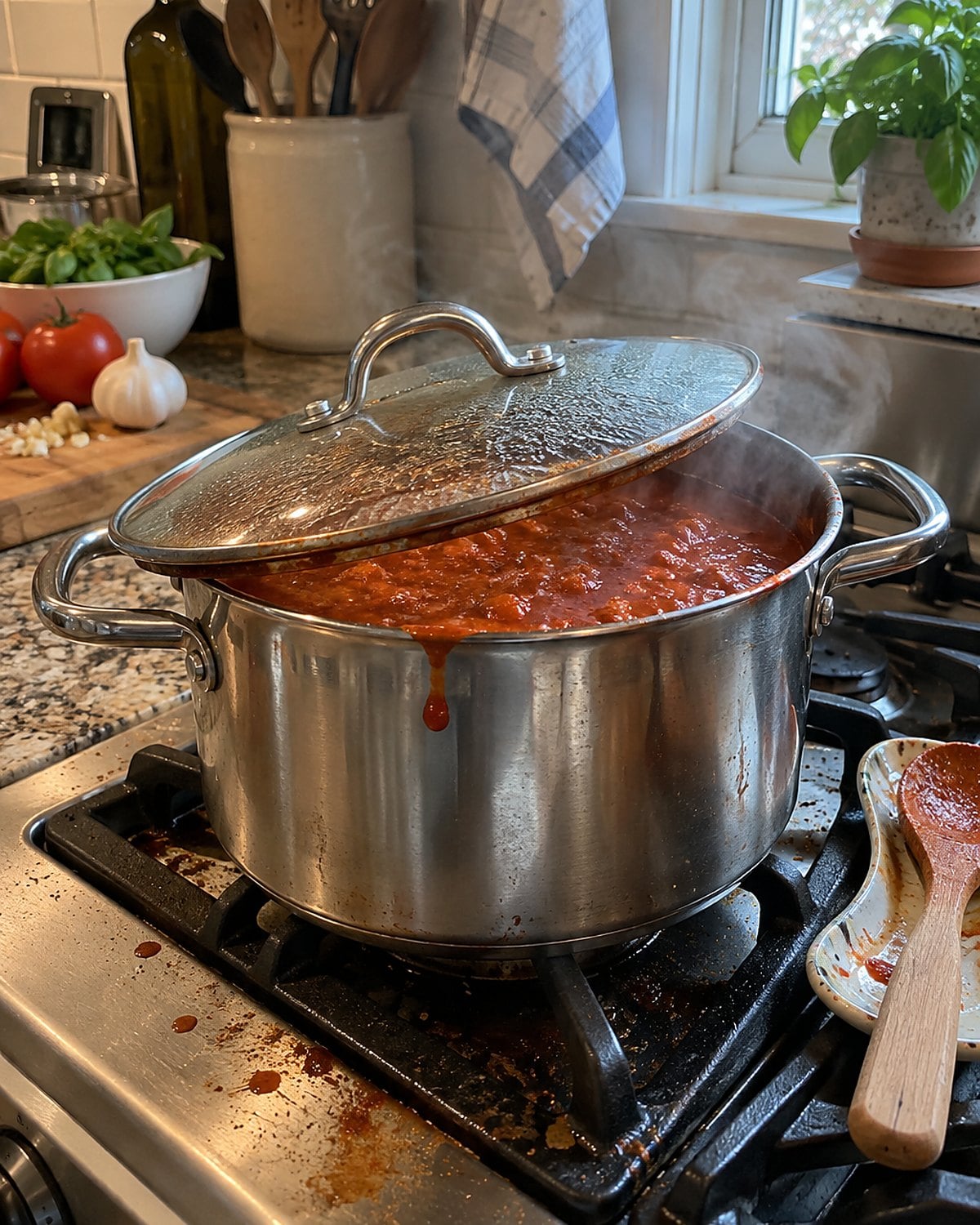
The lid tapped the pot every few seconds. Tomato sauce spotted the stove around it, and the whole kitchen smelled of garlic and cooked tomatoes.
Turn the heat down until small bubbles break the surface. A hard boil throws sauce out of the pan and cooks away liquid before the flavors settle. Leave the lid slightly ajar for a thicker sauce, and stir along the bottom where tomato sticks first.
If garlic is going in early, keep an eye on it. Pale gold smells savory; dark brown tastes bitter. Put the tomatoes in as soon as the garlic turns fragrant.
Later, taste a spoonful after it cools enough to tell you something. Does it need salt, or does it need more simmering? Those are different fixes. The rattling lid only tells you the heat is too high.
Try it: Instant Pot Tomato Basil Sauce
#10 Pot Roast Gravy in the Dutch Oven
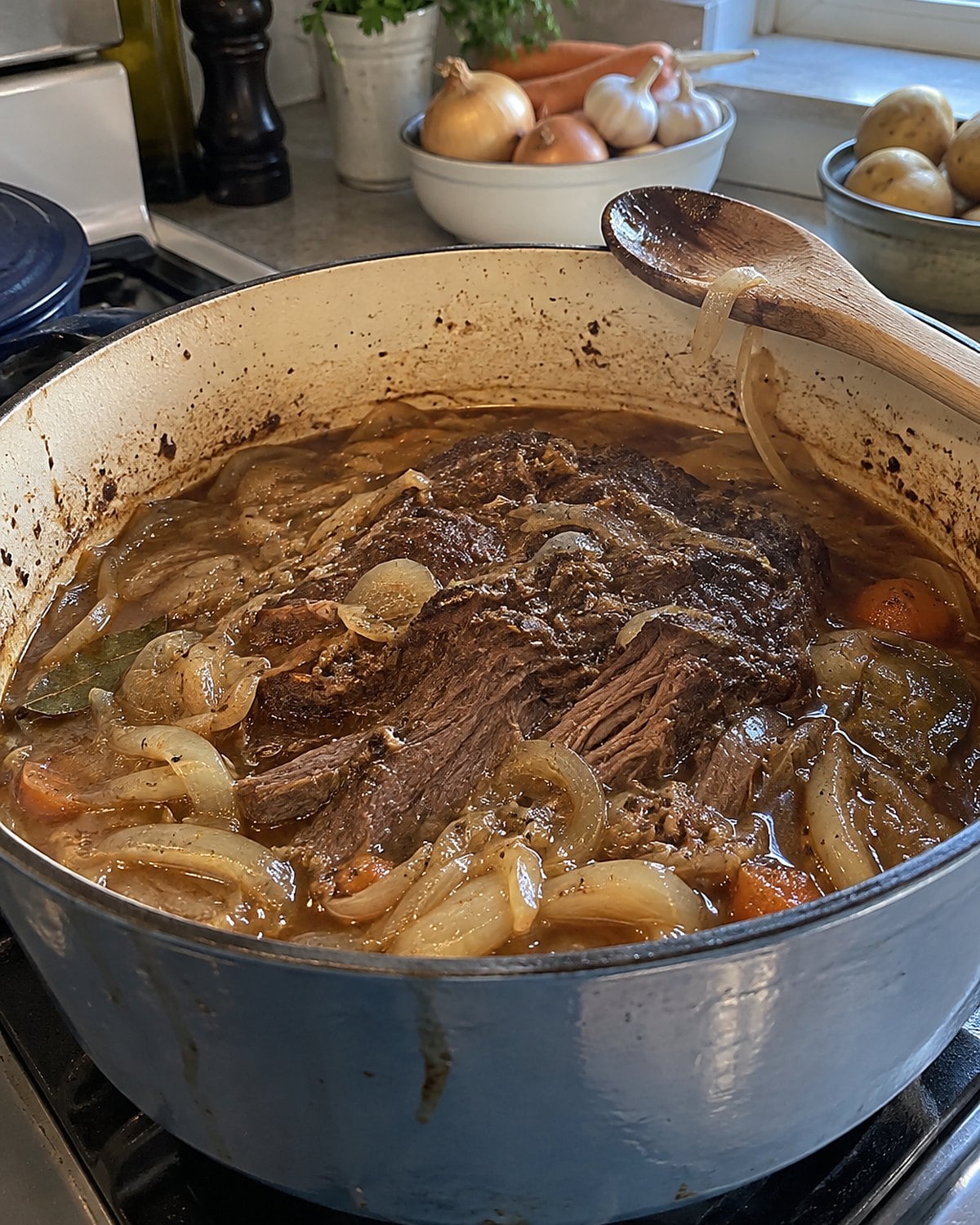
Somebody lifted the Dutch oven lid, and everyone in the next room looked up. The smell was beef, onion, and the browned bits that had been stuck to the bottom hours earlier. That gravy reached the table before the meat did.
Start by browning the beef in a pan that’s hot enough to color its surface. Work in batches if the pieces crowd together; crowded meat releases liquid and steams. After the meat comes out, cook the onions in the same pot.
Pour in a little broth and scrape the brown bits loose with a wooden spoon. That dark layer gives the gravy its roasted taste.
Then settle in for the long part. A tough roast needs slow cooking until a fork goes in and the meat gives way. If it still feels tight, more heat won’t help as much as more time at a low simmer.
Taste the gravy after the meat is tender. Salt sharpens it, but so does a small splash of vinegar if it tastes heavy. Spoon some over a potato and stand at the stove for a moment. You know why that was always the first stolen bite.
Try it: Instant Pot Roast Beef & Gravy
#9 The Stove Kettle Before Tea
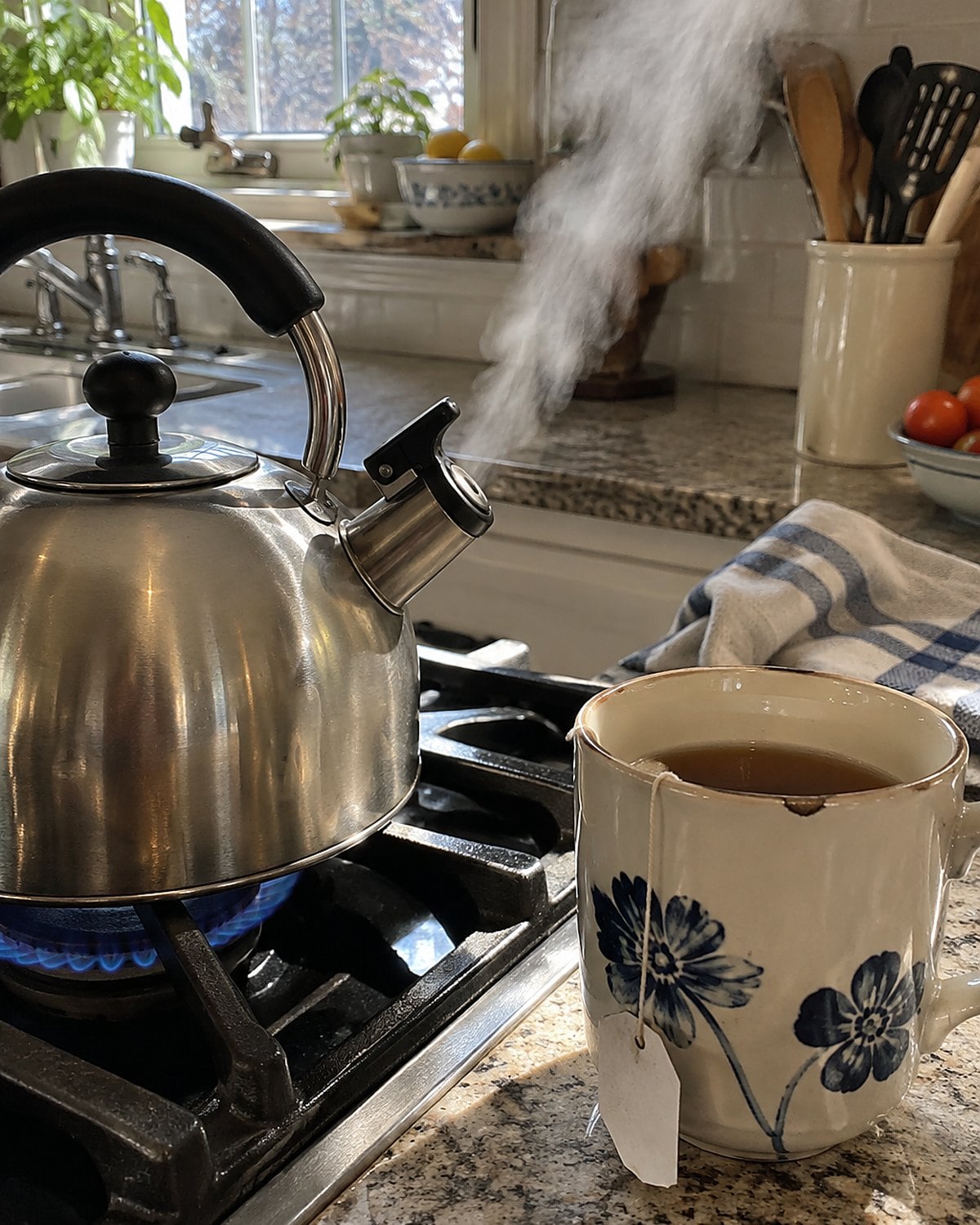
The kettle had its own voice. A low rumble became a whistle, and the kitchen smelled faintly of tea as soon as water met the leaves.
For black tea, bring fresh water to a boil and pour it over the tea. Let it steep for a few minutes, then lift out the bag or strainer. Leaving tea in the cup while you carry on with chores draws out more bitterness. If you like milk, add it after tasting. You’ll know how strong that cup really is.
Wipe the kettle’s outside when it cools, especially around the spout. A clean spout keeps yesterday’s cooking grease out of today’s cup. Then take it to the window. The tea doesn’t need a full house to make the kitchen feel occupied.
#8 Cornbread in a Hot Skillet
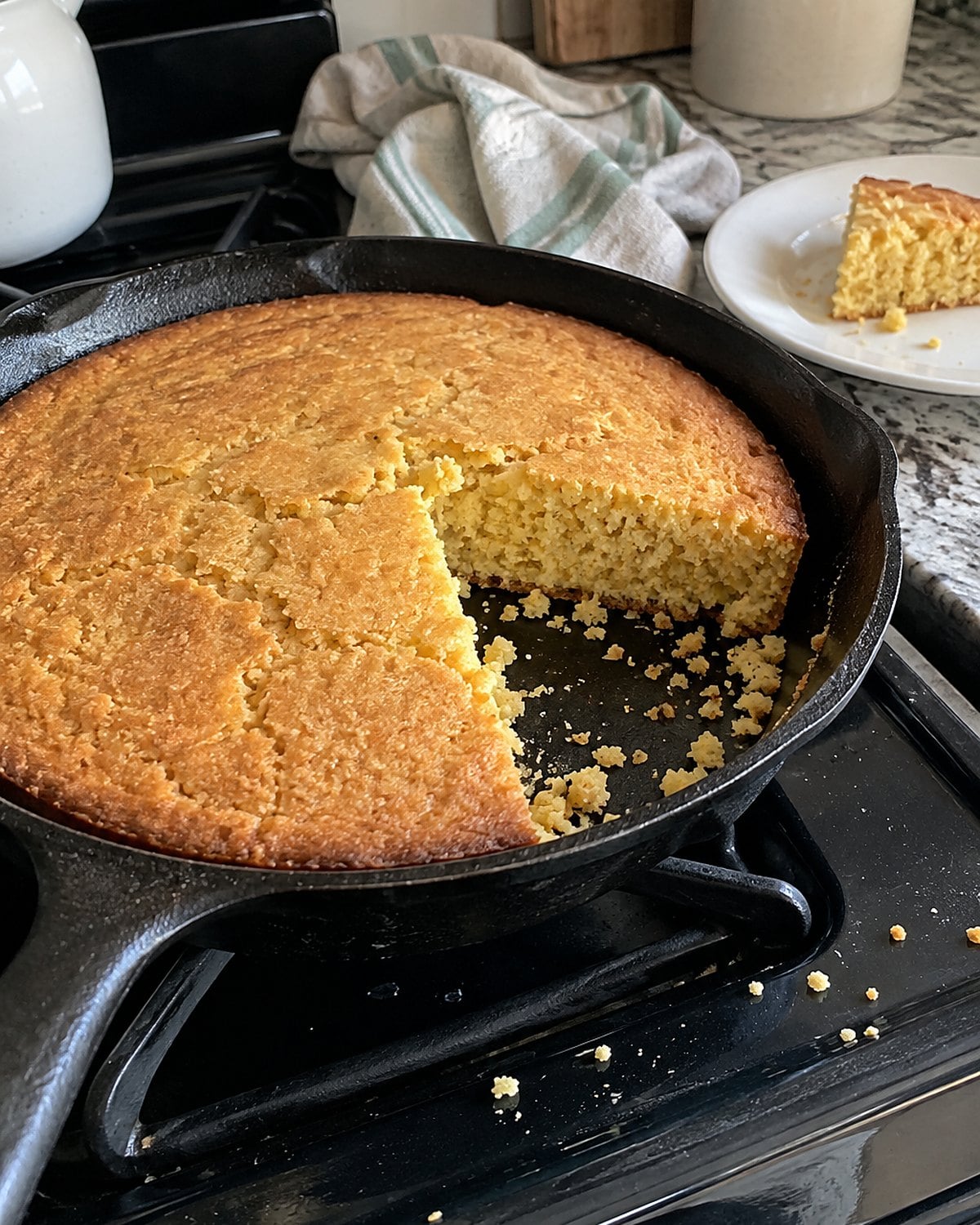
The skillet hissed when batter hit it. By the time the cornbread came out, the edge smelled toasted and somebody had already set butter on the table.
Heat the skillet before pouring in the batter. That hot surface starts a crust at once, especially when the pan has a little fat in it. A cold skillet gives you a softer edge. Both will bake, but only one makes that sharp, browned smell.
Cornbread asks for a quick hand when wet and dry ingredients meet. Stir until no dry pockets remain, then stop. More mixing makes the bread tougher. Bake until the top looks set and a knife tip pushed near the center comes out without wet batter.
If the old family argument was sugar or no sugar, leave the argument alone. Make the version you want tonight. Split a warm wedge, add butter, and smell the cut surface before it disappears.
#7 The Spice Drawer With Stuck Lids
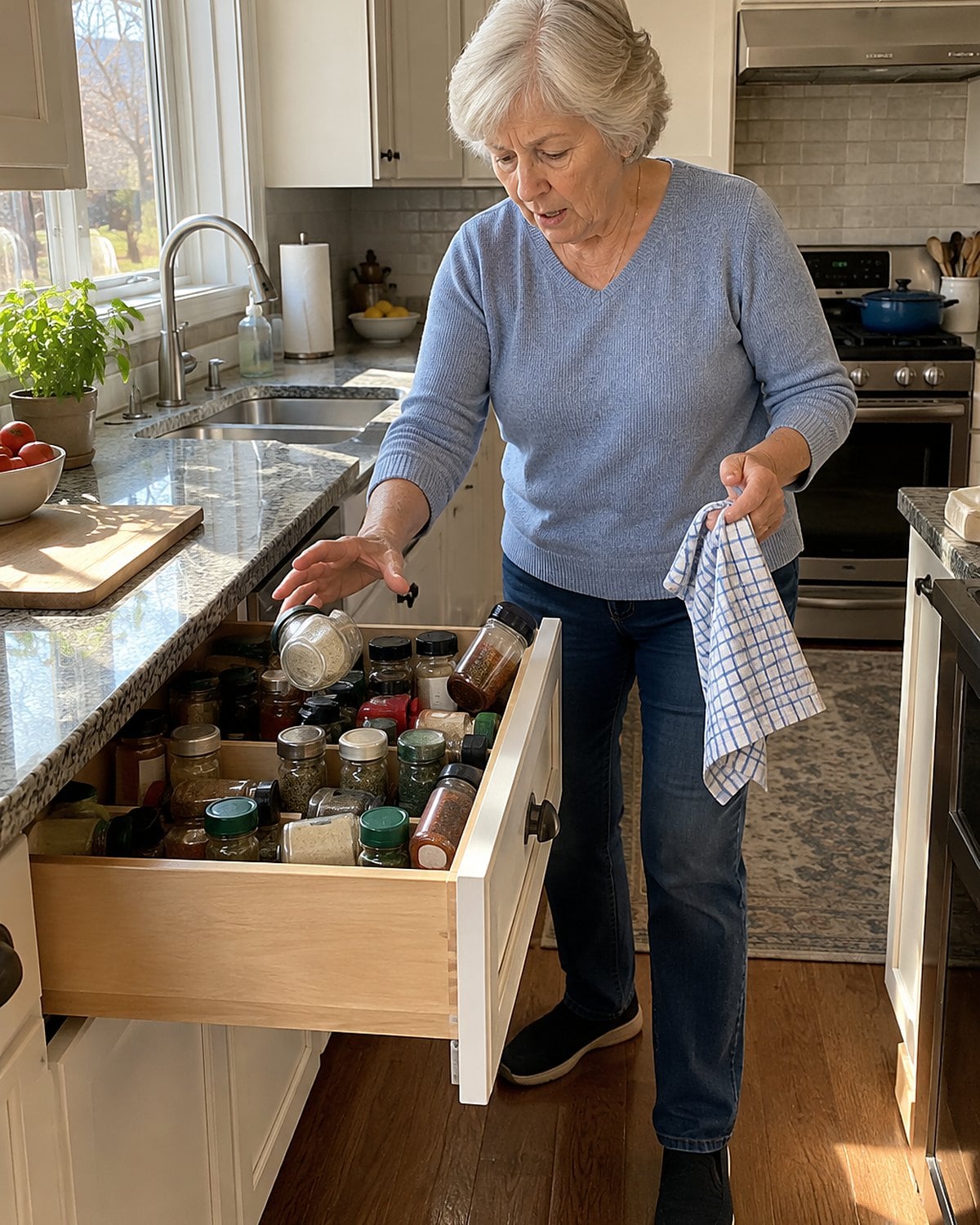
The drawer caught halfway, and every little jar knocked against its neighbor. Open a lid and you got cinnamon, dried oregano, or the clove smell that had survived several holidays.
Dried spices lose aroma with time, but the printed date won’t tell you as much as your nose. Rub a pinch between your fingers. If there’s little smell, there’ll be little flavor in the pot. Replace that jar before you blame an old recipe.
Keep spices away from stove heat and steam. Shake some into your palm instead of holding the open jar over a boiling pot. That habit keeps moisture out of the container and lets you smell what you’re adding.
The drawer doesn’t need matching bottles. It needs a lid that closes and ingredients that still speak up when you open them.
#6 The Freezer Bag of Sunday Stock
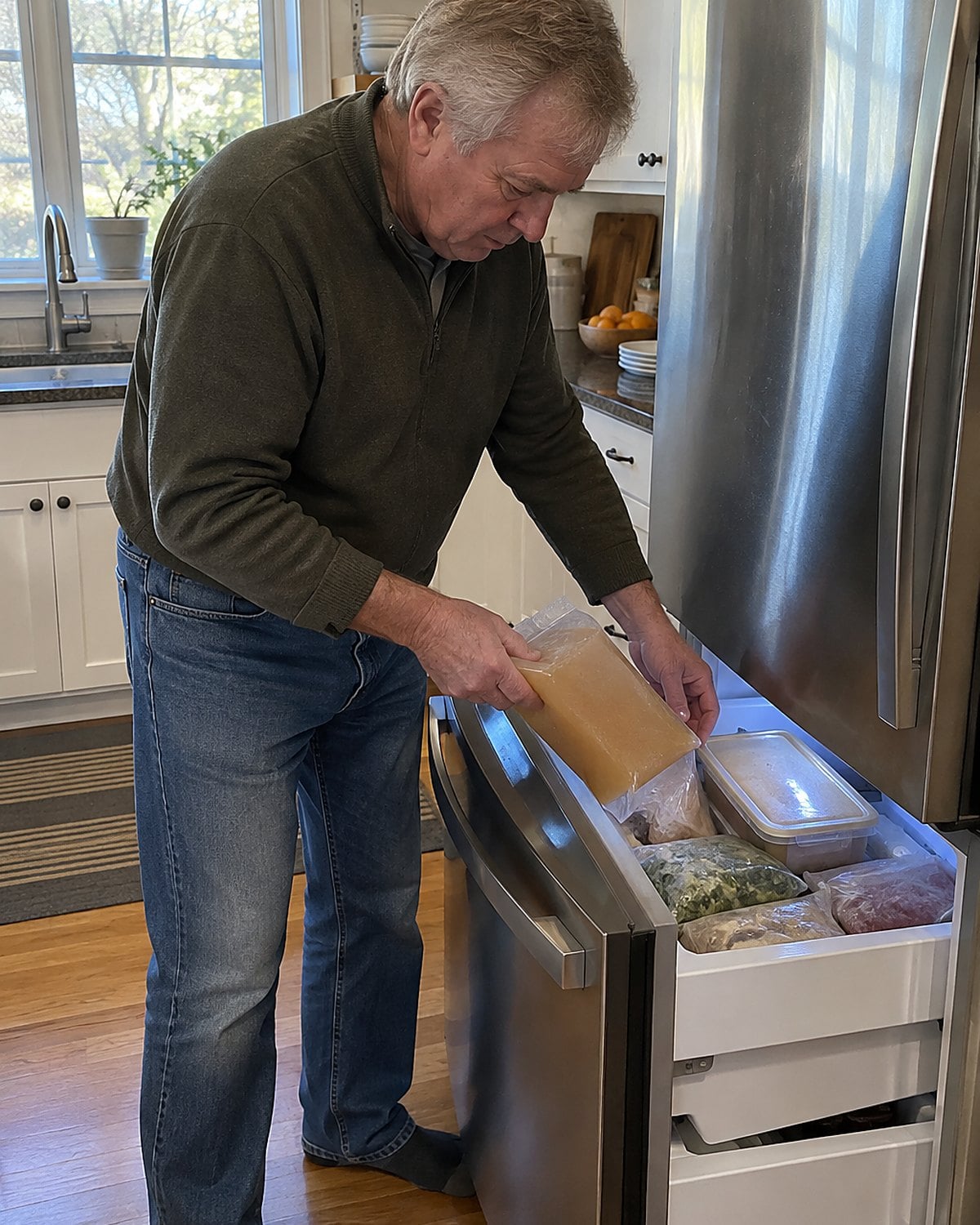
A bag lay flat in the freezer drawer, marked in thick pen. Weeks earlier, it had held the broth from a chicken supper. Now it was the start of another meal.
Stock smells fuller when it warms with onion or a piece of celery, but taste it before building a soup around it. A salty stock needs less added salt. A thin one needs time with the other ingredients, not a spoonful of salt right away.
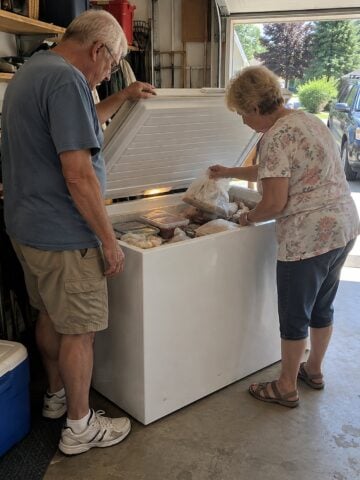
Cool homemade stock promptly before freezing it. Use shallow containers in the fridge for faster cooling, then transfer the cold stock to freezer bags or containers. Leave room for expansion. If you need the official storage guidance, the USDA cold food storage chart is the place to check.
Freeze a small portion as well as a large one. On a night with only two bowls to fill, you won’t have to thaw the whole Sunday pot.
Try it: Instant Pot Chicken Bone Broth In 3 Hours
#5 Brown Butter for Mashed Potatoes
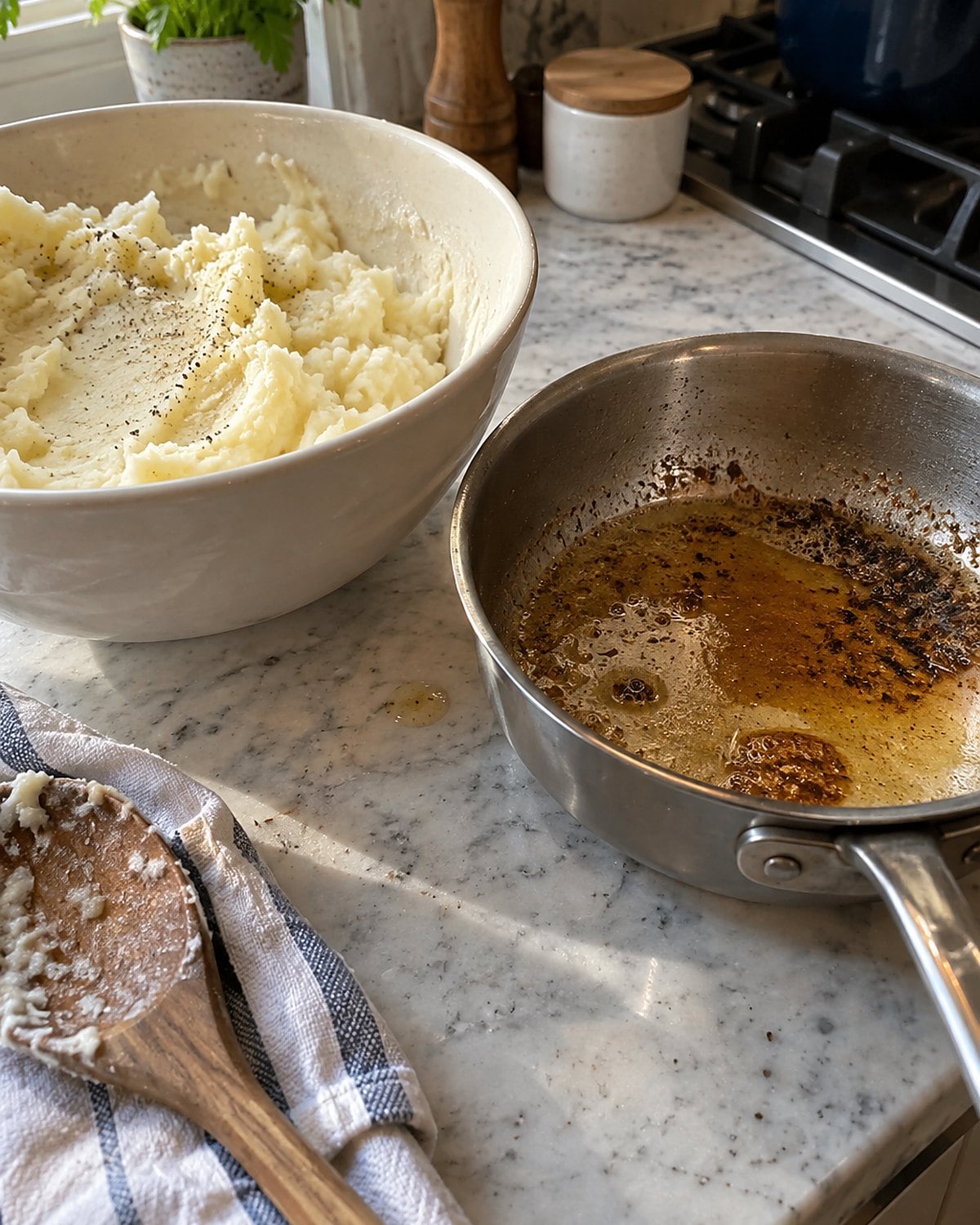
Butter changes its smell before it changes the whole meal. In a small pan, it foams, the foam settles, and tiny bits at the bottom turn brown. Suddenly the kitchen smells nutty.
Watch the pan, not a timer. Take it off the heat when those bits turn golden brown; they keep darkening in the hot pan. Pour the butter into a cool bowl if you aren’t using it at once. Black bits taste burnt, so start again if the pan goes too far.
Spoon a little over mashed potatoes instead of mixing all of it in. You get the aroma at the surface, right where you’ll notice it. The potatoes underneath stay familiar. It’s a small change for a night when you want the old supper, with one new thing to look forward to.
#4 Lemon Cake Cooling on the Counter
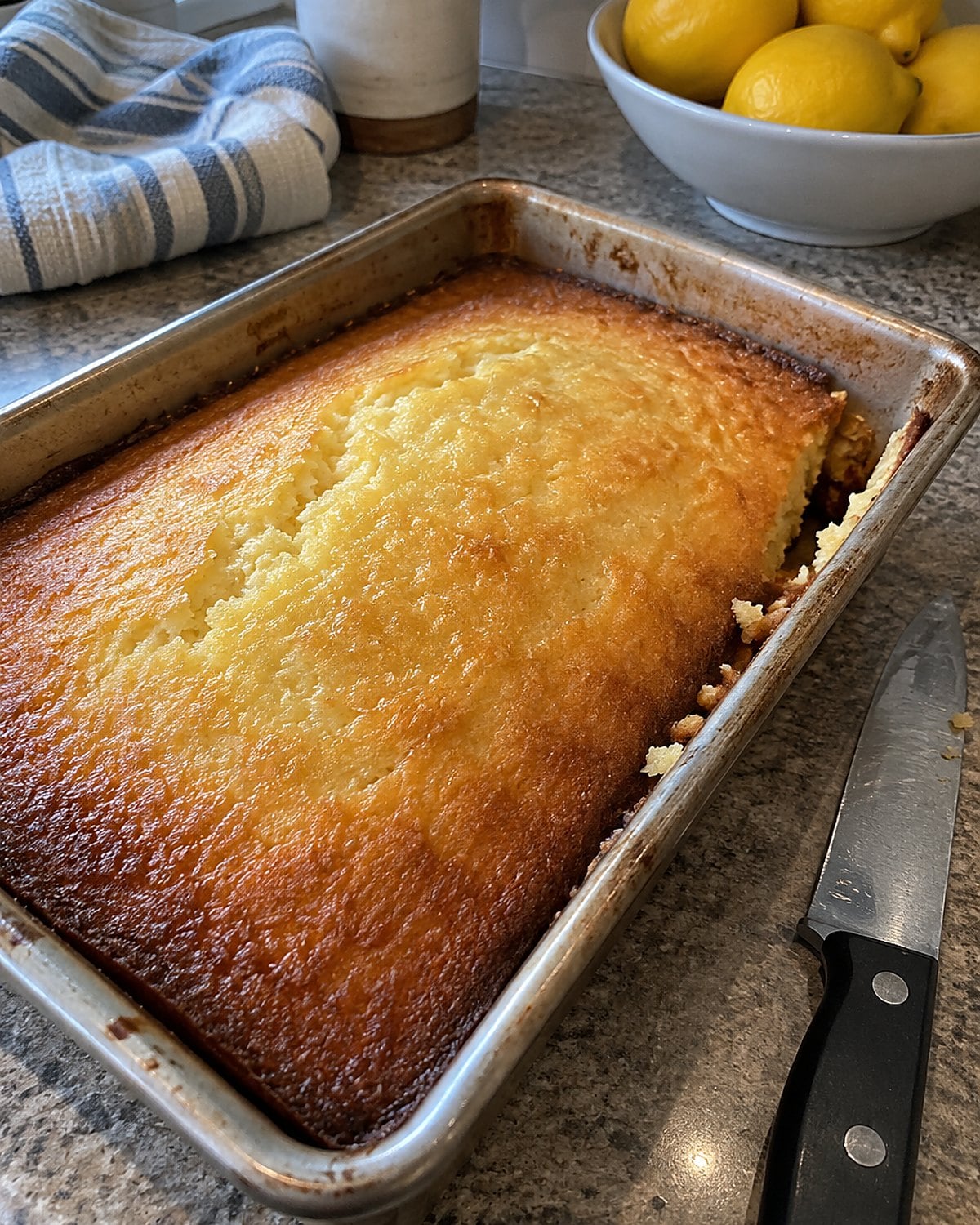
The cake was out of the oven, but nobody was allowed to cut it. Lemon hung in the air while the pan sat on a rack, and a knife waited beside it.
For a strong lemon smell, rub the zest into the sugar before mixing the batter. The rubbing releases fragrant oil from the peel. Keep the white pith out; it brings bitterness without the bright smell. If you add a lemon glaze, spoon it onto a cake that has cooled enough to hold it rather than swallowing it whole.
The top should spring back when pressed lightly, and a tester from the center should come out without wet batter. Give the cake time to settle before slicing. Cut it hot and you leave half the crumb on the knife.
Set a plate out anyway. Someone will pass through, ask when it’s ready, and return five minutes later as if they haven’t asked.
#3 The Vinegar Bottle Beside the Greens
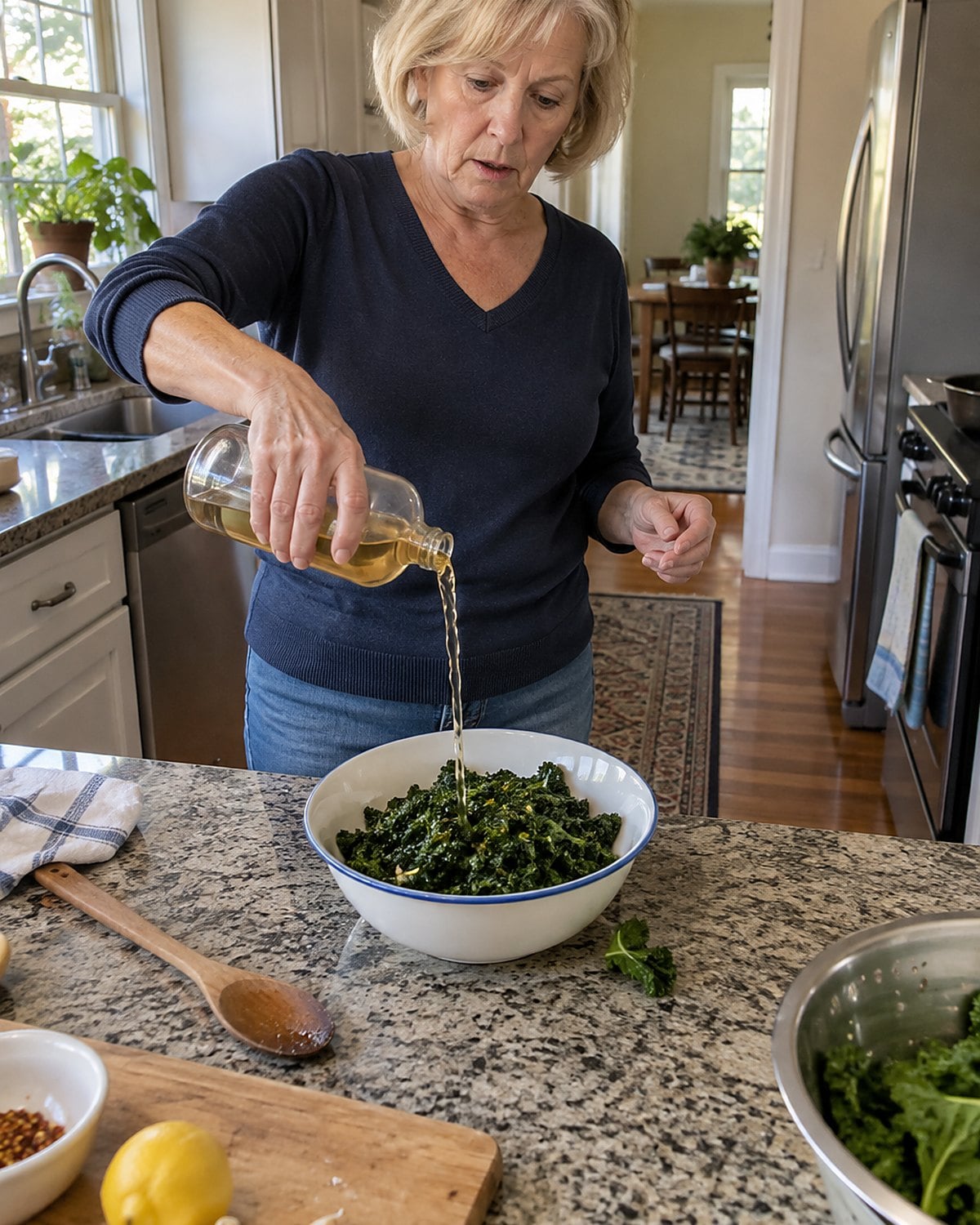
A pot of cooked greens had a deep, earthy smell. Then the vinegar bottle came out, and suddenly the whole dish seemed awake.
Taste the greens before adding it. If they’re tender and seasoned but taste dull, add a small splash of vinegar to the pot or to your own bowl. Stir, taste again, and stop while you can still taste the greens. Vinegar supplies sharpness; it won’t repair greens that are undercooked or burned.
This is especially handy when you’re cooking a smaller pot. You don’t have to season for everyone who once sat at the table. Leave the bottle beside the stove and let each person choose. The smell of the greens stays in the kitchen, and the last spoonful still tastes worth eating.
Try it: Instant Pot Collard Greens With Sun-Dried Tomatoes
#2 Pie Crust Coming Out of the Oven
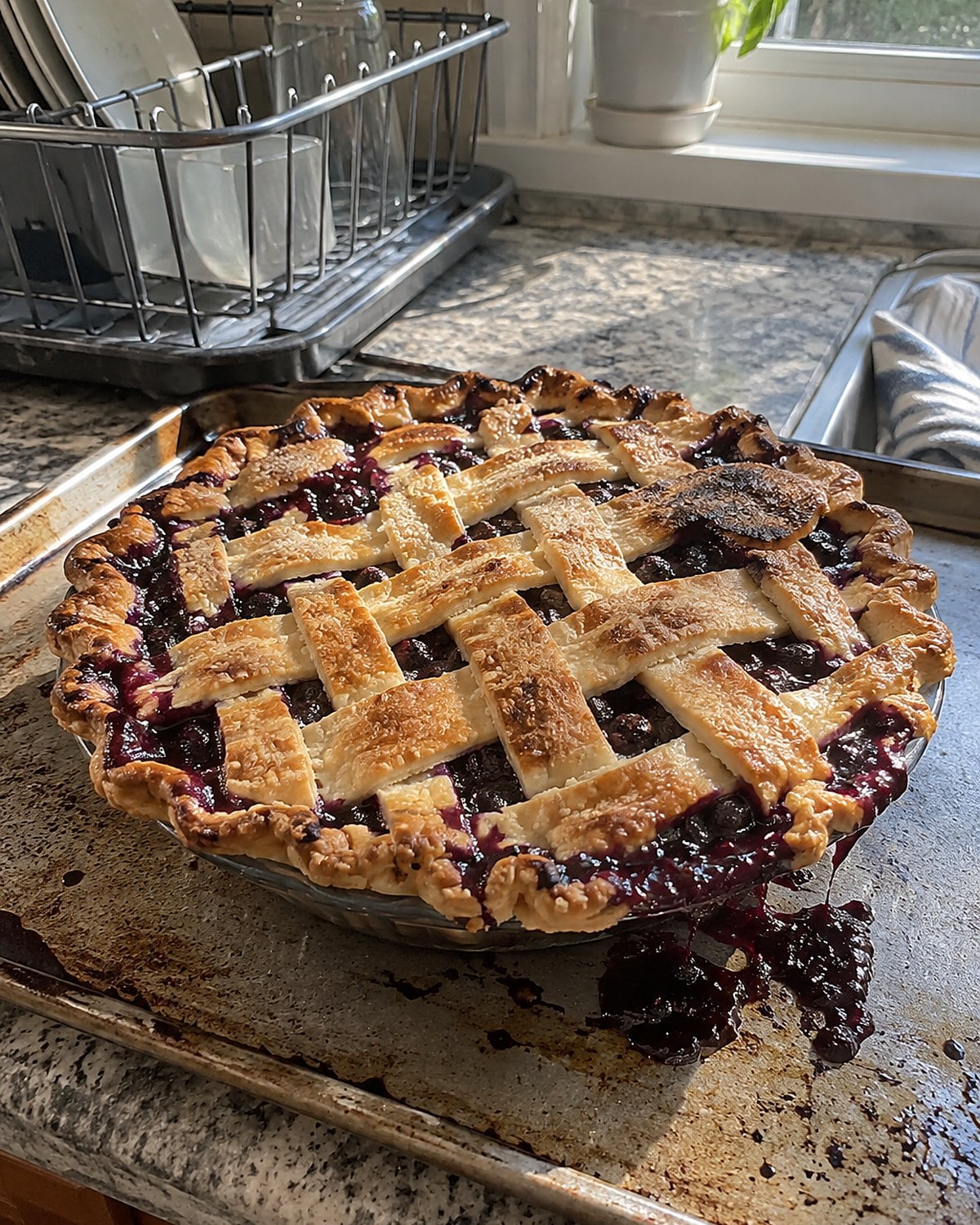
The pie arrived with a smell of toasted pastry and bubbling fruit. Someone set it by the open window, warning everybody not to touch the pan.
A pale bottom crust never gives you that same smell. For a fruit pie, preheat the oven well and bake the pie on a lower rack so heat reaches the bottom. Set the pie plate on a sturdy baking sheet to catch drips. You want the filling bubbling near the center, not only at the edges.
Let it cool before cutting. The filling thickens as it stands, so the first slice holds together better. If you cut early, put it in a bowl and eat it with a spoon. No one in a childhood kitchen waited for a picture-perfect wedge.
Still, wait long enough to smell the crust after the oven door opens. That first breath is the part nobody writes into the recipe.
#1 The Sunday Roast at Eleven
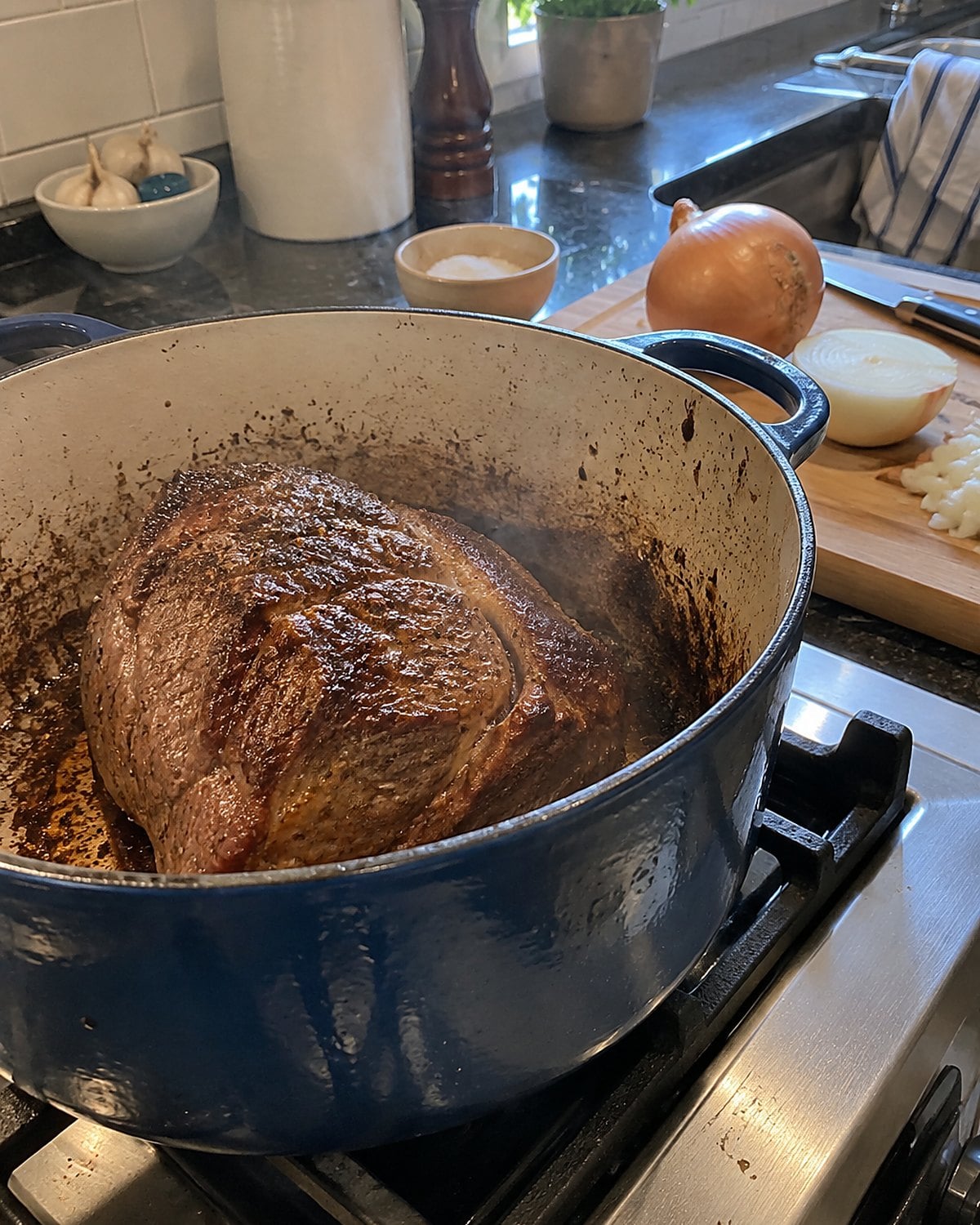
At eleven, the roast was already in. Open the oven door and a wave of browned meat reached the hallway. Dinner was still hours away. That was the pleasure of it: the house had time to become a Sunday house.
If you want that smell tonight, start by choosing a roast suited to the time you have. A tough chuck roast belongs in a covered pot with a little liquid, cooked until it yields to a fork. A tender beef roast belongs in the oven and comes out when a thermometer says it’s ready, not when the hallway smells right.
Put the thermometer into the thickest part, clear of bone and fat. For whole cuts of beef, the USDA sets 145°F with a three-minute rest as the safe minimum. Its safe temperature chart is worth opening when the cut or meat changes.
Brown the roast first if you’re using a pot. Give the onions a turn in the hot pan before adding liquid. Those two steps make the smell that used to reach the hallway.
Then leave the lid alone for a while. A smaller roast won’t bring back everyone who sat at the table, but it will give you a reason to open the kitchen door and stay.
Try it: Instant Pot Beef Pot Roast With Potatoes & Carrots
The bottom line
The smells came from small decisions: drying a potato, browning an onion, letting a loaf cool. None of them required a crowded table.
The well-prepared version of you has a clean pan, a working thermometer, and an onion ready to cut. Which smell would bring you into your kitchen tonight?

Leave a Reply