

The cookie tin snaps shut, and a small hand reaches for it before anyone sits down. Then comes the question: “Did Mom say I could?” You know the answer isn’t always yours to give. You also know that a kitchen loses something when every treat needs a committee meeting.
There’s room between sneaking a second helping and serving whatever you please. A crisp edge, a warm bowl, a little butter: those things matter. So does the parent who’ll take this child home. The good part is finding where those truths fit together.

#27 The Cookie Tin Before Supper
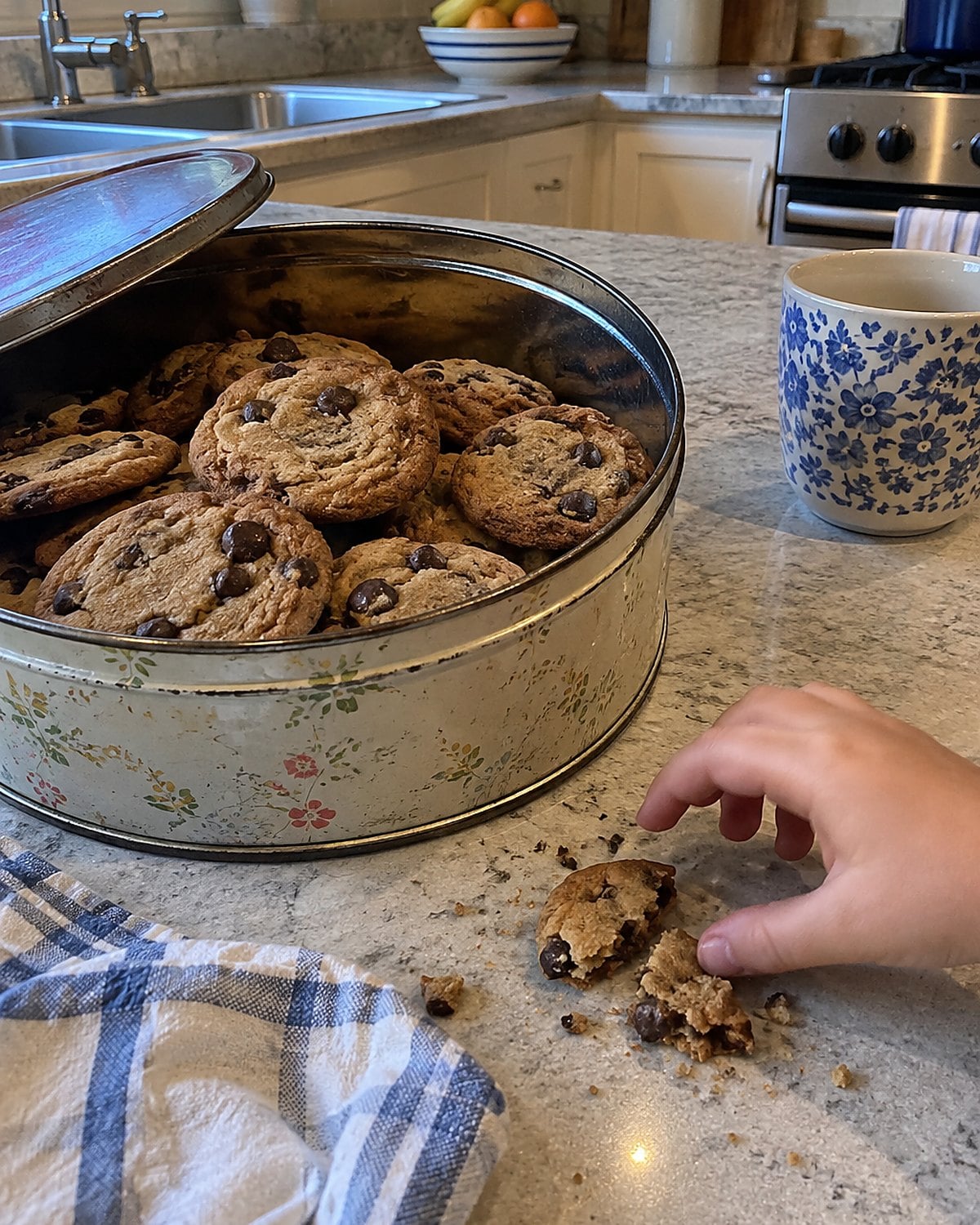
A cookie taken from the tin before supper has a particular crunch. It also has a way of coming up later, when the child tells the story at home. If supper timing matters to the parent, save the tin for afterward. Nobody has to keep a secret.
For crisp cookies, let them cool all the way before closing the lid. Trapped steam turns a good snap into a bend. Put a piece of bread beside a cookie in a separate container if you want to see moisture at work. Compare it with a cookie kept in a dry tin.
You’ve made enough cookies to know that the broken one tastes fine. Set those out when the time comes. The intact batch stays in the tin, ready for another visit. The little hand will find it again.
#26 The Buttered Toast Triangle
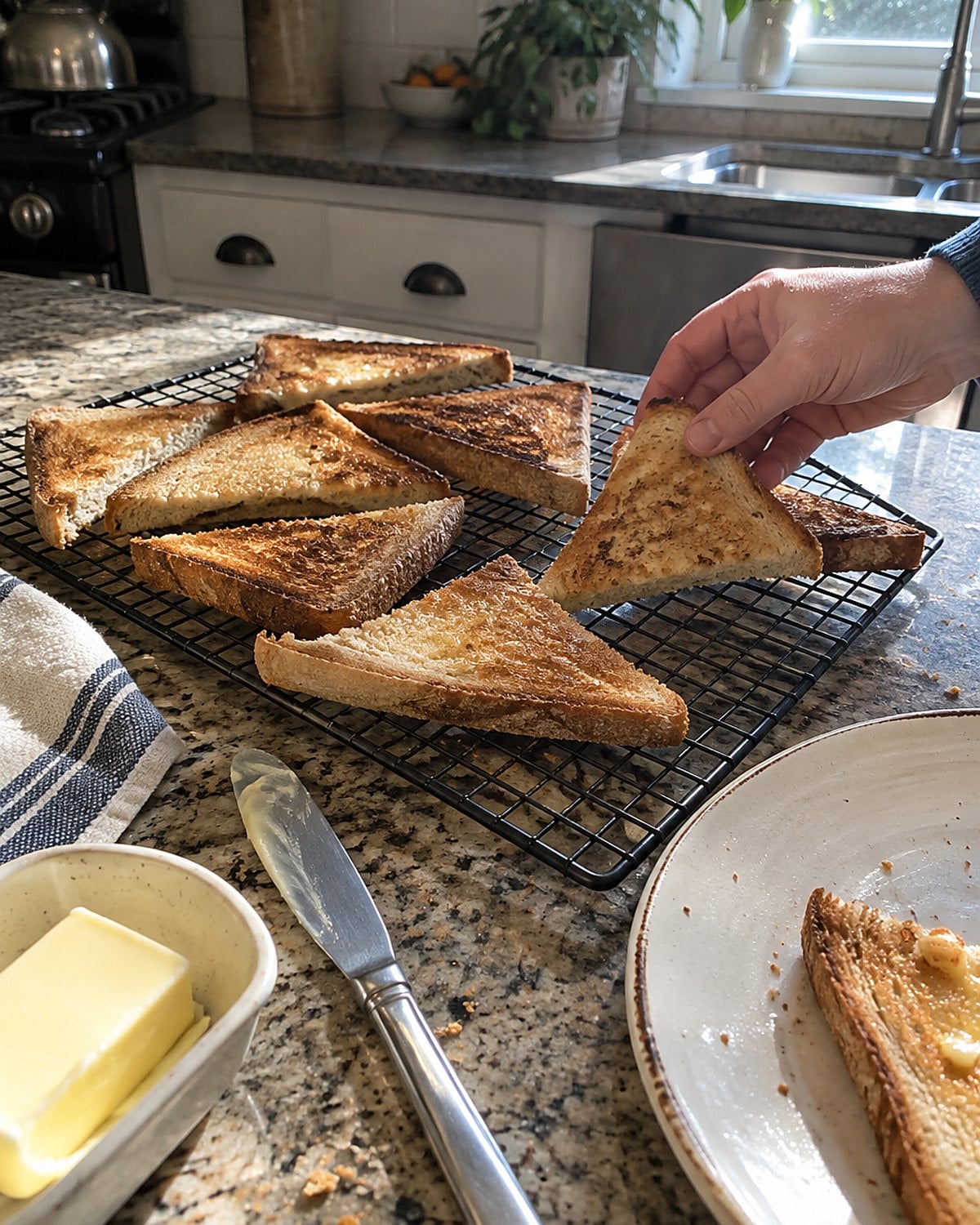
The appeal is the corner. A triangle of toast gives a child a crisp point to bite first, followed by the middle where butter has soaked in. It asks very little of you when the kitchen is full of voices.
Butter on the side leaves the choice open. The toast still needs care. Let the bread color before spreading anything on it, or the surface stays damp and pale. A rack keeps the underside crisp while you make the next slice; a plate traps steam.
Hand over the butter knife if the child is ready to spread their own. You’ll get uneven patches and a counter to wipe. That’s lunch, not a lesson in doing it neatly.
#25 The Pancakes With Chocolate Chips

Chocolate chips in breakfast pancakes draw a line in some families. Keep the plain batter plain until you know which pancakes need chips. That saves you from making a second bowl when breakfast has two sets of rules.
Pour batter into the pan, then scatter chips over the wet tops of the pancakes meant to have them. Plain pancakes stay plain, and you know exactly which stack is which.
Use medium-low heat rather than chasing a griddle number. When bubbles break on top and the edges lose their shine, flip. Lift one pancake to check its color before pouring the rest of the batch.
Melted chocolate on the griddle smells wonderful for a moment, then burns onto the next round. Wipe stray chocolate from the pan between batches with a damp towel held in tongs. Keep your fingers clear of the hot surface.
Ask which stack belongs on which plate before you pass them out. A child who gets a plain pancake still deserves one made with care.
#24 The Ice Pops in the Freezer Drawer
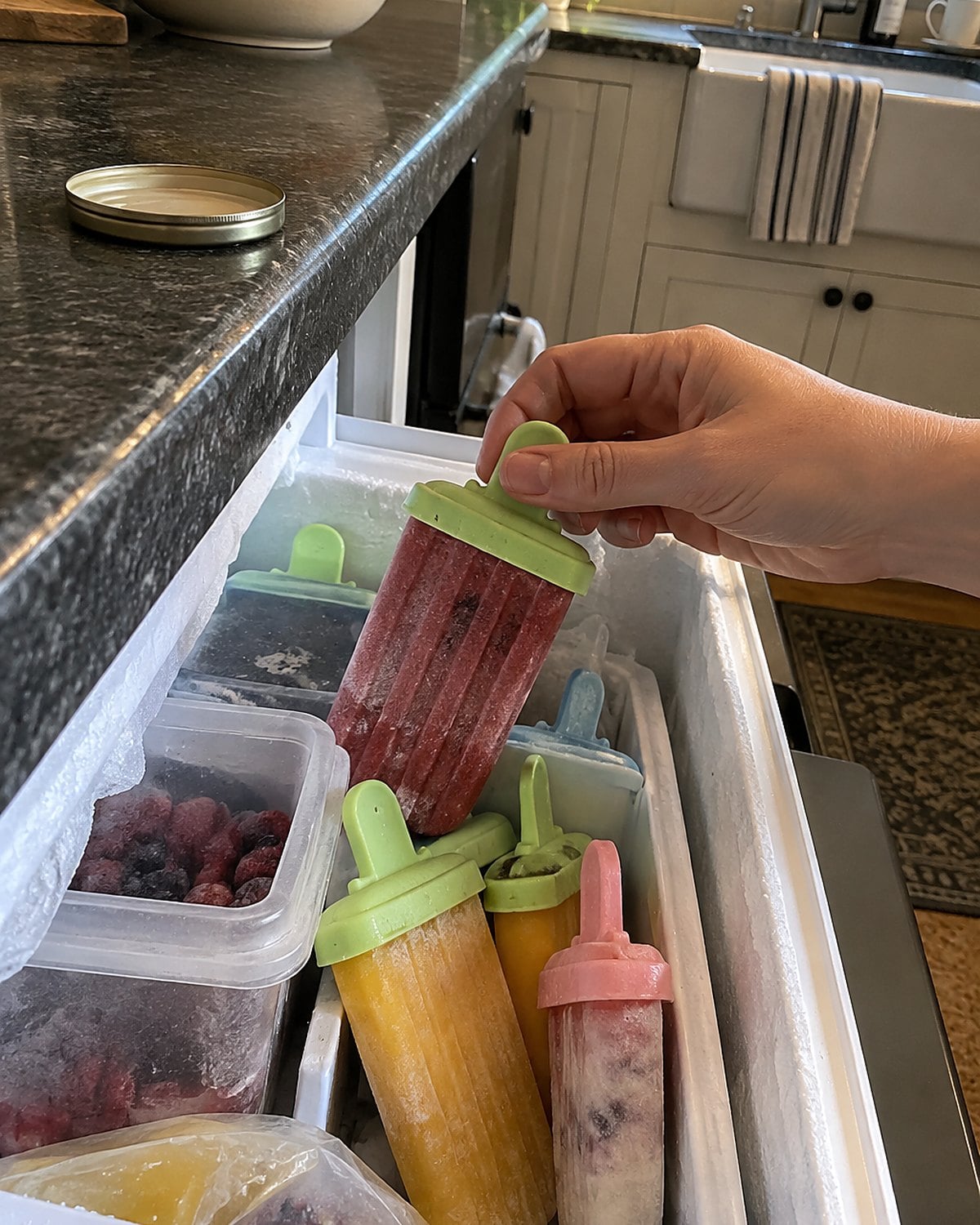
A freezer drawer full of homemade ice pops looks like a standing invitation. Yet nobody can tell what’s inside the purple ones by looking at the mold. That matters when a child avoids an ingredient.
Try fruit blended with water and a squeeze of lemon. Taste the mixture before it goes into the molds: freezing dulls sweetness, so fruit that tastes flat now won’t improve later. Leave room at the top for the mixture to expand.
Write the ingredients on a note you’ll find beside the molds. When someone asks, you won’t have to reconstruct the batch from memory. Then comes the good part: a child pulls an ice pop from the drawer and hears that little crack as it leaves the mold.
#23 The Macaroni With a Buttered Crumb Top
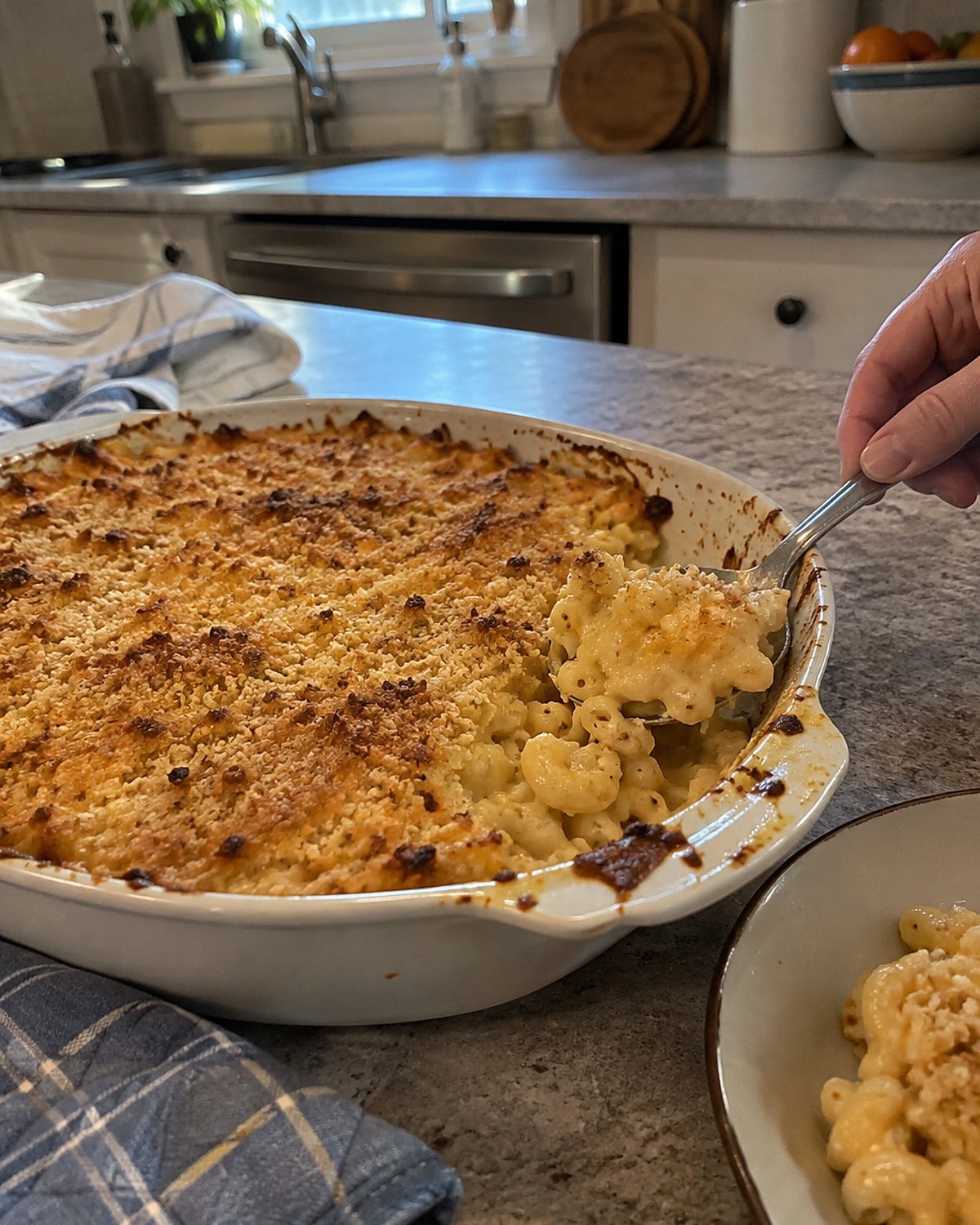
Let the bubbling stop.
Under that brown crust, the cheese sauce is still moving, and a bite straight from the oven will burn a child’s mouth. Once the dish settles, drag a spoon through the middle. Sauce should coat the pasta rather than run into the gap like milk.
If it looks dry before baking, add more sauce; the pasta drinks some while the top browns. Toss crumbs with melted butter before scattering them over the dish. Dry crumbs stay dusty in places while the cheese underneath cooks.
A shallow baking dish gives you more crisp top per serving. You can serve a small scoop beside the rest of lunch rather than turning seconds into a table discussion. Watch for the child who digs out the crunchy bits first.
Try it: Easy Instant Pot Macaroni & Cheese (Step-By-Step Recipe)
#22 The Jelly Sandwich Cut Into Stars
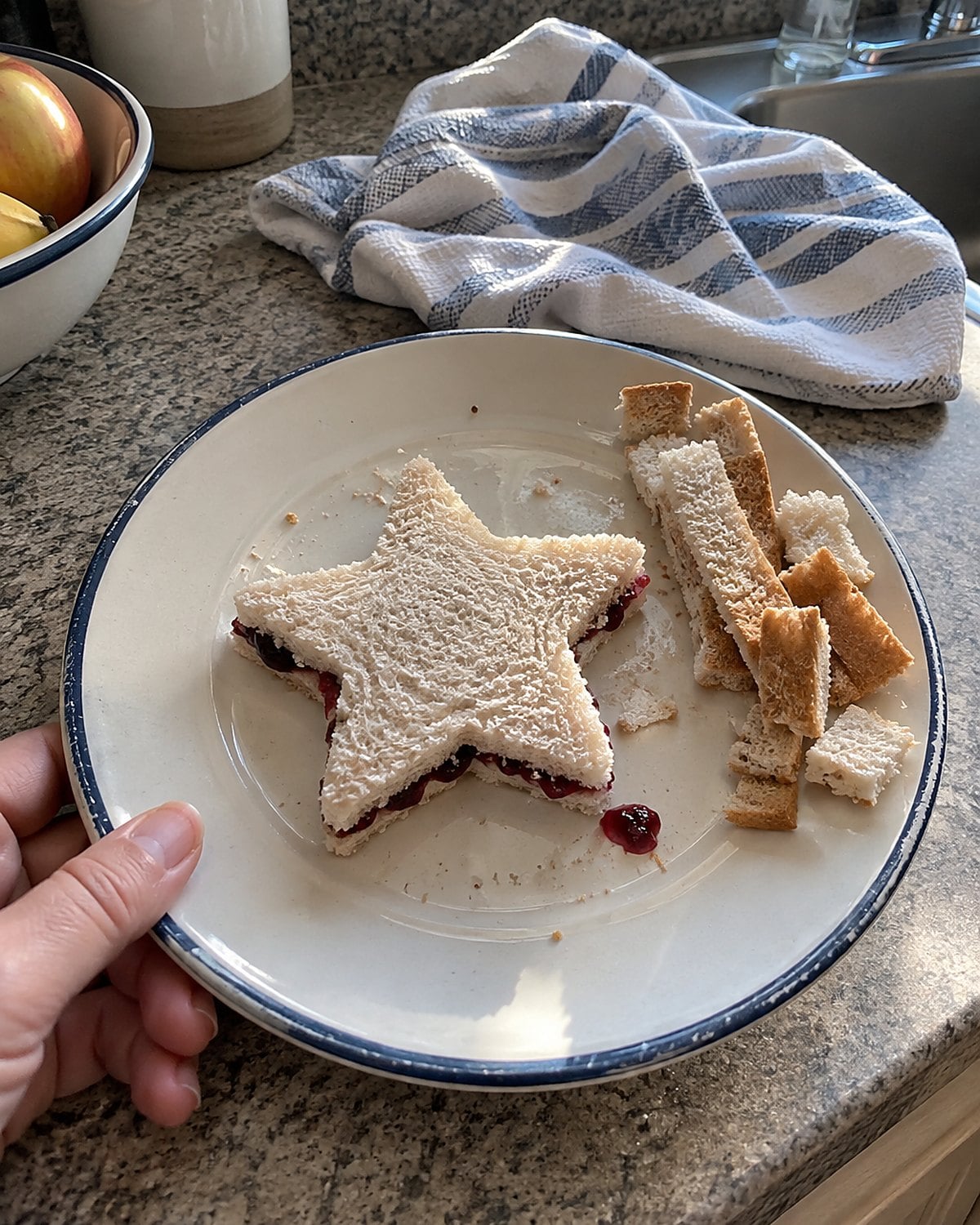
A star cutter leaves scraps, but those little edges tell a child this sandwich was made for them. Choose a sturdy bread and press the cutter firmly through both slices. Soft bread tears when you lift it too soon.
Spread jelly thinly near the points. A thick spoonful slides out when small hands squeeze the star. Keep the scraps for your own toast or tuck them beside the sandwich if the child likes them.
Before reaching for another filling, find out which ingredients belong in this child’s lunch. For food allergies, the FDA’s food allergy guidance is worth reading with the package in hand. Set the star on a plate, and let the child decide which point to eat first.
#21 The Fried Potatoes in the Cast-Iron Pan
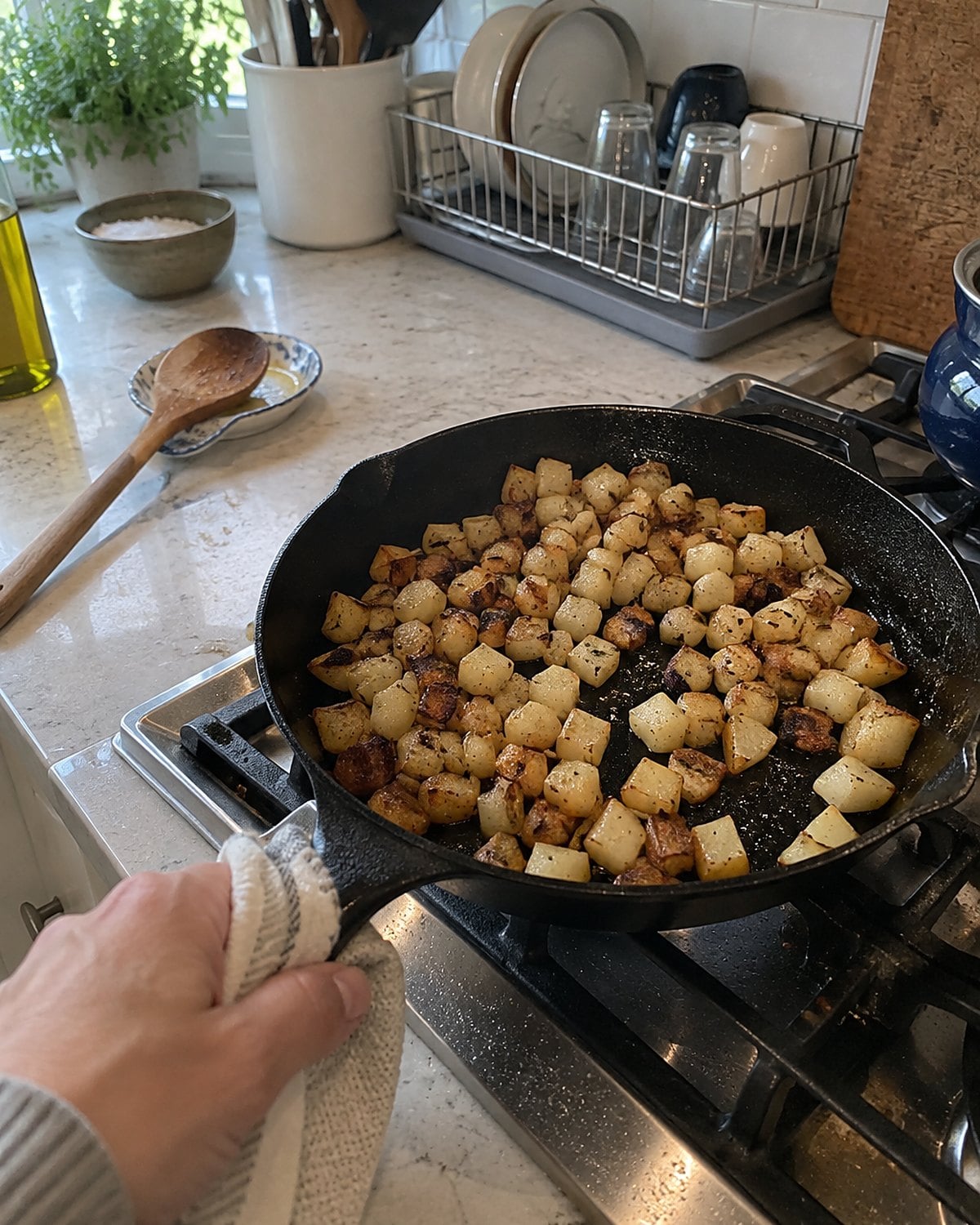
You hear the pan before you smell it. That steady sizzle means the potatoes have enough heat to brown. Stir too early, and their rough surfaces break apart. Wait until a spatula slips beneath them without a fight, then turn.
Start with dry, evenly cut potatoes and a pan that isn’t crowded. Water on the pieces steams them; a heap in the pan does the same. Work in batches if the skillet is small. Salt after browning so you can taste what’s there.
For your first batch, leave the potatoes alone for about 5 minutes before testing a piece with the spatula. Adjust the heat if the bottoms darken before the centers soften. The pan, rather than the clock, gets the final word.
Put eggs or fruit beside them if that suits the family’s breakfast. There’s no need to defend the skillet. Give the potatoes room, and the crisp edges make their own case.
#20 The Church Hall Sheet Cake
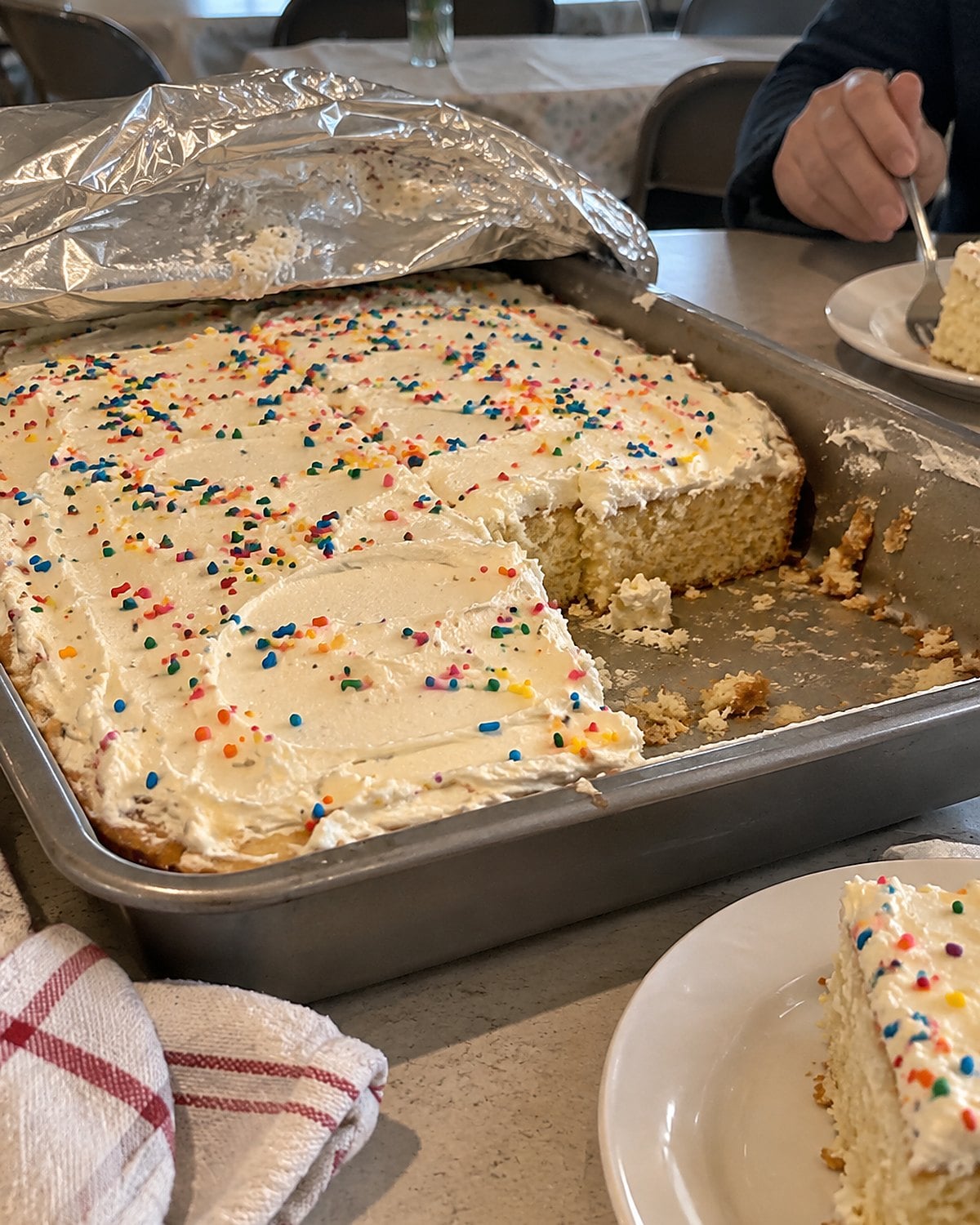
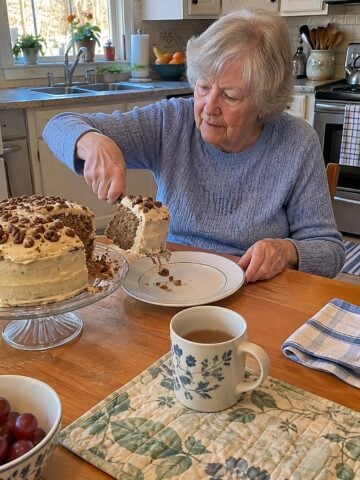
“Corner or middle?” That choice matters at a church hall table, where sheet cake arrives under foil that never quite lies flat again. Somebody wants extra frosting; somebody wants the soft square from the center.
For clean cuts, chill a frosted cake before slicing, then wipe the knife between rows. Serve it at room temperature so the cake tastes tender rather than firm from the fridge. A shallow pan gives each square a little frosting and an edge to hold.
Cut a small square for a visiting child after dessert has been settled with the parent. You’ve done the work of making the cake. That small choice of corner or middle belongs to the person eating it.
#19 The Green Beans Cooked With Ham Hock
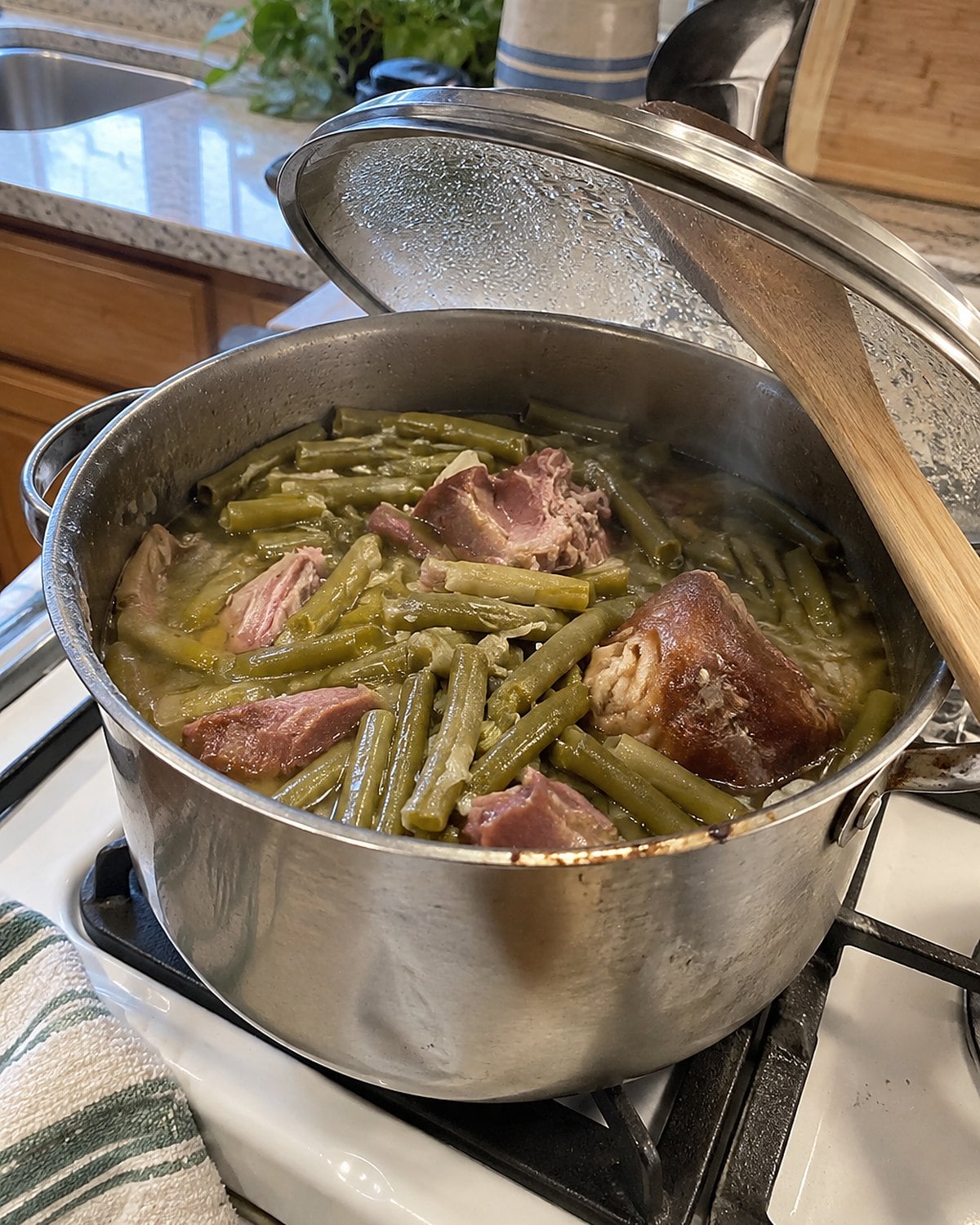
The lid rattles, the kitchen smells like supper, and the green beans lose their bright snap. That is the point of this pot. Long-cooked beans take on the flavor of the ham hock and the broth, and you eat them with a spoon rather than balancing them on a fork.
Taste the broth before adding salt. Ham hock brings plenty of its own, and that salt moves into the beans as they cook. When a bean bends easily and tastes seasoned all the way through, it’s ready. If the broth tastes thin, lift the lid and let some liquid cook off.
A parent who serves vegetables crisp has a reason for doing it. You don’t need to win a case for soft beans. Offer a spoonful with broth alongside when it fits the meal.
Keep the pot for your own dinner if nobody wants a taste. A grandchild’s first bite of something new works best when nobody at the table needs to prove a point.
#18 The Biscuit With Jam and Cream
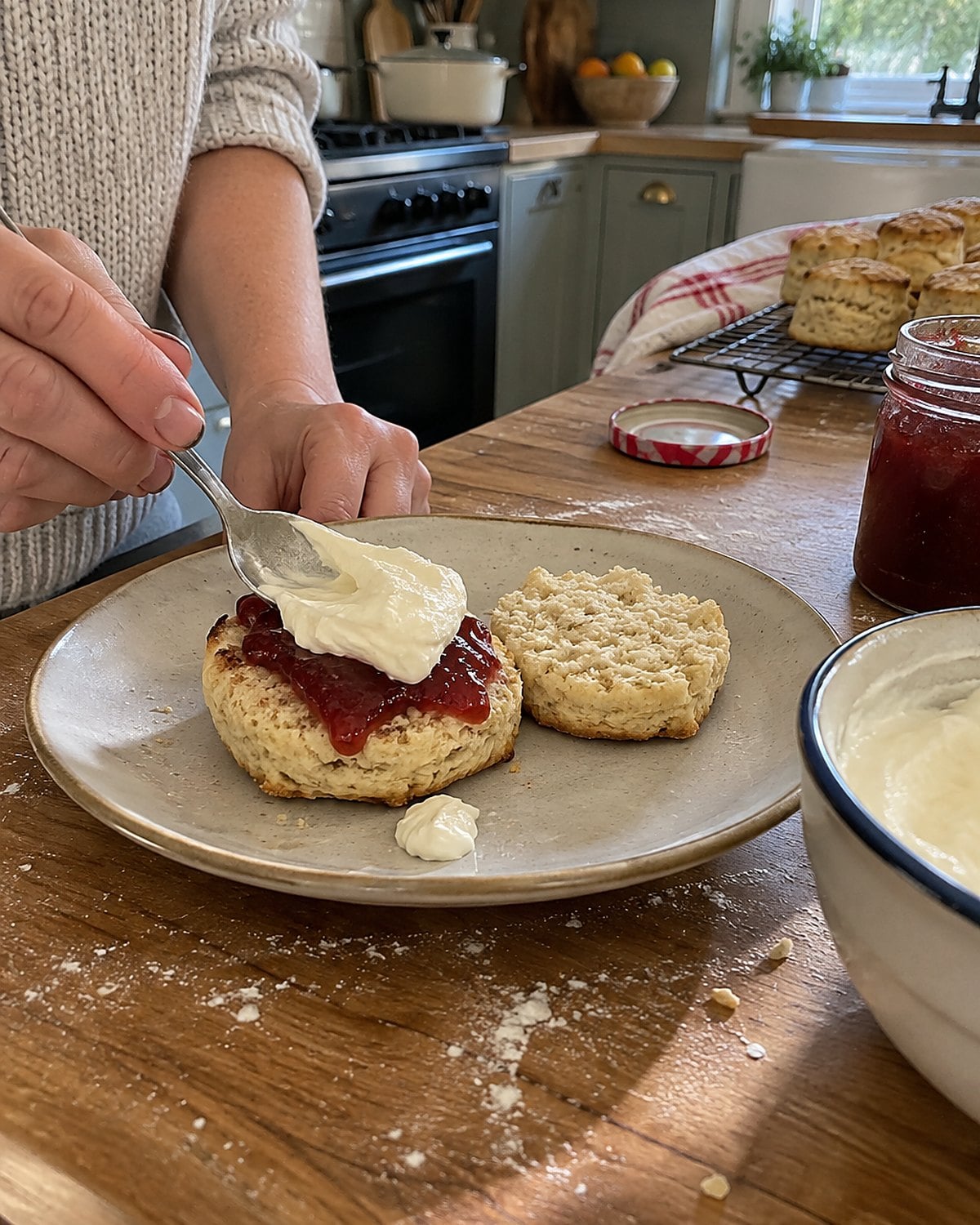
A warm biscuit splits under your thumbs, and jam catches in its rough middle. Add a little whipped cream, and it starts looking like dessert. The biscuit itself has a trick worth passing on, even if the topping waits.
Handle the dough until it comes together, then stop. Extra mixing builds gluten and trades tenderness for chew. A sharp cutter pressed straight down leaves the sides free to rise. Twisting the cutter presses those edges together.
Let the child press one cutter into the dough if they’re helping. You’ll both see whether that biscuit rises straight. Serve yours warm enough to soften the jam, not so hot that the cream runs away.
#17 The Grilled Cheese With Crispy Edges
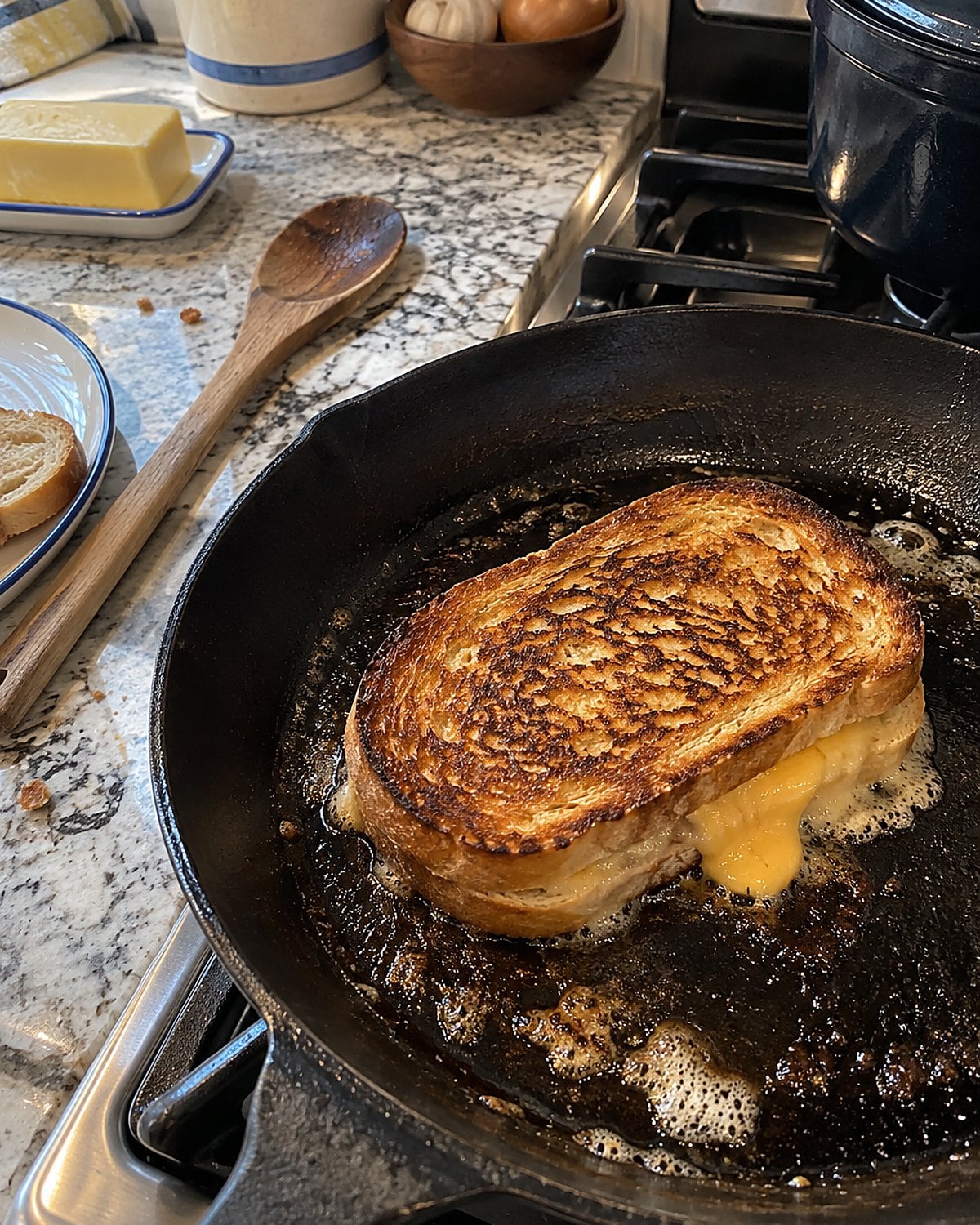
A grilled cheese has an awkward minute when the bread is brown and the cheese is still firm. Turn the heat down rather than pushing harder with the spatula. Cover the skillet briefly so heat reaches the center, then uncover it to keep the bread crisp.
Use cheese that melts well, sliced thin enough to warm through. Butter the outside of the bread right to the edges. Those fringes against the pan turn brittle and brown, which is why someone always reaches for the corner first.
Cut it into strips only after the filling settles. Cut too soon and the hot cheese slides out onto the board.
Tomato soup is nice beside it, but there’s no requirement to make a whole production. One sandwich and a plate that’s cool enough to hold will do.
#16 The Lemonade on the Porch

Stir the pitcher before you add more sugar. The porch is hot, the glass sweats, and the first pour tastes sharper than expected. Undissolved sugar sits at the bottom, leaving the last pour syrupy.
Dissolve the sugar in a little water before mixing it with lemon juice and cold water. For a small pitcher, begin with about ¼ cup sugar, then taste and adjust. You know how tart those lemons are only after you’ve squeezed them.
Let a child squeeze a lemon while you handle the pitcher. Then sit down with your glass while the ice clicks against the side. The visit deserves a pause, even when the next snack is already being requested.
#15 The Baked Beans Under a Bacon Lid
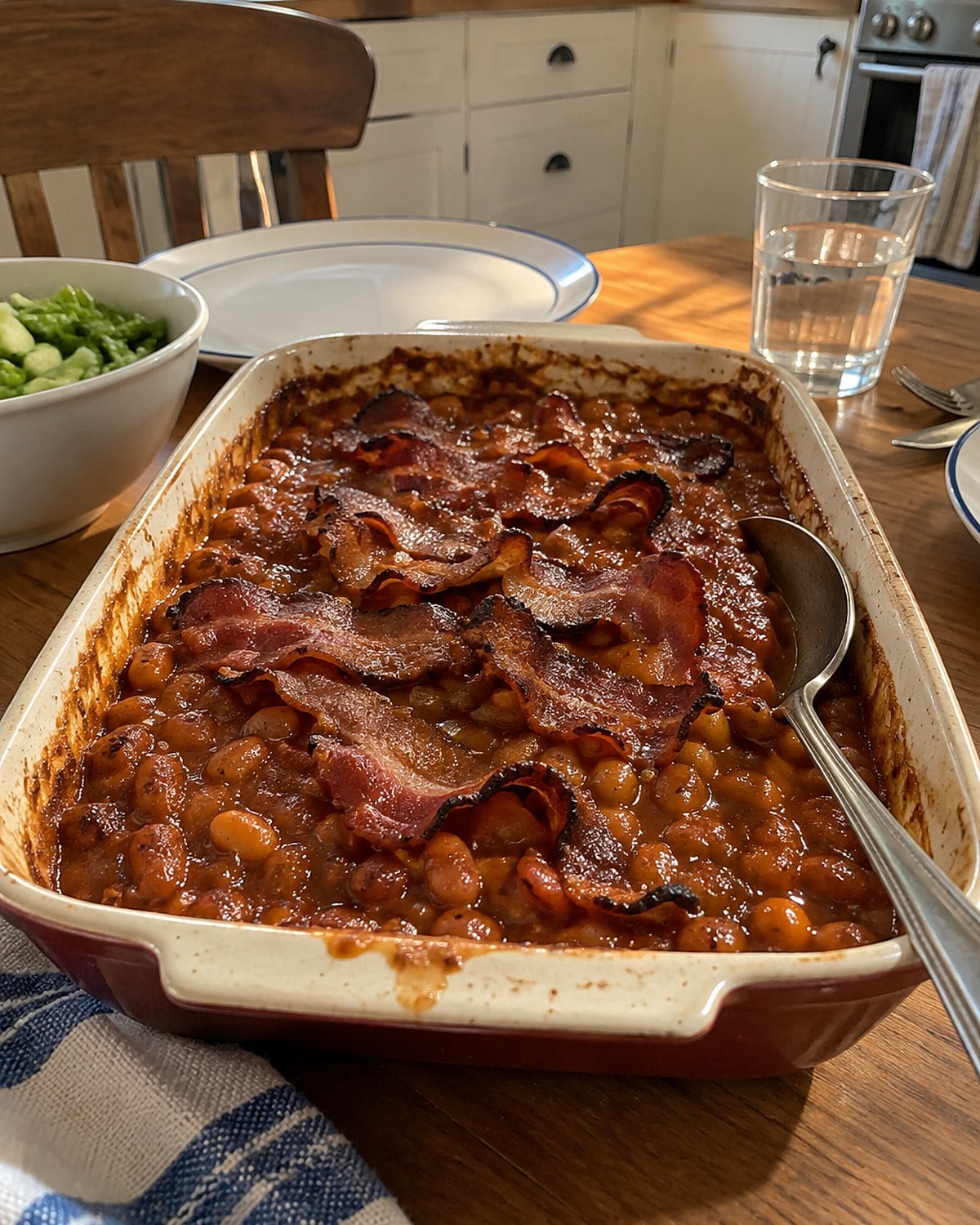
A dish of baked beans reaches the table with bacon curled across the top. Lift the lid and the sauce is thick around the edges, thinner in the middle. Stir before serving so everyone gets beans coated with the same sauce.
If you start with dried beans, cook them until tender before adding acidic ingredients such as tomato or vinegar. Acid slows softening. Baking won’t rescue beans that went into the sauce firm. With canned beans, drain them if the liquid would make your sauce too thin, and taste before adding salt.
A small baking dish still gives you the dark, sticky edge worth scraping. If someone at the table doesn’t eat pork, set aside their beans before the bacon goes on. Use a clean spoon for that portion.
This is one of those dishes that tastes different after a rest, once the sauce has settled into the beans. Nobody needs a huge pot to enjoy it.
Try it: Instant Pot Baked Beans (Vegan & Gluten-Free)
#14 The Rice Pudding With Nutmeg
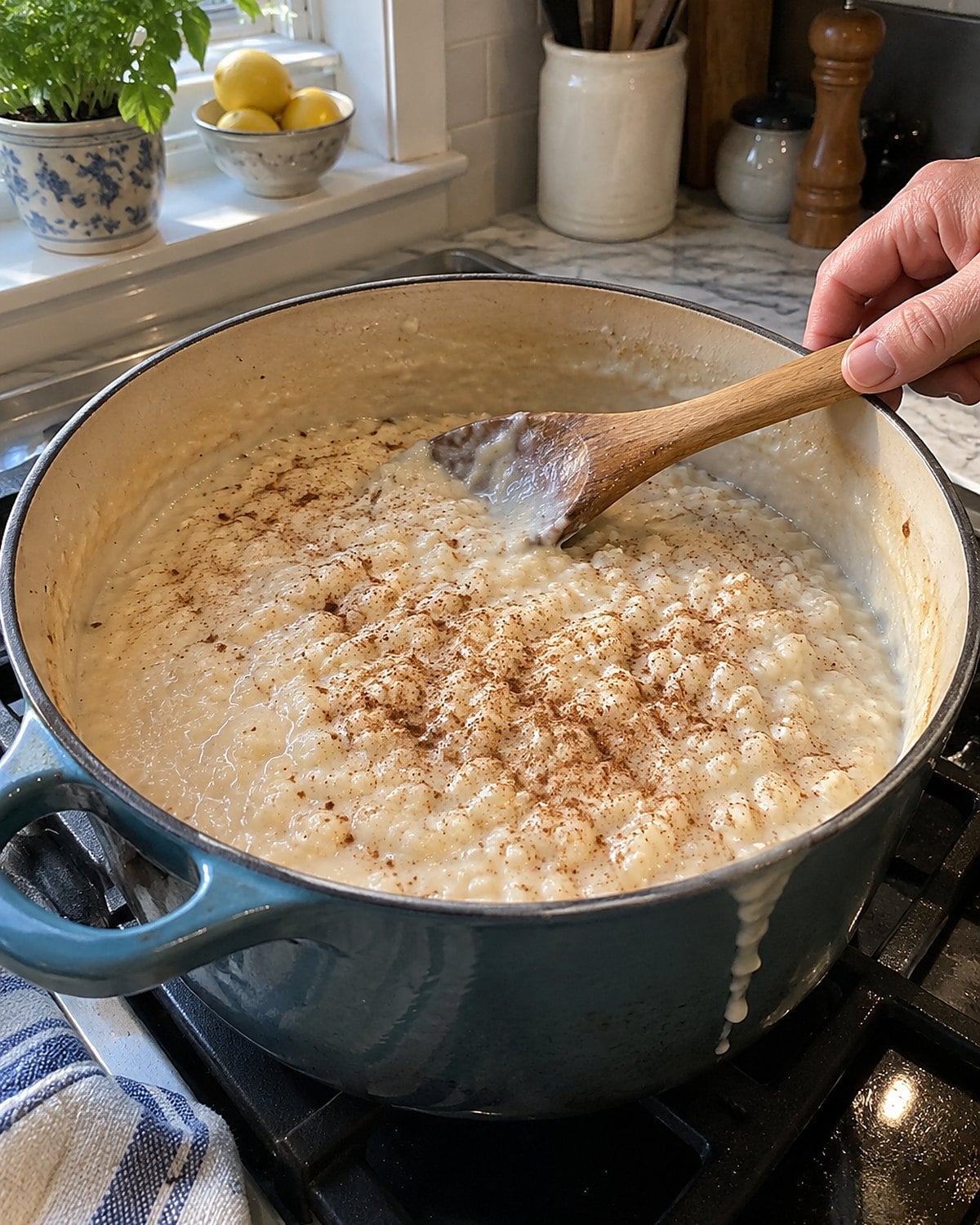
Rice pudding looks plain until you take a spoonful from near the side of the dish. There, the milk has thickened around the rice, and nutmeg has left a warm smell without taking over.
Stir it while it cooks, especially along the bottom of the pot. Milk catches where the heat is strongest. Taste the rice, not just the liquid: tender grains tell you more than a thick surface does. Pudding firms as it cools, so take it off the heat while it still moves on the spoon.
Spoon some into a small bowl and let it cool before serving. You’re offering a flavor a child hasn’t met yet. Another spoonful is their decision.
Try it: Instant Pot Rice Pudding (+10 Delicious Variations)
#13 The Meatloaf With Ketchup Glaze
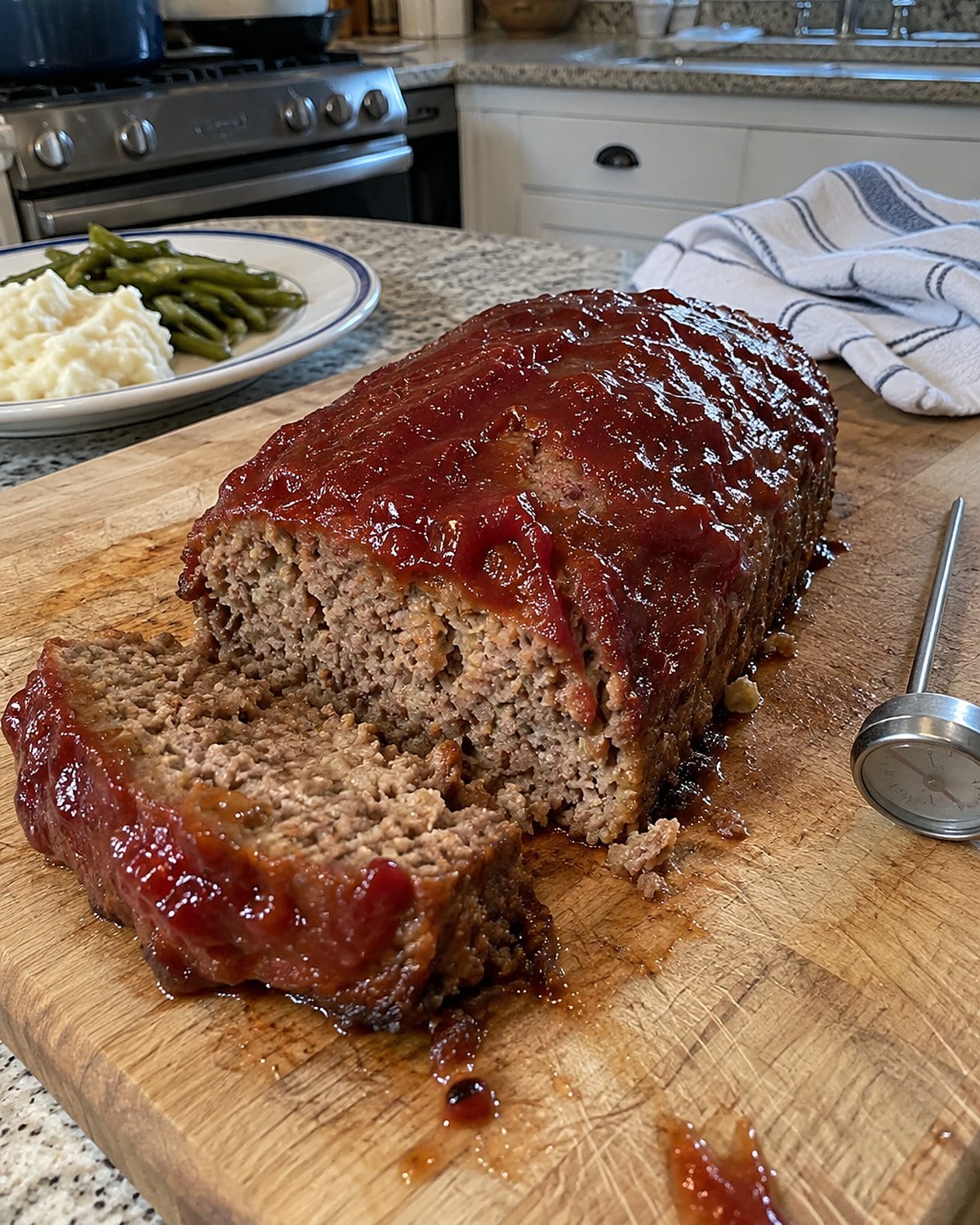
The ketchup goes on top before the loaf finishes cooking, where it turns darker and tacky. Underneath, the meat needs enough crumbs and moisture to hold together without becoming dense. Mix with your hands until the ingredients meet, then stop. Working the mixture hard gives you a tight slice.
Form the loaf with room around it in the pan so the sides brown. A loaf pressed against high pan walls steams along the edges. For beef or pork ground meat, check the center with a thermometer for 160°F, as the USDA’s safe temperature chart directs. If the loaf contains ground poultry, use the chart’s 165°F poultry temperature instead.
Let the cooked loaf rest before slicing, or the juices run across the board. A child who turns it down doesn’t need a speech about how much you loved it growing up. The browned end piece and a dab of glaze tell the story better.
Put leftovers away promptly rather than leaving the pan on the stove while everyone lingers. Tomorrow’s sandwich will be waiting in the fridge.
Try it: Best Instant Pot Meatloaf Recipes (Classic & Creative Twists)
#12 The Applesauce in the High Chair
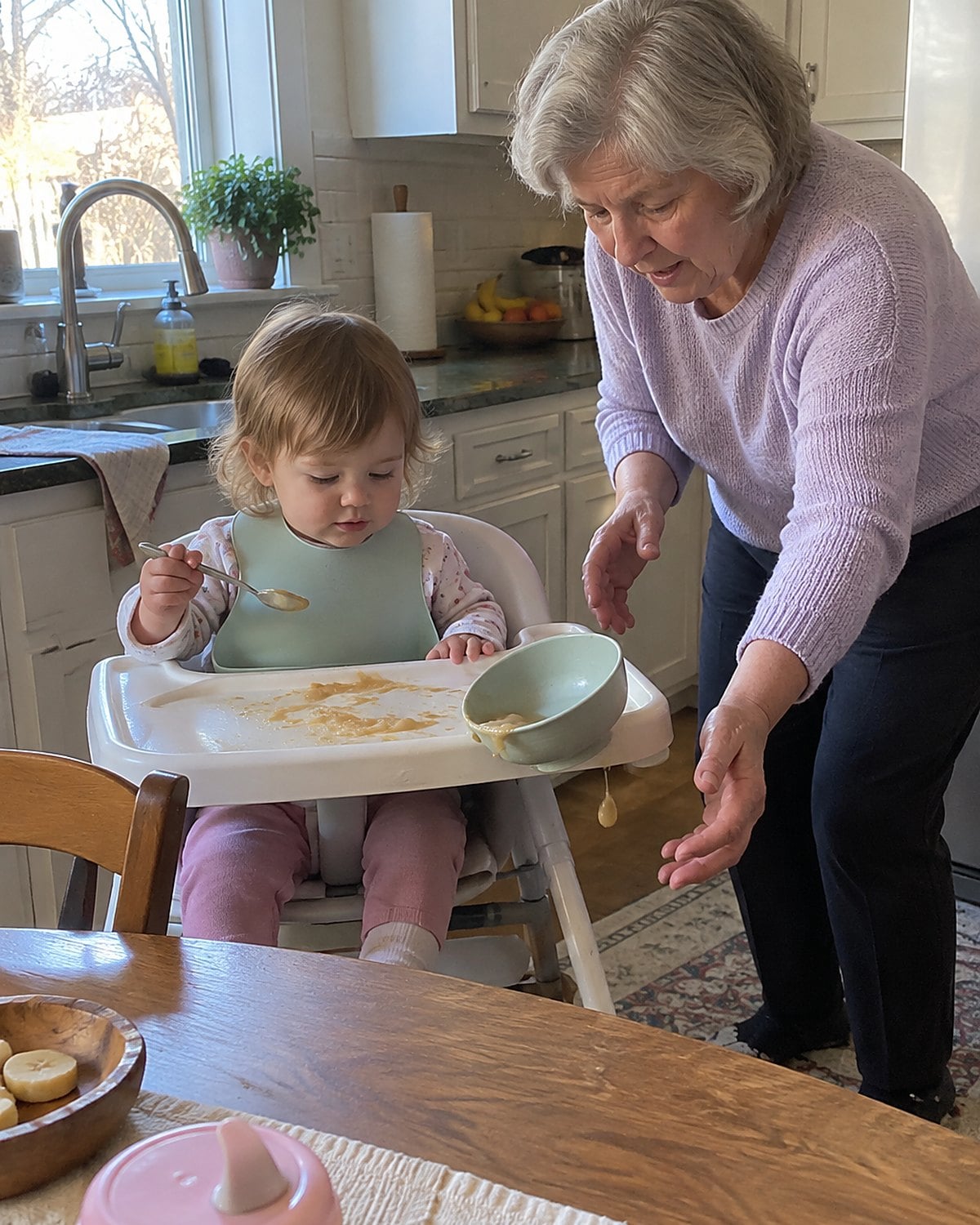
A spoonful of applesauce lands on the high-chair tray. Another reaches the child’s hair. You remember the mess, and you remember how pleased they look when the spoon finally finds their mouth.
Before serving a baby or young toddler, ask what textures and ingredients the parent is introducing. You don’t want the first spoonful of a new food to happen while the parent is out of the room. The CDC’s infant and toddler nutrition guidance is there when you want to check the basics.
For an older child, taste the applesauce first. Tart apples need a different introduction from the sweet ones you remember buying last fall. Hand over a spoon that fits their grip, and keep a cloth nearby. The mess is easier to welcome when everyone agreed to the snack.
#11 The Chicken Soup With Extra Noodles
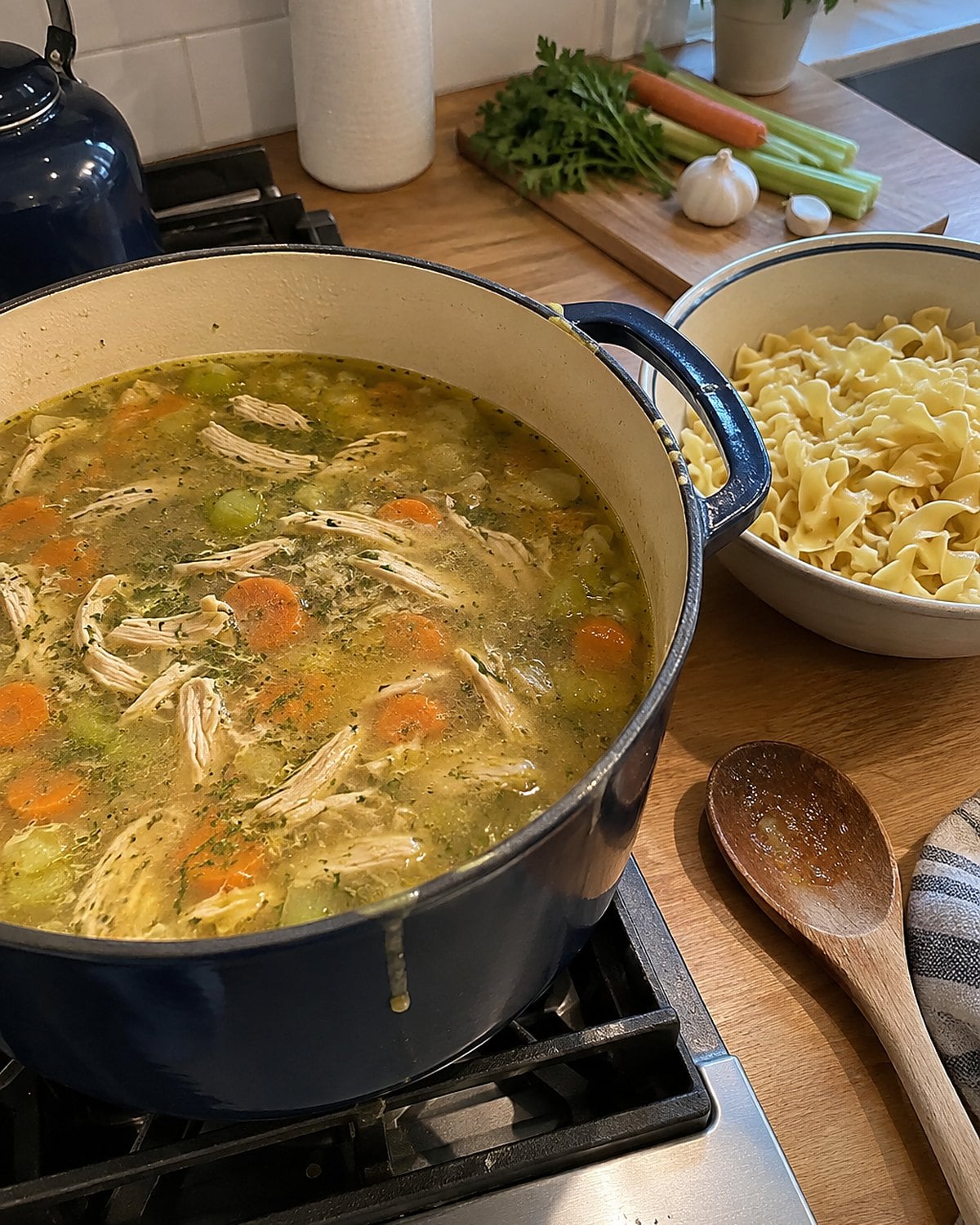
The noodles keep swelling in the pot after the burner goes off. By the time the family arrives, your chicken soup has become a noodle stew. That isn’t a disaster, but it explains why the last bowl looks nothing like the first.
Cook noodles separately and add them to each bowl. The broth stays clear, and you control how much a child gets without fishing through the pot. Taste the broth after the chicken and vegetables have cooked; a squeeze of lemon wakes up a flat bowl before you reach for more salt.
Chicken needs its own check. Push a thermometer into the thickest part, away from bone, and look for 165°F on the USDA’s safe temperature chart. Don’t judge it by the color of the broth or the way the meat looks near a joint.
Some children want noodles and broth with every carrot picked out. You can hand over that bowl without surrendering the good carrots in yours.
Try it: Instant Pot Chicken Noodle Soup In 30 Minutes (with VIDEO)
#10 The Peaches From the Market Stall
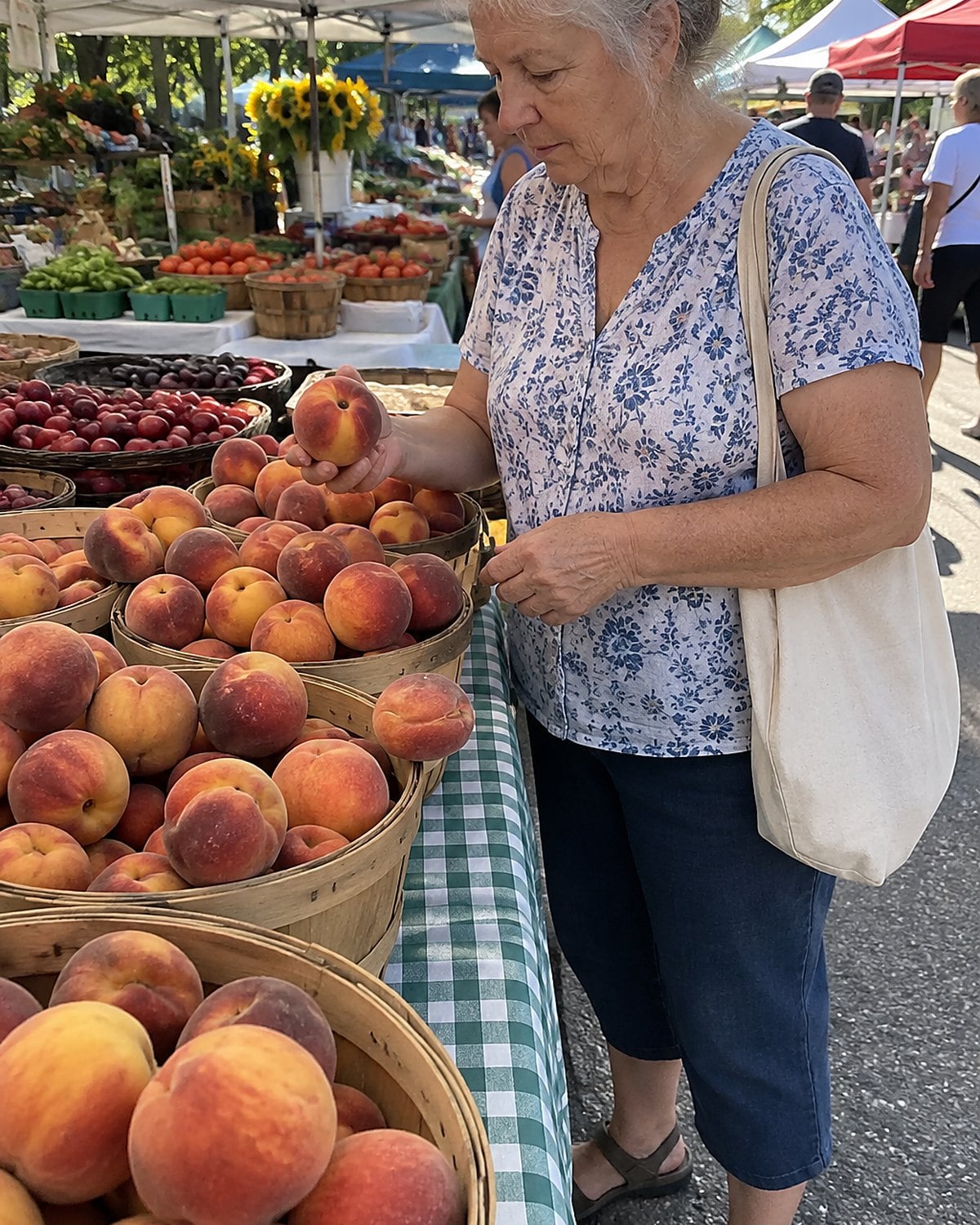
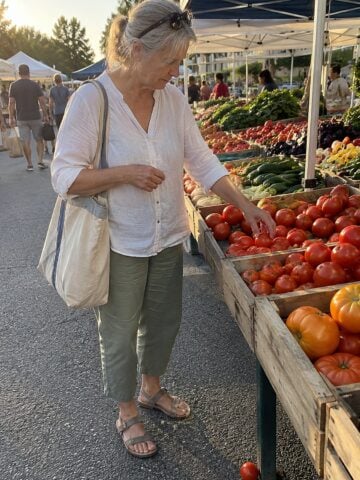
At the market stall, the peaches smell ready before they look perfect. Pick one up in your palm rather than pressing a thumb into it. A ripe peach gives near the stem; a hard one needs more time on the counter.
You don’t have to turn good fruit into a dessert to make it special. Wash it under running water, slice it over a bowl, and catch the juice. The FDA’s produce advice calls for washing produce before cutting, even when you plan to peel it.
Cut the fruit the way the child’s parent prefers. Then hand over the ripest slice. Your own peach will still be there.
#9 The Fried Apples Beside Breakfast
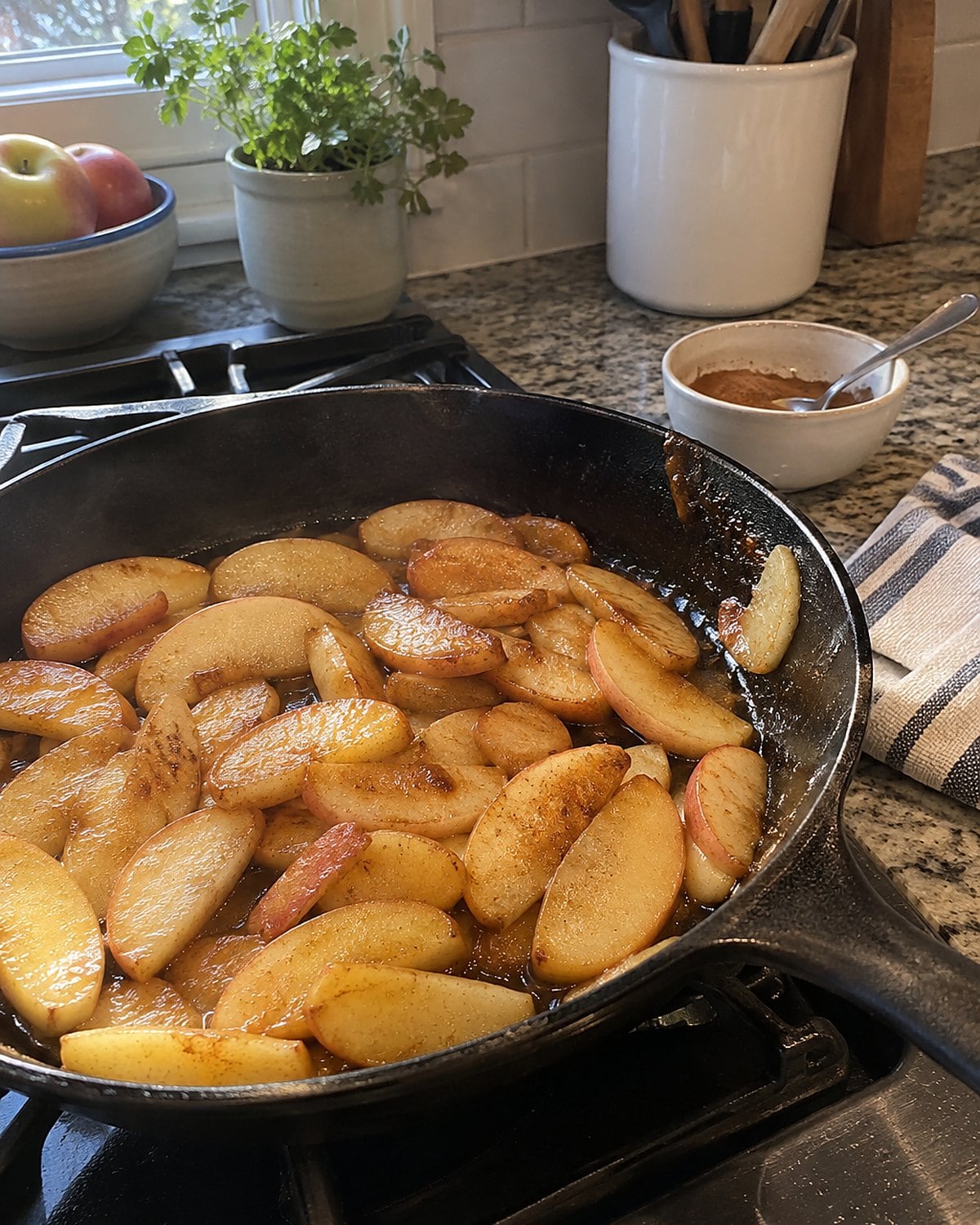
Fried apples start with a sound like rain in the skillet. The slices release juice, the butter foams, and the sharp edge of the fruit softens. Cut them thick enough to hold their shape. Thin slices collapse before they brown.
Let the first side sit against the pan. Stirring constantly makes apple sauce with brown spots instead of slices with caramelized edges. Add cinnamon near the end so it warms without scorching. Taste before adding sugar; some apples bring enough sweetness on their own.
A spoonful beside breakfast feels different from a plate of dessert. Save the rest for your oatmeal or spoon it over plain yogurt.
The skillet will tell you when it’s done. The apples bend when lifted, but the slices still look like slices. Turn off the heat there, while a little juice remains to coat them.
Try it: Instant Pot Stewed Apples In Mulled Wine
#8 The Hot Cocoa After Snow Boots
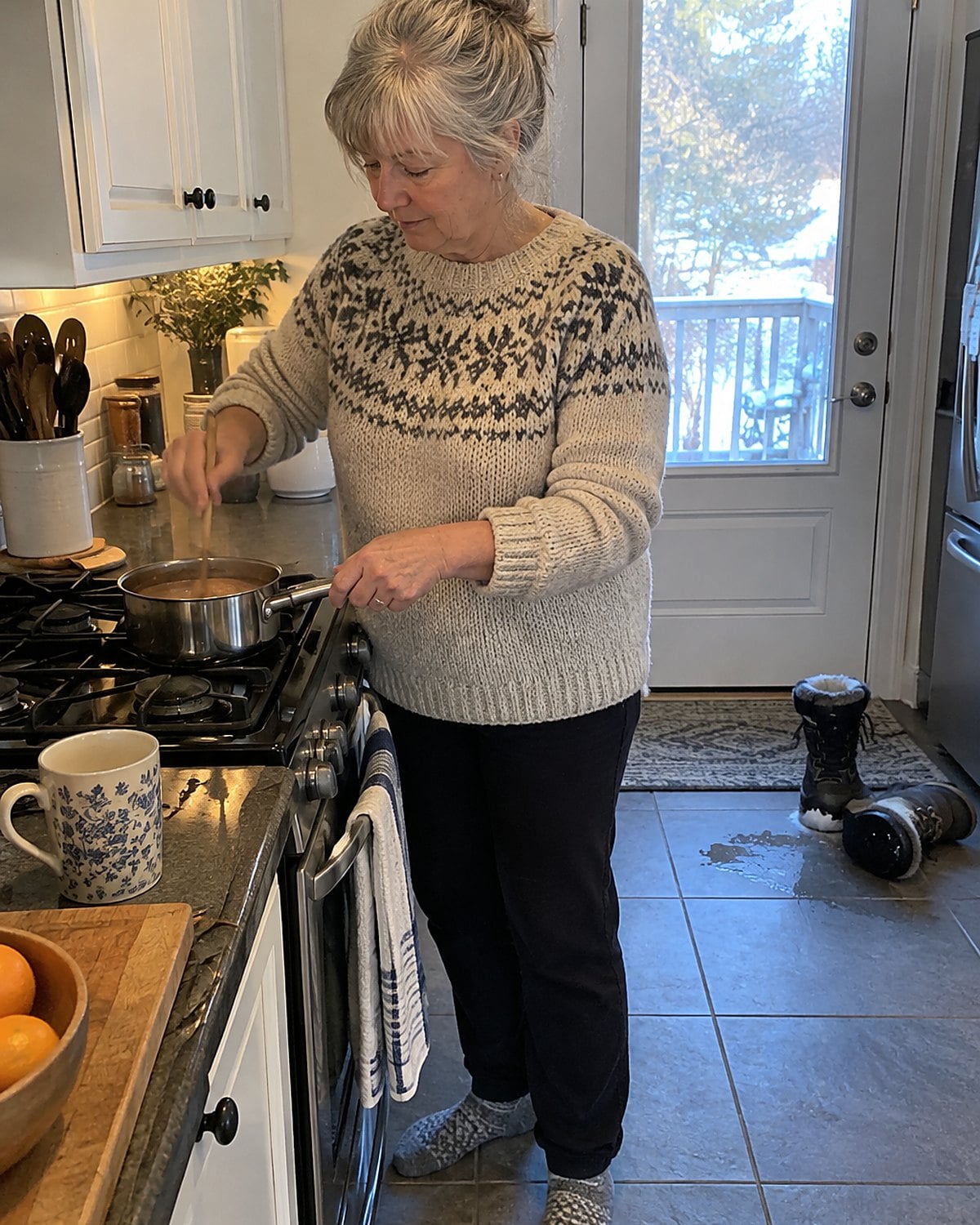
Wet mittens sit by the door. Someone wants cocoa before their boots are off. Start by warming the milk over low heat, then whisk cocoa powder with a little warm milk to make a smooth paste. Dump dry cocoa straight into a full pot and you’ll chase floating lumps.
Sweeten after tasting. Set the marshmallows out only if they belong in today’s cup; there’s no need for a secret kitchen deal.
Pour a small cup and let it cool before handing it over. Keep yours nearby and sit together until the mittens dry.
#7 The Hand Pies With Leaky Seams
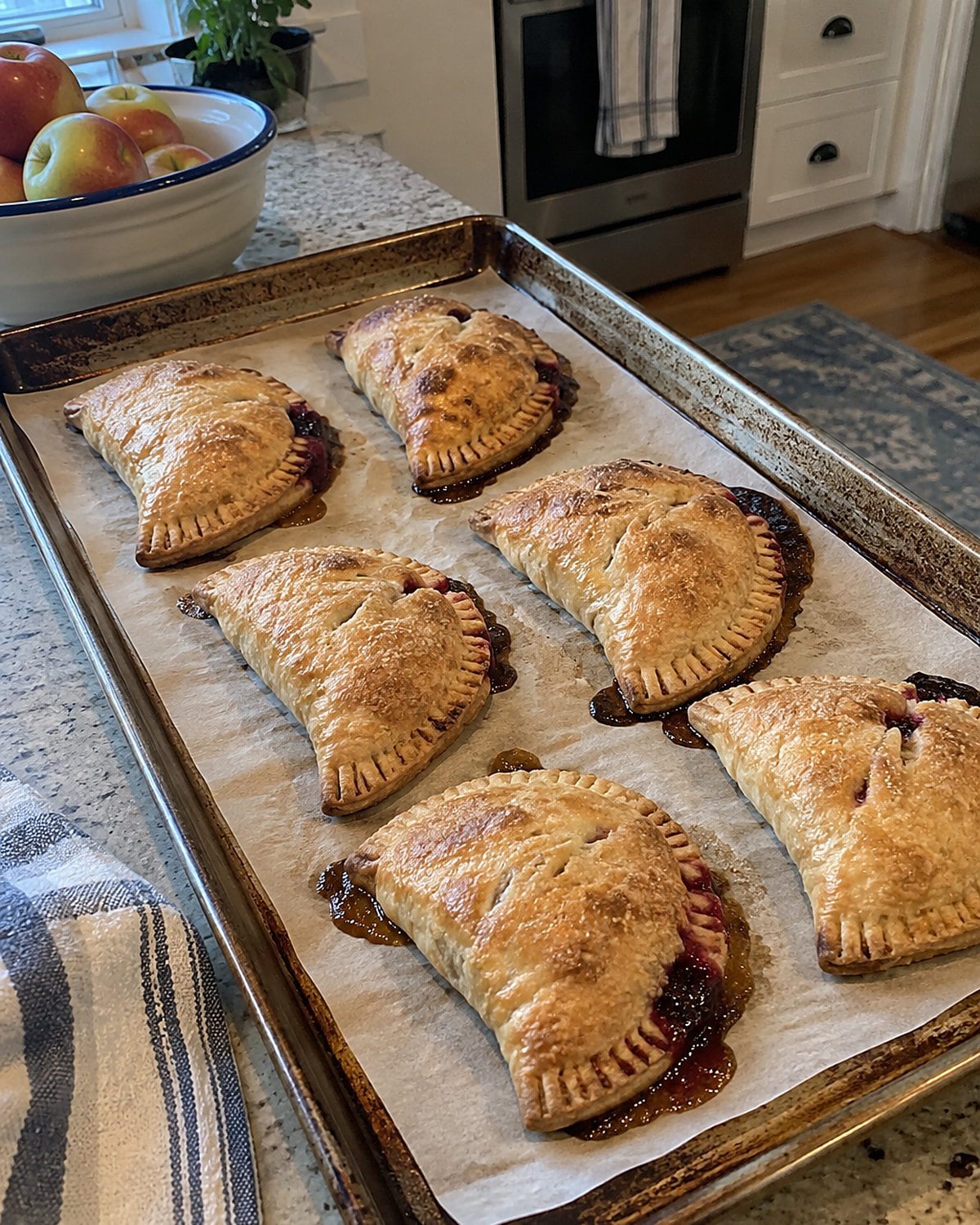
The first hand pie puffs in the oven. Then a line of fruit juice escapes through the seam and sticks to the pan. You know the smell: butter, baked fruit, and a little burnt sugar where the filling got loose.
Use less filling than your instincts suggest. Keep it away from the edge, brush the rim with water, and press with a fork after folding. Cut a small vent in the top so steam has a way out. Chill the shaped pies if the dough has grown soft under your hands.
A leak isn’t a reason to hide the batch. Let the pies cool until the filling stops bubbling, then lift them from the pan. That syrup hardens as it cools; a thin spatula helps free the corners.
A child can crimp a seam with a fork without being promised a pie for today. Point out which one they made when the tray comes out. Even the leaky one has a maker.
#6 The Chocolate Milk in a Small Glass

A small glass makes chocolate milk feel like an occasion. It also keeps you from mixing a full pitcher when one serving is enough.
Put the chocolate syrup in the glass first. Add a splash of milk and stir until the bottom is clear, then pour in the rest. If you use cocoa powder, make a paste with a little warm liquid before adding cold milk. Otherwise, dry pockets ride on top no matter how long you stir.
Let the child see what goes in. You said yes to a small glass, and that’s what you made.
#5 The Corn Pudding at Sunday Supper
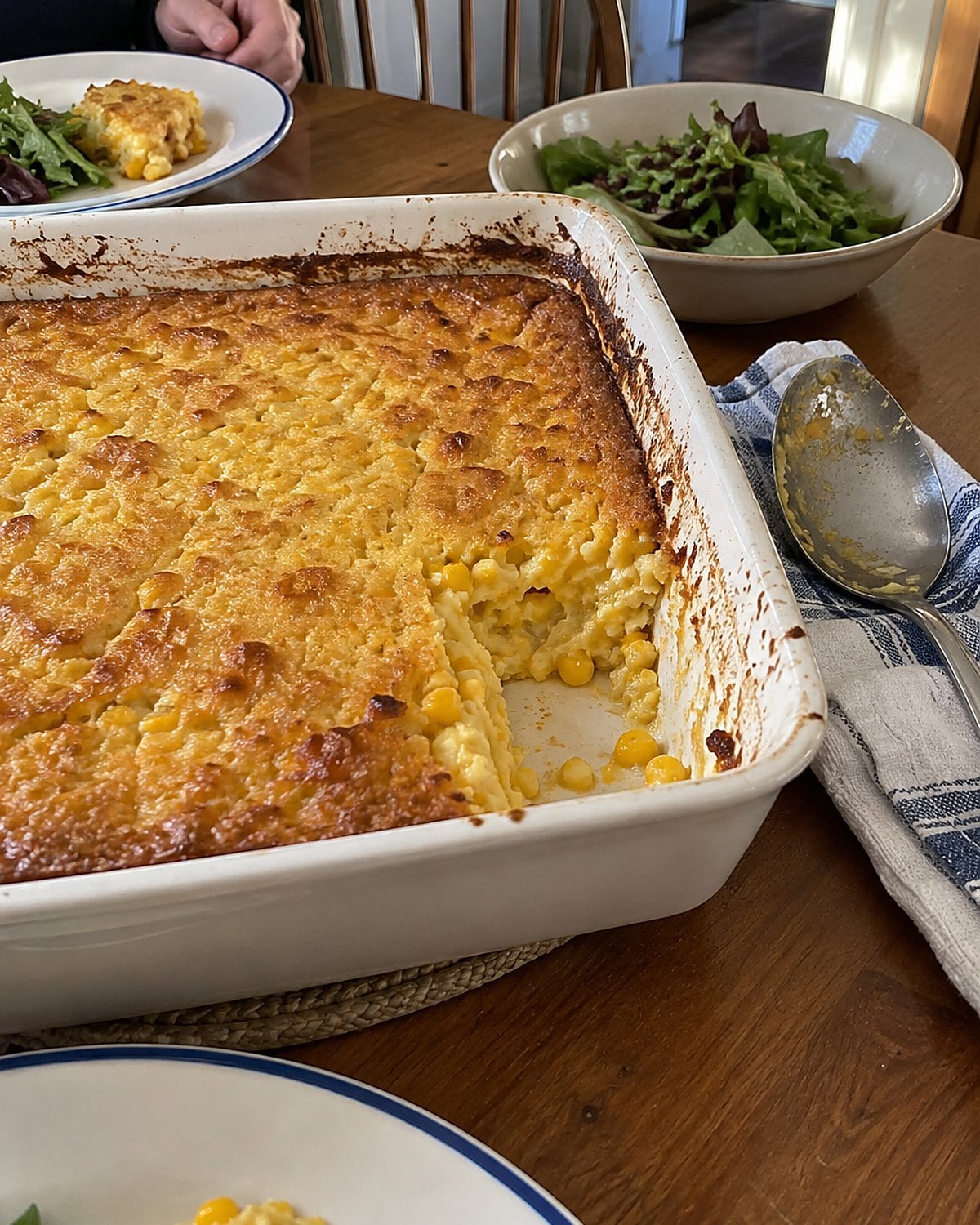
Corn pudding comes to the table in its baking dish because a neat slice was never its strength. The edges set first. The middle should give a small wobble when you nudge the dish, rather than slosh beneath the surface.
Rest it before spooning. Straight from the oven, the custard runs; after a pause, it holds enough shape to sit beside the main dish. Taste a corner before putting out the salt shaker. Corn brings sweetness, while butter and seasoning keep the pudding from tasting like dessert.
Set a little corn pudding beside the vegetables rather than making it the prize for finishing everything else. You know what happens when a spoonful becomes a bargaining chip.
Bring the baking dish to the table. The brown edge is for whoever asks, and the softer middle is there for the child who prefers it. Both came from the same oven.
#4 The Leftover Cake Behind the Milk
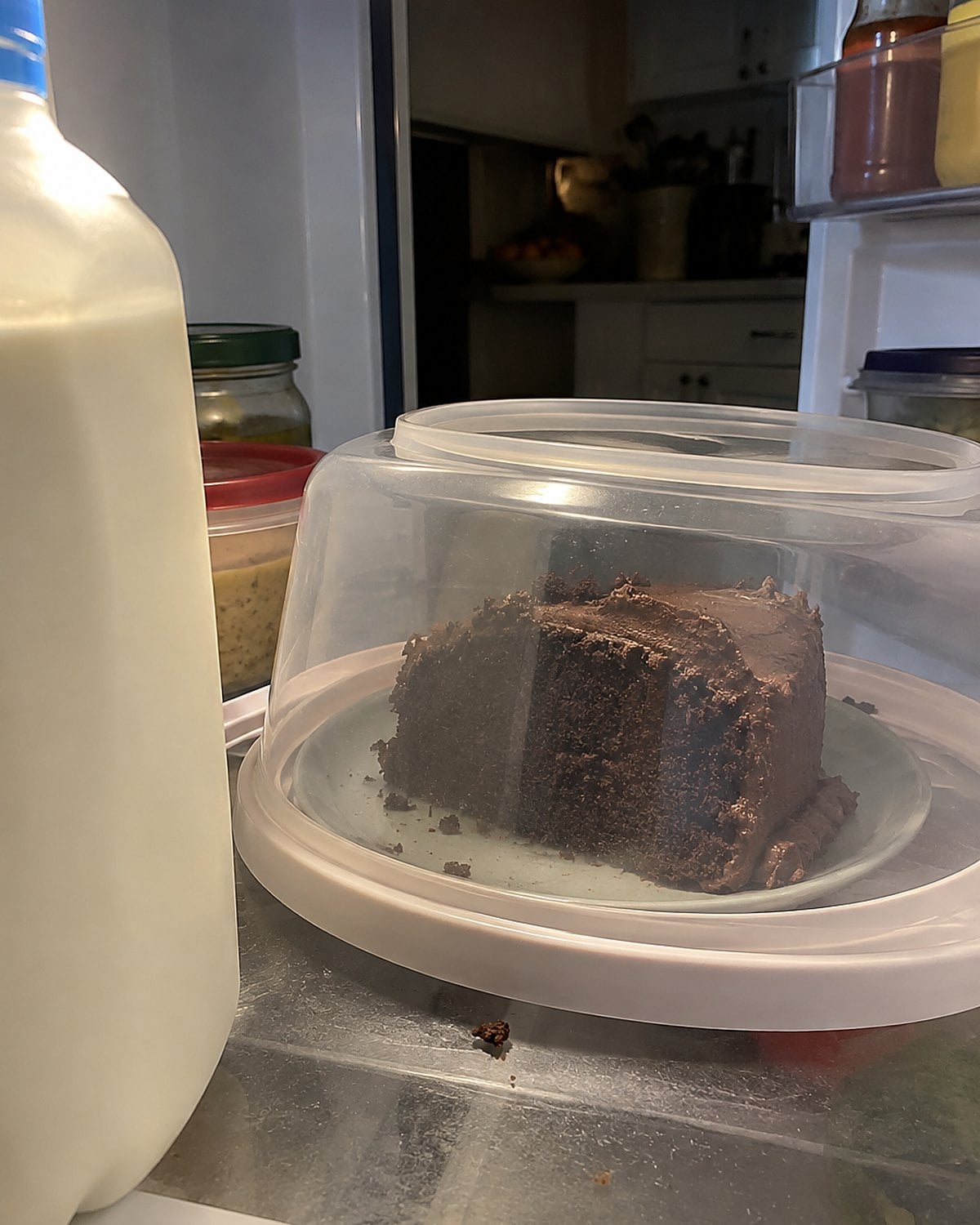
Behind the milk sits a covered slice of cake. You put it there for later, not as a test of who finds it first. If a child spots it, you still get to say, “That one’s saved.”
Keep perishable frosting and fillings cold, with the fridge at 40°F or below. The FDA’s refrigerator guidance gives you that temperature to check against your fridge thermometer. When a filling leaves you unsure, consult the USDA’s cold storage chart rather than relying on its smell.
Use a clean knife to cut a slice. Fingers reaching into the container turn tomorrow’s cake into today’s mess. A note on the fridge door also helps the next grown-up know what’s been served.
#3 The Pie Dough From the Tin
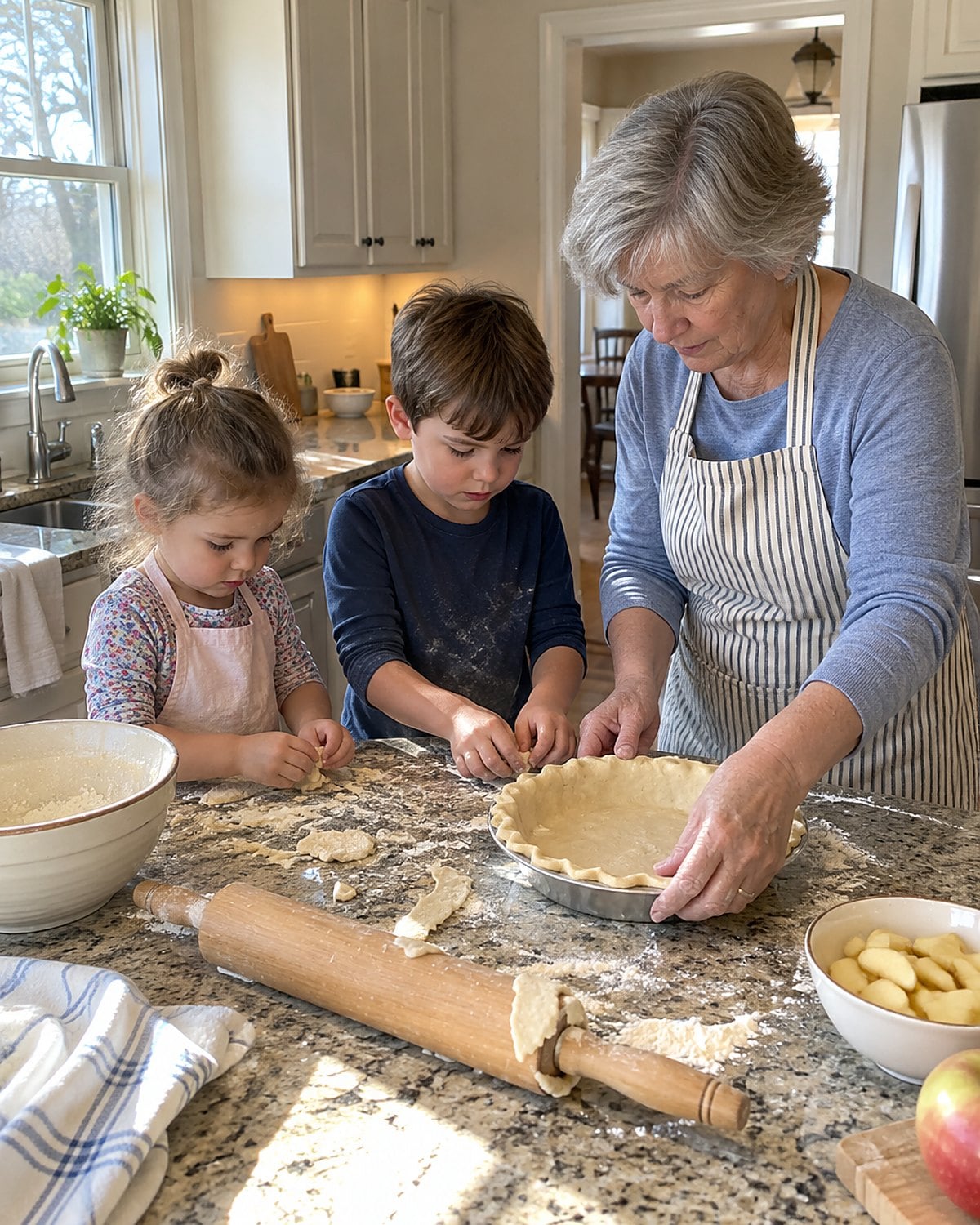
The old pie tin has a bent rim, but you still reach for it. Dough has a way of making a kitchen feel familiar, especially when small hands want to press the scraps flat.
Keep the fat cold and add water a little at a time. Stop when a handful of dough holds together after you squeeze it. A smooth, stretchy ball has been worked too far. Rest the dough in the fridge for about 30 minutes before rolling so it stops springing back under the pin.
Set aside scraps for a child who’s helping. They can press shapes with a cutter while you roll the main crust. Bake the scraps separately and let them cool before anyone tastes one. Raw flour needs cooking; the CDC’s raw dough guidance is clear on that.
You don’t have to teach a whole pie in one visit. Show the child how to feel for a dough that holds together. They’ll remember what their fingers did long after the scraps are gone.
#2 The Labeled Supper in the Freezer
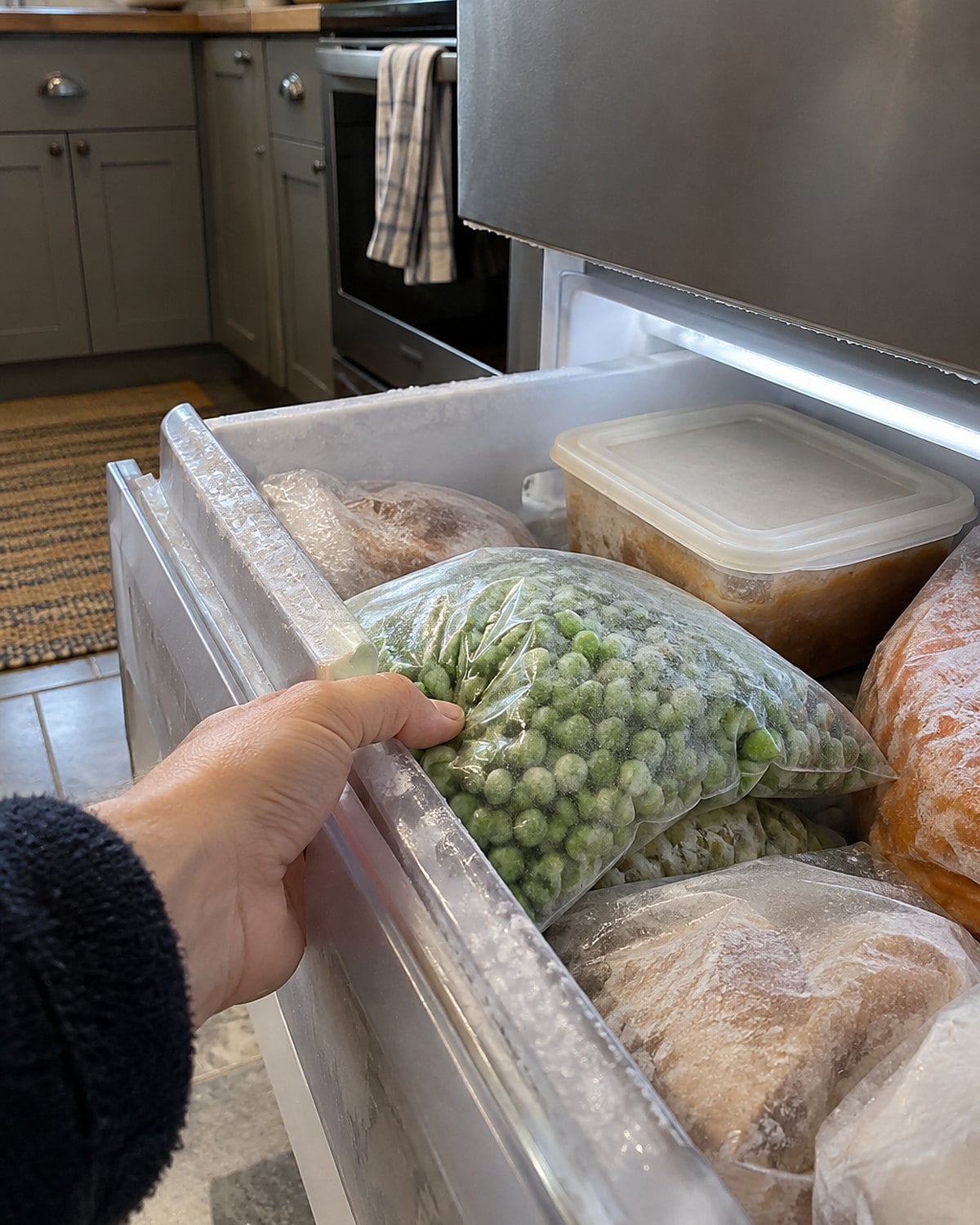
The freezer drawer holds a supper you made for a busy night. Label the container with the dish and the date before it goes in. Your handwriting on the lid answers the question that arrives when nobody feels like cooking.
Find out what the household will actually eat before filling the container. A parent who has already planned dinner doesn’t need a surprise casserole, however good yours tastes. Offer something small enough to fit the shape of their evening, with reheating directions for the dish you made.
If you need a storage answer before cooking for someone else, use the FoodSafety.gov cold storage chart. It beats guessing at the age of a container behind the peas.
Hand supper over without making it a favor they must repay. You’ve given them a ready meal, not another obligation.
#1 The Ingredient Label Beside the Treat
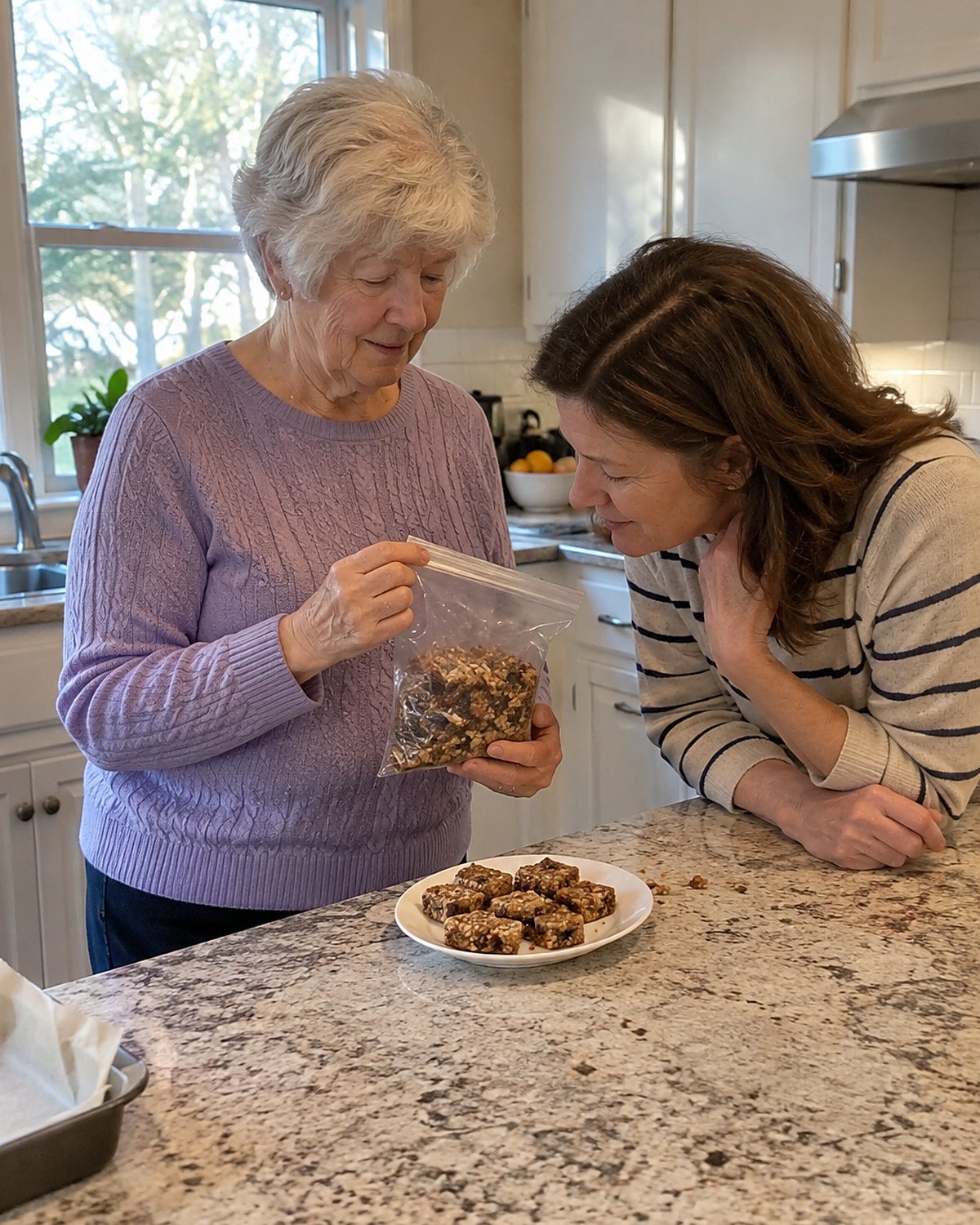
You’ve opened the package, and the print is smaller than you remember. A child is waiting for the treat inside. This is the moment to put the package on the counter instead of relying on what you bought last time. Read the ingredient label before you open anything else.
If the child has a food allergy, ask the parent for the exact food to avoid and what to do if there’s an exposure. Don’t guess from “made with” on the front of a box. Read the full label on the package in your hand. The FDA’s food allergy guidance explains why labels deserve that second look.
Keep the package with the treat while you serve it. If someone asks what’s in it later, you can show them. A clean serving utensil matters, too. The spoon that touched another dish doesn’t belong back in food meant for a child with an allergy.
Sometimes the answer is to put the treat away. Say, “I don’t have enough information to serve this.” No child needs to carry a disputed answer between two adults. You can slice fruit, bring out a game, or let them help you set the table while you find out.
When the label and the parent’s instructions give you a clear yes, serve the treat without a wink or a warning to keep it secret. You’re still the one who says yes. You’ve made sure it’s a yes the child can talk about on the ride home.
The bottom line
The foods that cause a pause are rarely the whole story. A pan technique, a family rule, and a child’s appetite all meet at the same counter.
The well-prepared version of you has checked the ingredients, kept the package, and left room for another grown-up’s answer. You still get to make the food and teach the trick.
Which dish from your kitchen would you want a grandchild to remember making beside you?

Leave a Reply