

The metal cake tin sticks a little when you lift the lid. Inside are the cards you kept because somebody once asked for seconds: pudding cake, lemon squares, a pie with a torn corner on the instructions.
These days, a whole layer cake sounds like an assignment. But that old tin holds desserts with smaller ambitions. Some need a saucepan. Some need leftover bread or fruit that has gone soft. And one needs a refrigerator, a stack of cookies, and enough patience to leave it alone.
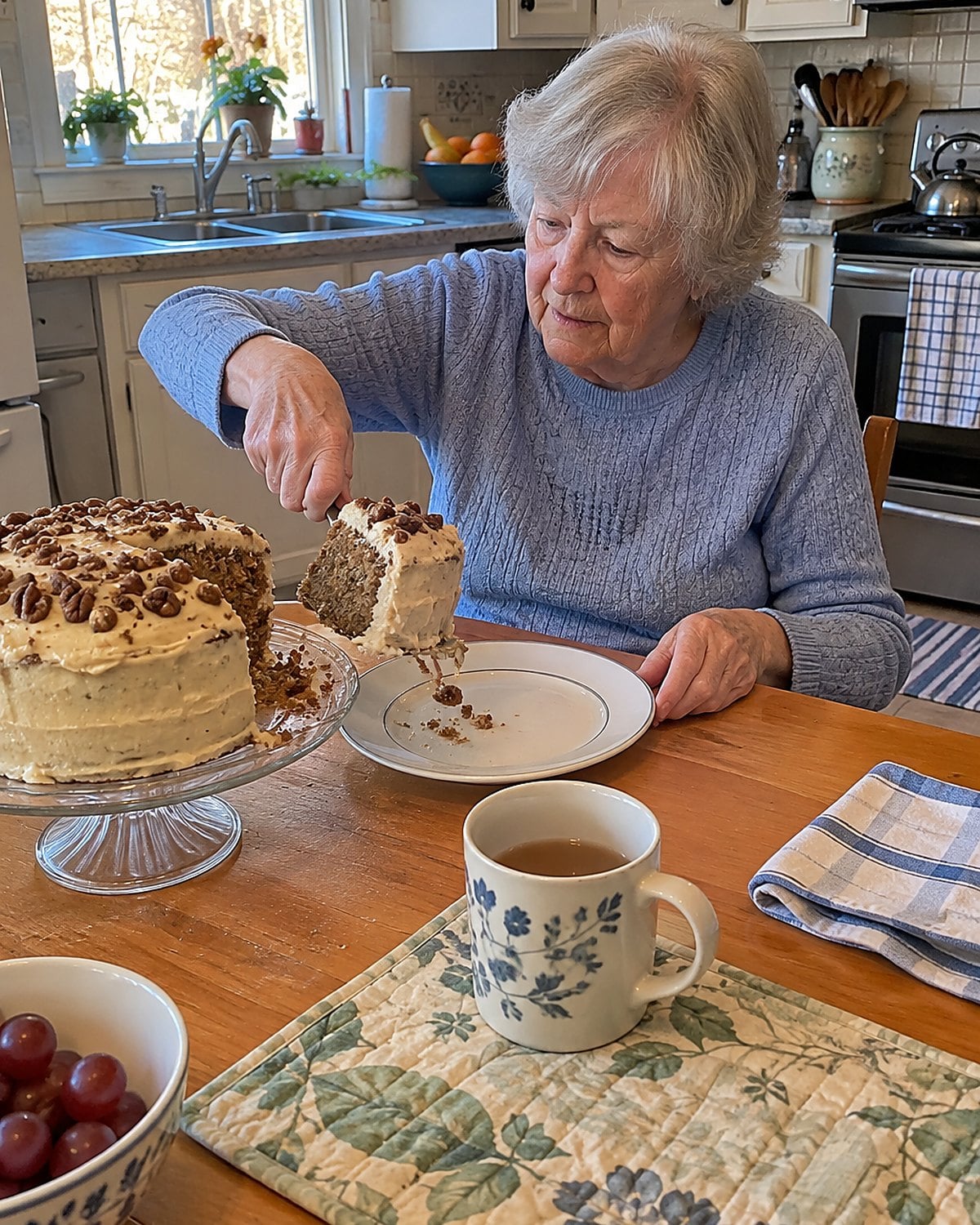
#27 The Angel Food Cake Torn Into Pieces
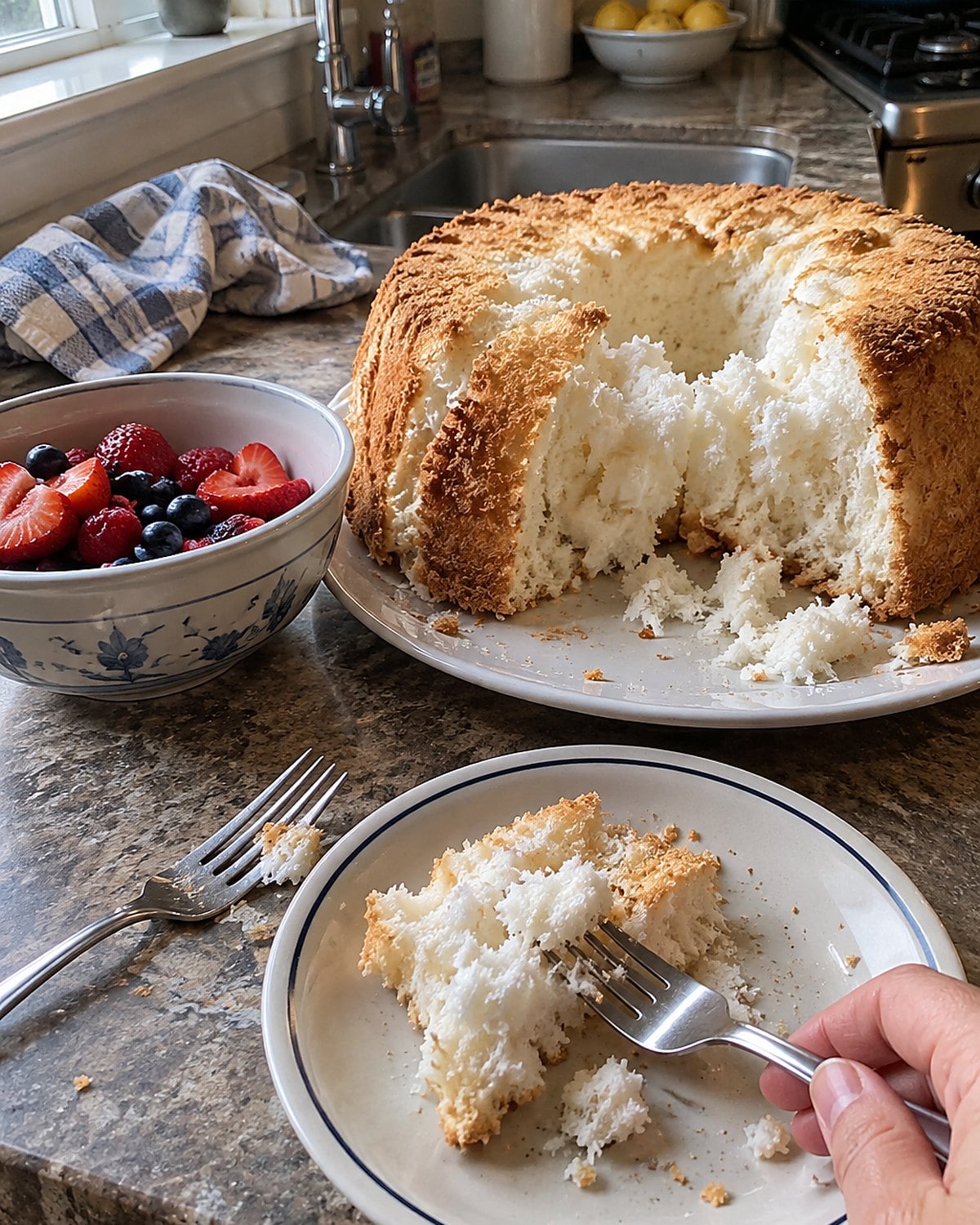
A boxed angel food cake used to show up at potlucks whole, with a knife beside it that never seemed to cut cleanly. Press too hard and the airy crumb flattens. You remember trying to lift an intact slice while the cake stuck to the blade.
Pull a portion apart with two forks instead. The tines catch the cake without pressing it flat, and the ragged edges hold berries and cream. For a tidier slice, reach for a long serrated knife and use light strokes rather than pushing straight down.
There’s a reason this cake feels so different from pound cake. Beaten egg whites give it lift, while fat in the mixing bowl gets in the way of that foam. The American Egg Board explains the role of egg-white foam if your old cookbook leaves the method unexplained.
You don’t need a potluck to bring it back. Put the remaining cake away, tear off what you want for dessert, and let berry juice find those uneven edges.
#26 The Layered Strawberry Pretzel Salad
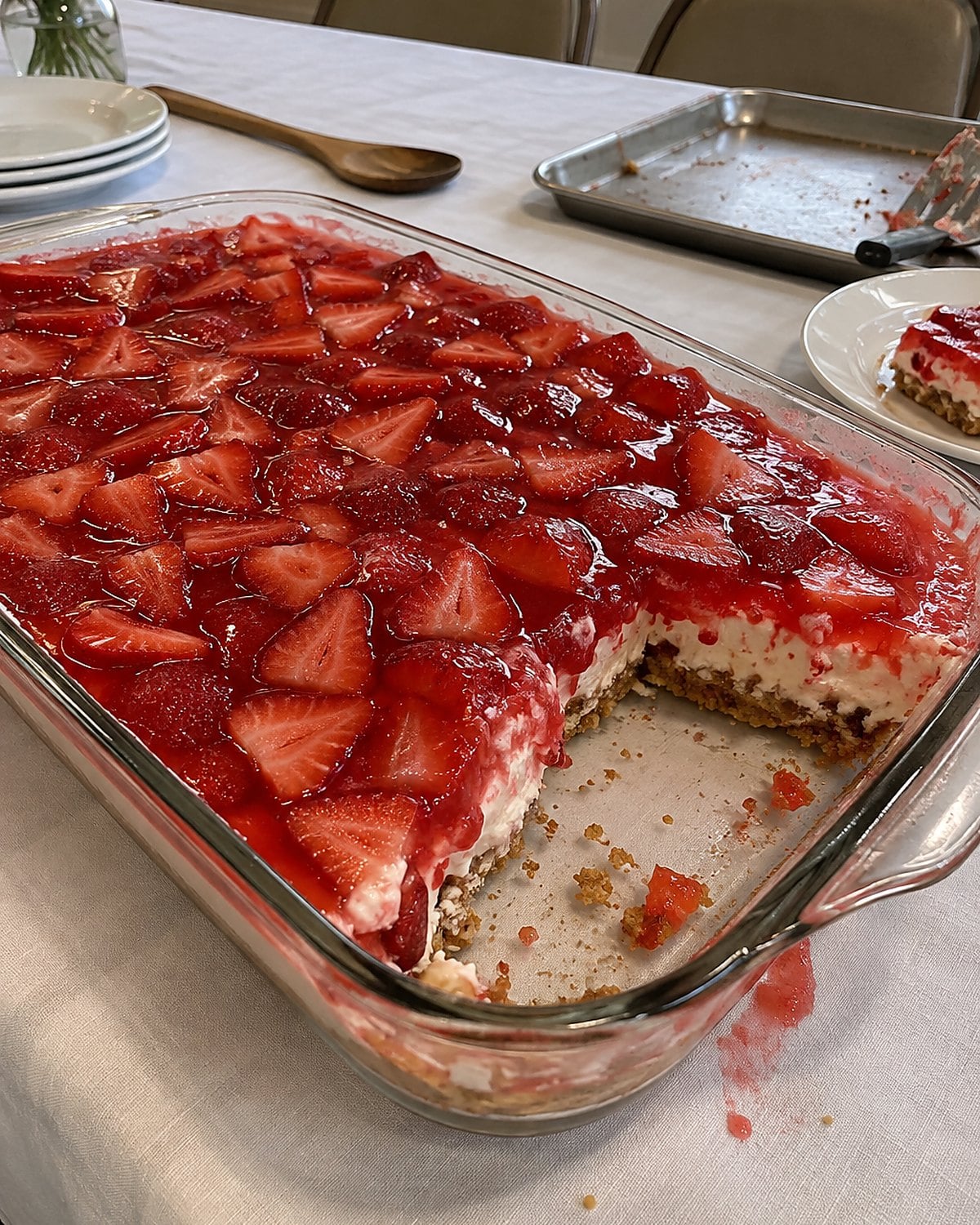
At the church hall table, this was the dish with the funny name and the empty pan. Its salty pretzel base, cream cheese middle, and fruit top still make sense. The crunch keeps the sweetness from running away with the whole dessert.
The order matters. Let the baked pretzel crust cool before spreading the cream cheese layer. Take that layer right to the edges of the pan. It forms a barrier, so the fruit topping doesn't seep down and soften the pretzels.
Chill the topping until it has thickened before you pour it over. A loose, warm mixture will find every gap.
For a smaller household, use a loaf pan rather than the old large baking dish, and make a thinner crust. Look at the side through the glass before serving. If the layers stay distinct, your first forkful will have salt, cream, and fruit. That's why someone always went back for another square.
#25 The Cast-Iron Pineapple Upside-Down Cake
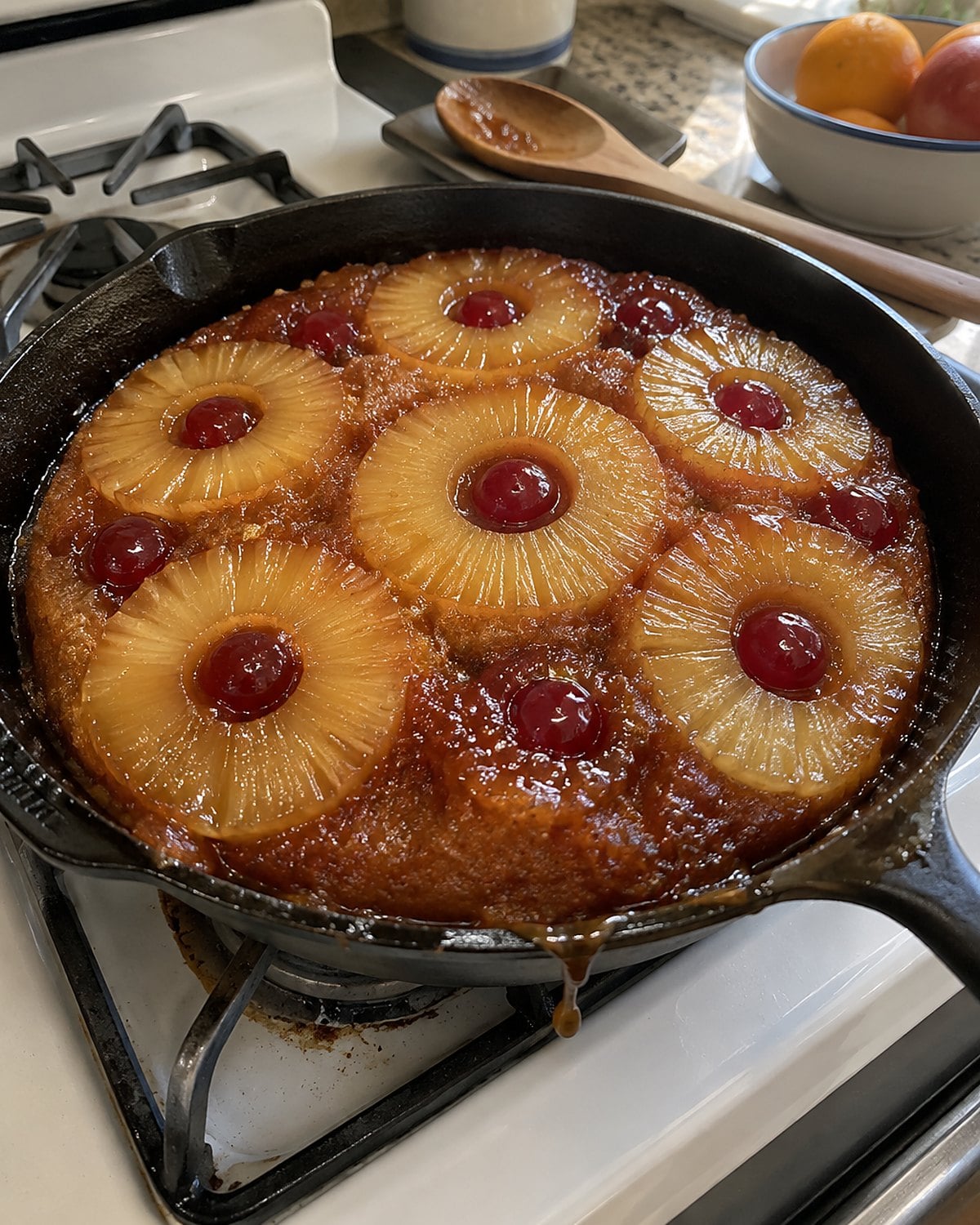
The skillet comes out of the oven, and the brown sugar is still bubbling around the pineapple. That sound is your reminder to wait a little before turning the cake over. Flip it straight away and the hot topping runs; leave it too long and the sugar sticks to the pan.
Arrange the fruit with room for batter to reach the skillet surface. Those exposed spots bake into a browned edge worth keeping.
Before the flip, loosen the rim with a thin knife and set a plate over the pan. Hold both firmly, turn them together, then lift the skillet straight up. Keep your hands protected: the handle and syrup are still hot.
A missing cherry has never spoiled one. The warm, buttery edge is what people remember, along with the brief silence before you see if it came out in one piece. If a pineapple ring stays in the skillet, lift it out and put it back where it belongs.
#24 The Vanilla Custard in Little Cups
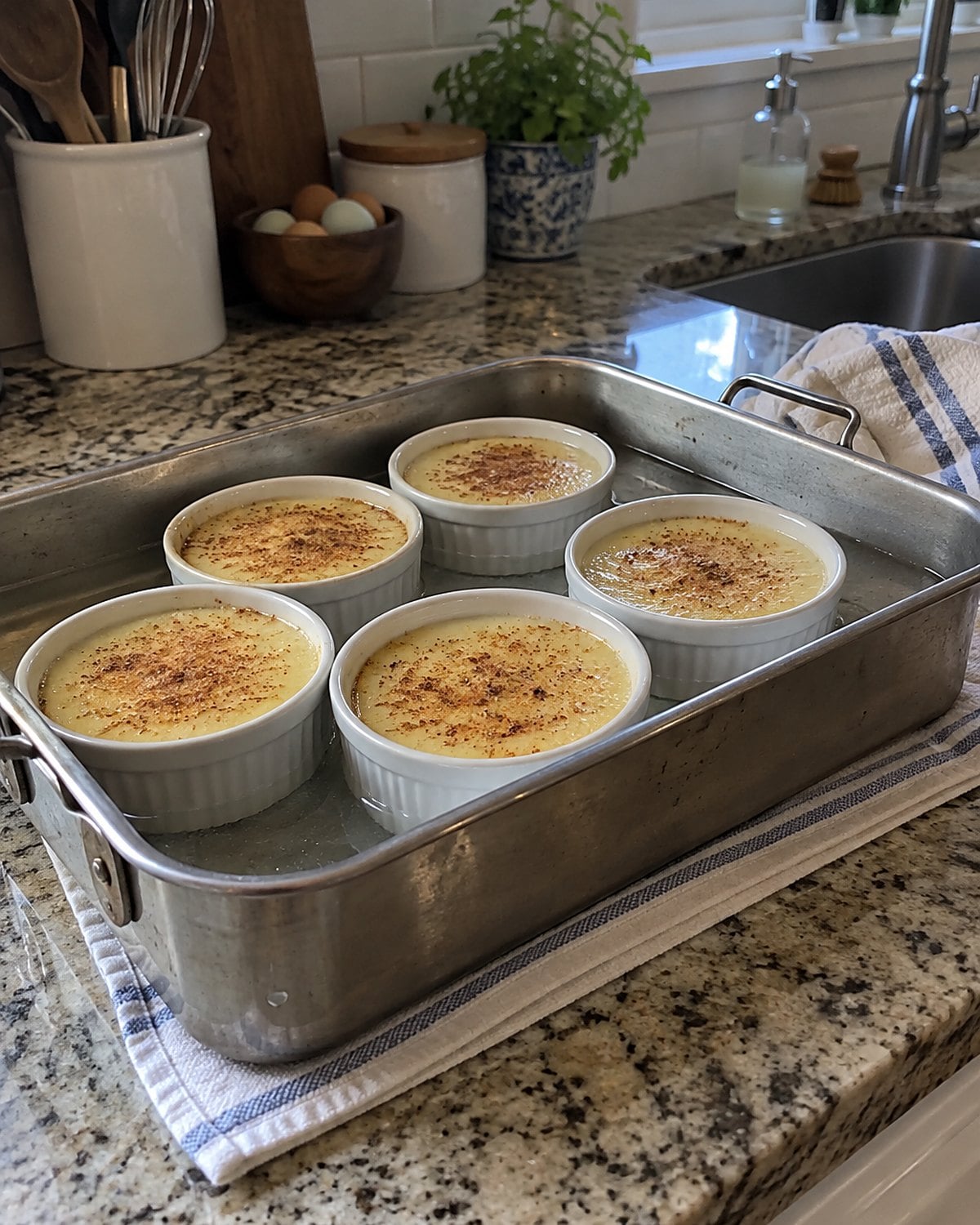
There was a time when dessert arrived in its own small cup, with no slicing and no argument about who got the larger piece. Baked vanilla custard still fits a table for one or two. It asks you to notice the wobble instead of watching a timer alone.
Set the cups in a baking pan and add hot water to the pan. That water slows the heat around the custard, helping the eggs set without turning grainy. When the edges hold and the center trembles as you nudge the pan, take the cups out.
A center that stands perfectly still has gone further than you want. The USDA’s guidance on egg dishes gives a safe temperature when you’d rather check with a thermometer.
Scatter a little nutmeg over the tops before baking, if that smell belongs to your memories. Serve the custard cool with a spoon that reaches the bottom of the cup. Nothing needs dressing up.
#23 The Rice Pudding After Supper
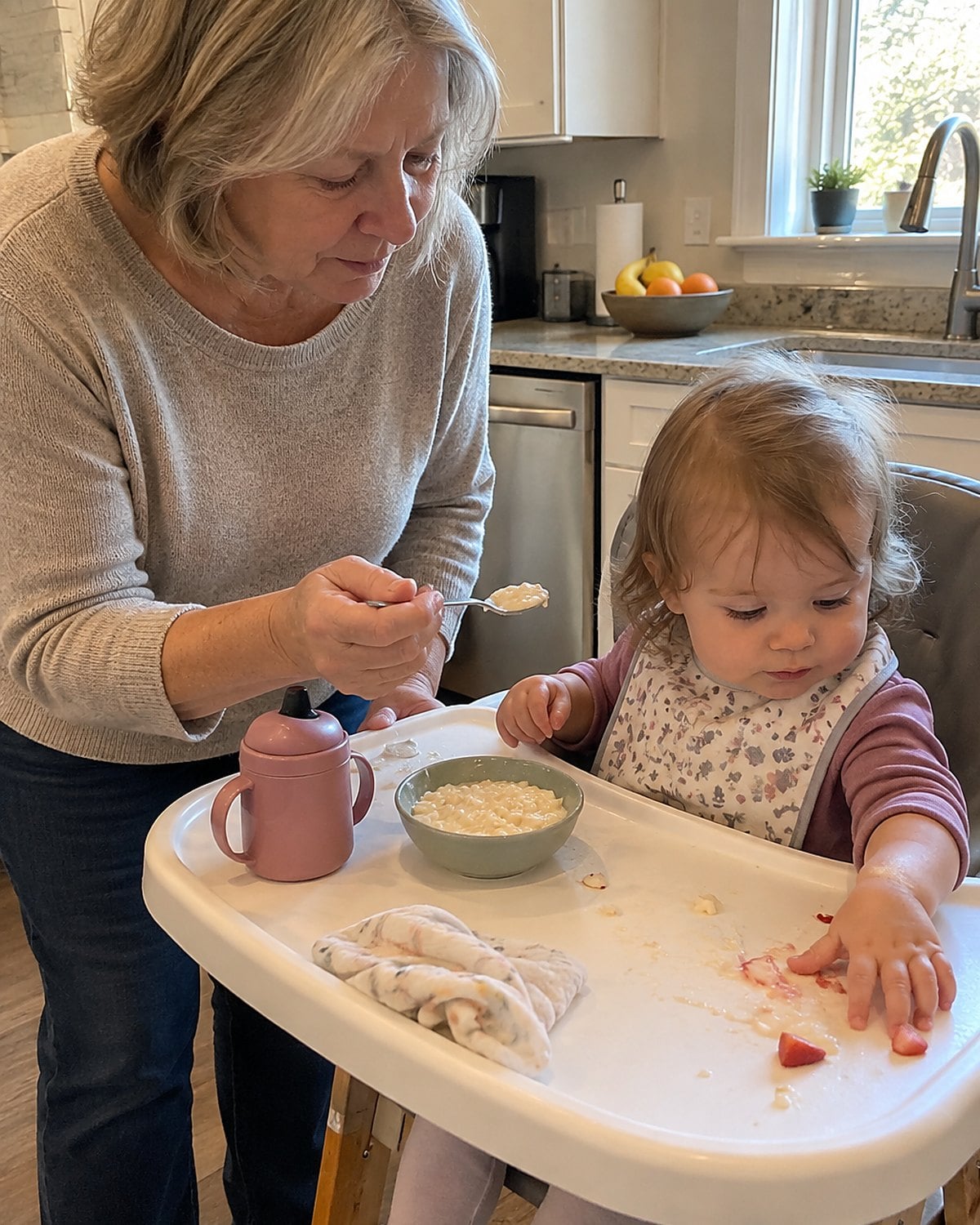
A pot of rice pudding makes good use of cooked rice, but it also makes the kitchen smell occupied after dinner is done. Warm milk, vanilla, and a little cinnamon do much of the work.
Put cooked rice in a saucepan with milk and stir over low heat. Watch how it thickens as the grains release starch and take up liquid. Stop while it still looks looser than you want in the bowl; it thickens more as it cools. Raisins belong there only if you want them.
If you’re reaching for rice left from another meal, check the USDA’s cold storage chart rather than guessing from its smell. Use rice you’ve kept refrigerated, not a pot left on the stove.
A small bowl next to a grandchild's high chair needs no explanation. Let the pudding cool before passing over the spoon, and keep the cinnamon shaker nearby for your own serving.
Try it: Instant Pot Rice Pudding (+10 Delicious Variations)
#22 The Split Biscuits for Strawberry Shortcake
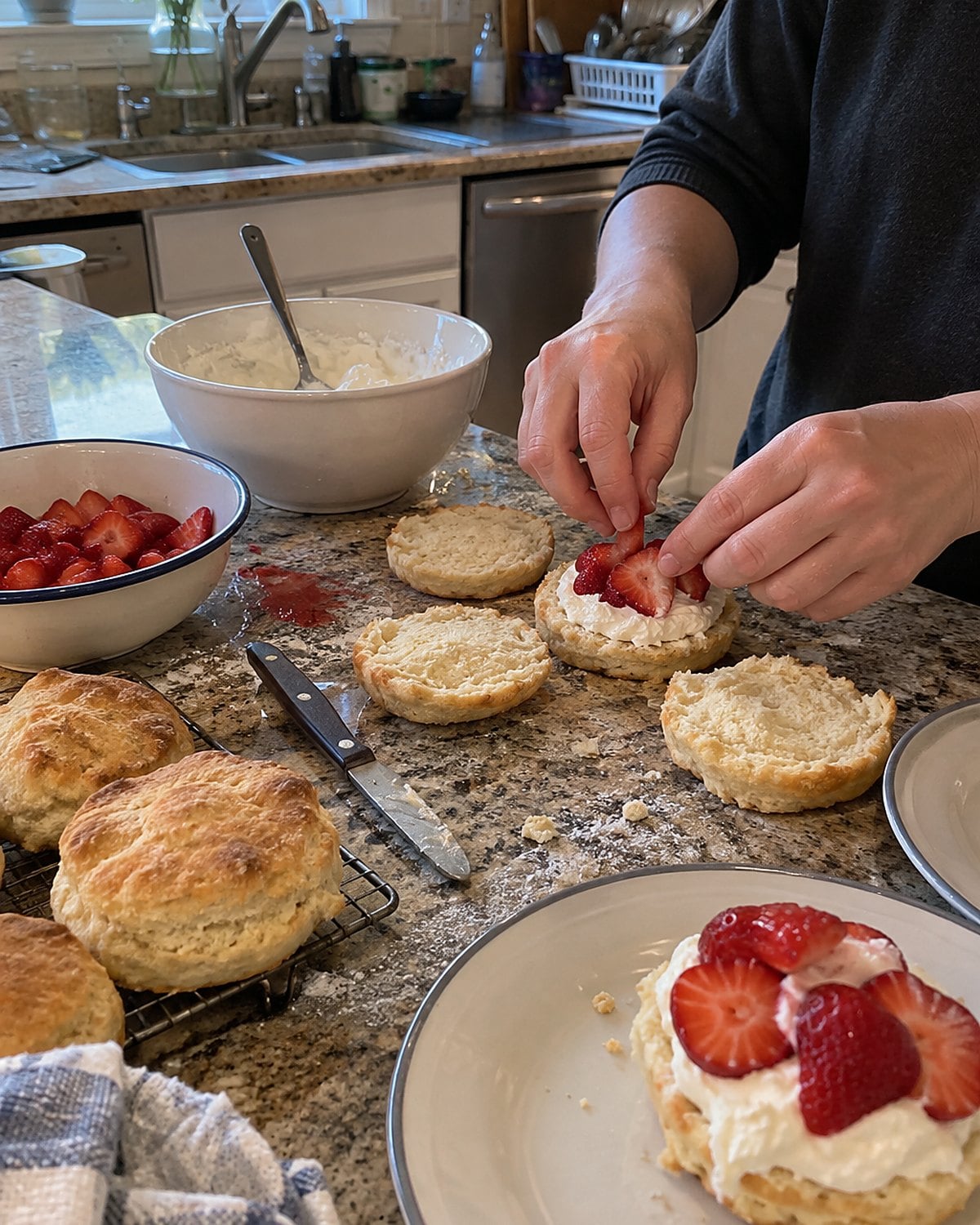
The shortcake at home was rarely a tall sponge cake. It was a biscuit, split open while still warm enough to catch the berry juice. That rough surface has a job: it holds the fruit instead of letting it slide off.
Slice the strawberries first and give them a little sugar. While the biscuits bake, the berries release juice that soaks into the cut sides. Use a light hand with the dough. Work it hard and the biscuits grow tough, which is a disappointment no amount of whipped cream fixes.
Build each serving when you want it. Put berries on the bottom half, add cream, then rest the biscuit top at an angle.
The last spoonful should taste of strawberry, not plain biscuit. If the berries aren't sweet enough, fix them before assembling rather than trying to sweeten the finished plate. Leave the extra biscuits plain until you need them; their cut edges deserve fresh berry juice too.
#21 The Lemon Curd Beside Pound Cake
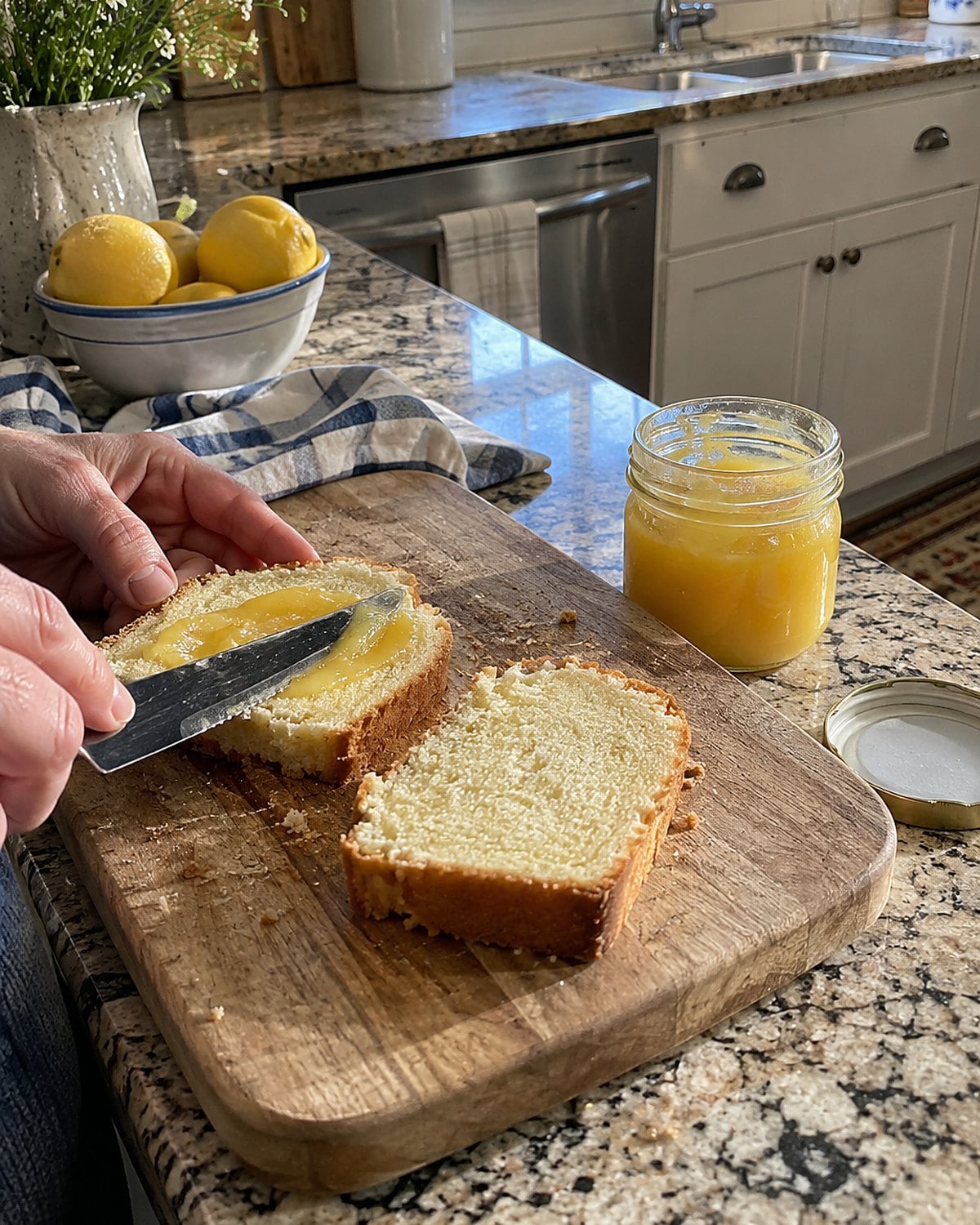
Does pound cake need another thing on the plate? A spoonful of lemon curd answers that question the moment its sharpness meets the sweet, buttery crumb.
For homemade curd, cook lemon juice, sugar, eggs, and butter over low heat while stirring. Don't walk away to answer the phone. Pull the pan off the heat when the curd coats the back of a spoon and a finger leaves a clear trail through it. Strain out any bits of cooked egg before it cools.
Use pasteurized eggs if your recipe leaves the curd uncooked; the FDA’s egg safety guidance addresses recipes made with raw eggs. For cooked curd, follow your recipe’s method and keep the finished jar refrigerated.
A little curd goes a long way. Set a small jar beside plain pound cake, and let everyone spoon on their own. When there are only two slices to serve, that small change makes yesterday's cake worth cutting again.
#20 The Broiled Grapefruit With Brown Sugar
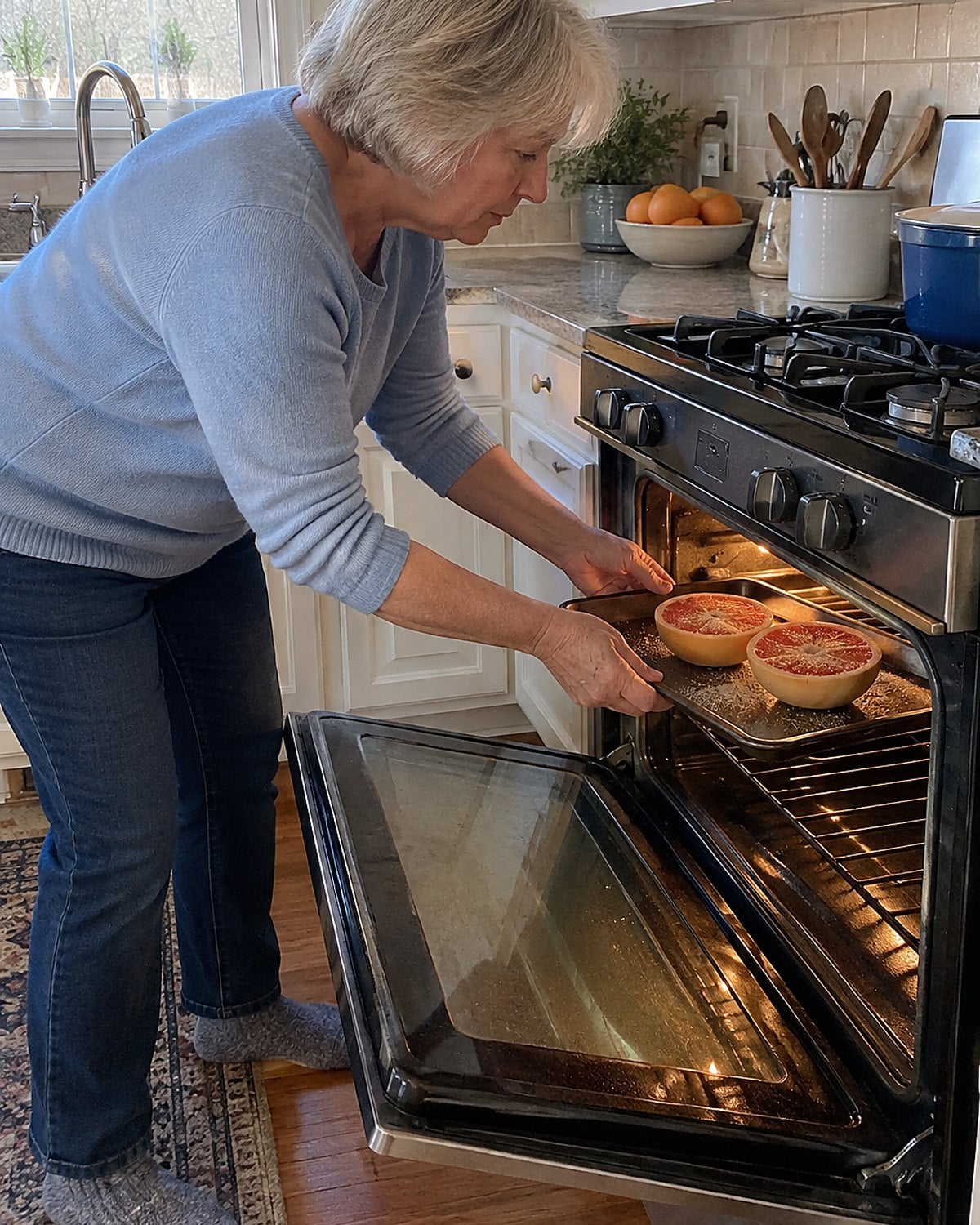
The grapefruit halves sat in bowls with serrated spoons beside them. Broiling one feels like bringing back that breakfast ritual, only warmer and sweeter.
Cut around each segment with a small knife before adding brown sugar. You'll spare yourself the struggle of digging into hot fruit at the table. A light scattering of sugar melts under the broiler and catches at the edges. Stay at the oven door and watch; the gap between browned sugar and burned sugar is short.
Let the halves stand until they are comfortable to handle. The fruit will be warm, juicy, and still tart underneath. If grapefruit isn't welcome at your table, don't make this one out of duty. But if you remember that special spoon in the drawer, this is a reason to find it.
Grapefruit interacts with some medicines. Check the FDA’s grapefruit and medicines guidance, and ask your pharmacist about your own prescriptions before adding grapefruit to the shopping list.
#19 The Chocolate Sheet Cake From the Hall
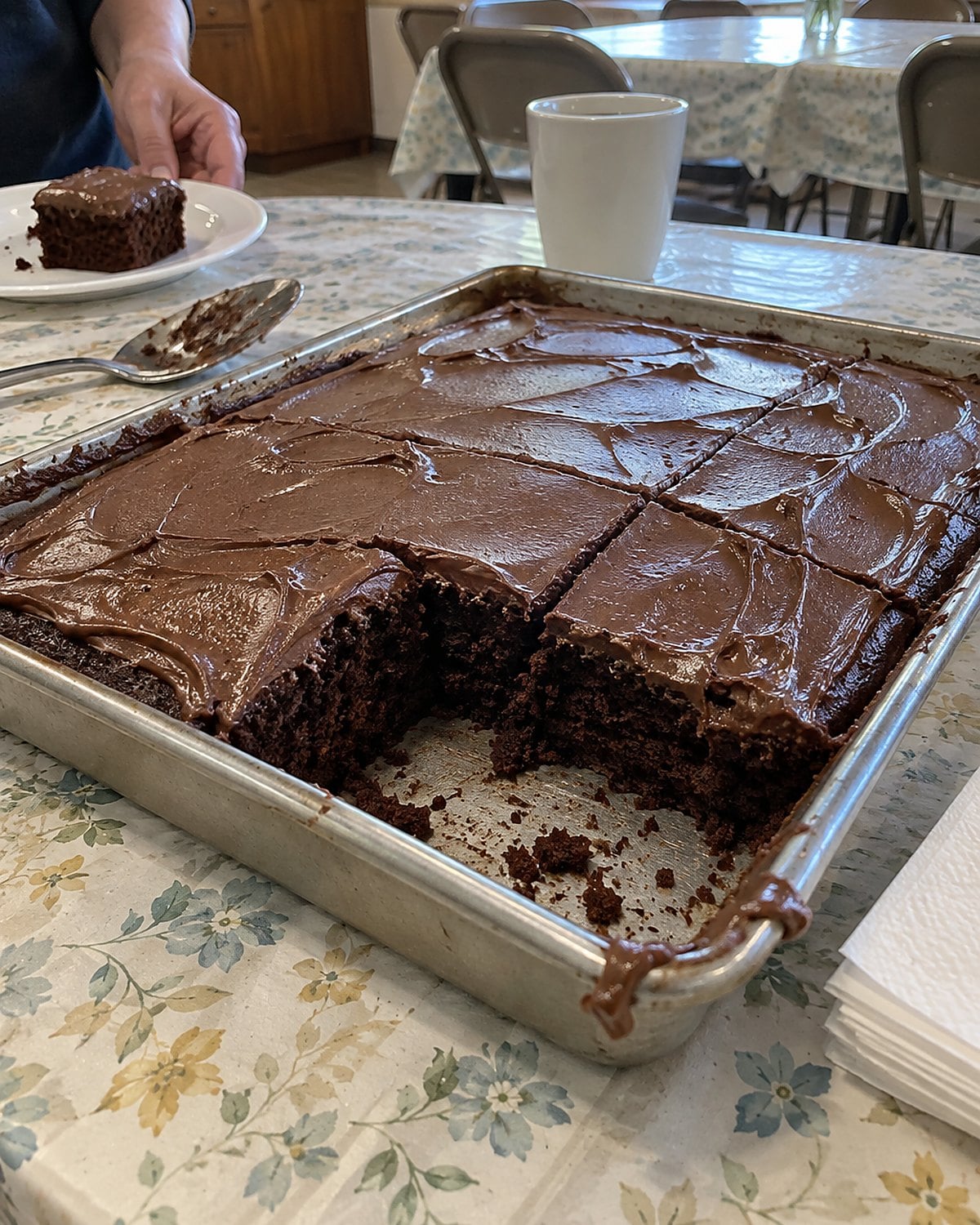
At a church supper, nobody worried about cutting a perfect wedge from the chocolate sheet cake. Somebody lifted squares from the pan, and a few crumbs stayed behind. The thin cake and warm frosting were part of its charm.
The step that gives it that familiar finish is spreading the frosting while the cake is still warm. It settles into the top and leaves a thin, sweet layer rather than a tall swirl. Sprinkle chopped pecans over only part of the pan if your table is divided on nuts.
A smaller pan gives you fewer squares, though a deeper cake needs more time in the oven. Check the center with a toothpick. A few moist crumbs are what you're looking for; wet batter means it needs longer.
Keep the pan on the counter while you cut, instead of trying to lift the whole cake onto a stand. The old church-hall method had that right.
#18 The Cornmeal Crust on Chess Pie
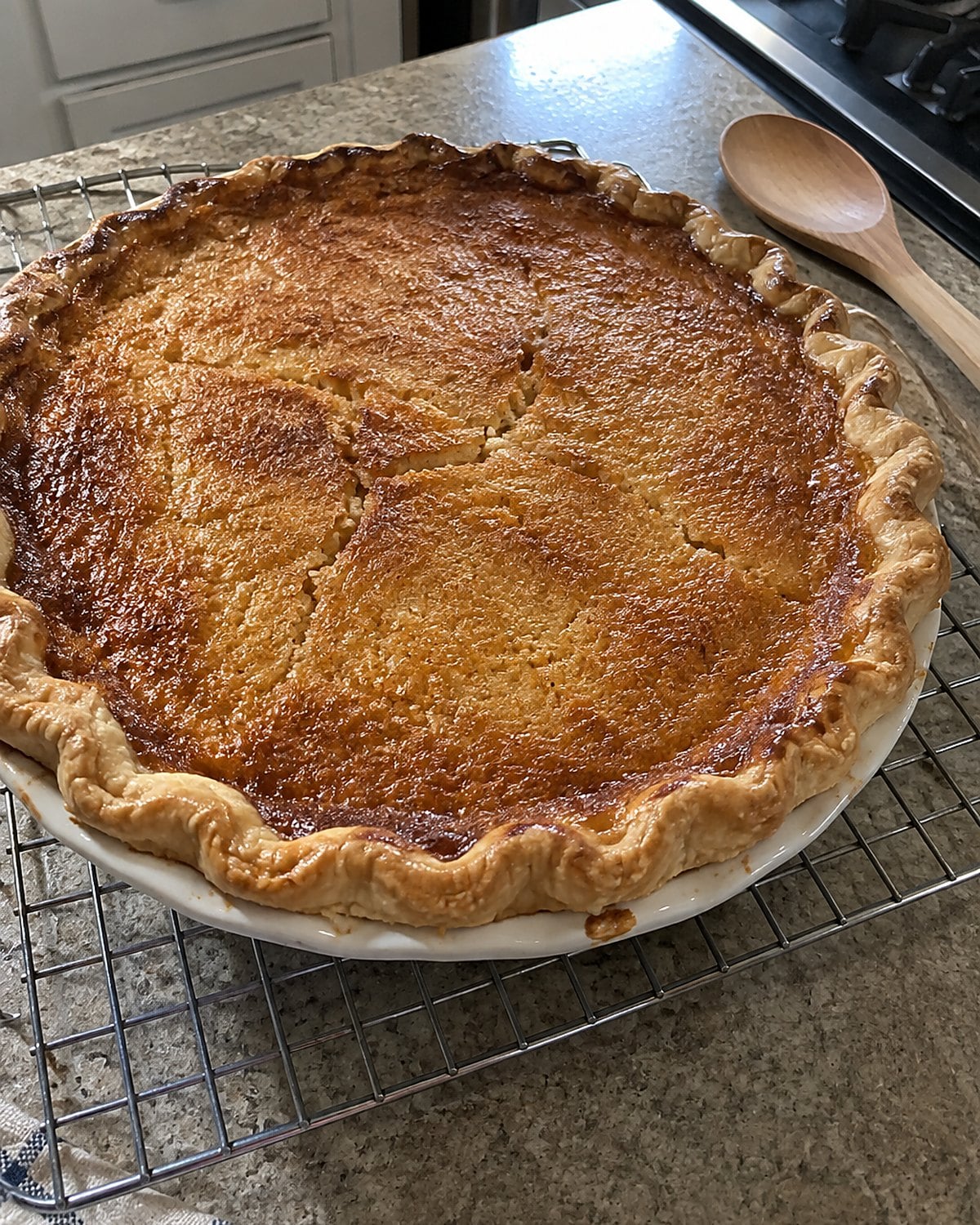
Chess pie has the plain look of a dessert that knows you'll understand after the first bite. Sugar, eggs, butter, and a little cornmeal bake into a sweet filling with a faintly crisp top.
Cornmeal is the detail to remember. It gives the filling body and a slight grain you feel against the smooth center. Keep the pie crust chilled before filling it, so its fat stays firm as it goes into the oven. When the pie is done, its edges look set while the middle still has a small wobble.
This is a strong cup-of-coffee pie. Cut narrow slices and taste before reaching for whipped cream.
If your church cookbook has a splattered chess pie page, look for the cornmeal in the ingredients. Its modest spoonful tells you a lot about the texture waiting inside. Don’t mistake it for a separate crust; it belongs in the filling.
#17 The Fruit Crisp for Bruised Apples
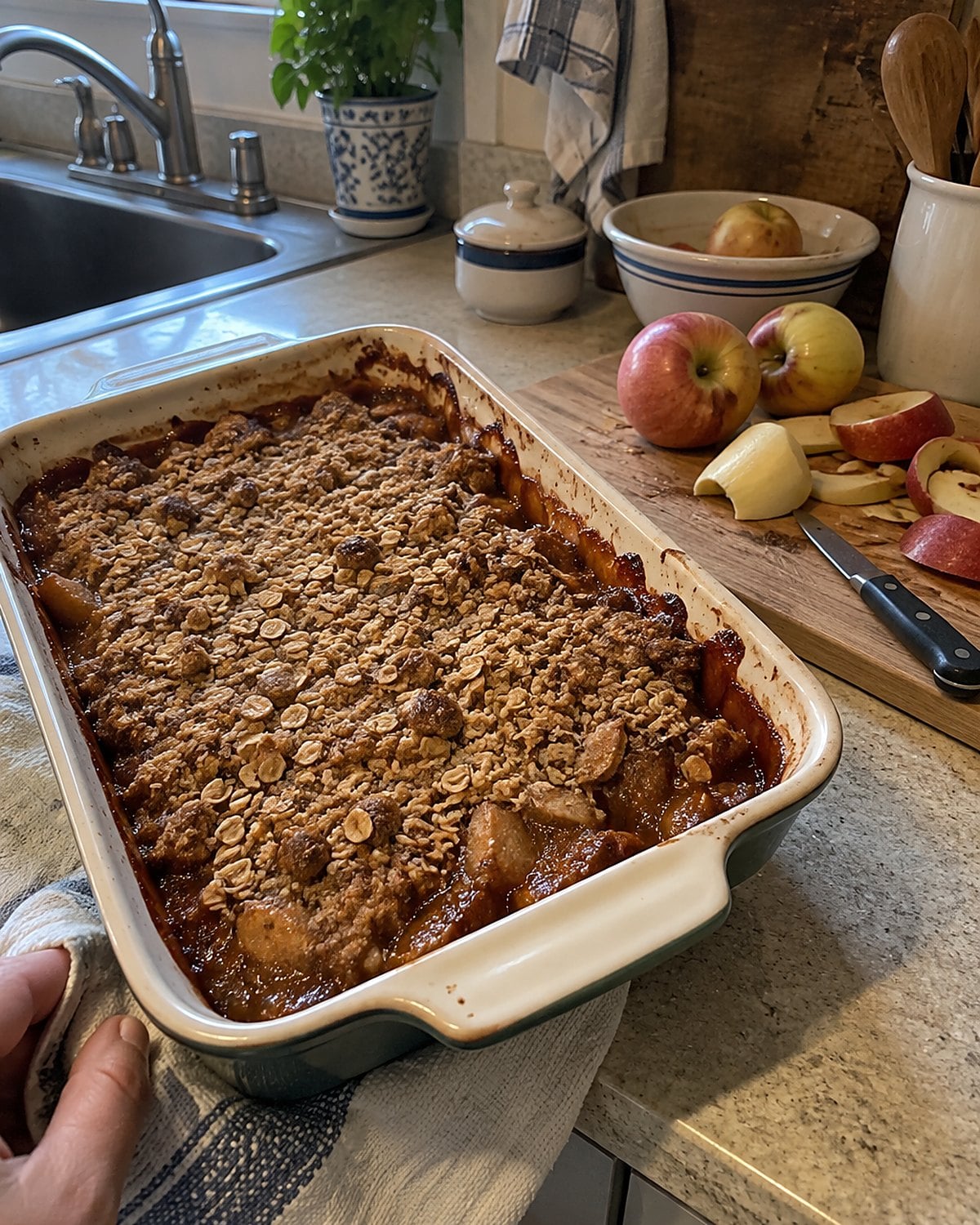
A soft spot on an apple doesn't make a handsome lunchbox snack. Cut away the bruise and the rest has a place under an oat topping.
Fruit crisp asks for less fuss than pie. Keep the fruit in uneven chunks; tiny pieces collapse before the topping browns. Rub butter into oats, flour, and sugar until you have clumps, then scatter them without pressing. The gaps let steam out and help the top crisp.
Listen when you pull the dish from the oven. Fruit bubbling at the edges tells you the filling has heated through. Give it time to settle before spooning it into bowls, unless you want the juice to race across every plate.
If an apple is moldy rather than bruised, leave it out. The USDA’s guidance on moldy food draws a distinction worth knowing before you start trimming fruit. Your crisp deserves sound apples beneath that good, clumpy top.
#16 The Baked Apples in Their Pan
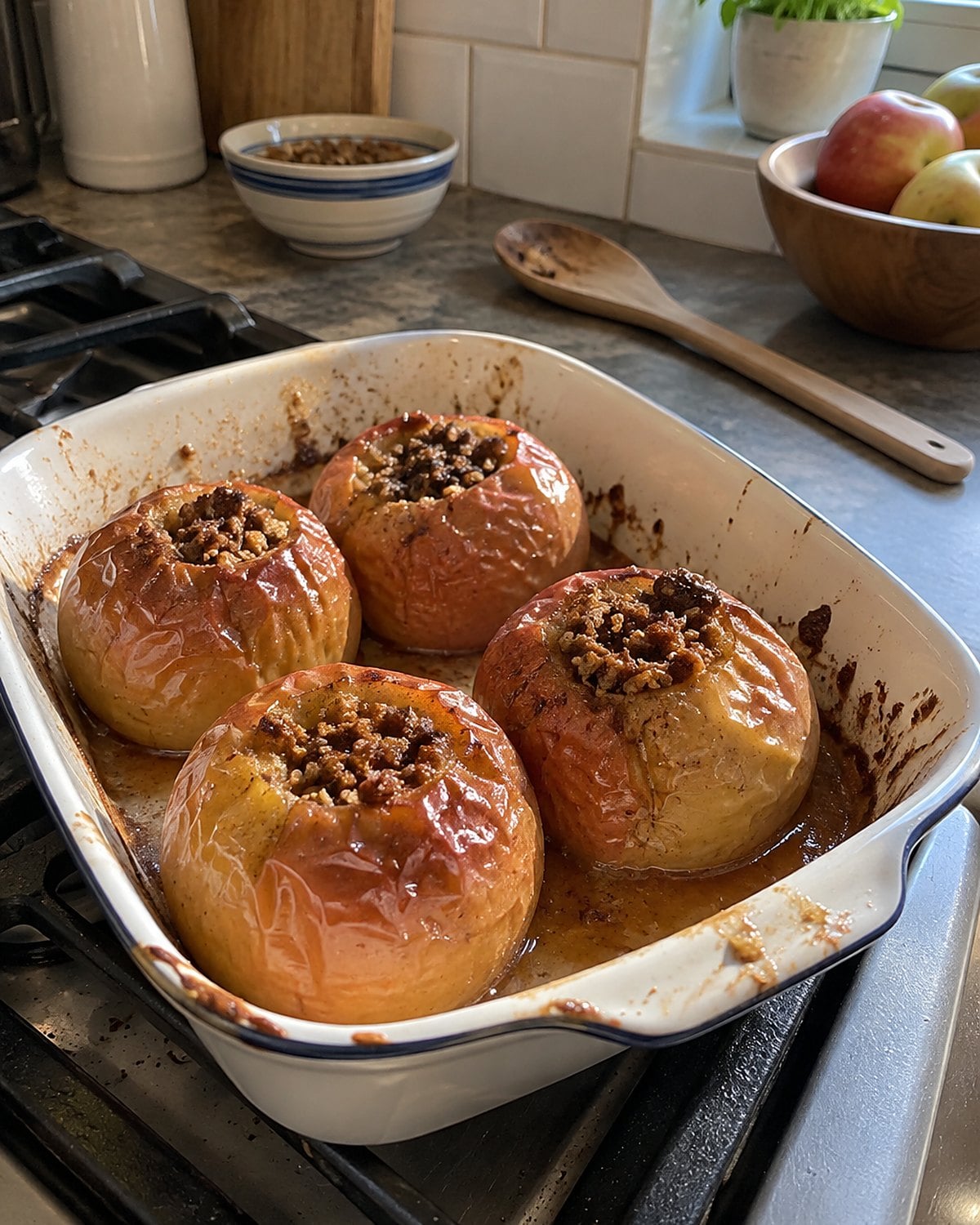
Baked apples look so plain going into the oven: a cored fruit, a little butter, perhaps cinnamon and chopped walnuts. Then their skins wrinkle, and the pan fills with syrupy juice.
Choose apples that hold their shape when cooked. Set them snugly in a baking dish, add a little water to the bottom, and spoon their juices over the tops as they bake. Start checking at about 40 minutes in a 375°F oven.
Test with a knife near the center. It should enter without a fight, while the apple still stands upright.
This is dessert for a night when you don't want to wash a mixer. Each apple is its own serving, and a little cream is enough beside it. Don't throw away the liquid in the pan. Spoon it over the apples, where you can taste the fruit and cinnamon together. The smell will reach the hallway before the dishes reach the sink.
#15 The Warm Butterscotch Over Vanilla Ice Cream
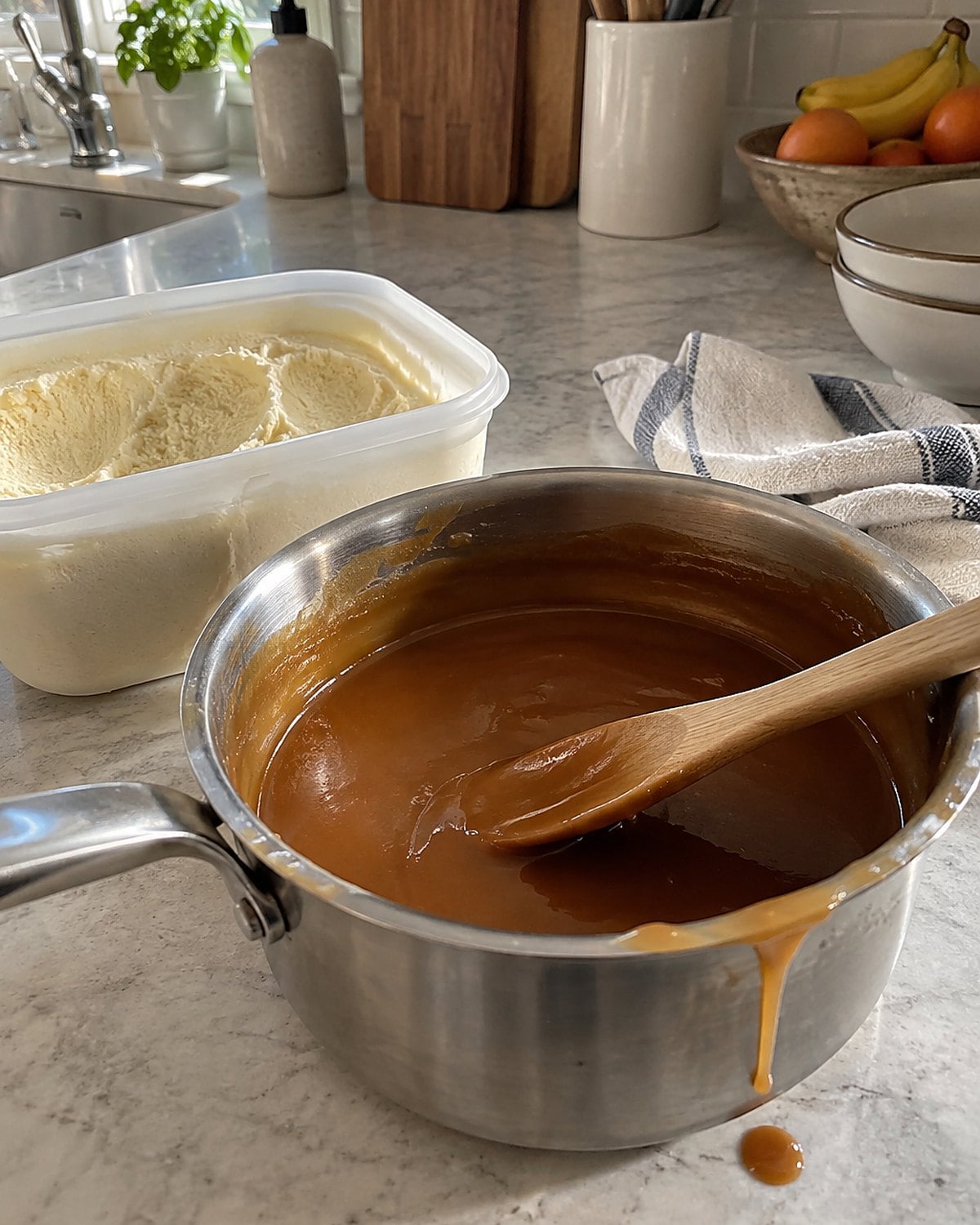
Butterscotch sauce has a way of making the plain carton of vanilla ice cream feel planned. Brown sugar, butter, and cream turn into something deeper than any one of them tastes alone.
Melt the butter with the brown sugar, then stir in cream and let the sauce bubble briefly. It thickens as it cools, so stop before it looks like candy in the pan. Add a pinch of salt and taste. Too much sweetness needs that small check.
Spoon warm sauce over cold ice cream at the table. The edges melt first, making a pool for the last bite.
You don't need to make sundaes for a crowd. A little saucepan and two bowls are enough. If the sauce grows too thick before you serve it, warm it over low heat and stir until it pours again.
#14 The Graham Cracker Crust Under Cream Pie
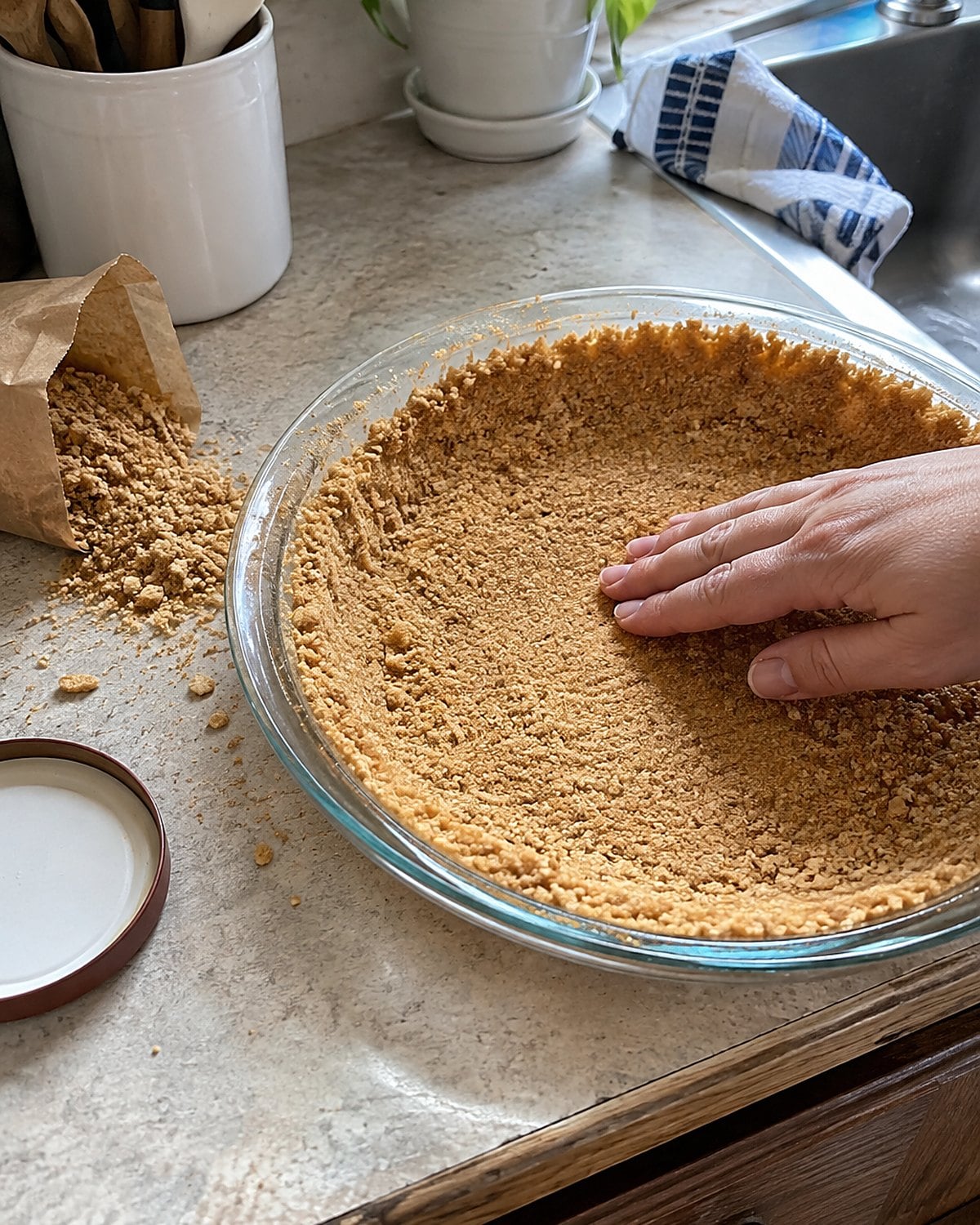
The open graham cracker sleeve in the pantry still has a purpose. Crush the crackers, mix the crumbs with melted butter, and press them into a pie plate. The crumbs need enough butter to hold when you pinch them.
Press the base with the flat bottom of a glass, then work the crumbs up the sides. That's the part worth doing carefully. A thin patch at the corner breaks when you lift the first slice. Chill the crust before adding a cool filling, and let the finished pie set before cutting.
For a pie that calls for a baked crumb crust, follow that direction rather than treating every filling alike. A no-bake cream filling and a filling that goes into the oven ask different things of the crust.
You know the reward when the first slice comes out: a firm, sandy edge against cold cream. Keep your glass nearby until the sides are pressed too; the base alone won’t hold the filling.
#13 The Crimped Edge of Buttermilk Pie
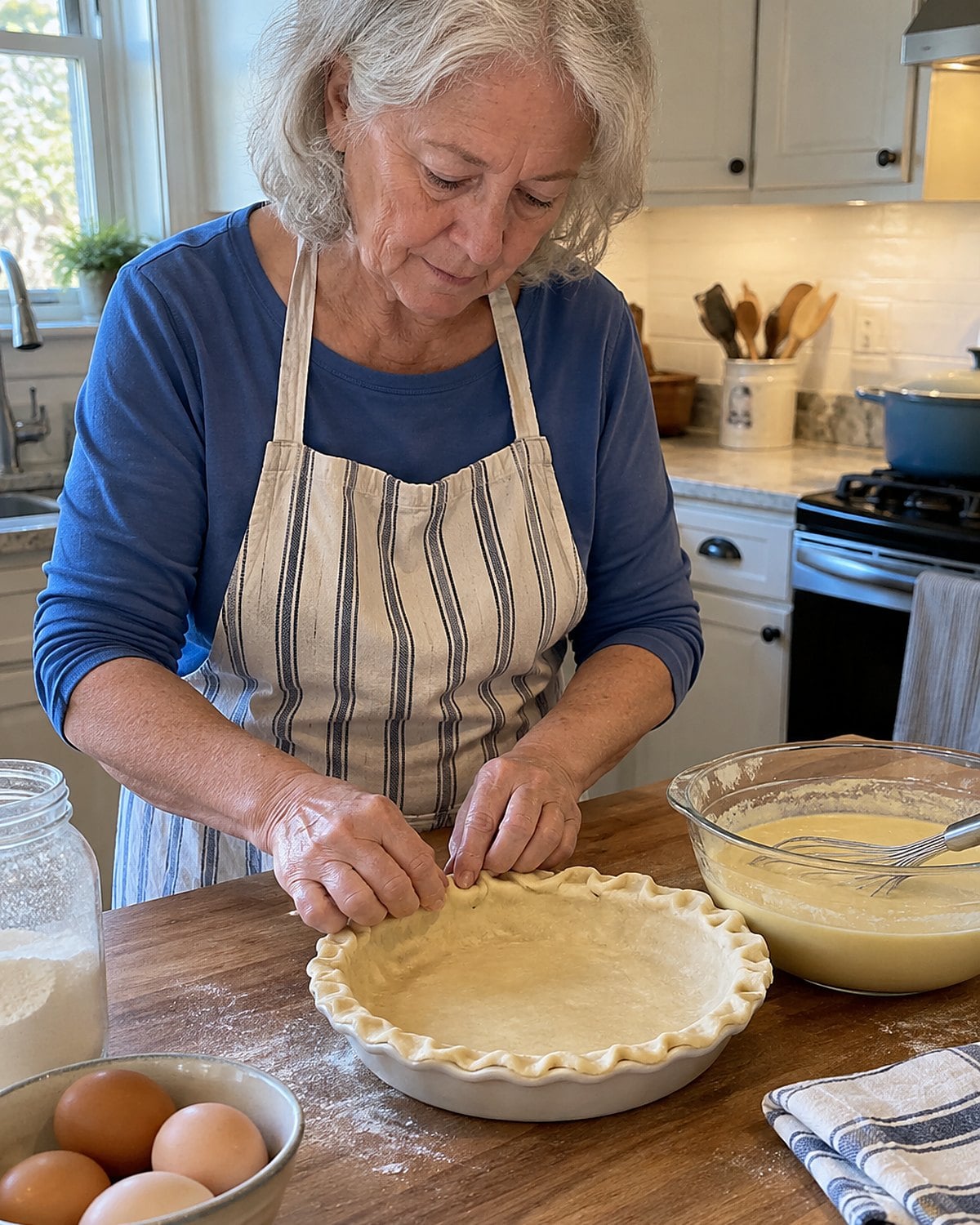
Buttermilk pie sounds modest until you cut it. The filling bakes into a soft, sweet custard with a tang that keeps the sugar in check. Its browned top gives way under the fork.
Don't skip the rest on the counter after baking. A hot custard pie won't give you a tidy slice, no matter how sharp your knife is. Look for a set edge and a slight movement in the middle when you nudge the plate. Cooling finishes the job.
Crimp the crust however your hands remember. A fork pressed around the rim works too.
The edge isn't there to prove anything; it holds a filling worth bringing back to the table. Once the pie has cooled, put leftovers in the refrigerator. The USDA’s guidance for pies with eggs and dairy is the place to check if you’re deciding how to store an old family recipe.
#12 The Pearl Tapioca in Milk
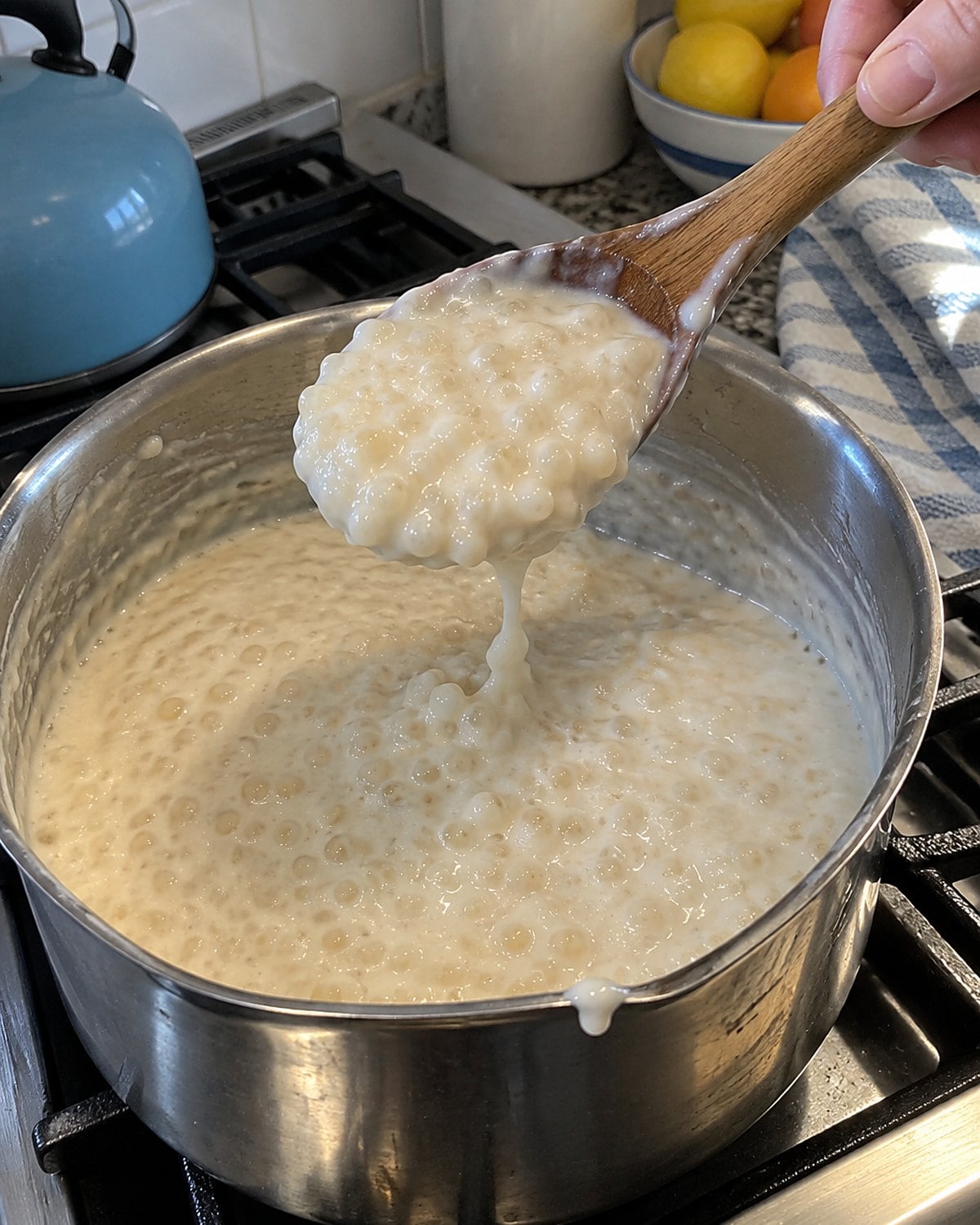
Tapioca pudding announces itself before the first spoonful. Those small pearls are the whole point, though someone at your table will disagree. Make it for the people who like a little chew in their pudding.
Check the package before starting. Pearl sizes differ, and their soaking and cooking directions differ with them. Stir as the milk heats so the bottom doesn't scorch.
When the pearls turn translucent and the mixture thickens, take a spoonful and let it cool. Taste it then; a hot pearl hides its texture. If the middle still feels hard, the pudding needs more cooking.
Vanilla belongs in at the end, where its smell stays clear. Serve the pudding warm or cold. If you have a small pot with a heavy bottom, this is when to use it. The old version is worth the stirring because the pearls, not a powder, make each bite feel different.
#11 The Brown Sugar Peach Cobbler
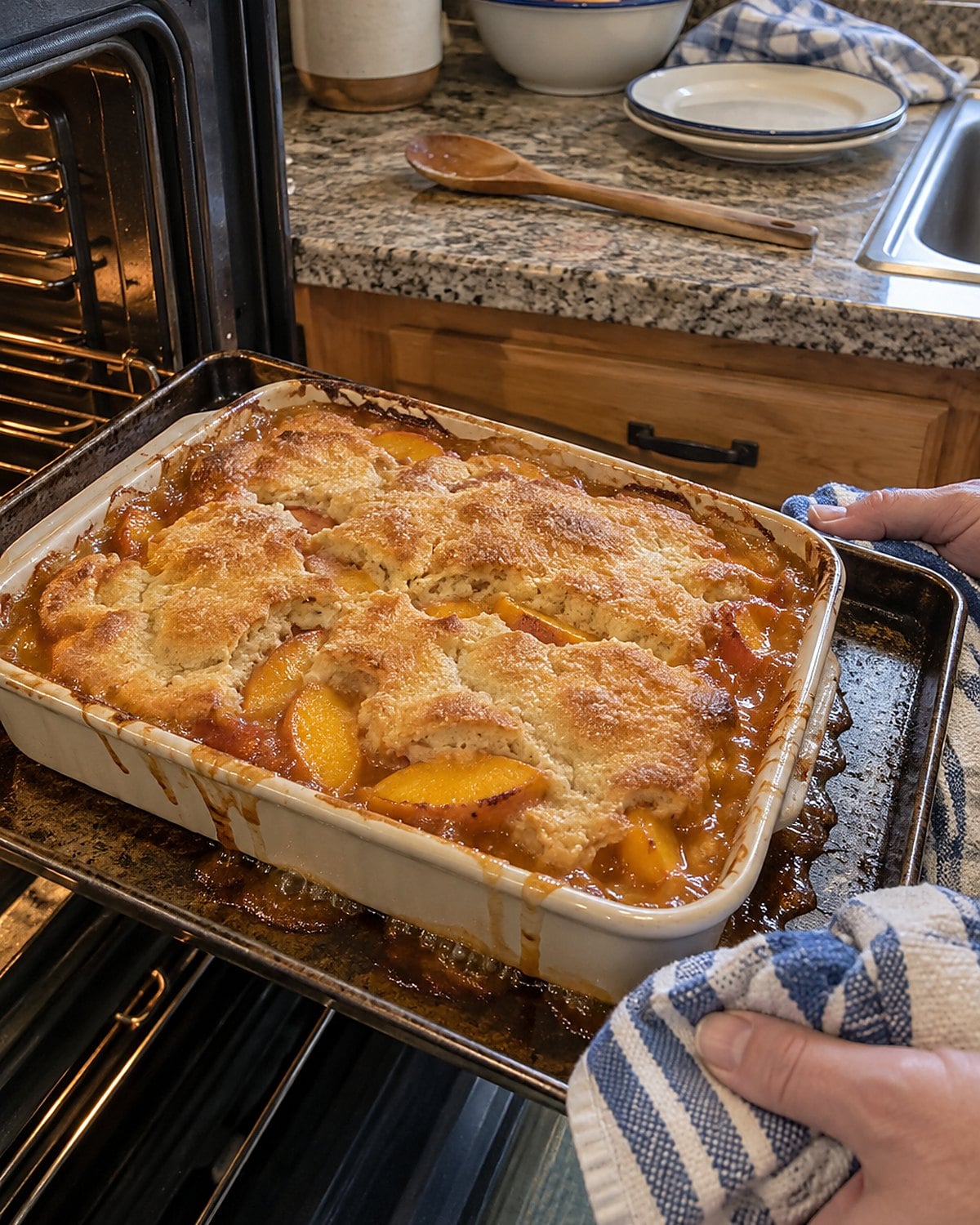
A cobbler comes to the table looking a little uneven. Good. Its rough top leaves places for peach juice to bubble through, and those sticky edges get claimed first.
Taste the fruit before you sweeten it. A fragrant peach needs less help than a firm one. Keep the pieces thick enough to find under the topping, and set the baking dish on a sheet pan to catch drips. When the center bubbles and the top is browned, it's ready to come out.
Let it rest while you find bowls. That pause gives the juices time to thicken, so you serve peaches instead of peach soup. The first spoonful should still be warm enough to melt a little ice cream.
If the peaches came from the market firm, give them time to ripen before baking. Sugar sweetens fruit; it won’t give an unripe peach the smell and flavor you were waiting for.
#10 The Cream Cheese Ribbon in Carrot Cake
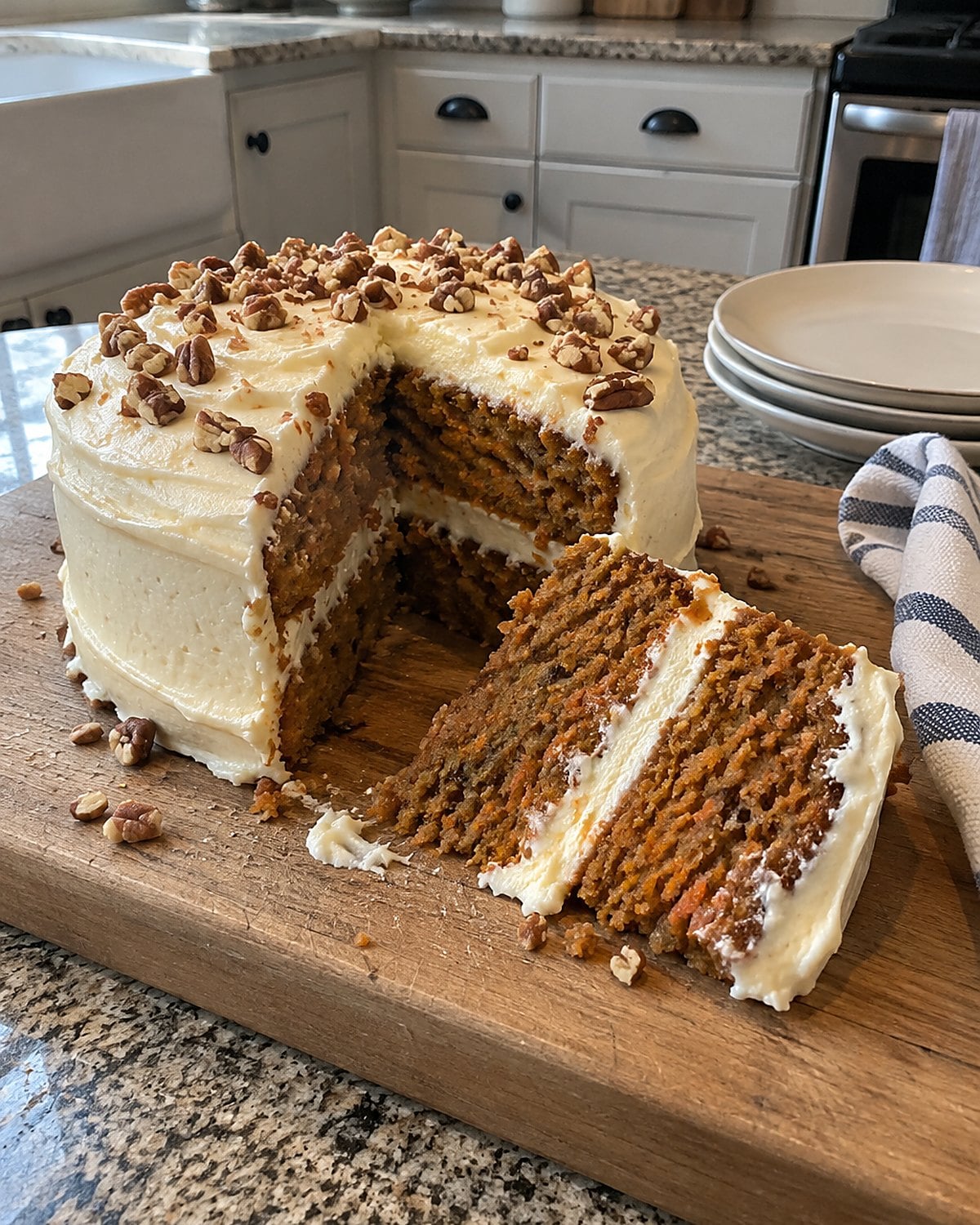
A full carrot layer cake asks for an occasion. A small carrot cake with a cream cheese ribbon asks for a fork.
Grate the carrots yourself when you make it. Thick, dry shreds from a bag don't melt into the batter the same way. For a ribbon through the cake, spoon plain batter into the pan, add the cream cheese mixture, then cover it with more batter.
Drag a knife through once or twice. More swirling muddies the line.
The cake is ready when the center springs back and a toothpick comes out without wet batter. Let it cool before cutting, or the cream cheese streak will smear. You still get the familiar tang in every slice, without frosting a tall cake that has nowhere to go. Refrigerate leftovers with that cream cheese filling.
Try it: Instant Pot Carrot Cake (Step-By-Step, Nut-Free)
#9 The Biscuit Dough for Blackberry Slump
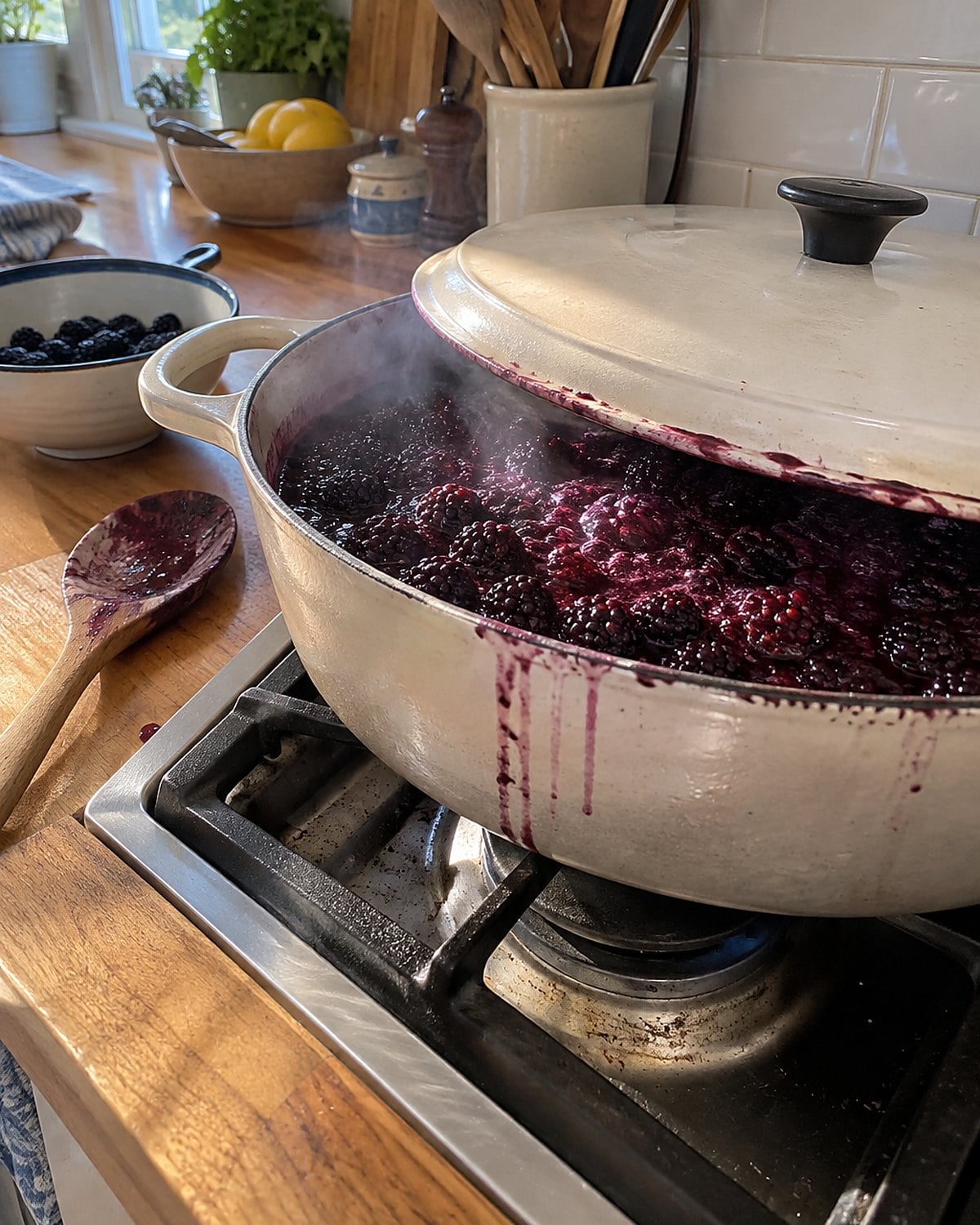
Blackberry slump belongs on the stove. Fruit simmers in a covered pan while spoonfuls of soft biscuit dough cook over it, catching the berry steam. Lift the lid too early and that heat escapes, leaving you with underdone dumplings.
Use a broad pan so the dumplings have space to swell. Keep the simmer steady, not fierce, and leave the lid on for about 15 minutes before checking. When a dumpling is cooked through, its center looks like biscuit rather than raw dough.
Break one open if you're unsure; nobody at the table needs to see the test piece.
Slump won't come out in neat squares. Spoon the berries and dumplings into bowls and let the purple juice stain the cream. Frozen blackberries belong in the pan too. Give the fruit time to return to a simmer before you add the dough, so the dumplings meet hot steam from the start.
#8 The Chocolate Pudding Made in a Saucepan
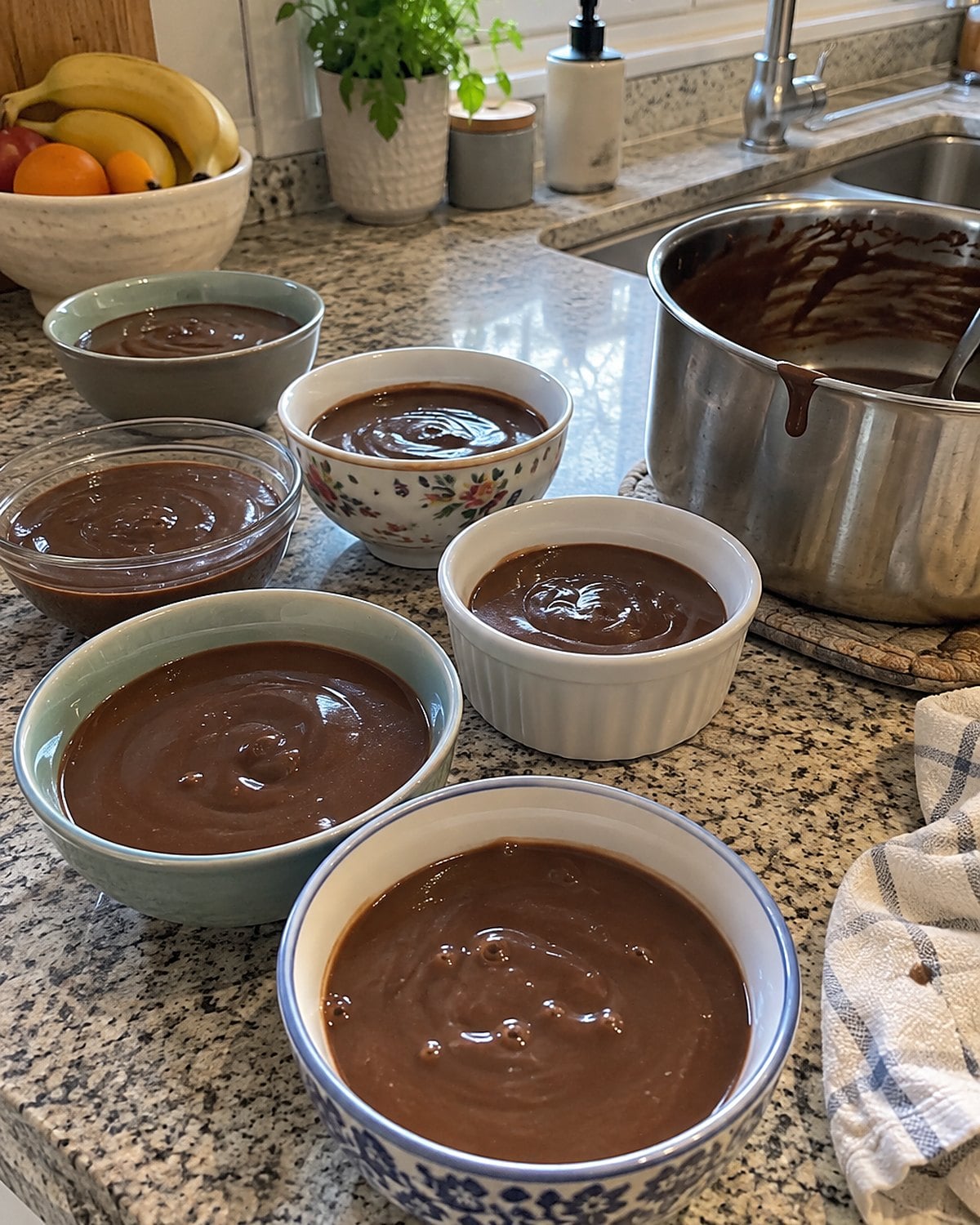
A packet is quick, but a saucepan gives you control over how dark and sweet chocolate pudding tastes. The work happens while the mixture heats. Stir across the bottom and into the corners, where it thickens first.
Cornstarch needs heat to do its job. Keep stirring until the pudding bubbles and loses its raw, chalky taste. After it starts bubbling, follow your recipe’s cooking time rather than pulling it from the heat at the first thick streak.
Then take it off the heat and add chocolate and vanilla. Chocolate melts into the hot pudding without needing more time on the burner.
Want a smooth top? Press a piece of parchment directly against the surface while it cools. If you loved the skin on pudding as a child, leave the bowls uncovered. That's a kitchen choice, not a mistake. Spoon the finished pudding into small dishes, and taste the last bit from the pan before washing it.
#7 The Frozen Banana Cream Pie Slice
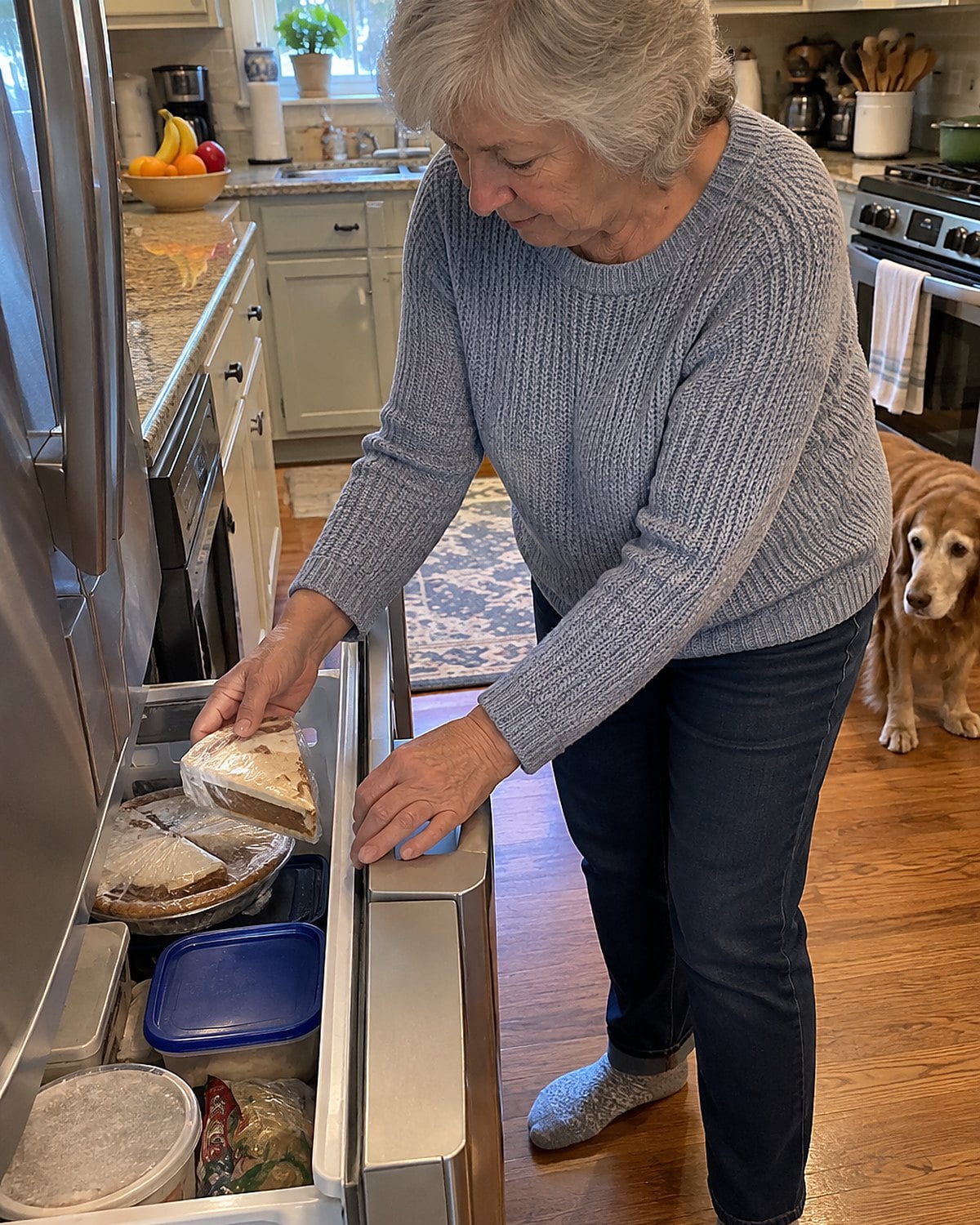
Banana cream pie asks for timing. Fresh banana slices look best under the cream, but they brown as they sit. For a frozen slice, lean on the banana flavor in the filling and add fresh banana when you serve.
Chill the pie until firm before wrapping individual slices for the freezer. A frozen wedge on a plate will soften while you make coffee. Add the fresh fruit after it thaws enough for a fork, then finish with a spoonful of whipped cream.
Label the wrapping so the pale slices don't turn into a guessing game in the freezer drawer. That one small habit gives you dessert without asking everyone to come over and eat an entire pie.
If your version has fresh banana layered inside, expect a softer texture after freezing. Save the fresh slices for the top instead. The freezer works best for a pie filling whose texture you’ve already tested.
#6 The Tall Meringue on Lemon Pie
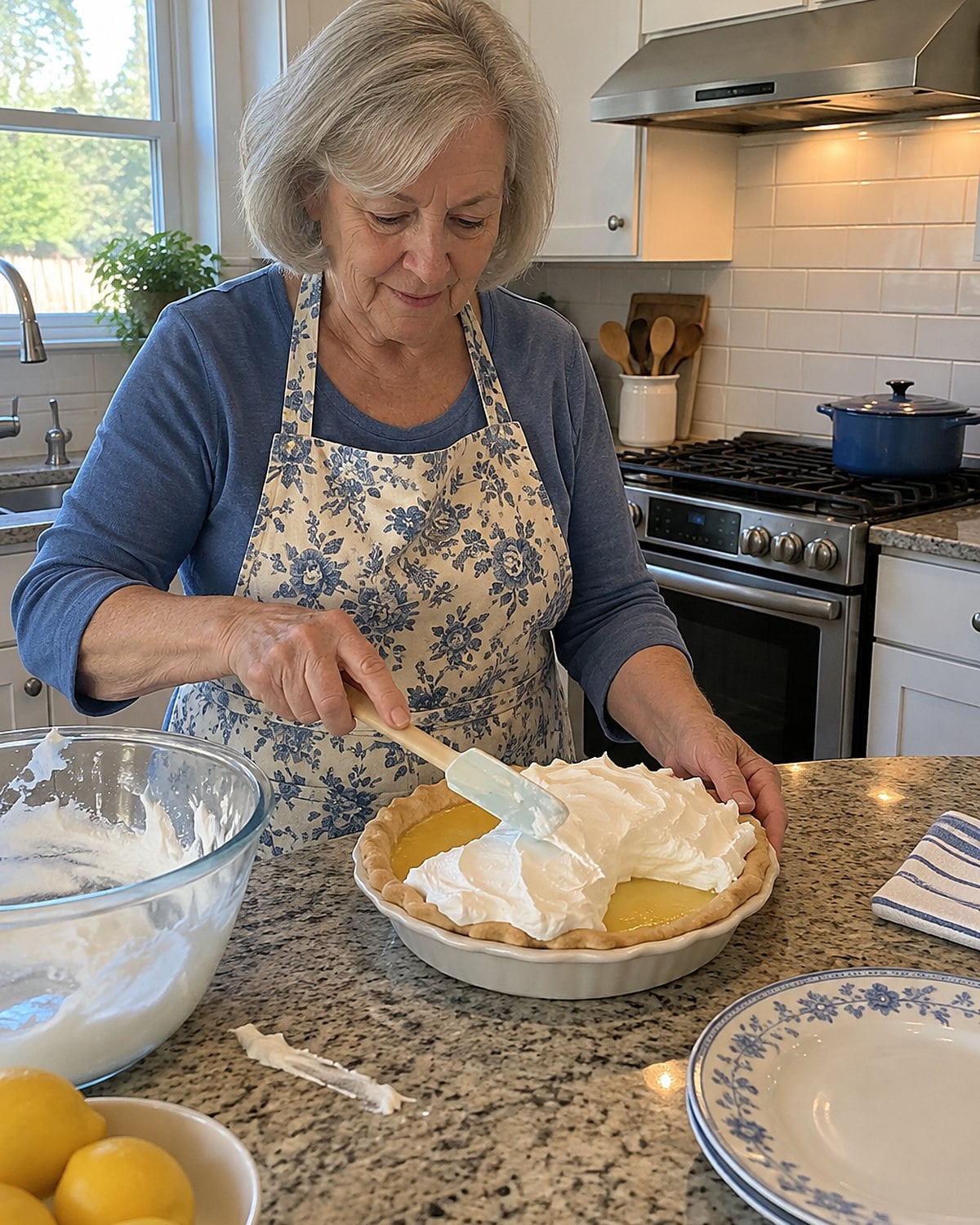
A lemon meringue pie has a moment when the topping looks like it will reach the oven rack. Then it browns at the tips and settles into the familiar shape.
Spread meringue over hot filling and seal it all the way to the crust. Leaving a gap gives the topping room to pull away as it cools. Beat the egg whites in a clean bowl, free of grease, until the sugar has dissolved and the peaks hold their shape.
Rub a little mixture between your fingers; gritty sugar needs more beating. Follow a tested recipe for the meringue’s cooking step. The USDA’s egg safety guidance is worth checking before you rely on browned tips alone.
Give the pie time to cool before slicing. Use a clean knife and wipe it between cuts. No slice will look like a bakery display for long, but the contrast matters: sharp lemon below, sweet airy topping above. Make the filling first and have the meringue bowl ready.
#5 The Poached Pears in Red Wine
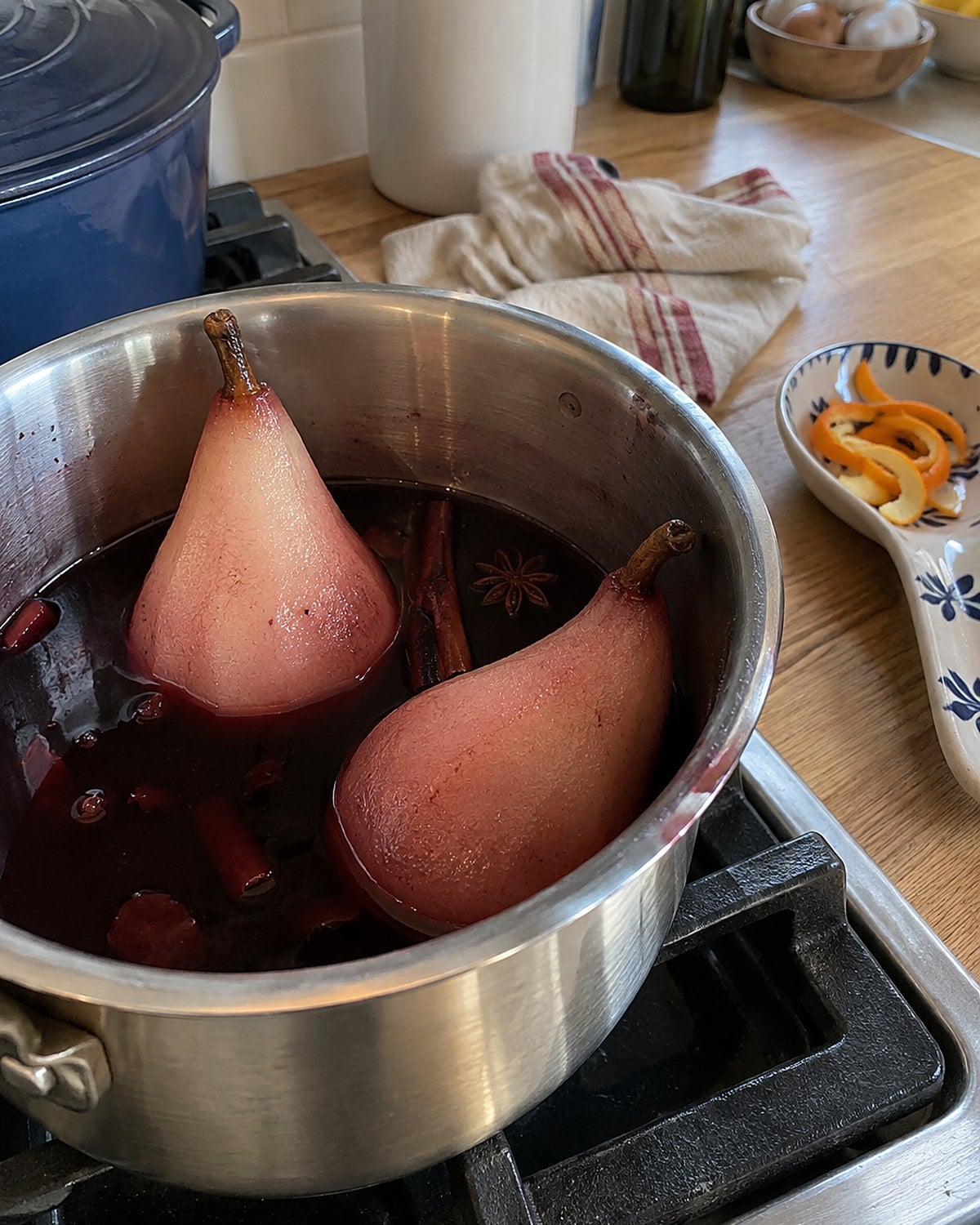
Two pears stand in a saucepan, their tops showing above the red wine. Cinnamon and a strip of orange peel scent the steam. It looks grander than the work involved.
Peel the pears but leave the stems if they're sturdy. Turn the fruit as it cooks so the color reaches every side. At a low simmer, start testing after about 15 minutes. A knife should slip into the flesh without meeting a hard center; firm pears need longer.
Lift the pears out, then simmer the liquid further for a sauce. Watch the spoon: the liquid should coat it rather than run off like plain wine. Don’t walk away while it reduces, or you’ll lose the sauce you meant to serve.
Set one pear in each shallow bowl and spoon the wine over it. This is a dessert for a small table, served with no apology for its size. The stems give you something to hold while you turn the fruit in the pan.
#4 The Bread Pudding From Stale Slices
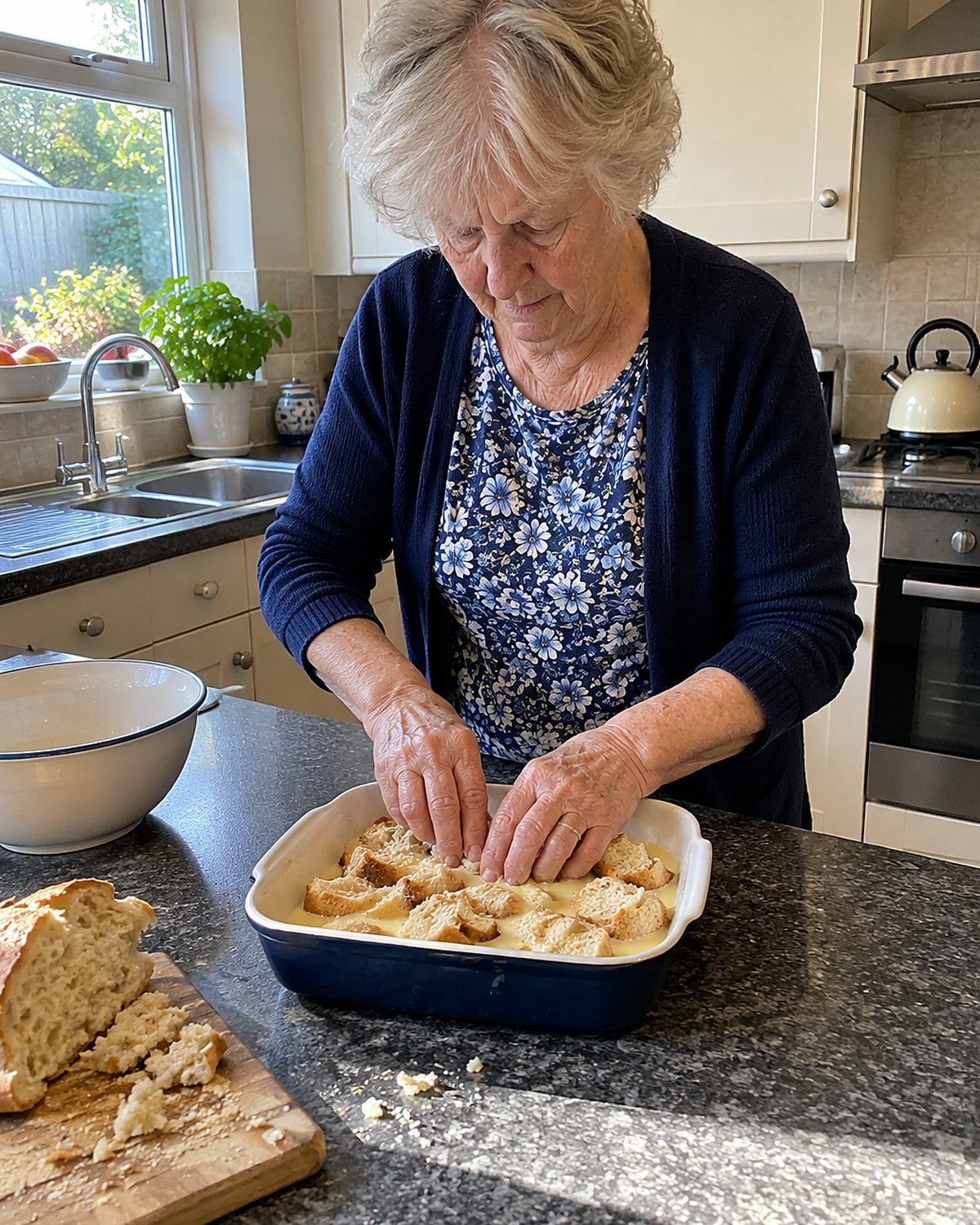
The heel of the loaf, a few dry slices, and the bread you forgot to freeze belong together here. Bread pudding was built for pieces that are past their best as toast.
Tear the bread into a baking dish and pour over a mixture of eggs, milk, sugar, and vanilla. Press the pieces down so their tops meet the custard. Then wait until the bread has soaked it up.
Skip that pause and you'll find dry bread above a wet bottom. Bake until the center is set and the top has browned in spots. Push a spoon into the middle to check; liquid custard means it needs more oven time.
Use stale bread, not moldy bread. The USDA’s mold guidance draws that line clearly.
Add raisins if they belong in your version. The point is to use what is already in the bread bag and come away with something you'd serve on purpose.
#3 The Sunday Slice of Coconut Cream Pie
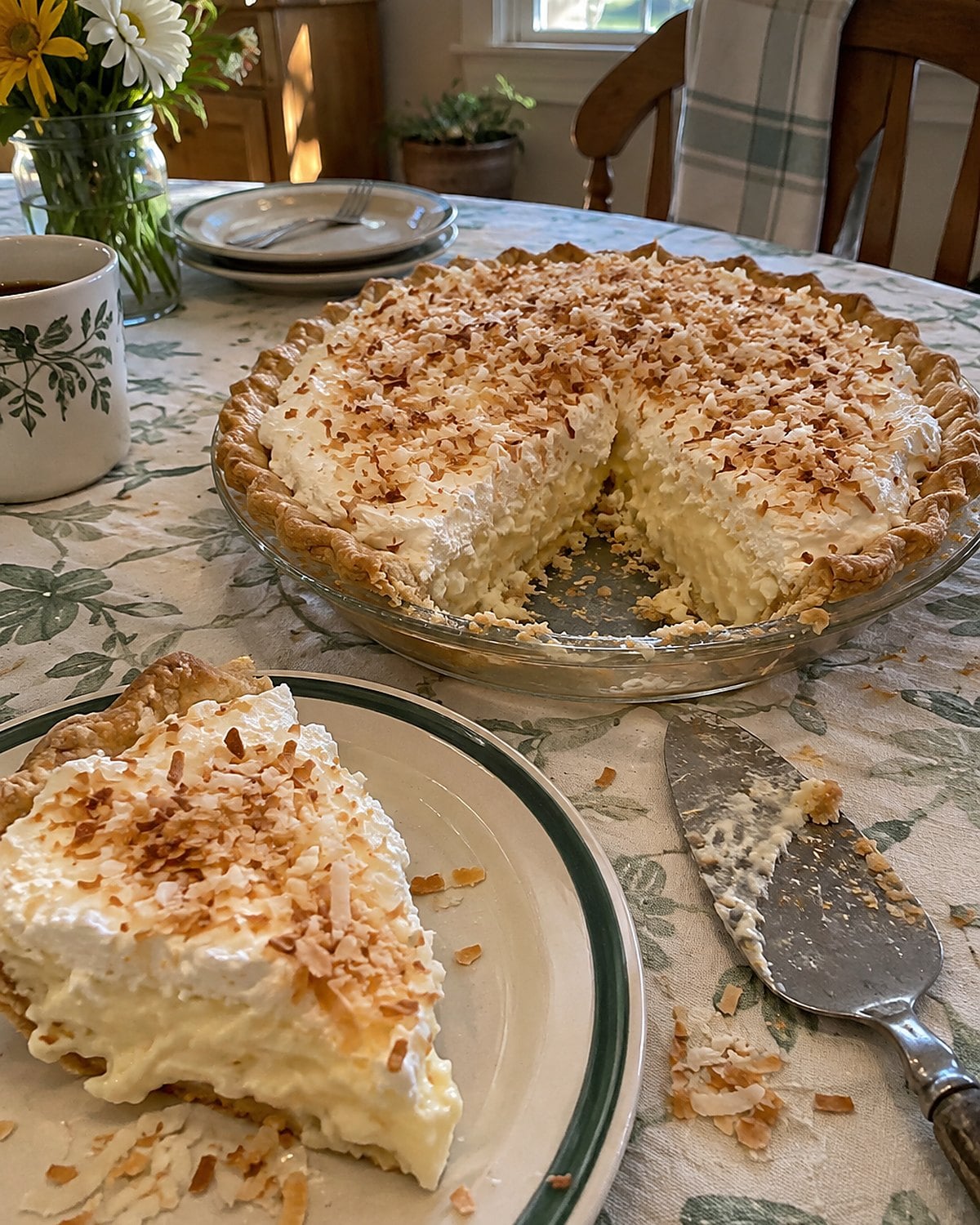
Who gets the slice with the tallest mound of cream? At a big Sunday table, that question settled itself quickly. At a smaller one, the pie still earns its place for the contrast between cool custard, toasted coconut, and a crisp shell.
Toast the coconut separately and watch it closely. Stir it as the edges color, then take it off the heat before the whole pan turns brown. Sprinkle some over the filling and save the rest for the top at serving time. The later addition keeps its crunch.
Give the pie time in the refrigerator to set before cutting. If a knife drags filling across the crust, leave it to chill longer.
Cut with a clean knife, wiping between slices. The first piece is rarely the prettiest. Give it to yourself, then scatter the reserved coconut over the slice just before you eat it.
#2 The Caramel Sauce You Watch Closely
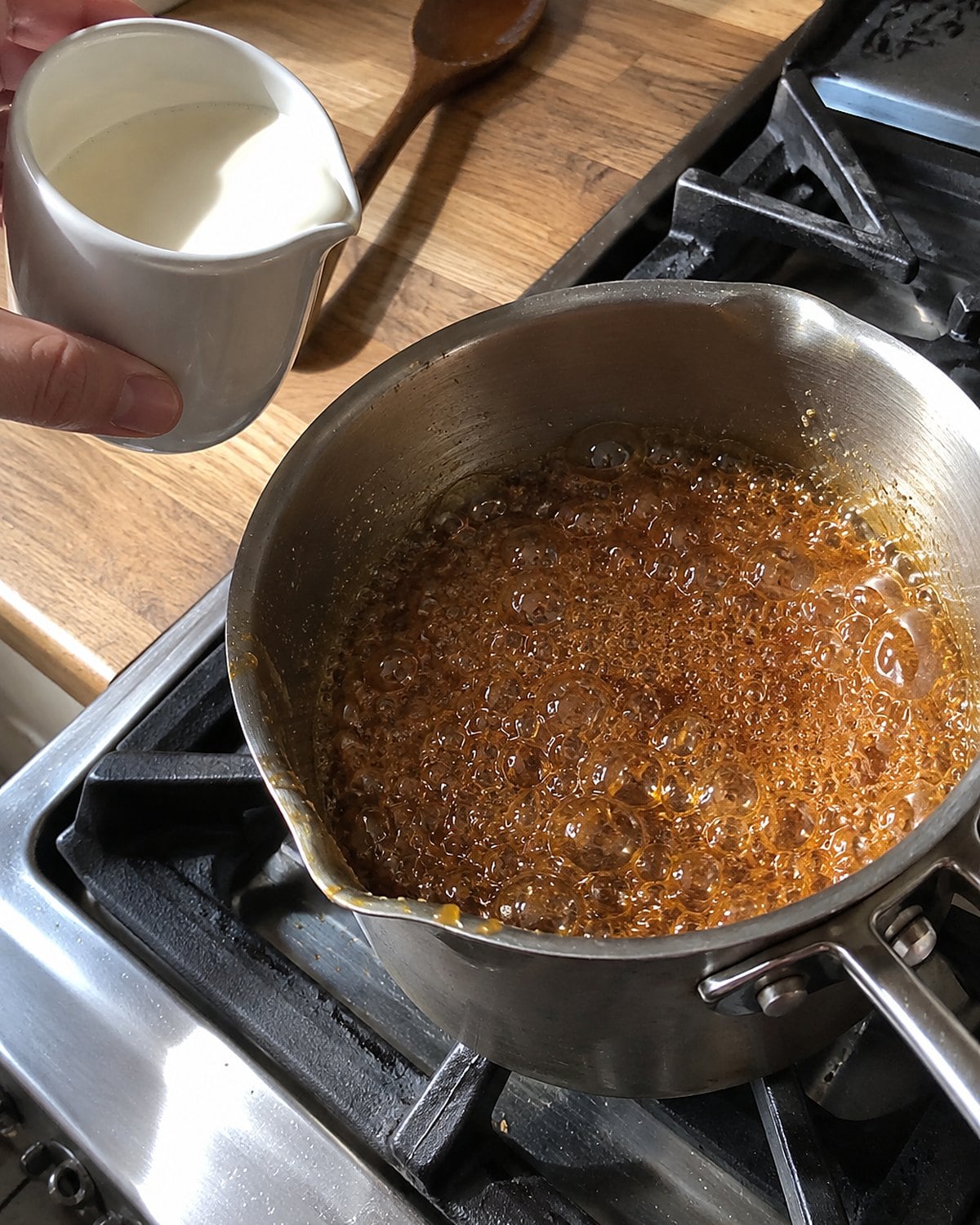
Caramel rewards attention and punishes a trip to the laundry room. Sugar melts, turns amber, then grows darker fast. Have the cream ready before the pan goes on the stove, and keep children clear of the burner.
Swirl the pan to move the sugar as it melts. When it reaches a deep amber, take it off the heat and add the cream carefully. It will bubble hard. Stir until the sauce comes together, then add a pinch of salt.
If it tastes bitter, it cooked too far; start again rather than hiding it under ice cream.
The good batch needs only a spoon. Drizzle it over baked apples, pudding, or a plain slice of cake. You did the watching once, and the next dessert is nearly finished. Keep a long-handled spoon nearby, and wait for the bubbling to settle before you taste.
#1 The Icebox Cake Left Overnight
Nobody makes icebox cake until someone remembers how little work it takes. It starts with the sort of cookies you keep for a cup of tea and cream you whip yourself. Neither looks like cake on the counter.
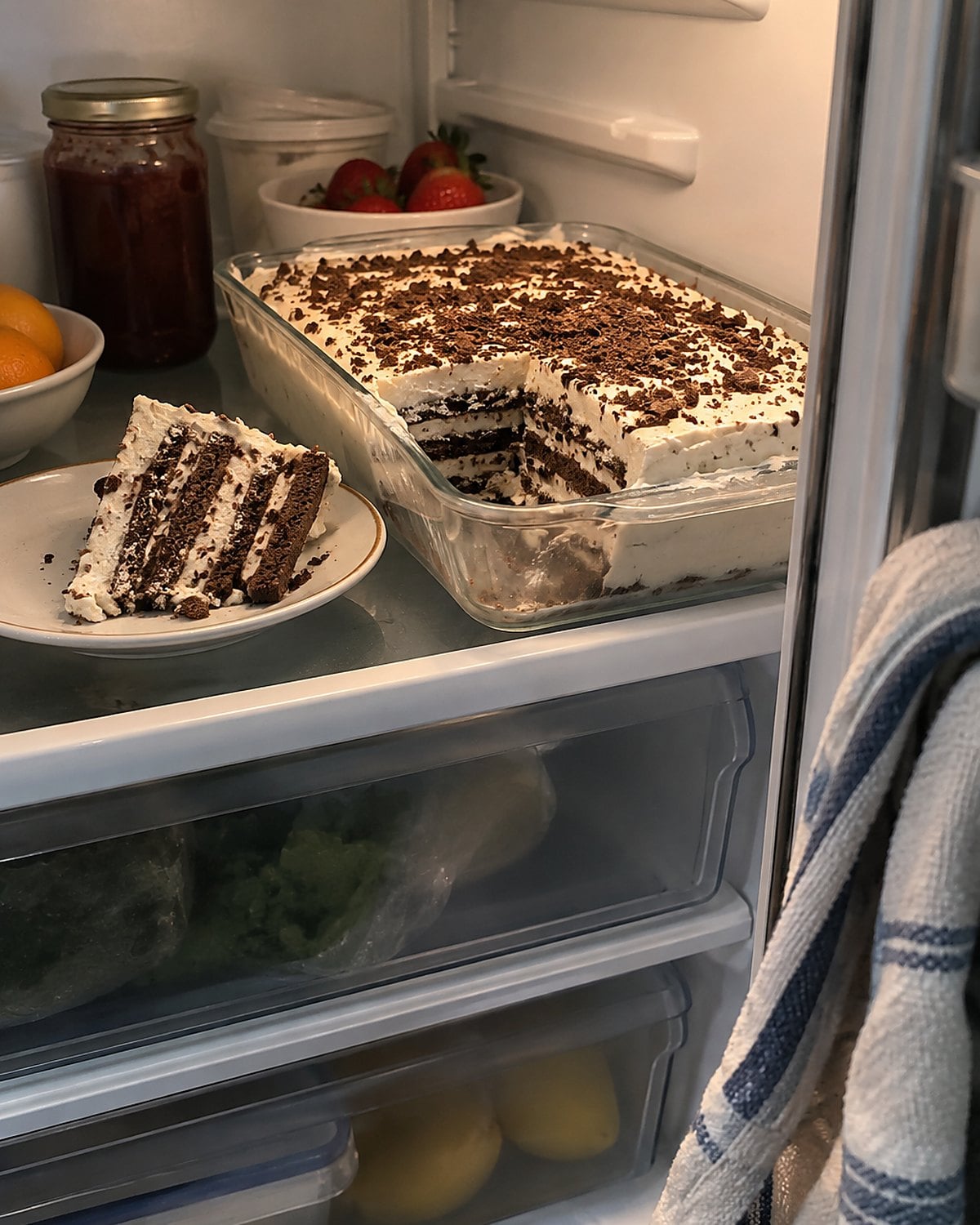
Spread a thin layer of whipped cream on a small plate or in a loaf pan. Add cookies, then more cream, covering the dry surfaces as you go. Keep layering until you've used what you need. Cover the cake and refrigerate it overnight.
During that wait, moisture moves from the cream into the cookies. By tomorrow, the layers will cut like a tender cake.
Make a small one. That's the useful part if the old recipe served a whole house. A loaf pan takes less space in the fridge, and a few layers still show when you slice across them. Chocolate wafers give you dark stripes; graham crackers bring a honey flavor.
Use a clean knife and wipe it between cuts so you see what happened while you slept. Keep the finished cake in the refrigerator at 40°F or below. The FDA’s refrigerator guidance helps if the dial on your fridge has no temperature marked.
Tonight, clear a shelf and start layering.
The bottom line
These desserts ask you to pay attention to a small change: custard wobbling, fruit bubbling, cookies turning tender in cream. You already know how to spot most of them.
The well-prepared version of you has saved the stale bread, found the little saucepan, and made room on a fridge shelf. Which dessert card is still tucked in your kitchen drawer?




Leave a Reply