

I always thought sliced Japanese sweet potato recipes were the healthier choice, especially when blood sugar was the concern. Turns out, it's not that simple! Depending on how they're cooked, sweet potatoes can have a glycemic index (GI) similar to or even higher than regular potatoes.
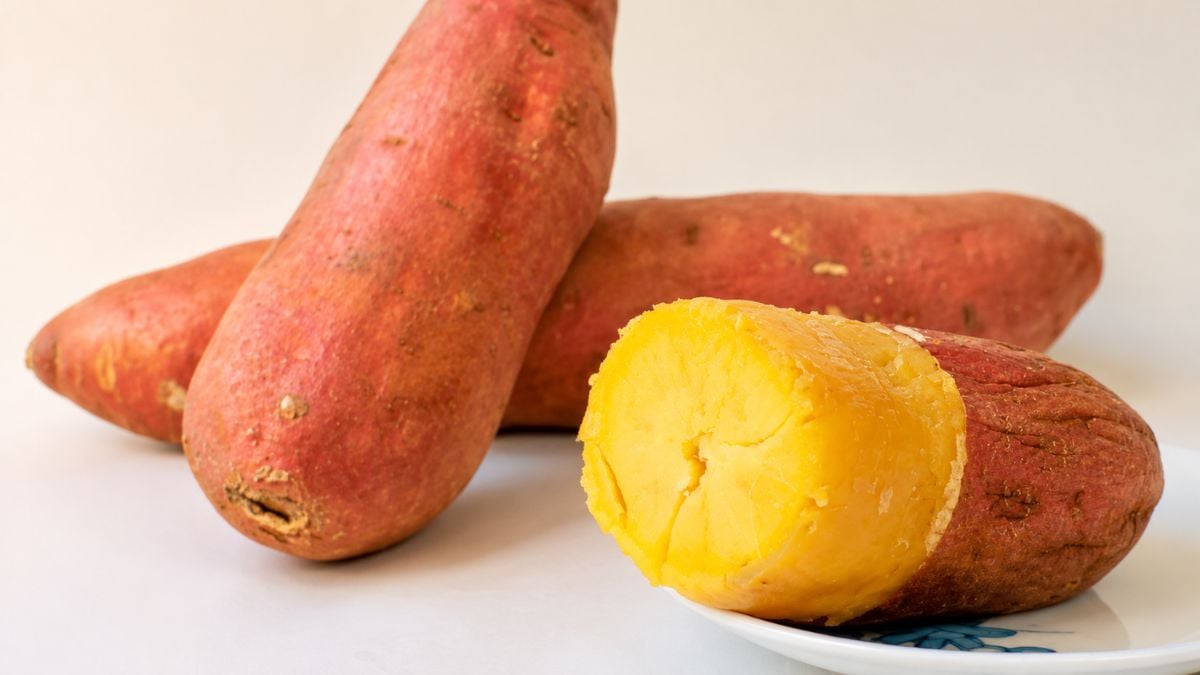
And here's the big reveal: boiling sweet potatoes generally gives them a lower GI than baking or roasting. So, before you give up your favorite potatoes, let's look at what actually makes a difference.
What Dietitians Say About Sweet and White Potatoes
There's no clear winner, and that's good news for anyone who loves a baked potato!
A comparison reviewed by registered dietitian Jessica Ball, M.S., RD explains that both varieties provide valuable nutrients and can fit into a healthy, blood-sugar-friendly diet.
The real difference often comes down to preparation, not whether the potato is orange or white.
Why Cooking Method Matters More Than You Think
The glycemic index measures how quickly carbohydrate-containing foods raise blood sugar under standardized testing conditions.
Both sweet and regular potatoes have GI values that vary considerably depending on their variety and preparation.
Boiling generally produces a lower GI than baking or roasting for both types. Boiled sweet potatoes, in particular, tend to score lower than their baked or roasted counterparts.
There's no single USDA or FDA GI number that applies to every sweet potato or white potato.
So, if you're choosing potatoes with blood sugar in mind, pay attention to the cooking method first. Your oven might not be thrilled, but your saucepan has a job to do!
Which Potato Has More Fiber?
Fiber helps slow digestion, making it worth considering when choosing carbohydrate-rich foods.
Here's what the numbers show:
- Sweet potato: A medium baked sweet potato weighing 114 grams provides 3.8 grams of fiber.
- White potato: A baked potato with its flesh and skin provides 2.2 grams of fiber per 100 grams.
These aren't identical serving sizes. For a direct weight comparison, 114 grams of baked white potato would provide approximately 2.5 grams of fiber.
That gives the sweet potato an advantage in this comparison, although both contribute fiber. Keeping the skin on your white potatoes helps, too.
White Potatoes Aren't Empty Carbs!
White potatoes have earned a rather unfair reputation over the years.
Registered dietitian Lauren Manaker, M.S., RDN, LD, points out that they're a surprisingly good source of vitamin C.
A medium white potato provides approximately 20% of the recommended daily vitamin C intake, plus 867 mg of potassium, or about 18% of the Daily Value.
That's quite a bit of nutrition from something we usually associate with butter and sour cream!
A peer-reviewed discussion of potato nutrition also recognizes potatoes as nutrient-dense vegetables, particularly for their potassium and fiber.
The Leftover Potato Trick Worth Remembering
Here's something I wish I'd known years ago: cooking and cooling potatoes can change their starch.
According to the University of Florida IFAS Extension, potatoes contain resistant starch and slowly digestible starch. Cooking and cooling can increase both.
Resistant starch isn't digested in the small intestine like ordinary starch, which makes it interesting for blood sugar management.
But there's a catch!
The Johns Hopkins Patient Guide to Diabetes notes that red and yellow potatoes gain resistant starch after cooking, chilling, and reheating, while russets may lose a little resistant starch during reheating.
That makes chilled potato salad or reheated red potatoes useful options when planning leftovers.
What I'd Do Differently in My Kitchen
You don't need to ban potatoes or start treating dinner like a science experiment.
- Boil more often. Choose boiled sweet or regular potatoes instead of baked or roasted when aiming for a lower GI.
- Save those leftovers. Cool cooked potatoes promptly in the refrigerator, then use them chilled or reheated.
- Remember the variety. Red and yellow potatoes respond differently to reheating than russets.
Portion size and what you eat alongside potatoes also matter. Pairing them with protein and vegetables makes for a more balanced meal.
So, Which Potato Wins?
Neither one wins every time!
Cooking method can matter more than potato type, and boiling is generally the better lower-GI choice than baking or roasting.
Cooked and cooled potatoes can also develop more slowly digestible and resistant starch, with red and yellow potatoes showing increases after chilling and reheating.
The best potato isn't necessarily the sweetest one. Sometimes it's simply the one you cooked differently!




Leave a Reply