

Remember when a trip to the corner store meant picking out your favorite candy with whatever change you had in your pocket? I still think some of those old snacks tasted better, although I'm sure eating them without worrying about calories helped! If you've tried your childhood favorites recently, you've probably noticed that seventies candy snacks taste different today.

Sometimes the recipes really have changed. Other times, it's the texture, temperature, or even how we remember eating them. Let's revisit 27 familiar treats and see why they might not taste quite like they used to.
#27 Cracker Jack peanuts in the box
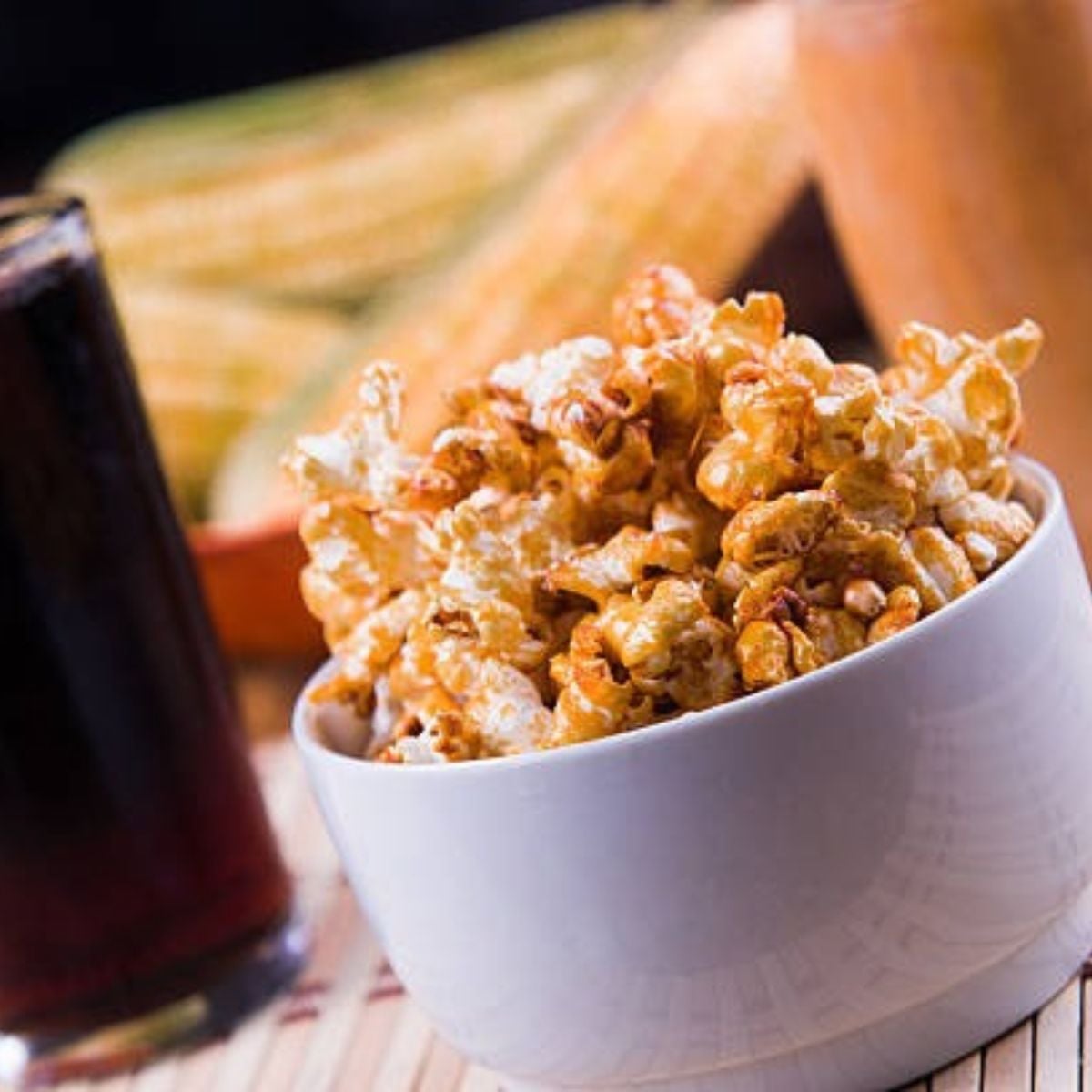
Remember digging through a box of Cracker Jack, hoping to find more peanuts?
The caramel-coated popcorn and peanuts are still there, but the amount you get in each handful can vary.
Peanuts and broken caramel pieces tend to settle toward the bottom, which means the last few bites might taste different from the first.
Try pouring a box into a bowl and comparing the popcorn from the top with the pieces at the bottom.
You might discover that the sweeter, peanut-filled handful you remember was simply waiting at the bottom of the box.
And let's be fair, finding the prize was usually half the excitement anyway.
#26 Hershey bar on the counter
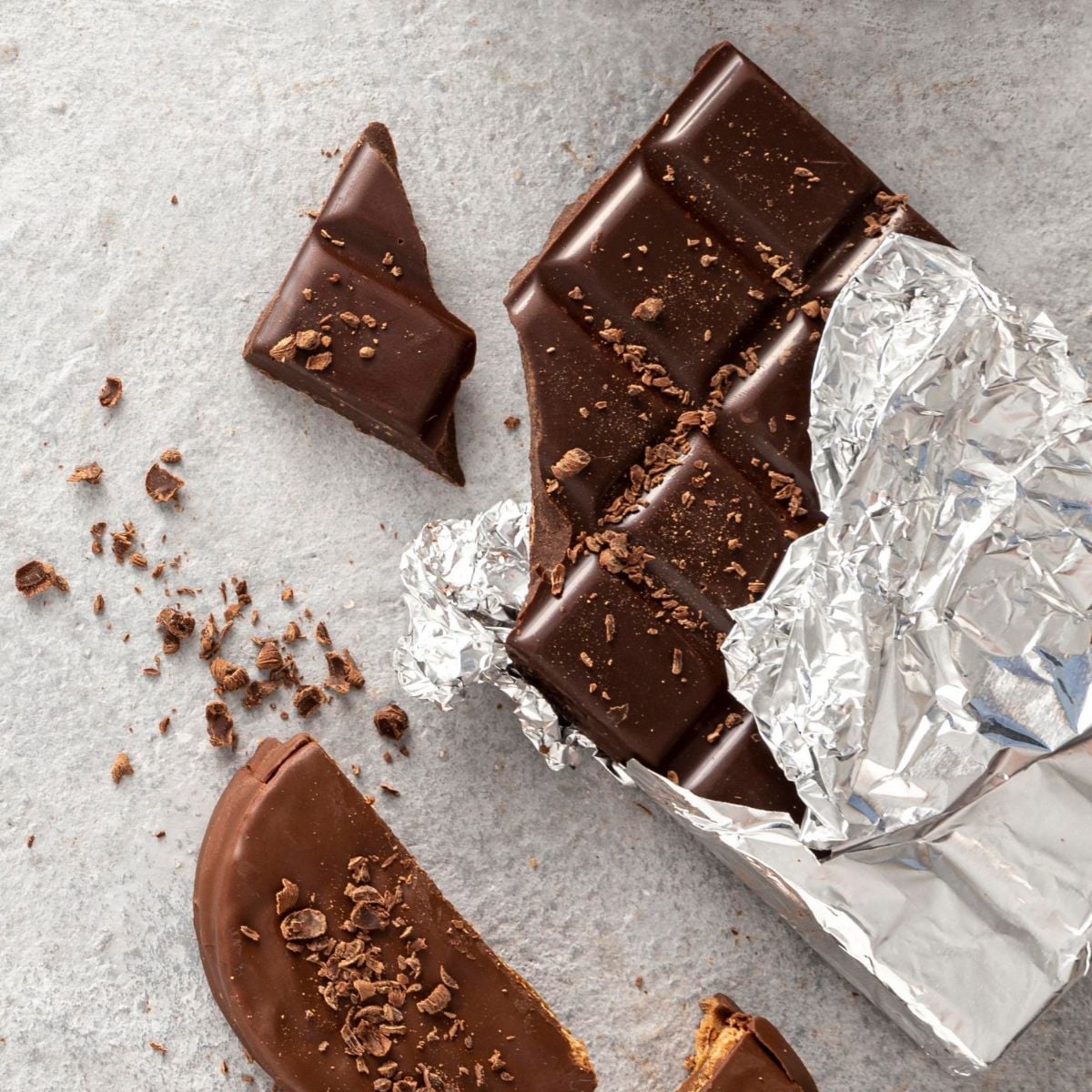
A classic Hershey bar has a distinctive chocolate flavor that's difficult to forget. But temperature can change how chocolate tastes and melts.
A bar from a cool pantry feels firmer, while one that's slightly warmer melts more quickly and releases its flavor differently.
Try letting a square melt slowly on your tongue instead of chewing it immediately.
Also, remember that milk chocolate and chocolate-flavored candy aren't necessarily made with the same ingredients.
That doesn't prove Hershey changed its recipe, but it explains why different chocolate products can taste so different.
Sometimes the chocolate isn't the problem. It's just missing that warm afternoon walk home from the store.
#25 Twinkies from a fresh package
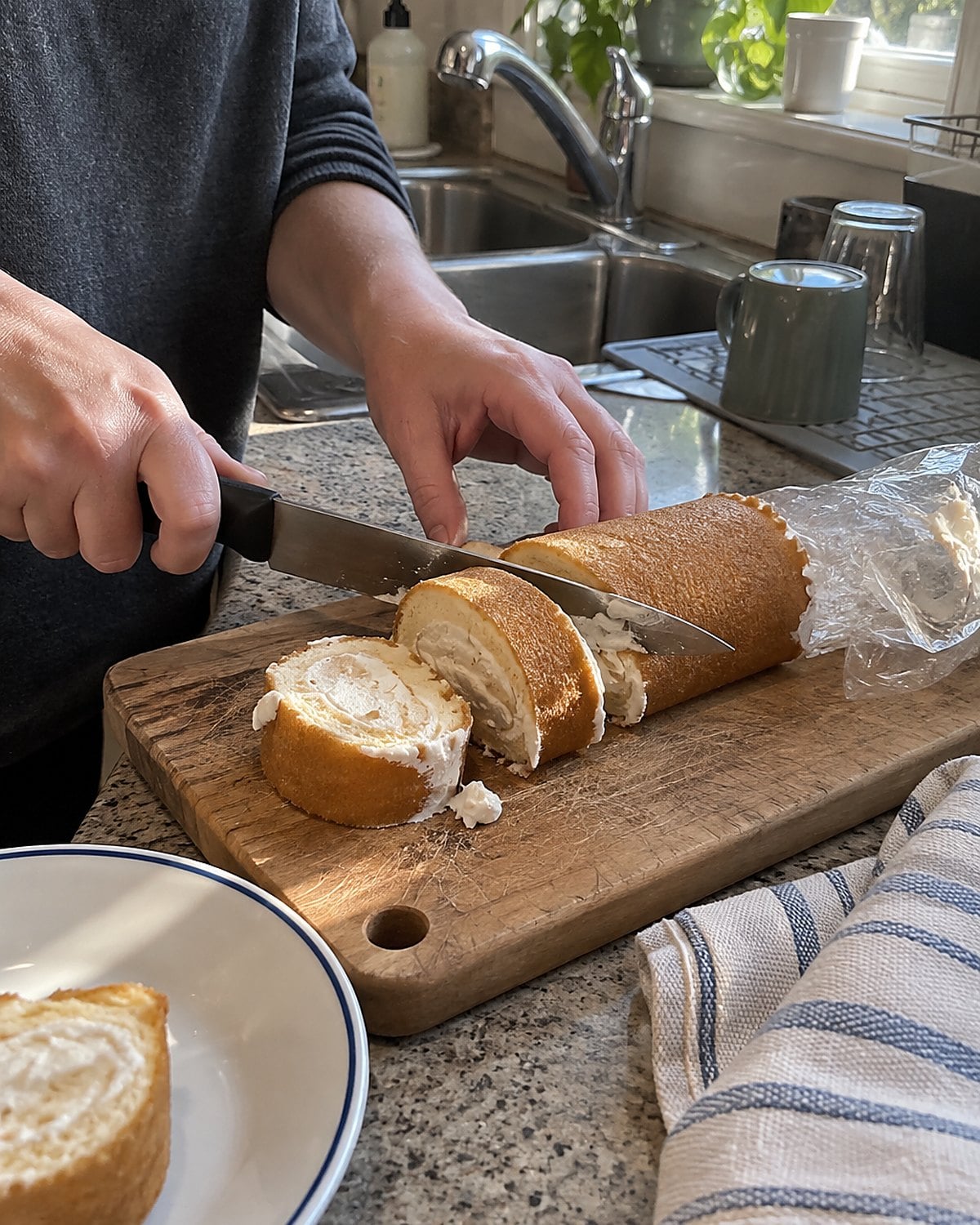
If you remember Twinkies being softer or springier, you're certainly not alone. Production stopped in 2012, and the snack returned in 2013 under new ownership.
That interruption is documented, although it doesn't tell us exactly which ingredients might explain differences in taste or texture.
Try a fresh Twinkie at room temperature. Taste the cake and filling separately, then cut one through the middle to see how they're distributed.
A snack that's been sitting in your cupboard for weeks won't taste exactly like one you bought fresh after school.
And unfortunately, eating two Twinkies won't bring back the seventies. I've considered the possibility.
#24 Ritz crackers beside the soup
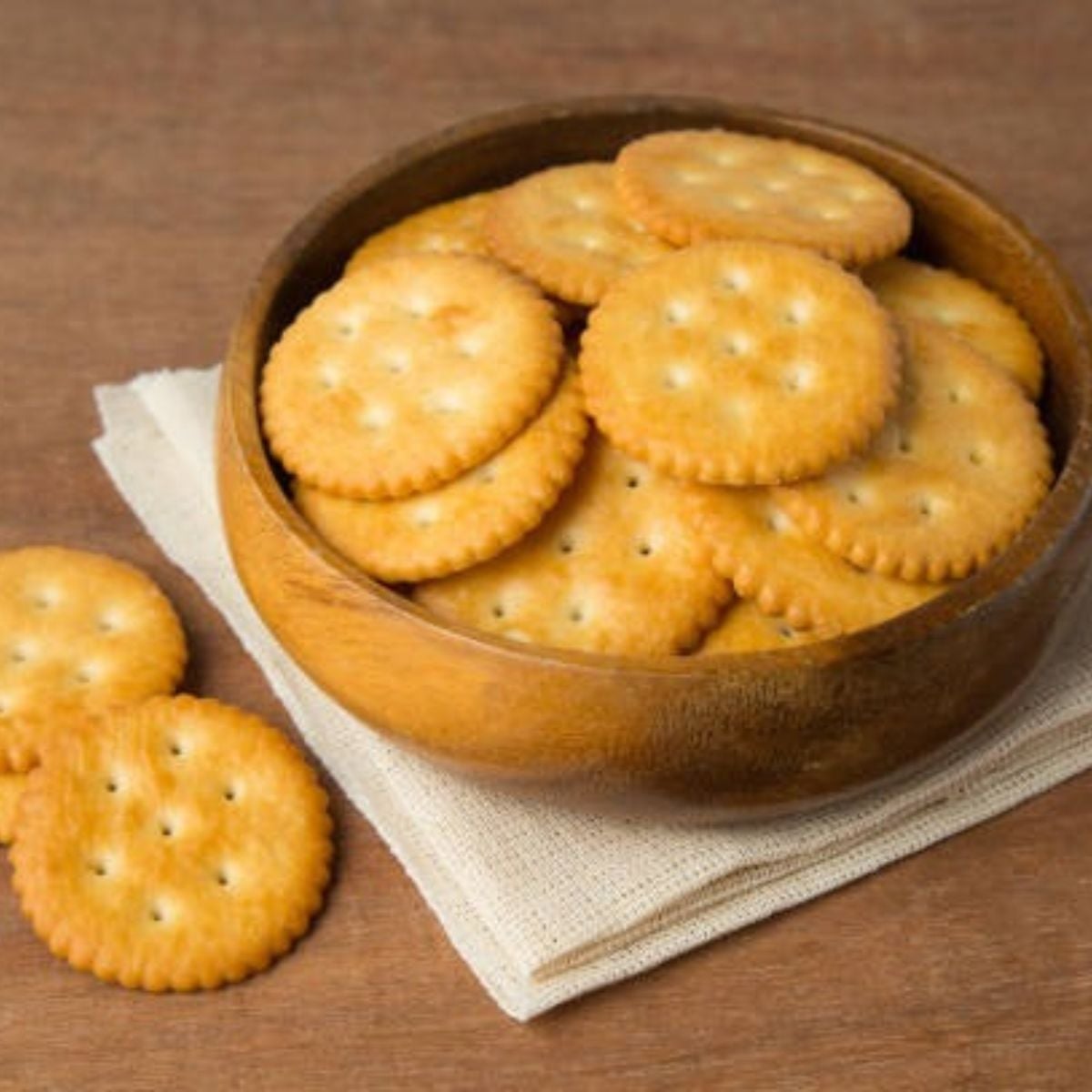
Ritz crackers have always been about that buttery flavor, delicate crunch, and sprinkle of salt. But if they taste different today, there are a few things worth considering.
The food industry moved away from partially hydrogenated oils after the FDA's 2015 determination that they were no longer generally recognized as safe.
That doesn't establish exactly when Ritz changed any particular ingredient. Try eating a cracker plain instead of crumbling it into soup.
Notice the salt, texture, and richness before adding anything else.
You might realize that the bowl of homemade soup was changing some of the flavor all those years ago.
#23 Fig Newtons after school
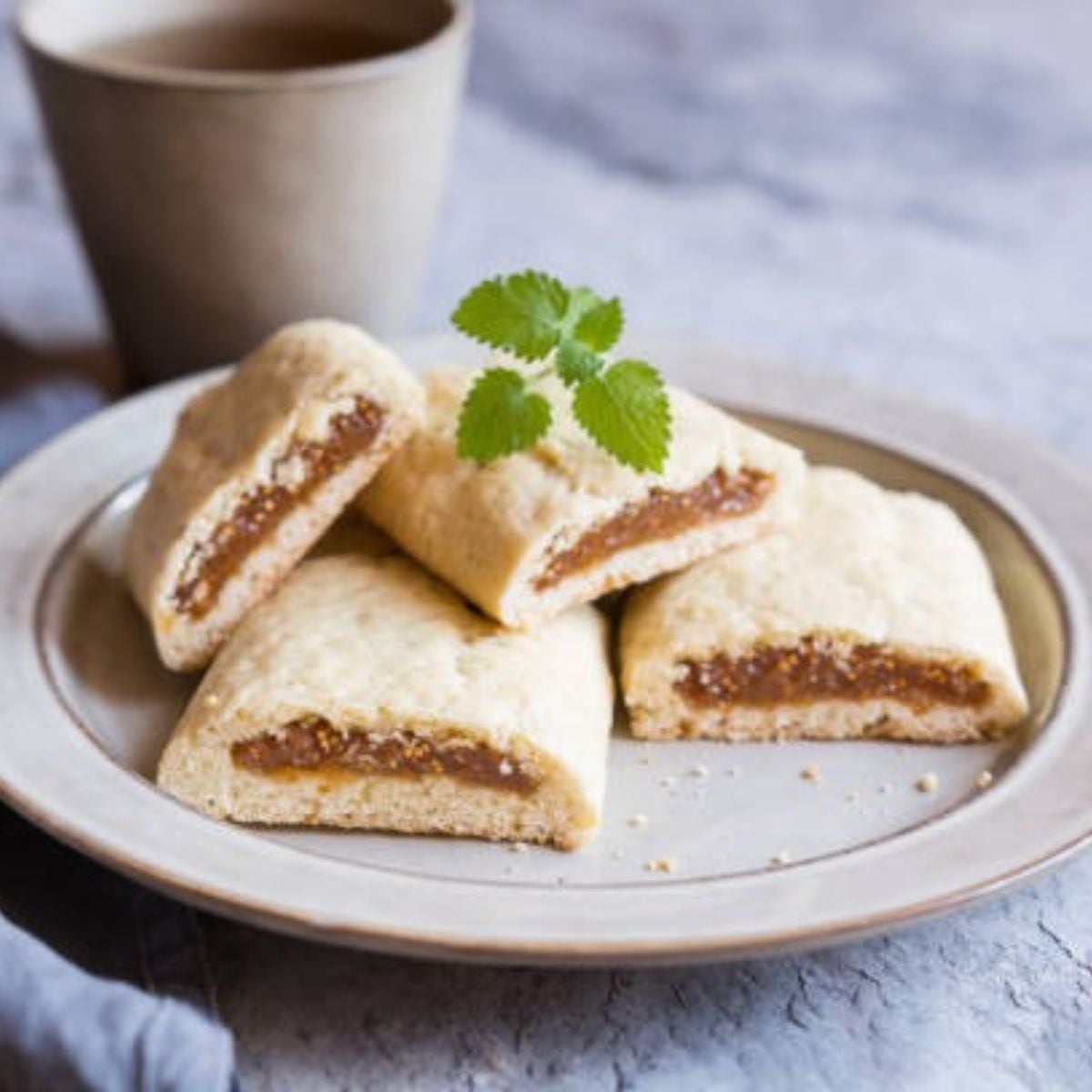
Fig Newtons were one of those snacks that felt slightly healthier than candy, even when you ate half the package.
Today, the Newtons name covers different fruit varieties, so make sure you're buying the original fig version.
The outer cookie and fig filling also taste different depending on where you take your bite. Break one open and taste the filling separately.
Then try the soft outer cookie before eating them together.
If you remember a stronger fig flavor, you might simply have preferred those middle bites with more filling.
Of course, when we were children, most of us weren't carefully examining the filling-to-cookie ratio. We were busy reaching for another one.
#22 Oreo cookies dunked in milk
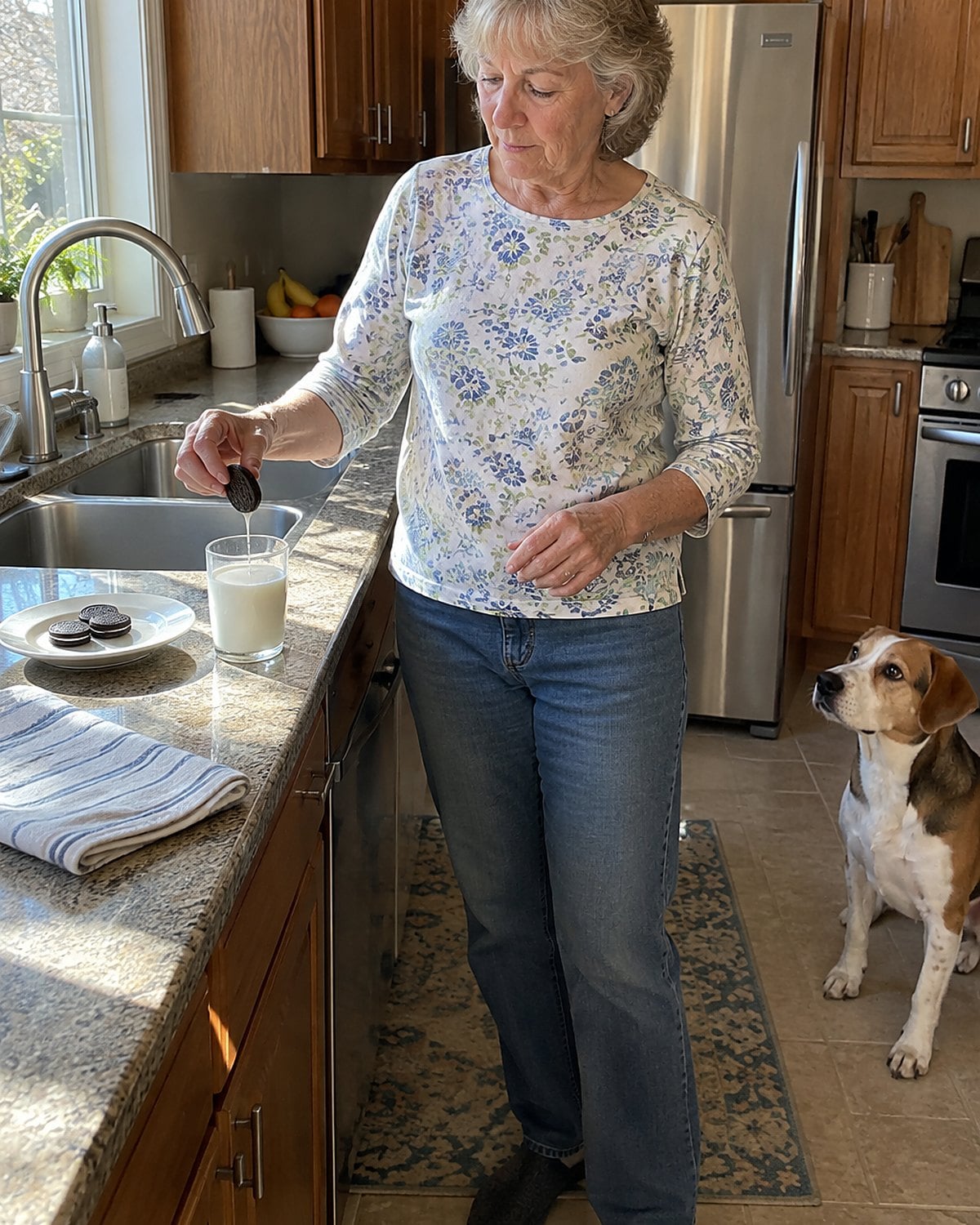
Few childhood snacks were as satisfying as dunking an Oreo into cold milk.
But the cookie you remember wasn't necessarily the same as one eaten straight from the package.
Milk softens the chocolate wafers while the filling stays relatively firm.
Oreo has also used different fat ingredients over its history, including lard in older formulations.
Try eating one cookie dry and dunking another. Notice how the milk changes the chocolate flavor and texture.
You might find that the missing ingredient wasn't in the cookie at all. It was the glass of milk beside it.
#21 Pop Rocks in your palm
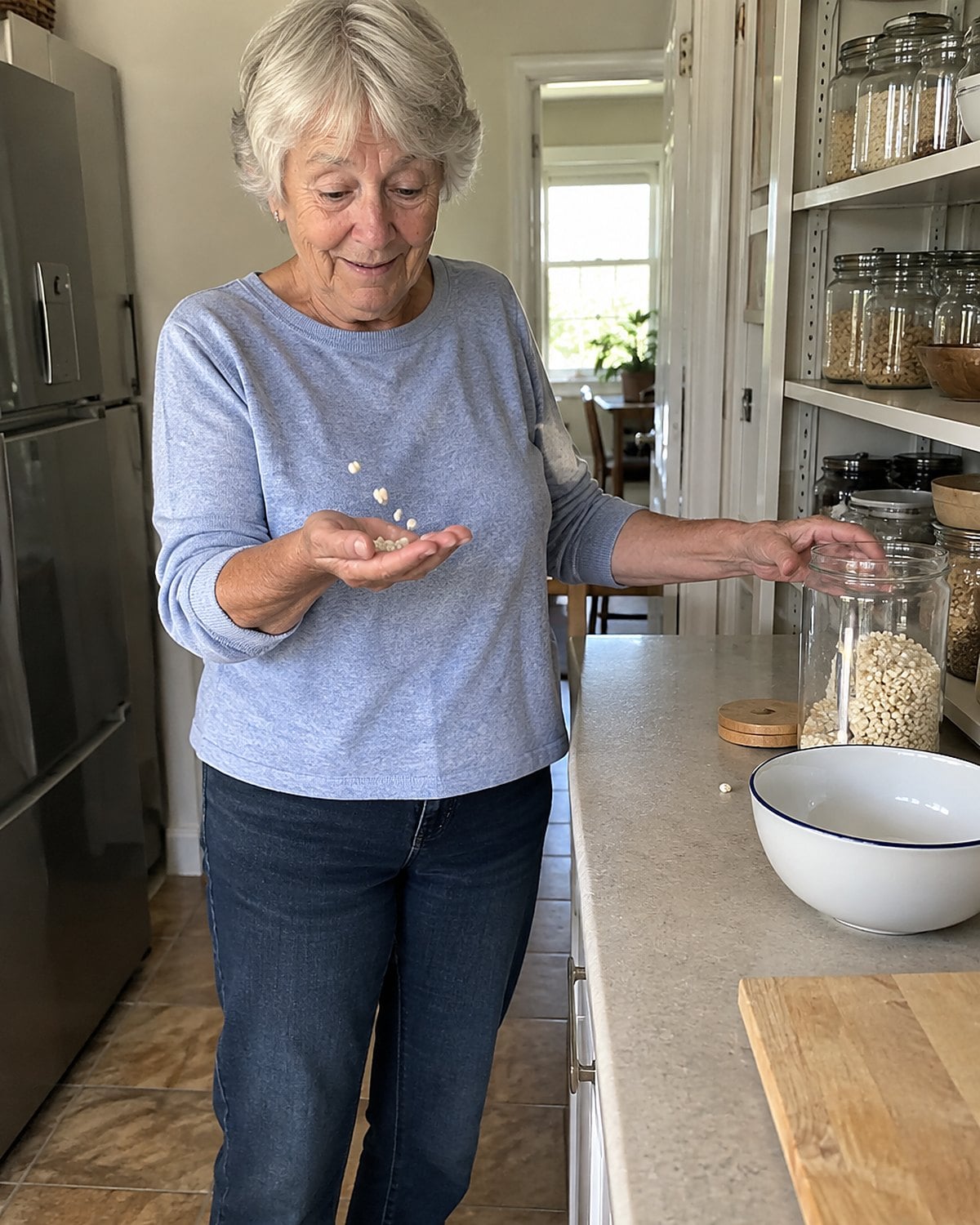
Pop Rocks were practically a science experiment disguised as candy. The crackling comes from tiny pockets of pressurized carbon dioxide trapped inside the candy.
When saliva dissolves the candy, the gas escapes and creates that familiar popping sensation.
Freshness and moisture can affect how the pieces behave. Try opening a fresh packet and tasting a few pieces on their own.
Pay attention to the flavor after the popping stops.
And remember those playground rumors about what would happen if you mixed Pop Rocks with soda?
It's amazing how confidently children could repeat something nobody had actually tested.
#20 Kool-Aid stirred into the pitcher

If your childhood Kool-Aid tasted sweeter, there's a good chance someone in your family was generous with the sugar.
Traditional unsweetened Kool-Aid packets let you control how much sugar went into the pitcher.
Sweetened powders and ready-to-drink bottles are different products. Compare an unsweetened packet prepared according to its directions with a bottled version of the same flavor.
You might notice differences in sweetness and concentration. And don't forget that everyone had their own way of making Kool-Aid.
Some followed the directions. Others treated the sugar measurement as a friendly suggestion.
#19 Planters cheese balls in the tin
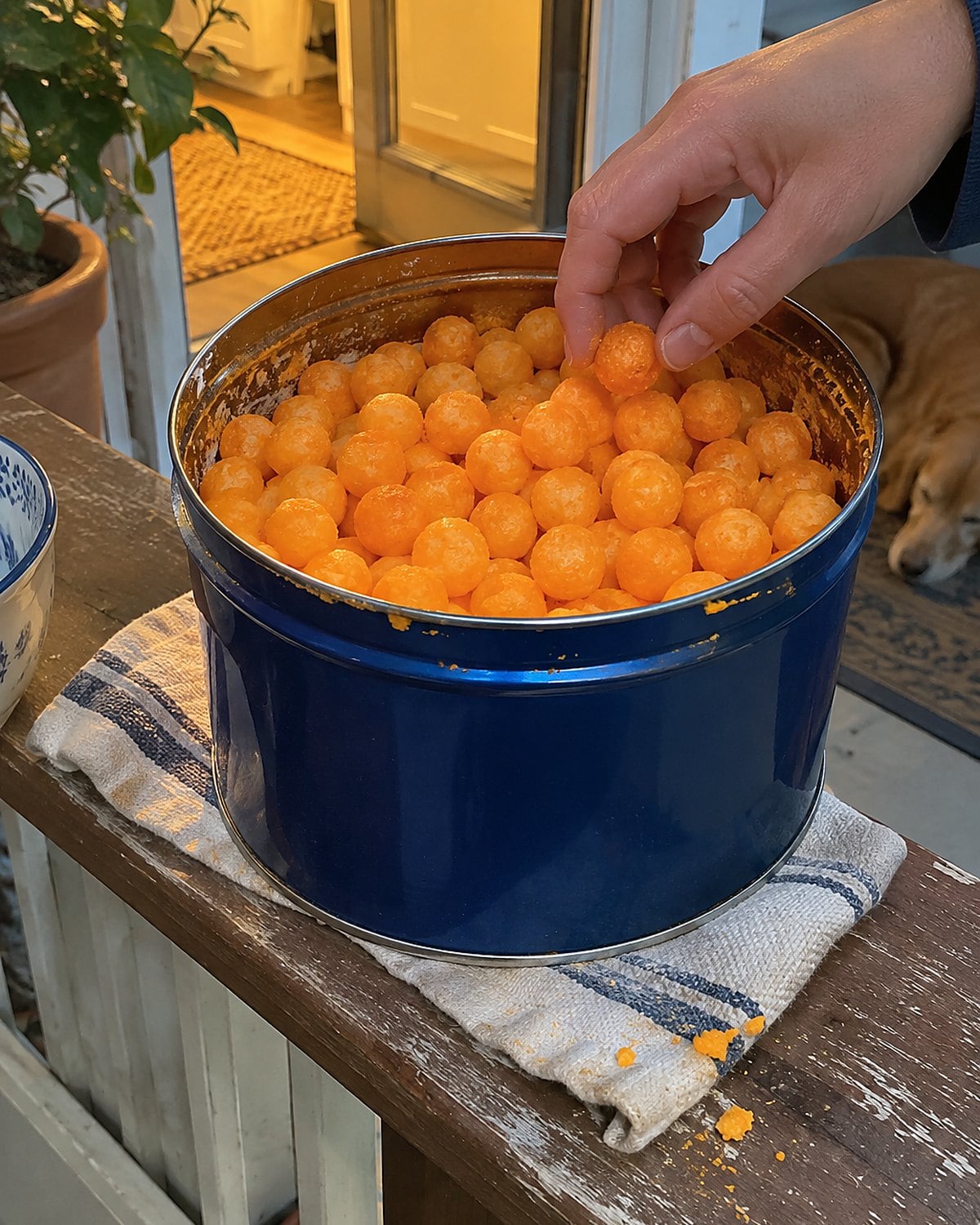
That blue tin of Planters Cheez Balls was practically impossible to ignore.
You opened the lid, smelled the cheese seasoning, and somehow ended up with orange fingertips.
Planters discontinued Cheez Balls before bringing them back in 2018. The return doesn't necessarily mean every ingredient matches the version you remember.
Try tasting a few from a fresh container. Compare the cheese seasoning, the crunch, and the puff underneath.
Broken pieces and loose seasoning often collect near the bottom.
And if you remember licking the cheese dust off your fingers, that was probably part of the experience, too.
Some childhood habits don't need improving.
#18 Hostess fruit pie filling
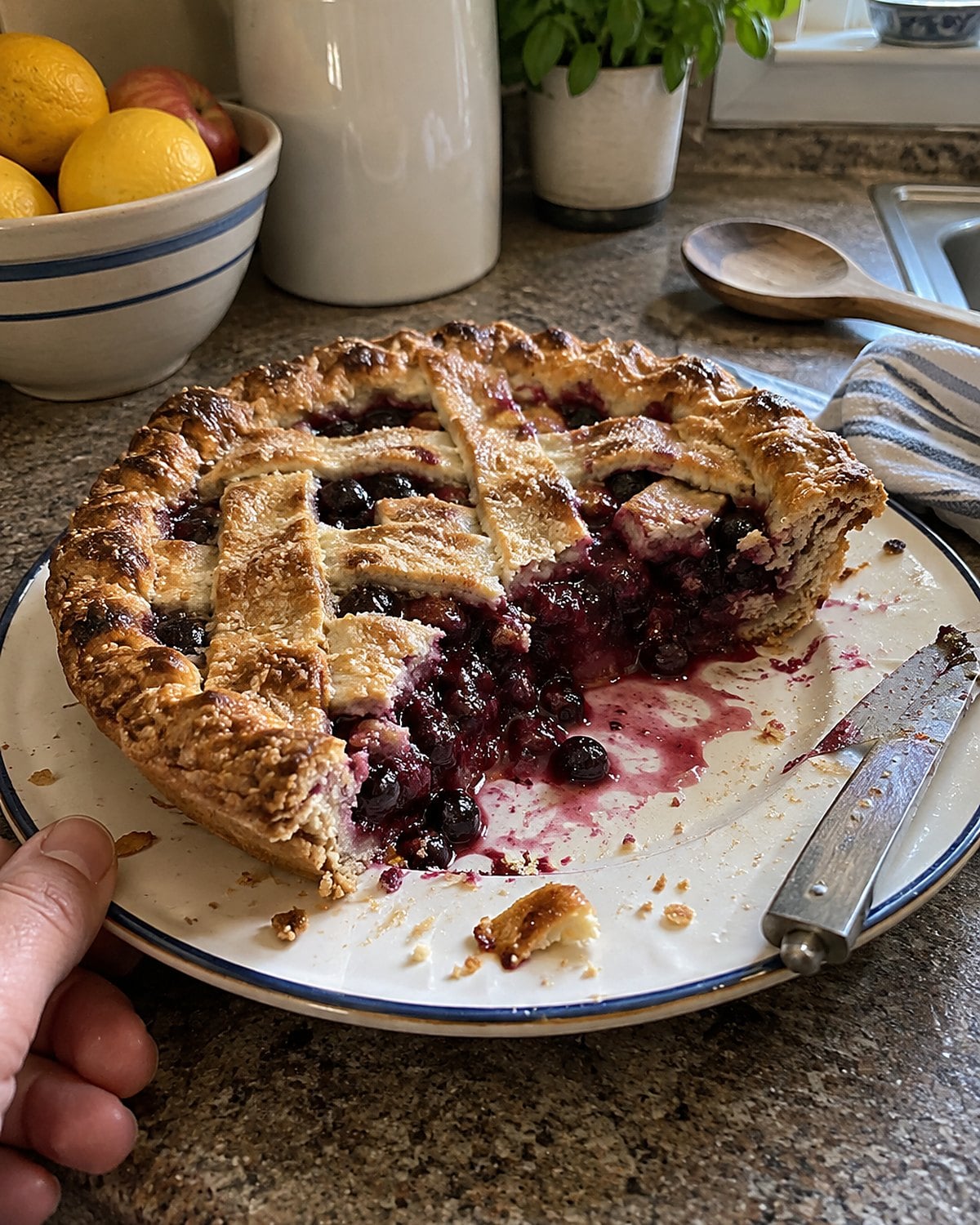
Those individually wrapped Hostess fruit pies always looked like a complete dessert you could hold in one hand.
But sometimes the first bite was mostly crust and glaze, with the fruit filling waiting somewhere in the middle.
If today's version tastes less fruity, cut it open before deciding the filling has changed.
Taste a little filling on its own, then try it with the pastry. The sweet glaze can make the fruit flavor seem less noticeable.
Also, compare the same variety. Apple and cherry naturally taste different.
I remember snacks like these being much more exciting when they came from a corner store instead of my own pantry.
Perhaps anticipation really was an ingredient.
#17 Cheetos dust on your fingers
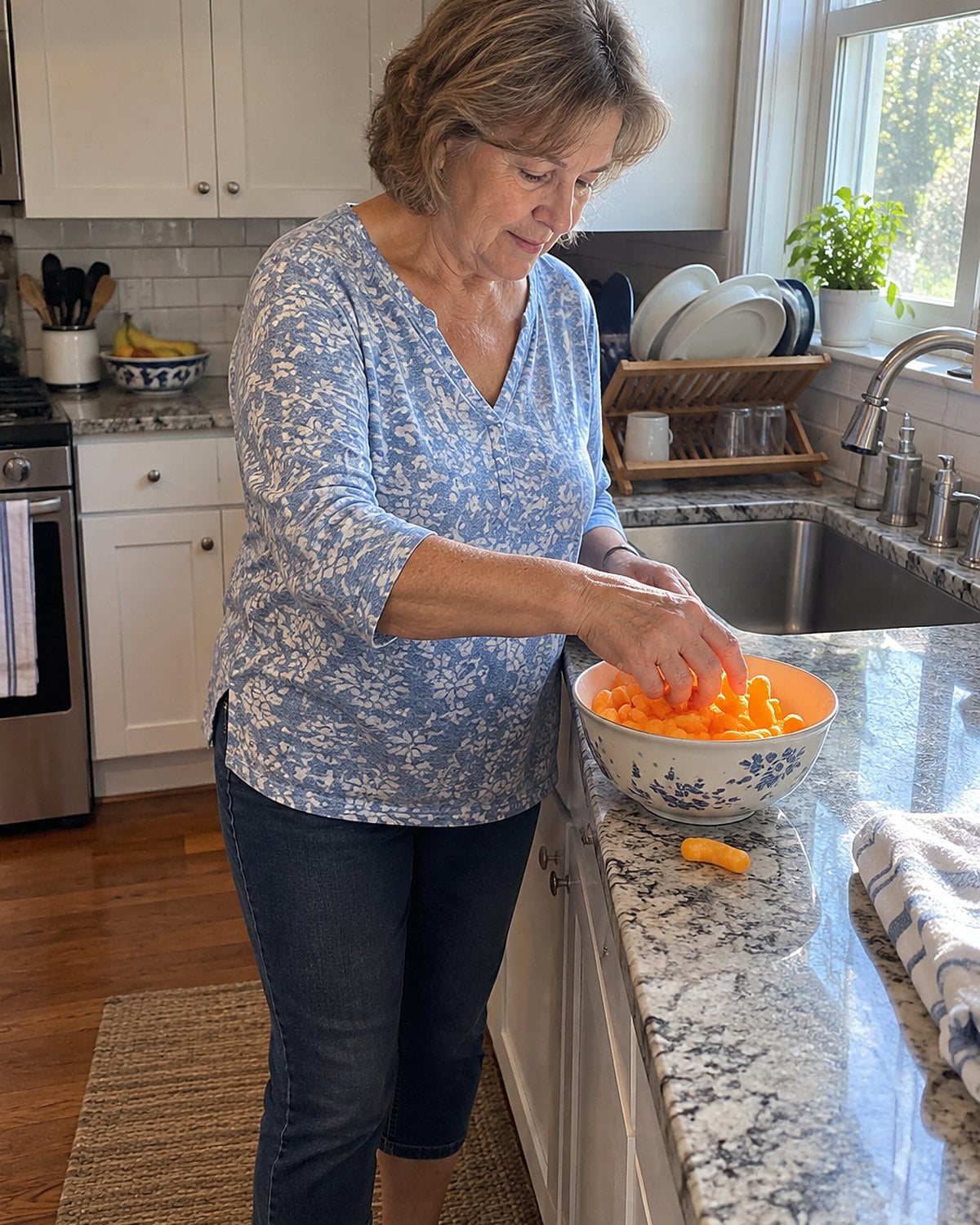
Cheetos have always left evidence behind.
You could finish the bag, wash your hands, and somehow still discover orange seasoning on your fingers.
But the amount of seasoning in each bite can vary. Broken pieces and loose powder collect toward the bottom of the bag.
Try comparing a whole Cheeto with a broken piece. And make sure you're buying the style you remember.
Crunchy Cheetos and Cheetos Puffs have very different textures.
If you grew up loving that sharp crunch, an airy puff probably won't satisfy the same craving.
Although both are equally capable of turning your fingers orange.
#16 Fritos at the bottom of the bag
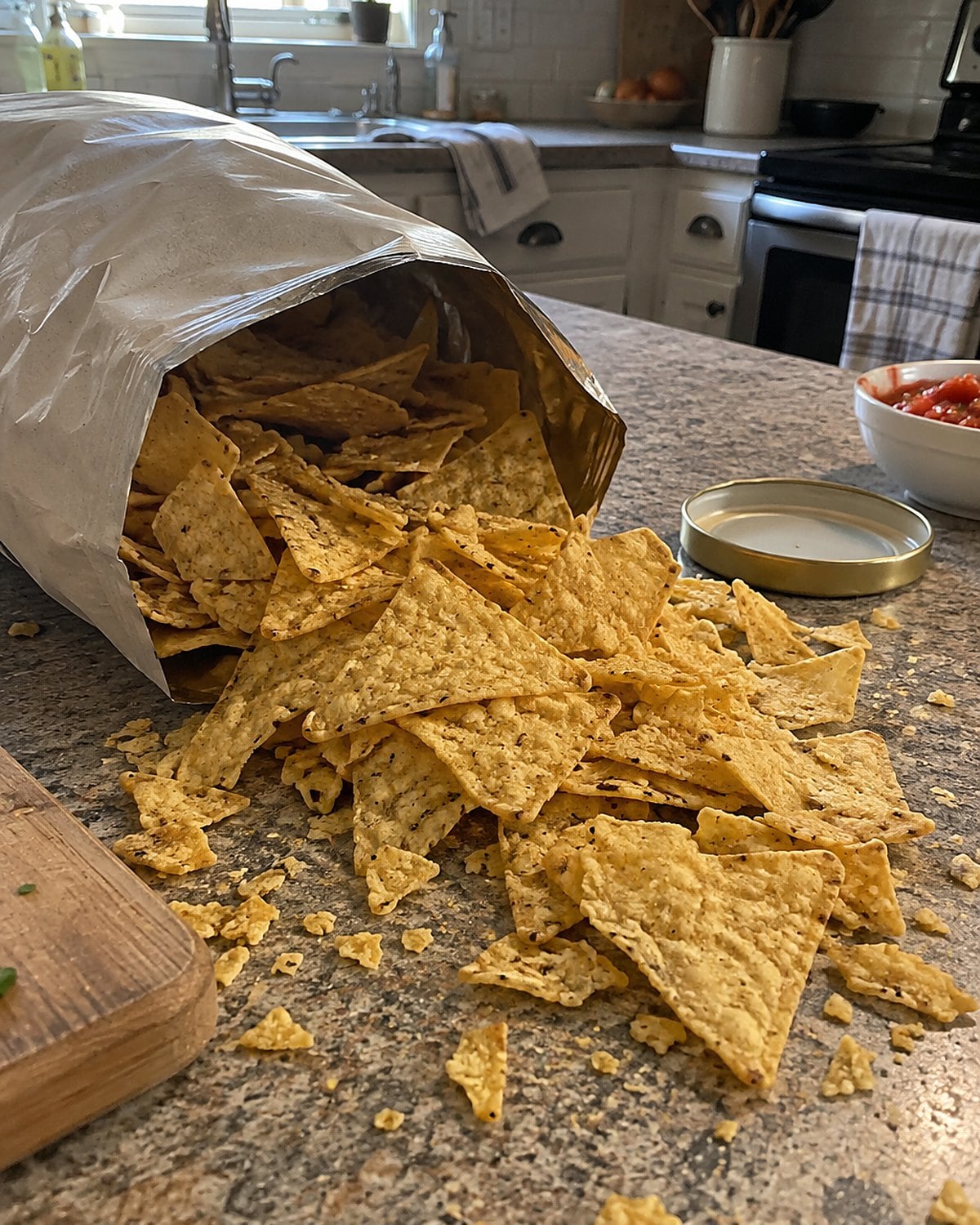
Original Fritos have a wonderfully simple ingredient list: corn, corn oil, and salt.
But the shape and size of each piece can change how salty it tastes.
Those tiny broken pieces at the bottom of the bag have more exposed surface compared with their size.
Try tasting an intact chip and then a few crumbs. You might notice a stronger salty flavor in the smaller pieces.
Also, think about how you ate them growing up. Were they plain, dipped into something, or served alongside a sandwich?
Sometimes the snack we remember is really the entire lunch.
#15 Jell-O pudding on the stove
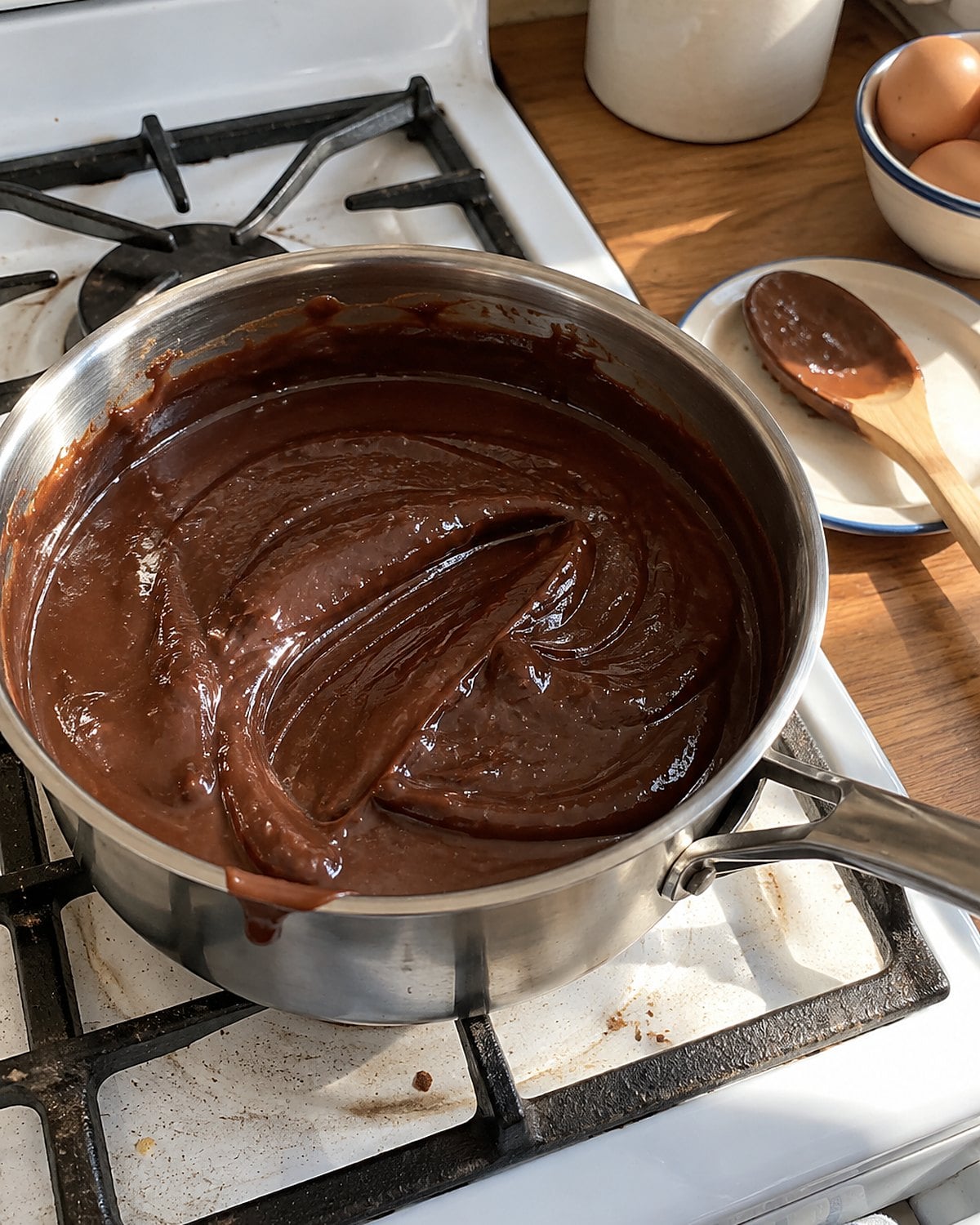
Remember standing beside the stove while someone stirred chocolate pudding until it thickened?
That experience was quite different from opening an instant pudding packet.
Jell-O Cook & Serve and Instant pudding use different preparation methods.
If you remember watching the saucepan, choose Cook & Serve for a more familiar experience.
Taste the pudding while it's warm, then again after it has chilled. The texture and sweetness can seem different depending on the temperature.
And if you loved that little skin that formed on top, instant pudding probably won't recreate the same memory.
Personally, I think waiting for pudding to cool was one of childhood's more difficult challenges.
#14 Life cereal in the bowl
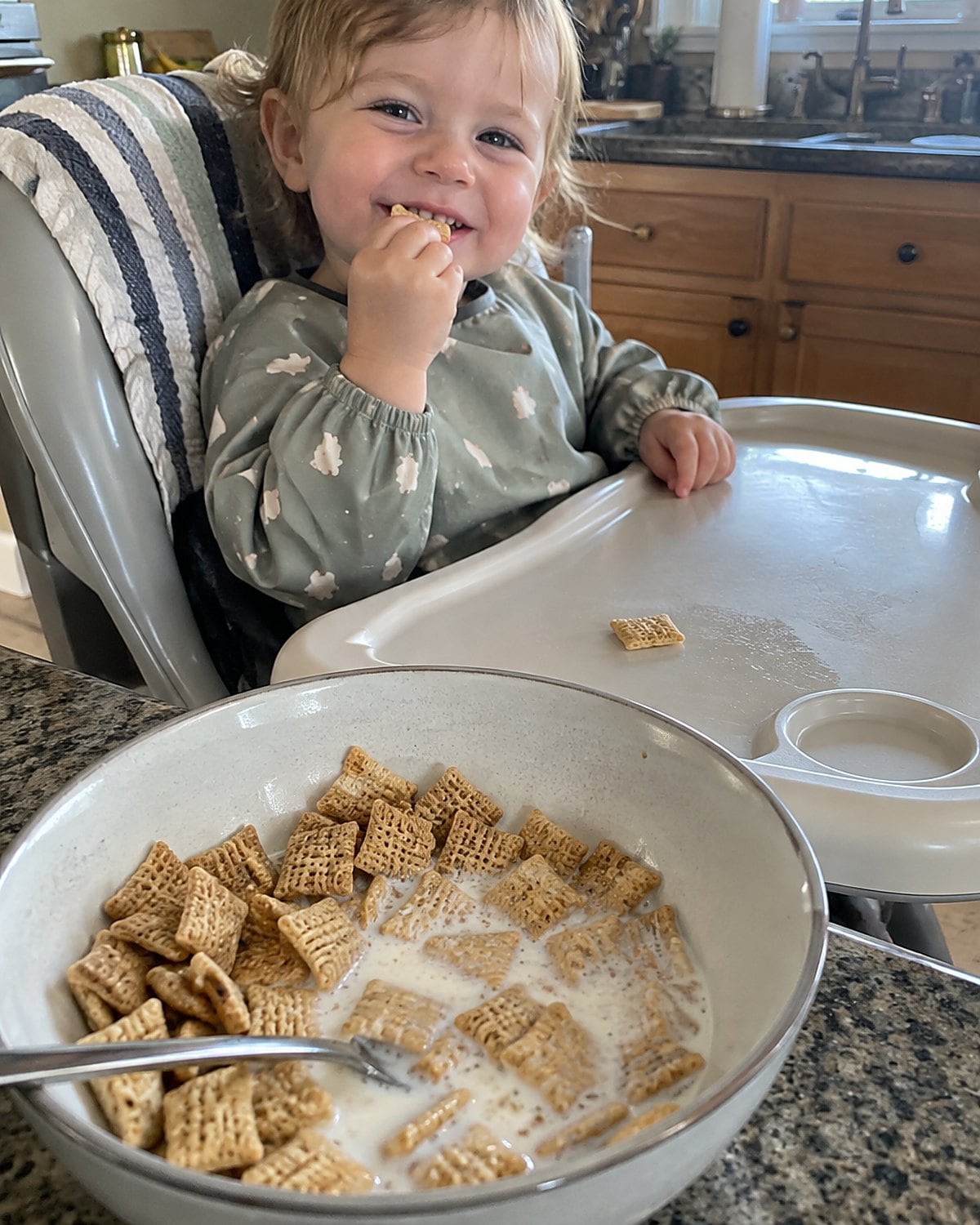
Life cereal has a particular crunch that changes quickly once you add milk.
The first few spoonfuls are crisp, while the last ones become soft and sweet. Before deciding the cereal tastes different, check which variety you've bought.
Original Life and flavored versions don't have identical ingredients. Try a few dry squares, then add milk and taste them as they soften.
You might also remember adding banana slices or an extra spoonful of sugar. Those little breakfast habits can make a really big difference.
Especially if your childhood definition of a reasonable amount of sugar was rather generous.
#13 Little Debbie Swiss Rolls on a plate
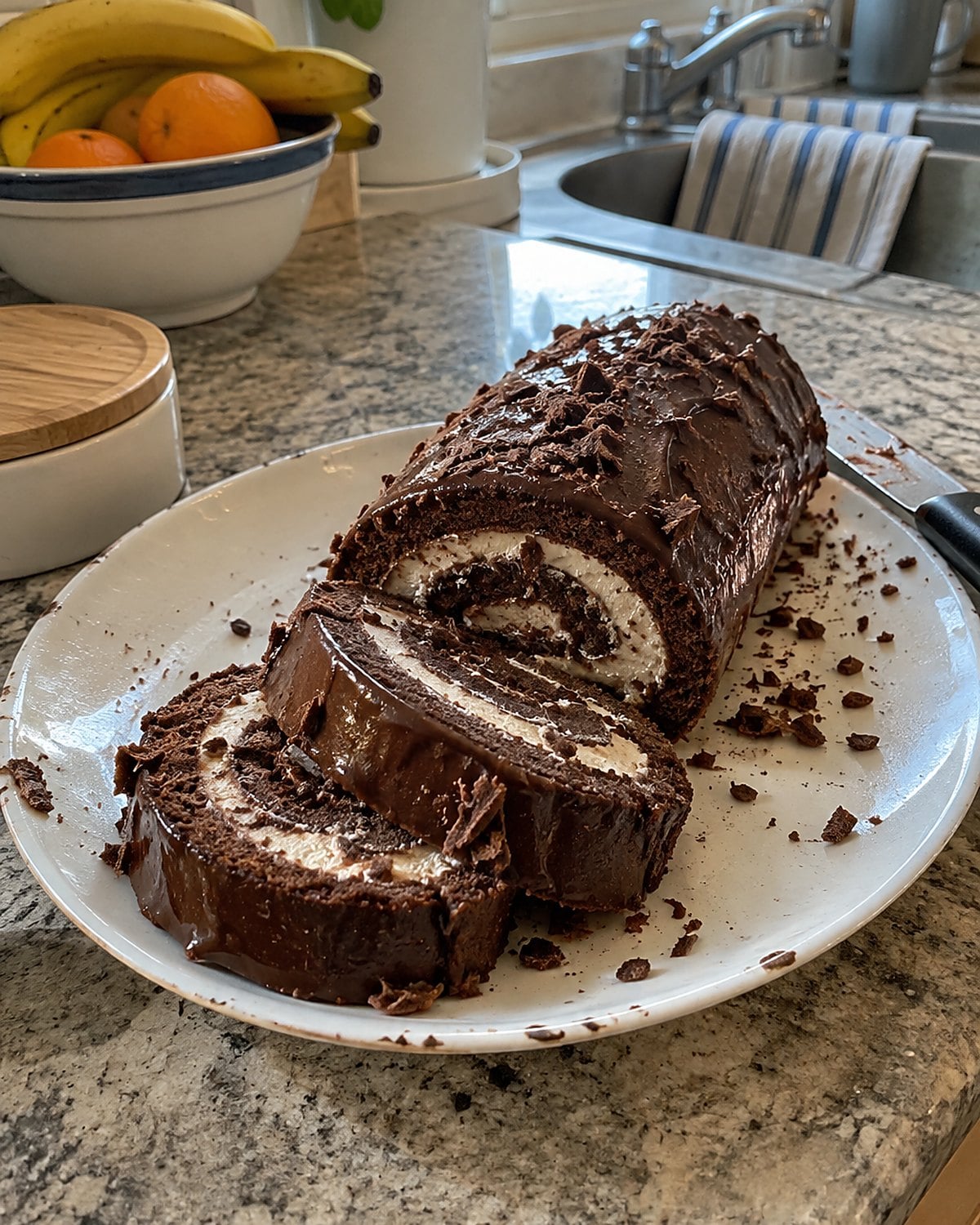
Little Debbie Swiss Rolls have always combined chocolate cake, cream filling, and a chocolate coating.
But each bite doesn't contain exactly the same amount of everything.
Cut one across the middle and look at the spiral. Try a little cake, filling, and coating separately before eating them together.
If something tastes different, you can narrow down which part you're noticing. Temperature can also affect how the chocolate coating feels.
And let's not forget that eating a whole package after school was a very different experience from sharing one roll with your afternoon coffee.
#12 Tang in the breakfast glass
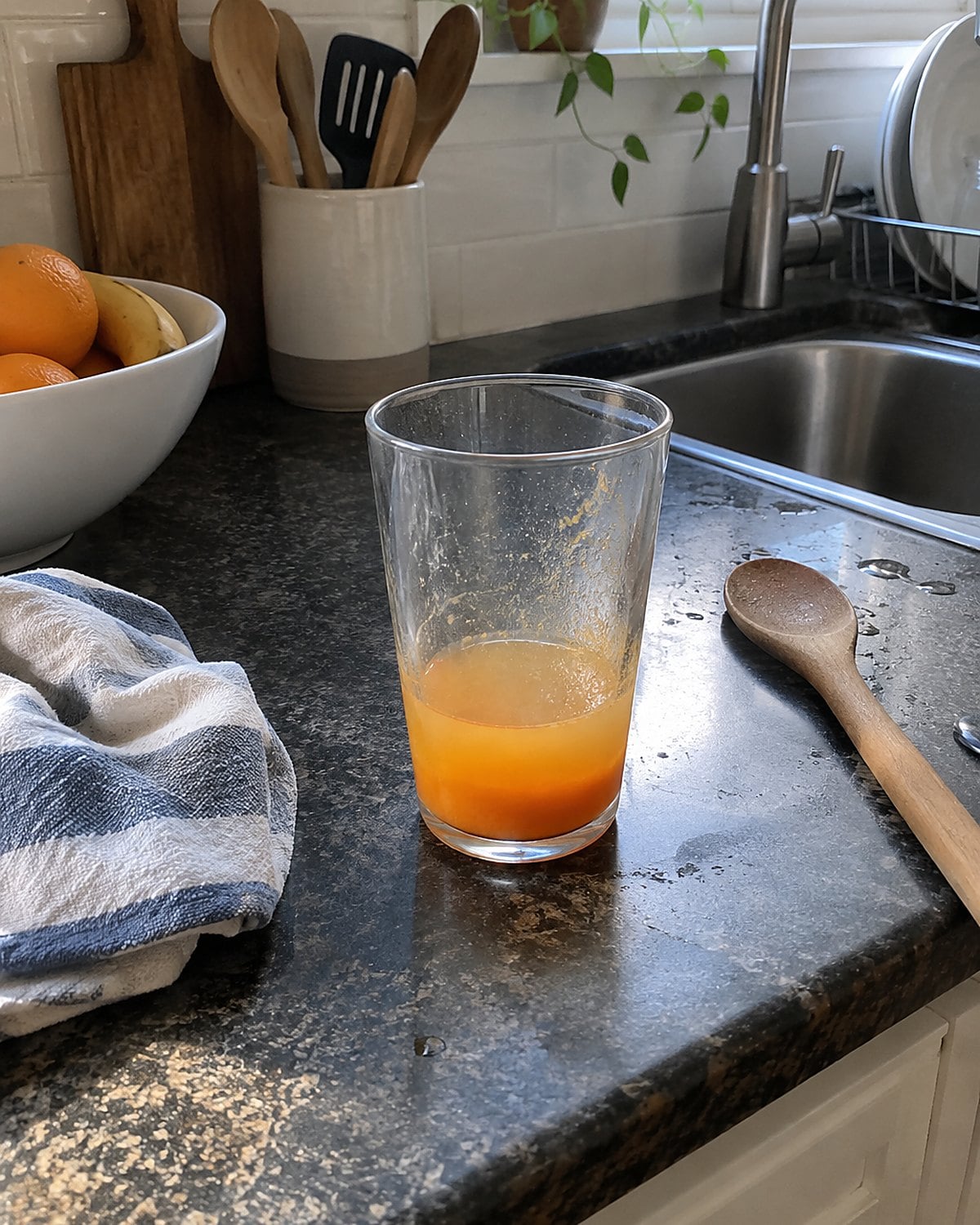
Tang had a bright orange flavor that was unmistakably different from fresh orange juice.
It was a powdered drink mix, and the final taste depended partly on how much powder and water went into the glass.
Make a batch according to the package directions. Stir thoroughly, then taste it cold.
If you remember a stronger flavor, try remember whether your family used slightly more powder.
A prepared drink and a powdered mix aren't necessarily the same product, either.
And somehow, Tang always seemed more exciting when you knew astronauts had been associated with it.
Regular orange juice never had quite the same marketing advantage.
#11 Butterfinger flakes above the sink
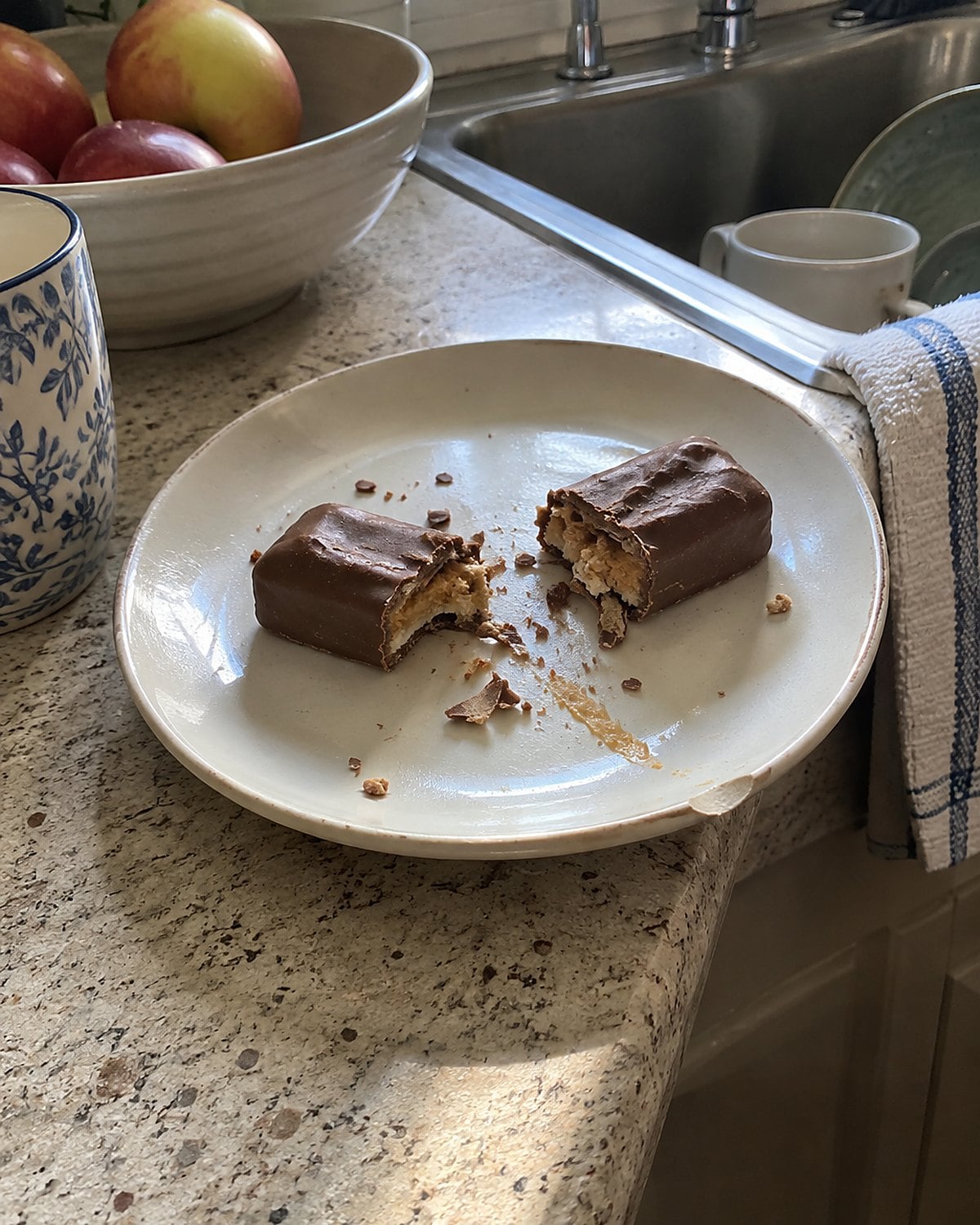
If you've noticed Butterfinger tasting different, this one has a documented explanation.
The candy was reformulated for its 2019 relaunch, with announced changes involving the coating and peanuts.
That means your childhood Butterfinger really wasn't necessarily identical to the one sold today.
Try tasting the coating separately from the crisp peanut-butter center. Notice which part seems different.
Temperature also affects the texture, so compare bars stored under similar conditions.
And if you're eating one over the sink to catch the flakes, congratulations. You've remembered the correct Butterfinger technique.
#10 Hershey's syrup in cold milk
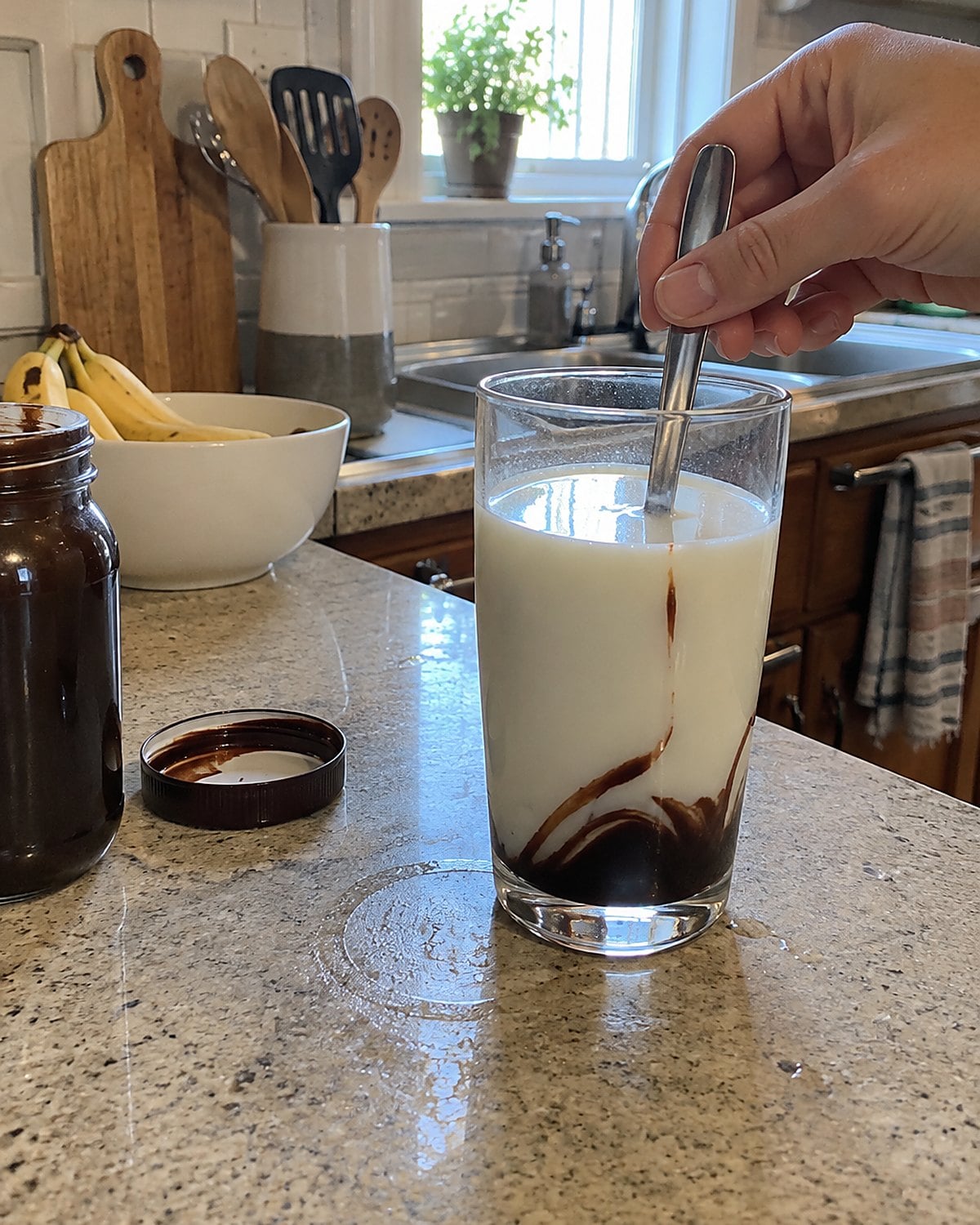
Chocolate milk always tasted better when you made it yourself.
Especially when you discovered a thick layer of chocolate syrup hiding at the bottom of the glass.
Hershey sells different syrup varieties, including products with different sweetener choices.
Check the label to make sure you're comparing the version you remember.
Stir the syrup thoroughly into cold milk before tasting. Then try a little syrup on its own.
You might discover that the chocolate flavor hasn't disappeared. It's simply being experienced differently.
Of course, that final extra-chocolate sip was practically the reward for finishing the milk.
#9 Tootsie Roll from the candy dish
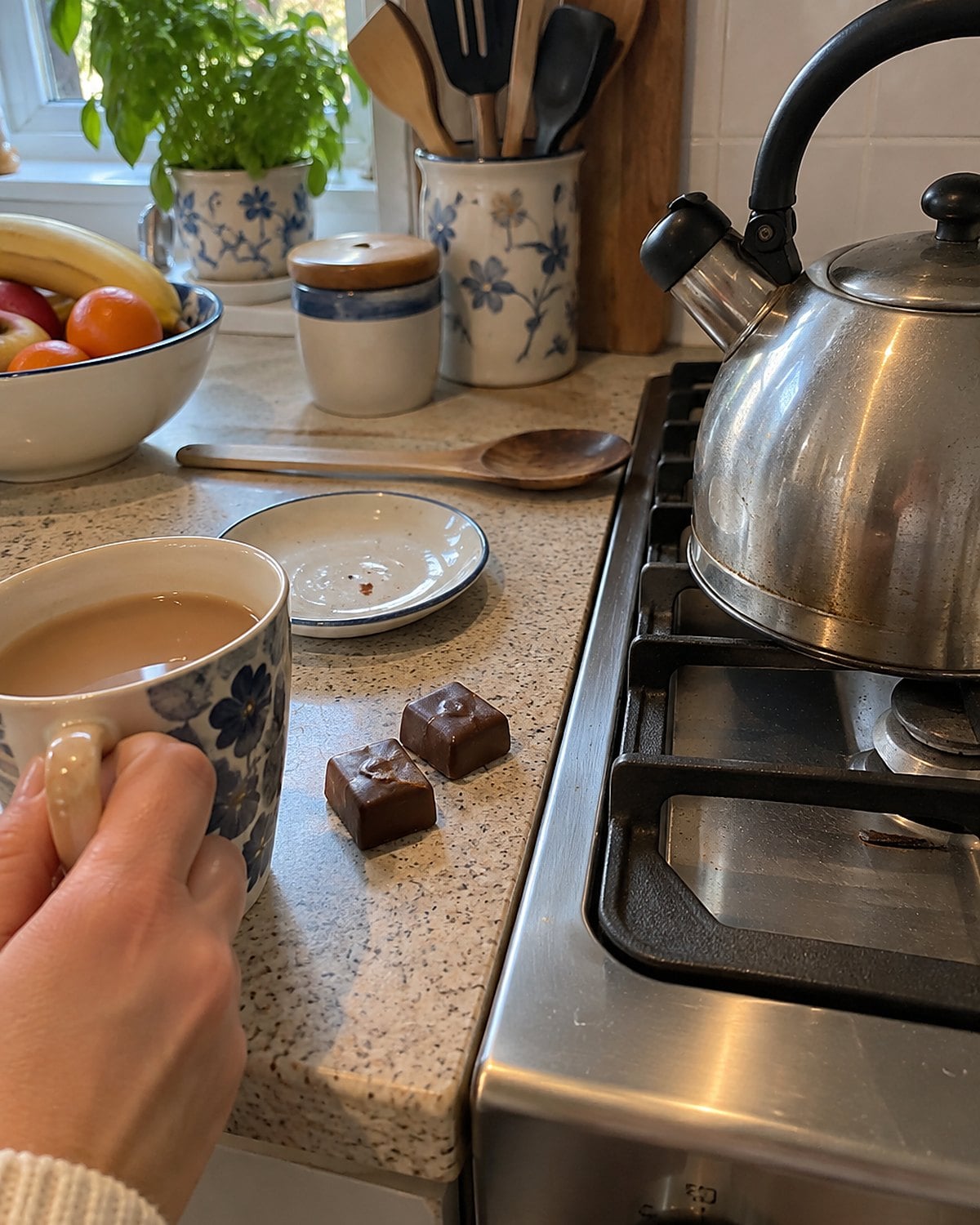
A Tootsie Roll from a cool candy dish can feel surprisingly firm.
But one that's been sitting in a warm pocket becomes softer and easier to chew.
Temperature changes both the texture and how quickly the cocoa flavor comes through.
Try comparing two Tootsie Rolls kept at different ordinary room temperatures.
Let them soften naturally rather than heating them. Then notice how the first bite changes.
It's possible the chewy candy you remember was simply warmer than the one you're eating now.
And considering how often candy ended up in our pockets as children, that wouldn't surprise me.
#8 Pringles stacked inside the can
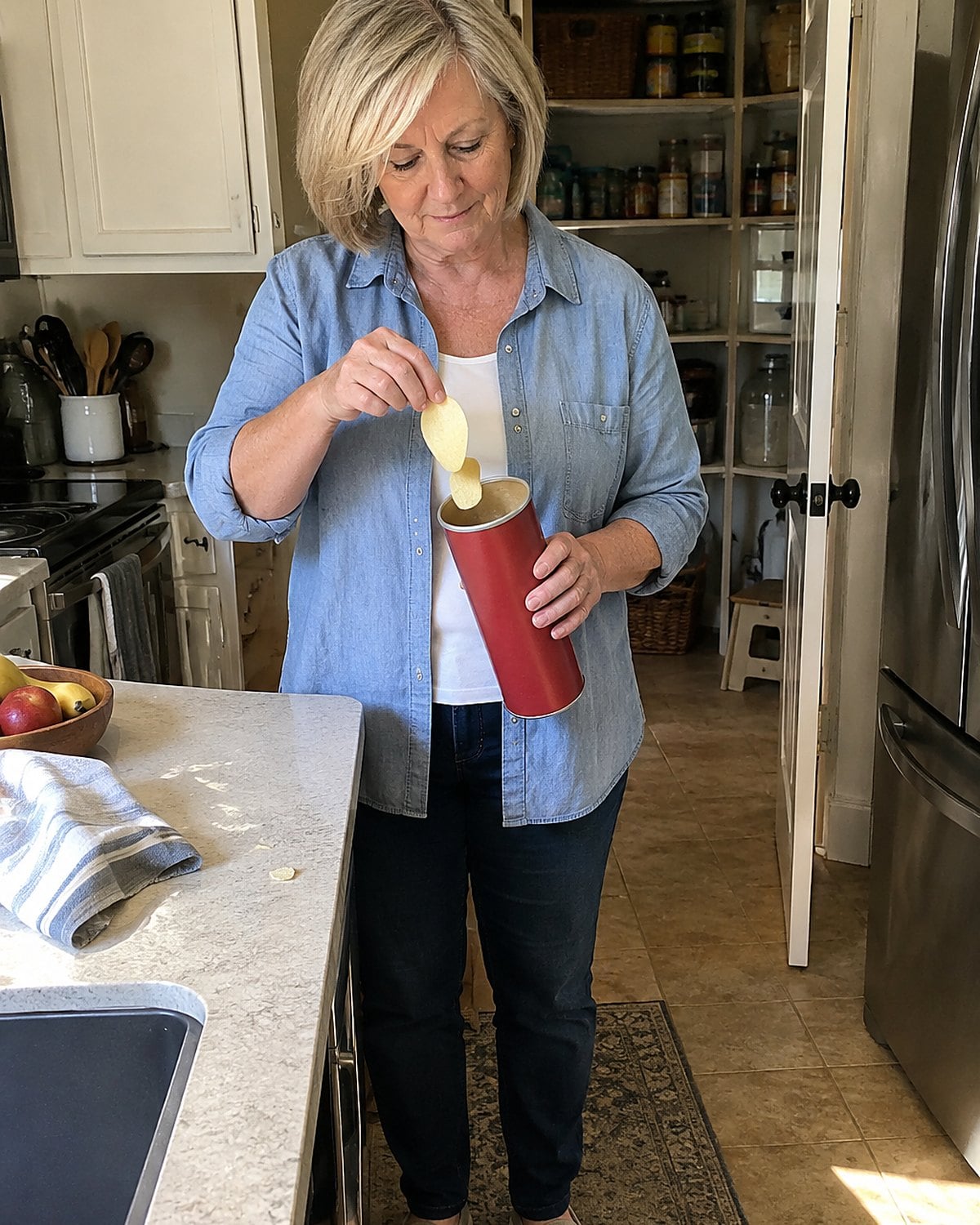
Pringles have always stood out because of their uniform shape.
Unlike traditional sliced potato chips, they're made from formed potato-based dough.
That creates a thin, consistent texture. But freshness matters.
Compare a chip from a newly opened can with one that's been left open for a while.
A softer chip can taste less satisfying even if the ingredients haven't changed.
Make sure you're comparing Original Pringles rather than a flavored variety. And remember how satisfying it was to find an unbroken chip near the bottom?
Almost as satisfying as getting your hand back out of the can.
#7 Snack Pack pudding in the lunchbox
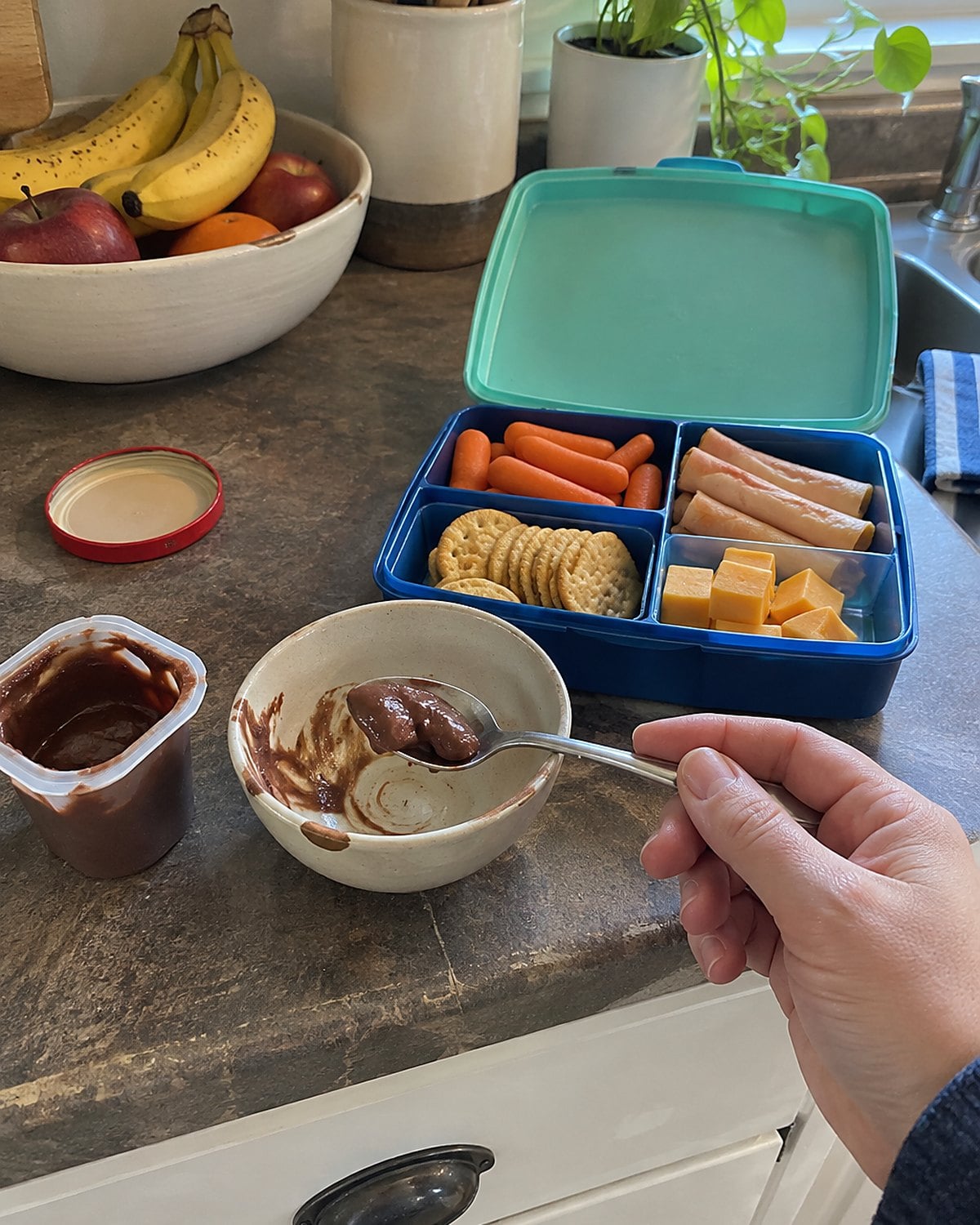
If you remember Snack Pack pudding coming in metal cans, you're remembering a real packaging difference.
Those pull-top cans eventually gave way to the plastic cups we're familiar with today.
The container changed the entire experience, from opening it to scraping out the last spoonful.
Try transferring today's pudding into a small bowl. Taste it without focusing on the plastic cup.
Notice the chocolate flavor, sweetness, and texture. The packaging change alone doesn't prove every ingredient changed.
But I think we can agree that pudding from a metal can had a certain lunchbox charm.
Even if opening one required more effort than dessert should.
#6 Fruit leather peeled from paper
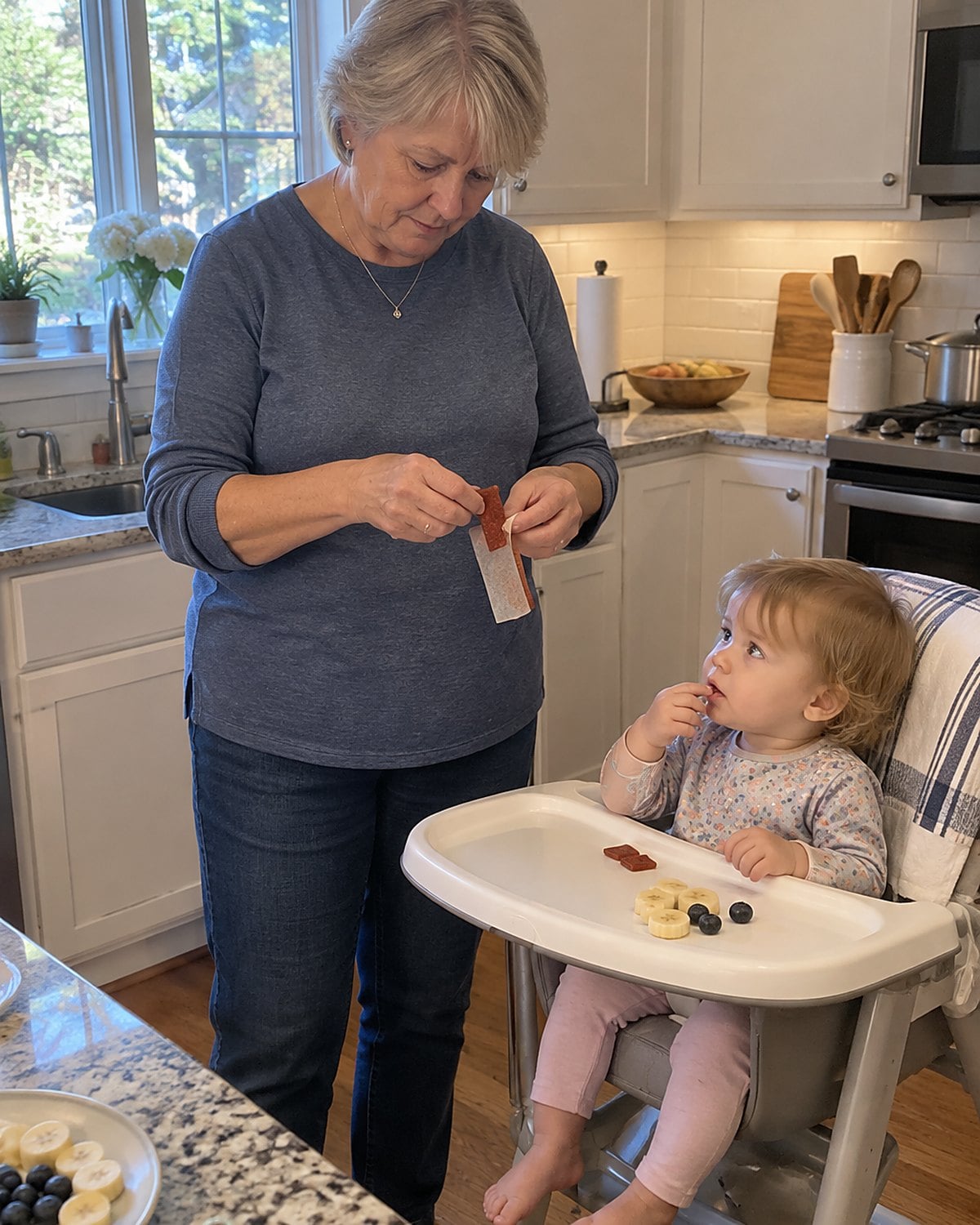
Remember peeling sticky fruit leather from its paper backing?
Half the fun was getting the entire strip off without tearing it. But not every fruit snack belongs to the same decade.
Fruit Roll-Ups arrived in the 1980s, so they aren't an exact match for a fruit leather snack from the seventies.
If you're trying to recreate that older experience, compare plain fruit leather with a modern Fruit Roll-Up.
Taste the fruit flavor and notice the texture. One may have a stronger fruit taste, while another may taste more on the sweeter side.
And if the fruit leather sticks to your fingers, you're already halfway back to childhood.
#5 Reese's Pieces in your hand
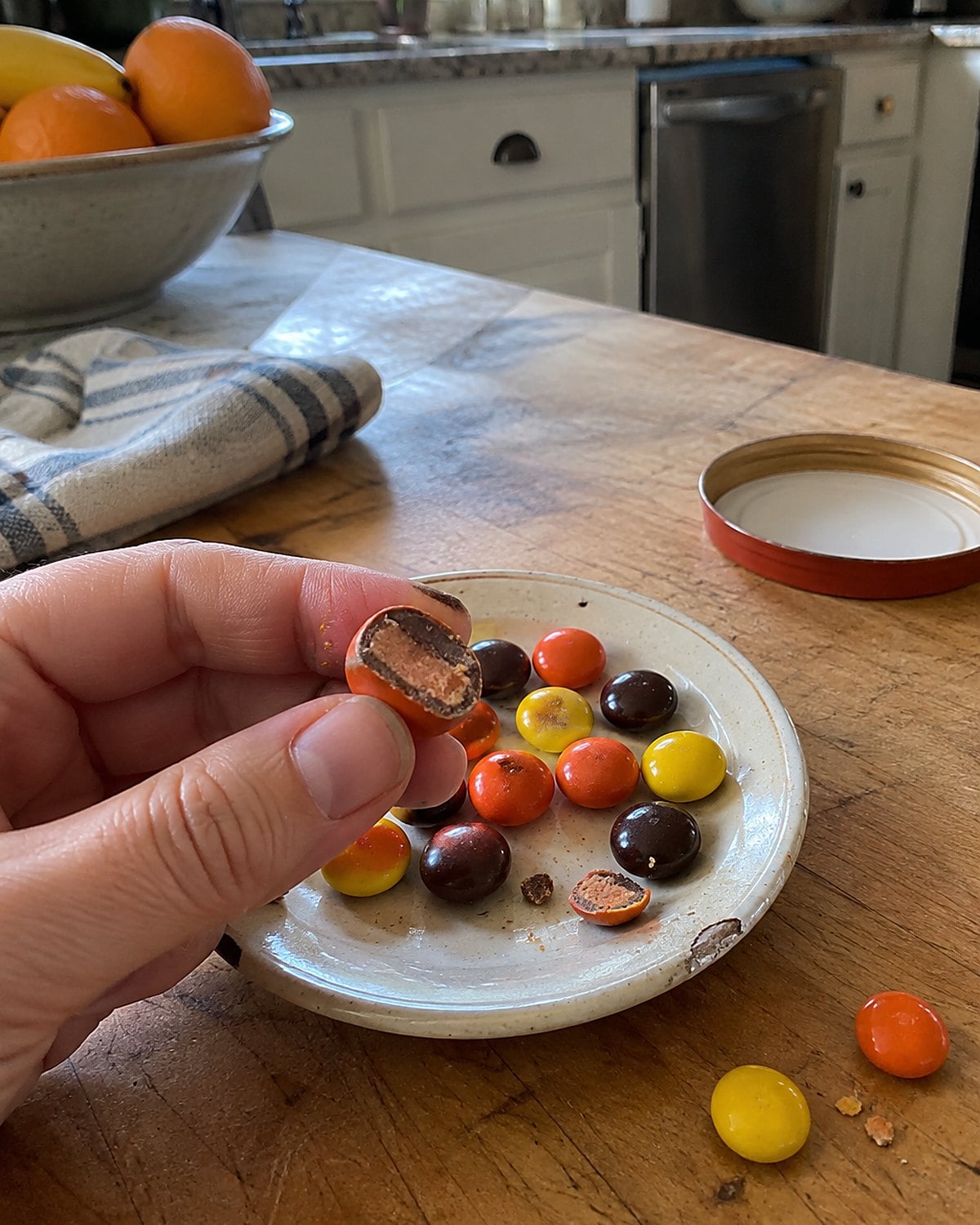
Reese's Pieces arrived in 1978, making them a late-seventies candy favorite.
They have a crunchy candy shell around a peanut-butter-flavored center. Unlike Reese's Peanut Butter Cups, they don't have a chocolate coating.
That's an important difference if you're trying to remember a particular flavor.
Try letting one soften briefly on your tongue before chewing. You'll notice the sweet shell first, followed by the peanut flavor.
If you remember chocolate, you may actually be thinking of a peanut butter cup.
The names are similar, but the candies have always offered different experiences.
#4 Starburst from the checkout lane
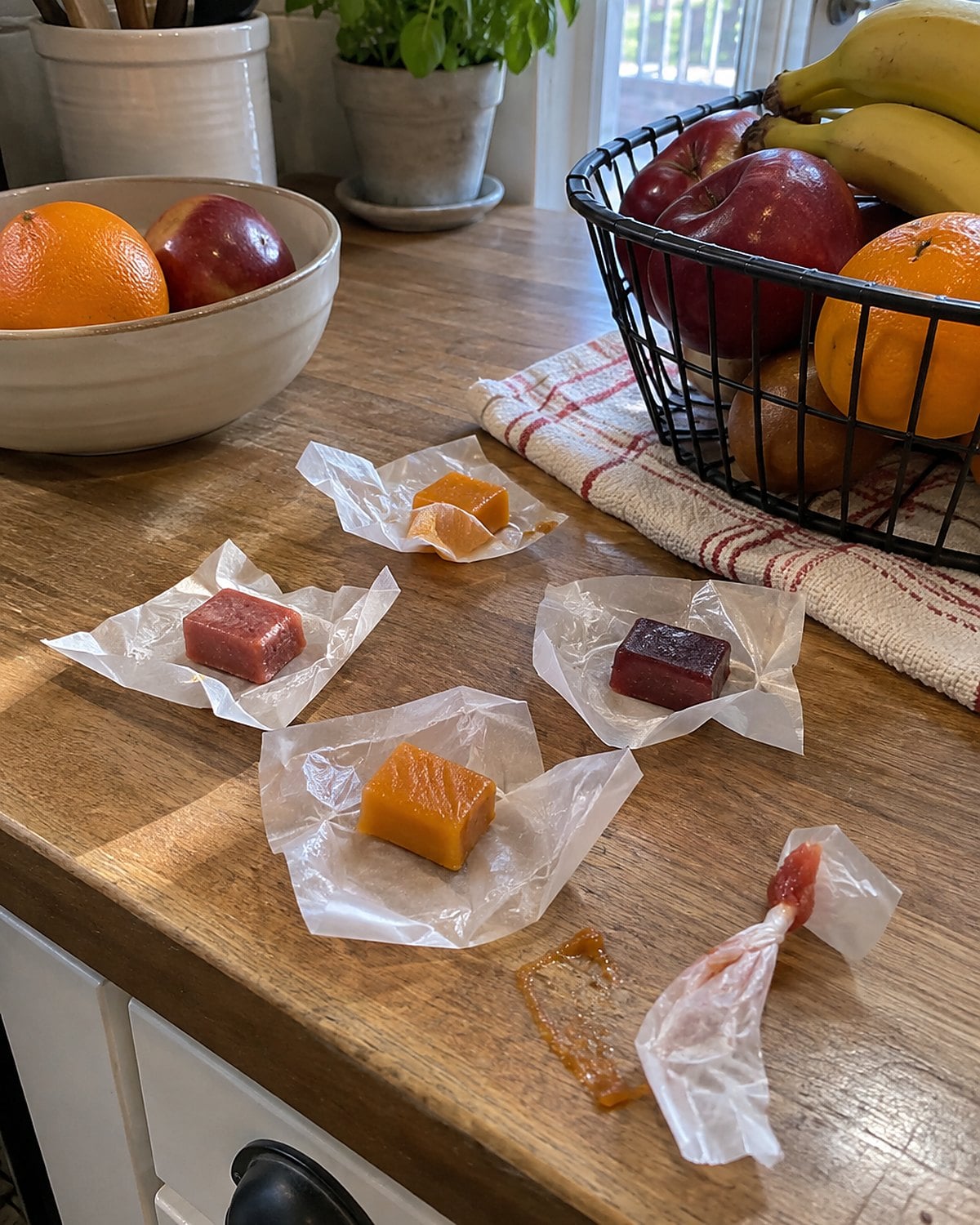
Starburst reached the United States in 1967, so it was already a familiar treat during the seventies. But the flavor you remember matters.
Strawberry, lemon, orange, and cherry don't taste the same, and everyone seemed to have a favorite.
Check the flavors in today's package and compare the one you actually liked growing up.
Let the candy reach room temperature before judging its chewiness.
Cold Starburst can be much firmer than warm pieces.
And if you were the child who always traded away the lemon ones, there's no reason to start pretending you loved them now.
#3 Sugar Babies in a paper bag
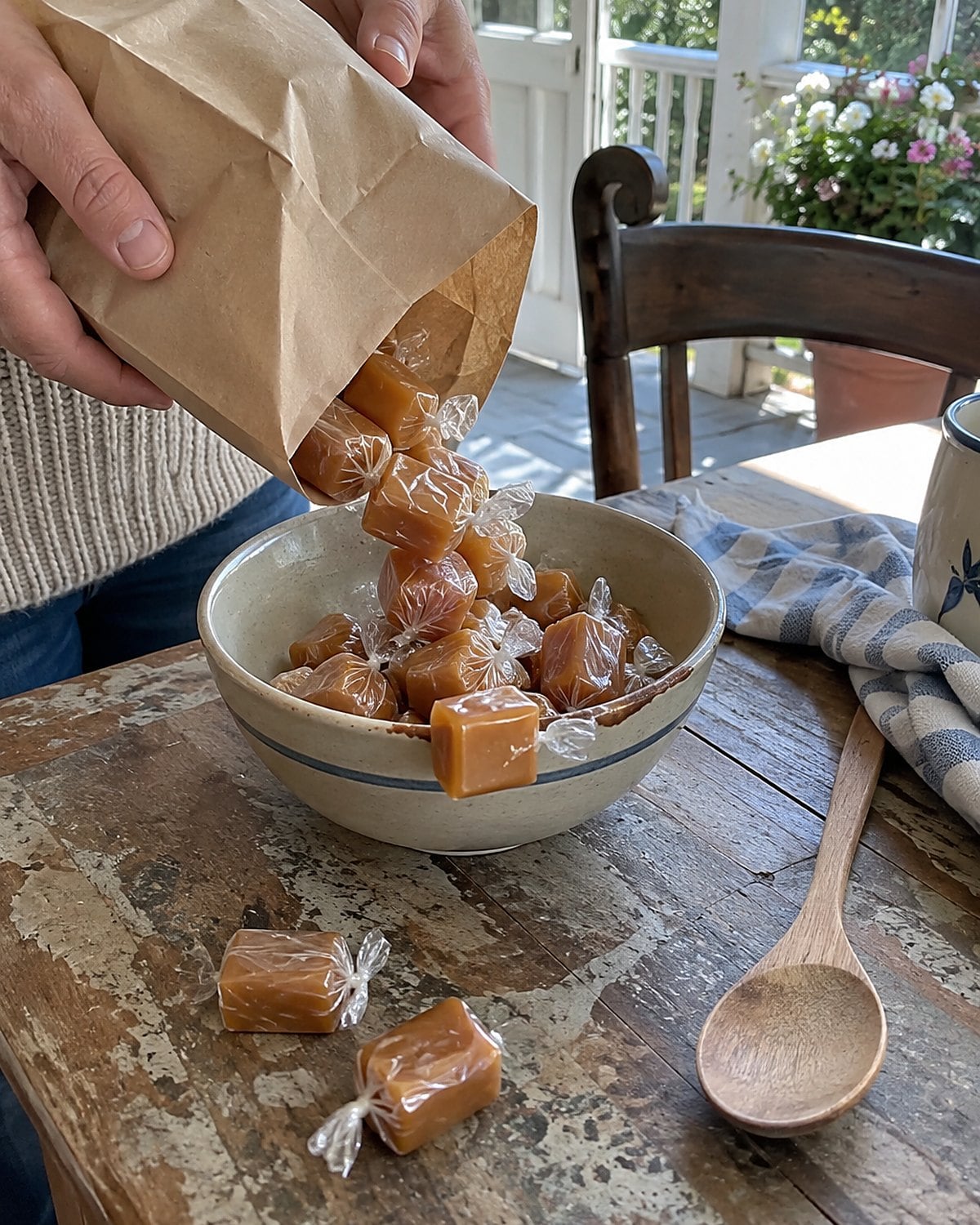
Sugar Babies have that familiar caramel flavor and chewy texture.
But a package from a cool pantry can feel much firmer than candy carried around in a warm paper bag.
Let a few pieces reach room temperature before tasting. Notice how easily they soften and how long the caramel flavor lasts.
Compare them without eating another sweet immediately beforehand.
The current ingredient list tells you what's in today's candy, but it can't confirm exactly what was in an older version.
Sometimes the biggest difference is simply how the candy was stored.
And perhaps the fact that we didn't worry quite so much about our teeth back then.
#2 M&M's beside the warm stove
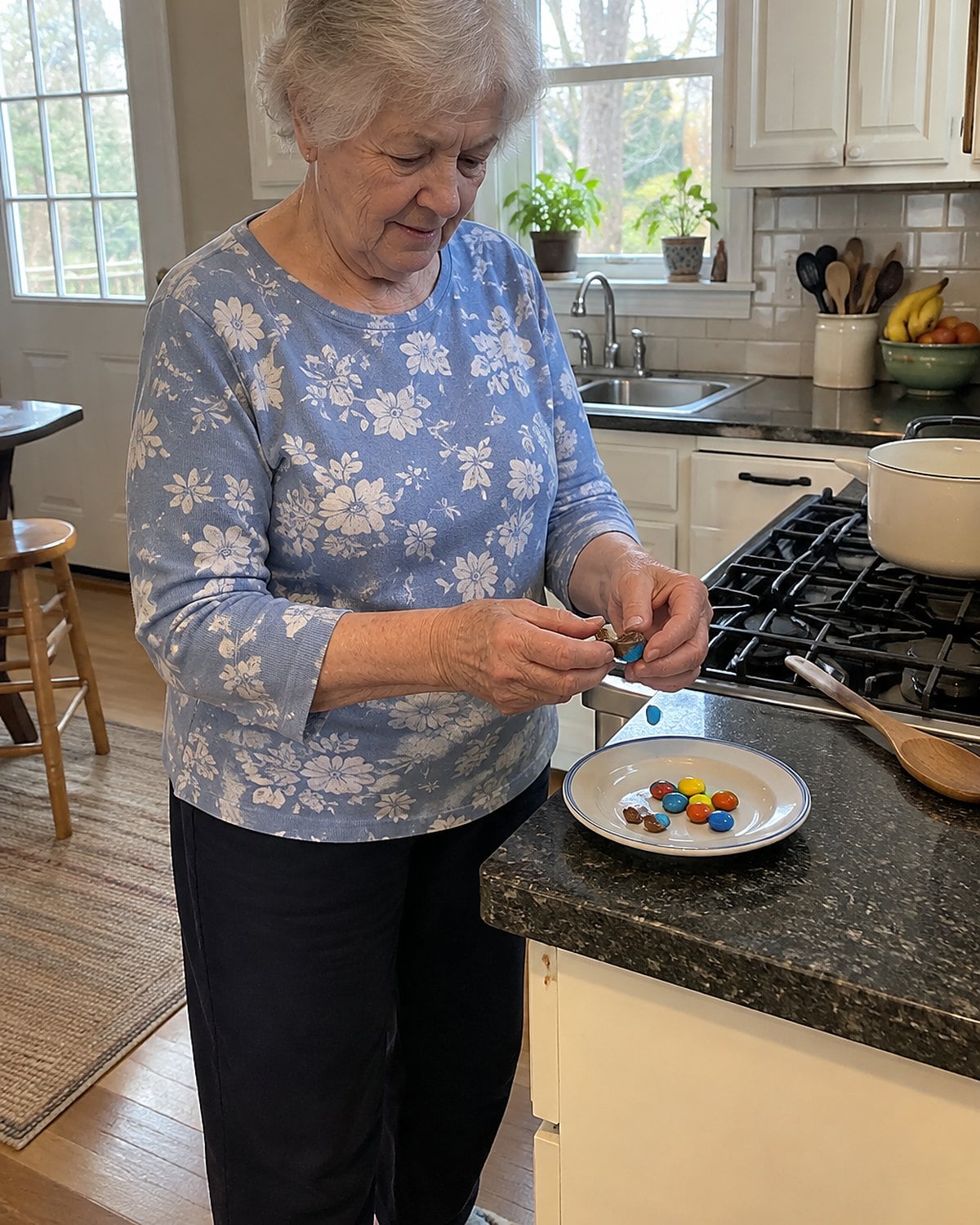
M&M's have always been about that crunchy shell and chocolate center.
But make sure you're comparing the same variety. Plain M&M's and Peanut M&M's offer very different bites.
Temperature matters, too. Chocolate kept near a warm stove softens faster than candy stored in a cool cupboard.
Try tasting the chocolate center separately, then let a whole M&M soften on your tongue.
There's also a real piece of seventies history here: red M&M's disappeared in 1976 and returned in 1987.
So your remembered handful might genuinely have looked different. Even if the chocolate itself wasn't responsible.
#1 The ingredient list on an old favorite
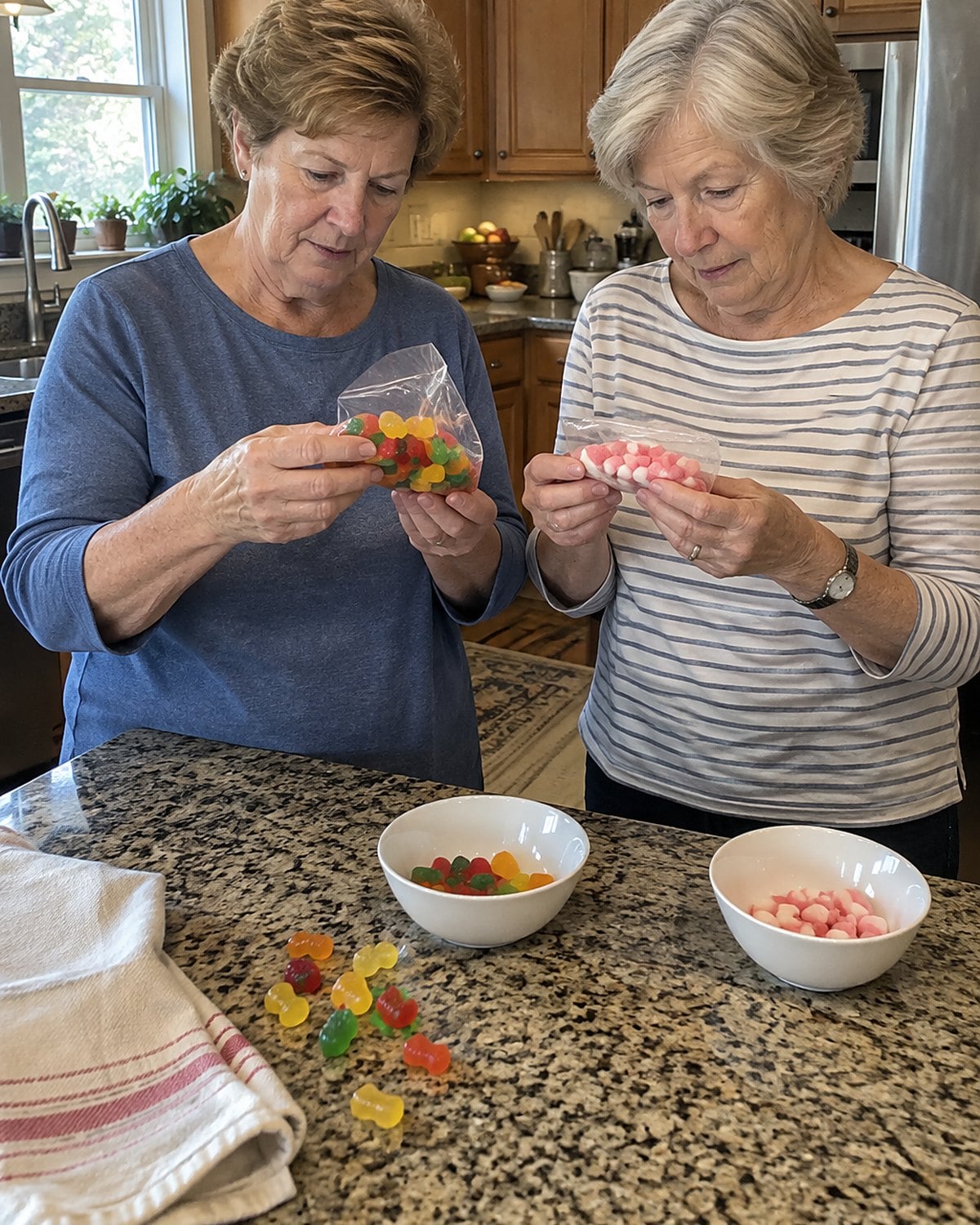
If you're convinced a childhood candy tastes different, the ingredient list is a good place to start. Check the exact product name, variety, and sweetener choices.
Under FDA labeling rules, ingredients are listed in descending order by weight. Comparing two current versions can help explain why they taste different.
But today's ingredient list doesn't prove what a candy contained in 1976. For that, you'd need an old wrapper or documented information from the manufacturer.
Try tasting the products before reading the labels so your expectations don't influence the comparison.
And if you finally find a version that tastes exactly how you remember, keep the wrapper.
It's much easier than trying to remember which one you bought six months later.
The Bottom Line
Some of our favorite seventies candies really have changed over the years. Others taste different because of temperature, freshness, new varieties, or the way we used to eat them.
And sometimes, the biggest missing ingredient is simply being a child with a little pocket money and an entire afternoon ahead.
I still think there's something special about opening a familiar candy wrapper and getting even a tiny reminder of those days.
Even if the chocolate seems different, the excitement of finding an old favorite hasn't completely disappeared.
Which seventies candy or snack do you remember tasting better than it does today?



Leave a Reply