

The stove light catches a candy wrapper beside the air fryer. You take a bite before putting the groceries away, expecting the taste you remember from the drugstore counter. Something's off. The chocolate melts strangely, or the fruit flavor disappears before you've finished chewing.
A familiar name doesn't promise an unchanged recipe. Some makers have announced changes. Other differences start with the variety you bought or the way you served it. The wrapper gives you a place to begin, but the old package is what you'd need to prove an old formula changed.
#27 Cracker Jack peanuts in the box
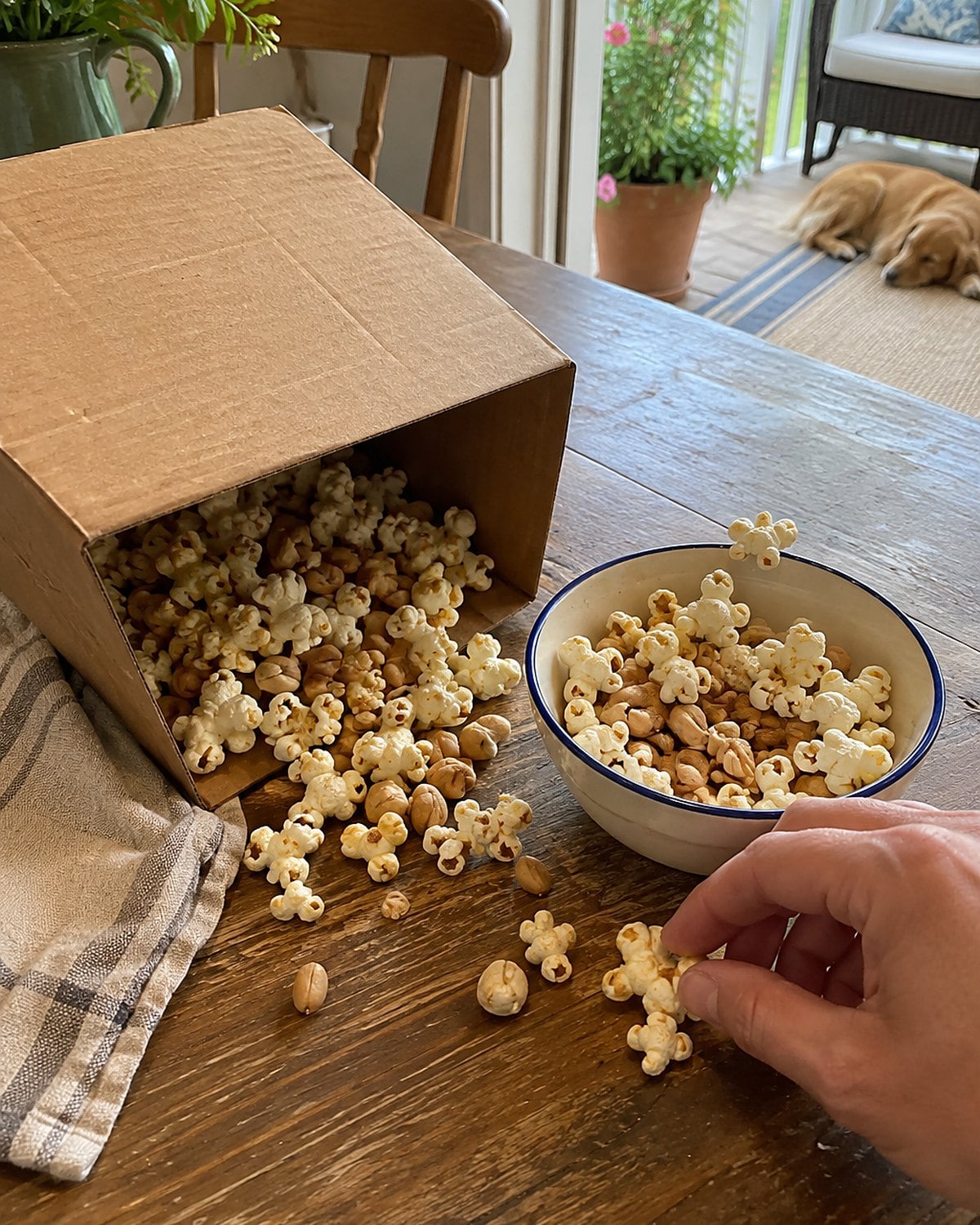
Remember tipping the box to coax out the last peanuts? Cracker Jack still pairs caramel-coated popcorn with peanuts. Yet the handful you get depends on what shifted inside the box. Peanuts settle differently from popcorn, and broken caramel collects below.
The first handful and the last deserve separate judgments.
Pour your next box into a bowl. Count the peanuts you see before you mix anything. Taste popcorn from the top, then a piece from the bottom. If the bottom tastes sweeter, the box has sorted itself on the trip home.
Now think about the box you carried from the drugstore. You didn't spread its contents across a counter for inspection. You reached in while walking, and each handful brought a different mix. The current ingredient panel tells you what's in this box; it won't tell you what landed in your palm decades ago.
#26 Hershey bar on the counter
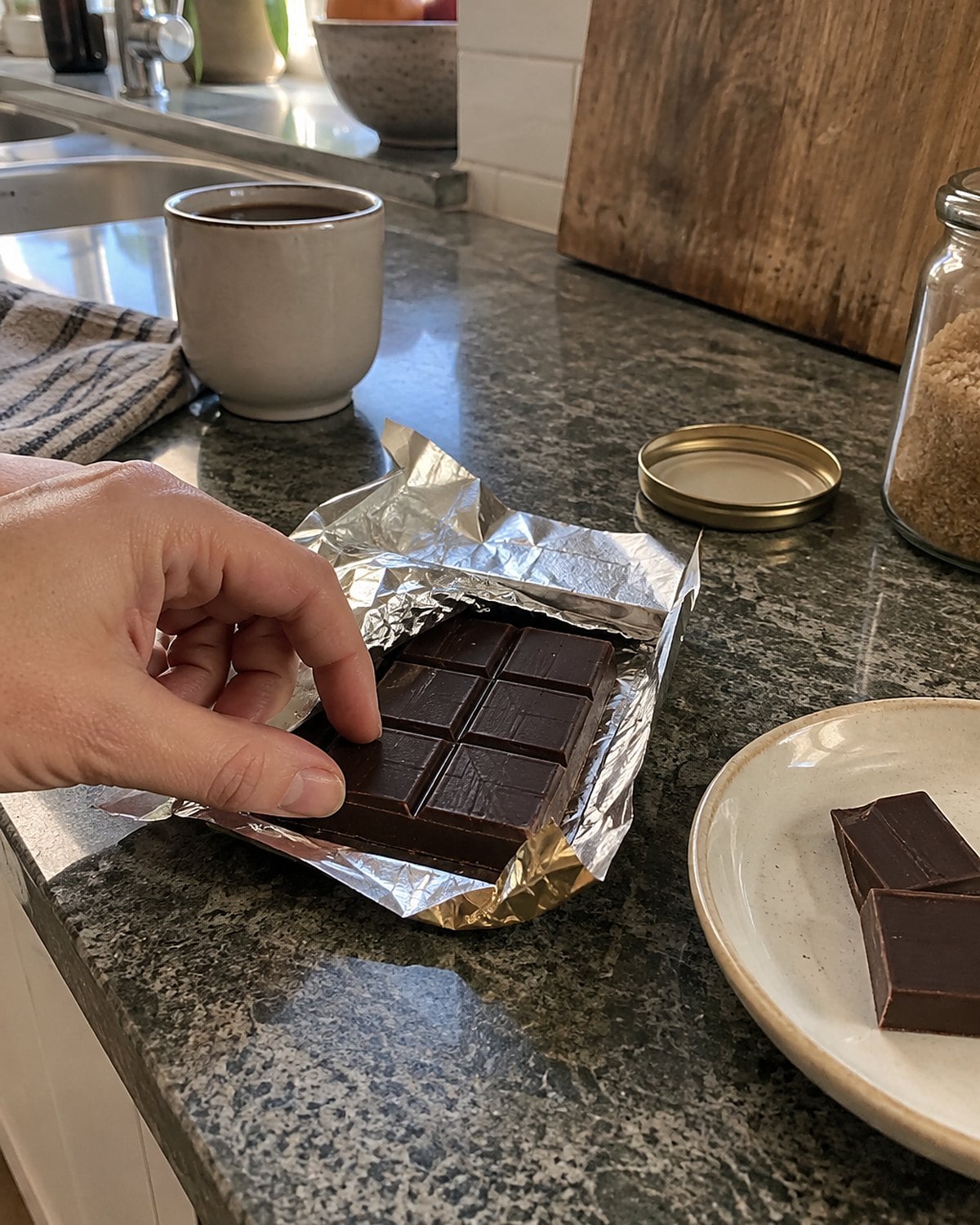
A Hershey bar has a flavor you know almost before the wrapper comes off. Its slight tang is part of that memory. So is the way it melted when the bar sat in a warm grocery bag. A bar eaten straight from a cool pantry feels firmer and gives up its flavor more slowly.
There is a real ingredient distinction worth checking. Under FDA chocolate standards, milk chocolate has requirements that chocolate-flavored candy doesn't share. Those words matter when you compare coatings, though they don't establish that a Hershey bar changed.
Let one square sit on your tongue instead of chewing it at once. Chocolate changes as it warms. If the taste arrives late, temperature explains part of the difference.
That still leaves room for an ingredient question. Keep the wrapper if you want to compare it with another bar later; a memory alone won't supply the old ingredient list.
#25 Twinkies from a fresh package
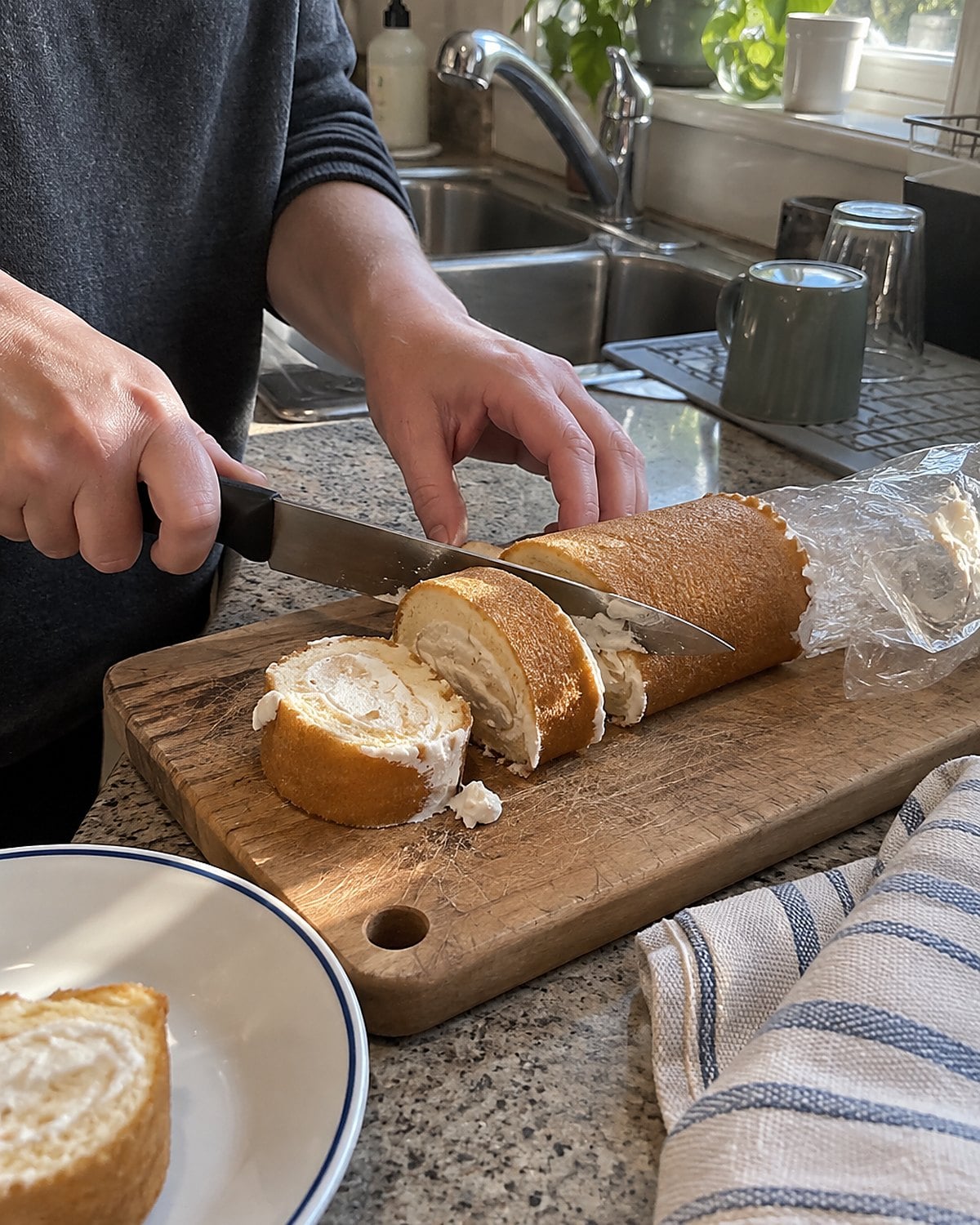
Did the Twinkie you remember have a springier cake? Production stopped in 2012, and the snack returned in 2013 under new ownership. The interruption is documented in Hostess Brands' history. It doesn't identify which ingredient, if any, accounts for the bite you're having now.
Try the cake and filling separately. Press a corner of cake between your fingers and notice how it springs back. Then taste a little filling alone. If the cake seems different, blaming the filling won't answer your question.
Start with a fresh package. A cake that's spent time in your pantry is a poor match for one bought at a corner store and eaten on the way home. Check the date on the box, then let the cake reach room temperature before you judge its texture.
There's another detail worth noticing: where the filling sits. Cut the cake across the middle rather than pulling it apart. You'll see how much cake reaches your mouth before the cream does.
That cross-section won't reconstruct a 1970s Twinkie. It will tell you exactly what you're tasting today, instead of leaving the whole complaint with one vague word: different.
#24 Ritz crackers beside the soup
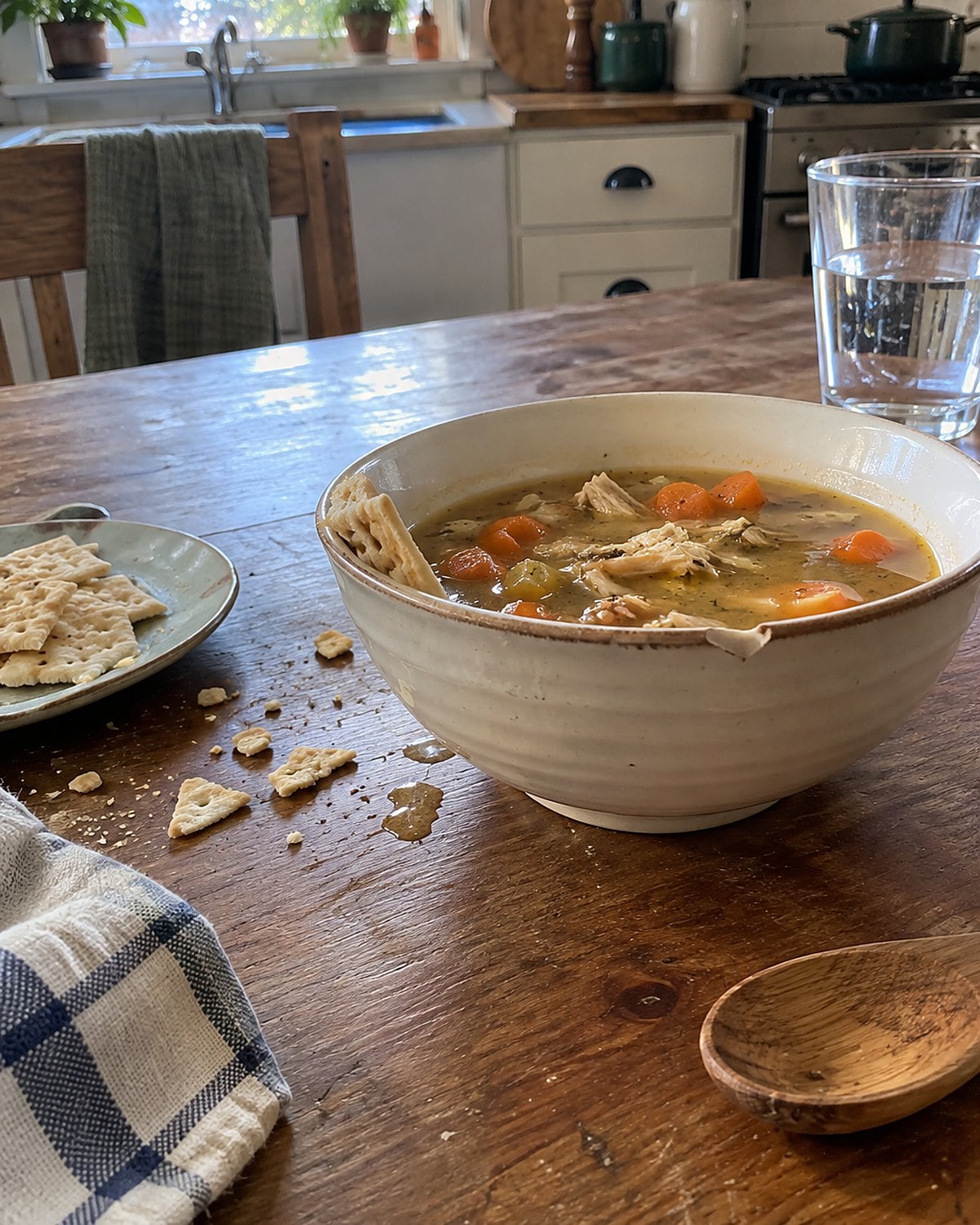
A Ritz cracker is doing several jobs at once. There's a salty top, tender layers and a rich finish. When one tastes flatter than you remember, the fat deserves a look.
The FDA determined in 2015 that partially hydrogenated oils were no longer generally recognized as safe. Manufacturers then moved away from them. That industry-wide change doesn't establish when any particular cracker recipe changed.
Break a cracker over the sink. Fine crumbs or large pieces? Eat one plain, without soup. Toppings hide the texture you're trying to identify.
Then taste the top and underside separately. Salt on your tongue changes how rich the cracker seems. The sleeve beside your old soup bowl had broth, butter and habit on its side.
#23 Fig Newtons after school
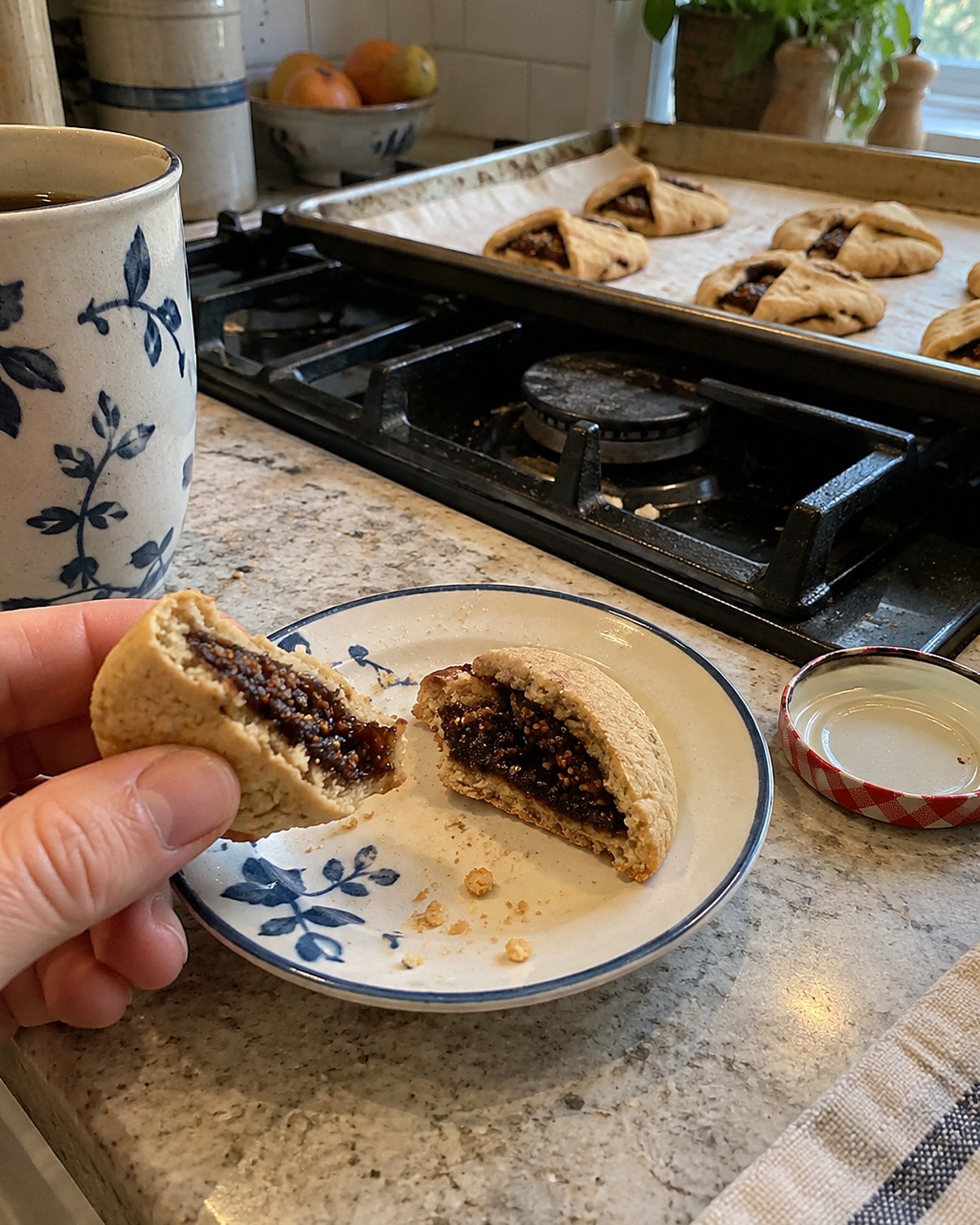
Where did the fig go? Split a Newton open before you answer. A bite taken from the edge carries more outer cookie than one taken from the middle. Shape changes the balance you taste, even when every cookie came from the same package.
The familiar Fig Newton became a Newton as the brand expanded beyond figs. Check the fruit named on the package. A different variety won't answer a question about the fig cookie you ate after school.
Taste the filling by itself. Figs bring dense sweetness and a tiny seed crunch. Now taste the outer cookie, which brings a softer, grain-based flavor. Put the two back together in your next bite.
That small test tells you what you're missing. If it's the fig taste, pick the fig package and start in the middle. If it's the thicker outer edge, don't let a bite from that edge speak for the whole cookie. Your after-school snack had more than one texture, and you knew exactly which part you reached for first.
#22 Oreo cookies dunked in milk
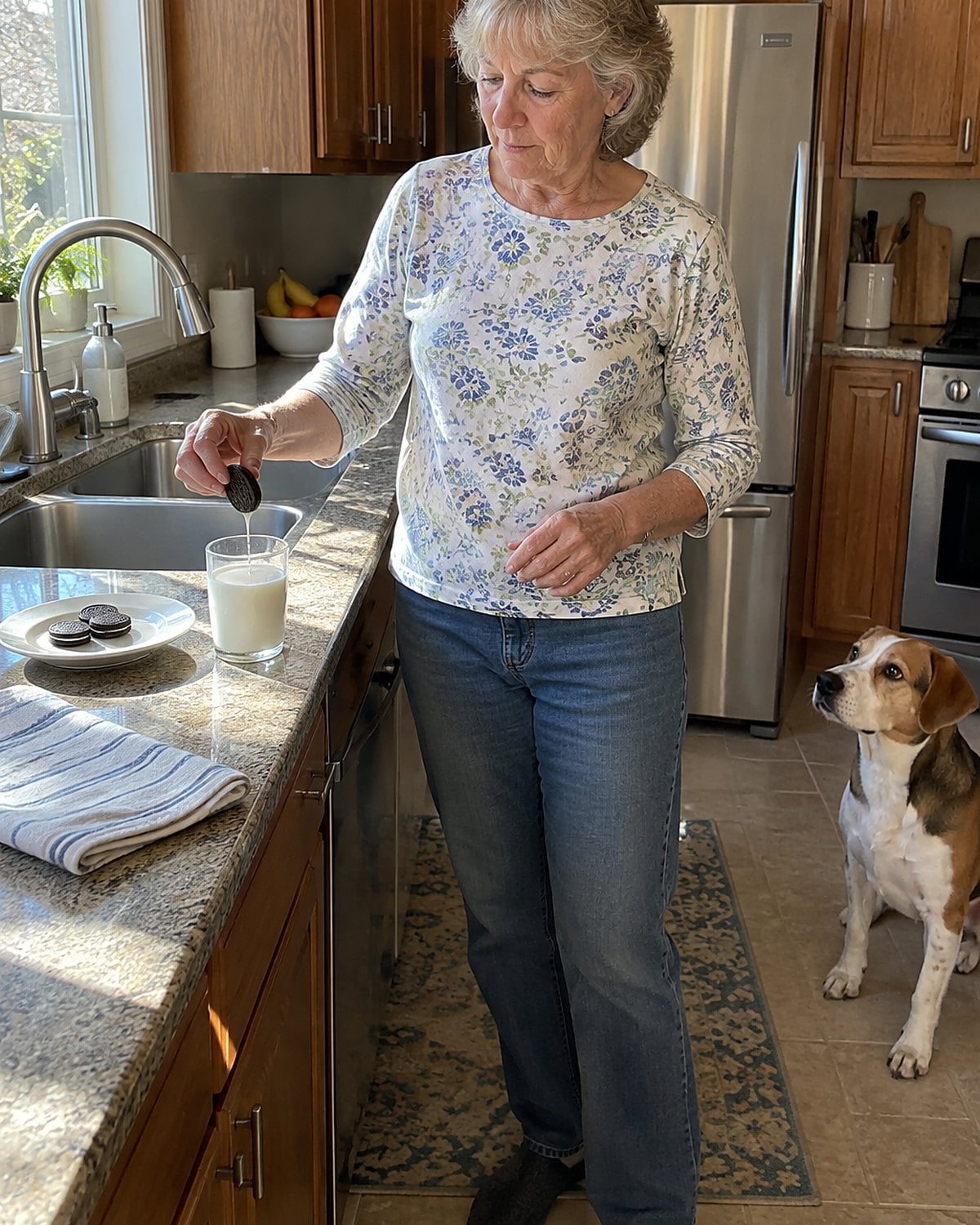
An Oreo lifted from milk isn't the same bite as one eaten dry. The wafer takes on liquid; the filling stays firmer. If the Oreo you remember was dunked beside the kitchen sink, a dry cookie deserves a different verdict.
Oreo changed its fat ingredients after the 1970s. The old cookie used lard, and later packaged-food changes followed the move away from partially hydrogenated oils. Today's ingredient list tells you what's in today's cookie, without dating each earlier change.
Try a dry cookie and a dunked one side by side. Bite through both layers, then taste a little filling alone. Milk alters the wafer and carries some cocoa flavor with it.
If a grandchild is beside you, ask which version they'd choose. Their answer won't settle the old recipe. It will tell you which Oreo they're learning to remember.
#21 Pop Rocks in your palm
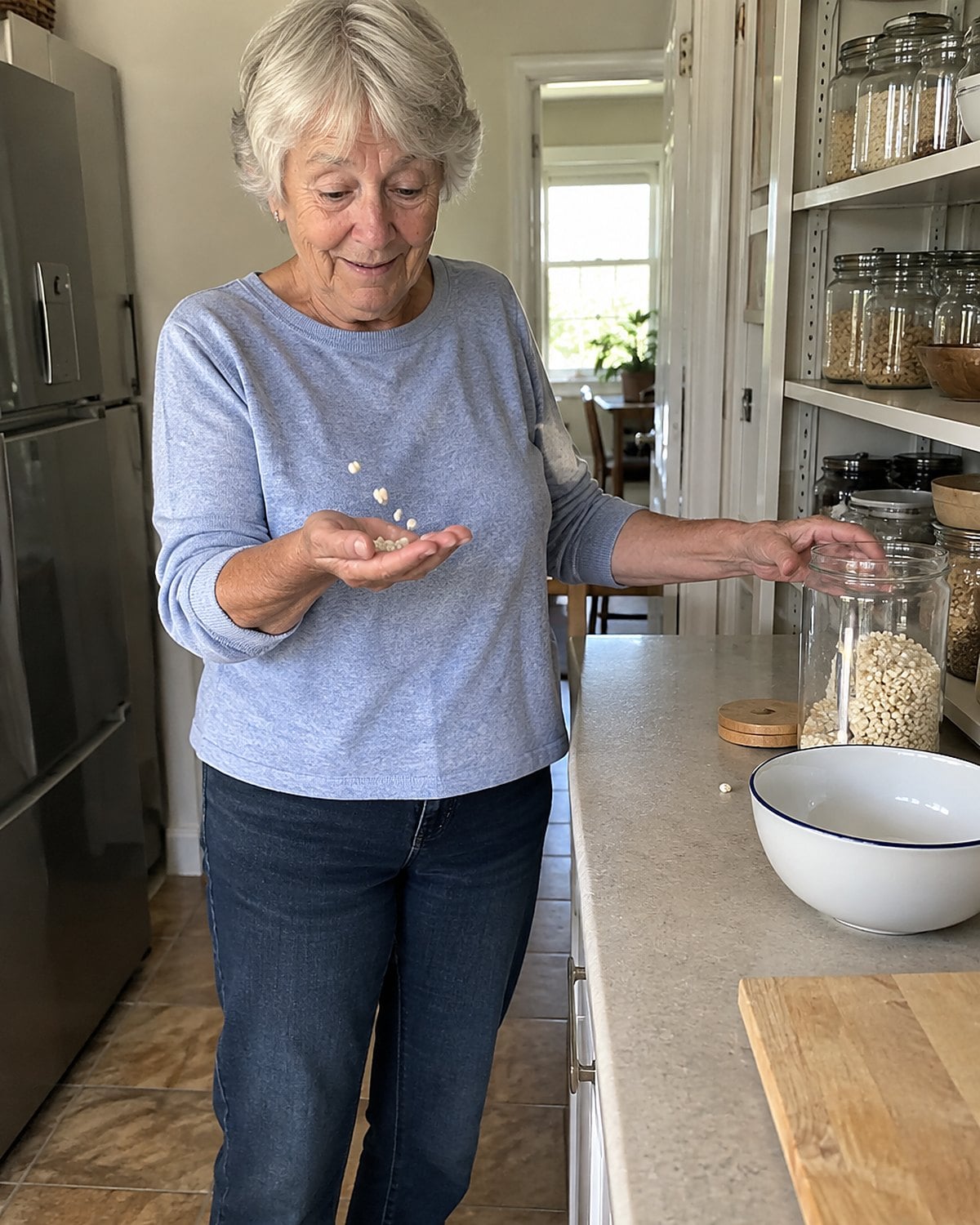
Listen first.
Tiny pockets of pressurized carbon dioxide sit inside Pop Rocks. Saliva dissolves the candy around them, and the gas escapes with that familiar crackle. The sound belongs to the candy's structure, not to a story your playground friends told.
Tip a little from a fresh packet into a dry palm. Pieces that have taken on moisture clump together; separate pieces give the crackle room to start on your tongue. You'll hear the difference before the flavor has much chance to speak.
Check the flavor name on the packet, too. A bright wrapper isn't enough to tell cherry from another fruit flavor. Taste a few pieces on their own, without following a handful of another candy. Once the popping stops, notice which flavor remains. That's the part to compare with the packet you used to buy.
#20 Kool-Aid stirred into the pitcher
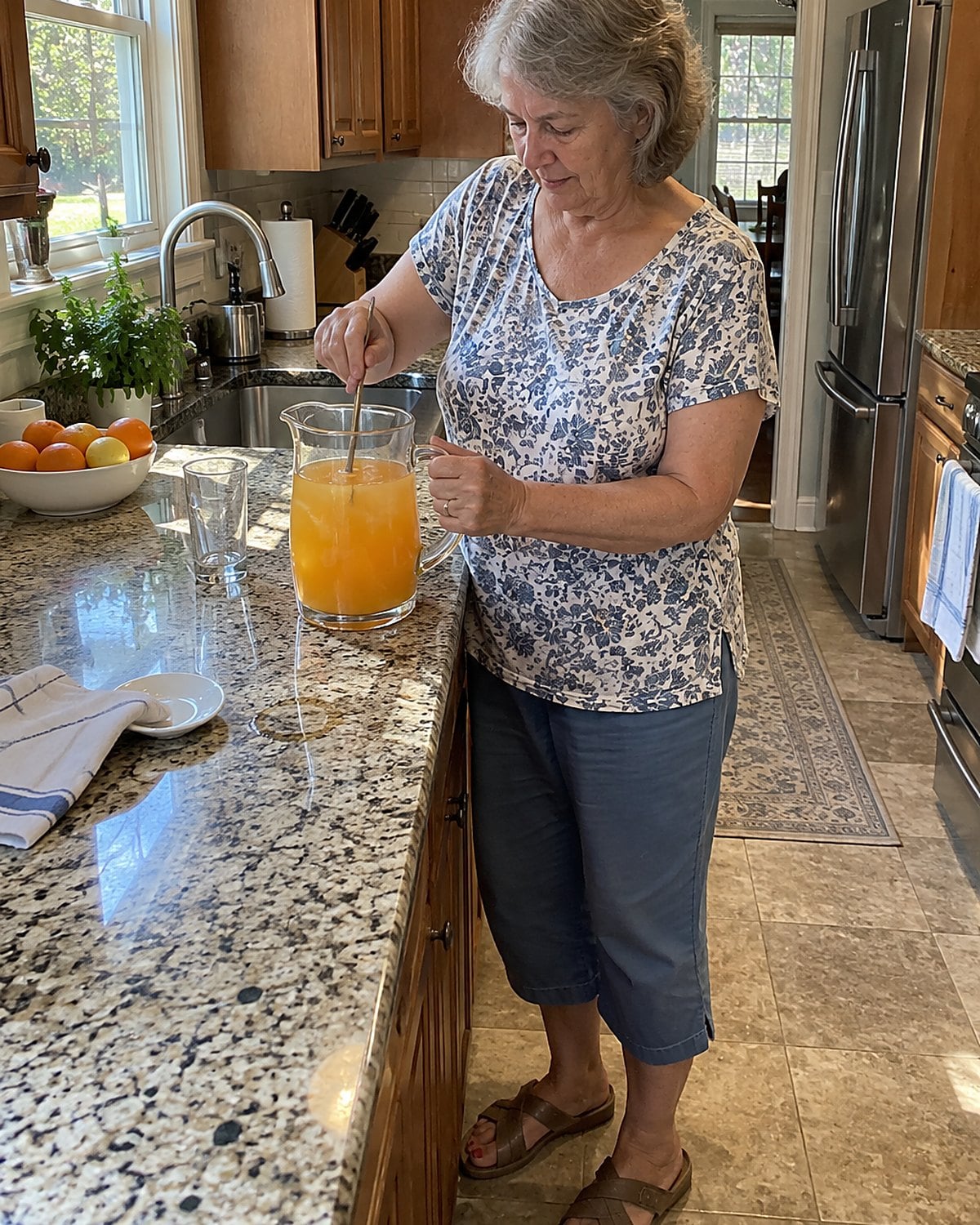
The spoon used to scrape the bottom of the pitcher until the sugar stopped sounding gritty. That sound disappears when you buy a sweetened powder or a ready-to-drink bottle instead of the unsweetened packet you mixed yourself.
They're different products. An unsweetened packet leaves the sugar choice to you. A bottle arrives with its sweetener chosen. The flavor name alone won't tell you which one is in your cart, so read the product description.
Make a pitcher from an unsweetened packet, following its directions. Taste it before adjusting the sweetness. Pour a little bottled drink of the same flavor into another glass. With the two side by side, you can compare concentration as well as flavor.
Remember who held the spoon. One person measured the sugar; another tipped in extra. That household habit isn't printed on either package. Still, putting the packet and bottle together gives you a clearer answer than trying to recall a pitcher from one hot afternoon.
#19 Planters cheese balls in the tin
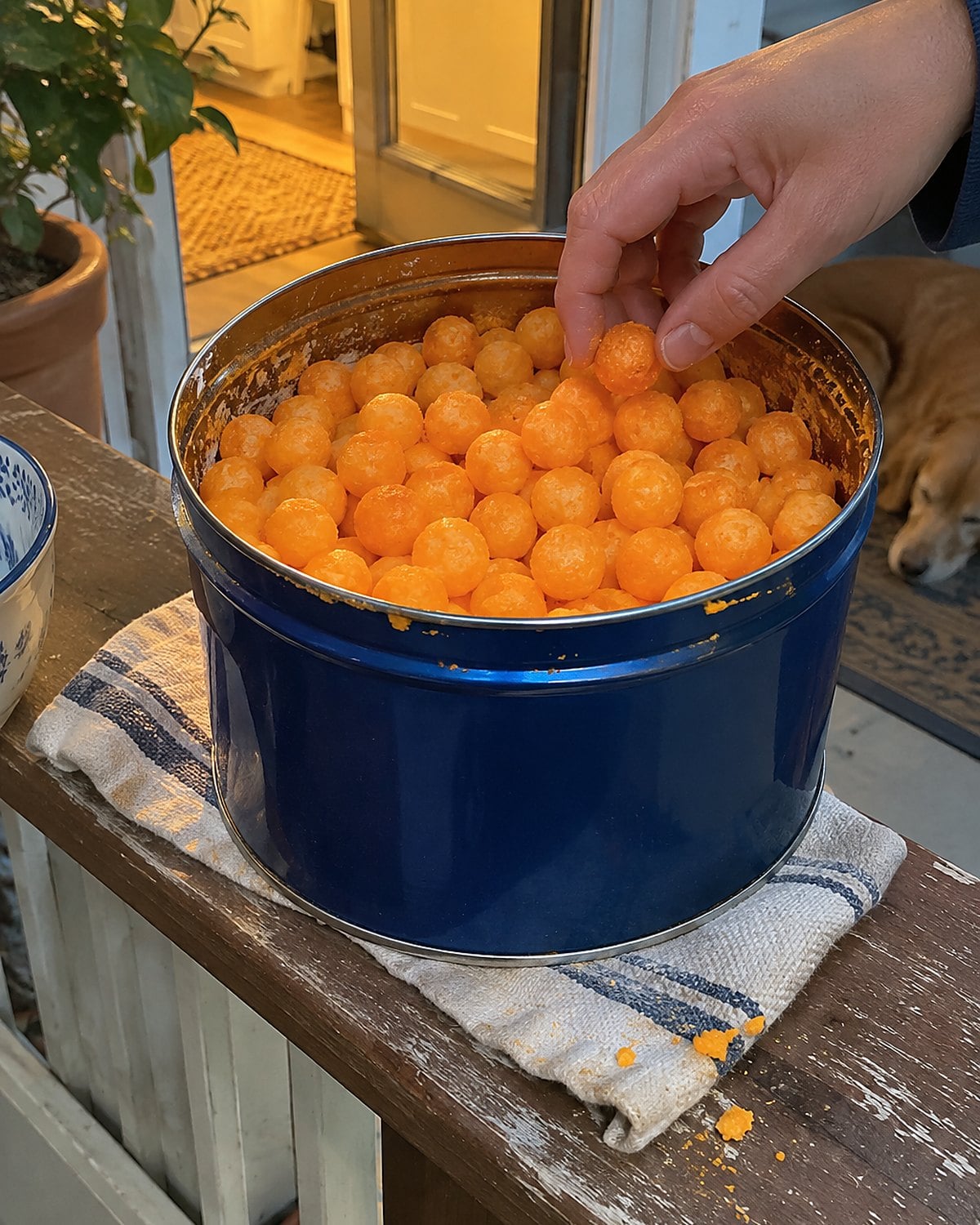
The blue tin held a smell as memorable as the snack. You lifted the lid, reached through the cheese scent and found orange crumbs waiting at the bottom.
Planters discontinued Cheez Balls and brought them back in 2018, a return the brand announced at the time. A comeback establishes a break in availability. It doesn't promise that every ingredient matches the tin in your old pantry.
Open a current container and smell it before taking a handful. Taste a ball from the top, then one from lower down. Loose seasoning and crumbs collect as the puffs rub together.
Pay attention to the corn puff beneath the powder. A crisp puff and a chewy one won't deliver the same snack, whatever the label says. That last orange fingertip was part of the pleasure, but it wasn't a recipe.
#18 Hostess fruit pie filling
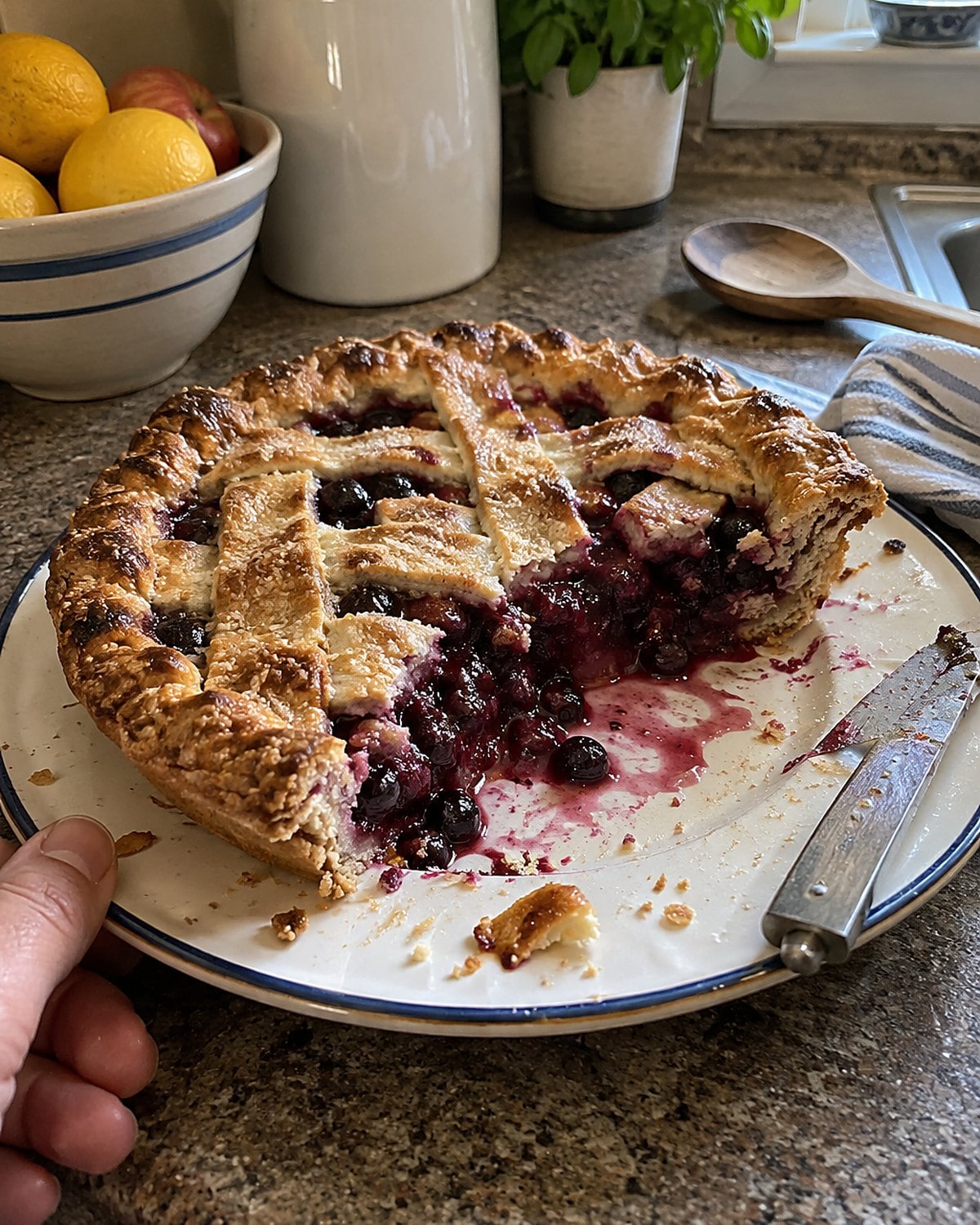
A wrapped fruit pie promised a neat rectangle. The first bite delivered crust, glaze and, somewhere inside, fruit. If you miss a stronger fruit taste, cut today's pie across the middle. Look at how the filling sits before you blame the fruit.
Taste a little filling by itself. Then take a bite that includes crust and glaze. Sweet pastry changes how tart the filling seems. Try the same pie at room temperature if your first bite came straight from a cool pantry.
Which fruit was yours? Apple and cherry won't settle the same memory. Match the variety before reading the current ingredients, and notice what gives the filling its thickness. The package picture shows a pie at its best angle; your knife shows the pie you bought.
Keep that cut half nearby for the next bite. If the filling tastes right alone but vanishes under the glaze, you've located the difference in the eating, not proved a recipe change.
#17 Cheetos dust on your fingers
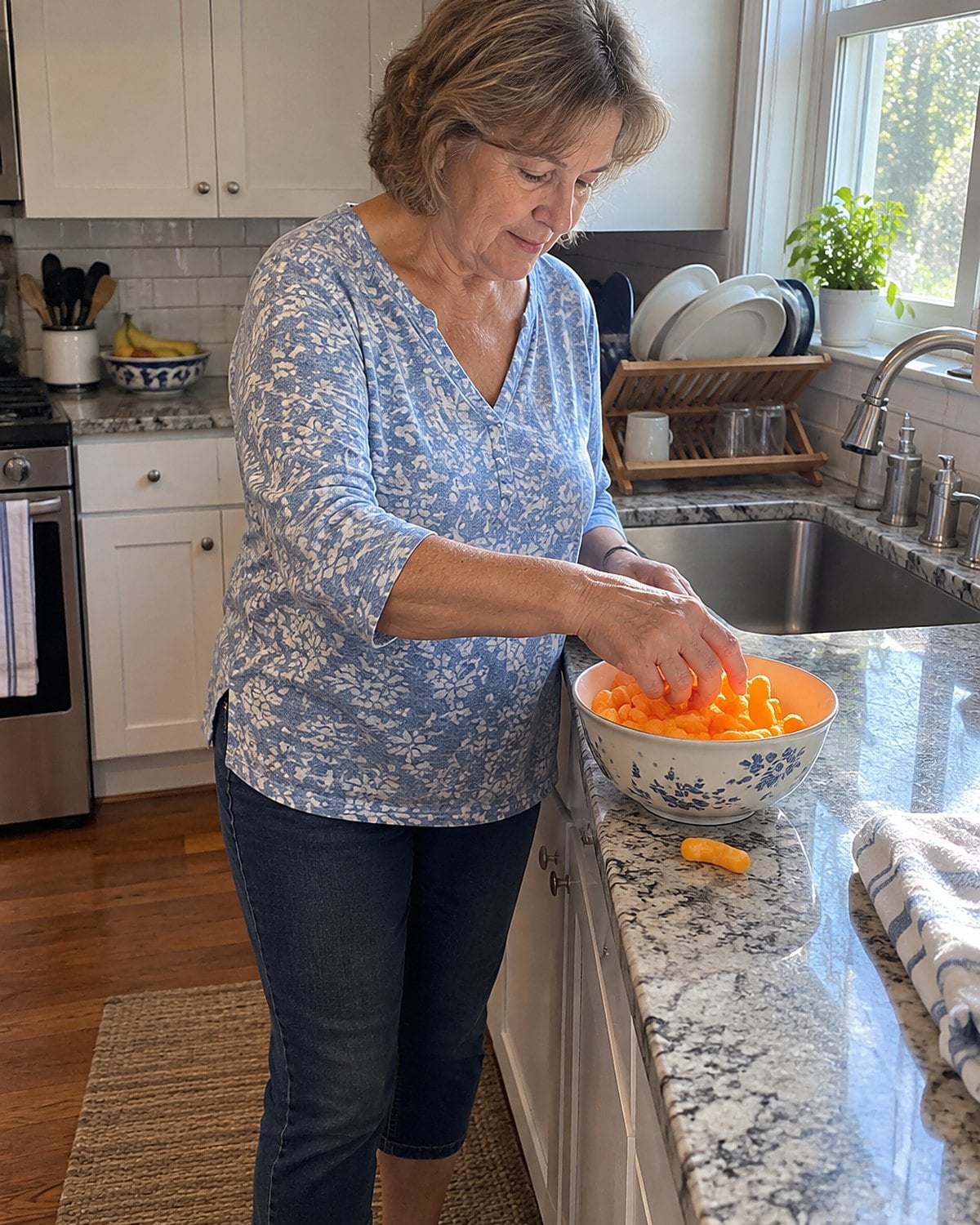
Orange fingers know something the bag can't show. The cheese-flavored powder sits outside a Cheeto, reaching your tongue before the corn puff finishes crunching. Smaller broken pieces arrive with loose seasoning, so the bottom of the bag gives you a different balance.
Pour a handful into a bowl. Set an intact piece beside a broken one and taste them separately. Then look at your fingertips. The powder left there is seasoning that never reached the puff in your mouth.
Check the shape on the bag. Crunchy Cheetos and puffs belong to different texture memories. If you grew up reaching for the crunchy kind, the airy puff won't bring back that sharp snap.
Try one without a sandwich or dip beside it. Your teeth will tell you which shape you missed; your fingers will tell you how much seasoning came along.
#16 Fritos at the bottom of the bag
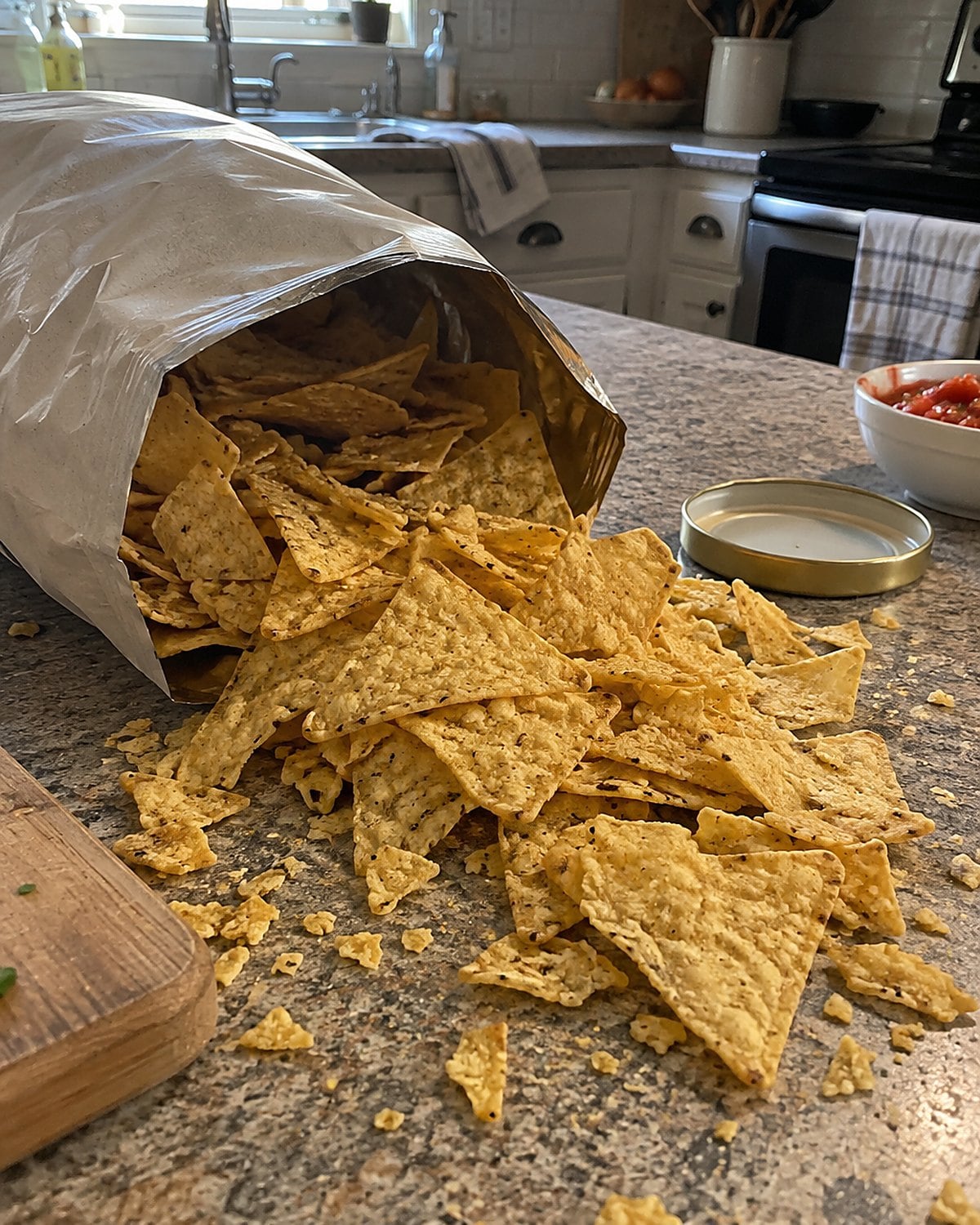
Pull out a tightly curled Frito and hear it crack. Now tip the bottom of the bag onto the counter. You'll find little fragments that put more salty surface into each small bite than a large intact chip does.
Fritos Original has a short ingredient list: corn, corn oil and salt. Check the bag you bought, since a flavored version is another snack. With that short list, the corn smell and the salt stand out.
Set an intact chip beside the crumbs. Smell both before tasting them without dip. If the intact chip tastes familiar and the crumbs taste stronger, you've found a difference inside the bag itself.
Chili or onion dip changes the test again. Think back to the bowl or sandwich that shared the plate. Your remembered corn chip didn't always have to carry the whole bite alone.
#15 Jell-O pudding on the stove
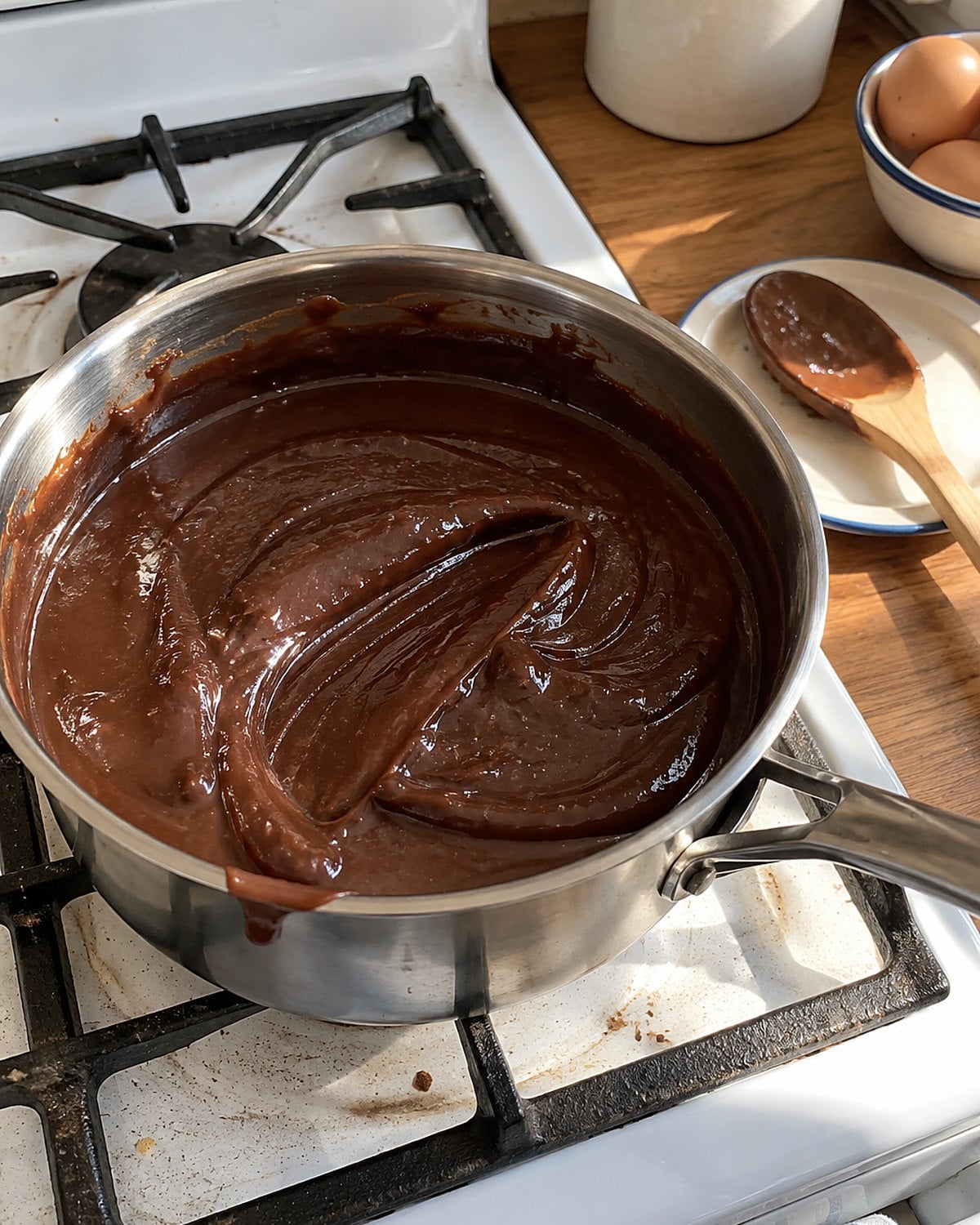
The pot needed watching. Stirring cooked pudding gave you the moment when a thin mixture thickened and left a trail behind the spoon. Instant pudding skips that stove work; its starches thicken in cold milk.
Read the box front. Cook & Serve and Instant name different preparations, even when the flavor name matches. If you remember watching the saucepan, pick Cook & Serve for your comparison.
The spoon tells you when it's changed. Drag it across the bottom of the pot and look for a trail that closes behind it, then follow the package directions to finish. Scrape the pudding into a dish and taste it warm. Taste it again after chilling.
Temperature changes the impression of sweetness and cocoa. So does the skin on top, if that was the part you waited for. An instant box won't recreate that spoon trail, no matter how long you stir it.
#14 Life cereal in the bowl
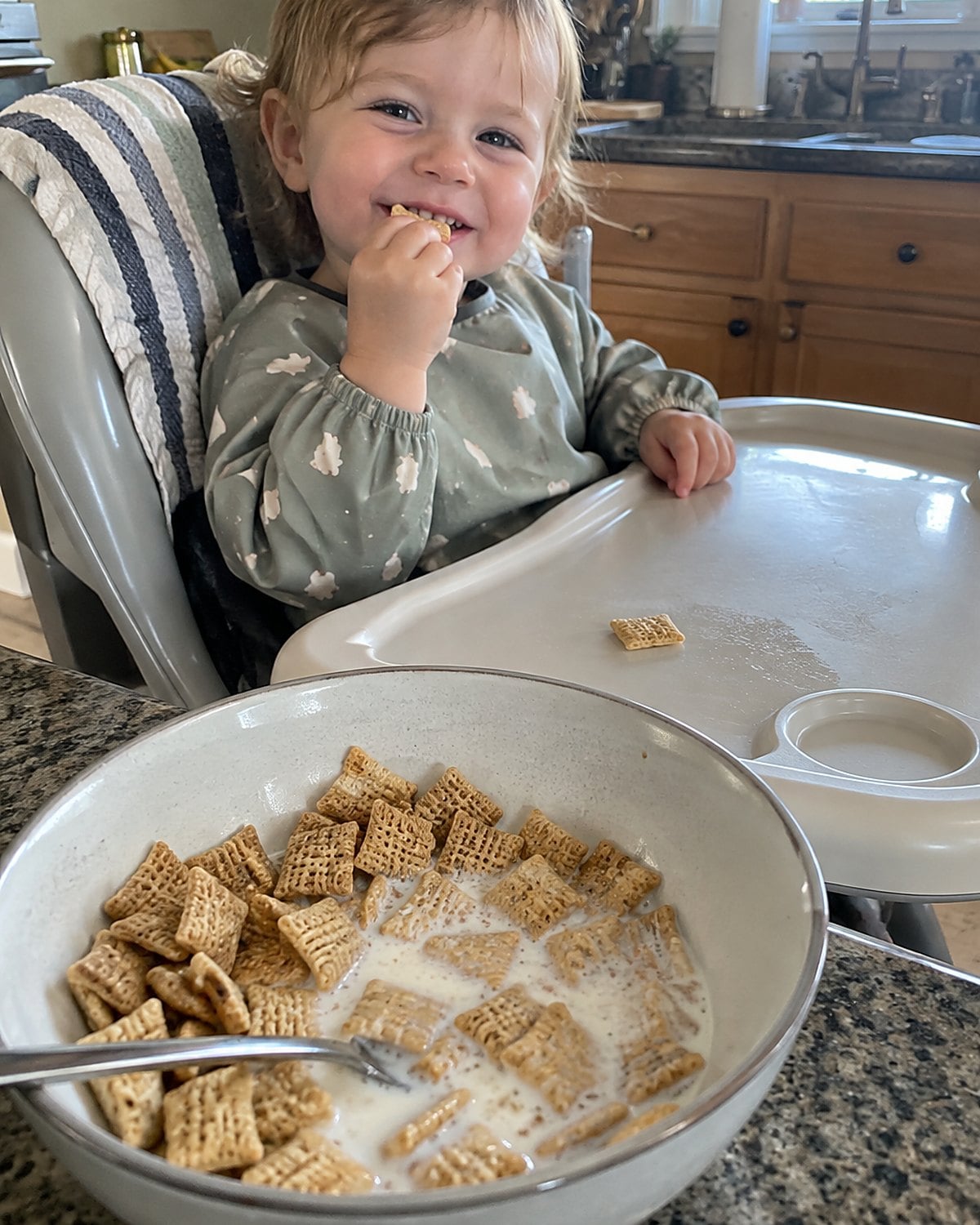
Breakfast kept changing while it sat in front of you. The first Life squares were crisp. By the time everyone reached the kitchen, the last ones had softened in milk. That shift is easy to pin on the cereal itself.
Check the box first. Original shares the shelf with flavored varieties, and the sweeteners on their ingredient lists differ. A flavored square starts your comparison somewhere other than the plain bowl you remember.
Eat a few Original squares dry. Add milk to the rest and taste them as they soften. Which bite feels familiar: the first crunch or the sweet, milky finish?
A sliced banana or an extra spoonful of sugar belongs in this story, too. If your breakfast always had one, leave it out of the first test. Add it back afterward and see which version finally tastes like home.
#13 Little Debbie Swiss Rolls on a plate
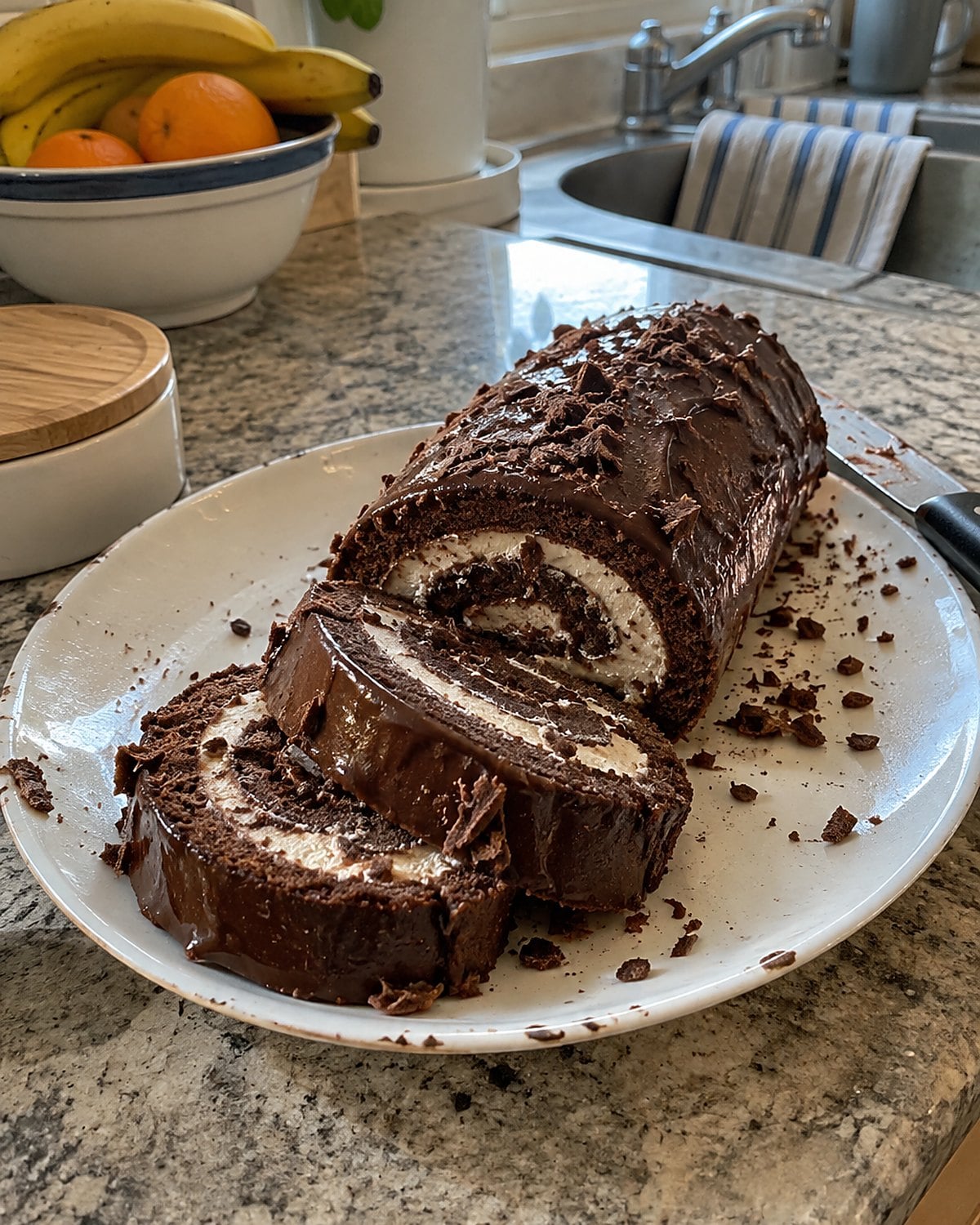
Cut across the spiral. That single slice shows how much cake, cream and coating reach your mouth together. A bite from the end won't give you the same balance as a bite through the middle.
Package size isn't the only portion change. You once ate a whole pair after school; now you split one over coffee. Several bites leave the chocolate finish with time to linger. One bite puts more weight on whichever part you taste last.
Try a sliver of cake, then some cream, then the roll together. If the coating feels different, look at the current ingredient list. It describes the coating you have, not the one from the package you remember.
The spiral gives you a better question than “What happened to these?” You can name the part you miss. That's where a useful comparison begins.
#12 Tang in the breakfast glass
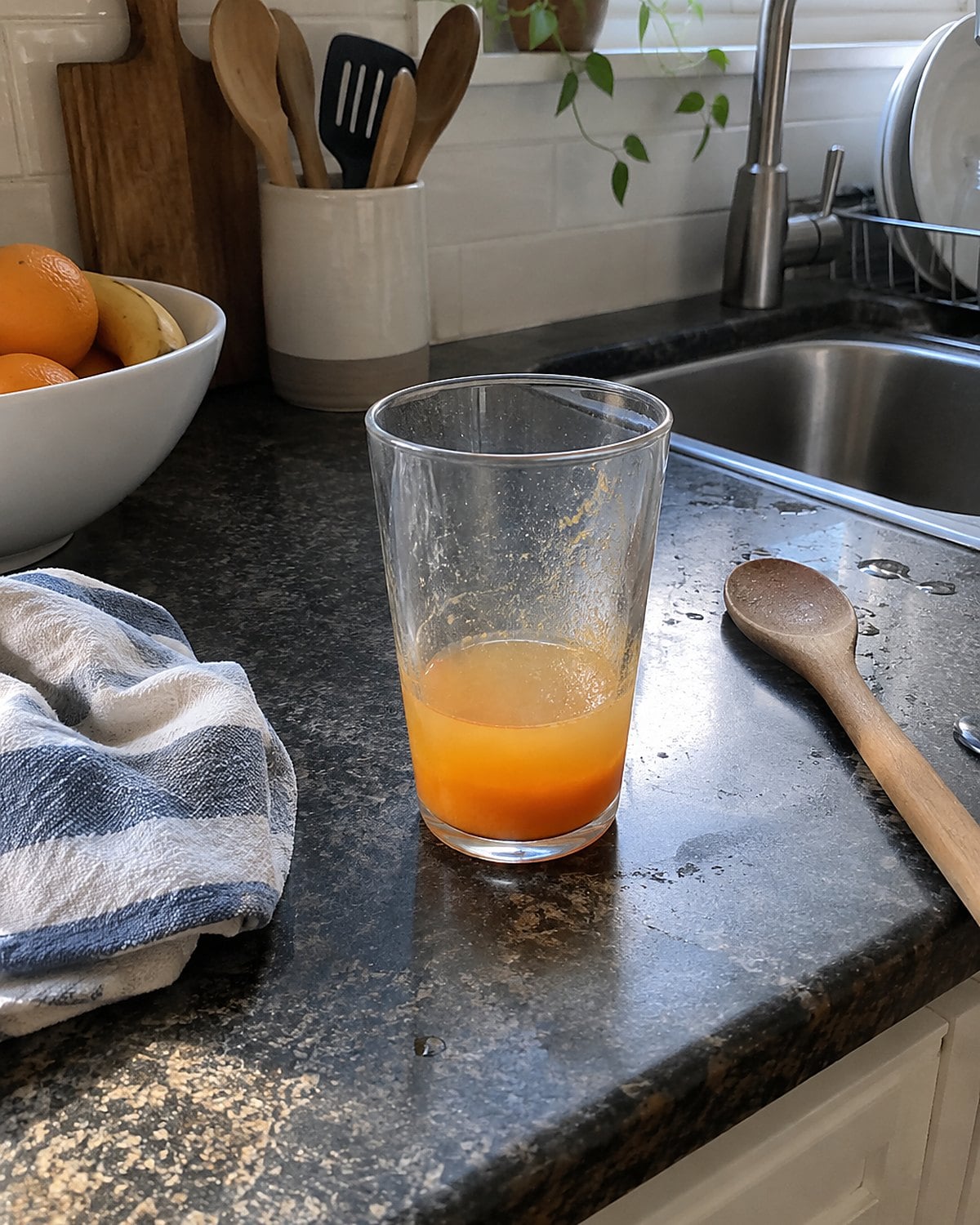
Tang was never a glass of squeezed orange juice. Its drink-mix taste came from powder, cold water and whoever stood at the sink with the spoon.
Start with the directions on the package you have. Stir until no dry powder remains at the bottom. A gritty last sip tells you something about mixing, not the old formula.
Taste it cold, then let a little warm toward room temperature. Notice how the sweetness and tartness seem to trade places. Compare the same flavor and product form; a prepared drink and a powder aren't the same starting point.
Pour it into one of those small breakfast glasses if you still have one. The glass won't change the ingredients. It will remind you how much of that bright orange breakfast happened outside the package.
#11 Butterfinger flakes above the sink
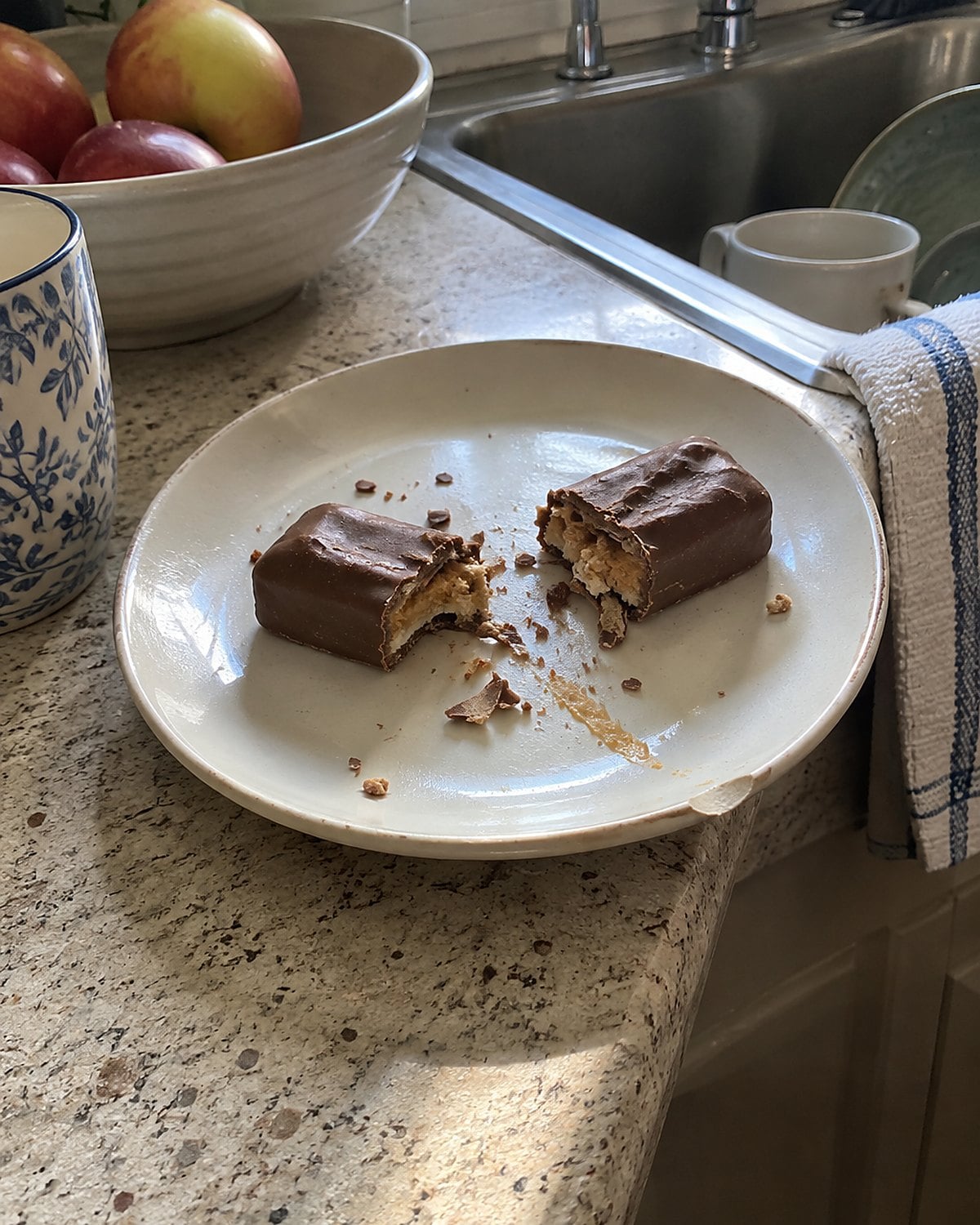
Bite a Butterfinger over the sink. The crisp peanut-butter center breaks into thin flakes, and the wrapper never catches all of them. That center is why you know the candy even with your eyes shut.
The maker announced a reformulation for the 2019 relaunch, including changes involving the coating and peanuts. This is one candy where you don't have to build the entire question from memory. A change was announced.
Taste a bit of coating on its own, then bite through the center. Listen for the crackle and ask which part you miss. A fresher bar won't restore a coating you preferred before the relaunch.
If the center seems less crisp, compare bars kept at similar temperatures. A cold bar and one left on the counter make different first bites. Keep the flakes over the sink while you decide.
#10 Hershey's syrup in cold milk
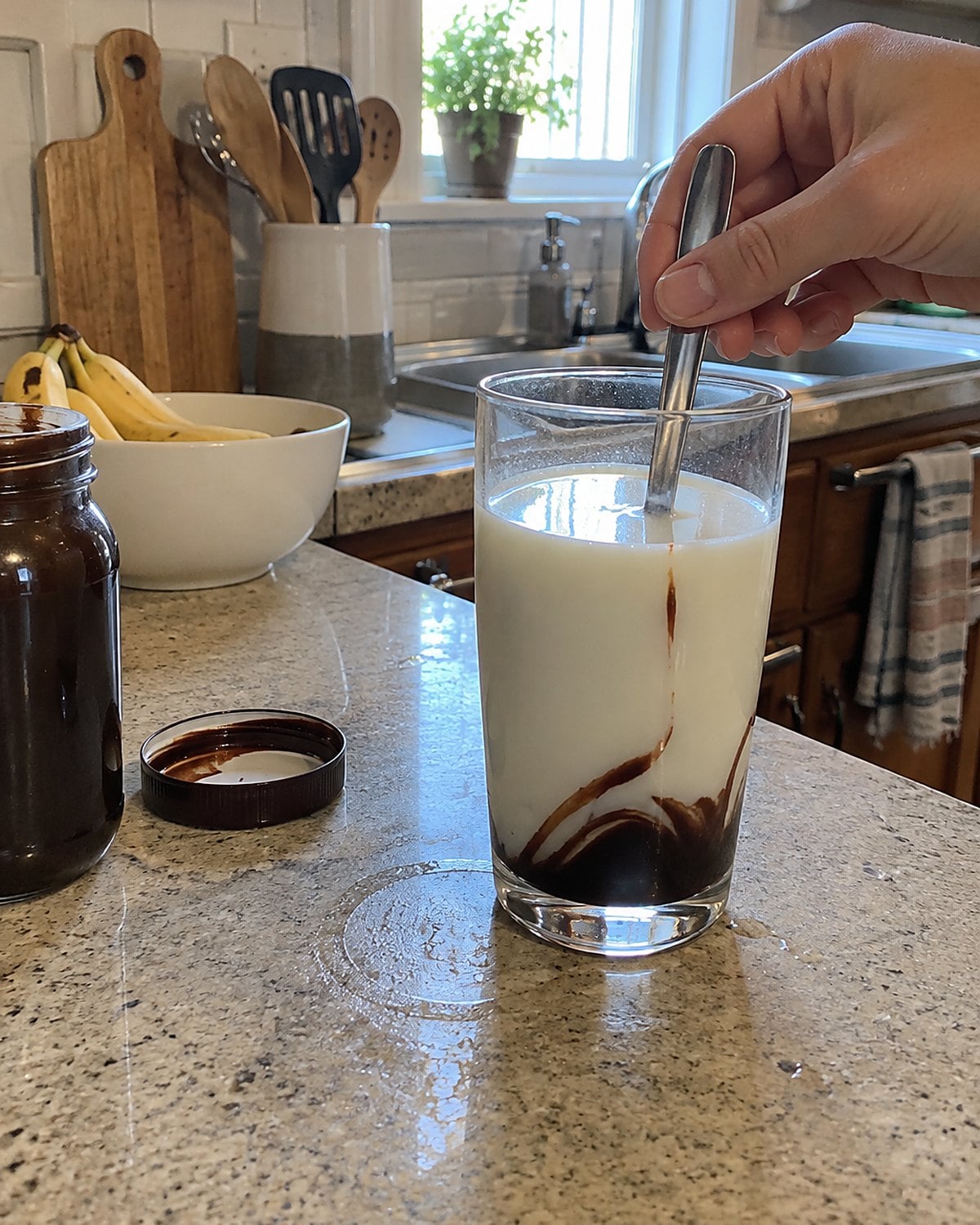
Remember the dark streak at the bottom of the glass? A spoonful of syrup left there meant the last sip tasted nothing like the first. Before judging today's syrup, stir until you no longer see that streak.
Check the bottle. Hershey sells syrups with different sweetener choices, so the front label matters as much as the familiar name. Compare the standard product with the one you actually remember using.
Taste the mixed milk before adding more syrup. Then put a little syrup on a spoon and taste it alone. Milk rounds off the sweetness and cocoa; the spoonful lets you notice the syrup itself.
If your family squeezed it onto ice cream instead, return to that serving. A cold scoop and a glass of milk put the same syrup against different tastes and textures. The bottle won't answer which one you remember.
#9 Tootsie Roll from the candy dish
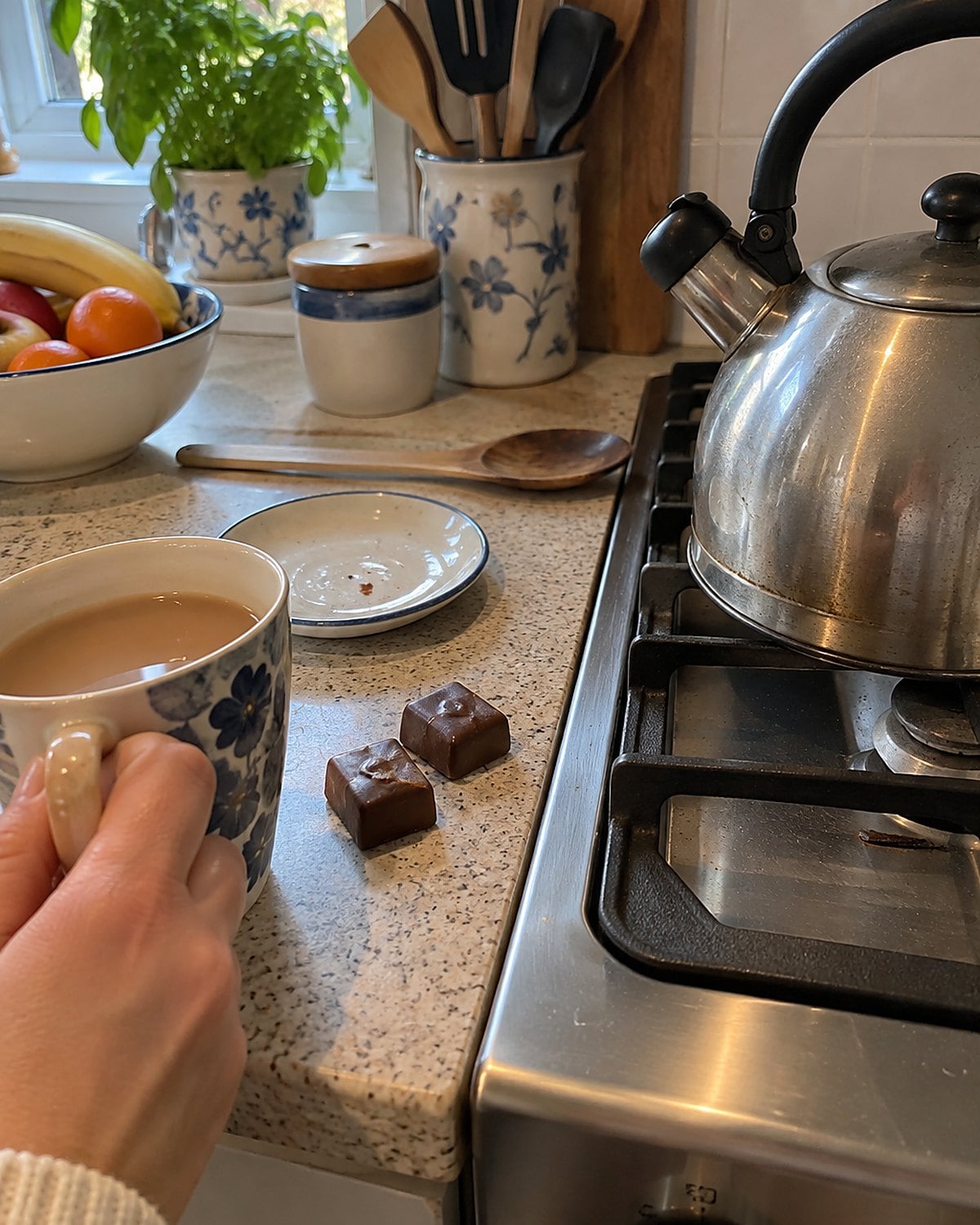
A Tootsie Roll from a cool candy dish asks for a firmer first chew than one carried in a warm coat pocket. Warmth makes the candy bend and lets the cocoa taste arrive sooner.
Set one on the counter while you put the kettle on. Leave another in a cooler spot in the house. Twist both wrappers open and press the candies between finger and thumb. Notice which yields before you bite.
Don't heat them to hurry the comparison. You want the ordinary difference between two places you would have kept candy, not a melted version neither kitchen served.
Read the current ingredient list afterward. It tells you about today's roll. Without an old wrapper, it won't prove which ingredient made a paper-bag candy from the 1970s taste richer. Temperature is the part you can put to a fair test tonight.
#8 Pringles stacked inside the can
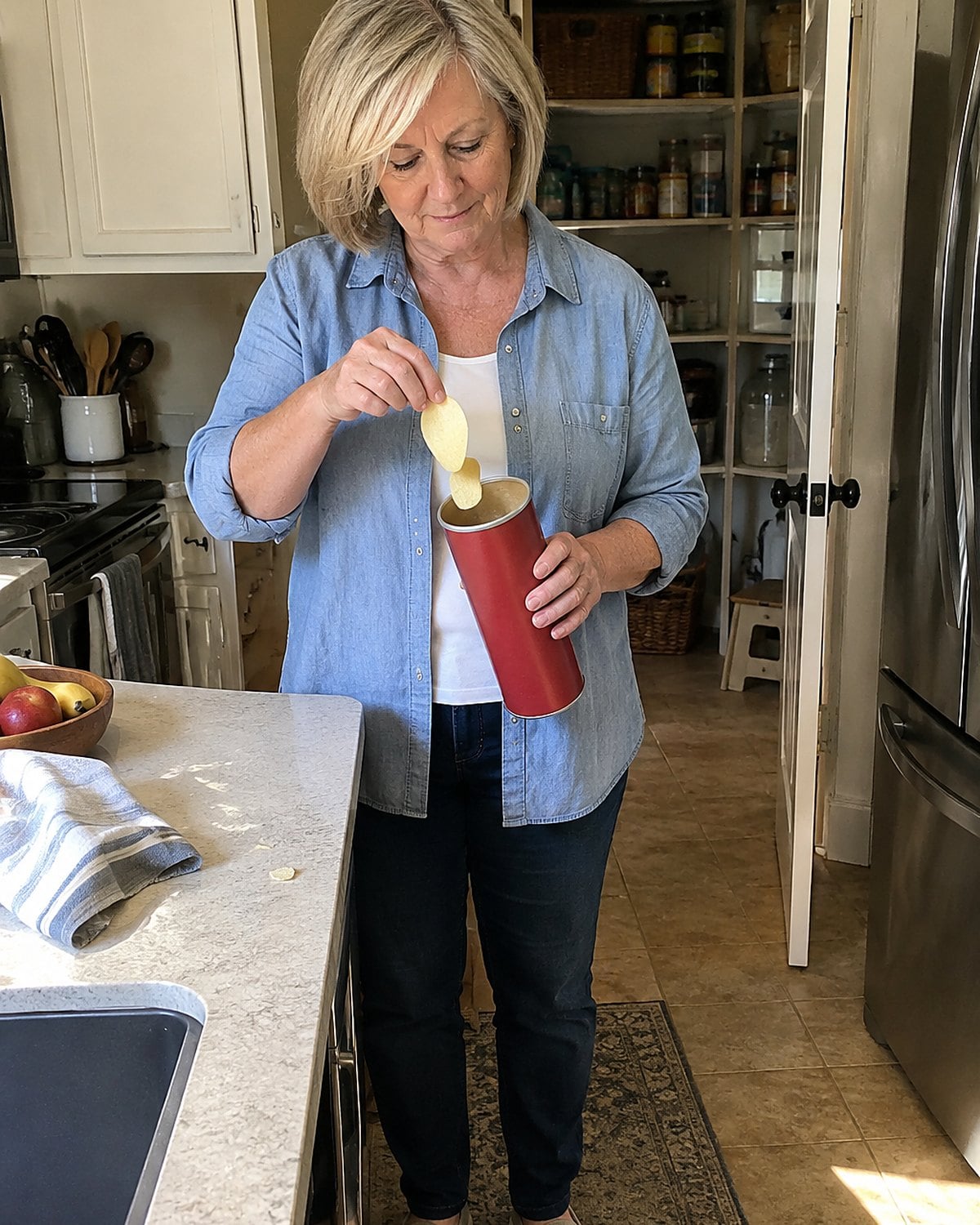
A Pringles chip fits neatly against the next one. Its uniform curve comes from formed potato-based dough, unlike the uneven slices in a bag of potato chips. That shape gives you a thin, predictable bite.
Begin with the flavor name. Original and a seasoned variety won't settle the same memory. Pull out a whole chip, then a broken one. Let each rest on your tongue before crunching so you notice when salt gives way to potato and oil.
Snap matters, too.
Compare a chip from a newly opened can with one from a can that's stood open. A softer chip changes the impression of flavor before you reach the ingredient question. Put the lid back between visits and keep the can away from the damp sink.
The current label describes the dough and seasoning in your cupboard. Without an old label, it doesn't date a recipe change. Your mouth still has a job: find out whether the chip in this can is crisp enough for a fair comparison.
#7 Snack Pack pudding in the lunchbox
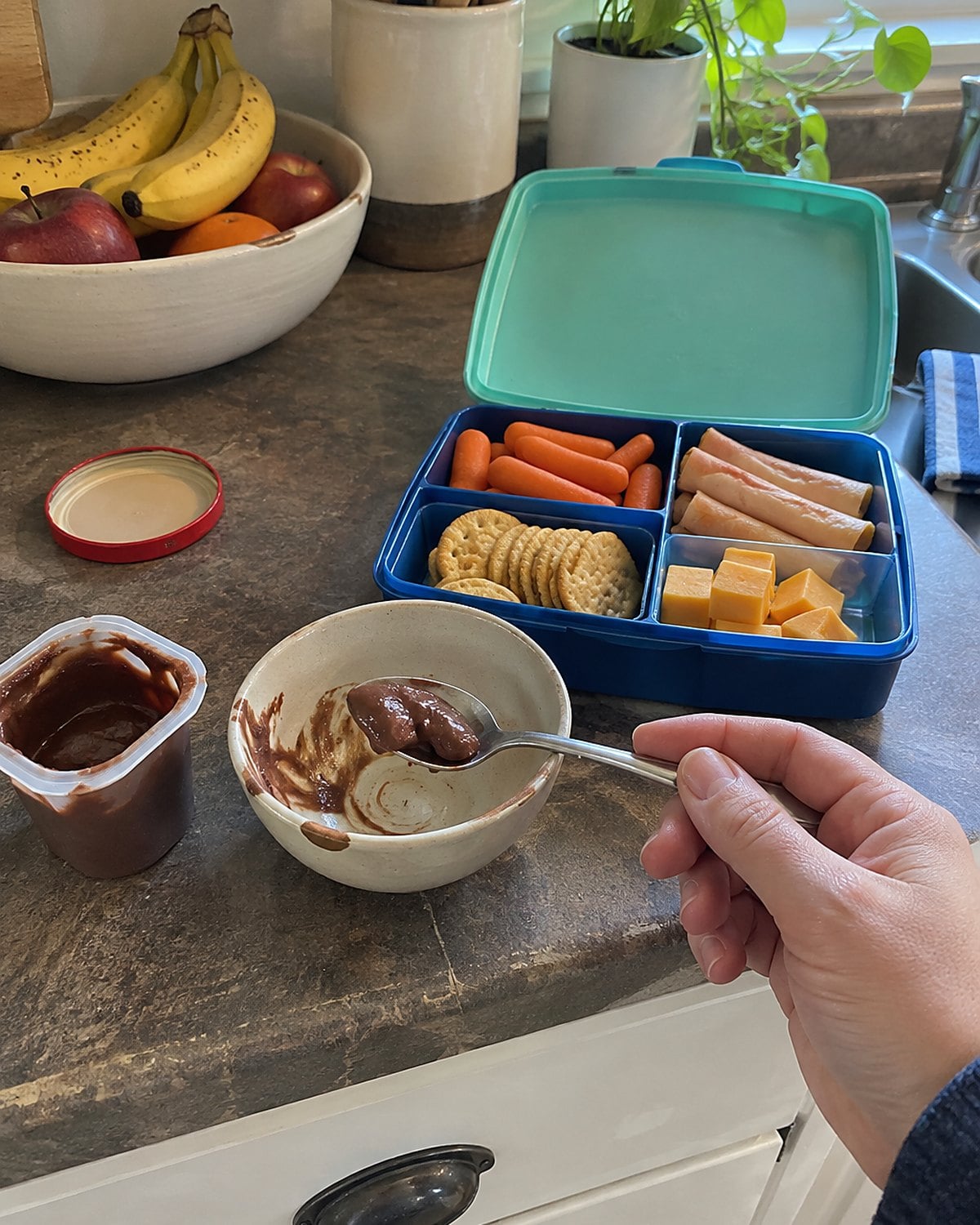
The metal can had its own lunchbox sound. Snack Pack pudding came in pull-top cans before the plastic cups familiar today. The lid, the spoon against metal and the first scrape from the edge were part of eating it.
A plastic cup changes that ritual. It doesn't, by itself, explain every difference you taste. Spoon today's pudding into a small ceramic bowl and try it away from the rim of the cup.
Pay attention to the pudding first: cocoa, sweetness and how it moves on the spoon. Then look at the ingredient list for the cup you bought. You now have a description of the current pudding, rather than a guess based on its container.
The old can isn't waiting beside it on most supermarket shelves. If the bowl tastes familiar but the lunchbox memory still feels far away, you know which part the plastic cup can't bring back.
#6 Fruit leather peeled from paper
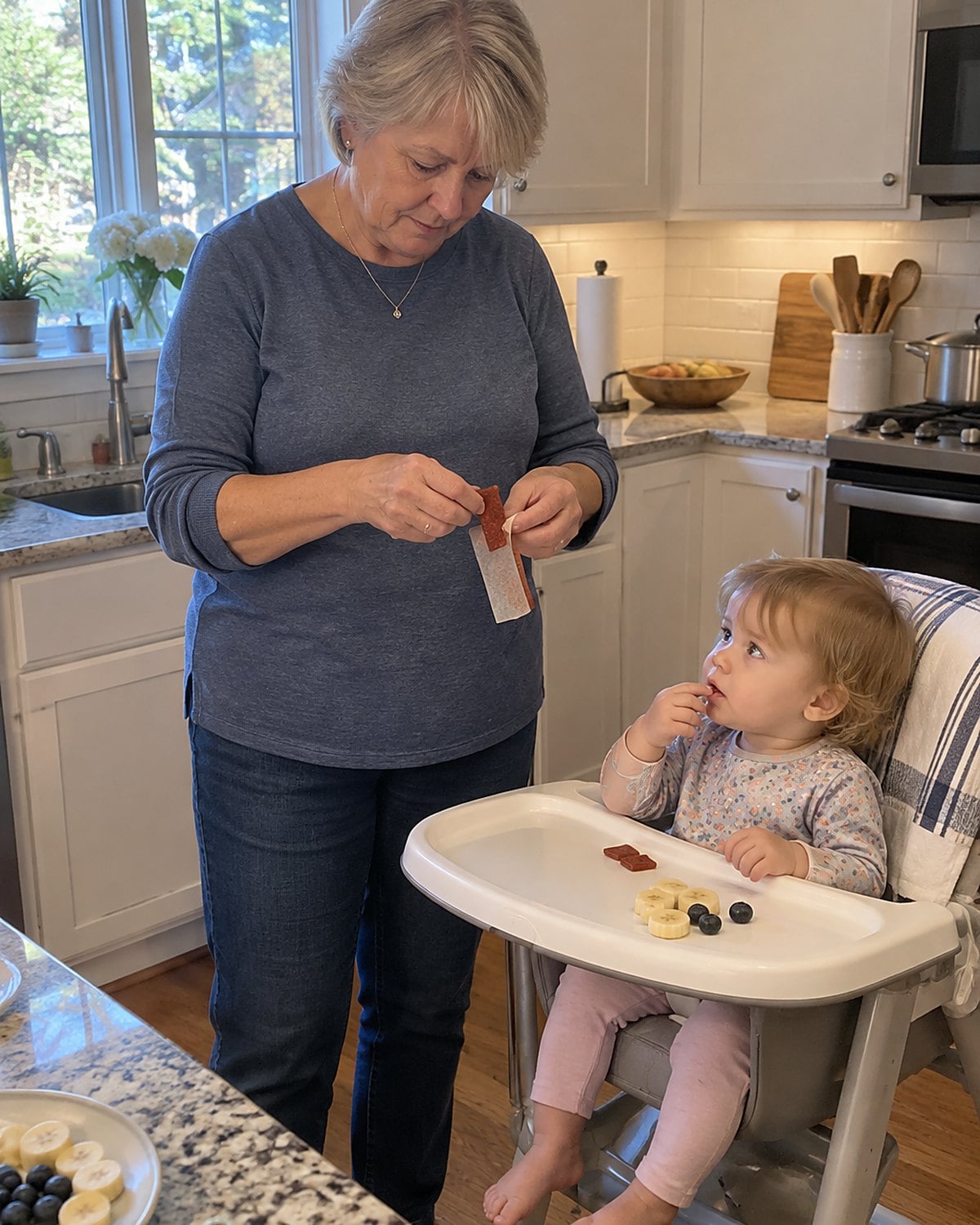
A sheet of fruit leather stuck to your fingers before it reached your mouth. Peeling it from paper was part of the snack, and a thicker piece held on to its fruit taste through a longer chew.
Fruit Roll-Ups arrived in the 1980s. If the wrapper you remember opened in a 1970s kitchen, don't use a Roll-Up as proof that the old fruit snack changed. Compare it with a plain fruit leather instead.
Tear a little from each current product. Notice which one dissolves into sweetness and which keeps a stronger fruit taste. Read the fruit and sweetener ingredients after you taste, so the package doesn't decide for you.
Your grandchild has no reason to sort those decades at the high chair. You do. Put the two pieces on a plate and see which one you'd reach for again.
#5 Reese's Pieces in your hand
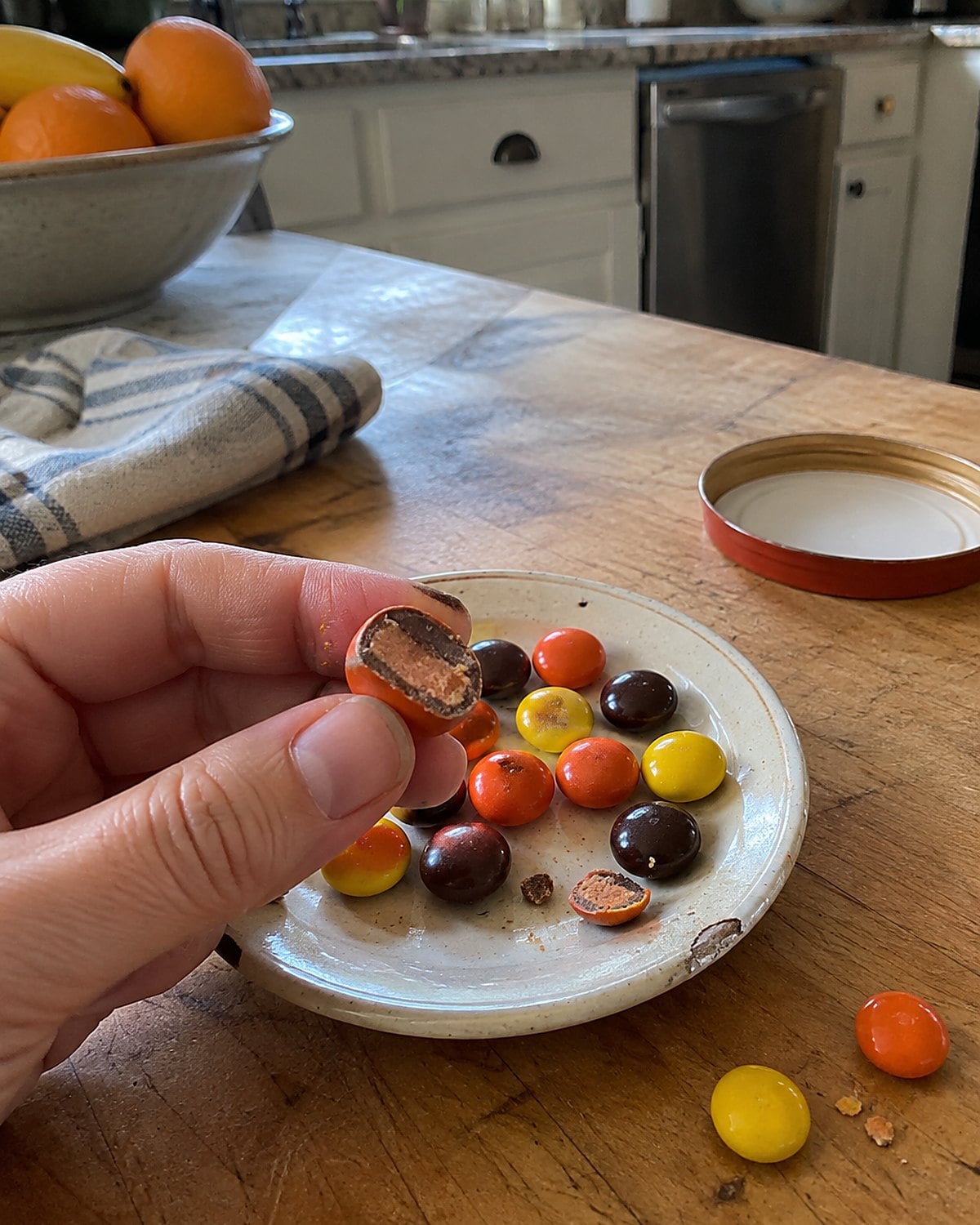
Reese's Pieces arrived in 1978, late enough in the decade to land in a 1970s candy memory. Each piece puts a crunchy shell around a peanut-butter-flavored center. There is no chocolate coating like the one on a peanut butter cup.
That distinction settles a surprising argument. If chocolate is the taste you're searching for, you've picked up a different Reese's candy. Break a Piece in half and look at the center.
Next, let one sit briefly on your tongue before chewing. The shell gives you sweetness first; peanut flavor follows. A movie-theater handful blends those stages, while a single piece keeps them apart.
Put a peanut butter cup beside it only if that's the candy you meant. The packages share a name, but your mouth has been asking for two different things.
#4 Starburst from the checkout lane
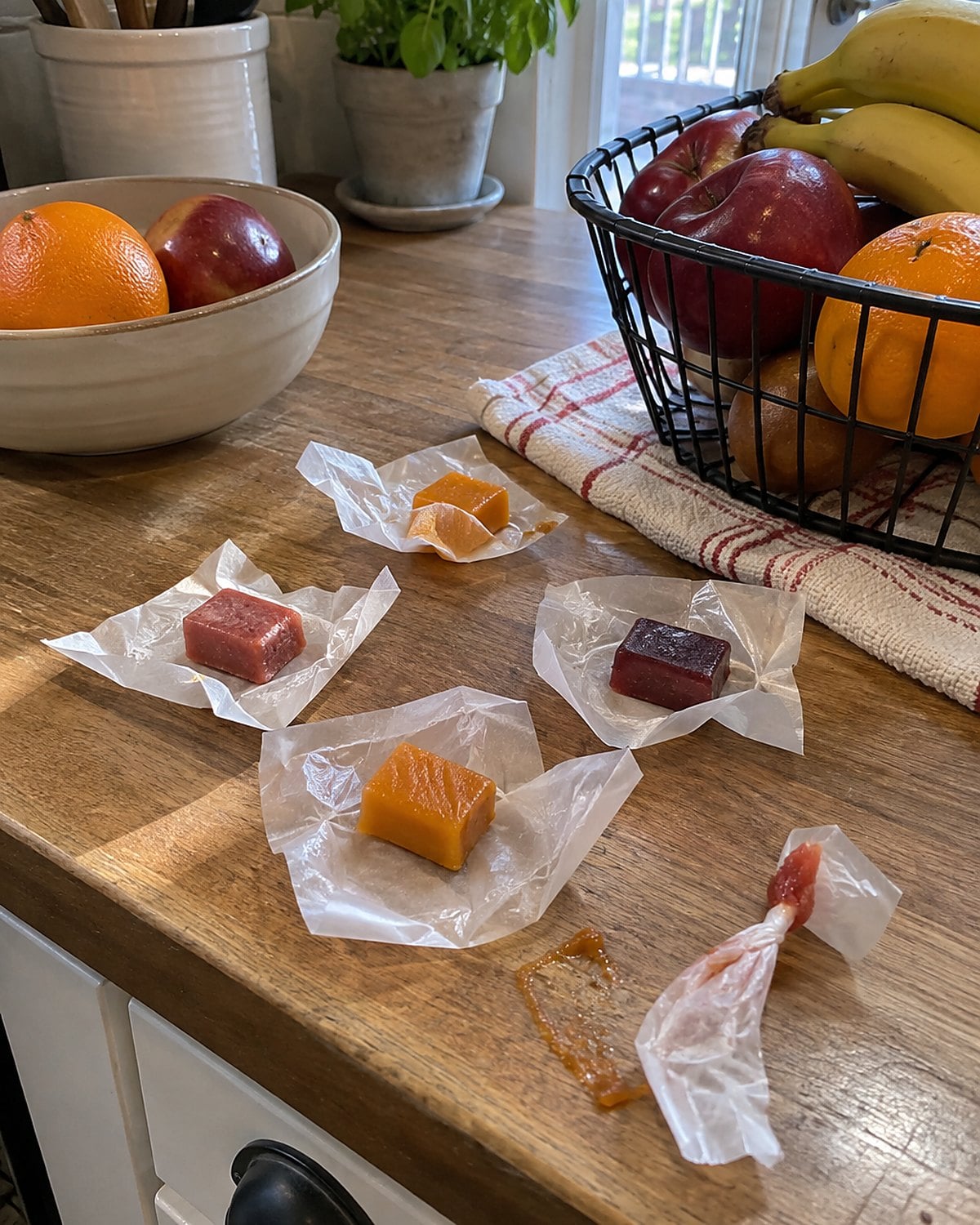
Starburst reached the United States in 1967, so it was already beside checkout lanes during the 1970s. The assortment you took home still mattered. A pink piece can't stand in for the lemon you always handed away.
Read the flavor names on today's package before opening it. Match strawberry with strawberry in your memory, rather than judging every color as the same fruit chew. Chew slowly and notice how long the fruit note stays after the first sweetness.
Where did you keep the package? A cold chew resists your teeth; a warm one gives way faster. Let today's candy reach room temperature before you decide its texture has changed.
The checkout lane also had magazines, gum and children ready to leave. None of that fits on an ingredient panel. The flavor name does, and it's the first comparison worth getting right.
#3 Sugar Babies in a paper bag
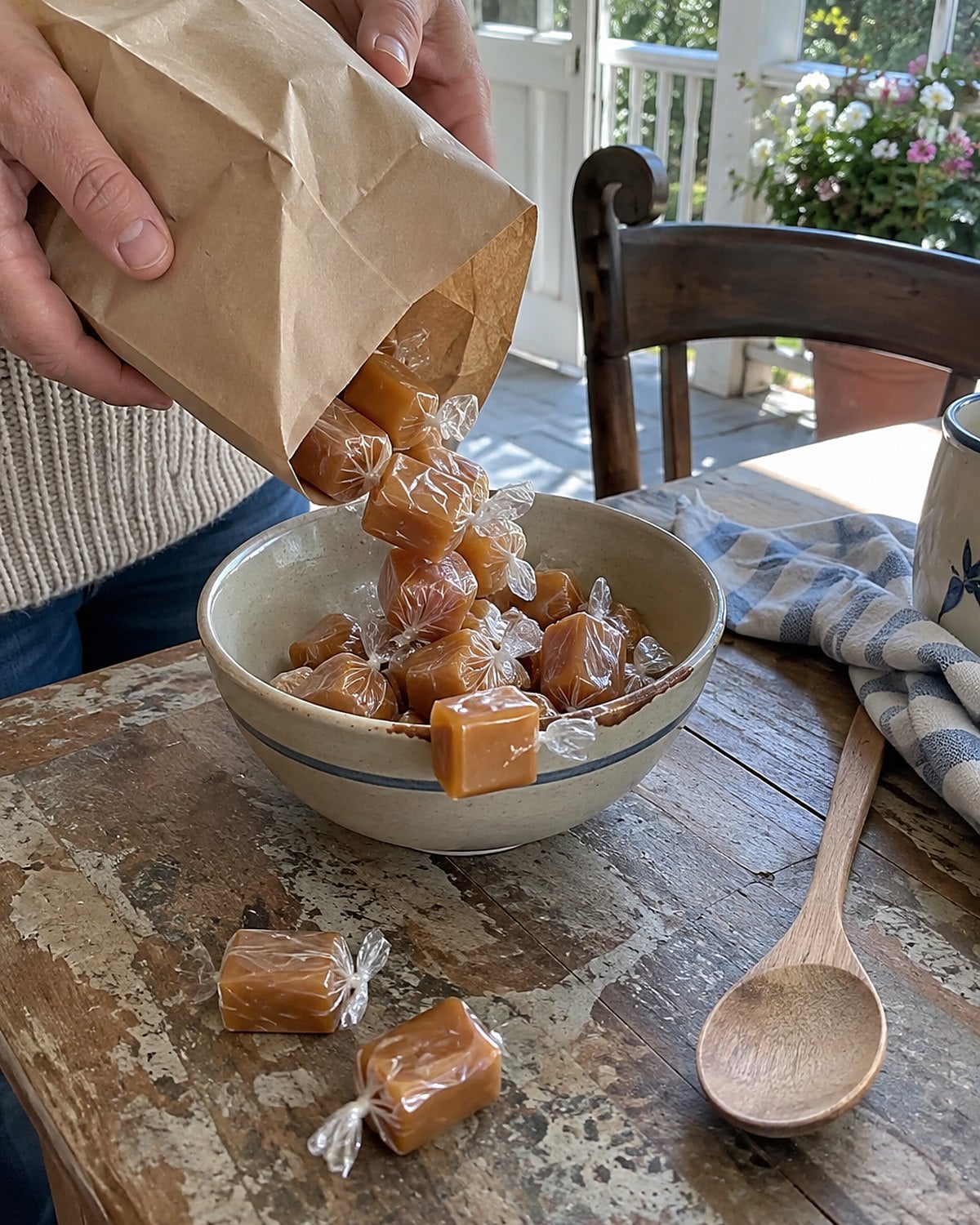
A paper bag from the candy counter let Sugar Babies warm against your hand. A box from a cool pantry gives those caramel candies a firmer first bite.
Open a fresh package and smell for caramel. Press one between finger and thumb. If it barely yields, let it reach room temperature before chewing. There's no prize for forcing a hard candy through the bite you remember as pliant.
Tip a few into a small bowl. Taste one without another sweet on your tongue, then notice how long the caramel flavor stays. Read the present ingredients if you want to know what's in the box.
An old ingredient claim needs an old package or a maker's record. Until you have one, the paper bag and its warmth are differences you can actually test.
#2 M&M's beside the warm stove
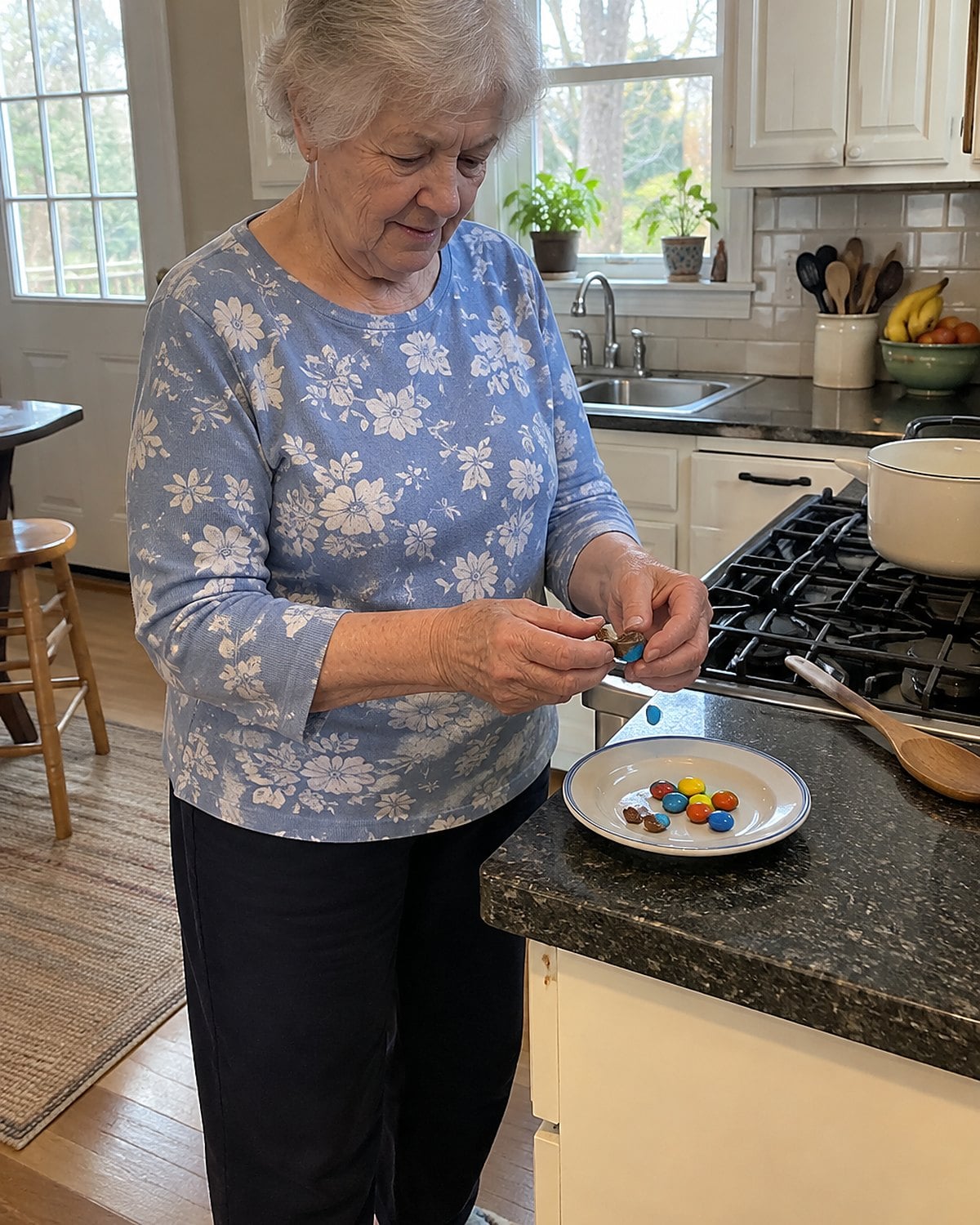
The shell puts colored candy outside and chocolate within. How much chocolate you taste starts with the version you bought. Plain M&M's and Peanut M&M's don't make a fair side-by-side test.
Choose the kind you remember. Break one open and taste the inside, then let another soften whole on your tongue. The shell reaches you first; chewing everything together changes the order.
Move the bowl away from the stove. Chocolate warmed by the stove light melts sooner than candy left in a cooler pantry, and the shell feels less distinct.
The colors hold a separate piece of history. Red M&M's disappeared in 1976 and returned in 1987. That changes the look of a remembered handful, though it doesn't explain its chocolate taste.
#1 The ingredient list on an old favorite
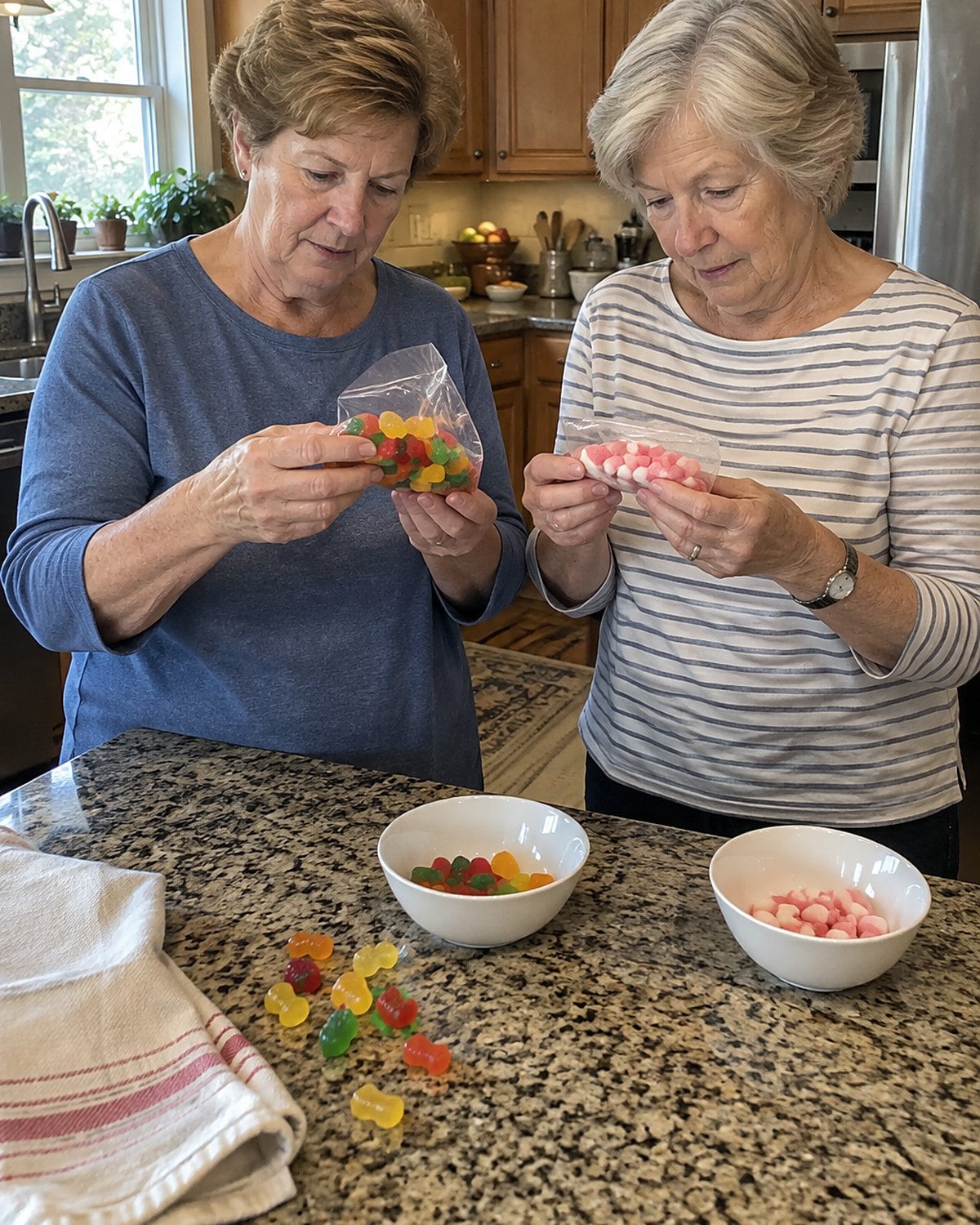
Turn over the package before you buy the candy you hope will taste like 1976. Check the full product name and variety. A familiar brand now shares shelf space with flavors and sweetener choices that weren't beside your childhood favorite.
Under FDA food-labeling rules, ingredients appear in descending order by weight. Put two current versions of the same snack side by side. If their first few ingredients differ, you have a concrete reason to expect different bites. Check the exact wording on the front, too.
Taste before you let the labels choose a winner. Set both products at room temperature, take a bite of each, then turn the packages over. Which difference did you notice without looking?
Neither current label proves what a 1970s package contained. For that, you need a dated old wrapper or a documented maker announcement. The USDA's FoodData Central describes foods and their nutrients; it isn't a record of every past candy recipe.
Keep the wrapper when you find a version you like. Next time, you'll know the exact product name instead of hoping the familiar logo leads you back to it.
The bottom line
Some recipes changed. Some names now cover several products. Other bites changed because the snack was colder, less crisp or served without the milk you remember.
You've kept the wrapper, matched the variety and tasted before reaching a verdict. That's a better comparison than asking one hurried bite to settle decades of memory.
Which package in your kitchen would you turn over first?

Leave a Reply