

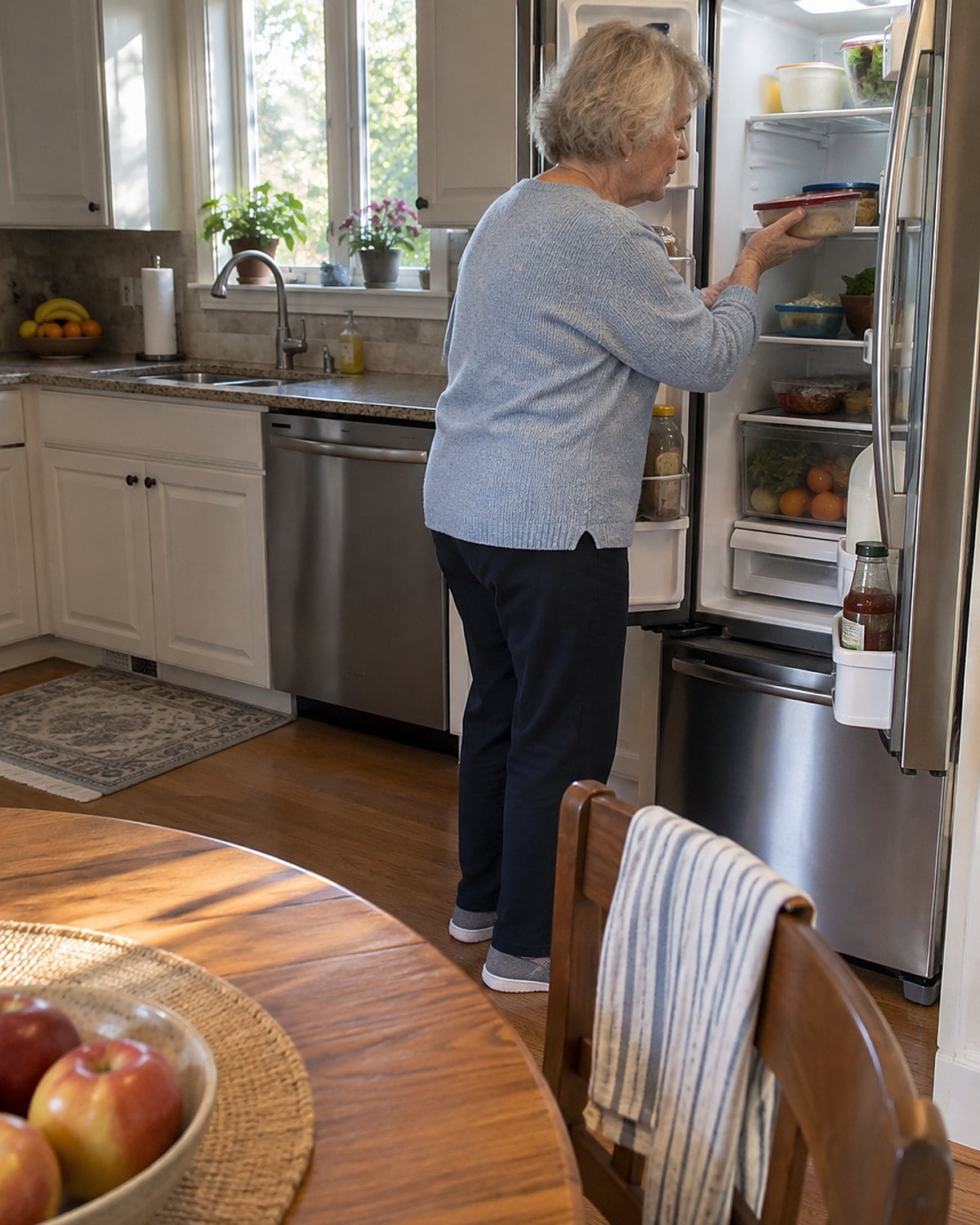
The refrigerator door swings open, and there's the bowl of rice from Tuesday behind half a pepper. A container of casserole sits on the shelf below. Neither looked like too much when you put it away. Together, they're another dinner you didn't mean to cook.
For years, the surest way to feed everyone was to make plenty. That habit served you well when someone came home late or brought a friend. Now plenty has a shorter deadline. The fix begins before anything goes into the pan.
#23 The serving spoon from family dinners
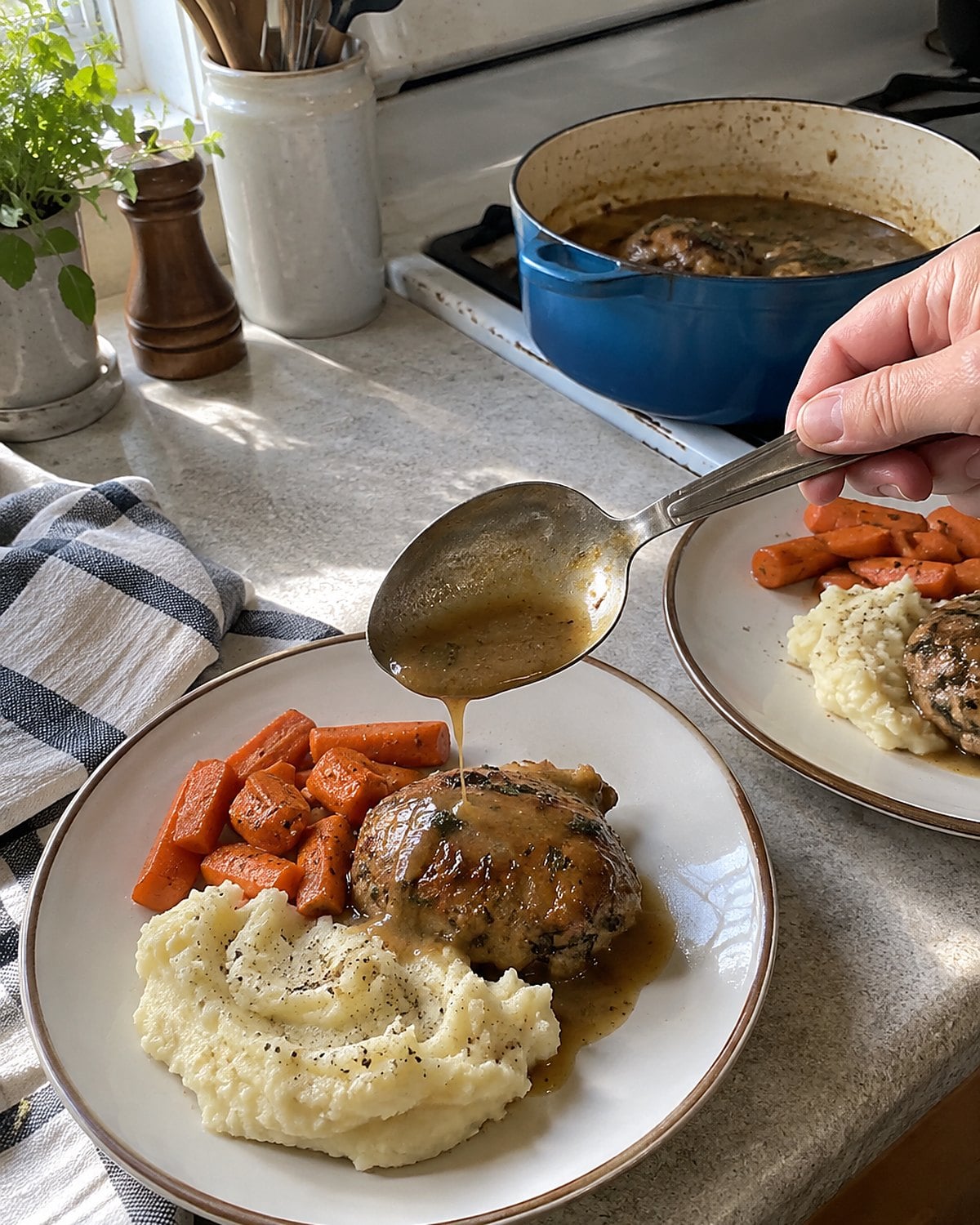
The big serving spoon knows the old household better than you do. It reaches into the pot and brings back the portion you served when dinner had to stretch. At a table for two, that same motion leaves enough behind for another meal.
Before cooking, put the plates you'll use on the counter. Picture the finished food on those plates, then decide what else you want left. A planned lunch has a destination. An extra spoonful with no destination has a good chance of sitting behind the milk.
You don't have to eat dainty portions to cook less. Take what you want, eat, and decide if you're still hungry. Serving from the stove rather than carrying the full pan to the table also makes the remaining food visible while there's still time to choose its next stop.
Tonight, set out the plates first. Give the old spoon something new to measure against.
#22 The fish fillets wrapped together
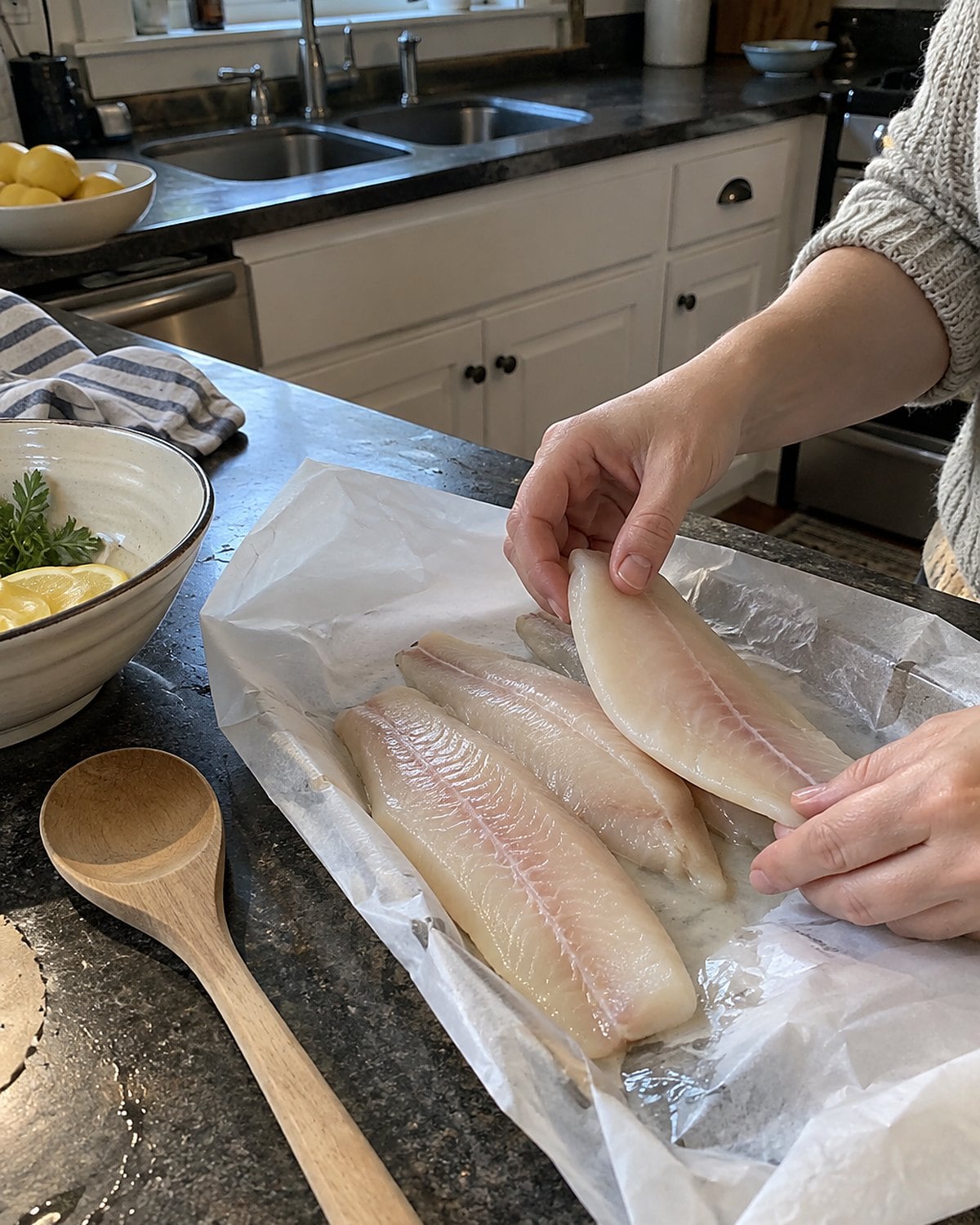
At the fish counter, the fillets look like separate dinners. In the wrapped tray, they're one purchase. If you only want one tonight, ask for the amount you need before taking a package home.
At a staffed counter, try: “Could you wrap these separately?” If the fish comes in a sealed pack, decide at home which portion you'll cook. Wrap the rest tightly, mark the date, and freeze it promptly. Don't leave the decision until the tray has sat in the fridge for several days.
The USDA's cold storage chart gives fresh fish 1 to 2 days in a refrigerator at 40°F or below. For frozen fish, follow the package's thawing directions or thaw it in the refrigerator, never on the counter. Check its thickest part with a thermometer when cooking; the USDA lists 145°F for fish.
A counter request takes less work than finding a use for extra fillets after dinner.
Try it: Flaky & Crispy Cod In The Air Fryer
#21 The half-filled cast-iron skillet
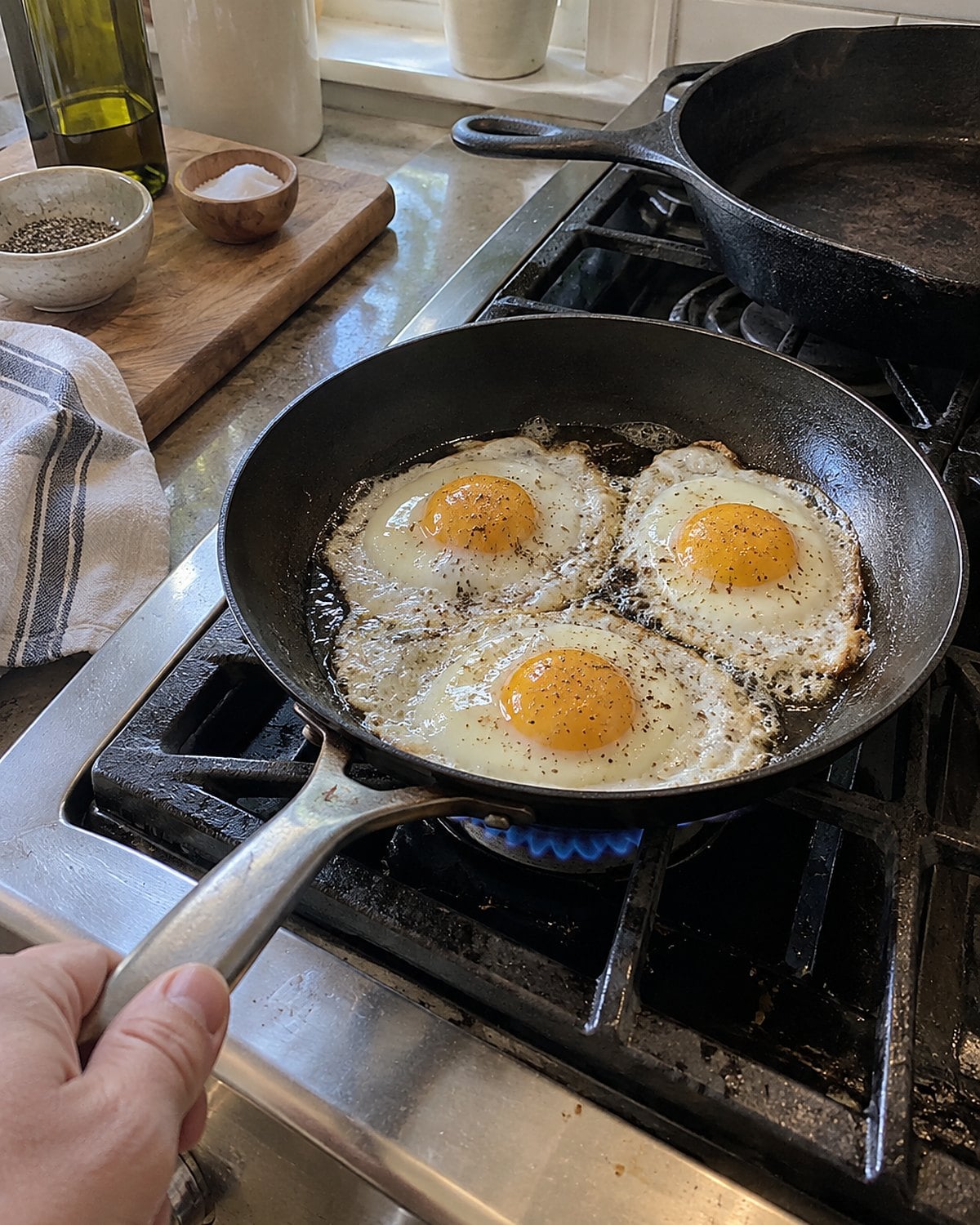
Why does a small dinner stick to the pan that handled Sunday breakfast for years? Look at the burner beneath it. A wide skillet over a narrow flame heats unevenly, and two cutlets leave a lot of bare metal exposed. That empty space gets hot while the food sits elsewhere.
Choose the smaller skillet when the food fits without crowding. Give each piece room to turn, but don't heat a huge pan for a small job. For sautéed vegetables, stir them across the hot part rather than leaving stray pieces at the edge.
There's a plain test: add a drop of water to the preheated pan. If it vanishes on contact, turn the heat down before adding oil. If it sits still, wait a little longer. Wipe the pan dry before the oil goes in.
The pan isn't offended by a smaller assignment. Keep the cast iron for the meals that fill it.
#20 The onion you cut in half
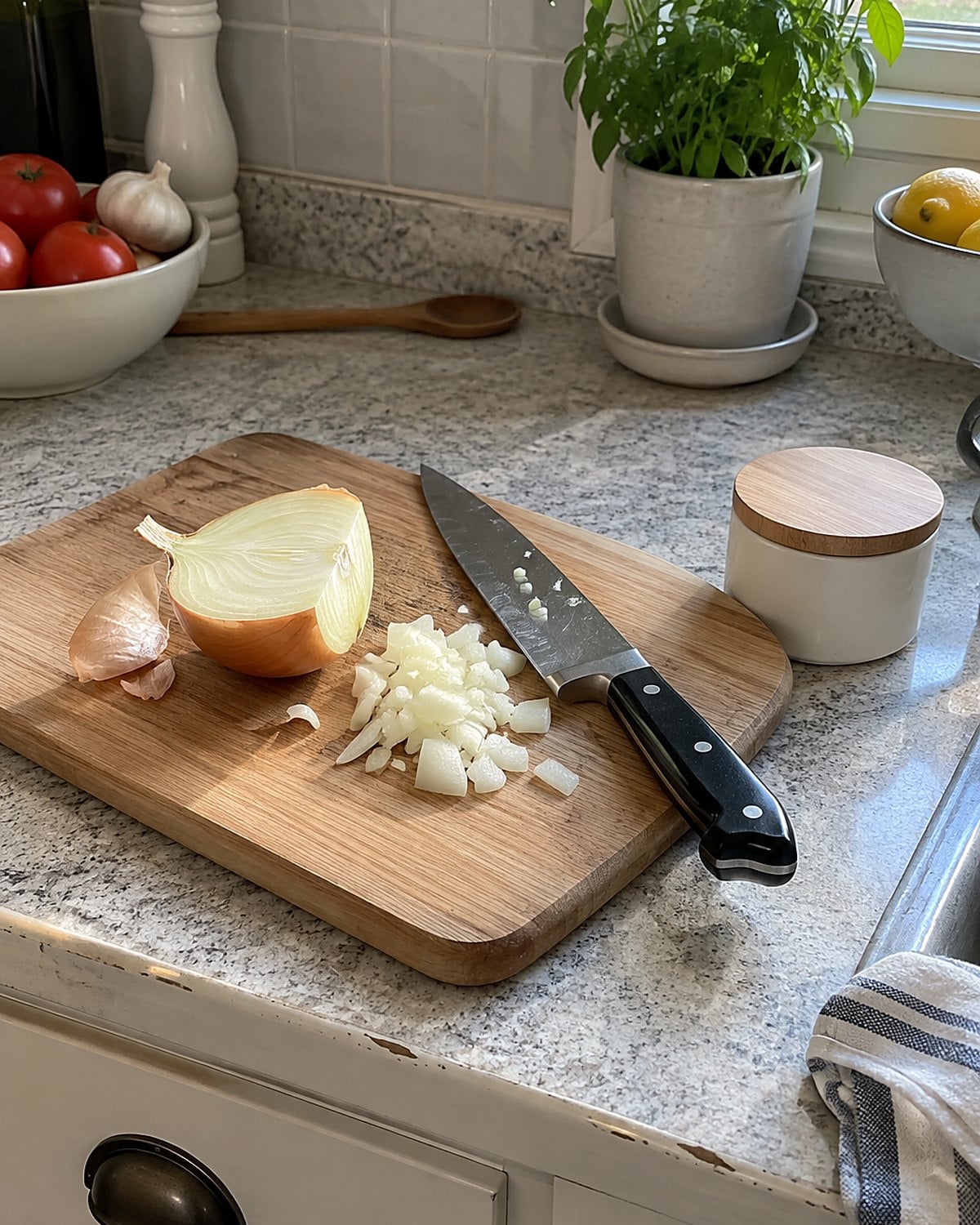
Half an onion waits on the cutting board while you decide whether to chop the rest. Old habit says yes. The second half then rides around the fridge until its edges dry out.
Leave it whole instead. Wrap the unused half, refrigerate it, and work it into the next meal. Or choose a smaller onion at the market. Loose onions let you buy the size your cooking calls for, rather than asking dinner to absorb the whole bag.
An onion cut for a pot of soup does a different job from one browned in a skillet. In soup, it softens among the other ingredients. In a wide pan, it gets direct contact with heat. If you need only part of a large onion for that pan, cooking all of it crowds out the browning you wanted.
Put the remaining half where you'll see it tomorrow. A clear container near the front of the fridge beats a tidy wrap at the back. Then use it in eggs, beans, or a pan sauce before you cut another.
#19 The freezer bag marked for Wednesday
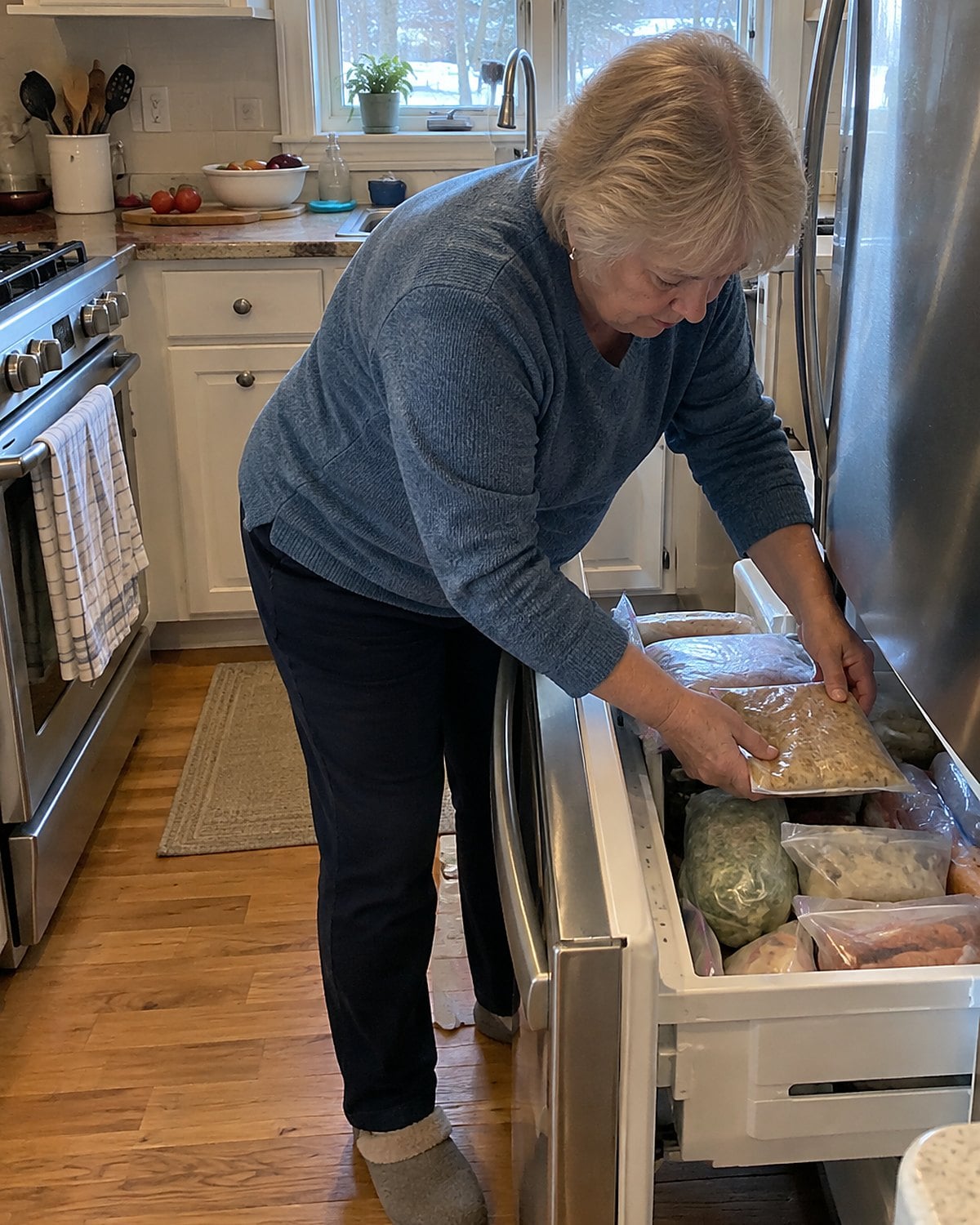
A freezer bag needs a job, not just a date. “Wednesday lunch” tells you more than “chili” when the drawer fills with meals you once meant to eat.
Write the dish and the intended meal on the bag. Freeze it in the amount you actually serve at that meal. A large tub asks you to thaw another family dinner; a smaller packet answers a lunch question. Leave room for liquids to expand, and place bags on a tray until they're solid.
Check the freezer before shopping. Pull forward a meal you'd like this week and put it on the plan before buying ingredients for something new. You don't need to clear the freezer in a heroic weekend.
You need to know what's in there while it still sounds good.
#18 The soup pot filled to its old line
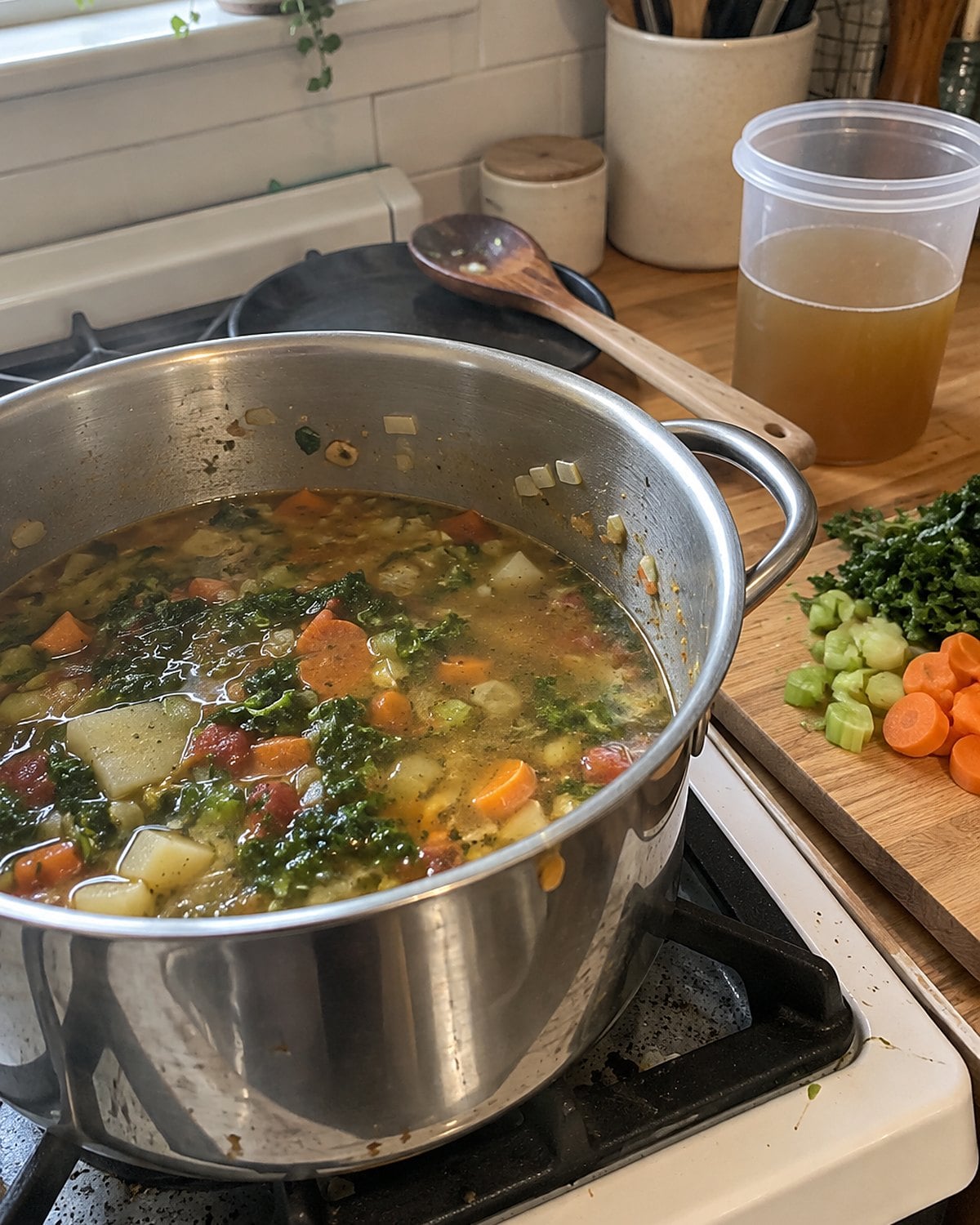
You reach for the broth carton before looking at what's already in the soup pot. The vegetables and canned tomatoes will add liquid of their own, yet your hand remembers the old fill line.
Start with less broth than your old recipe calls for. Add more after the solids soften, just until the soup has the body you want. You can pour in more. You can't get it back out without cooking the soup down.
Taste at the end, after the broth has spent time with the beans, meat, or vegetables. A small pot changes fast: a pinch of salt or squeeze of lemon shows up sooner than it did in the family-sized batch. Add a little, stir, and taste again.
If you're keeping soup for later, divide it into shallow containers so it cools promptly. The USDA's leftovers guidance says to refrigerate leftovers within 2 hours and use refrigerated leftovers within 3 to 4 days.
That pot still has work to do. It just doesn't have to reach the old line.
#17 The butcher counter and a single chop
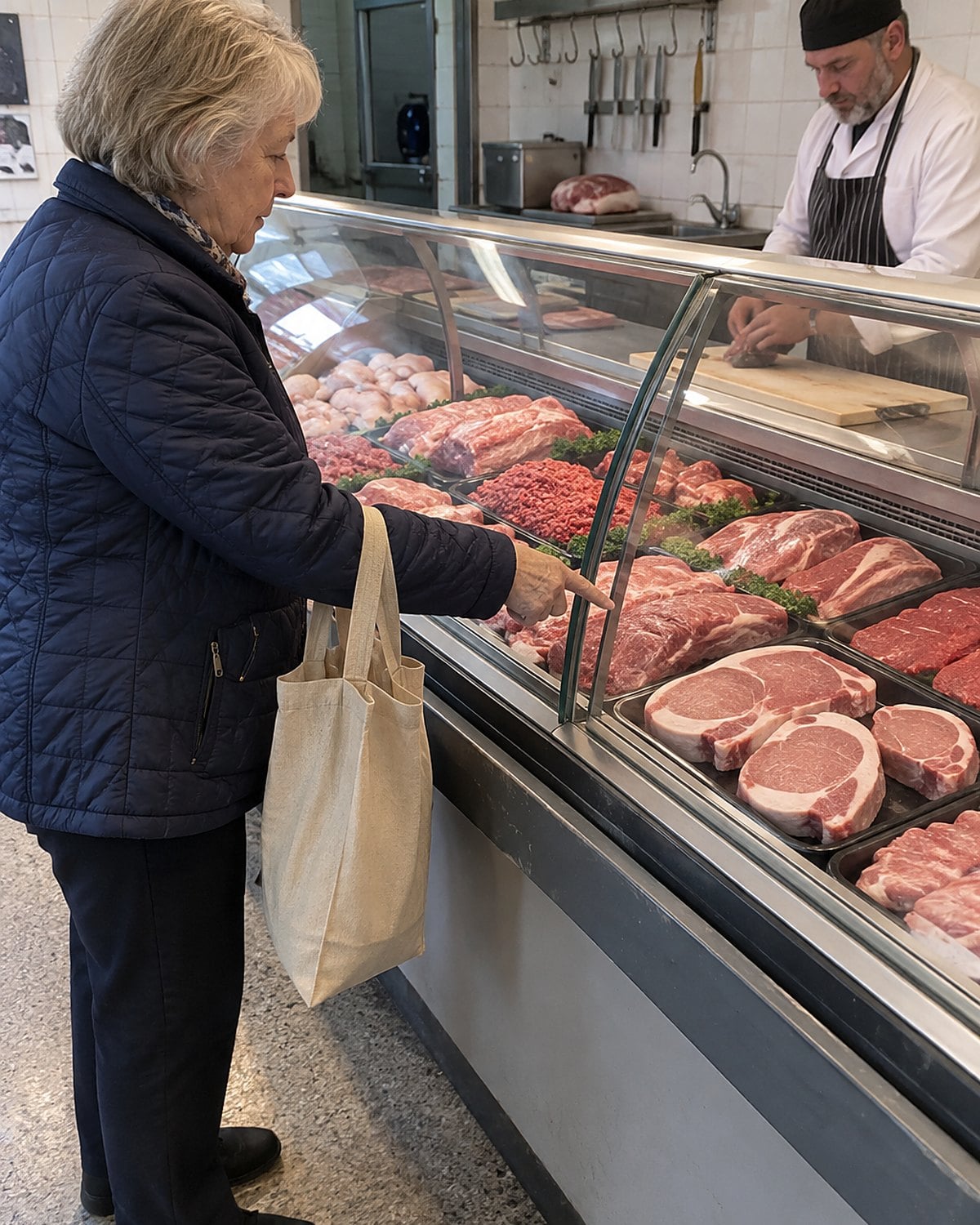
“I'd like one thick chop.” You can say that at the meat counter. The packages on display aren't the only amounts the store sells when there's a staffed counter.
A thick chop gives you more control than thin chops that dry out before the outside browns. Ask what the butcher can cut or separate, then compare the price per pound on the sign. If the counter has no smaller amount available, walk away with a different dinner. No purchase deserves a rescue plan.
At home, put a thermometer into the thickest part, away from bone. USDA guidance calls for 145°F for a whole pork chop, followed by a 3-minute rest. The rest belongs in the timing, even when there are only two plates waiting.
Buying one chop isn't a request for special treatment. It's buying the dinner you meant to cook.
Try it: Instant Pot Air Fryer Pork Chops With Maple Mustard Glaze (No Breading)
#16 The thermometer in the smallest cutlet
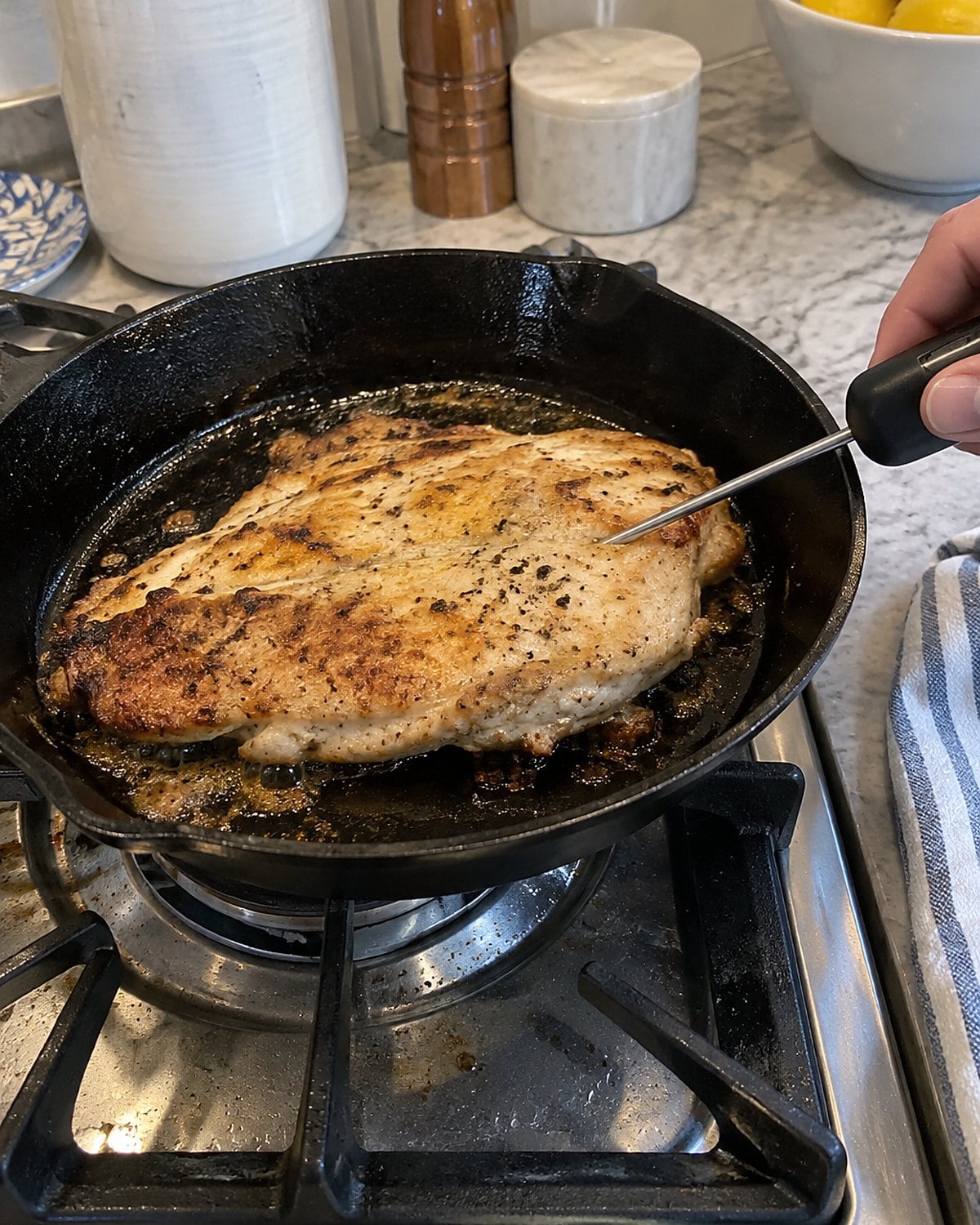
Two thick chicken cutlets still need to cook through, even when the old pan held six. Thickness matters more than the number of pieces. Keep your thermometer close enough to use before the food looks done.
Insert it from the side of a thin cutlet so the tip reaches its thickest part. Avoid touching the pan with the tip; that reads hot metal, not dinner.
Chicken needs to reach 165°F, according to the USDA's safe temperature chart. Cutlets also cook unevenly when one end is thick and the other is thin. Pound the thick end until the piece is more even, or fold the thin end under before it goes into the skillet.
A timer reminds you to look. The thermometer tells you when to stop, without sacrificing the thinner end while you wait for the middle.
Try it: 23 Easy & Tasty Chicken Recipes For Two
#15 The leftover container behind the milk
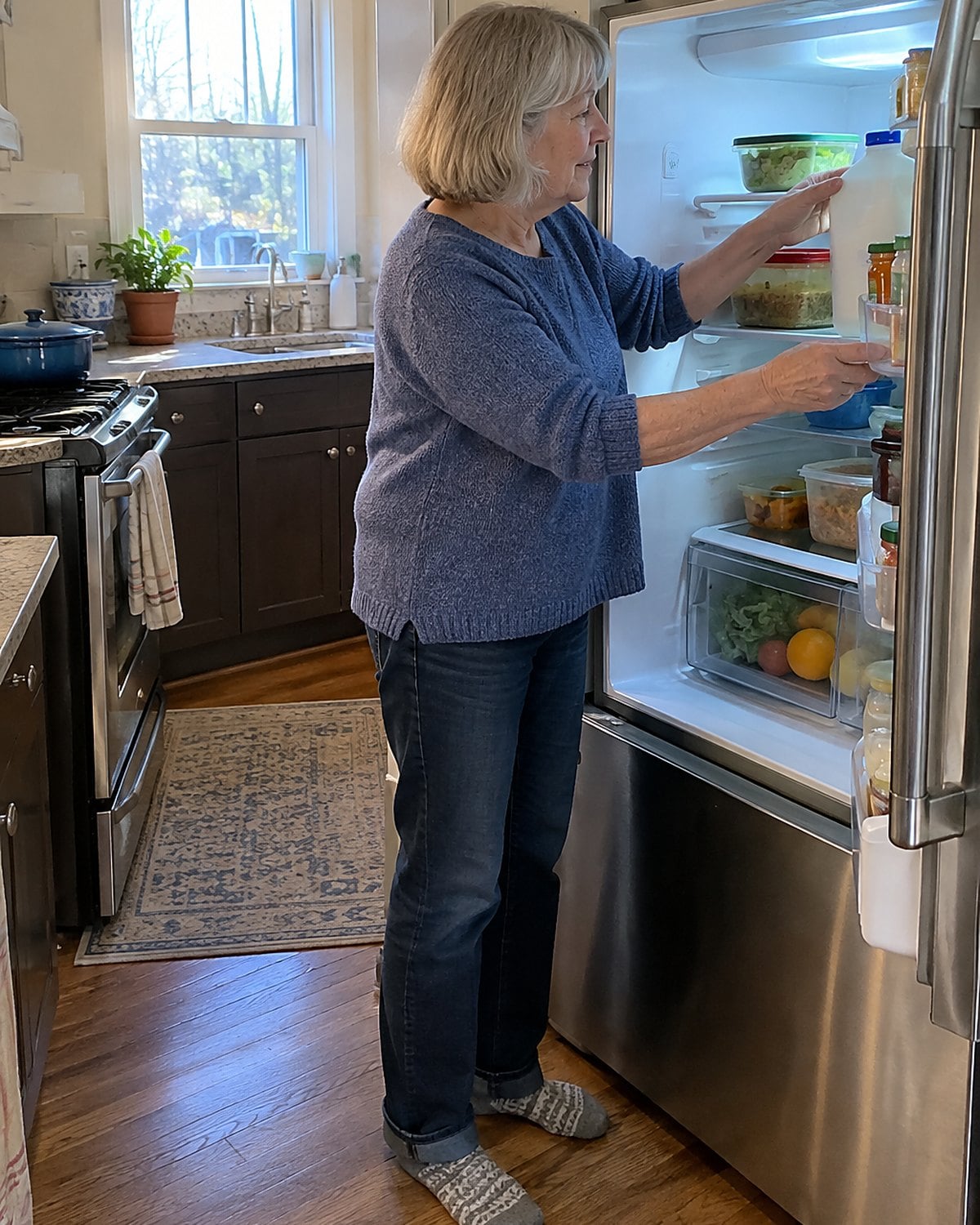
The back of the refrigerator is where good intentions lose to newer ones. A container goes in after dinner, then a carton of milk moves in front of it. By the time you remember the food, you're trying to recall which night you made it.
Put leftovers in shallow containers and refrigerate them within 2 hours. Keep the refrigerator at 40°F or below, and use cooked leftovers within 3 to 4 days, following the USDA's cold storage guidance.
Then give the containers the easy shelf. One spot near the front means you'll see what's already cooked before starting another dinner. A strip of tape with the cooking date settles the Tuesday-or-Wednesday argument in a glance.
If tonight's leftovers won't fit into the next few days, freeze them tonight. The fridge isn't a waiting room for a plan you haven't made.
#14 The church cookbook casserole pan
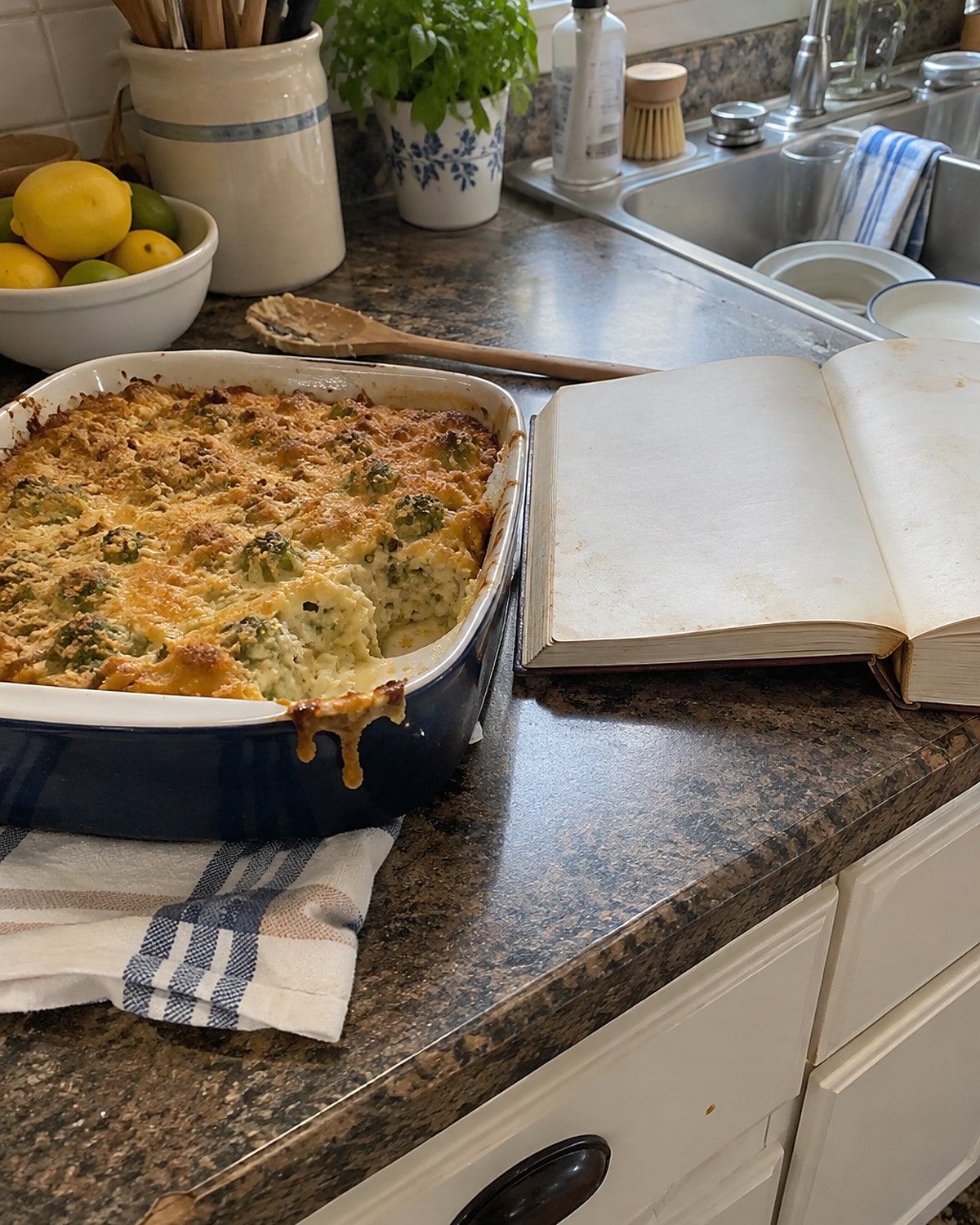
The church cookbook with the broken spine still opens to the casserole you made when the kids were home. Its instructions name the same big baking dish you used then. Halving the ingredients feels sensible, right up to the moment you spread them across that dish.
A thin layer heats and dries differently from a deep one. Use a smaller dish so the food sits at about the depth you remember. Check sooner than the printed time, because the amount and the dish have changed. Look for the bubbling or browning that belongs to that particular casserole.
Be careful with raw meat and poultry in an old recipe. The page's baking time doesn't replace a thermometer. Use the USDA's safe-temperature guidance for the meat inside.
And give yourself permission to make the full casserole when someone will take half home. Ask before you cook: “Would you want some for tomorrow?” A yes gives the extra pan a destination. Silence isn't a storage plan.
The stained page earned its place in your kitchen. The dish size is the part you get to rewrite.
#13 The rice scoop beside the stove
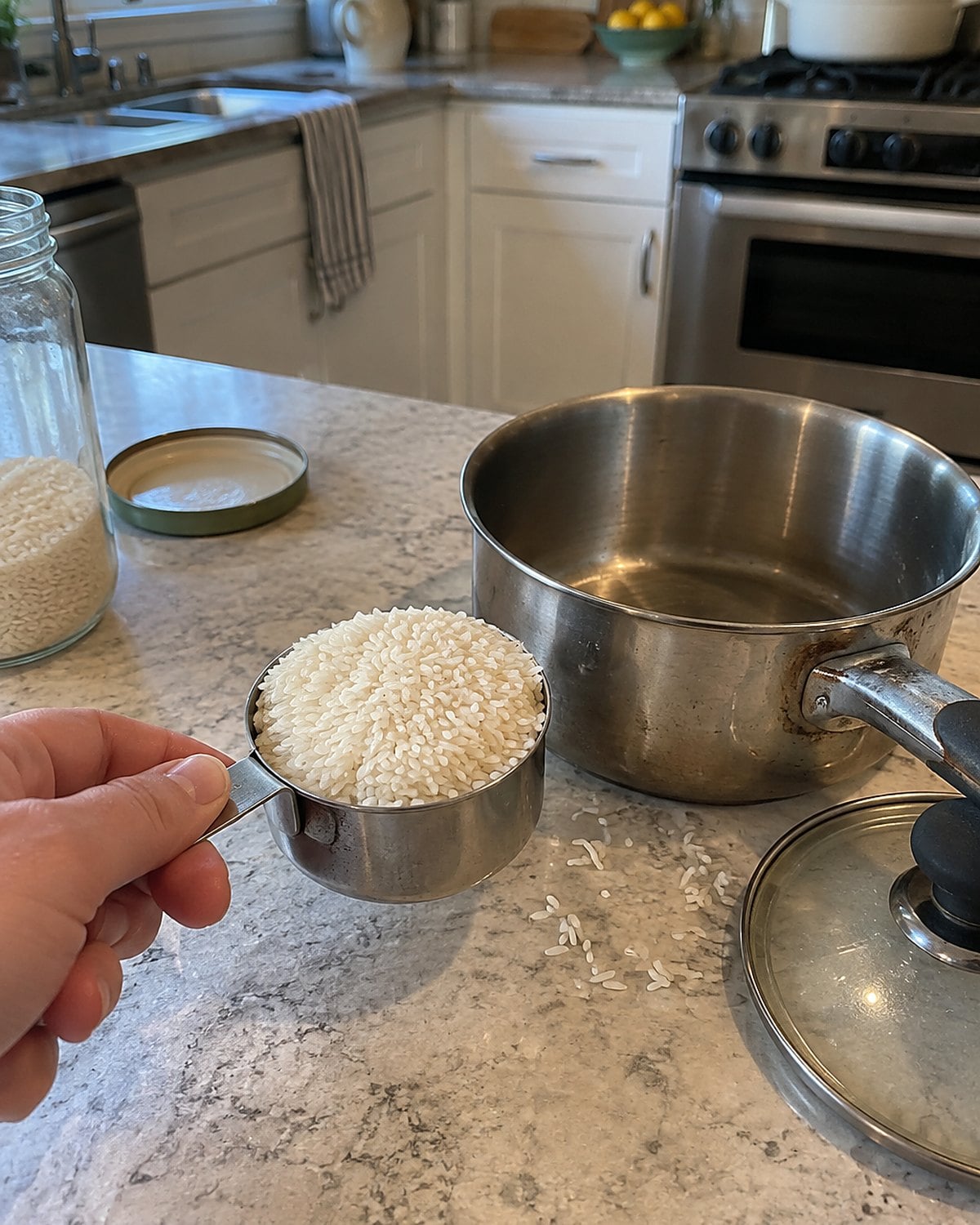
Dry rice looks too small in the measuring cup. You've seen what happens next: you add another scoop, dinner ends, and a mound of cooked rice remains.
Rice takes up water and expands as it cooks. Measure the dry amount against the meals you have in mind, not the empty space in the pot. For 2 people, begin with ½ cup dry rice if it's a side dish, then adjust the next time to match your appetites.
Keep the rice variety and its package directions together. White rice and brown rice don't use identical cooking times or water amounts, and the markings on a rice cooker aren't a substitute for knowing which rice went in.
Leftover rice calls for prompt cooling and refrigeration, just like other cooked food. Spread it in a shallow container rather than leaving a full pot on the stove while you clean up. The habit of measuring before cooking saves more effort than finding a purpose for another bowl afterward.
Try it: How To Cook Rice In Instant Pot
#12 The Sunday roast on Tuesday
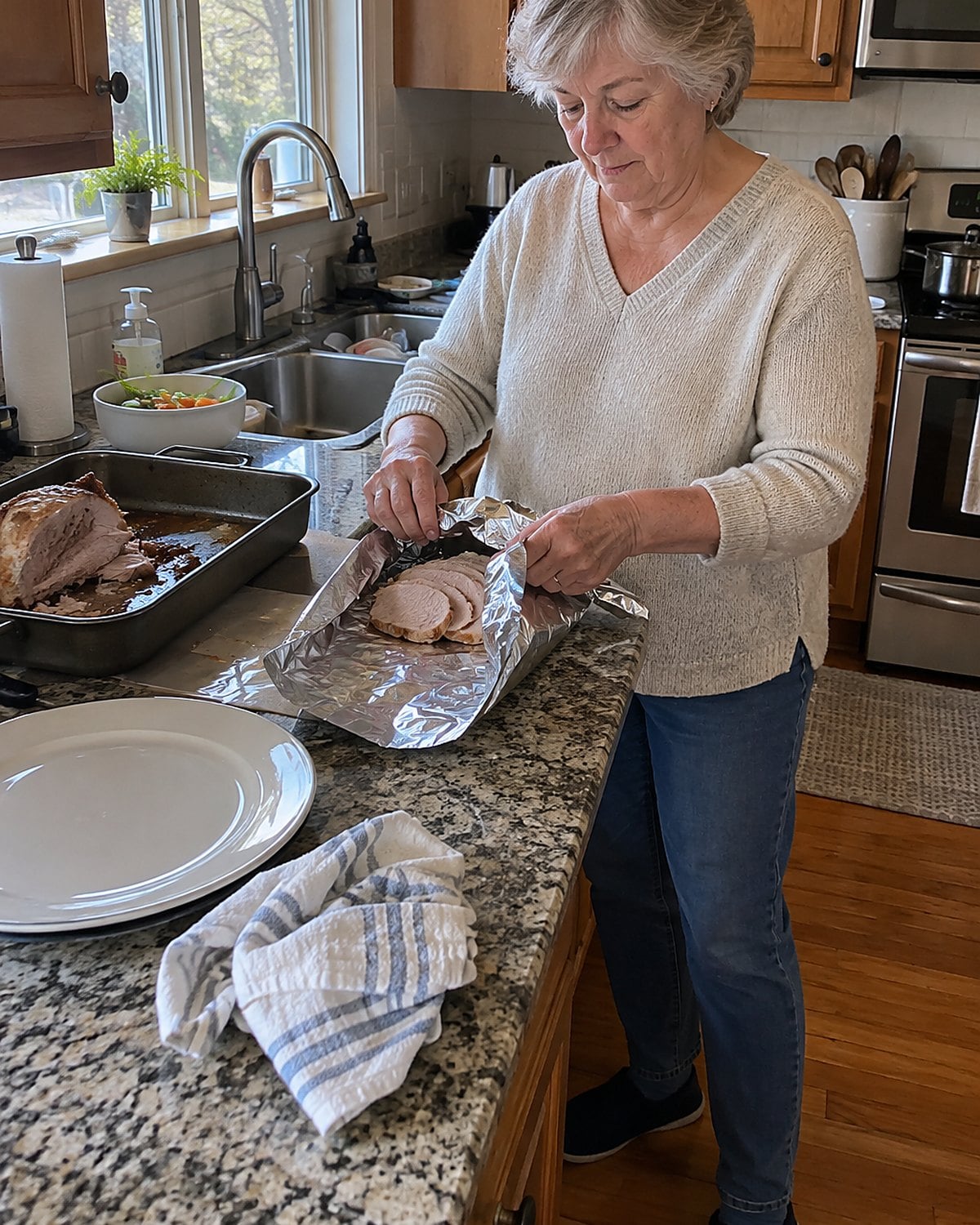
The roast comes out on Sunday. You carve what the two of you want, put the rest away, and picture sandwiches later. Then Tuesday fills up. By Thursday, the roast has become a question rather than dinner.
Choose its next meals before it goes into the oven. A Sunday roast that becomes Monday sandwiches and Tuesday hash has a workable route through the week. Slice or portion the remainder after dinner, refrigerate it promptly, and mark anything headed for the freezer.
Don't plan a week of refrigerated meals around Sunday's cooked meat. The USDA's cold storage chart gives cooked meat leftovers 3 to 4 days in a refrigerator at 40°F or below. Freezing a portion early leaves you a better choice for a later date than trying to stretch that clock.
There is still pleasure in cooking a roast you know by heart. The difference is deciding who will eat it, and when, before you buy a cut sized for the old Sunday table.
#11 The tablespoon of tomato paste
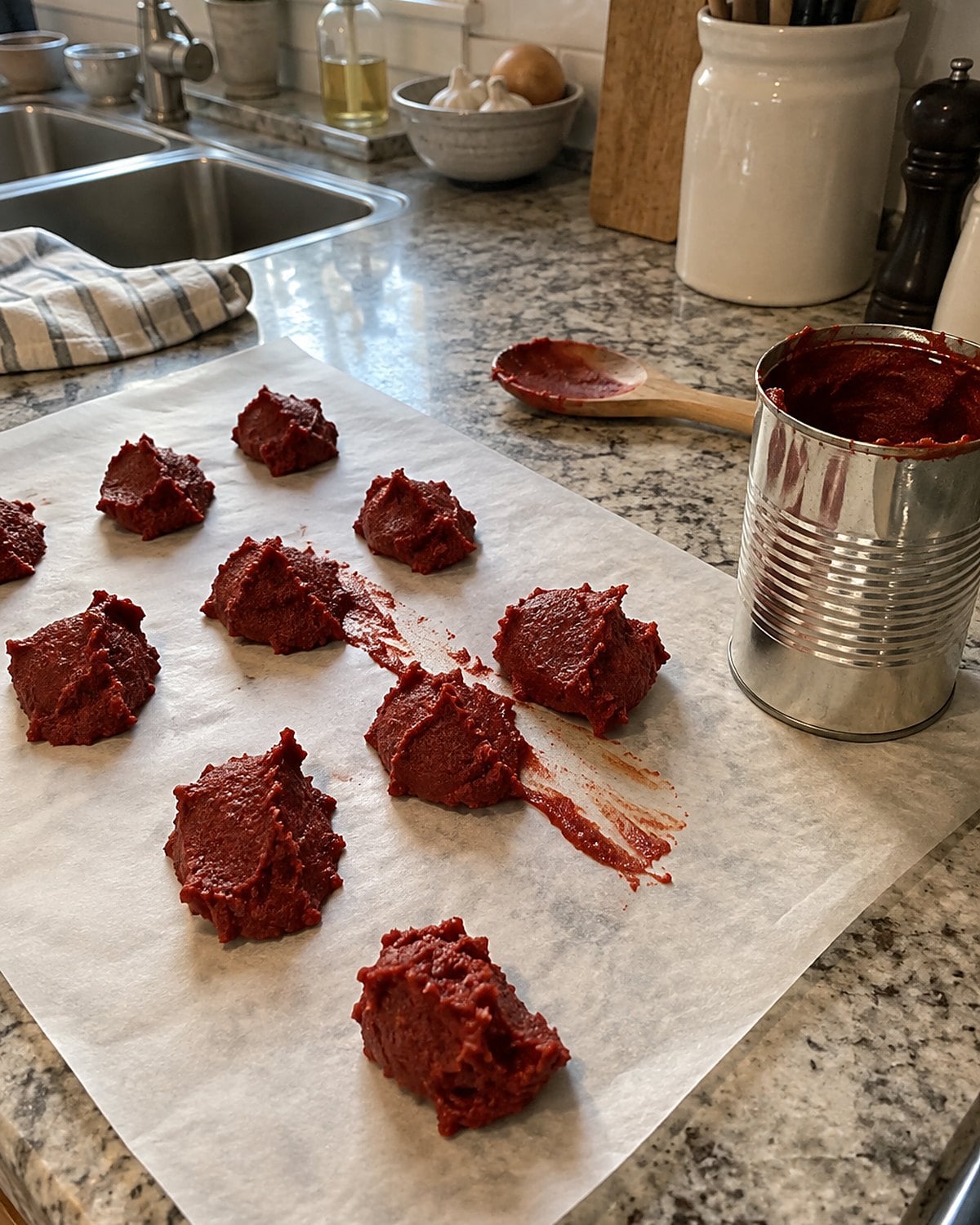
The recipe asks for a spoonful of tomato paste. The can gives you far more, and the rest waits in the fridge under a folded bit of foil.
Measure portions of the remaining paste onto parchment, freeze them until firm, then move them to a dated freezer bag. You can also flatten the paste inside a bag and break off a piece when needed. Either way, the next sauce gets paste without opening another can.
Cook the paste in the pan with the onions or oil before adding liquid. It darkens and loses its raw, tinny edge. That short step brings more to a small sauce, where every ingredient is easy to taste.
Before you freeze the rest, look at how much paste the dish actually needs. A sauce for two doesn't have to swallow the can to save it. Keep the unopened cans for nights when the recipe calls for more.
A tablespoon sounds minor until it keeps asking you to open another can.
#10 The colander full of washed greens
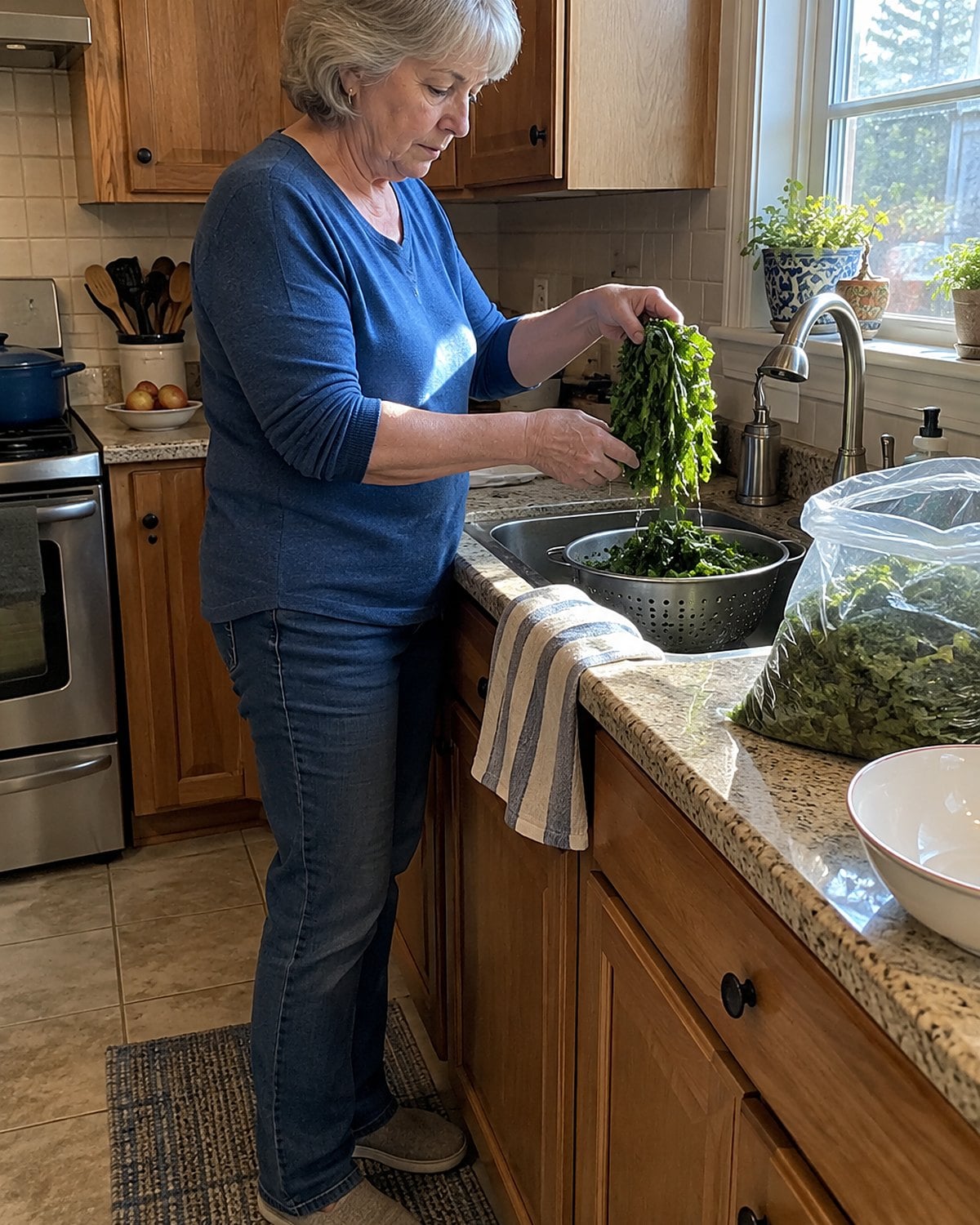
A whole bag of greens looks manageable at the sink. Then you wash it, dry it, and realize dinner only needs part. Wet leaves packed back into the bag deteriorate faster than the dry ones you left alone.
Wash the amount you'll use now. For the rest, remove any crushed or slimy leaves, close the bag, and refrigerate it. When you do wash greens ahead, dry them thoroughly. A salad spinner earns its cupboard space here; a clean towel works too.
For cooked greens, skip the enormous pot of water when you need a small serving. Put the leaves in a wide pan with a little oil, stir as they wilt, and stop when the stems reach the tenderness you like. Taste before adding more salt. As the leaves shrink, the seasoning becomes more concentrated.
There is a difference between making prep easier and assigning yourself a whole bag at once. At the sink, wash what dinner needs. Leave tomorrow's greens out of tonight's dishwater.
#9 The open can of beans
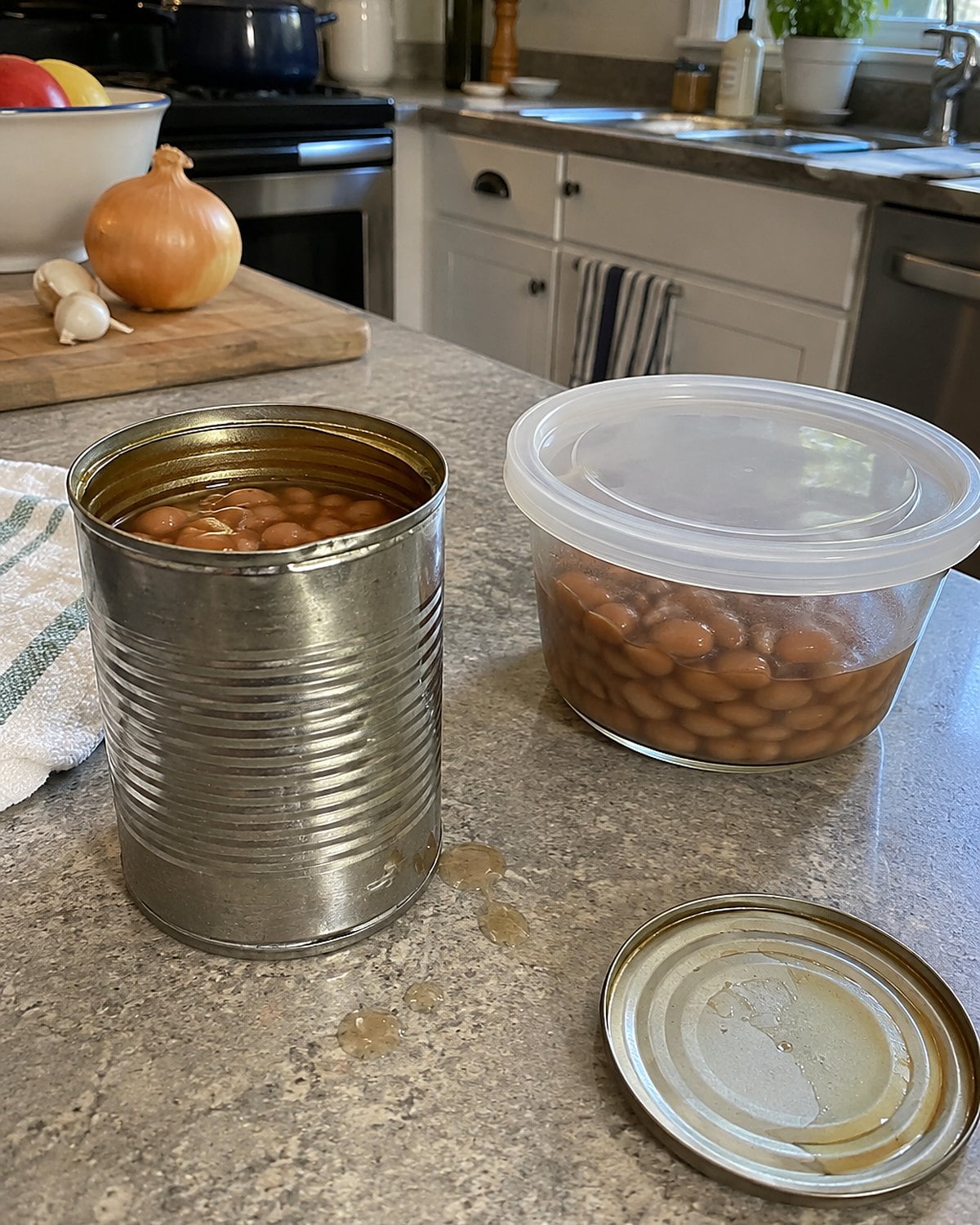
Half a can of beans has an awkward way of turning into a chore. You add the whole can to a small pot of chili so you won't have to store the rest. Now the chili is twice the size you intended.
Empty the can and put the amount you need into dinner. Move the remainder to a covered container and refrigerate it right away.
Give the leftover beans a named job soon: beans with eggs, a quick salad, or a spoonful mashed into a sandwich spread. The USDA FoodKeeper is where to check storage guidance when an opened ingredient leaves you unsure.
Rinse canned beans when you want a cleaner flavor in a salad. For soup, a little of their packing liquid gives the broth body. Taste before salting either dish; canned beans already bring seasoning to the pot.
The can is an ingredient, not a command to make more chili.
#8 The Instant Pot minimum-liquid line
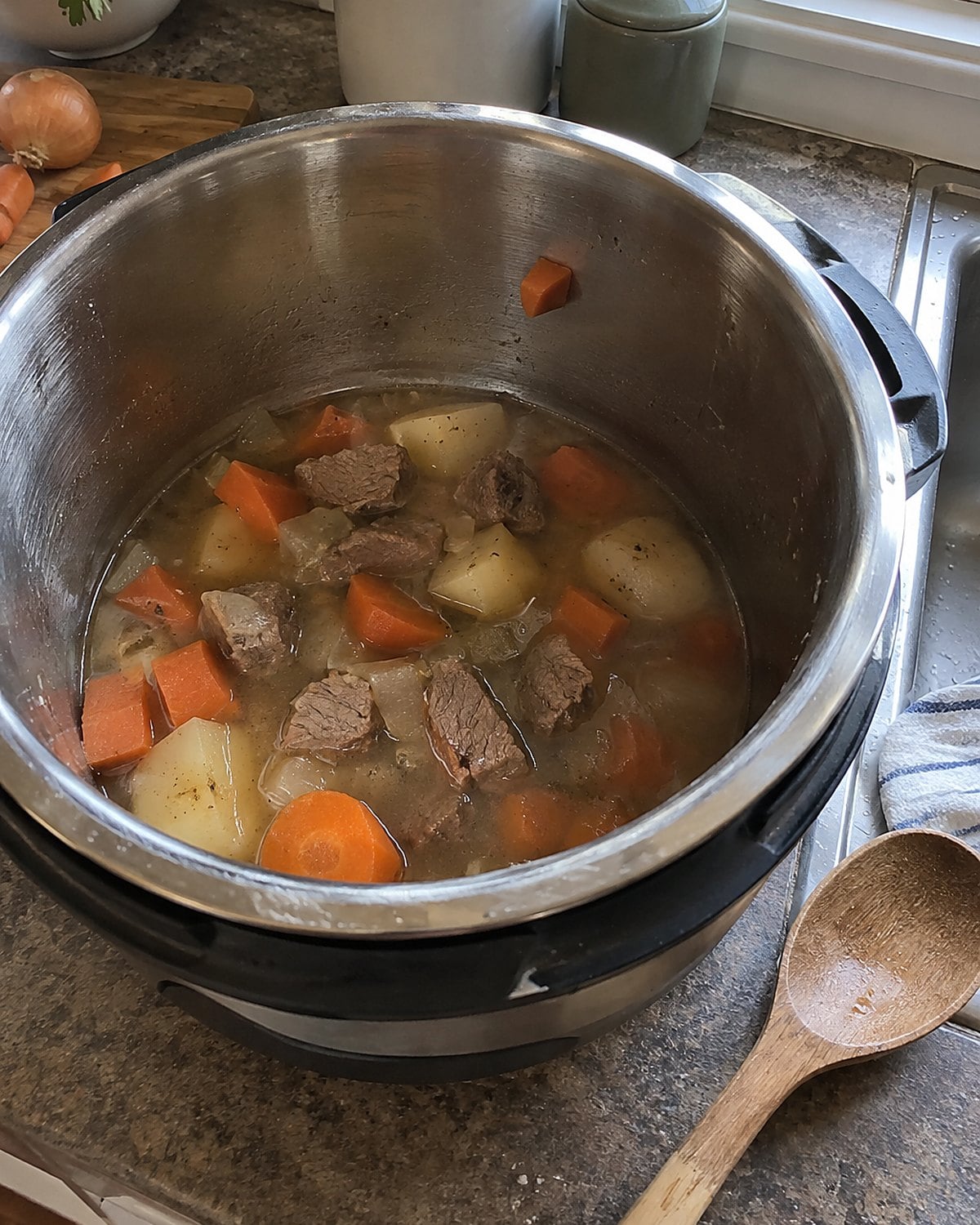
Your pressure cooker doesn't shrink along with dinner. Cut a stew recipe too far, and there won't be enough thin liquid for the pot to build pressure. Thicken the sauce before cooking, and it can stick to the bottom while the machine is trying to heat.
Read your model's manual for its minimum-liquid requirement. That number belongs to the pot, not the recipe you're scaling down. Put thin liquid at the bottom, scrape up browned bits before locking the lid, and save thick sauces for after pressure cooking.
For a small portion, the stove wins some nights. A skillet gives you room to see a sauce reduce, and there's no pressure cycle to wait through. On other nights, use the Instant Pot to cook a batch of beans, then freeze the cooked beans in amounts your household actually eats.
The question isn't which appliance deserves the job. Ask which one leaves you with dinner, rather than a second pot of food to manage.
Try it: Instant Pot Chicken Stew With Leeks, Carrots & Peas
#7 The pan sauce for two cutlets
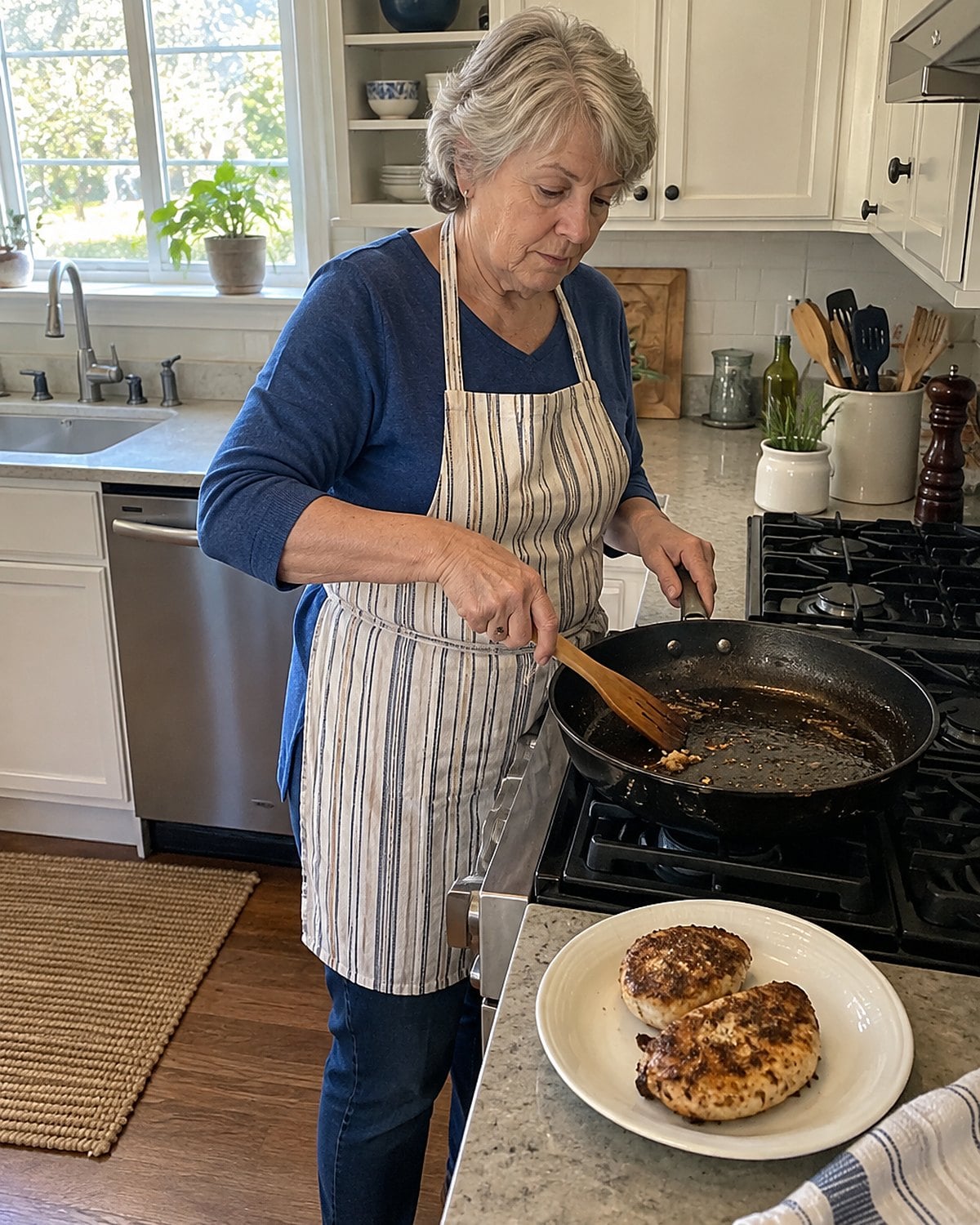
You lift two browned cutlets from the skillet. All those browned bits are still there, but you pour in the same amount of liquid you used for a full pan of chicken. Dinner waits while the sauce boils down.
Start with a small splash of water or broth. Scrape the browned bits free, let the liquid reduce, then taste. Add a little butter at the end if the sauce needs richness. Turn off the heat before it disappears into a sticky ring around the skillet.
A sauce for two doesn't need a saucepan of its own. The browned pan has already done the hard work. Use it while it's hot, and stop when there's enough to spoon over the cutlets on the plates in front of you.
#6 The grandchild's Saturday high chair
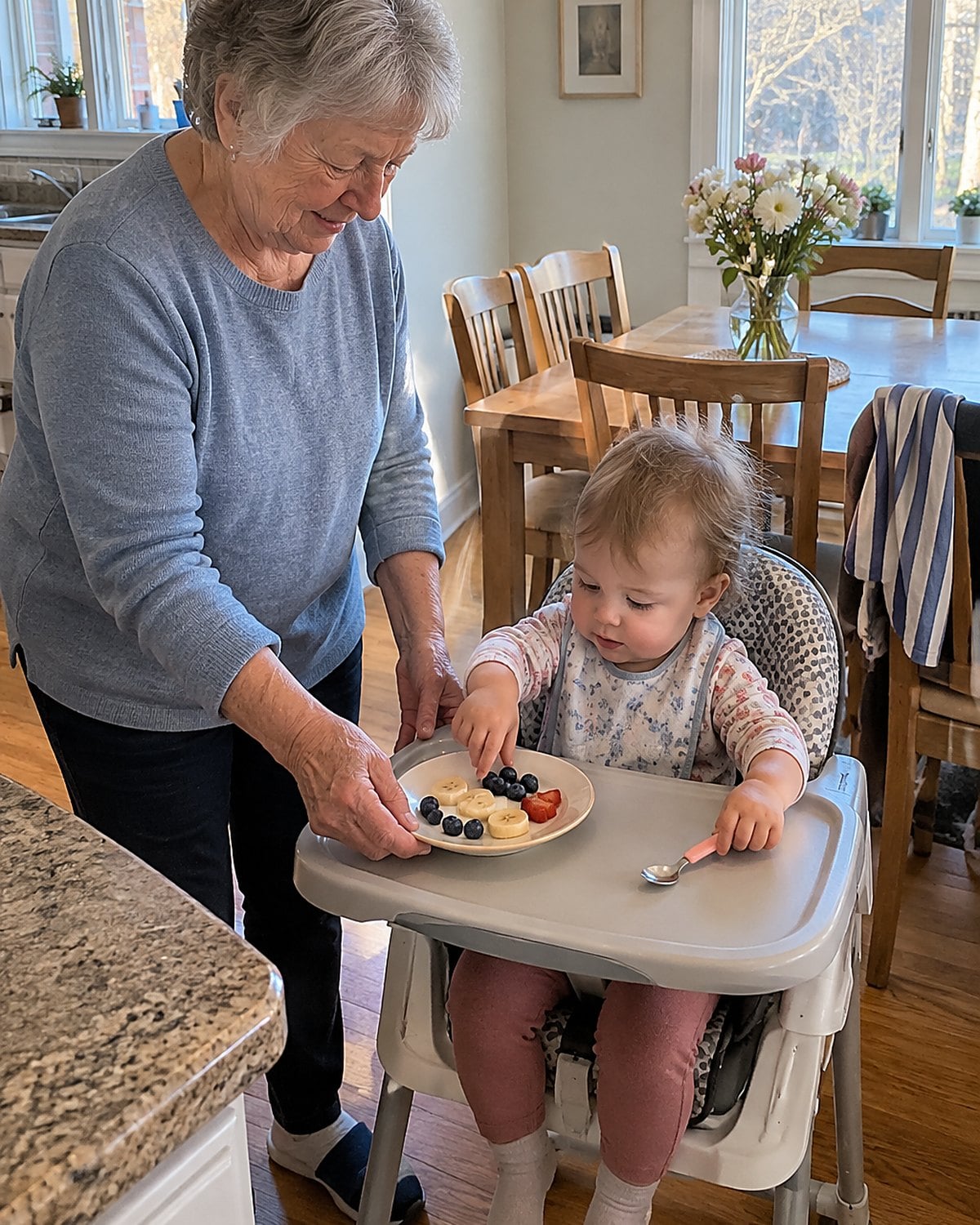
The high chair comes out of the closet on Saturday, and the old family-cook reflex comes out with it. Someone is visiting, so you buy as though the house has filled up for the week. By Monday, there are cut grapes, extra rolls, and a casserole nobody requested.
Ask the grown-ups what the child is eating now and when they're arriving. Then plan the visiting meal, not an entire visiting pantry. Keep a familiar fallback on hand if that makes the day easier, but don't build a second menu around a guess.
For young children, food shape matters as much as what you've cooked. The CDC's choking prevention guidance addresses foods such as whole grapes and other round, firm pieces. Follow the child's caregiver on how food is being served, and sit with the child while they eat.
You can still make the dish everyone asks for. Send portions home only after someone says they want them. The high chair leaves on Saturday; the leftover casserole stays with you.
#5 The crisper drawer full of carrots
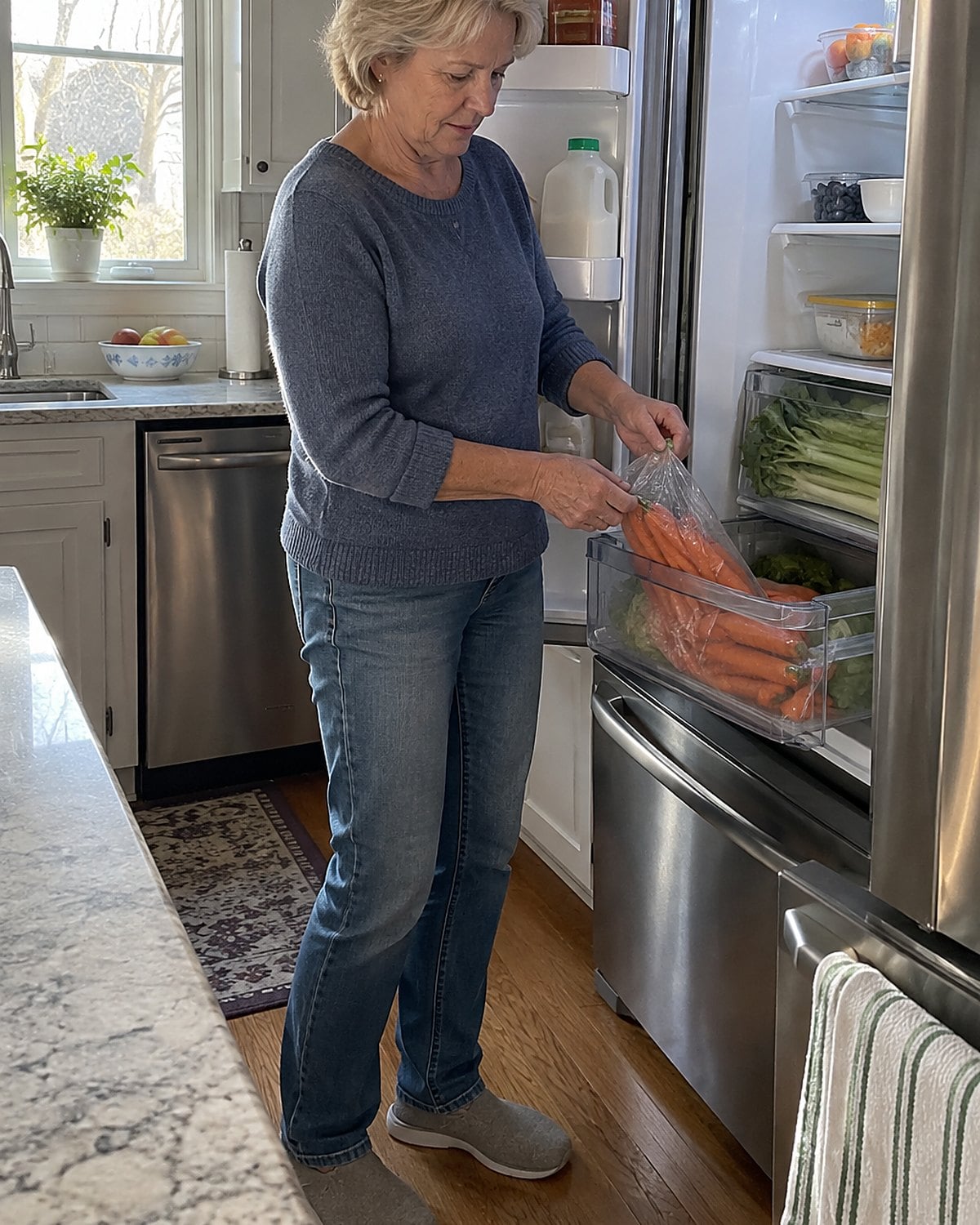
The crisper drawer hides abundance well. You pull out a bag of carrots for tonight's dinner and find another under the celery. Both looked useful at the store.
Before shopping, open the drawer and take its contents onto the counter. Choose one vegetable already there for the coming dinner. Then put back what you won't use, with the older produce in front. A quick look at the bottom of the drawer also catches damp leaves before they spoil the sound ones.
If a carrot bends rather than snaps, check it closely. A sound but limp carrot can go into soup; anything slimy or moldy goes out. The test helps you make a cooking decision without pretending every forgotten vegetable is worth saving.
The best shopping list starts with the drawer open.
Try it: Instant Pot Carrots With Honey Soy Glaze
#4 The loaf beside the toaster
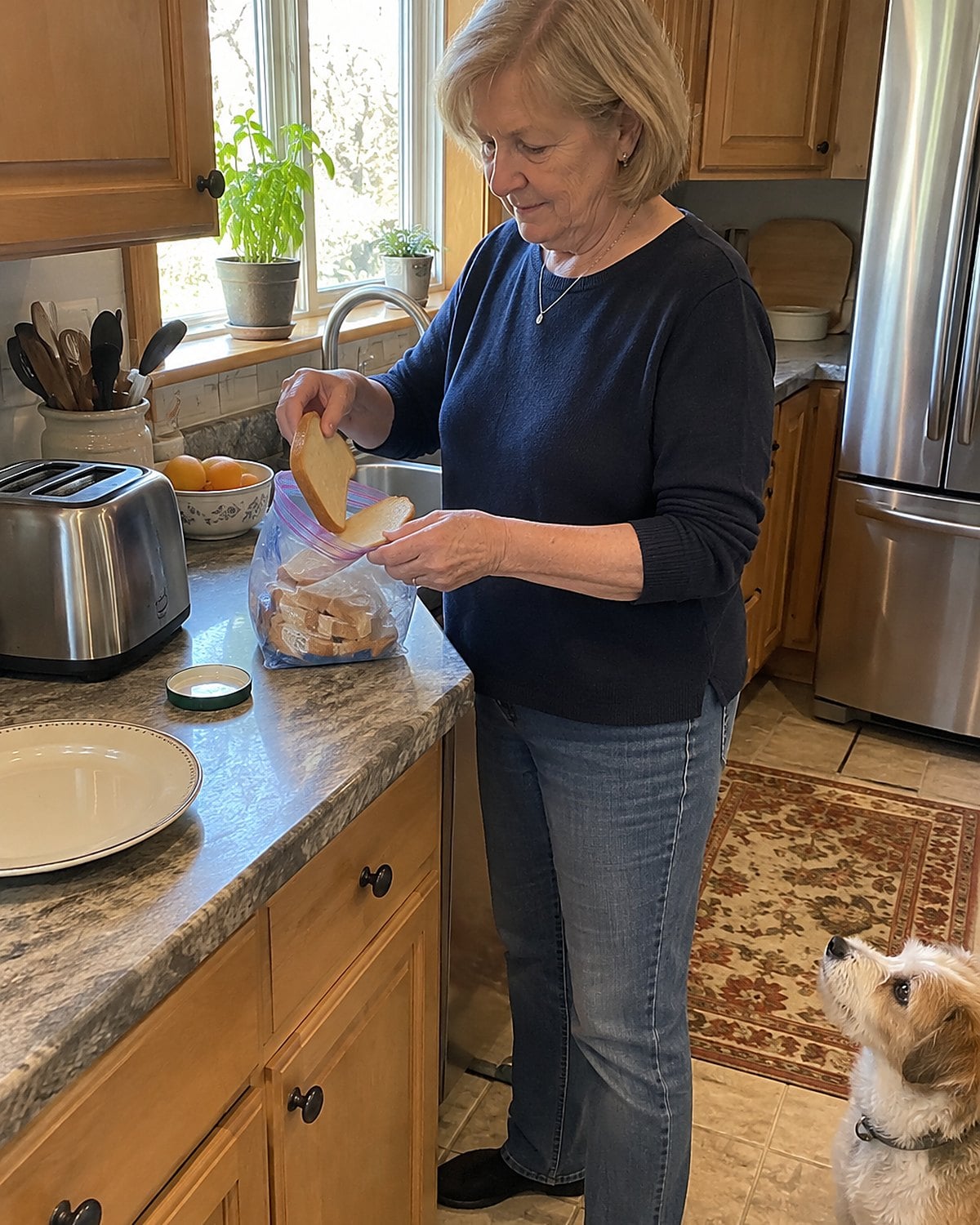
A full loaf suited the years when toast disappeared before the week was out. Now the last slices sit in their bag while you keep choosing the fresh end.
Slice bakery bread before freezing it, then take out only what you're eating. For packaged sliced bread, separate stubborn slices before the bag goes into the freezer. Toast slices from frozen, or thaw what you need. Keep the bag closed well so the bread doesn't dry out in the freezer.
Don't keep bread in the refrigerator to make it last. Refrigeration makes bread stale faster; freezing is the better pause button for a household using a loaf slowly. The freezer also gives you a reason to buy the bread you actually like, rather than the smallest loaf you can find.
Look at the crumbs left by the toaster tomorrow. Are they from bread you wanted to eat, or from bread you bought because the old household always finished it?
#3 The shopping cart's bulk-size bargain
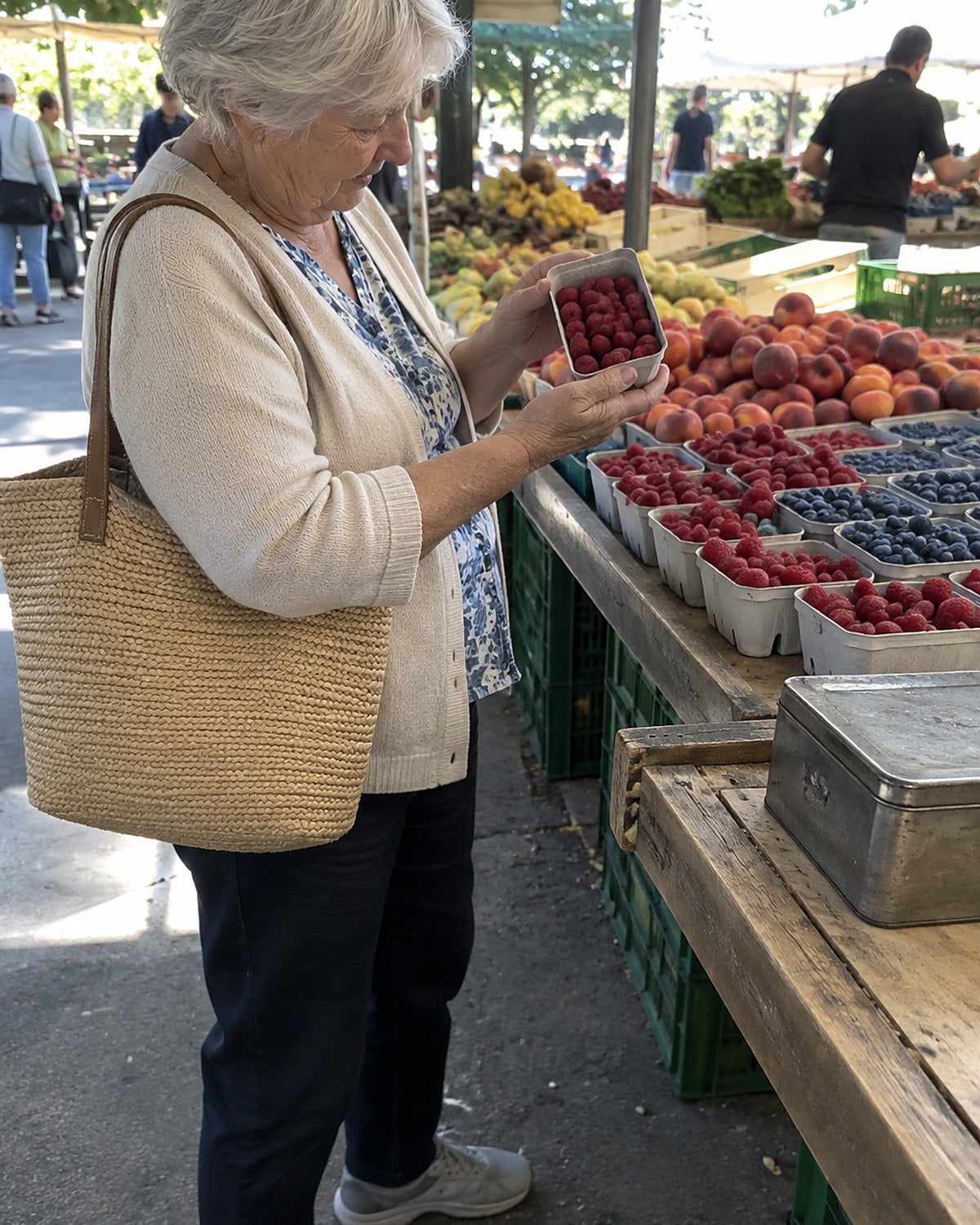
Is the bigger package a bargain if half of it reaches the trash? Start with the unit price on the shelf label, then look at how much you will use. A lower price per ounce matters only for food that reaches a plate.
For dry pasta or unopened pantry staples, the larger package fits if you have space and use it steadily. Fresh berries need a different decision. Pick up the container, look underneath for crushed fruit, and buy an amount you have a plan to eat.
Bring the smaller cart if it helps you see what you've chosen. The store's family pack doesn't have to set the size of your week. At checkout, every item should already have a meal in mind.
#2 The oven heating for one potato
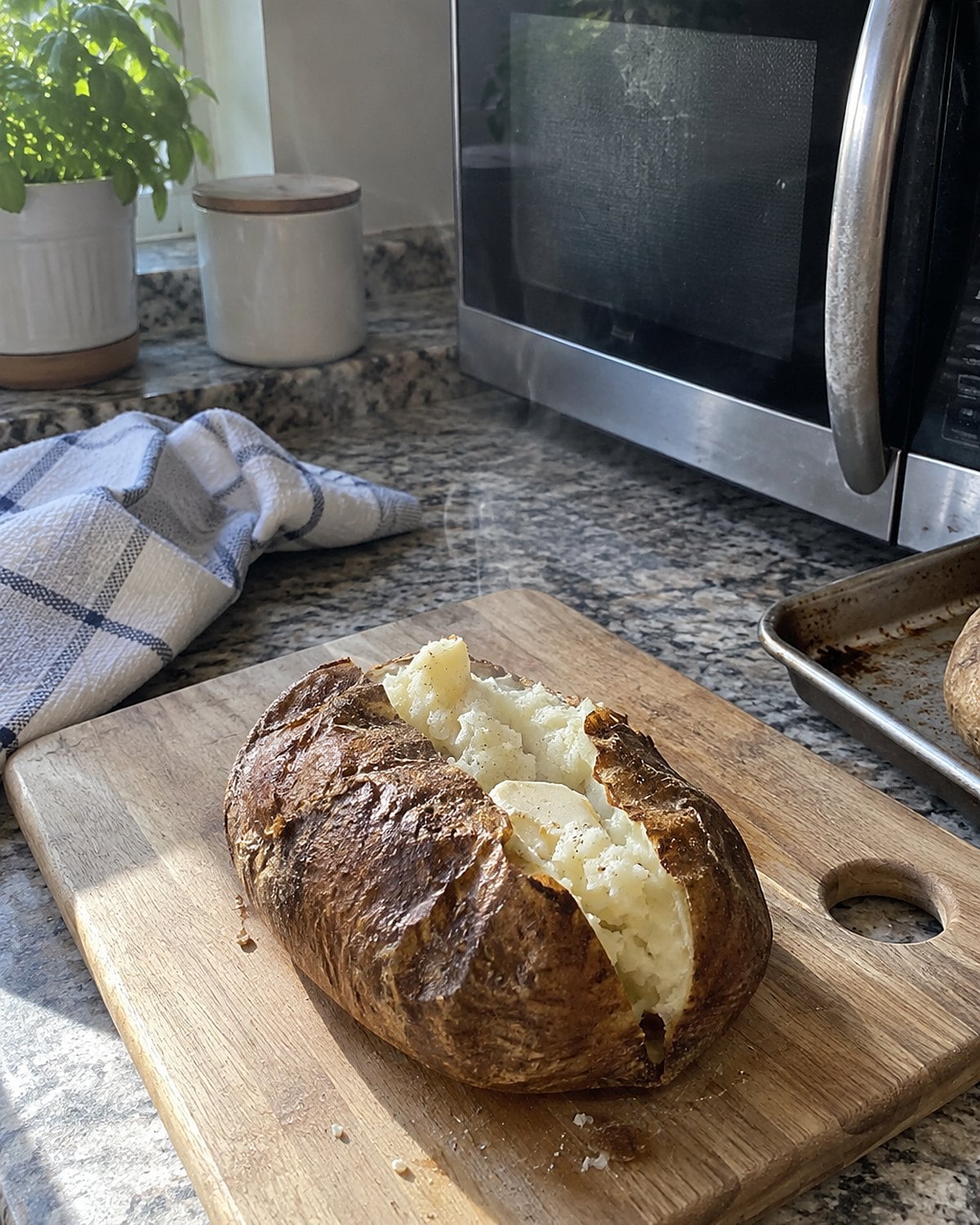
The oven clicks on because that's how you've always baked potatoes. For one potato, you wait for a large space to heat before dinner even starts. A second potato for tomorrow is sensible if you'll eat it. Six potatoes because the oven is on takes you back to the old problem.
Use the microwave when you want one baked potato quickly: pierce the skin, cook until a knife slips through the center, and let it stand before cutting. Finish it in a hot oven or air fryer if crisp skin matters to you. Check the appliance instructions for the potato's size rather than trusting a fixed minute count.
The same choice comes up with roasted vegetables. A small sheet pan still gives them space to brown; a crowded pan steams them. Cook the amount you want and spread it out.
Your oven can handle a small dinner. You don't owe it a full rack every time it heats.
Try it: Instant Pot Stuffed Baked Potatoes 4 Ways
#1 The dinner decision made before shopping
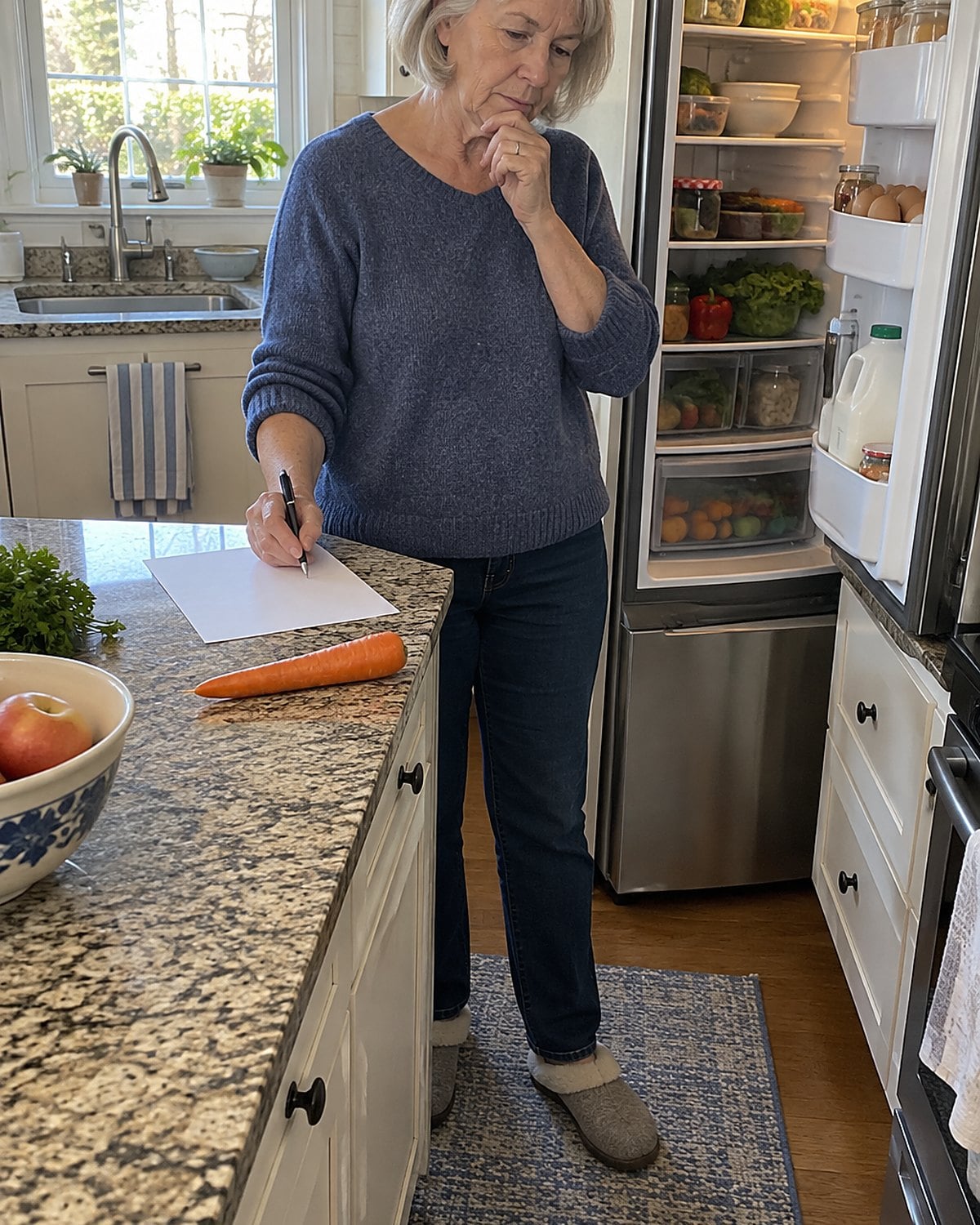
The most useful change fits on the back of a receipt: decide what happens to dinner before you buy it. Not every meal for the week. Just tonight's meal, its next appearance if there is one, and the ingredient already waiting at home.
Write a plain sentence: “Tuesday, chicken and carrots; Wednesday lunch, chicken sandwich.” Now the package size has a purpose. So does the carrot in the drawer. If lunch won't happen, buy or cook less chicken. If dinner guests have agreed to take some home, make the larger dish.
This works better than a rigid menu taped to the fridge. A menu tells you what to cook. A destination tells you how much to cook, where the extra food goes, and whether to freeze it before the days slip past. It also lets you change your mind.
If Tuesday's plan moves, you can see which food needs attention first.
Try it before the next grocery trip. Open the fridge, name one ingredient that needs using, and write down one dinner that includes it. Decide whether you want leftovers from that dinner. Only then put the missing ingredients on the list.
Forty years of feeding people taught your hands to make sure there was enough. This little decision gives those hands a current head count.
The bottom line
The old household taught you to fill the pot, then find a home for what remained. For two, decide where dinner is going before the pot is full.
A well-prepared evening starts with a look in the fridge, a portion chosen on purpose, and a place for any food you mean to keep. You still get to make the roast and open the church cookbook. You get to choose the size.
What's waiting in your kitchen right now for a meal you haven't named? Open the freezer tonight, not tomorrow. Whatever you find first is the dinner that gets a destination before anything else does.
Leave a Reply